
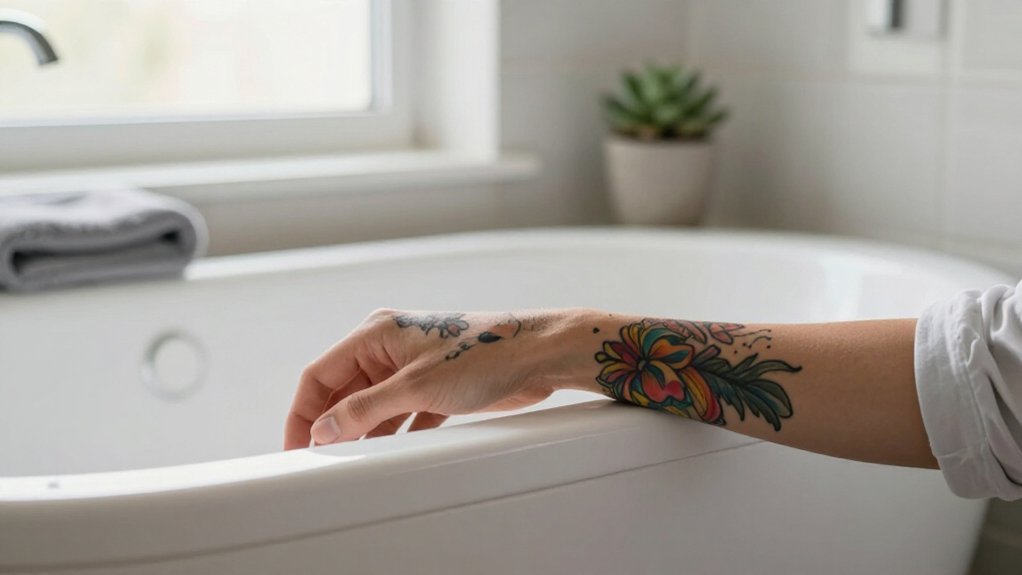
You want to swim, but your fresh tattoo needs protection. The water beckons, yet your healing skin remains vulnerable to infection, irritation, and lasting damage.
Most artists say wait two to four weeks, but four weeks is safer for most people.
Your tattoo is an open wound during early healing, so submerging it risks serious complications.
You’ll learn exactly when it’s safe, what water types matter, and how to spot true healing.
When Can You Swim After Getting a Tattoo?
Because your new tattoo is an open wound, you need time before it’s safe to swim. Tattoo healing requires patience, and proper aftercare protects your investment. Most tattoo artists recommend waiting two to four weeks before swimming. This timeline allows your skin to close and regenerate fully.
You can’t rely on a waterproof bandage for swimming pools or the ocean. Water seeps in, and infection risk remains high until healing completes. The ocean contains bacteria, salt, and sand that irritate fresh ink. Swimming pools have chlorine, which dries and damages unhealed skin.
Check your tattoo carefully. Fully healed tattoos before swimming show no scabs, flaking, or shiny areas. If you spot any open skin, wait longer. Larger pieces, color-heavy work, or joint placements may need four to six weeks. Base your decision on complete healing, not just the calendar.
Recommended Products

Widely Used: Our tattoo film has grid lines on the backing paper, which can be cut into different sizes according to requirements. The size of the film is 6 inches x 8 yards, including 3 layers, namely PET backing, PU film and release paper. Soft and stretchable, which makes it fit perfectly anywhere in the body

✡Various Purpose - Care for all types of wounds; Waterproof cover; Fixed dressing; Tattoo aftercare. It can help lock in the color, protect your tattooed skin, and reduce scabbing when you wash or moisturize your tattoo, quickly form a protective film then accelerate your recovery

THE ORIGINAL TATTOO AFTERCARE BANDAGE – Saniderm’s Original Gloss Bandage is the tried-and-true, industry-defining tattoo aftercare bandage. Dermatologist-recommended and trusted by expert tattoo artists worldwide, this medical-grade bandage ensures your tattoo heals quickly, safely, and more vibrantly. With over a decade of experience and millions of tattoos healed, it’s the perfect way to heal your ink.
Why Swimming Too Soon Damages Your Tattoo and Health
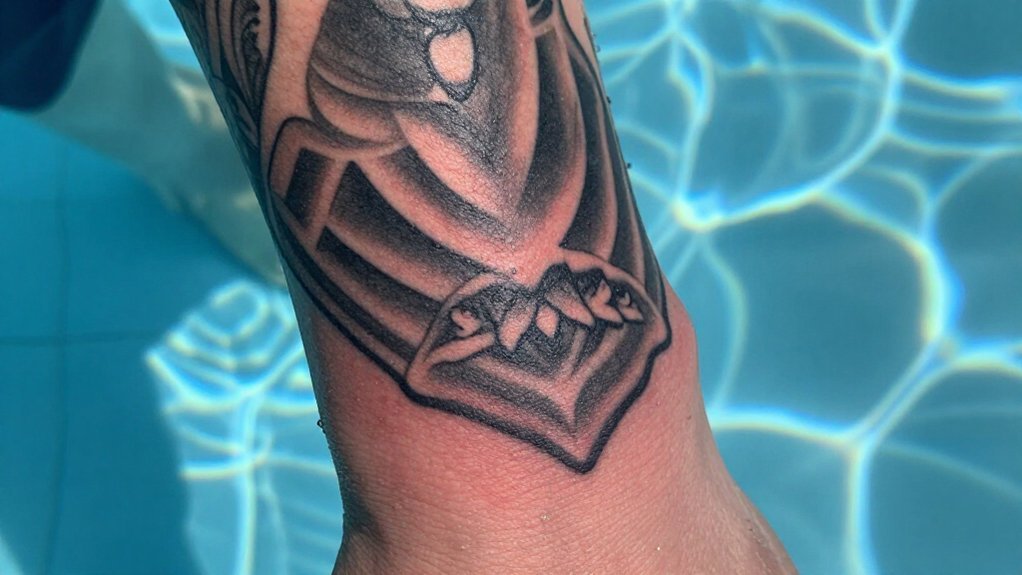
While you might be keen to take a quick dip, soaking your new tattoo puts both your artwork and your wellbeing at serious risk. Swimming with a new tattoo before completing the healing weeks invites serious complications.
1. Infection Danger
Your fresh tattoo is an open wound. Pools contain chlorine and other waters harbor harmful bacteria. Submerging damaged skin traps contaminants, and this exposure will increase the risk of infection markedly.
A fresh tattoo is an open wound—submerging it invites infection and traps harmful contaminants.
2. Chemical Irritation
Chlorine strips moisture and irritates regenerating tissue. You will experience heightened redness, burning sensations, and patchy healing as a result.
3. Physical Damage
Prolonged soaking causes scabs softening, which leads to premature loosening. Your ink may blur, lines can fade unevenly, and moisture delays full recovery.
Protect your investment by staying dry until your artist clears you.
Recommended Products

THE ORIGINAL TATTOO AFTERCARE BANDAGE – Saniderm’s Original Gloss Bandage is the tried-and-true, industry-defining tattoo aftercare bandage. Dermatologist-recommended and trusted by expert tattoo artists worldwide, this medical-grade bandage ensures your tattoo heals quickly, safely, and more vibrantly. With over a decade of experience and millions of tattoos healed, it’s the perfect way to heal your ink.

Transparent Matte Film Protection - This breathable tattoo bandage is a must-have in your tattoo supplies, offering latex-free protection that supports gentle healing for new ink.

THE ORIGINAL TATTOO AFTERCARE BANDAGE – Saniderm’s Original Gloss Bandage is the tried-and-true, industry-defining tattoo aftercare bandage. Dermatologist-recommended and trusted by expert tattoo artists worldwide, this medical-grade bandage ensures your tattoo heals quickly, safely, and more vibrantly. With over a decade of experience and millions of tattoos healed, it’s the perfect way to heal your ink.
What Actually Happens If You Swim With a Fresh Tattoo?
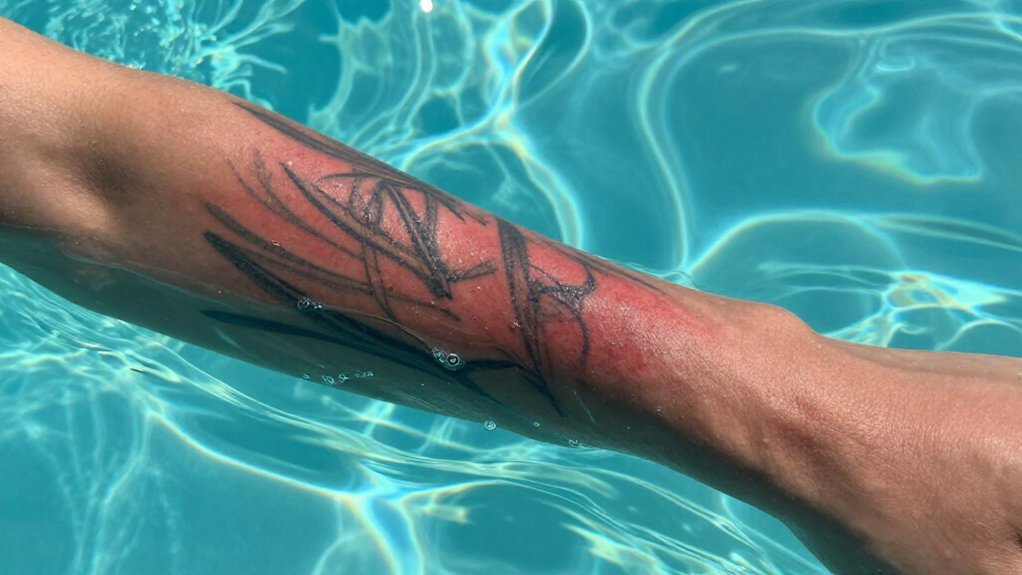
When you swim with a fresh tattoo, you’re exposing an open wound to bacteria, chemicals, and softening agents that can compromise your healing. The water traps harmful contaminants against broken skin, chlorine strips moisture and causes irritation, and submersion loosens scabs so ink sheds too early.
These factors combine to raise infection risk, blur or fade your design, and delay the formation of healthy protective layers.
Recommended Products

POWERFUL NATURAL INGREDIENTS – Enriched with 82 trace Red Sea salt minerals and vitamins, this nourishing tattoo lotion moisturizes tattooed skin with hydration and vibrant-looking color in a gentle, water-based, fragrance-free formula. Perfect as an after inked tattoo lotion for both new and older tattoos.

LOCK IN YOUR INK - H2Ocean Ocean Foam is designed to seal ink into your skin while remaining breathable and protecting your tattoo in order to allow it to heal.

TATTOO SALVE AFTERCARE – The Recovery Aftercare Tattoo Salve will soothe, moisturize and protect your tattoo and skin. This ointment comes in a convenient .75 ounce tin that easy to take with you on the go.
Infection Risk Rises
If you ignore the wait time and jump in anyway, you’re not just testing your luck, you’re creating ideal conditions for bacteria to invade your healing skin.
Why Infection Risk Rises
When you swim after getting a tattoo, you expose an open wound to countless microbes. During weeks 1–3, your tattoo is really an open wound, not fully healed skin. Submerging it lets bacteria, algae, and other pathogens bypass your damaged barrier.
Pool chemicals won’t protect you. Chlorine irritates the wound, increasing redness and slowing your natural healing process. Soaking also softens scabs prematurely, creating deeper entry points for germs.
The longer you stay submerged, the higher your infection risk rises. Quick rinses are safer than prolonged soaking.
Watch for These Signs of Infection
- Spreading warmth or redness
- Increasing swelling
- Pus or discharge
- Fever
Seek medical care immediately if these appear. Protect your tattoos healing properly, and wait until fully healed before getting back in the water.
Ink Damage Occurs
- Soaking keeps skin overly moist during the critical barrier-forming stage, physically blurring lines.
- Submerging before your tattoo seals means weakened skin loses ink where swimsuits rub or movement creates friction.
- Chlorinated water dries and irritates fresh work, stressing ink as it settles and contributing to dullness.
Even without immediate disaster, swimming too early reduces long-term vibrancy. Ink stability stays low during scab and peel phases, typically weeks 1–3.
Long after a tattoo should have healed beautifully, you’ll see the consequences of premature dips. Wait it out; your infection risk and ink damage both drop when you’re patient.
Healing Process Disrupted
Because your tattoo heals through a precise biological sequence, submerging it prematurely throws off every stage. Your fresh tattoo is truly an open wound, and water exposure softens scabs before they’re ready, causing uneven shedding and patchy ink loss.
1. How Water Interrupts Healing
Pool chlorine and ocean salt irritate healing skin, prolonging redness and delaying protective skin formation. Even “clean” water won’t help. Shiny or peeling skin means you’re not healed.
2. Infection Risk Rises
Submerging increases your risk of infection, as bacteria enter vulnerable tissue. Complications can escalate quickly.
3. There’s No Shortcut
No waterproof tattoo product exists for swimming with a new tattoo. Proper tattoo aftercare demands patience. Healing time typically spans 2–4 weeks, and rushing it compromises your results.
How Your Tattoo Heals: Week-by-Week Timeline
You need to understand how your tattoo heals week by week so you’ll know exactly when it’s safe to swim. Your skin moves through distinct healing stages, and jumping into water too early invites serious complications. Here’s what you can expect during the first month and beyond, based on your tattoo’s size, location, and color saturation:
Week 1: Open Wound
Your tattoo is an active wound with redness, tenderness, and possible fluid or scabbing; swimming is extremely unsafe now.
Week 2: Peeling Stage
The skin resembles a sunburn and begins peeling, but the new layer underneath is still vulnerable; avoid swimming completely.
Week 3: Surface Healing
Most visible peeling may subside, yet deeper skin layers continue regenerating; you still cannot swim safely.
Week 4: Fully Sealed (Earliest Safe Point for Many)
The tattoo appears smooth and matte, not shiny, with no scabs or flakes shedding; some people may consider swimming now.
Extended Healing for Complex Tattoos
Large pieces, joint placements, or color-heavy work often need 2–6 weeks; swim only when all healing signs (redness, itching, tenderness, shiny skin) have fully resolved.
Recommended Products

Protective Tattoo Aftercare Film – Lightweight tattoo cover film designed to help keep new tattoos protected from everyday contact, friction, dirt, and external elements while maintaining a clean, discreet appearance under clothing.

Protective Tattoo Aftercare Film – Lightweight tattoo cover film designed to help keep new tattoos protected from everyday contact, friction, dirt, and external elements while maintaining a clean, discreet appearance under clothing.
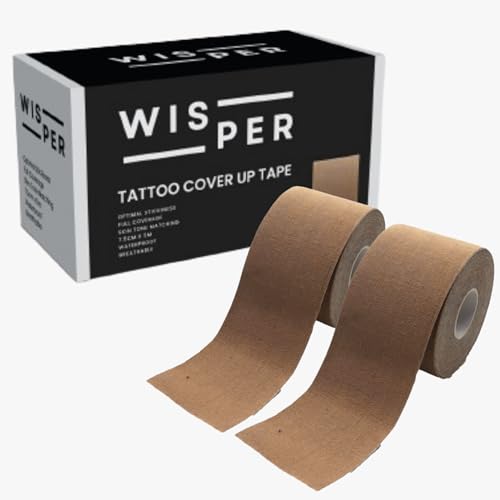
Perfectly Sticky & Packaged for Convenience: Each package includes 2 tan tapes that ensure strong, reliable hold without damaging skin when removing it. Ideal for sensitive areas. It’s easy to apply and remove!
Week 1: Open Wound
During the first week after getting inked, your tattoo functions primarily as an open wound, which means you need to treat it with medical-grade caution. You will notice redness, tenderness, and possible fluid secretion or scabbing. This phase leaves your new tattoo extremely vulnerable.
Why Swimming Is Dangerous
You must avoid swimming entirely during week 1. Open wounds like fresh tattoos create easy entry points for bacteria found in pools, oceans, and lakes. You also expose yourself to harsh chemicals, such as chlorine, which irritate damaged skin. The risk of infection rises dramatically with every minute you spend submerged.
Key Takeaway
Wait until you have healed tattoos before swimming. Swimming after getting inked too soon compromises your body’s natural barrier, inviting complications that could permanently damage your ink. Patience now protects your investment and your health.
Week 2: Peeling Stage
As you enter the second week, your tattoo enters what’s commonly called the peeling stage. Your fresh ink now looks dull and dry, and you’ll notice it peeling or flaking like sunburn. This process signals that your skin surface is shedding damaged layers, but don’t mistake this for full healing.
Why You Must Wait to Swim
Peeling doesn’t mean you’re waterproof. The deeper layers beneath your tattoo are still regenerating, so submerging in water poses real risks. Soaking softens premature scabs and loosening skin, which can disrupt healing and leave your tattoo with patchy, uneven color. Chlorine and other pool chemicals irritate peeling skin, increasing redness and slowing your recovery.
The Bottom Line
You need to wait longer. Most people reach the fully sealed stage closer to week four, when flaking resolves and skin feels smooth. Swimming now threatens your ink’s long-term vibrancy.
Week 3-4: Fully Sealed
The healing marathon enters its final stretch around week three, and you’ll notice the surface looking smoother and more settled. Finished peeling means progress, but deeper layers still regenerate, so you must wait four weeks before swimming.
Week 3: Still Healing
Your tattoo might look healed on the surface while remaining tender, raised, or shiny underneath. Don’t risk swimming or submerging if you spot any flaking, redness, or open areas. The “healed” appearance often lags behind true repair.
Week 4: Fully Sealed
By now, skin typically closes completely, appearing smooth and matte with zero scabbing. Small, simple tattoos may reach this stage sooner, but healing time varies. You need completely healed skin, not just a calendar date.
Continue proper care. Pat dry with a clean towel. Some artists apply second skin or recommend waterproof tattoo cover options for added protection. Remember, complex work can take up to four weeks or longer.
Can You Shower With a New Tattoo? (Safely, Yes)
While you might worry about water ruining your fresh ink, showering with a new tattoo is actually safe, and it’s even recommended for keeping the area clean during healing.
Showering with a new tattoo is safe and recommended—just keep it brief, use lukewarm water, and let it breathe.
1. Shower Smart, Don’t Soak
When you shower, use lukewarm water and keep it brief. Unlike swimming, a shower doesn’t submerge your tattoo, which helps your tattoo heal properly. Avoid direct high-pressure spray on the fresh ink. You don’t need to use a waterproof covering in the shower, just don’t let the tattoo stay wet.
2. Dry Carefully, Act Fast
After your tattoo gets wet, pat it dry gently with a clean, soft towel. Never rub. Let it dry fully before applying aftercare.
3. Skip the Bath
Don’t take baths, hot tubs, or long soaks. Brief showers are safe; soaking is where infection and ink-fading risks rise.
Recommended Products

Protect Your Body Art: Moisturizing with the bonus of itch relief! Tattoo Goo's Tattoo Care Lotion soothes healing skin & keeps healed ink looking sharp for life. With olive oil & glycerin, it delivers deep, breathable hydration that won’t clog pores

Soothes & Hydrates Tattooed Skin: This premium tattoo balm blends Shea, Mango, and Aloe butters to melt effortlessly into skin without clogging pores. Perfect tattoo aftercare for fresh ink to soothe and keep skin nourished.

Package contents: you will get 100 pieces of transparent stretch adhesive bandages, a total of 4 sizes, different sizes saving your trimming step, easy to use, enough to meet your needs
Pool, Ocean, or Lake: Swimming by Water Type
Where exactly can you swim, and how long must you wait? It depends entirely on type of water, so each environment carries unique risks you need to understand.
1. Pool (Chlorine)
You’ll find exposure to chlorinated water most tempting early on, but pool chemicals dry and irritate healing skin. Recommend waiting at least two weeks, though three to four proves safer for tattoos located on high-friction areas. Chlorine can fade fresh ink and create patchy results.
2. Ocean
Salt, sand, and microbes create a triple threat. Wait at least 3–4 weeks minimum, and keep first swims brief even after full healing. Seawater can blur lines and introduce infection.
3. Lake
Freshwater harbors algae, bacteria, and runoff pollutants. You need that same 3–4 week wait, or longer, since monitoring full healing matters more than any calendar date.
Recommended Products
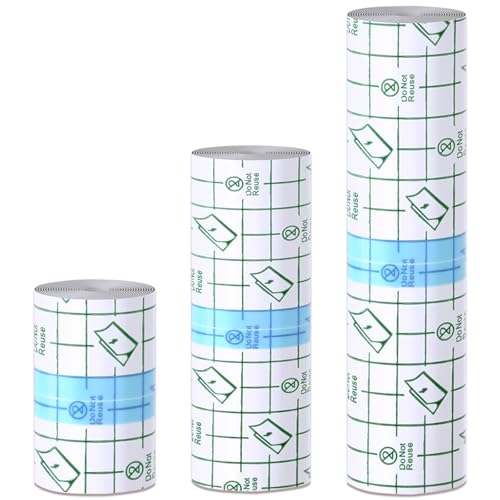
Triple-Size Value Pack for Every Tattoo Style - Get 3 full rolls of premium second skin tattoo cover (2" x 2.2 Yd, 4" x 2.2 Yd, 6" x 2.2 Yd) - sized for wrist art, back pieces, or sleeve designs. The tattoo aftercare bandage can be cut freely to match any ink!

RELIABLE PROTECTION: Hion transparent adhesive bandage shields your skin from dust, dirt, germs and bacteria, as well as friction or scrubbing. It is good to protect minor burns, scrapes, cuts, blisters, abrasions and new tattoo in healing. The transparent film dressing allows you to observe healing progress of your wound without having to peel it off.

PROMOTE HEALING & BRIGHTEN TATTOO COLORS: Our transparent tattoo cover will lock the moisture your wound needs to accelerate regeneration process, reduce scabbing and keep the tattoo colors vibrant; Please note: packaging may vary
5 Signs Your Tattoo Is Actually Ready for Swimming
Once you’ve navigated the waiting periods for pools, oceans, and lakes, you’ll need concrete ways to confirm your tattoo has actually healed. You’ve followed what is generally recommended to wait, but skin typically heals at different rates depending on size, location, and your immune response.
Healing doesn’t follow a calendar—your tattoo’s recovery depends on size, placement, and how your body repairs itself.
Check these five signs before swimming:
- Surface is smooth and sealed. Your tattoo is fully recovered when no scabs, flakes, or shiny “fresh” skin remain.
- Color and texture look even. No redness, swelling, warmth, or oozing means deeper layers have closed.
- No tenderness or itching. Gentle touch causes zero pain, and the urge to scratch has passed.
- Skin feels flat, not raised. The protective layer has formed properly.
- No warning signs. Open areas, pus, spreading redness, or fever mean you must avoid water completely.
Keep your tattoo clean, follow all aftercare instructions, and use waterproof dressing if uncertain. Shield healed work from UV rays, since fresh exposure damages new ink.
Recommended Products
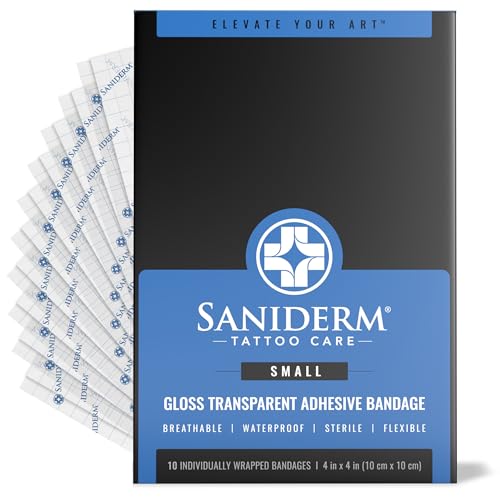
THE ORIGINAL TATTOO AFTERCARE BANDAGE – Saniderm’s Original Gloss Bandage is the tried-and-true, industry-defining tattoo aftercare bandage. Dermatologist-recommended and trusted by expert tattoo artists worldwide, this medical-grade bandage ensures your tattoo heals quickly, safely, and more vibrantly. With over a decade of experience and millions of tattoos healed, it’s the perfect way to heal your ink.

PROTECTS & COMFORTS: Locks in moisture to help keep your ink bold and bright; Acts like a second-skin shield for fresh tattoos; Designed to reduce friction and protect from outside elements - naturally and without a fuss

Nourishes Healing Ink for Vibrant Color: Tattoo Goo supports healing tattoos & maintains vibrancy on healed ink with a lightweight formula rich in olive oil, lavender oil, cocoa butter, and beeswax. It absorbs quickly, moisturizes deeply, and helps reduce dryness, itch and tightness so your tattoo looks and feels comfortable through everyday routines
Aftercare Tips That Actually Heal Tattoos Faster
- Clean daily with a mild cleanser and lukewarm water, then pat dry immediately; avoid hot water that irritates skin.
- Apply only a thin layer of recommended ointment to protect your tattoo; ensure skin is fully dry first.
- Keep your tattoo covered with loose, breathable fabric, and apply sunscreen only after healing is complete.
Within two hours of any accidental water exposure, pat dry and resume aftercare. Avoid “waterproof” claims on products; they rarely help healing. Monitor for infection signs, including increasing redness, warmth, or swelling.
Recommended Products

【PROFESSIONAL TATTOO AFTERCARE KIT】Complete 4-step care routine for fresh tattoos. This tattoo kit includes a Cleansing Foam (80ml) to gently wash, a Soothing Gel (60g) to cool & hydrate, a Tattoo Balm (25g) to nourish, and a Breathable Bandage (15cm*2m) to protect. Everything you need for proper tattoo aftercare in one box.
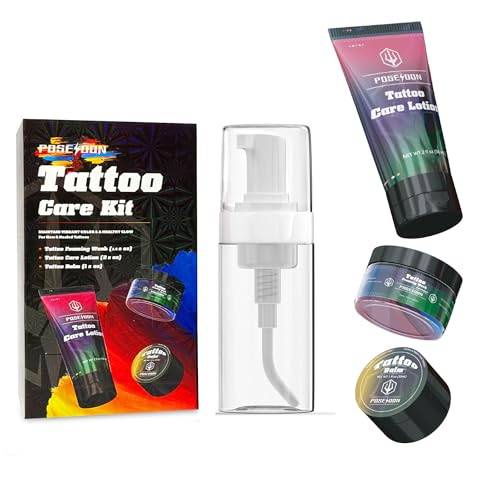
COMPLETE HEALING SYSTEM: This 3-piece kit provides essential care for every healing stage. The cleansing soap preps skin, the protective balm soothes, and the moisturizing lotion repairs—working together to speed recovery and lock in tattoo color.

HEAL YOUR TATTOOS FASTER: with our gentle and soothing cream and soap that moisturize and nourish your skin. Our products are dermatologically tested and safe for all skin types.