
You just got fresh ink, and you’re itching to hit the gym. But your skin needs time to seal itself before you stress it with sweat and friction. Wait too little, and you risk infection, color loss, and a longer healing process. Wait too long, and you lose momentum you worked hard to build.
The real question isn’t whether you *can* work out, it’s how to do it without ruining your investment. Here’s what actually matters for protecting your new tattoo while staying active.
How Long to Wait Before Working Out
While you might feel ready to hit the gym, your new tattoo needs time before you stress it with sweat and movement. You should wait at least 48 hours before any exercise, and most experts suggest waiting a few days to a week depending on your healing progress.
Your tattoo needs time to heal before you stress it with sweat and movement—wait at least 48 hours, or longer based on healing progress.
Understanding Your Healing Time
Your skin heals in stages. After getting a new tattoo, you might feel fine after 1 to 3 days, but peeling and scabbing typically occur during days 4 to 14. You need to monitor your tattoo closely during this period.
When You Can Resume Exercise
You can work out after getting clearance from your body, not your calendar. Resume only when:
- The surface no longer feels open or tender
- You’ve removed any bandage or wrap
- Scabbing has settled and skin matches normal texture
Special Considerations
Larger, shaded, or colored tattoos need longer healing time, sometimes weeks. High-stretch areas, like elbows or knees, require extra downtime to prevent friction damage during movement.
Recommended Products

✡Various Purpose - Care for all types of wounds; Waterproof cover; Fixed dressing; Tattoo aftercare. It can help lock in the color, protect your tattooed skin, and reduce scabbing when you wash or moisturize your tattoo, quickly form a protective film then accelerate your recovery

Widely Used: Our tattoo film has grid lines on the backing paper, which can be cut into different sizes according to requirements. The size of the film is 6 inches x 8 yards, including 3 layers, namely PET backing, PU film and release paper. Soft and stretchable, which makes it fit perfectly anywhere in the body

THE ORIGINAL TATTOO AFTERCARE BANDAGE – Saniderm’s Original Gloss Bandage is the tried-and-true, industry-defining tattoo aftercare bandage. Dermatologist-recommended and trusted by expert tattoo artists worldwide, this medical-grade bandage ensures your tattoo heals quickly, safely, and more vibrantly. With over a decade of experience and millions of tattoos healed, it’s the perfect way to heal your ink.
What Happens When You Work Out Too Early
Now you know when to wait, but you might wonder what actually goes wrong if you push through a workout anyway.
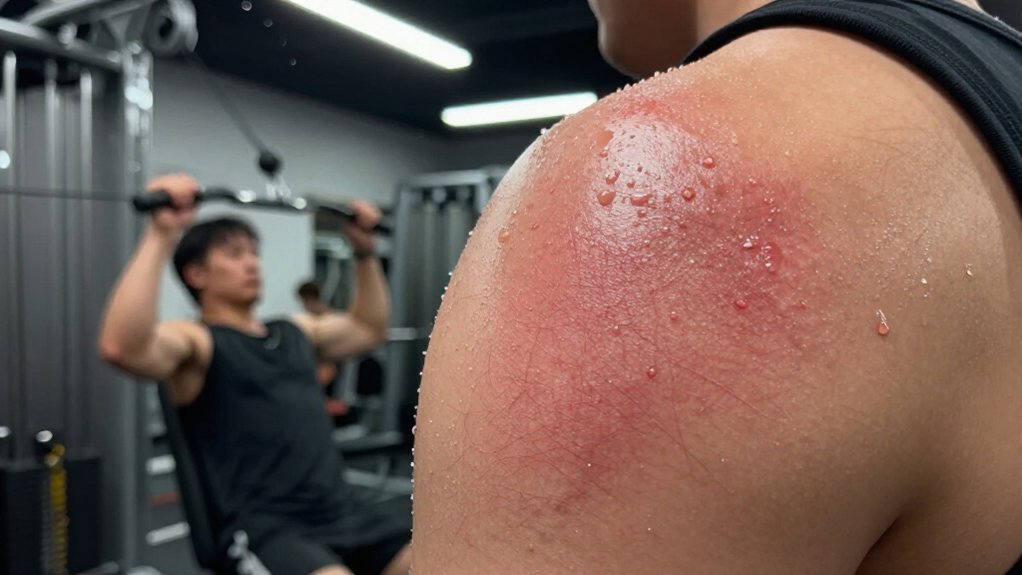
When you get tattooed, the needle creates an open wound by penetrating deep into your skin cells. Without proper tattoo aftercare, this vulnerable area becomes a breeding ground for bacteria. Sweat and moisture trapped against your fresh tattoo, especially under plastic wraps, promote infection and irritation.
Friction poses another serious threat. Contact with gym equipment or repetitive motion disrupts scabbing, pulls at healing tissue, and delays the healing process. You’ll risk patchiness, prolonged redness, and premature fading that requires touch-ups.
Pressure from bending joints or stretching directly affects how ink settles. This interference compromises your artist’s work.
Key reasons to Wait to Exercise include:
- Infection risk from bacteria growth
- Delayed healing from friction damage
- Ink distortion from early stretching
Avoid intense exercising, avoid soaking the area, and protect your investment.
Recommended Products

RELIABLE PROTECTION: Hion transparent adhesive bandage shields your skin from dust, dirt, germs and bacteria, as well as friction or scrubbing. It is good to protect minor burns, scrapes, cuts, blisters, abrasions and new tattoo in healing. The transparent film dressing allows you to observe healing progress of your wound without having to peel it off.

THE ORIGINAL TATTOO AFTERCARE BANDAGE – Saniderm’s Original Gloss Bandage is the tried-and-true, industry-defining tattoo aftercare bandage. Dermatologist-recommended and trusted by expert tattoo artists worldwide, this medical-grade bandage ensures your tattoo heals quickly, safely, and more vibrantly. With over a decade of experience and millions of tattoos healed, it’s the perfect way to heal your ink.

THE ORIGINAL TATTOO AFTERCARE BANDAGE – Saniderm’s Original Gloss Bandage is the tried-and-true, industry-defining tattoo aftercare bandage. Dermatologist-recommended and trusted by expert tattoo artists worldwide, this medical-grade bandage ensures your tattoo heals quickly, safely, and more vibrantly. With over a decade of experience and millions of tattoos healed, it’s the perfect way to heal your ink.
Which Workouts Are Safe During Early Healing?
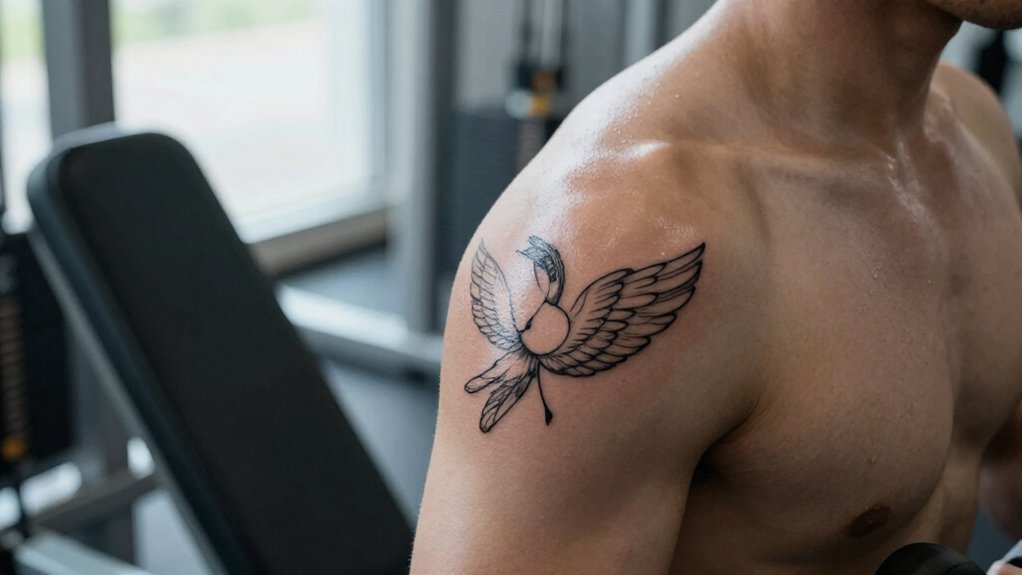
Once you’ve waited the initial 48 to 72 hours, you can ease back into movement, but you’ll need to pick your activities carefully. Getting inked means respecting the aftercare instructions, so you’ll want to avoid intense sessions that stretch or rub the tattooed skin. Since exercising too soon risks disrupting your new art, stick with low-impact choices during this window.
Safe Options for Early Healing
You can try these gentle movements:
- Light walking on flat terrain
- Restorative yoga that avoids the tattooed area
- Low-intensity resistance training for muscles far from the ink
Key Precautions
Avoid exercises that create skin-to-skin contact, heavy friction, or compression on your fresh tattoo. The healing phase is temporary, so patience protects your investment.
Post-Workout Care
After any session, keep your tattoo clean. Wash immediately with unscented soap, then gently pat the area dry. Do not rub. Pat dry completely, remembering moisture attracts bacteria.
Recommended Products

Gentle, Deep Cleansing: Tattoo Goo Foaming Cleansing Soap for tattoos and piercings helps remove impurities and clean the inked or pierced areas at a deep level by removing dirt, dead skin cells, and killing germs without damaging the skin

GENTLY CLEANSES NEW TATTOOS - Use Repair Tattoo Wash during the healing process to keep your fresh tattoo ink clean or as a perfect prep wash before and after tattooing.

ESSENTIAL AFTERCARE FOR TATTOOS & PIERCINGS: After Inked Aftercare Foam Cleanser is designed to gently cleanse and remove dirt from tattoos, piercings, and body modifications. It provides an effective yet soothing clean without causing skin irritation or dryness.
Workouts to Avoid: and For How Long
Knowing which exercises are safe helps, but you also need a clear picture of what’s off-limits and for how long. You’ll want to pause intense workouts after getting inked for seven to fourteen days. Heavy sweating irritates skin and invites infection.
Skip heavy lifting and high-contact sports for one to two weeks, especially if your healing tattoo sits on elbows, knees, or stomach. These areas flex and stretch, slowing recovery.
Wait at least three days before any physical activity, and only resume when tenderness fades.
Until your tattoo heals fully, avoid swimming; pool chemicals and natural water soak the wound, causing irritation and infection risk. Keep workouts light, listen to your body, and prioritize healing over intensity.
Recommended Products

Sweat-Powered Cooling--90% nylon, 10% spandex material, made with sweat-wicking fabric that cools you down as you heat up. Keeping you fresh and comfortable even in extreme heat

❤️️ UV Protection- Can effectively resist 99.99% of the UV, Protection class is UPF 52+. Keep your skin away from freckles ,dark spots ,dull and peeling and other troubles, to avoid premature aging

Plus size:The arm compression shaper are in plus size, designed for plus-size women; Compare to other regular shawl,our arm sleeves wrap can stretch up to 31% wider,larger and more comfortable to use
How to Keep Your Tattoo Safe at the Gym
At the gym, your fresh ink faces constant threats from friction, sweat, and shared surfaces. Getting a Tattoo means committing to aftercare, especially when returning to the gym before your tattoo will heal.
1. Dress Smart
Wear loose layers, not tight clothing. Keep the area covered but breathable to avoid direct contact with equipment.
2. Use Barrier Protection
Apply your artist-approved film dressing. This helps protect your new ink from rubbing and germs.
3. Modify Movements
Choose exercises that don’t stretch or compress the tattooed area. Skip floor work that risks bumping or scraping.
4. Manage Sweat
Scale down if you’re dripping. Sweat trapped against healing skin breeds irritation.
5. Clean Promptly
Wash your tattoo within an hour using clean hands and unscented soap. Shower immediately, drying gently with a fresh towel.
Most artists recommend waiting two weeks before normal gym routines resume.
Recommended Products

TATTOO AFTERCARE ESSENTIAL: Hustle Butter is the original tattoo aftercare balm for new and older tattoos. With over 10 years in the market, we are a pioneer of the tattoo aftercare category.

TATTOO AFTERCARE ESSENTIAL: Hustle Butter is the original tattoo aftercare balm for new and older tattoos. With over 10 years in the market, we are a pioneer of the tattoo aftercare category.

Protect Your Body Art: Moisturizing with the bonus of itch relief! Tattoo Goo's Tattoo Care Lotion soothes healing skin & keeps healed ink looking sharp for life. With olive oil & glycerin, it delivers deep, breathable hydration that won’t clog pores
How Placement Affects Your Return to Working Out
Where you get your tattoo determines how quickly and safely you can return to training. Placement matters because areas that stretch the skin heal more slowly.
High-Mobility Zones Need More Time
Tattoos near elbows and knees, and other joints, demand extra caution. These spots flex constantly, so you’ll need longer rest before training them hard.
Arm/Forearm: Easier, But Not Risk-Free
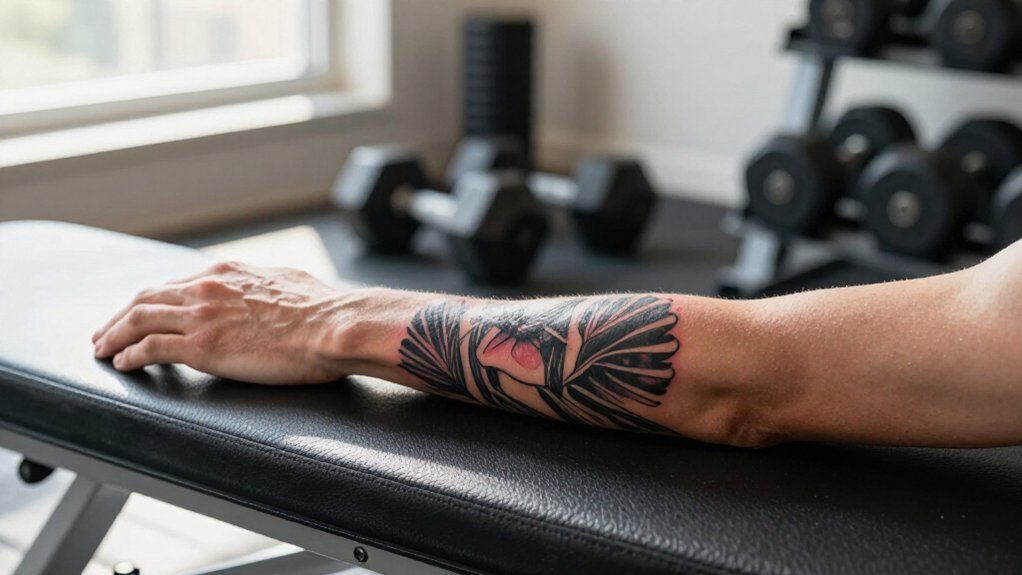
An arm/forearm tattoo often preserves your range of motion better than torso work. However, repeated bending still irritates the skin. Avoid moves that compress the area.
Watch for Mechanical Irritation
Limbs touching equipment face rubbing or bumping risks. Benches, bars, and floors cause mechanical irritation that delays healing.
Wait at least two to five days before stressing the area, longer for complex spots. Complete healing comes faster when you respect placement-based limits.
Recommended Products
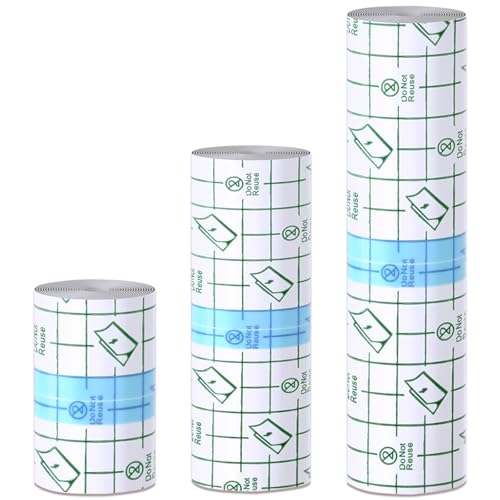
Triple-Size Value Pack for Every Tattoo Style - Get 3 full rolls of premium second skin tattoo cover (2" x 2.2 Yd, 4" x 2.2 Yd, 6" x 2.2 Yd) - sized for wrist art, back pieces, or sleeve designs. The tattoo aftercare bandage can be cut freely to match any ink!

WHAT IS PAMIOU TATTOO AFTERCARE FILM? - The second skin tattoo cover is design of three-layer: Composed of PU film, PE protective layer and the release paper. It can be used to lock the tattoo ink, protect your tattooed skin.

Transparent Matte Film Protection - This breathable tattoo bandage is a must-have in your tattoo supplies, offering latex-free protection that supports gentle healing for new ink.
If Your Tattoo Gets Sweaty During a Workout
Sweat is inevitable when you move, and it complicates fresh tattoo care. If your fresh ink gets sweaty during a workout, you’ll want to act fast to protect your tattoo healing process.
Wear loose clothing to prevent friction against the skin. Rinse the area immediately with unscented soap and clean hands. Pat the skin completely clean and dry with a fresh towel.
You should avoid heavy sweating for the first few days, since sweat contains bacteria that raises your risk of infection. If you wear adhesive dressings, check them after exercising: trapped moisture under the wrap can irritate the wound. Do not let sweat remain in direct contact with the tattoo for extended periods. If redness increases, stop exercising and consult your tattoo artist promptly.
Recommended Products

🎁WHAT’S INCLUDED - 3 Rolls, 3 Sizes – (2"x2yd, 4"x2yd, 6"x2yd) for any tattoo size, from delicate linework to full sleeves. Cut freely for custom shapes! Total 19.6ft – Ample length to cover multiple sessions or large pieces. Ideal for artists stocking aftercare kits.

After tattoo care:Helps safeguard new tattoos or retouched areas, supporting a cleaner, smoother healing process. It can help lock the color, protect your tattooed skin, reduce scab when you wash or moisturize your tattoo, quickly form a protective film, and then accelerate your recovery.

You Will Receive: 30Pcs 6 x 8inch tattoo cover up bandage, The tattoo aftercare bandage has a 3-layer design, consisting of PET backing, medical PU film, and release paper, There are green grid lines behind the lining paper, Can be cut into suitable sizes according to requirements
When to Call Your Tattoo Artist or a Doctor
Although most tattoos heal without issue, you’ll want to know exactly when professional help is warranted.
1. Call your tattoo artist first if:
- You notice worsening pain, increasing redness, or sensitivity that doesn’t improve within the first few days
- New swelling appears beyond what you expected
- The healing period seems off, large open areas develop, or scabbing seems excessive
2. Call a doctor immediately for signs of infection:
- Spreading warmth, red streaks, pus, or rapidly worsening tenderness
- Fever accompanying any of the above symptoms
3. Seek medical help for allergic reactions:
– Itchy rash, hives, or blistering (often around adhesive wraps like Derm Shield or Tegaderm)
4. Reassess after workouts:
– If sweating or friction triggers complications, don’t push through. Irritation delays healing and raises your risk of needing treatment.
Professional guidance protects your tattoo and your health.
Recommended Products

Foaming Tattoo Soap: Great for in-process and post-tattoo and piercing care. Keeps new tattoos & piercings clean during the healing process.

COMPLETE AFTERCARE KIT FOR NEW & EXISTING TATTOOS: This Tattoo Aftercare Kit brings together 3 essentials, Antimicrobial Soap, Tattoo Balm, and Tattoo Lotion, to help cleanse, protect, and moisturize fresh ink. Useful after tattoo sessions and throughout healing, it supports vibrant color and skin comfort for dedicated ink enthusiasts and artists

Professional-grade Green Soap Tattoo: Vereclue green tattoo is specifically designed for the tattoo and piercing process and is suitable for multiple stages, including pre-tattoo skin preparation, cleaning during tattooing, and aftercare for tattoos and piercings. Tattoo soap effectively removes dried blood, dead skin, and impurities, helping keep the tattoo area clean, fresh, and comfortable