
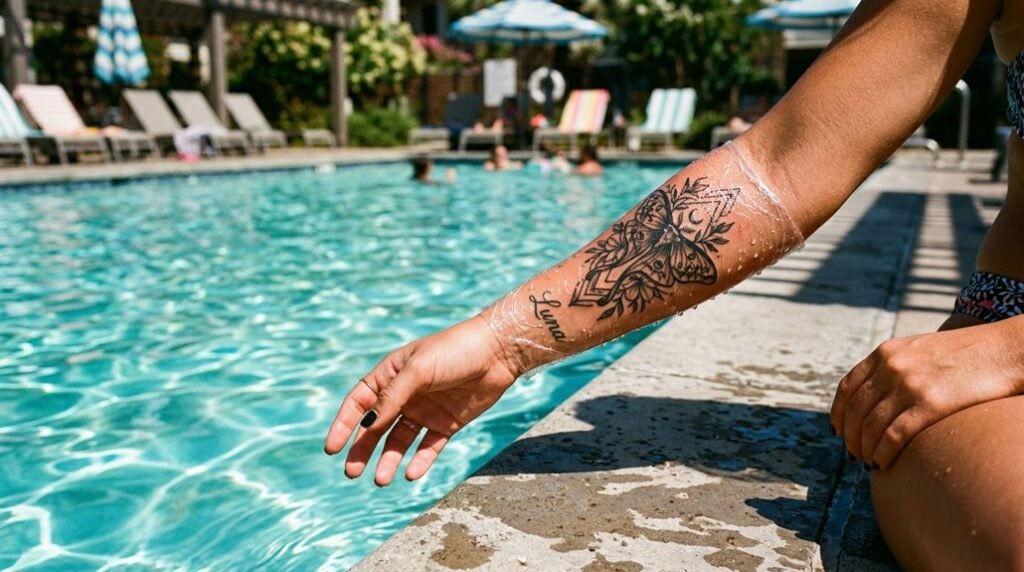
You just got fresh ink, and you’re already eyeing the pool. You’ll need to pump the brakes—water is your tattoo’s worst enemy while it heals. What many don’t realize is that bacteria aren’t the only threat; the real danger hides in what happens beneath the surface. Get it wrong, and you’re risking more than just a faded design. The timeline isn’t one-size-fits-all, and one key factor determines when you’re truly in the clear.
Key Takeaways
- Wait 2–4 weeks before swimming to allow complete skin healing.
- New tattoos act as open wounds vulnerable to bacteria and pigment loss.
- Chlorine dries and irritates healing skin more aggressively than saltwater.
- Ensure no scabs, flakes, or itching remain before entering any water.
- Rinse with fresh water post-swim and apply moisturizer to protect the tattoo.
Recommended Products

TATTOO AFTERCARE ESSENTIAL: Hustle Butter is the original tattoo aftercare balm for new and older tattoos. With over 10 years in the market, we are a pioneer of the tattoo aftercare category.
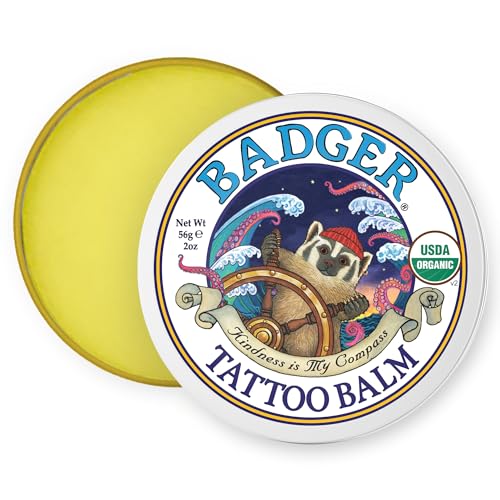
PROTECT & SOOTHE: Condition & protect your tattoos to keep ink looking bold & vibrant. Soothing, nourishing tattoo care softens fresh tattooed skin, calms redness & irritation, and promotes healing

TATTOO AFTERCARE ESSENTIAL: Hustle Butter is the original tattoo aftercare balm for new and older tattoos. With over 10 years in the market, we are a pioneer of the tattoo aftercare category.
Wait 2–4 Weeks: Your Tattoo’s Swimming Timeline
How long should you actually wait before diving back into the water? You’ll need to wait 2–4 weeks before swimming with a new tattoo. Your artist’s aftercare instructions matter most, so follow them closely.
During weeks one and two, you’re healing the open wound. Your skin forms a protective barrier, but it’s not waterproof yet. Submerging your tattoo now invites serious trouble.
By week three, you’ll notice peeling and flaking slowing down. The surface looks closed, but deeper layers haven’t finished regenerating. You’re getting closer, but patience wins here.
Week four typically brings fully healed skin. The shine fades, and your tattoo settles into its permanent appearance. At this point, you’ve earned your return to pools, oceans, and lakes. When in doubt, wait longer.
Recommended Products

ESSENTIAL AFTERCARE FOR TATTOOS & PIERCINGS: After Inked Aftercare Foam Cleanser is designed to gently cleanse and remove dirt from tattoos, piercings, and body modifications. It provides an effective yet soothing clean without causing skin irritation or dryness.

GENTLY CLEANSES NEW TATTOOS - Use Repair Tattoo Wash during the healing process to keep your fresh tattoo ink clean or as a perfect prep wash before and after tattooing.

Foaming Tattoo Soap: Great for in-process and post-tattoo and piercing care. Keeps new tattoos & piercings clean during the healing process.
Why Water Destroys a Healing Tattoo
Why exactly does a little water pose such a serious threat to your fresh ink?
Your new tattoo functions as an open wound. You break the skin repeatedly with needles, creating thousands of tiny punctures that leak plasma and ink. When you submerge this vulnerable surface, you invite disaster.
Water softens the scabs forming over your tattoo. You wash away the protective barrier your body builds. Bacteria swim directly into these openings, triggering infections that distort your design. You also force waterlogged skin to expand, pushing out pigment before it anchors properly. Your colors fade, lines blur, and patches of ink disappear entirely.
Even brief soaking disrupts healing. You prolong recovery, increase scarring risk, and compromise the artwork you invested in. Keep your tattoo dry, and you’ll preserve its vibrancy.
Recommended Products

WHAT IS PAMIOU TATTOO AFTERCARE FILM? - The second skin tattoo cover is design of three-layer: Composed of PU film, PE protective layer and the release paper. It can be used to lock the tattoo ink, protect your tattooed skin.

Transparent Matte Film Protection - This breathable tattoo bandage is a must-have in your tattoo supplies, offering latex-free protection that supports gentle healing for new ink.

BREATHABLE PROTECTIVE FILM: Mummy Tattoo Aftercare Sealant Gel dries into a clear, flexible protective layer over fresh tattoos, helping shield the tattooed area from daily dirt, friction, and external irritation while allowing the skin to breathe.
Chlorine vs. Saltwater: Which Damages New Ink More?
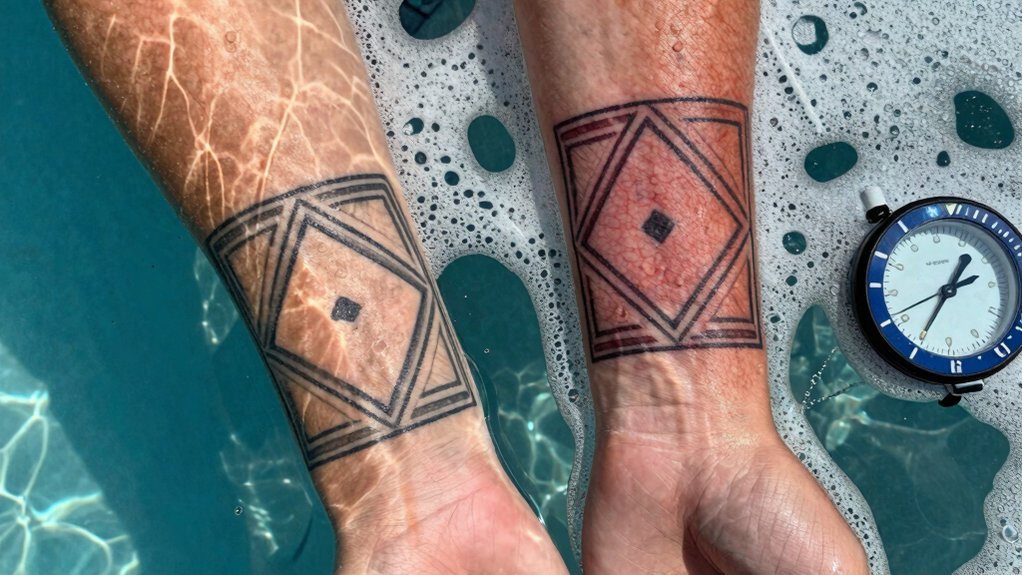
Not all water threatens your healing tattoo equally. Chlorine packs a harsher punch than saltwater against fresh ink. You expose healing skin to a chemical cocktail when you plunge into a chlorinated pool. This disinfectant strips away natural oils, dries out your tattoo, and irritates the wounded area. Your scabs soften and slough off prematurely, taking pigment with them.
Saltwater stings less aggressively but still poses risks. Ocean water harbors bacteria that invade open skin. You invite infection when waves crash against unhealed artwork. Salt also draws moisture from cells, slowing your recovery.
Neither option wins your favor during early healing. You face color loss, infection, and extended repair time with both. Wait until your artist confirms full closure before testing these waters.
Recommended Products

16-fluid ounce bottle of Lubriderm Fragrance Free Daily Moisture Lotion + Pro-Ceramide, Shea Butter and Glycerin to help restore skin's moisture barrier for healthier-looking skin
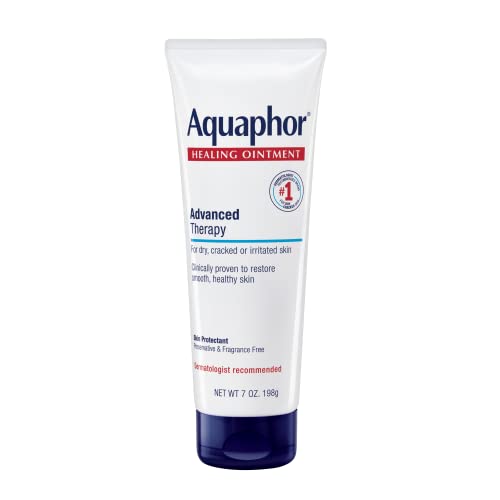
Net Weight and Dimensions: Each tube holds 7 oz. (198 g) of ointment, and measures approximately 19.9 x 5.7 x 5.2 cm; ideal for portability and easy storage
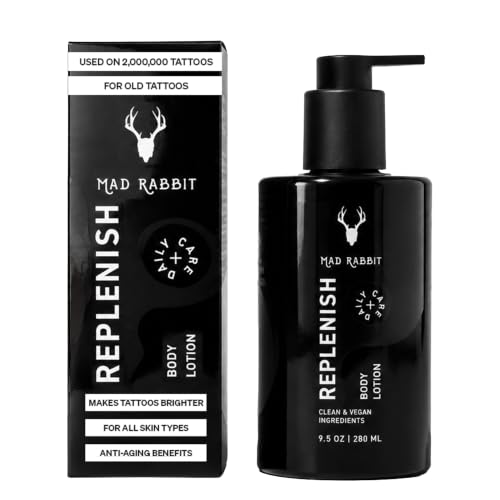
INFUSED WITH CLEAN, EFFECTIVE INGREDIENTS - The clean ingredients like Glycerin & Shea Butter provide lightweight nourishment and bounce to skin without ever feeling heavy or greasy on the surface. Anti-aging powerhouse vitamin A promotes visible firmness to skin, offsetting the appearance of fine lines and wrinkles.
5 Signs Your Tattoo Is Actually Ready for Swimming
What exactly tells you it’s safe to dive back in? You watch for these five signs.
First, you’ve passed the two-to-four week mark your artist recommended.
Second, you’ve stopped applying ointment because your skin no longer needs it.
Third, you see no scabs, flakes, or rough patches—just smooth, settled skin.
Fourth, your tattoo doesn’t itch, sting, or feel tight when you touch it.
Fifth, the colors look fully integrated, not raised or shiny.
You check all these boxes, and you’re cleared.
Don’t rush this process. Your patience protects your investment and your health.
Wait until every sign confirms you’re ready, then enjoy the water without worry.
Recommended Products

Breathable & Comfortable: Transparent film dressings are highly breathable, allowing the skin to breathe freely and helping to promote natural wound healing. High ductility, can be used for flexible connectors. Pre-cut transparent design, easy to use, easy to observe the wound site or equipment conditions.
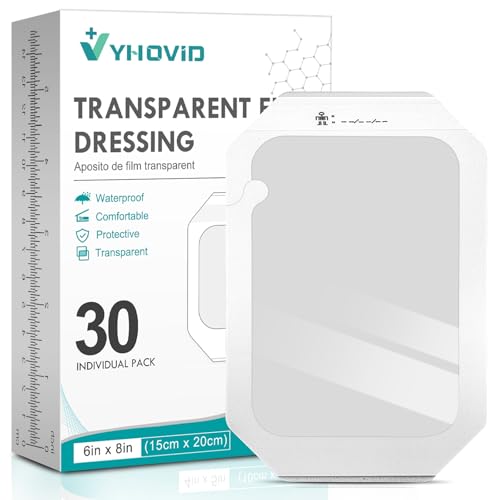
Breathable & Comfortable: Transparent film dressing are highly breathable, allowing the skin to breathe freely and helping to promote natural wound healing. High ductility, can be used for flexible connectors. Pre-cut transparent design, easy to use, easy to observe the wound site or equipment conditions.

Breathable & Comfortable: Transparent film dressing are highly breathable, allowing the skin to breathe freely and helping to promote natural wound healing. High ductility, can be used for flexible connectors. Pre-cut transparent design, easy to use, easy to observe the wound site or equipment conditions.
What Happens When You Swim Too Soon
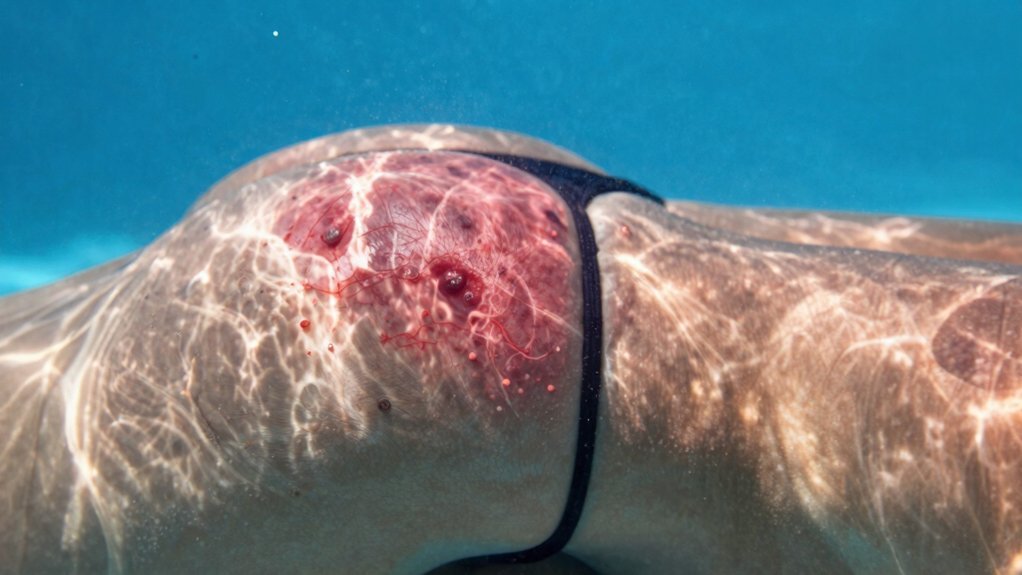
Skipping the wait and hitting the water early exposes your fresh tattoo to serious risks. You invite bacteria directly into your open wound. Chlorine strips away healing skin and fades your ink before it sets. Salt water stings relentlessly and drags sand into raw tissue. You trigger infections that swell, redden, and ooze pus. Your tattoo bubbles, scabs prematurely, and patches of color fall out entirely. You risk permanent scarring where smooth skin should show art. The healing timeline doubles or triples as your body fights damage you’ve caused. You wash away plasma and ink that should bond with your skin. Your artist’s careful work blurs and dulls. You pay for touch-ups you could’ve avoided. You gamble with a lifetime mark for one impatient swim.
Recommended Products
NATURAL AND UNSCENTED FORMULA – Saniderm’s Original Tattoo Aftercare Balm is made using natural ingredients like beeswax, shea nut butter, and sea buckthorn oil. Unlike other common ointments and tattoo balms, Saniderm’s fragrance-free Tattoo Aftercare Balm is also petroleum-free so it won’t suffocate the skin while your tattoo heals.

Upgraded Design, Easy to Use --- Tattoo aftercare balm comes in a tube,this container allows you to glide on the butter easily,Rolls on smoothly and evenly on your skin,No more mess or residue on your finger,convenient to use

☑Natural Safe Organic Ingredients: Tattoo Aftercare Butter is composed of Shea Butter, Jojoba, Macadamia Ternifolia Seed Oil and Vitamin E Complex. Our all-natural butter is also petroleum-free and paraben-free. After use, it can make the tattooed skin heal faster and moisturize the skin. Makes your skin smooth and the tattoo color bright.
How to Protect Your Tattoo From Accidental Soaking
Even if you’re careful, water finds a way to reach your healing tattoo—so you’ll need a solid plan before you step near pools, beaches, or rainstorms.
Apply a waterproof, breathable bandage over fully healed skin before leaving home. Replace loose coverings if they peel or lift at the edges. Skip showers that blast directly onto fresh ink; angle the stream away or sponge-bathe instead. Keep a distance from splashing at crowded decks. Carry spare dressings and seal any gaps immediately if moisture seeps through. Pat—don’t rub—if rain catches you off-guard, then air-dry the area. You’ll spot early warning signs: softening, weeping, or color bleeding. Re-treat promptly with approved ointment and re-cover. Guard against steam rooms, saunas, and kitchen sinks too. Accidental soaking threatens your investment—act fast when it happens.
Recommended Products

GREAT FOR NEW TATTOOS - H2Ocean Blue Green Foam Soap cleanses skin on and around new tattoos and the addition of aloe vera aids the healing process.

Complete Tattoo Aftercare Kit – Includes 1.7oz Tattoo Balm and 2oz Tattoo Foam Soap Cleanser to support a full tattoo care routine. Clean, hydrate, and maintain the appearance of your body art.

GREAT FOR NEW TATTOOS - H2Ocean Blue Green Foam Soap cleanses skin on and around new tattoos and the addition of aloe vera aids the healing process.
Caring for Your Tattoo After Its First Swim
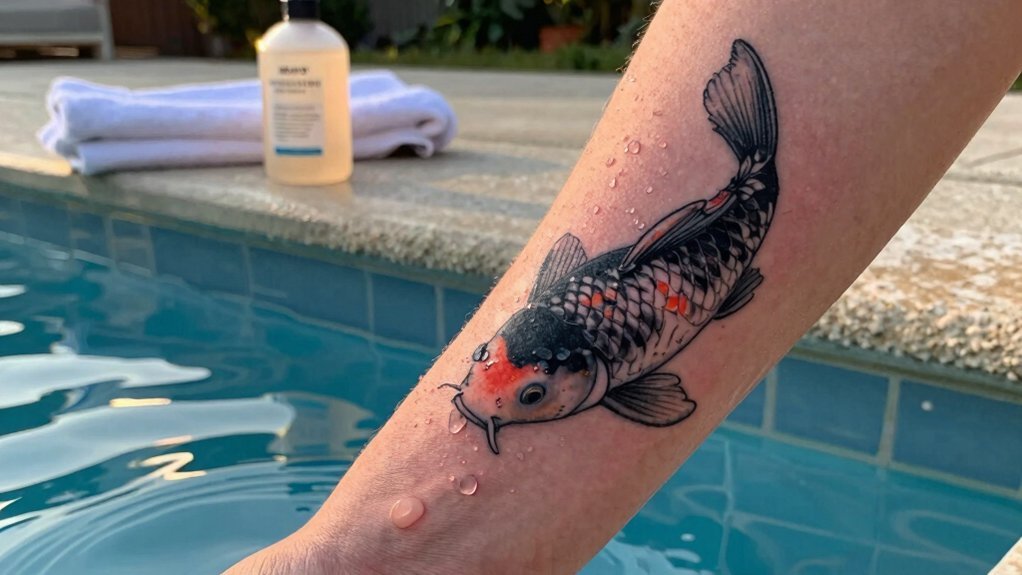
Now that you’ve taken the plunge, how should you treat your ink?
First, rinse your tattoo gently with fresh, clean water. Pat it dry with a soft, disposable paper towel. Don’t rub. Apply a thin layer of fragrance-free moisturizer or the aftercare product your artist recommended.
Watch for warning signs over the next 48 hours. Redness, swelling, pus, or increased pain means you’ve irritated the healing skin or introduced bacteria. If these symptoms appear, contact your artist or a medical professional promptly.
Skip your next swim session. Give your tattoo additional recovery time, typically several more days. Keep protecting it from sun exposure and avoid picking at any scabs that form.
Continue your regular aftercare routine: gentle cleansing, light moisturizing, and loose clothing. Your tattoo needs consistent attention to heal properly after its first contact with pool, ocean, or lake water.
Recommended Products

What You Get - The tattoo aftercare bandage totall 4.4 yard (6" x 4.4 Yard), you will get tattoo aftercare bandage, the size is 6" x 4.4 Yard. You will the tattoo supplies is best combination of with guaranteed quality. According to the size of the tattoo area, the shape can be freely cut, and it is suitable for all kinds of large-area new tattoos

TATTOO BANDAGE SHIELD - The Derm Shield matte adhesive bandage roll measures 8 inches x 2 yards. It can be cut and trimmed to fit any size tattoo.

【Effortless Cutting, No Scissors Needed】YOKACOS tattoo bandage wrap features a built-in sliding cutter for safe and easy sizing. Simply slide to get a perfectly sized strip—no more struggling with scissors.
Keeping Your Tattoo Vibrant: Swimming and Long-Term Care
Once your tattoo has fully healed, you’ll want to keep it looking sharp for years to come. Sun exposure fades ink rapidly, so you’ll slather SPF 50+ sunscreen on your tattoo every time you swim outdoors. Reapply after toweling off or exiting the water. Chlorine and salt dry out skin, accelerating color loss; you’ll rinse immediately after swimming and moisturize daily with fragrance-free lotion.
You’ll avoid prolonged soaks in hot tubs, as heat opens pores and leaches pigment. Schedule touch-ups with your artist when colors dull—typically every five to ten years. You’ll wear rash guards for extended pool sessions.
Monitor for unusual fading or raised skin, as these signal deeper issues. Protect your investment consistently, and your tattoo stays vivid decades later.
Recommended Products

24-hour results: Clinically proven to help moisturize dry skin for 24 hours** with Pro-Ceramide and glycerin, this hydrating lotion helps strengthen your skin’s natural moisture barrier for healthier-looking, hydrated skin

TATTOO AFTERCARE LOTION: After Inked Tattoo Lotion brings hydration and nourishment to your tattooed skin. Formulated with grape seed oil, which helps maintain vibrant ink colors while pacifying the skin and promoting moisture retention.

Protect Your Body Art: Moisturizing with the bonus of itch relief! Tattoo Goo's Tattoo Care Lotion soothes healing skin & keeps healed ink looking sharp for life. With olive oil & glycerin, it delivers deep, breathable hydration that won’t clog pores
Conclusion
You’ll protect your new tattoo by waiting 2–4 weeks before swimming. Your artist’s aftercare guidance matters most, so follow it closely. Once you’re cleared, you’ll rinse off chlorine or saltwater promptly and keep your ink moisturized. Don’t rush back into the water—patience now keeps your tattoo vibrant for years. Enjoy your swim when you’re fully healed.
Recommended Products

RELIABLE PROTECTION: Hion transparent adhesive bandage shields your skin from dust, dirt, germs and bacteria, as well as friction or scrubbing. It is good to protect minor burns, scrapes, cuts, blisters, abrasions and new tattoo in healing. The transparent film dressing allows you to observe healing progress of your wound without having to peel it off.

【Cost-Effective Value Kit】Our transparent film dressing roll measures 4in x 15yards / 10cm x 13.7m, which can be precisely cut into 108 pieces of 4”×5” standard size transparent film. As a high-value transparent adhesive bandage, it provides more applications and lower cost than traditional pre-cut sheets. Each set comes with small scissors and a portable storage bag, ready to use right out of the box

Reliable Protection: Made of adhesive polyurethane film with release paper. Latex‑free and hypoallergenic adhesive helps reduce the risk of skin irritation. The transparent design maintains a moist environment over the area while providing secure fixation.