

You want to donate blood, but your ink is making you hesitate. The rules aren’t as strict as you think, though they do depend on where you live and where you got your tattoo.
Some donors qualify in just one week. Others face a longer wait.
Here’s what actually determines your eligibility, and how to find out where you stand.
When Can You Donate After a Tattoo? (7 Days to 4 Months, Explained)
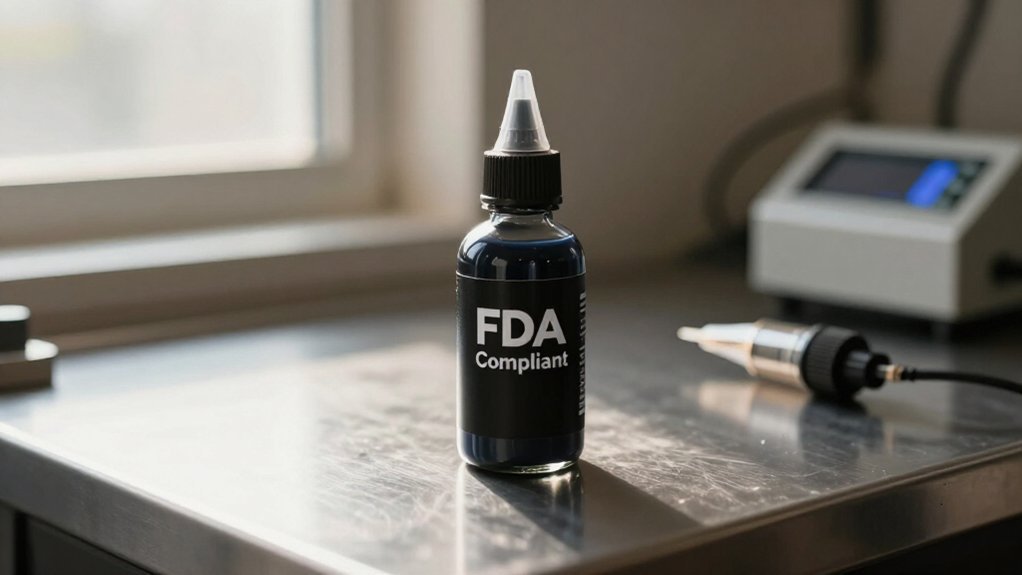
The waiting period after a tattoo depends on where you got it, and whether the artist followed proper safety protocols. You can often donate blood after getting tattoos within 7 days, provided your artist worked in a state-regulated parlor with sterile, non-reused needles and fresh ink.
If your tattoo piercing was performed outside regulated settings, or you’re unsure about single-use equipment, you’ll need to wait three months. This longer deferral protects blood recipients from potential infections when safety standards weren’t verifiable.
Always confirm your parlor’s licensing status before scheduling a donation. When in doubt about whether single-use equipment was used, assume the stricter waiting period applies. Document your tattoo date, location, and the studio’s regulatory compliance to streamline your eligibility screening.
Recommended Products

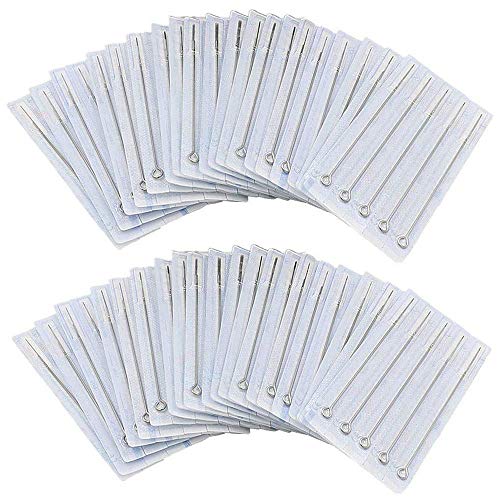
Poseidon cartridge adopt a one-time joint design hygienic standard The material is stainless steel and easy to color,and has better ink flow

Mast Pro purple tattoo cartridges needles have been providing with high density clear plastic body.
Which States Make You Wait to Donate Blood (and Why)?
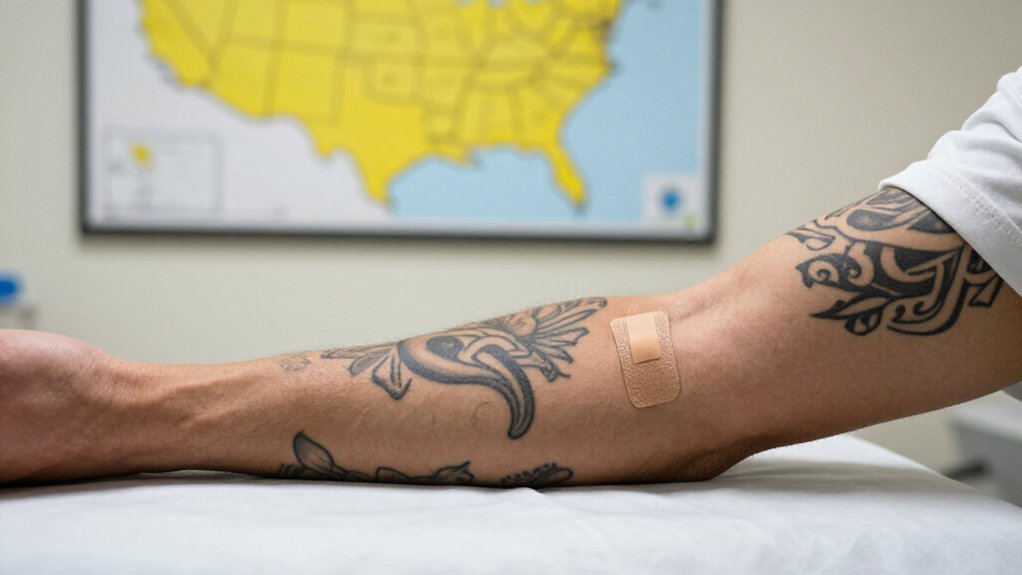
Where you got your tattoo matters just as much as how it was done. Some states require you to wait three months before you donate blood after getting tattoos and piercings, even when tattoo facilities use sterile, single-use supplies.
Where you get tattooed matters as much as how it’s done. Some states enforce a three-month blood donation waiting period regardless of sterile technique.
States with mandatory waiting periods:
- Connecticut, Georgia, Idaho, Maryland, Massachusetts
- New Hampshire, New York, Pennsylvania, Utah, Wyoming
- Washington, D.C.
These rules exist to reduce hepatitis B and C transmission risks through transfusion. Blood centers screen for both viruses, but the waiting period adds extra protection.
If you received your tattoo outside these locations, and the facility used sterile needles with new ink, you might skip the wait entirely.
Always verify your blood center’s state-specific eligibility rules. Requirements change based on where your tattoo was applied, not where you currently live.
Recommended Products

Protect Your Body Art: Moisturizing with the bonus of itch relief! Tattoo Goo's Tattoo Care Lotion soothes healing skin & keeps healed ink looking sharp for life. With olive oil & glycerin, it delivers deep, breathable hydration that won’t clog pores

Nourishes Healing Ink for Vibrant Color: Tattoo Goo supports healing tattoos & maintains vibrancy on healed ink with a lightweight formula rich in olive oil, lavender oil, cocoa butter, and beeswax. It absorbs quickly, moisturizes deeply, and helps reduce dryness, itch and tightness so your tattoo looks and feels comfortable through everyday routines

AFTERCARE LOTION: Transform your tattoo aftercare with After Inked Tattoo Lotion, formulated with grape seed oil for hydration and skin nourishment. This rich lotion moisturizes dry tattooed skin, preserving ink vibrancy and color for a long-lasting glow.
Do Piercings Affect Blood Donation the Same Way?
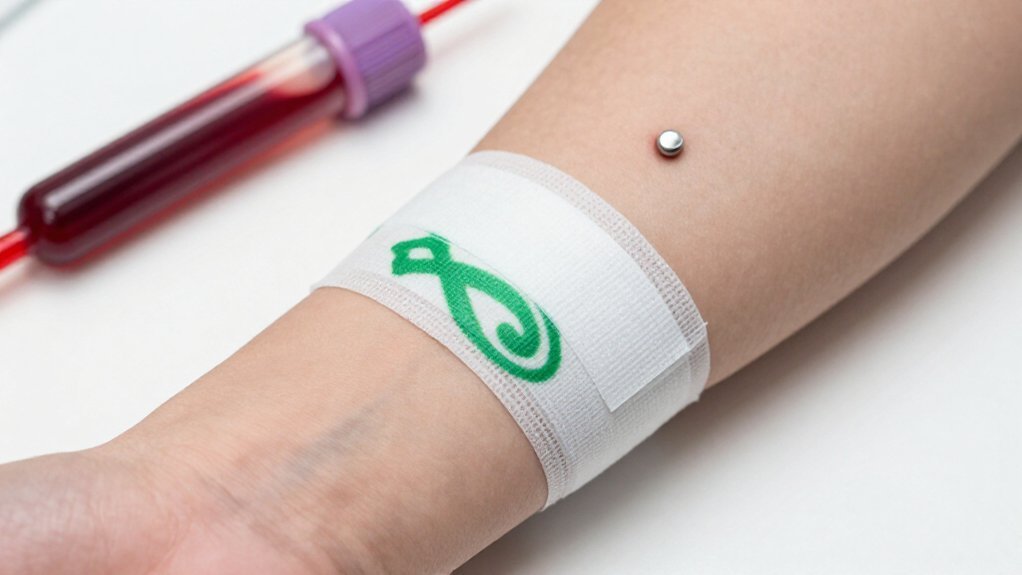
Your piercings follow nearly identical rules to tattoos when it comes to blood donation eligibility. Blood centers evaluate tattoos or piercings based on equipment sterility, not the body art itself.
Key Factors for Donating Blood
You must typically wait three months if your piercing involved reusable instruments, such as piercing guns without single-use cassettes. This delay protects the blood supply from hepatitis transmission risks.
You’re usually cleared immediately when using sterile needles or disposable equipment correctly. Blood centers test all donations for hepatitis B and C, but eligibility rules add extra safety layers.
What You Should Do
Contact your blood center with specific details: what pierced you, where you went, and when it happened. They’ll confirm your exact waiting period based on your procedure.
Recommended Products

Package: 50pcs mixed tattoo cartridge needles, includes 10pcs each of 1203RL, 1205RL, 1207RL, 1209RL, 1211RL.
Mast Pro purple tattoo cartridges needles have been providing with high density clear plastic body.

Cartridge Needles Sizes: 20 pcs tattoo cartridge needles include 3RL 5RL 5RM 7RM, each size has 5pcs. Those tattoo needles can be used for lining and shading, which can assist you with the entire tattoo work
Not Sure If Your Tattoo Shop Was Licensed?
If you’re uncertain whether your tattoo shop held a proper permit, you can take clear actions to verify your eligibility.
Check Your State’s Rules
States regulate tattoo facilities differently. Contact your shop directly, and ask if it holds a state license. If your state does not regulate tattoo facilities, you’ll typically wait three months before you’re eligible to donate.
When You’re Unsure About Sterile Practices
Licensed shops should use single-use needles and fresh ink. If you cannot confirm this, assume standards weren’t met. Plan for the three months waiting period to stay safe.
Confirm Before You Go
Visit your blood center’s Medicine Deferral List online. Note what was done, where, and when. This preparation ensures you meet all requirements, and you’ll know exactly when you’re eligible to donate.
Recommended Products

Packing Include: 45 sheets zombie tattoos for halloween with over 273+ fake scars designs. Measures 4.8*2.7 inches in length and width. Large pattern and horror realistic design,you can be applied to various parts of the body,face,arms,legs,shoulder,wrist,chest or anywhere you like.

Packing Include: 10 sheets halloween temporary tattoos with over 65 PCS fake scars designs. Measures 4.8*2.7 inches in length and width. Large size and horror realistic design,you can be applied to various parts of the body,face,arms,legs,shoulder,wrist,chest or anywhere you like.
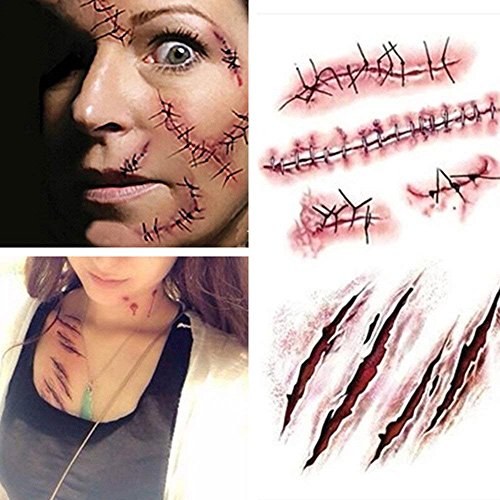
6cm*10.5cm,a set of 10pcs(10 sheets). It can last 2-3 days when stick on your skin.
Ready to Donate? How to Schedule Your Appointment
Once you’ve confirmed your eligibility, scheduling your donation takes just a few minutes.
1. Review Requirements First
Before you book, review the Medicine Deferral List and any posted eligibility notes. Blood Centers provide specific guidelines for people with tattoos, so verify your timing based on where your tattoo was done and what equipment was used.
2. Reserve Your Slot
Visit your local center’s website, then click the “Schedule” button or use their direct scheduling link. If you got inked in a state-regulated shop with sterile, single-use needles, you can typically give blood once any required waiting period has passed.
3. Prevent Last-Minute Issues
Choose an appointment that matches your confirmed eligibility. This step prevents deferrals at check-in and ensures you can donate smoothly.
Recommended Products
Mast Pro purple tattoo cartridges needles have been providing with high density clear plastic body.

Mast Pro purple tattoo cartridges needles have been providing with high density clear plastic body.

JimKing Tattoo needles and tips are packaged in a disposable sterilization box to prevent secondary infections.