
You’re staring at a blank back canvas, wondering what it’ll actually cost you. The numbers floating online—$1,500, $5,000, even $10,000—barely scratch the surface of what determines your final bill. Before you book that consultation, you’ll want to understand why two artists in the same city might quote you prices thousands of dollars apart.
Key Takeaways
- Back tattoos typically range from $1,500 to $5,000, with intricate pieces exceeding $10,000.
- Full back pieces require 50+ hours and often 6–12 sessions, multiplying total costs.
- Hourly rates of $150–$300 apply, with larger projects priced by hours times rate.
- Major cities like New York and Los Angeles command significantly higher rates than smaller markets.
- Set aside 20% for tipping, plus $50–$100 for aftercare products and potential travel expenses.
Recommended Products

Warm Tips: The tattoo transfer paper need to work with transfer medias.You will need to purchase the stencil ointment separately. Apply the design made on the master paper. Please pay attention to press the back side of the pattern to the skin for at least 3 seconds
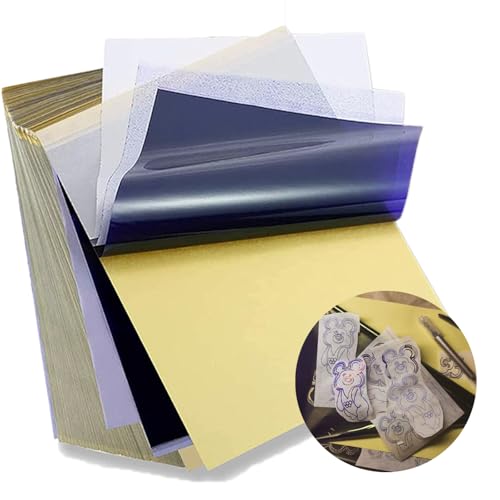
Standard size: Tattoo Transfer Paper is standard A4 paper size, each measures 8.27 in X 11.69 in. There are 4 levels in total. The thickness of the paper is very light and smooth to the touch.

Precision Transfer Performance - It’s professional-grade tattoo stencil paper delivers vibrant, high-definition transfers even for intricate designs. The carbon layer ensures sharp outlines without smudging or fading, ensuring crisp lines that stay true to your original artwork.
How Much Does a Back Tattoo Actually Cost?
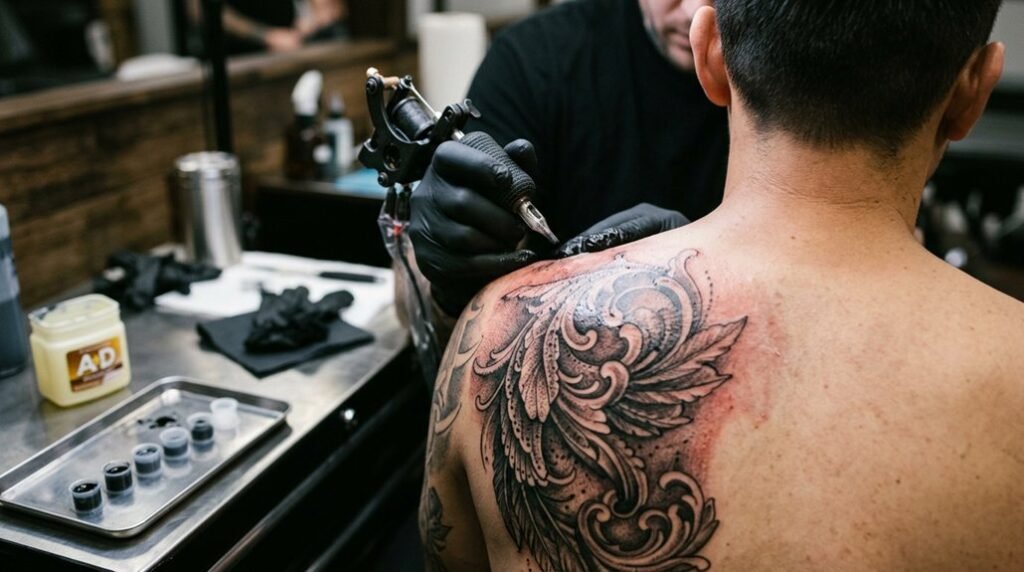
How much should you actually budget for a back tattoo? You’ll typically spend between $1,500 and $5,000 for quality work, though intricate pieces can exceed $10,000. You’re paying for more than ink—you’re investing in an artist’s expertise, years of training, and professional equipment.
Your location dramatically affects pricing. You’ll pay premium rates in major cities like New York or Los Angeles compared to smaller markets. Established artists with strong portfolios command higher fees than newcomers building their reputation.
You should also factor in tipping—20% remains standard for tattoo work. Don’t forget aftercare supplies, which add another $50-$100 to your total. You’ll likely need multiple sessions, so you’re budgeting for time off work and travel costs too.
Recommended Products

TATTOO AFTERCARE ESSENTIAL: Hustle Butter is the original tattoo aftercare balm for new and older tattoos. With over 10 years in the market, we are a pioneer of the tattoo aftercare category.

COMPLETE AFTERCARE KIT FOR NEW & EXISTING TATTOOS: This Tattoo Aftercare Kit brings together 3 essentials, Antimicrobial Soap, Tattoo Balm, and Tattoo Lotion, to help cleanse, protect, and moisturize fresh ink. Useful after tattoo sessions and throughout healing, it supports vibrant color and skin comfort for dedicated ink enthusiasts and artists

TATTOO AFTERCARE LOTION: After Inked Tattoo Lotion brings hydration and nourishment to your tattooed skin. Formulated with grape seed oil, which helps maintain vibrant ink colors while pacifying the skin and promoting moisture retention.
How Size Changes Your Total Price
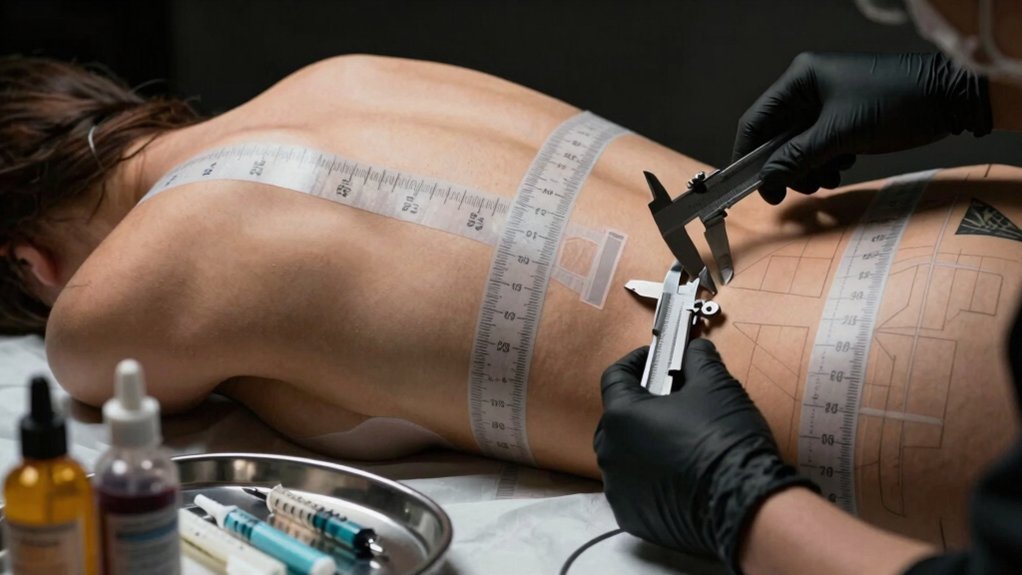
Why does a full back piece cost exponentially more than a small shoulder design? You’re paying for time, ink, and labor multiplied across sessions. A small tattoo might take two hours.
A full back demands fifty.
You pay per hour, so you do the math. Artists charge $150–$300 hourly. Multiply that by ten, twenty, forty hours. Your wallet feels every minute.
You’re also buying more complexity. Large spaces require cohesive design. You can’t just blow up a small image. The artist must plan flow, balance negative space, and maintain detail across your entire canvas.
You need multiple appointments too. Healing between sessions stretches your timeline—and your payments—across months. You’re investing in cumulative work.
Size transforms a simple purchase into a major commitment. You choose how much skin and money you’ll dedicate.
Recommended Products

Poseidon cartridge adopt a one-time joint design hygienic standard The material is stainless steel and easy to color,and has better ink flow

Complete Packaging: 50pcs mixed size tattoo cartridge needles set, includes 5pcs each of 1205RL 1207RL 1209RL 1205RS 1207RS 1209RS 1207RM 1207M1 1215M1 1215RM. The unique design of the needle can store more ink, and the sharp needle thread better completes tattoo activities, suitable for both professional tattoo artists and beginners.

Dual Purpose Design: Functions effectively as both a liner and shader tattoo machine.
How Your City Affects Back Tattoo Rates
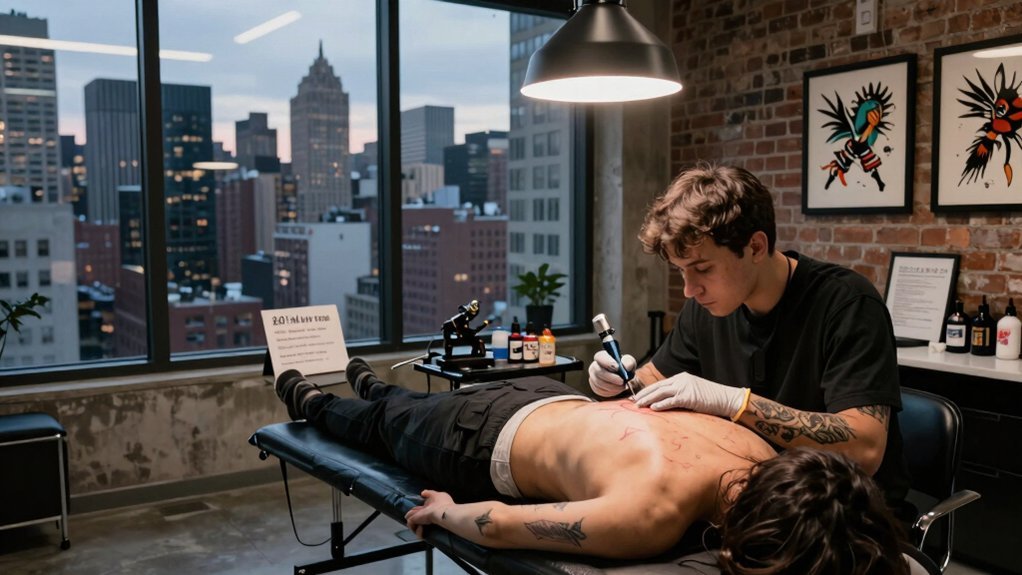
Size isn’t the only thing that shifts your total—where you live plays just as big a role. You’ll pay more in major metropolitan areas like New York, Los Angeles, or Miami, where rent and operating costs push artists to charge premium rates. In smaller cities or rural towns, you’ll find substantially lower prices for identical work.
Coastal cities generally outprice Midwestern markets. You’ll notice European capitals like London or Berlin often exceed American averages, while Southeast Asian hubs offer competitive rates despite high skill levels.
Research your local market before booking. You’ll discover price variations of hundreds of dollars between neighboring cities. Don’t assume distance equals savings—factor travel costs into your budget. Your location shapes your final bill as much as your design choice does.
Recommended Products

Long-Lasting Relief, Maximum Comfort: This numbing cream delivers prolonged analgesic effects, quickly relieving itching, pain, burning sensations, and significantly reducing swelling. It effectively desensitizes the skin for a comfortable experience.
Long-Lasting Relief, Maximum Comfort: This numbing cream delivers prolonged analgesic effects, quickly relieving itching, pain, burning sensations, and significantly reducing swelling. It effectively desensitizes the skin for a comfortable experience.
Long-Lasting Relief, Maximum Comfort: This numbing cream delivers prolonged analgesic effects, quickly relieving itching, pain, burning sensations, and significantly reducing swelling. It effectively desensitizes the skin for a comfortable experience.
Why Tattoo Artist Experience Changes Your Price
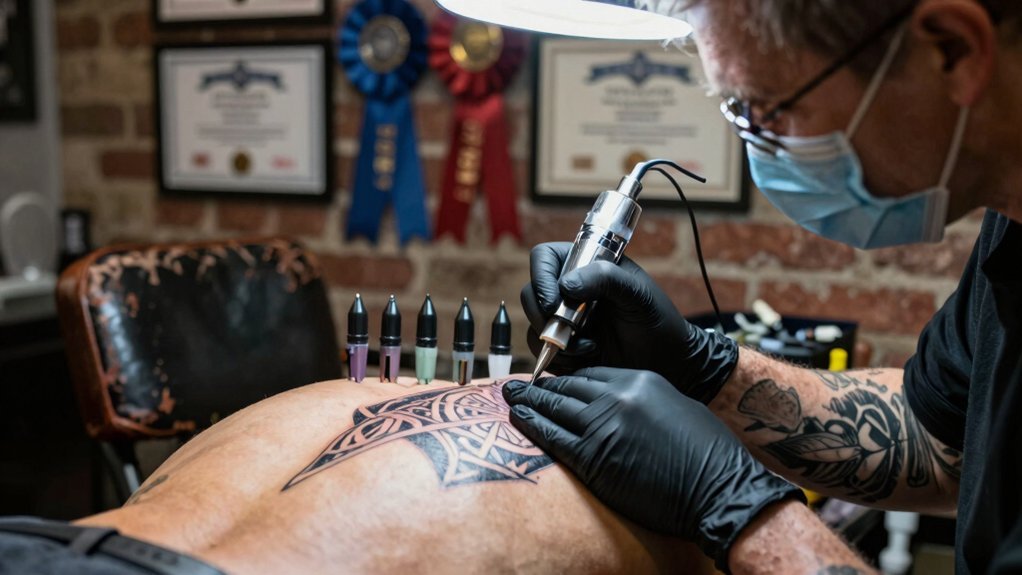
Where exactly does your money go when you pay top dollar for a seasoned artist? You’re investing in years of refined technique, steady hands, and an eye for composition that transforms your back into a masterpiece. Veteran artists command higher rates because they’ve honed their craft through thousands of hours of skinwork. They anticipate how ink settles into different areas of your back and adjust their approach accordingly. You avoid costly touch-ups and painful corrections when you choose experience over bargain hunting. Apprentices might offer tempting discounts, but you’re risking uneven lines, patchy shading, and potential scarring. Established artists also maintain premium equipment, sterile environments, and ongoing education in safety protocols. Your back deserves someone who’ll execute your vision flawlessly the first time.
Recommended Products

Spirit Tattoo Classic Thermal Transfer Paper, 8.5” X11” (100 Sheets): Established since 1946, the original and trusted choice of tattoo artists globally, offering reliability and consistency in tattoo stencil creation.

Precision Transfers & Long Lasting: Tattoo stencil paper delivers vibrant, high-definition transfers even for intricate designs. Creates crisp, dark lines that transfer cleanly to skin (clearly on different skin tones) which are easy to follow during tattooing. The carbon layer made from high-quality dyes ensures sharp outlines without smudging or fading and maintains crisp lines visibility throughout long tattoo sessions, so you can focus on creating art instead of re-drawing lines
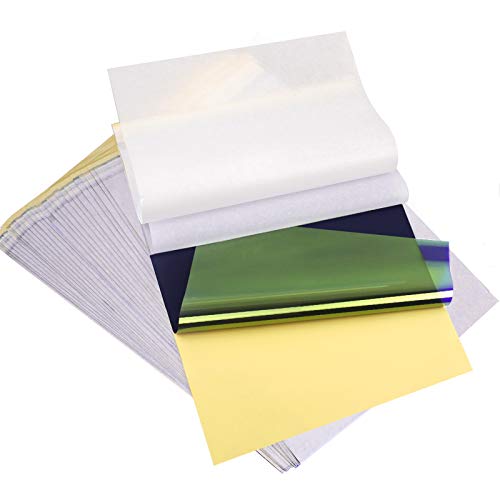
ADVANCED MATERIAL: Tattoo transfer paper is made with the high quality dyes and stencil paper. Transfer marks are very clear, clean and smooth. Tattoo transfer paper kit come with 35 sheets. Great for tattooing, trace and transfer images onto the body.<br>
Which Back Tattoo Styles Cost the Most?
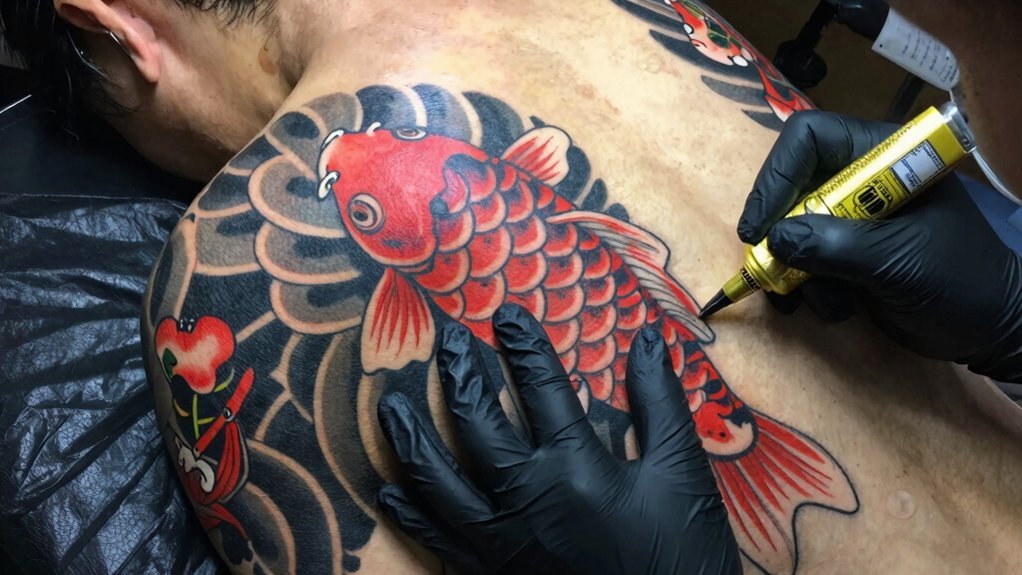
How much you’ll pay depends heavily on which style you choose for your back piece. You’ll spend the most on photorealism, since artists must layer countless subtle shades to create lifelike depth across your entire back. Japanese irezumi also drains your wallet quickly; the intricate linework, extensive color saturation, and traditional motifs demand exceptional skill and marathon sessions. You’ll face similar costs with biomechanical designs, where artists blend mechanical elements seamlessly with your anatomy using complex shading techniques. Black-and-grey realism costs slightly less than full-color work, but you’re still paying premium rates for smooth gradients.
Tribal and blackout styles typically cost less, though massive solid black coverage requires significant time.
Watercolor and neo-traditional styles fall mid-range, balancing detailed linework with strategic color placement.
Recommended Products

Protect Your Body Art: Moisturizing with the bonus of itch relief! Tattoo Goo's Tattoo Care Lotion soothes healing skin & keeps healed ink looking sharp for life. With olive oil & glycerin, it delivers deep, breathable hydration that won’t clog pores

STICK APPLICATION, ZERO MESS: Twist up the tattoo balm stick, swipe directly over the tattoo, and blend as needed. No jar to open, no fingers scooping product, and no need to carry a separate applicator. The solid stick format is easy to keep in a bag, bathroom cabinet or travel kit, making care simple at home or on the go. It gives you controlled application exactly where you want moisture, with less mess than traditional balm jars. Great for quick touch-ups whenever tattooed skin feels like it needs extra care, at home, after work or while traveling.

Nourishes Healing Ink for Vibrant Color: Tattoo Goo supports healing tattoos & maintains vibrancy on healed ink with a lightweight formula rich in olive oil, lavender oil, cocoa butter, and beeswax. It absorbs quickly, moisturizes deeply, and helps reduce dryness, itch and tightness so your tattoo looks and feels comfortable through everyday routines
How Many Sessions Your Back Tattoo Needs
What determines whether you’ll knock out your back tattoo in a few sittings or commit to months of sessions? Your design’s complexity, size, and color saturation decide your timeline.
You might finish a simple upper back piece in one three-hour session. You’ll need multiple appointments for a full back piece with shading, color packing, or intricate details. Your skin’s healing pace matters too—you can’t rush touch-ups on irritated areas. Most artists cap sessions at four to five hours because your adrenaline drops and your skin swells, making further work sloppy and painful.
You should expect two to four sessions for a medium-sized design. A complete back mural demands six to twelve sessions spread across six months to a year. Larger gaps between appointments let you budget gradually, but you’ll also delay your finished piece.
Recommended Products

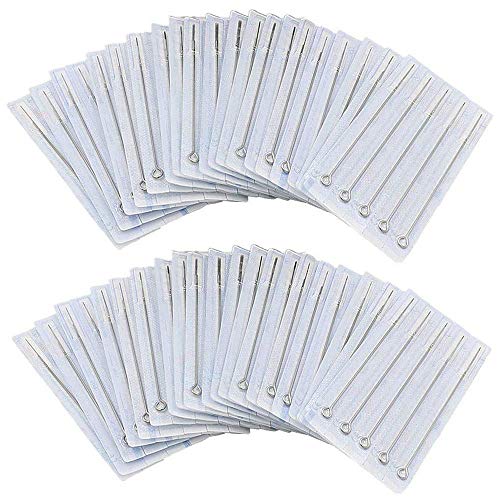
Package: 50pcs mixed tattoo cartridge needles, includes 10pcs each of 1203RL, 1205RL, 1207RL, 1209RL, 1211RL.

What Your Artist Actually Charges For (and What’s Extra)
Why do two artists quote wildly different prices for the same back piece?
You’re paying for far more than ink and time. Your artist charges for years of skill development, their unique artistic vision, studio overhead, equipment sterilization, and premium supplies. Some include design work and minor touch-ups in their rate; others bill separately for custom drawings, stencil revisions, or color changes mid-session. You’ll often pay extra for numbing cream, specialized aftercare products, or protective dressings. Travel fees apply if you’re booking a guest artist or requesting private sessions. Rush jobs command premium rates. Always clarify what your quote covers before you start. Ask about design fees, touch-up policies, and cancellation charges upfront so you don’t face surprises when you’re already committed.
Recommended Products

Numbing Effect Lasts Up to 8 Hours: Our tattoo numbing cream before tattoo is specially formulated to provide up to 8 hours of pain relief, itching, soreness, and burning while reducing tattoo swelling. With our cream, you can complete your tattoo session in one step, without the need to pause or slow down. it is numbing cream for tattoos extra strength.

FROM THE LEADER IN TATTOO AFTERCARE: For years now, Mad Rabbit has consistently ranked among the most popular and highest-rated tattoo products on the market. We’ve created a top-of-the-line Tattoo Glide to help professional tattoo artists do their best work.

Numb520 Cream - This 5% topical lidocaine numb cream is clinically proven to temporarily relieve pain, burning, itching, discomfort, inflammation, and soreness in local and anorectal areas. This pain relief itch cream provides fast, temporary relief for minor aches, minor burns, and minor skin irritations. It also supports postpartum relief, hemorrhoid treatment, and anorectal disorders
Tipping and Aftercare for Your Back Tattoo
Where does your responsibility to your artist end—and your duty to your healing skin begin?
You tip your artist 15-20% for sessions lasting hours; they’ve earned it. You hand over cash, not excuses.
Your aftercare starts immediately. You wash the tattoo gently, pat it dry, and apply a thin layer of recommended ointment. You don’t scratch, soak, or expose fresh ink to sun. You sleep on clean sheets and wear loose clothing that won’t stick.
You follow your artist’s specific instructions over generic advice. You moisturize consistently but don’t suffocate the skin. You avoid swimming pools, gyms, and direct sunlight during healing.
You invest in quality aftercare products; skimping here risks infection and faded lines. You protect your investment. Your back tattoo heals properly because you took responsibility seriously.
Recommended Products

🔍 Precision Industry-Standard Transfer - Engineered 4-ply stencil paper (8.25"x11.75") with high-density dyes delivers defined lines for intricate tattoo stencils. Compatible with major thermal printers for reliable tattoo transfer paper workflows.

ENDLESS TATTOO POSSIBILITIES: Easily design your own temporary tattoos by printing unique images with an inkjet tattoo paper. Whether for fun, events, or promotional use, personalize tattoos to match any occasion, providing endless creative possibilities

Clean, Flawless Transfers: Your artwork will look so clean once transferred to the skin with the Stencil Stuff gel! Gentle on the skin, Stencil Stuff transfer solution helps you achieve clear and sharp tattoo stencil transfers every time!
When Cheap Tattoos Turn Into Costly Cover-Ups
How often do you think you’re saving money when you walk out with a bargain back piece? You celebrate the deal until the ink heals crooked, fades patchy, or blows out entirely. Suddenly, you’re staring at a mistake you can’t unsee.
You research cover-up artists and your stomach drops. They charge double or triple your original “bargain.” You need multiple sessions, laser fading first, or a blackout background. Your cheap tattoo just became the most expensive mistake you’ve worn.
You learn that good tattoos aren’t cheap and cheap tattoos aren’t good. You regret skipping the portfolio check, the consultation, the proper aftercare. Now you’re paying for two tattoos: the bad one and the fix. Your back deserves better than this costly lesson.
Recommended Products
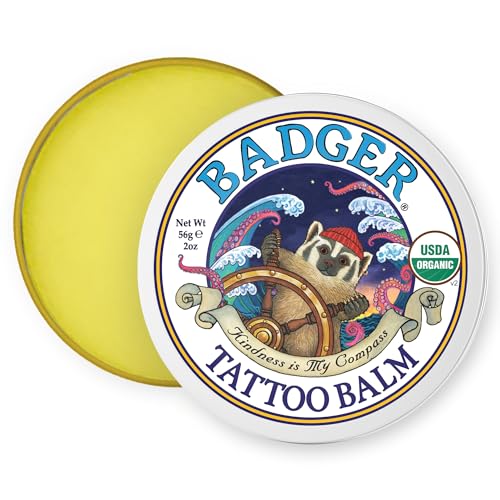
PROTECT & SOOTHE: Condition & protect your tattoos to keep ink looking bold & vibrant. Soothing, nourishing tattoo care softens fresh tattooed skin, calms redness & irritation, and promotes healing

Upgraded Design, Easy to Use --- Tattoo aftercare balm comes in a tube,this container allows you to glide on the butter easily,Rolls on smoothly and evenly on your skin,No more mess or residue on your finger,convenient to use

Nourishes Healing Ink for Vibrant Color: Tattoo Goo supports healing tattoos & maintains vibrancy on healed ink with a lightweight formula rich in olive oil, lavender oil, cocoa butter, and beeswax. It absorbs quickly, moisturizes deeply, and helps reduce dryness, itch and tightness so your tattoo looks and feels comfortable through everyday routines
How to Vet Artists and Lock In Your Price
What separates a back piece you’ll love from one you’ll regret? Research. You’ll scroll portfolios, hunting for healed work and consistent line quality. You’ll read reviews, checking for red flags about communication or hygiene. You’ll visit shops, watching artists open new needles and set up stations. You’ll ask questions about their experience with large-scale work, because back tattoos demand stamina and skill.
Once you’ve found your match, you’ll discuss design, sessions, and pricing upfront. You’ll get that quote in writing—hourly rate or flat fee, touch-up policies included. You’ll pay your deposit and lock in your spot. No surprises, no rushed decisions. You’ll invest this effort now so you’re not paying triple later for fixes you could’ve prevented.
Conclusion
You’re looking at $1,500–$5,000 for most back tattoos, with complex pieces hitting $10,000+. Your city, artist’s skill, and design details all swing that number. Get written quotes, ask about touch-ups, and don’t skimp—cheap work costs more later. Vet your artist thoroughly, budget for tipping and aftercare, and you’ll wear something worth every penny.