
You get a tattoo, you break your skin, you open a door to bacteria.
Infection happens when germs enter through the needle punctures, and you might not notice right away.
The next sections show you exactly what to watch for, how to act fast, and when to seek help.
Is My Tattoo Infected? Warning Signs to Watch For
Check your tattoo daily during the first week, since early detection makes treatment simpler and faster. Mild redness, swelling, and inflammation can be normal, but you should watch closely if symptoms worsen or persist beyond 3–4 days.
Warning Signs to Watch For
Look for these key indicators of an infected tattoo:
- Increasing pain several days after your appointment
- Fever or chills
- Pus or unusual discharge
- Open sores within the tattooed area
You’ll want to pay special attention to spreading redness and swelling, especially rapid worsening 3–5 days after tattooing. This pattern suggests bacterial skin infections rather than normal healing.
When to Seek Medical Attention
If you notice darkening or discoloration around the tattoo plus systemic symptoms like chills or fever, seek medical attention promptly. Fast-spreading, extremely painful areas accompanied by fever warrant urgent evaluation, as tattoo infections can progress to serious illness requiring IV antibiotics.
Continue keeping the area clean while monitoring changes.
Recommended Products

COMPLETE AFTERCARE KIT FOR NEW & EXISTING TATTOOS: This Tattoo Aftercare Kit brings together 3 essentials, Antimicrobial Soap, Tattoo Balm, and Tattoo Lotion, to help cleanse, protect, and moisturize fresh ink. Useful after tattoo sessions and throughout healing, it supports vibrant color and skin comfort for dedicated ink enthusiasts and artists

PROTECT & HEAL - H2Ocean Aquatat seals the skin in a moisturizing barrier to protect from irritants while still allowing the skin to breathe. Aquatat will also heal topical wounds on skin such as tattoos, rashes, cuts and scrapes while minimizing scabbing.

Nourishes Healing Ink for Vibrant Color: Tattoo Goo supports healing tattoos & maintains vibrancy on healed ink with a lightweight formula rich in olive oil, lavender oil, cocoa butter, and beeswax. It absorbs quickly, moisturizes deeply, and helps reduce dryness, itch and tightness so your tattoo looks and feels comfortable through everyday routines
How Tattoo Infections Start: Ink, Equipment, and Aftercare Risks
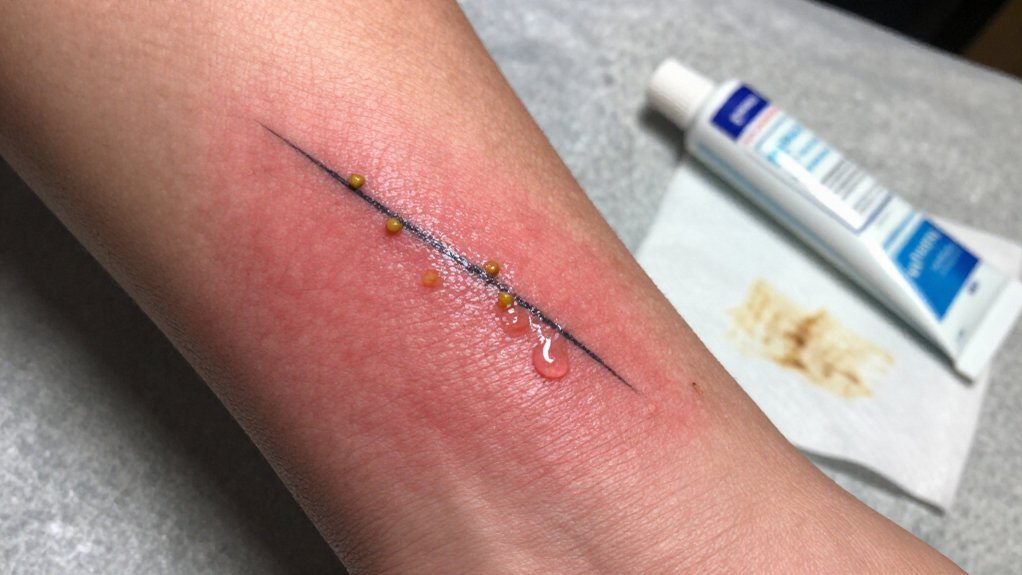
Because a tattoo is fundamentally an open wound created by needles depositing ink deep into your skin, bacteria can enter at any point during or after your session. You face infection risks from three main sources.
1. Contaminated Ink and Water
The FDA does not regulate tattoo ink, so even containers labeled “sterile” may harbor bacteria. Artists sometimes dilute ink with non-sterile water, introducing pathogens directly into your tattooed area.
2. Unsterile Equipment
Reused needles, unsterilized tools, or inadequate glove changes between clients let bacteria spread. *Staphylococcus aureus* caused about 81% of tattoo infections in one major study.
3. Poor Wound Care
You can reintroduce bacteria through improper aftercare. Using unclean products or touching your healing skin with dirty hands compromises your tattoo’s protection when it needs it most.
Recommended Products

Bactine Max Pain Relieving Antiseptic Spray with Lidocaine, First Aid Pain + Itch Relief, No-Sting, Kills 99% of Germs*, 5oz

8-fluid ounce spray bottle of Band-Aid Brand Antiseptic Cleansing Spray to help clean and relieve pain of minor wounds, cuts, scrapes, and burns

Skintegrity wound cleanser is specially formulated with a gentle surfactant to allow fast, thorough and gentle cleansing of wounds in all stages
How Quickly Tattoo Infections Develop: Days to Months
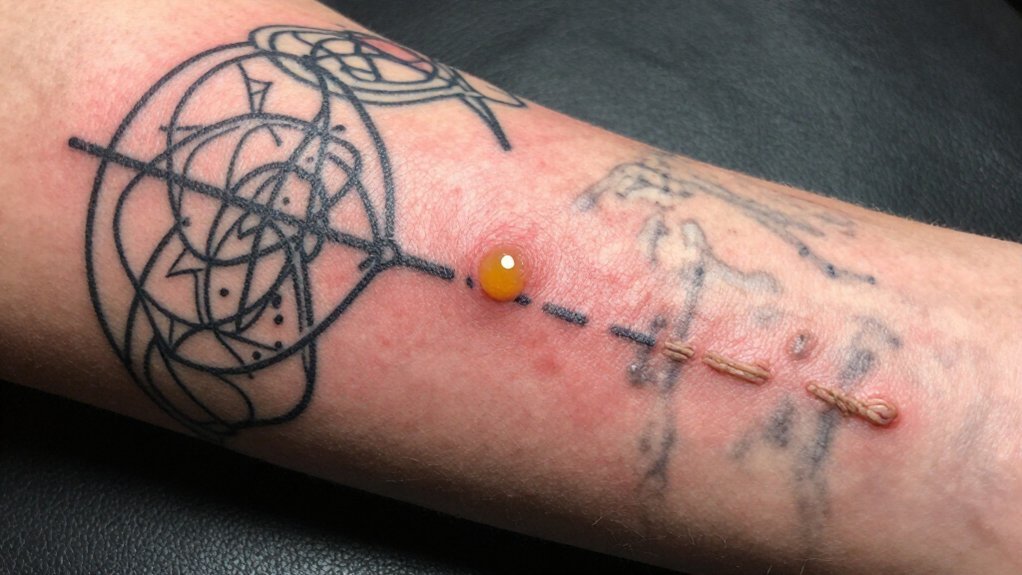
When should you start worrying about your new tattoo? You need to watch your tattooed skin closely, especially during the first few days after getting a tattoo. Mild redness and swelling are normal initially, but you’re facing a real risk of infection if symptoms worsen after day three or four.
Watch your tattoo closely in the first few days—worsening redness or swelling after day three could signal infection.
Understanding the Timeline
Some infections appear within days, while others develop months later. Bacterial infections often show increasing pain and spreading redness several days after the procedure. The key warning sign is persistent or escalating symptoms beyond the early healing window.
When to Act
You should contact a healthcare provider if you notice bumps, pustules, discharge, or worsening pain at the tattoo site. Systemic symptoms like fever or chills indicate the infection has spread beyond your skin and requires immediate medical attention.
Recommended Products

Cartridge Needles Sizes: 20 pcs tattoo cartridge needles include 3RL 5RL 5RM 7RM, each size has 5pcs. Those tattoo needles can be used for lining and shading, which can assist you with the entire tattoo work

Mast Pro purple tattoo cartridges needles have been providing with high density clear plastic body.

ANTI-REFLUX MEMBRANE DESIGN – Engineered with a high-quality elastic band and integrated plastic membrane, these 1005RL cartridges effectively prevent ink backflow. This ensures a clean workflow by keeping ink out of your rotary pen tube, reducing cross-contamination risks and making cleanup significantly faster during detailed line work.
What an Infected Tattoo Looks and Feels Like
You’ll notice infection through visual warning signs and physical sensations that differ from normal healing. Watch for increasing redness, swelling, bumps, pustules, or pus after the first few days, alongside intensifying pain, fever, chills, or itchiness that won’t subside.
If these symptoms persist beyond 3 to 4 days or worsen 3 to 5 days after your appointment, especially with escalating pain, you’ll need prompt medical evaluation.
Recommended Products

TATTOO AFTERCARE ESSENTIAL: Hustle Butter is the original tattoo aftercare balm for new and older tattoos. With over 10 years in the market, we are a pioneer of the tattoo aftercare category.

☑Natural Safe Organic Ingredients: Tattoo Aftercare Butter is composed of Shea Butter, Jojoba, Macadamia Ternifolia Seed Oil and Vitamin E Complex. Our all-natural butter is also petroleum-free and paraben-free. After use, it can make the tattooed skin heal faster and moisturize the skin. Makes your skin smooth and the tattoo color bright.

Nourishes Healing Ink for Vibrant Color: Tattoo Goo supports healing tattoos & maintains vibrancy on healed ink with a lightweight formula rich in olive oil, lavender oil, cocoa butter, and beeswax. It absorbs quickly, moisturizes deeply, and helps reduce dryness, itch and tightness so your tattoo looks and feels comfortable through everyday routines
Visual Warning Signs
In the days following your appointment, some redness and swelling are expected, but you’ll want to watch closely for signs that point toward infection rather than normal healing. Mild redness usually fades within three to four days. When your tattooed skin shows increasing redness, spreading bumps, or pus-filled pustules, you’re likely dealing with bacterial infections.
Visual Warning Signs to Watch For:
- Redness that expands beyond the tattooed area
- New papules or nodules forming on the surface
- Yellow or green discharge oozing from the skin
- Abscesses, which are pockets of trapped pus
These visual warning signs indicate your body is fighting something more serious than normal irritation. The Risk of Bacterial Infection rises when aftercare protocols aren’t followed. Recognizing these changes early helps you seek treatment before complications develop.
Physical Sensations Felt
Beyond what you can see, your body sends clear signals through touch and temperature that help you recognize infection early. Mild redness, swelling, and inflammation are normal at first, but you’ll notice trouble when these don’t fade after 3–4 days. Pay attention when pain that increases replaces the gradual easing you expect.
You’ll feel itchiness and soreness that refuses to settle, sometimes with bumps forming beneath the surface. These sensations differ from normal healing because they intensify rather than improve.
Watch for these warning signs:
- Heat and throbbing that spreads beyond the tattooed area, indicating deeper inflammation
- Skin tightening from worsening swelling that restricts movement
- Fever, chills, or sweats, which signal bacterial infection has moved past the skin
Don’t ignore systemic symptoms. They mean your body is fighting something serious, and you’ll need medical attention promptly.
Common Bacteria in Tattoo Infections
You’ll encounter three main categories of infectious agents when you’re learning about tattoo complications. Common bacterial culprits, like *Staphylococcus aureus* and *Streptococcus* species, typically enter through punctured skin or dirty equipment. Atypical ink contaminants, including organisms such as *Pseudomonas aeruginosa* and *E. coli*, have been found in contaminated tattoo inks, while viral transmission risks round out the threats you’ll want to understand.
Recommended Products

Gentle, Deep Cleansing: Tattoo Goo Foaming Cleansing Soap for tattoos and piercings helps remove impurities and clean the inked or pierced areas at a deep level by removing dirt, dead skin cells, and killing germs without damaging the skin

NOURISHING SEA MINERALS FOR EXTREME TATTOOS – Designed for hard-to-heal areas and intense colors, this tattoo aftercare kit gently cleanses and nourishes with Red Sea salt and vitamins. While the Ultimate Kit speeds tattoo healing for less intense tattoos, the Extreme Kit is perfect for those “extreme” spots that need extra care.
Honest, Accurate Care – This protective ointment comes in 50 hygienic single-serve packets for mess-free, on-the-go convenience. Easy to apply for tattoo protection anytime.
Common Bacterial Culprits
The stakes can be serious. You can develop infections and other health complications when bacteria invade your fresh tattoo. Staphylococcus aureus dominates the threat landscape, appearing in 81% of published bacterial infection cases reviewed across 67 documented instances from 1984 to 2015. You must recognize that this pathogen, alongside Streptococcus species, triggers painful redness, swelling, and abscess formation.
You cannot assume unopened tattoo ink guarantees safety. Microbiological surveys reveal viable bacteria lurking inside bottles, including Pseudomonas aeruginosa and S. aureus. A German study of convention-sampled inks uncovered additional culprits: Pseudomonas species, Delftia spp., and Stenotrophomonas maltophilia.
- You must sterilize equipment rigorously, as contaminated machines transfer organisms directly into skin.
- You should verify artists avoid nonsterile water when diluting pigments, since dilution introduces environmental bacteria.
- You need to distinguish bacterial infections from allergic reactions, because both cause redness but require different treatments.
Atypical Ink Contaminants
Although you might expect sealed ink bottles to be clean, contamination often starts before the needle ever touches your skin. Researchers at a German tattoo convention tested 39 ink samples and found bacteria in both opened and unopened bottles. This means your tattoo could get infected from ink that was contaminated before use.
Common Atypical Contaminants
- *Staphylococcus aureus* (found in 81% of non-mycobacterial cases)
- *Pseudomonas aeruginosa*
- *Stenotrophomonas maltophilia*
- *Agrobacterium* species
Because U.S. ink isn’t regulated like pharmaceuticals, “sterile” labels don’t guarantee safety. Tattoo artists must verify sterilization practices with manufacturers and inspect ink before use.
Infected tattoos from contaminated ink can cause abscesses, necrotizing fasciitis, or even septic shock. You should ask your artist about their ink sourcing and storage protocols.
Viral Transmission Risks
Beyond ink contaminants, you’re also facing risks from the equipment itself. When a needle breaks the skin, you’re exposed to bloodborne pathogens if sterilization does not succeed. The Centers for Disease Control and Food and Drug Administration warn that hepatitis B and hepatitis C pose a genuine medical risk from reused needles or contaminated ink.
You’re not powerless here. Lower your risk by verifying your artist’s protocols:
- Confirm they use new, sealed needles for every client
- Check that reusable tools undergo proper autoclave sterilization
- Ensure they don fresh gloves and use unopened ink vials
While bacteria like *Staphylococcus aureus* cause most infections, viral transmission remains serious. Ask questions before you sit down. Your vigilance prevents harm.
When to See a Doctor for a Tattoo Infection
Knowing when to seek medical help for a tattoo infection can save you from serious complications, so it’s important to recognize the warning signs early. You should understand that tattoo infection poses a real medical risk, and knowing when to see a doctor helps prevent infection from worsening. Public Health data shows that spreading redness indicates serious bacterial involvement requiring prompt attention.
Early recognition of tattoo infection warning signs can prevent serious complications and worsening bacterial involvement.
Seek urgent care if you notice:
- Fever, chills, or rapidly worsening redness and swelling after the first few days
- Increasing pain several days post-tattoo, or pus and abnormal discharge
- Spreading redness, large painful abscesses, or open sores within the tattooed area
Get immediate emergency evaluation for:
- Signs of severe infection, including confusion or feeling very unwell
- Symptoms that don’t improve after 3–4 days, or any systemic symptoms
Don’t wait if you’re unsure; a clinician can assess severity and identify bacteria to guide proper treatment.
Recommended Products

Specially formulated to allow fast, thorough and gentle cleansing of wounds in all stages.

MAX RELIEF FOR PAIN & ITCH: Bactine MAX is an all-in-one cleansing spray that cools and relieves pain & itch from minor cuts, scrapes, burns, bug bites & sunburn - Formulated with 4% lidocaine, the maximum amount allowed for OTC topical anesthetic

ALL NATURAL PIERCING AFTERCARE SPRAY - Base Labs piercing aftercare spray for new and existing piercings is powered by our Isotonic Saline Solution. Use as a cleanser and saline spray for piercings, bumps and keloids on the Ear, Nose, Belly Button, Earrings, Tattoo Aftercare, Wound Wash and more.
How Doctors Diagnose Tattoo Infections
When you visit a doctor for a suspected tattoo infection, they’ll start by examining your skin closely and asking about your symptoms. They’ll look at the clinical appearance of your tattoo, checking for redness, swelling, bumps, or pustules. They’ll also ask if your pain is increasing, or if symptoms have worsened beyond 3–4 days.
Your doctor will assess whether you’re showing signs of cellulitis, a deeper skin infection. If you have fever, chills, or rapidly spreading redness, they’ll know the infection may be serious.
If your tattoo infection isn’t improving as expected, they’ll order lab tests. These may include cultures to identify the specific bacteria causing your problem. This helps them choose the right treatment for your situation.
- Visual examination: Your doctor inspects redness, swelling, and any drainage at the tattoo site.
- Symptom timeline: They ask if symptoms are persisting or worsening after several days.
- Laboratory testing: Cultures and other lab tests identify bacteria when infections are severe or atypical.
Recommended Products

Dragonhawk Tattoo Needles: High-quality tattoo needles, manufactured under the trusted Dragonhawk brand, are perfect for all-purpose work. With a polished, long taper design, these needles ensure reliable performance and excellent control.
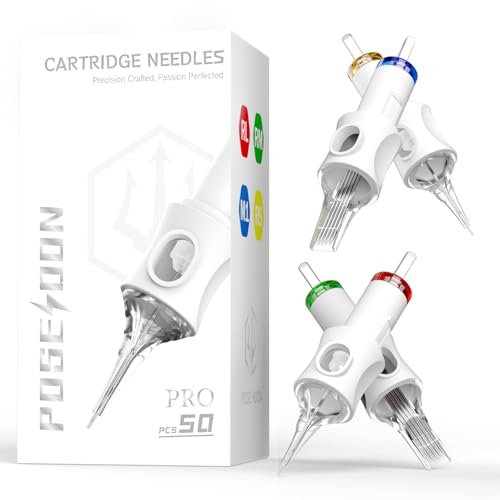
【Complete Variety Pack】50 sterile tattoo needles (10 sizes × 5 each) including 3RL, 5RL, 7RL, 9RL, 5RS, 9RS, 9RM, 11RM, 15RM, 7M1 (Note: RS-type needles correspond to Model #12; all other needles in this pack are Model #10). The spiral nozzle design holds 30% more ink than standard needles, while laser-sharpened tips ensure crisp lines and smooth shading - perfect for both studio professionals and home practice.

Tattoo Infection Treatments: Antibiotics to Surgery
Once your doctor confirms an infection, you’ll move straight into treatment.
1. Antibiotic Therapy
Most tattoo infections respond to antibiotics. You’ll likely start with oral antibiotics, but severe cases require IV antibiotics, sometimes for up to six weeks. Your clinician orders lab tests to identify the specific bacteria, since treatment depends on the organism and severity. *Staphylococcus aureus* causes most infections.
2. Surgical Intervention
If your tattoo infection forms an abscess, or develops necrotizing infection, you’ll need surgery. This may require more than one procedure to remove damaged tissue.
3. Emergency Care
Rare but serious spread, like endocarditis or septic shock, demands urgent medical care beyond standard wound care. Watch for warning signs, and seek immediate help if symptoms escalate.
Recommended Products

STICK APPLICATION, ZERO MESS: Twist up the tattoo balm stick, swipe directly over the tattoo, and blend as needed. No jar to open, no fingers scooping product, and no need to carry a separate applicator. The solid stick format is easy to keep in a bag, bathroom cabinet or travel kit, making care simple at home or on the go. It gives you controlled application exactly where you want moisture, with less mess than traditional balm jars. Great for quick touch-ups whenever tattooed skin feels like it needs extra care, at home, after work or while traveling.
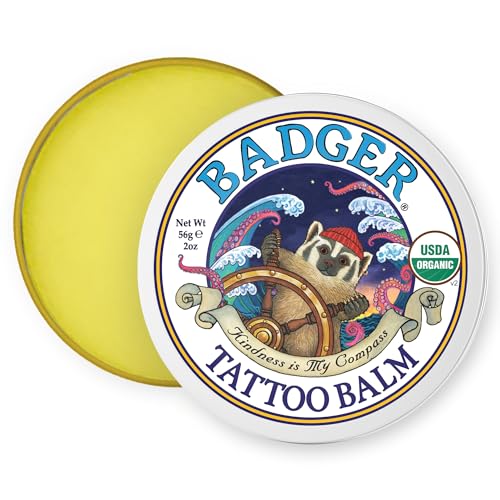
PROTECT & SOOTHE: Condition & protect your tattoos to keep ink looking bold & vibrant. Soothing, nourishing tattoo care softens fresh tattooed skin, calms redness & irritation, and promotes healing

Upgraded Design, Easy to Use --- Tattoo aftercare balm comes in a tube,this container allows you to glide on the butter easily,Rolls on smoothly and evenly on your skin,No more mess or residue on your finger,convenient to use
How to Prevent Tattoo Infections
Because prevention is always easier than treatment, you can take concrete steps to protect your new tattoo from infection.
Prevention beats treatment every time—take concrete steps now to protect your new tattoo from infection.
Choose Your Studio Wisely
You should select a licensed tattoo artist at a reputable tattoo studio. Ask how they sterilize equipment. Confirm needles come from sealed packages, artists wear gloves changed between clients, and reusable tools are autoclaved after each procedure. Avoid DIY tattoo kits, since unsterile technique raises your medical risk considerably.
Master Your Skin Care Routine
You must follow your artist’s wound-care instructions closely. Treat the tattoo like a skin wound. Clean it with mild soap and warm water twice daily. Avoid scratching or picking. Keep bedding and clothing clean while healing.
Stay Alert to Warning Signs
Watch for infections following your procedure. The Disease Control and Prevention guidelines note increasing redness or pain after 3–5 days, pus, or fever requires prompt medical attention. Severe cases may need IV antibiotics.
Recommended Products


GREAT FOR NEW TATTOOS - H2Ocean Blue Green Foam Soap cleanses skin on and around new tattoos and the addition of aloe vera aids the healing process.

FROM THE LEADER IN TATTOO AFTERCARE: For years now, Mad Rabbit has consistently ranked among the most popular and highest-rated tattoo products on the market. We’ve created a top-of-the-line Tattoo Glide to help professional tattoo artists do their best work.