
You’ve walked into a tattoo shop and seen those bold designs lining the walls—those are flash tattoos, and they’re not just leftovers from decades past. They’re pre-drawn, ready-to-ink artwork that lets you skip the wait and walk out with ink the same day. But before you point at the first sheet that catches your eye, there’s more to consider than you might expect.
Key Takeaways
- Flash tattoos are pre-drawn, ready-to-ink designs displayed on shop walls or sheets.
- They originated in early American tattooing for sailors and locals seeking quick artwork.
- Flash offers walk-in accessibility without consultations or lengthy planning sessions.
- These designs typically cost $50–$300 and finish in one to two hours.
- Choosing flash supports artists skilled in classic motifs and preserves tattooing history.
Recommended Products

Great Value Kit: Cridoz tattoo transfer paper kit come with 50 sheets tattoo stencil paper, great for tattooing, trace & transfer images onto the body. Warm Tips: The tattoo transfer paper need to work with transfer medias. You will need to purchase the stencil ointment separately
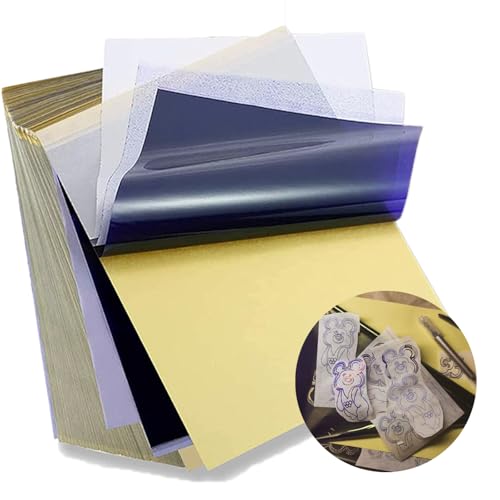
Standard size: Tattoo Transfer Paper is standard A4 paper size, each measures 8.27 in X 11.69 in. There are 4 levels in total. The thickness of the paper is very light and smooth to the touch.

Warm Tips: The tattoo transfer paper need to work with transfer medias.You will need to purchase the stencil ointment separately. Apply the design made on the master paper. Please pay attention to press the back side of the pattern to the skin for at least 3 seconds
What Flash Tattoos Are (and Why They Still Matter)
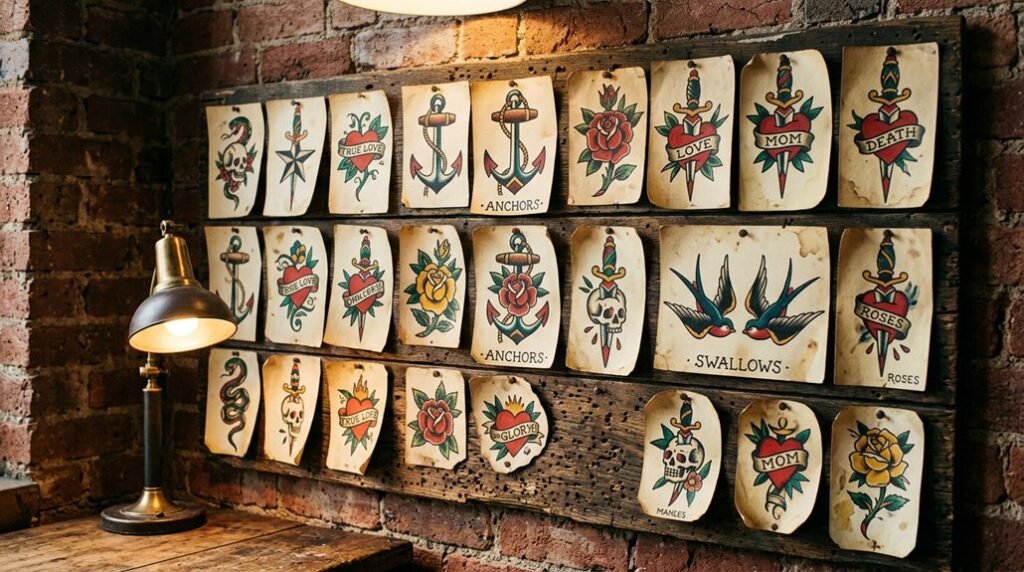
Flash artwork covers the walls of traditional shops—bold eagles, sailing ships, and roses printed on paper sheets. You’ve seen these iconic designs before. They’re flash tattoos: pre-drawn, ready-to-ink artwork that artists create for clients to choose from.
You’re looking at pieces born from decades of tattoo history. When you walk into a shop and point to a design on the wall, you’re participating in a tradition that stretches back to the early days of American tattooing. Sailors, travelers, and locals once selected from identical sheets.
Flash still matters because it offers you accessibility. You don’t need a consultation or months of planning. You get quality artwork at established prices, and you support artists who’ve mastered classic motifs. You’re choosing living history, not convenience.
Recommended Products


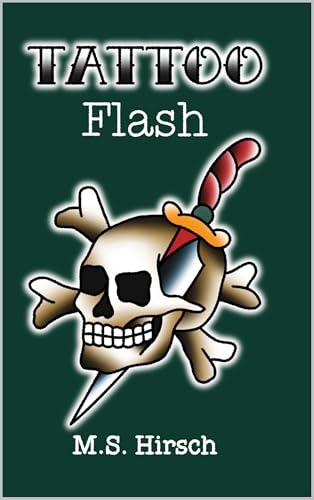
Sailor Jerry Traitional American Tattoo Flash

Flash vs. Custom: Which One Fits Your First Tattoo?
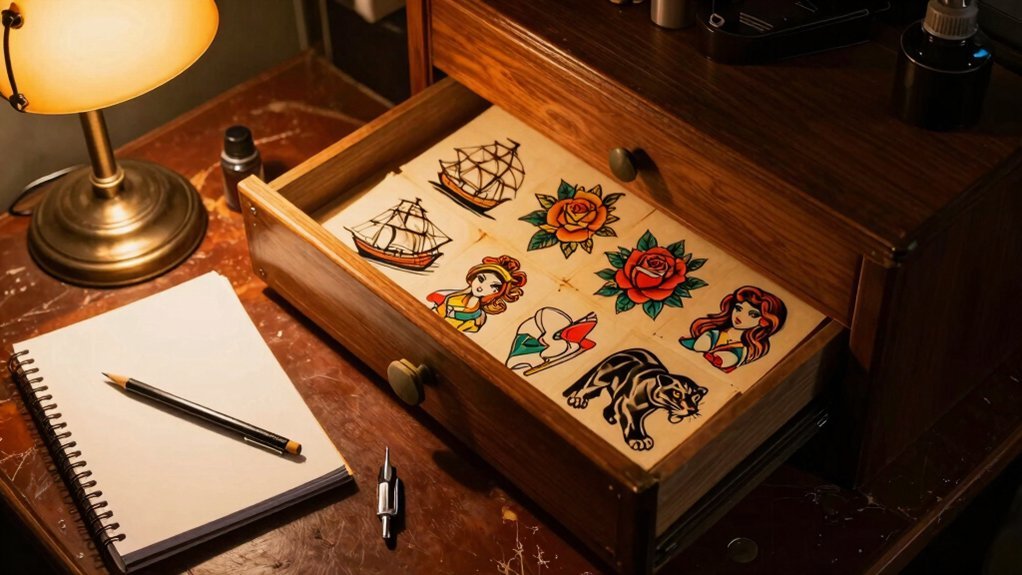
You’ve got the basics down—now you need to choose how you’ll get inked. Flash tattoos offer pre-designed artwork you select from a sheet or wall. You’ll walk in, pick your piece, and get tattooed—often same-day.
Custom tattoos require consultation, sketches, and revision. You’ll collaborate with an artist to create something unique.
Flash suits you if you want simplicity, lower commitment, or faster results. You’ll know exactly what you’re receiving before the needle touches skin.
Custom fits you if you carry a specific vision, meaningful symbolism, or want exclusive artwork.
For your first tattoo, flash removes decision paralysis. You’ll avoid the pressure of perfecting a design.
However, if you’ve dreamed this image for years, custom honors that investment. Trust your comfort level—there’s no wrong entry point into tattooing.
Recommended Products

⚡Unique Black Vintage American Tattoo Designs – Featuring a stylish collection of classic style tattoos(skulls, roses, anchors, eagles,heart..). These tattoos are perfect for various body placements, including face, legs, arms, and neck. Share them with family and friends for endless fun!

Large Quantity:17PCS sleeve tattoos temporary realistic and 60 PCS tiny tattoos stickers, including anchor,snake,butterflies,tiger,scorpion,eagle,sailboat,tribal eyes,lighthouse,swallow,vintage roses,demon,,sword,skull,cat,torches,pentagram,animal flower tattoos temporary

DESIGN VARIETY: Set of 42 unique retro-style temporary tattoos featuring classic Americana designs including roses, anchors, motorcycles, musical instruments, and vintage electronics Game characters, etc,42 temporary tattoos size is 2-3.5 inches
What Flash Tattoos Actually Cost (and Why It’s Less)
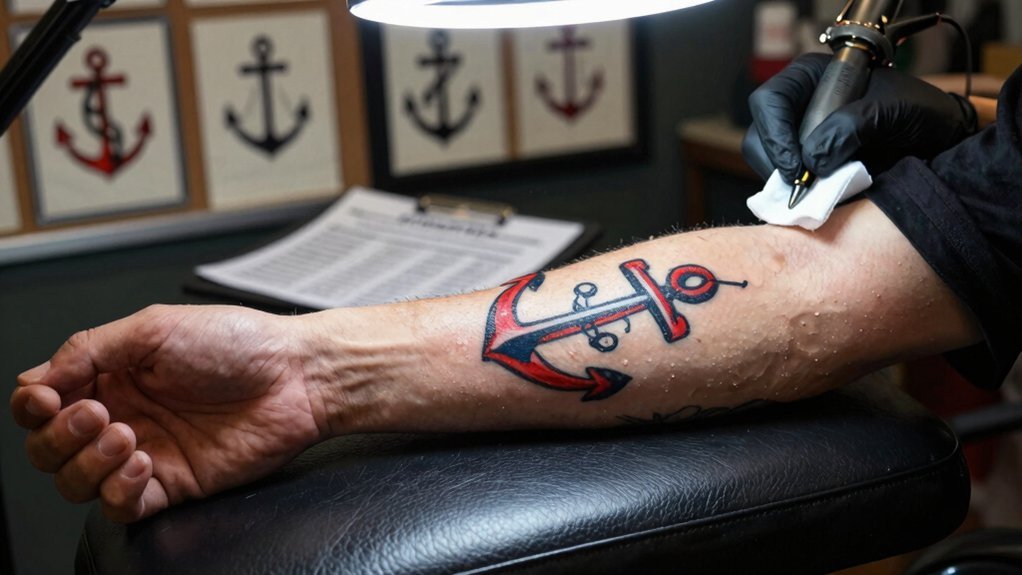
Why does choosing flash keep more cash in your pocket? You’re paying for a design that’s already complete. Artists don’t spend hours sketching concepts or revising drafts for you. They pick a pre-made sheet, stencil it on, and start tattooing. You skip consultation fees and design deposits entirely.
Flash tattoos typically range from $50 to $300, depending on size and detail. Custom work often starts at $150 and climbs rapidly. You’re also saving time—flash sessions wrap in one to two hours versus multiple appointments for complex custom pieces.
Shops price flash lower because artists work efficiently. They’ve tattooed that rose or dagger dozens of times. Their speed and confidence translate to reduced hourly rates for you. You’re getting quality ink without the premium price tag of bespoke artwork.
Recommended Products

Unframed Prints for your home decor or gifts choice. It comes unframed. We use good archival art paper and great design to ensure highest resolution, clarity and overall quality.


Unframed Prints for your home decor or gifts choice. It comes unframed. We use good archival art paper and great design to ensure highest resolution, clarity and overall quality.
Where to Find Quality Flash: Shops, Conventions, and Online
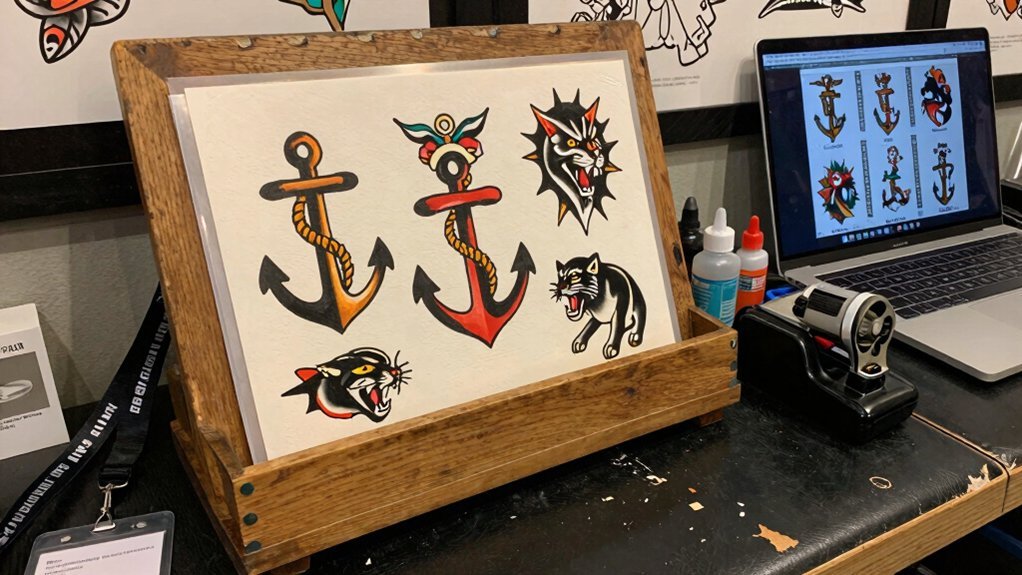
Where exactly should you look for flash worth wearing? Start with reputable tattoo shops. Established studios display artists’ flash on walls or in binders, letting you browse work tied to proven reputations. You’ll see the actual style and quality before committing.
Conventions offer another goldmine. Artists from across regions bring exclusive designs, often at competitive rates. You discover fresh talent, compare portfolios instantly, and book appointments on-site.
Online platforms expand your options dramatically. Instagram showcases countless artists releasing flash drops weekly. Dedicated websites and apps let you purchase designs directly, though you’ll verify the artist’s credentials yourself.
Each source demands different diligence. Shops guarantee accountability; conventions reward spontaneity; online requires research. Whichever path you choose, prioritize artists whose healed work photographs impress you.
Recommended Products
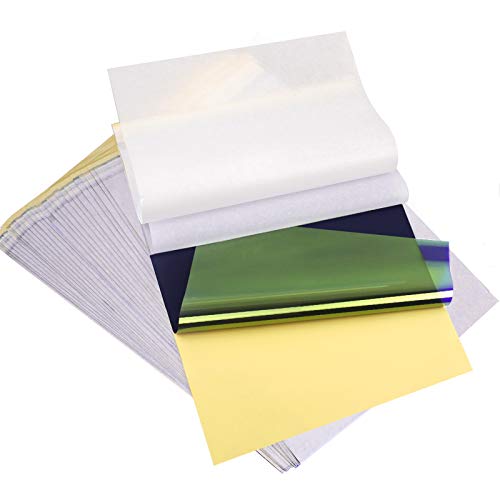
ADVANCED MATERIAL: Tattoo transfer paper is made with the high quality dyes and stencil paper. Transfer marks are very clear, clean and smooth. Tattoo transfer paper kit come with 35 sheets. Great for tattooing, trace and transfer images onto the body.<br>

Clean, Flawless Transfers: Your artwork will look so clean once transferred to the skin with the Stencil Stuff gel! Gentle on the skin, Stencil Stuff transfer solution helps you achieve clear and sharp tattoo stencil transfers every time!

Safe and Healthy: Our tattoo transfer gel meets strict safety and non-toxic material standards, non-irritating to the skin and vegan-friendly. Maintains client comfort while achieving clear tattoo stencil transfers.
How to Read a Flash Sheet Before You Point
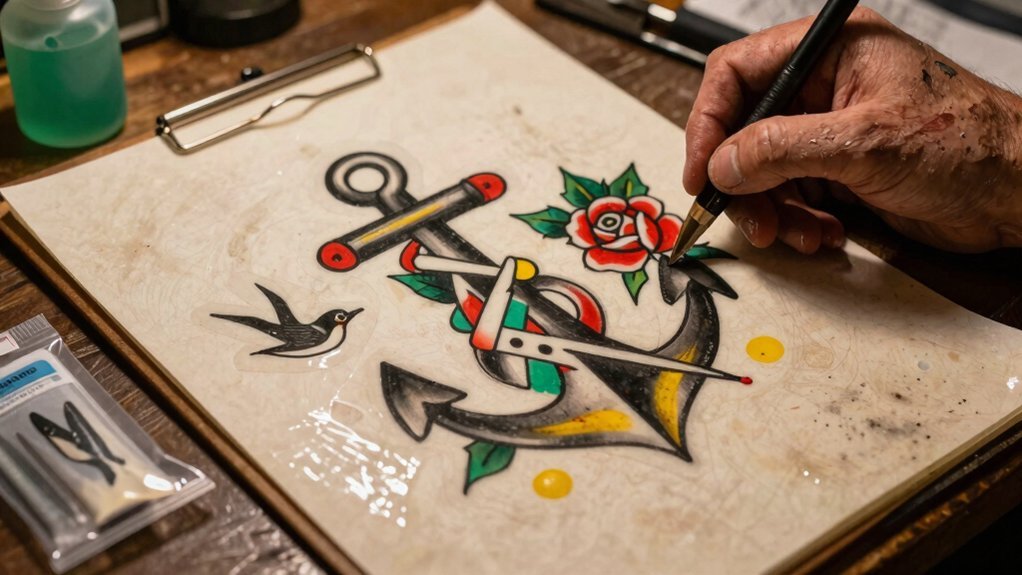
How does a crowded page of designs translate to something permanent on your skin? You’ll need to decode what you’re actually seeing. A flash sheet presents finished artwork, but you’re envisioning a tattoo—ink living inside skin, not on paper.
Study the line weight. Thick outlines hold better over time than delicate hairlines. Check the design’s size against the sheet’s scale markers; shrinking intricate pieces destroys detail. Notice negative space—shading you’ll lose as ink settles and spreads.
You’re reading for longevity. Bold shapes age gracefully. Tiny dots and fine gradients become muddy blurs. Ask the artist which pieces translate best to your chosen placement. They’ll guide you toward designs that’ll read clearly years from now, not just today.
Recommended Products

Value Pack: Our Tattoo Transfer Paper Set comes with 50 sheets of tattoo stencil paper, just the right amount so there's no waste.

Spirit Tattoo Classic Thermal Transfer Paper, 8.5” X11” (100 Sheets): Established since 1946, the original and trusted choice of tattoo artists globally, offering reliability and consistency in tattoo stencil creation.

Precision Transfers & Long Lasting: Tattoo stencil paper delivers vibrant, high-definition transfers even for intricate designs. Creates crisp, dark lines that transfer cleanly to skin (clearly on different skin tones) which are easy to follow during tattooing. The carbon layer made from high-quality dyes ensures sharp outlines without smudging or fading and maintains crisp lines visibility throughout long tattoo sessions, so you can focus on creating art instead of re-drawing lines
Red Flags: Spotting Bad Flash Before You Commit
When exactly did that bold flash sheet start feeling off? Trust that gut feeling. You’ll spot trouble if you look closely.
Check for blurry, photocopied lines—artists shouldn’t trace faded designs onto your skin. Walk away if you see inconsistent line weights, muddied shading, or colors that bleed together. You deserve crisp, intentional artwork.
Ask how long the design’s sat in that window. Dated flash collects dust and fades. You want fresh sheets, not sun-bleached relics.
Watch for identical sheets across multiple shops. Mass-produced flash means you’re getting generic, not special.
Notice the artist’s attitude. If they rush you, dismiss questions, or won’t adjust placement, you’re not their priority. Good flash deserves respect.
Your skin’s permanent. Spot these red flags early, and you’ll dodge regret.
Recommended Products
![Savvi - 18 American Traditional Temporary Tattoos: Skin-Safe Ink, Great for Parties and Everyday Wear,Gifts for Teens and Adults, Made in the USA [2 sheets, 18 count]](https://m.media-amazon.com/images/I/51+ao4eX49L._SL500_.jpg)
TRADITIONAL FLAIR: Get ready to unleash your inner rebel with Savvi's American Traditional Flash Temporary Tattoo Pouch. Have fun on a wild ride of traditional American flash art with 18 tattoos to choose from.

⚡Awesome Realistic American Traditional Style Fake Tattoos for Adult -- Super stylish design temporary tattoos, set includes variety of classic elements(rose money, neotraditional, crows, eagle, tigers, and many more popular designs!) that you can use for different locations on your shoulder, arms, chest, etc. Easy to share it with your family and friends.
Does Getting a Flash Tattoo Hurt More Than Custom?
Pain doesn’t care whether you picked your design off a wall or spent months planning it—your nerves react the same either way. The pain you feel depends on placement, size, and your personal tolerance, not whether the design is flash or custom.
You’ll experience identical sensations because the needle works identically on both. A flash rose on your ribcage hurts exactly as much as a custom rose there. However, flash pieces often feature bold lines and solid fills, which require more needle passes than delicate custom work. This means you might sit longer for dense flash designs, extending your discomfort.
Choose flash for speed and simplicity, not because you expect less pain. Bring headphones, breathe steadily, and remember: the result lasts forever, but the sting fades fast.
Recommended Products

77 sheets american traditional temporary tattoos,17pieces 7.48*3.74 and 60pieces 3.85*2.28,including sailor,anchor,snake,eagle,sailboat,sailor, pentagram,lighthouse,heart,swallow,flower,vintage roses,swallows,demon,butterflies,sword,skull,eagle,scorpion

American Traditional tattoo art depicting a skull, flower, dagger, eagle, skeleton hand holding rose, dice, snake, sparrow, and stars.

How to Heal Flash Tattoos (So They Don’t Fade Fast)
Why let your bold flash piece blur into a muddy mess when a few simple habits keep it crisp for decades?
You start the healing right by keeping that fresh wrap on for the first few hours—the artist knows what’s best. Then you wash it gently with unscented soap twice daily, patting dry with a clean towel. Slather a thin layer of fragrance-free moisturizer to stop the scab from cracking. You resist scratching during the flaky phase, no matter how maddening it gets. You skip swimming pools, hot tubs, and direct sun exposure for two full weeks. You also avoid tight clothing that’ll rub against the design. Once healed, you apply SPF 50 every single time you step outside. These steps lock in those saturated lines and prevent premature fading.
Recommended Products


HOW TO SET THE TONE of your room? How about from the walls out with this unframed france country vintage art set. This 7 pieces print set consists of 4 8x10" and 3 5x7" art prints. Its eclectic themes range from nature landscape, meadow, botanical study to plant drawing. The art set will add a personal flair to your rustic farmhouse or bohemian home. This sage green wall art will be the focal point of your space, inspire conversation when friends visit your home!
When to Skip Flash and Go Custom Instead
Where exactly does a generic sheet design fall short for what you’re trying to express? You’ll know it’s time to go custom when you’re carrying something deeply personal—your grandmother’s handwriting, a pet’s exact likeness, or a symbol born from your own scar tissue. Flash can’t hold that weight.
You’re also pushing past flash territory when sizing up. That tiny anchor won’t translate across your whole back. You’ll need an artist who can draft original composition, flow with your body’s anatomy, and build something that lives only on you.
Consider custom work when you’re bridging multiple styles or demanding hyper-specific detail. Realism, portraiture, and intricate geometric work rarely thrive from pre-drawn sheets. You’ll invest more time and money, but you’ll walk away wearing art nobody else can claim. That’s worth the wait.
Recommended Products
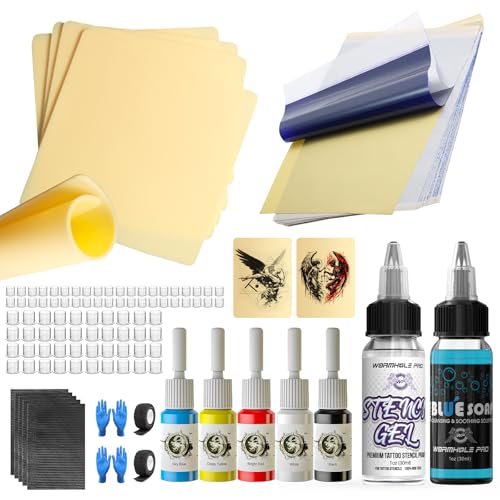
Complete Tattoo Training Kit – Includes 4pcs tattoo practice skin, 10pcs tattoo stencil papers, 1oz transfer gel, 1oz tattoo blue soap, tattoo ink, 80 ink caps, 5 disposable tablecloths, 2 grip tapes, 2 pairs of gloves – everything you need to practice tattooing safely and effectivelys

🏆 【Great Value Pro-Grade Tattoo Studio Kit】 - Get 50 premium A4 tattoo transfer papers and long-lasting tattoo transfer cream gel sticks, your ultimate tattoo stencil arsenal for crisp stencils & worry-free creativity. Perfect for artists, studios and DIY enthusiasts.

👍【SUPER VALUE PACKAGE】 - The 40Pcs Tattoo Practice Skin with Transfer Paper Kit package includes 30Pcs blank tattooo fake skin and 10pcs stencil paper. Individually wrapped for your convenience and storage. Both products are essential and can save you time and money when purchased in combination.
Flash Tattoo Aftercare Mistakes That Ruin the Ink
How quickly can a fresh flash piece turn from crisp lines to faded regret? Faster than you’d think if you’re sloppy with aftercare.
You pick at scabs instead of letting them fall naturally. You’re rubbing petroleum-heavy lotions that suffocate the wound. You ignore the artist’s wrap timeline and expose raw skin to bacteria within hours. You submerge your new ink in baths, pools, or hot tubs during critical healing days. You scratch relentlessly when itching peaks around day four.
Flash tattoos often feature bold lines and solid fills that demand careful attention. You skip moisturizing entirely, letting the area crack and flake. You sleep facedown, smearing plasma across fresh sheets. You assume bold designs forgive negligence—they don’t. You compromise saturation and clarity through these easily avoided errors. Your flash deserves better diligence.
Conclusion
Flash tattoos give you bold, timeless art without the wait or custom price tag. You’ll walk out same-day with ink that heals clean if you pick wisely and care for it right. Know when flash fits—simple designs, quick sessions, tighter budgets—and when you need custom work instead. Trust your instincts, read the sheet carefully, and follow aftercare to the letter. You’re not just choosing a design; you’re choosing how your ink ages.