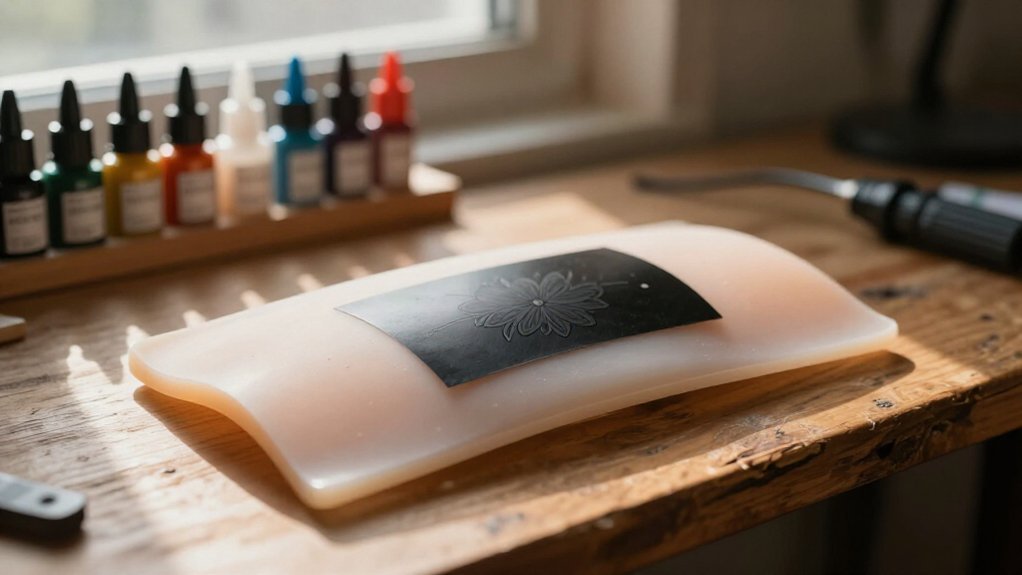

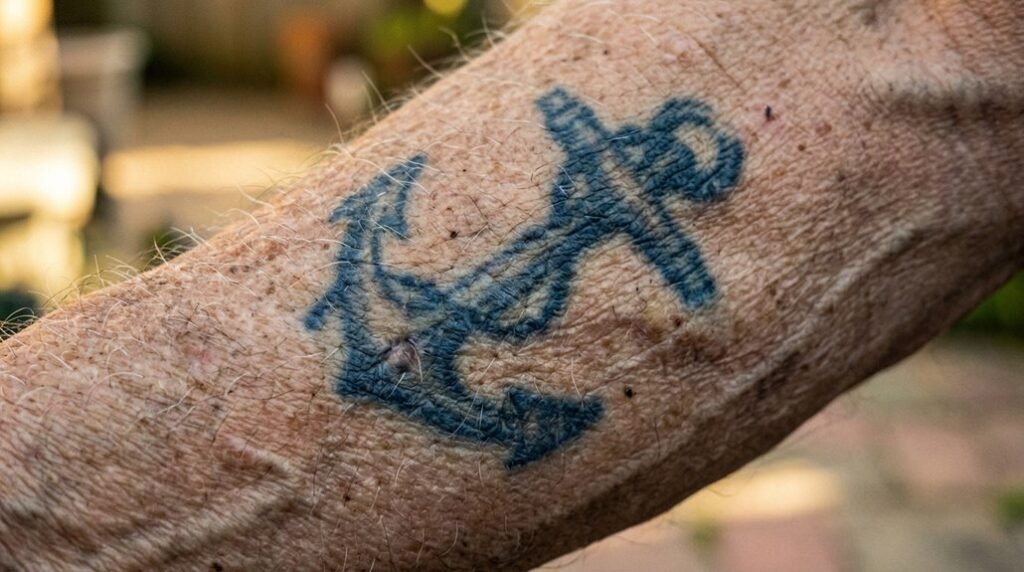
You’ve probably noticed how a once-crisp tattoo starts to blur at the edges or how that vibrant red now looks more like dusty rose. Your skin never stops working, and neither does the slow drift of ink beneath it. What you’re seeing isn’t damage—it’s biology in motion. But not all tattoos age the same way, and some choices you made years ago are already deciding how yours will look a decade from now.
Key Takeaways
- – Immune cells gradually engulf tattoo pigment, causing lines to blur and colors to shift over time.
- – UV exposure, friction, and skin stretching accelerate fading and distort tattoo appearance.
- – High-friction areas like hands and feet fade faster than protected spots like the back or thighs.
- – Daily sunscreen, moisturizing, and stable weight help slow aging and preserve ink vibrancy.
- – Faded tattoos can be touched up, covered with darker designs, or removed through laser treatment.
Recommended Products

Tattoo-Safe Mineral Formula: Our tattoo sunscreen lotion uses non-nano zinc oxide, a physical barrier that sits on the skin to block UVA/UVB rays without penetrating or irritating tattoos. This helps prevent fading, discoloration, or damage to tattoo ink caused by sun exposure.
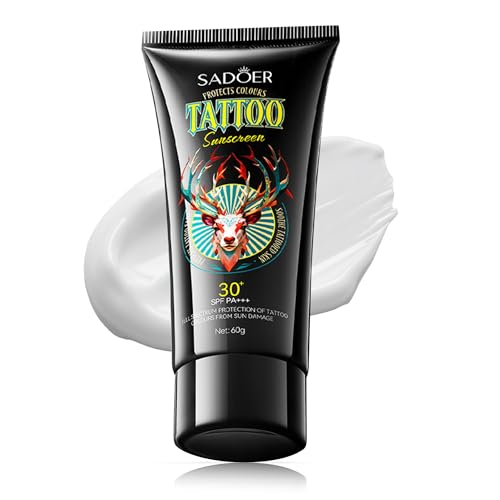
ULTIMATE SUN PROTECTION FOR TATTOOS & SKIN: Our advanced SPF 30+ formula delivers broad-spectrum UVA/UVB protection while locking in tattoo vibrancy. Suitable for all skin types – inked or uninked – its compact size fits your pocket easily, making it perfect for daily on-the-go protection.

FOR ALL SKIN TYPES, INKED OR NOT - This daily, 100% mineral sunscreen works hard to protect skin and tattoos from the damage caused by exposure to harmful UVA & UVB rays.
How Tattoos Change Over Time
Where exactly does that crisp ink go as the years pass? You’re witnessing a biological process, not magic. Your immune system recognizes tattoo pigment as foreign and sends macrophages to engulf those particles. Some ink migrates deeper into your dermis, blurring edges you once thought permanent.
You’re also battling time itself—collagen breaks down, skin thins, and elasticity fades. That bold black line softens into gray. Colors shift unpredictably; reds may turn pink, blues dull toward green. You’re living through sun exposure, weight fluctuations, and hormonal changes, all accelerating transformation. What you’re seeing isn’t disappearance but dispersal. Your body’s been working steadily, remapping that artwork across changing terrain. You can’t stop it, but you’ll understand it now.
Recommended Products

☀️ UPF 50+ SUN PROTECTION Blocks 98% of harmful UVA/UVB rays. Sunscreen fabric keeps you safe during outdoor sports, driving, or gardening. No sticky residue, no fading even after 5000+ washes.

American Made Quality - Proudly made in the USA with premium craftsmanship delivering high-quality protection and durability. Light full arm sleeves in MediuMLarge size for reliable coverage.
Where Tattoo Fading Hits First (and Why)
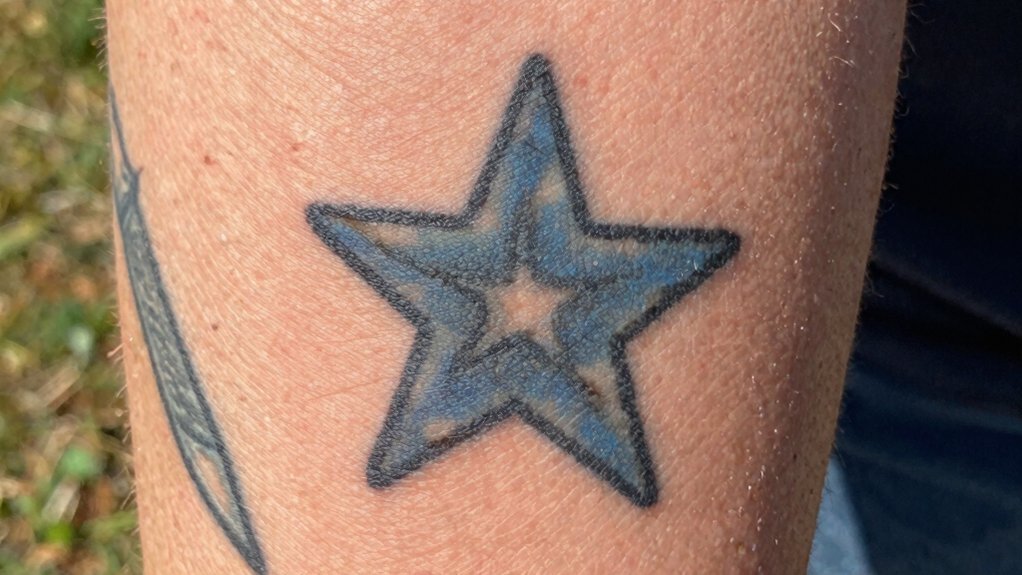
Why do some parts of your tattoo seem to surrender to time before others? You’ll notice fading strikes your fingers, hands, feet, and inner lips first. These areas endure constant friction—your hands grip, your feet rub against shoes, and your lips move endlessly. This mechanical wear grinds away ink particles faster than protected skin allows.
You’ll also see faster fading where your skin regenerates rapidly. Your palms and soles replace cells constantly, pushing ink out with each turnover. Thin skin suffers too; your eyelids and décolletage hold less ink initially, so you lose pigment quickly.
Your tattoo’s placement determines its survival timeline. High-contact zones demand touch-ups sooner, while your back or thigh maintain vibrancy longer. You can’t stop cellular renewal, but you’ll understand why certain spots fade first.
Recommended Products

Multiple uses: the 2 tip marker skin pens size are 0.5 mm and 1 mm; The thickness of the pen tip can easily draw accurate and clean lines, suitable for experienced or beginners

6 Pack of Surgical Skin Markers. Individually Sealed, Sterile.

🛡️ SAFE AND GENTLE FORMULA - Our tattoo goo is made from skin-friendly, plant-based ingredients that are non-toxic and non-irritating, ensuring gentle use on all skin types during stencil transfer.
How Sun, Stretching, and Skin Damage Accelerate Tattoo Aging
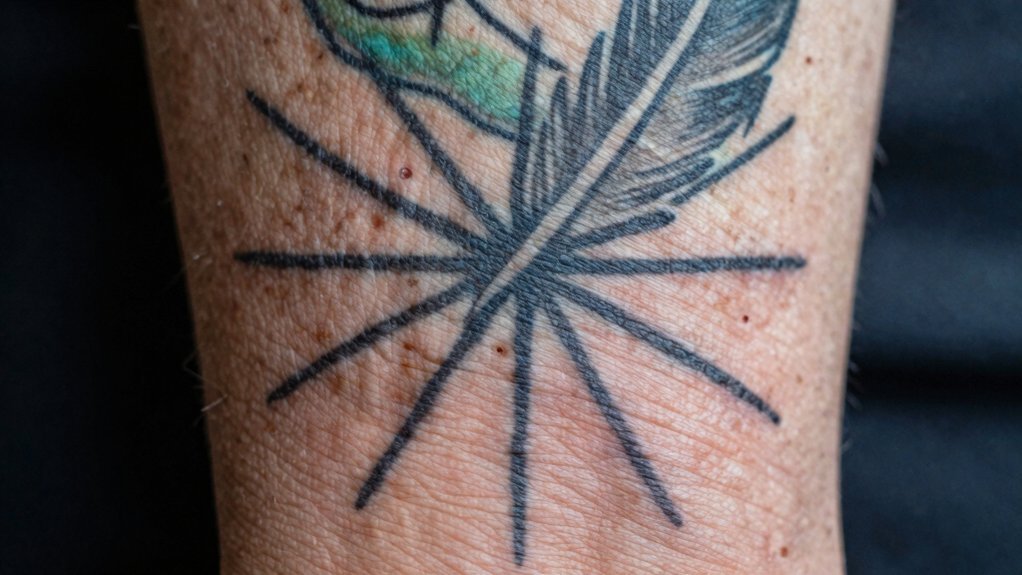
How quickly your tattoo deteriorates depends heavily on what you expose it to.
You probably don’t think twice about stepping outside without sunscreen, but your tattoo pays the price. UV rays fracture ink particles, bleaching vibrant colors into muted ghosts. You’re essentially speeding up years of fading in a single afternoon at the beach.
Stretching creates problems too. When you gain muscle, carry weight, or experience pregnancy, your skin expands unevenly. The ink distorts, lines blur, and details warp beyond recognition.
Skin damage compounds everything. You pick at healing skin, skip moisturizer, or ignore early signs of infection. Each micro-injury accelerates breakdown. Smoking further starves your tattoo of oxygen, dulling its appearance prematurely.
You’re in control of these factors. Protect your investment.
Recommended Products

Triple Blackout Tattoo Ink - Strengthen your shading with Triple Blackout, the boldest black designed for greater dimension in your tattoos. With a glycerin free formulation, this professional tattoo ink inserts smoothly into the skin for excellent distribution and shading.

MADE IN THE USA SINCE 1990 — For over 30 years Dynamic Color has produced professional tattoo ink in the United States, an established American brand artists built their work on long before most imported labels existed.

TATTOO COVER UP: Specially designed patch to conceal tattoos discreetly, ideal for tattoo enthusiasts seeking temporary coverage.
Which Body Locations Age Best: and Worst
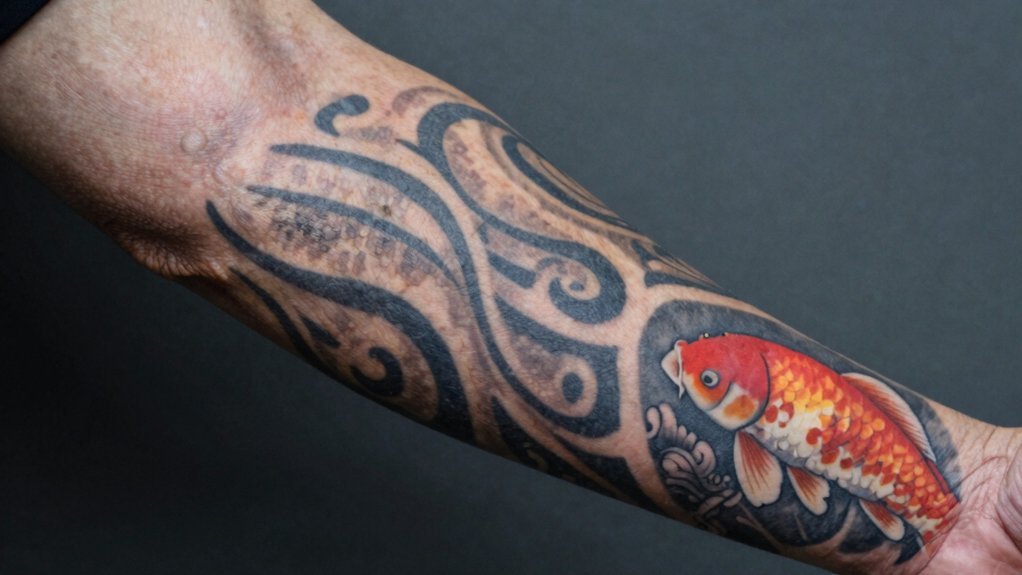
Your tattoo’s longevity depends heavily on where you place it. You should consider high-friction areas your worst enemies. Inner thighs, feet, armpits, and palms endure constant rubbing, which accelerates fading significantly. You’ll also watch stomach, upper arm, and thigh tattoos distort as skin stretches with weight fluctuations or muscle growth. Sun-exposed zones—hands, forearms, and neck—deteriorate faster without diligent protection.
You fare better choosing the upper back, outer bicep, or calf. These spots resist stretching and avoid direct sun exposure naturally. You’ll notice rib and hip tattoos age moderately; they escape friction but may shift subtly with body changes. You can’t stop aging entirely, but you can outsmart it by selecting placement strategically. Think about movement, clothing contact, and sun patterns before committing needle to skin.
Recommended Products

Wavelength: 200nm-2000nm, broad spectrum protection, block UV, Blue, Red and Infrared Laser Light

Bulk 50-Pack for Efficiency and Convenience: Save time while ensuring your clients have all the pico laser post care information they need. Our 50-Pack ensures you have an ample supply of pico laser aftercare cards on hand, ready to provide personalized pico laser care for every client.

AT-HOME IPL HAIR REMOVAL: Braun IPL hair removal is an at home laser hair removal alternative for women and men, with permanent visible hair reduction and up to 2 years free from hair*
How Much You Can Realistically Slow the Process
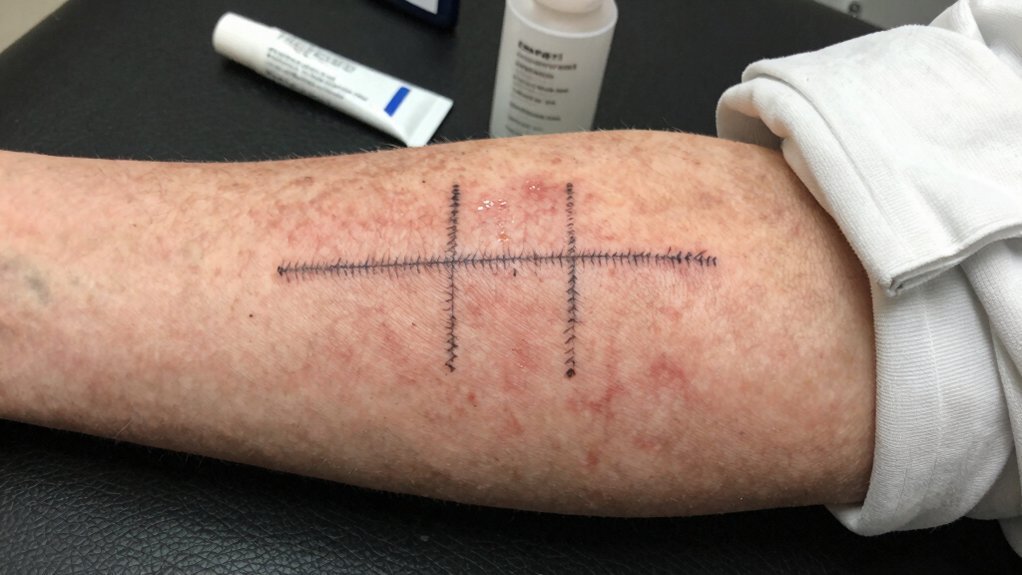
Strategic placement only gets you so far; aftercare and maintenance determine how many years you keep that ink sharp.
You’ll preserve color vibrancy by applying sunscreen daily; UV rays break down pigment fastest. You moisturize regularly because dry skin cracks and dulls lines. You avoid picking scabs during healing since you disrupt ink settling. You stay hydrated and maintain stable weight, as yo-yo dieting stretches and warps designs. You choose experienced artists whose technique places ink at optimal depth.
Realistically, you can’t stop fading entirely. Skin regenerates constantly; cells carrying pigment eventually shed. You buy perhaps five to ten extra years of clarity through diligent care. Genetics and lifestyle habits you can’t control also factor in. You manage expectations: slowing differs from preventing.
Recommended Products
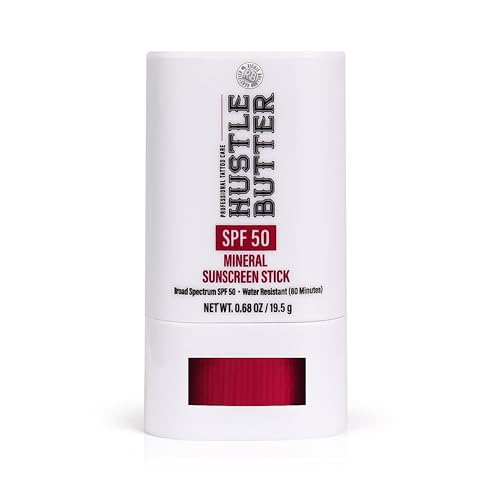
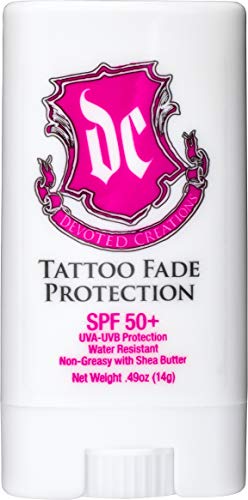
Tattoo Sun Protection, SPF 50: Our tattoo sunscreen stick provides broad-spectrum UVA/UVB coverage, preventing sun damage and fading, keeping tattoo ink vibrant and sharp.

PERFECT FOR BLACK, GRAY, COLOR TATTOOS - Inked Magazine’s preferred tattoo aftercare brand, this best-selling tattoo aftercare kit is perfect for all types of tattoos. No matter what kind of ink you have, you can trust Mad Rabbit for Premium Protection.

Professional Tattoo Aftercare Kit: includes tattoo balm, cleansing soap ,Moisturize lotion and sunscreen. they are gentle on skin, perfect for gently cleaning, keeping fresh ink nourished and moisturized your new tattoo skin.this kit helps your tattoo heal beautifully and stay vibrant for years.
When to Fix, Cover, or Remove a Faded Tattoo
Eventually, every tattoo fades enough that you must decide whether to touch it up, cover it, or erase it entirely.
Choose touch-ups when lines blur but the design stays meaningful. You’ll save money and preserve what’s yours. A skilled artist redraws the original, and you’re out in hours.
Pick a cover-up when you’ve outgrown the image itself. Darker, larger artwork masks the old. You must commit to something new, but you shed the past without full erasure.
Opt for removal when the tattoo triggers real regret. Laser sessions break ink into fragments your body flushes away. It hurts, costs more, and takes months, but you reclaim blank skin.
Weigh your attachment, your budget, and your pain tolerance. Then act.
Recommended Products

COMFORTABLE - NO SLIP GRIPPER - NO ITCHY TAGS - NO CHAFE SEAMS -- Our no-slip gripper at the top of each tattoo cover sleeve keeps them firmly in place all day long.

【Comfortable design】 Our tattoo sleeves are made of bamboo charcoal fiber, which has excellent flexibility and breath ability. This arm sleeve has a strong sweat-absorbing ability, will not tighten the arm, and is very comfortable to wear for a long time.
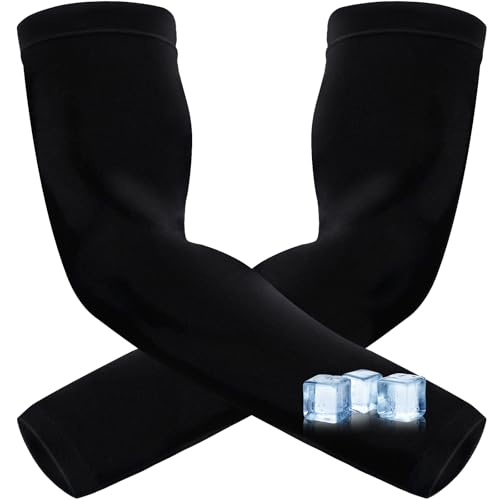
☀️ UPF 50+ SUN PROTECTION Blocks 98% of harmful UVA/UVB rays. Sunscreen fabric keeps you safe during outdoor sports, driving, or gardening. No sticky residue, no fading even after 5000+ washes.
Conclusion
Your tattoo will change no matter what you do, but you control how much. Protect it from sun, moisturize regularly, and choose placement wisely. Touch-ups refresh faded work, cover-ups transform regrets, and removal’s always an option. Embrace the aging or fight it—either way, understand your skin’s biology so you make informed choices. A little care now means your ink tells its story longer, on your terms.
Recommended Products

QUALITY TATTOO MARKERS FOR SKIN: Our tattoo markers are designed for precision, offering bold, clear lines on the skin. Ideal for sketching, freehand drawing, or tattooing, they serve as reliable skin markers for tattoos, ensuring quality results every time.
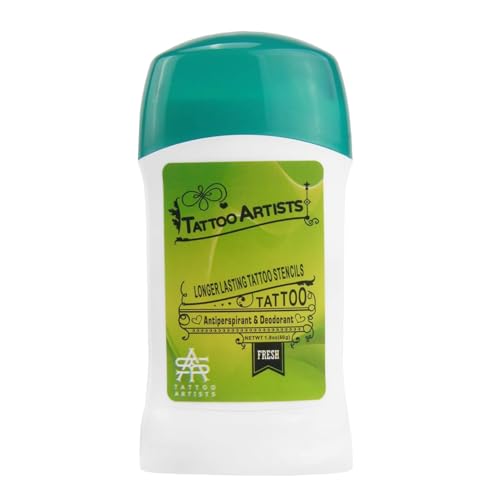
【Safe and Healthy】 Our tattoo transfer cream gel meets strict safety standards and is made from plant extracts that are non-toxic and non-irritating to the skin
Professional-Grade Transfer Solution:A skin-safe, chemical-free formula designed for professional tattoo artists and body art enthusiasts—applies smoothly, delivers exceptional stencil transfer quality, and enables precise tattoo placement.