
You’re probably wondering if you can handle the needle, and the honest answer is: it depends on more than you’d think. Your pain threshold matters, sure, but so does where you’re getting inked, how well you slept, and whether you’ve eaten. Some spots feel like hot rubber bands snapping; others make you grit your teeth for hours. The real question isn’t if it’ll hurt—it’s what you’re willing to endure for art you’ll carry forever.
Key Takeaways
- Tattoos cause moderate pain, usually described as scratching, stinging, or vibrating discomfort.
- Pain intensity depends heavily on individual threshold and body placement.
- Bony areas like ribs, spine, and kneecaps hurt most; padded areas hurt less.
- Sharp session pain shifts to soreness, fading within days to two weeks.
- Eating well, staying hydrated, and relaxing muscles help minimize discomfort.
Recommended Products

TATTOO AFTERCARE ESSENTIAL: Hustle Butter is the original tattoo aftercare balm for new and older tattoos. With over 10 years in the market, we are a pioneer of the tattoo aftercare category.

TATTOO AFTERCARE LOTION: After Inked Tattoo Lotion brings hydration and nourishment to your tattooed skin. Formulated with grape seed oil, which helps maintain vibrant ink colors while pacifying the skin and promoting moisture retention.

Upgraded Design, Easy to Use --- Tattoo aftercare balm comes in a tube,this container allows you to glide on the butter easily,Rolls on smoothly and evenly on your skin,No more mess or residue on your finger,convenient to use
How Bad Does a Tattoo Hurt, Really?
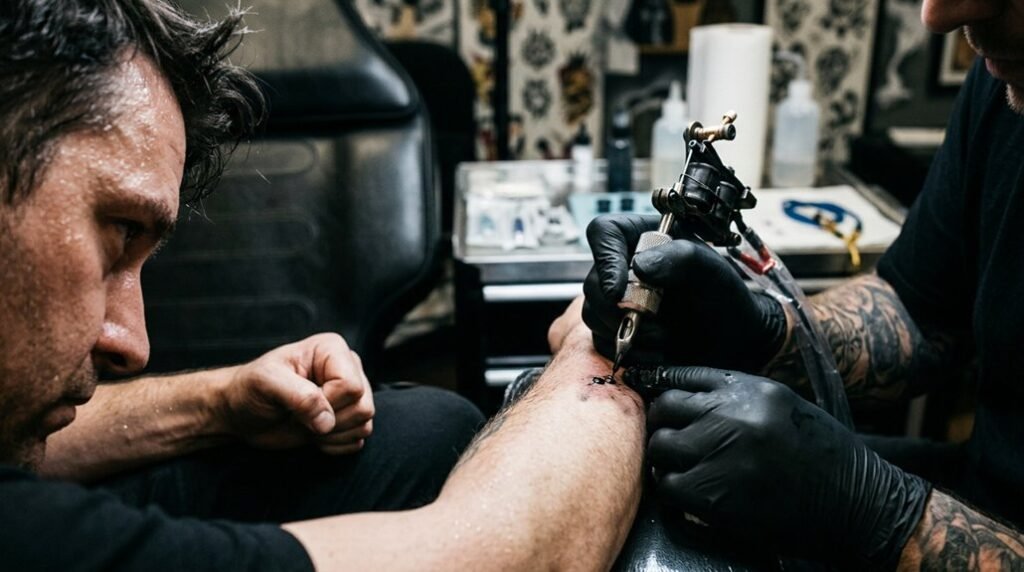
Exactly how much does a tattoo hurt? You’ll feel it, but it’s not unbearable. Most people describe the sensation as scratching, stinging, or vibrating discomfort rather than sharp pain.
You’ll experience varying intensity depending on where you’re getting inked. Fleshier areas with more muscle and fat padding—like your outer arm, thigh, or calf—typically cause milder discomfort. You’ll feel a steady, mechanical irritation as the needle moves.
Your pain tolerance shapes everything. What overwhelms you might barely register to someone else. Adrenaline kicks in quickly, usually dulling the sensation after initial minutes. You’ll find yourself settling into a rhythm, breathing through it.
Sessions lasting several hours test your stamina more than your threshold. You’re committing to sustained, manageable discomfort—nothing like broken bones or serious injury. You’ll walk out with art, not trauma.
Recommended Products

COMPLETE AFTERCARE KIT FOR NEW & EXISTING TATTOOS: This Tattoo Aftercare Kit brings together 3 essentials, Antimicrobial Soap, Tattoo Balm, and Tattoo Lotion, to help cleanse, protect, and moisturize fresh ink. Useful after tattoo sessions and throughout healing, it supports vibrant color and skin comfort for dedicated ink enthusiasts and artists

PROTECT & HEAL - H2Ocean Aquatat seals the skin in a moisturizing barrier to protect from irritants while still allowing the skin to breathe. Aquatat will also heal topical wounds on skin such as tattoos, rashes, cuts and scrapes while minimizing scabbing.

FRAGRANCE FREE TATTOO AFTERCARE FOR SENSITIVE SKIN - The same #1 artist recommended Hustle Butter formula, now with no added fragrance, dyes, or parabens. The unscented tattoo lotion of choice for sensitive or easily irritated skin.
What Makes Tattoo Pain Stronger or Lighter?
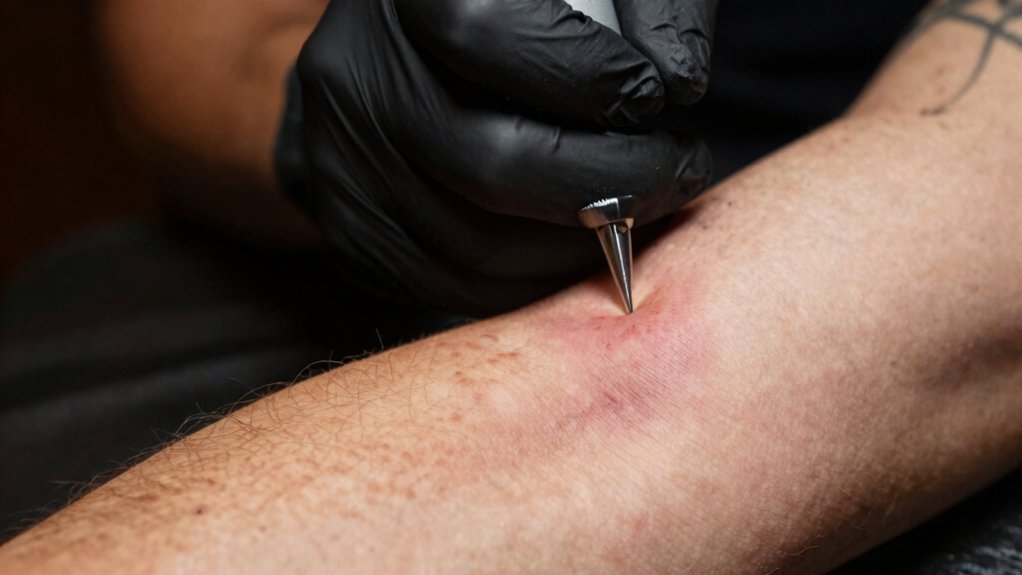
Several factors determine whether you’ll breeze through your session or grit your teeth through every minute.
Your pain threshold plays a huge role. If you’ve got a low tolerance, you’ll feel every sting more intensely than someone who’s built different.
Your physical state matters too. You’ll experience sharper pain when you’re dehydrated, hungover, or running on empty. Sleep deprivation amplifies everything. Tension in your muscles makes the needle’s work harder on your skin.
Session length changes your perception. Short bursts feel manageable, but marathon sits break down your body’s defenses and heighten sensitivity.
Your artist’s technique and machine speed create real differences. Fast, confident strokes cause less trauma than slow, hesitant work. Single needles scratch; mag shaders pound deeper.
Skin condition affects you too. Freshly shaved, moisturized skin accepts ink easier than dry, irritated patches.
Recommended Products

FSA HSA Eligible Over-the-Counter Medication - This topical lidocaine numb cream with Allantoin, Vitamin E, and Aloe is clinically proven to temporarily relieve pain, burning, itching, discomfort, inflammation, and soreness in local and anorectal areas

5% Lidocaine Cream Maximum Strength Formula: Formulated with 5% lidocaine, this topical cream provides temporary relief from localized discomfort such as itching, burning, or minor skin irritation. A powerful solution for external use when your skin needs extra care.

Anorectal Numbing Cream and Temporary Pain Relief for Hemorrhoids
Tattoo Pain by Body Part: Most to Least
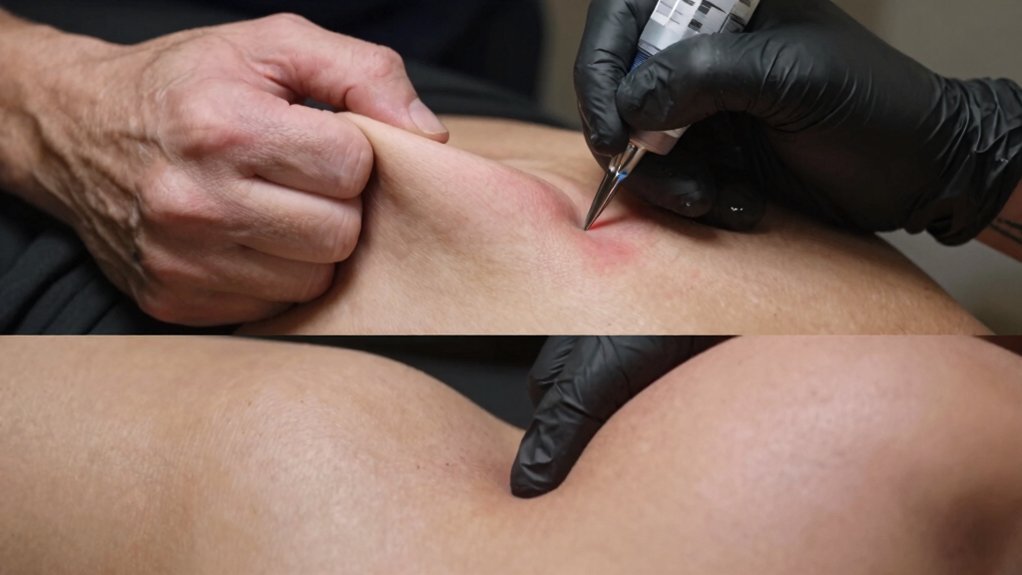
Where does it hurt most to get tattooed? You feel the worst pain over bone and nerve clusters. Your ribs, spine, kneecaps, elbows, and feet make you wince with every line. You clench your jaw when needles hit your armpits, groin, or sternum because skin stretches thin there.
You find moderate pain across your shoulders, upper arms, thighs, and calves. Muscle padding helps, though you still notice the buzz digging in.
You barely flinch on your forearms, outer biceps, and buttocks. Fat and fewer nerve endings let you relax more.
Your fingers, hands, neck, and face vary wildly for you. Some spots feel sharp; others dull.
You should research your specific placement before booking. Everyone’s nerve map differs, and you’re unique.
Recommended Products

Clean, Flawless Transfers: Your artwork will look so clean once transferred to the skin with the Stencil Stuff gel! Gentle on the skin, Stencil Stuff transfer solution helps you achieve clear and sharp tattoo stencil transfers every time!
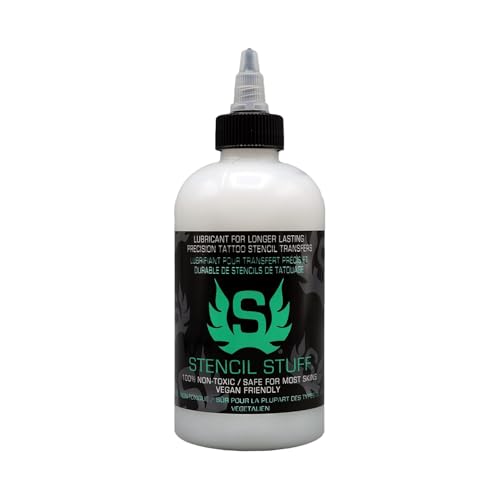
Clean, Flawless Transfers: Your artwork will look so clean once transferred to the skin with the Stencil Stuff gel! Gentle on the skin, Stencil Stuff transfer solution helps you achieve clear and sharp tattoo stencil transfers every time!

Safe and Healthy: Our tattoo transfer gel meets strict safety and non-toxic material standards, non-irritating to the skin and vegan-friendly. Maintains client comfort while achieving clear tattoo stencil transfers.
How Long Does Tattoo Pain Last?
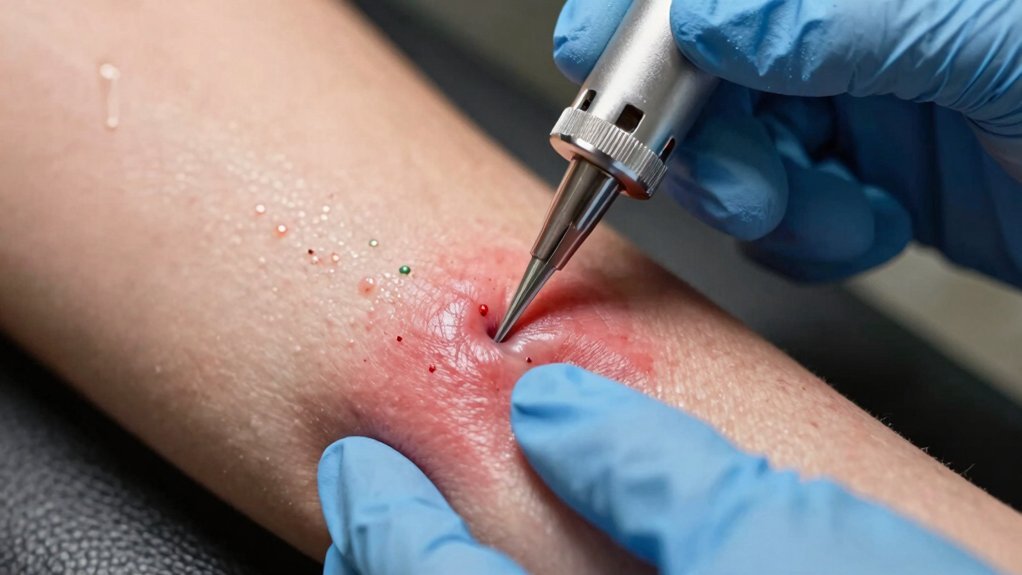
How long does the sting actually stick around? You’ll feel sharp pain during the session itself, which lasts anywhere from one hour to several sessions spread across weeks.
The immediate soreness afterward typically fades within 3-7 days for smaller pieces. Larger tattoos keep you tender for up to two weeks.
You’ll notice the pain evolves quickly. That burning sensation shifts to a dull ache within the first 24 hours. After that, you’re dealing mostly with itching and tightness as your skin heals. Avoid picking at scabs—that’ll only prolong your discomfort.
Deep tissue work or heavy shading adds recovery time. Thin skin areas stay sensitive longer. Your immune response, aftercare quality, and overall health all shape your timeline. Most people resume normal activities within a day or two, though the area remains touch-sensitive for about a week.
Recommended Products

Poseidon cartridge adopt a one-time joint design hygienic standard The material is stainless steel and easy to color,and has better ink flow

Complete Packaging: 50pcs mixed size tattoo cartridge needles set, includes 5pcs each of 1205RL 1207RL 1209RL 1205RS 1207RS 1209RS 1207RM 1207M1 1215M1 1215RM. The unique design of the needle can store more ink, and the sharp needle thread better completes tattoo activities, suitable for both professional tattoo artists and beginners.

How to Handle Pain While Getting Tattooed
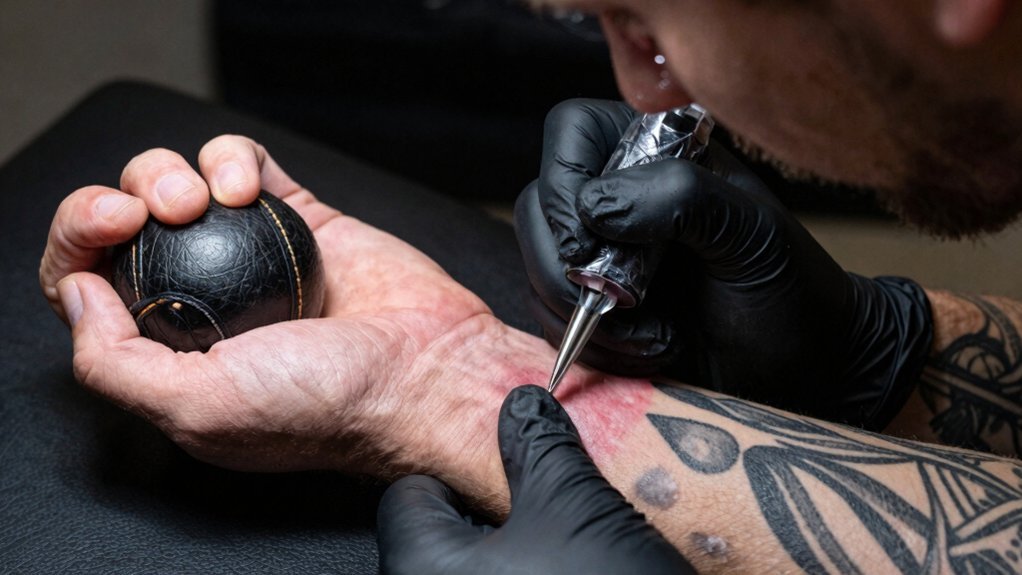
Now that you know what to expect afterward, let’s talk about getting through the session itself. You’ll want to eat a solid meal beforehand and stay hydrated—don’t skip this. Bring headphones and blast your favorite playlist; distraction works wonders. Breathe deeply and steadily. Tensing up only amplifies the pain, so you’ll need to consciously relax your muscles.
Pick a spot on the wall and focus your gaze there. Some people chat with their artist; others zone out completely—find what works for you. Avoid alcohol beforehand; it’ll thin your blood and make everything worse. For longer sessions, you’ll appreciate breaking things into chunks. Request short breaks when you need them, but don’t overdo it—frequent stops actually prolong your discomfort. You’re tougher than you think.
Recommended Products

ENHANCE & MAINTAIN YOUR INK - This ultra-nourishing balm instantly enhances ink vibrancy as it forms a protective barrier on skin to help moisturize and soothe skin.

Protect Your Body Art: Moisturizing with the bonus of itch relief! Tattoo Goo's Tattoo Care Lotion soothes healing skin & keeps healed ink looking sharp for life. With olive oil & glycerin, it delivers deep, breathable hydration that won’t clog pores
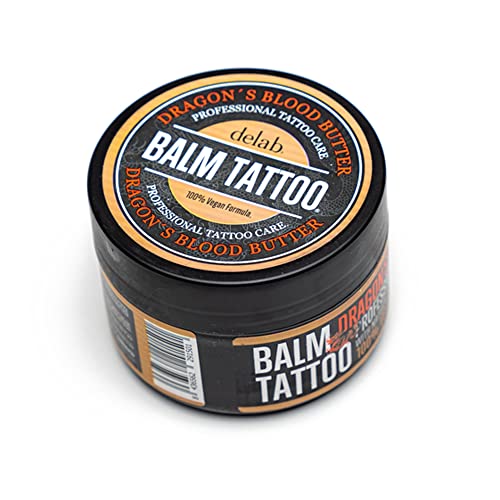
100% NATURAL INGREDIENTS Carefully selected ingredients contained in Balm Tattoo Dragons Blood Butter provide a rich mix of vitamins and minerals necessary to keep your client's skin in perfect shape. This smooth lotion has zero harsh ingredients, parabens, or mineral oils. After application, balm leaves a refreshing papaya and coconut fragrance.
Conclusion
You’ve learned that tattoo pain varies by body part, your personal threshold, and preparation. You’ll feel scratching, stinging, and vibrating, but most people find it bearable. You can manage discomfort by staying hydrated, well-rested, and relaxed. Remember, the pain fades, but your art lasts forever. Trust your artist, breathe through the tough spots, and you’ll walk away with something meaningful. The discomfort is temporary; your tattoo is a permanent story you’ve chosen to wear.
Recommended Products

TATTOO AFTERCARE OINTMENT – Made especially for aftercare of tattooed skin. Offers premium protection and the best tattoo care. Suitable for new & existing tattoos. Moisturizes dry skin and nourishes it. Makes tattoo colors look more vibrant and fresher. Helps tattoos look their best.
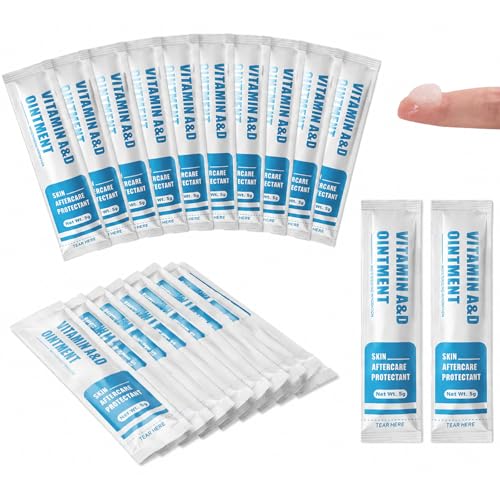
Honest, Accurate Care – This protective ointment comes in 50 hygienic single-serve packets for mess-free, on-the-go convenience. Easy to apply for tattoo protection anytime.

FRAGRANCE FREE TATTOO AFTERCARE FOR SENSITIVE SKIN - The same #1 artist recommended Hustle Butter formula, now with no added fragrance, dyes, or parabens. The unscented tattoo lotion of choice for sensitive or easily irritated skin.