
You’re probably wondering if that tub of petroleum jelly in your cabinet will work for your fresh ink. It can create a protective barrier, but it’s not always the best choice for healing. The real question is whether it’ll help your tattoo thrive—or set you back. You’ll want to know the difference before you reach for it.
Key Takeaways
- Petroleum jelly is sterile, cheap, and FDA-approved for protecting fresh tattoos during sessions.
- It creates an occlusive barrier that seals moisture and prevents thick scab formation.
- Over-application traps heat, plasma, and bacteria beneath the skin’s surface.
- Avoid use with second-skin bandages, infected skin, or acne-prone areas.
- Specialized tattoo balms or fragrance-free moisturizers work better for long-term healing.
Recommended Products

Protect Your Body Art: Moisturizing with the bonus of itch relief! Tattoo Goo's Tattoo Care Lotion soothes healing skin & keeps healed ink looking sharp for life. With olive oil & glycerin, it delivers deep, breathable hydration that won’t clog pores

Nourishes Healing Ink for Vibrant Color: Tattoo Goo supports healing tattoos & maintains vibrancy on healed ink with a lightweight formula rich in olive oil, lavender oil, cocoa butter, and beeswax. It absorbs quickly, moisturizes deeply, and helps reduce dryness, itch and tightness so your tattoo looks and feels comfortable through everyday routines

Nourishes Healing Ink for Vibrant Color: Tattoo Goo supports healing tattoos & maintains vibrancy on healed ink with a lightweight formula rich in olive oil, lavender oil, cocoa butter, and beeswax. It absorbs quickly, moisturizes deeply, and helps reduce dryness, itch and tightness so your tattoo looks and feels comfortable through everyday routines
Is Petroleum Jelly Safe for a Fresh Tattoo?
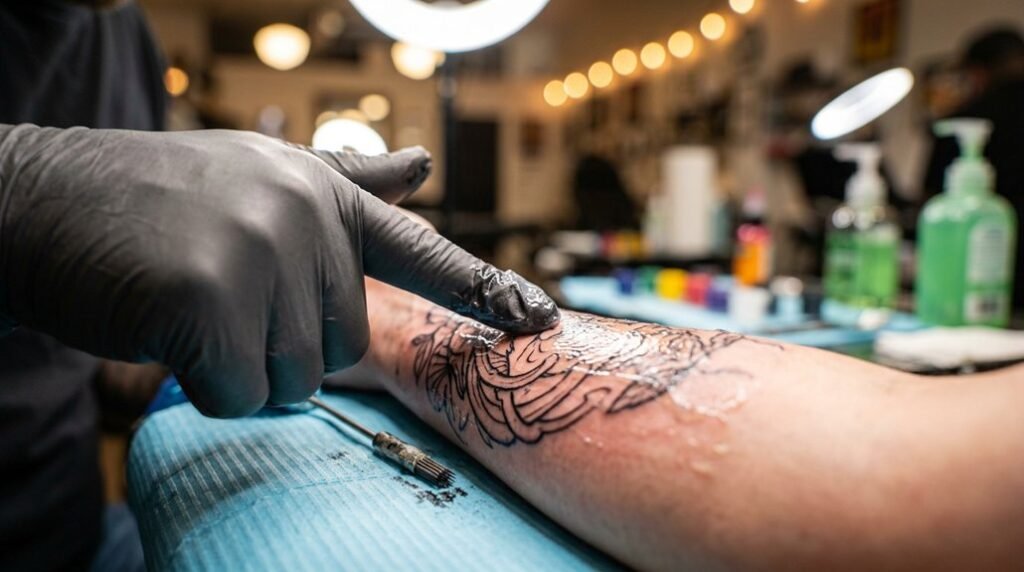
Why do so many tattoo artists reach for petroleum jelly during your session? You’ve probably seen them smear that clear gel across your fresh ink before wrapping it up. They grab it because it’s cheap, sterile, and creates a barrier against airborne bacteria during those critical first hours.
But here’s what you’re really asking: can you trust this stuff on your open wound? Petroleum jelly itself won’t poison your skin—it’s inert, hypoallergenic, and FDA-approved for topical use. However, you’re trading one risk for another. While it blocks contaminants, it also suffocates your tattoo completely. Your skin can’t breathe underneath that thick, occlusive layer. You’re trapping heat, plasma, and excess ink against the wound. The safety question isn’t about toxicity—it’s about whether you’re creating a swampy environment where bacteria actually thrive.
Recommended Products
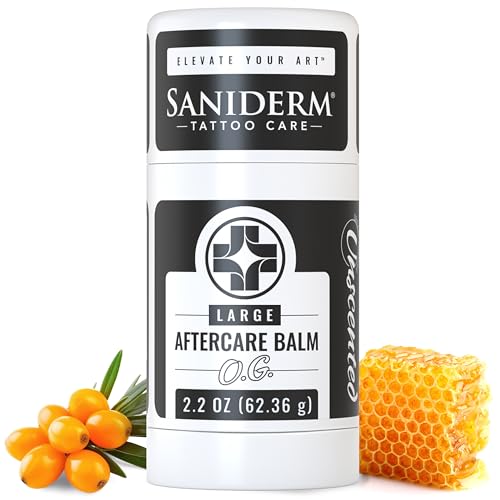
NATURAL AND UNSCENTED FORMULA – Saniderm’s Original Tattoo Aftercare Balm is made using natural ingredients like beeswax, shea nut butter, and sea buckthorn oil. Unlike other common ointments and tattoo balms, Saniderm’s fragrance-free Tattoo Aftercare Balm is also petroleum-free so it won’t suffocate the skin while your tattoo heals.

NATURAL AND UNSCENTED FORMULA – Saniderm’s Original Tattoo Aftercare Balm is made using natural ingredients like beeswax, shea nut butter, and sea buckthorn oil. Unlike other common ointments and tattoo balms, Saniderm’s fragrance-free Tattoo Aftercare Balm is also petroleum-free so it won’t suffocate the skin while your tattoo heals.

FRAGRANCE FREE TATTOO AFTERCARE FOR SENSITIVE SKIN - The same #1 artist recommended Hustle Butter formula, now with no added fragrance, dyes, or parabens. The unscented tattoo lotion of choice for sensitive or easily irritated skin.
What Petroleum Jelly Does to Healing Skin
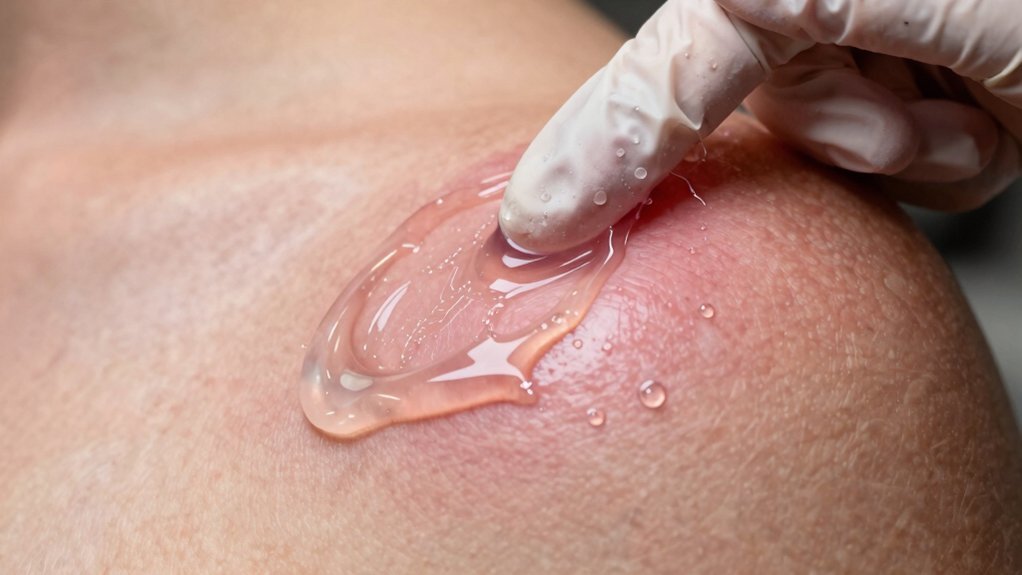
How exactly does petroleum jelly behave once you’ve slathered it on healing skin?
You create an occlusive barrier that seals moisture into your wounded skin. This coating prevents scabs from forming too thickly and allows your tattooed area to heal without excessive crusting. You’re essentially suffocating the surface, which stops air from drying out fresh plasma and lymph.
You slow down the natural moisture evaporation process, keeping cells hydrated as they regenerate. You also block external irritants, bacteria, and debris from reaching your vulnerable ink. However, you’re trapping everything—including any existing bacteria—beneath that greasy layer.
You notice your skin stays soft and pliable rather than tight and cracking. This flexibility helps you move comfortably while your tattoo heals beneath the protective film you’ve applied.
Recommended Products
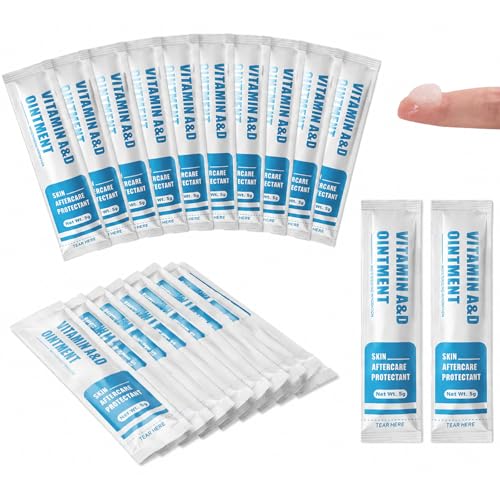
Honest, Accurate Care – This protective ointment comes in 50 hygienic single-serve packets for mess-free, on-the-go convenience. Easy to apply for tattoo protection anytime.

COMPLETE AFTERCARE KIT FOR NEW & EXISTING TATTOOS: This Tattoo Aftercare Kit brings together 3 essentials, Antimicrobial Soap, Tattoo Balm, and Tattoo Lotion, to help cleanse, protect, and moisturize fresh ink. Useful after tattoo sessions and throughout healing, it supports vibrant color and skin comfort for dedicated ink enthusiasts and artists

【Enriched with Vitamins A & D】This tattoo scar gel is formulated with naturally derived vitamins A and D, plus skin-calming ingredients. It helps support your skin's natural recovery process while keeping the tattoo area moisturised.
When to Avoid Petroleum Jelly on New Ink
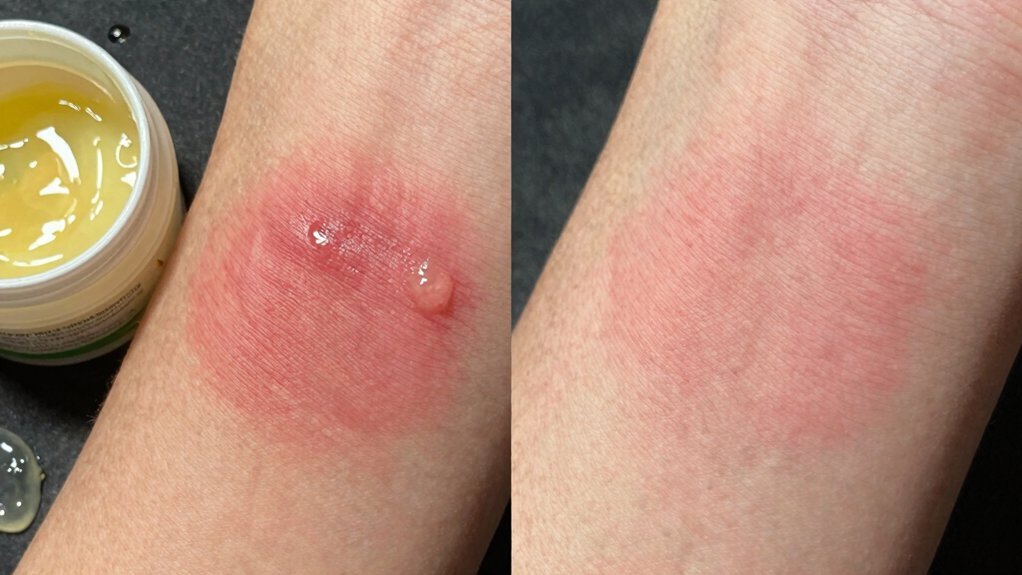
Petroleum jelly isn’t always your friend during tattoo healing. You’ll want to skip it entirely if your artist used a second-skin bandage, as petroleum-based products degrade that adhesive seal. You should also avoid it if you’ve noticed clogged pores or small bumps around your fresh ink—that’s your skin telling you it’s suffocating.
Don’t reach for the jar if your tattoo shows signs of infection, either. Sealing in bacteria with an occlusive barrier worsens the problem.
You’re healing color work or fine-line pieces? Petroleum jelly can pull pigment out during those critical first days, especially if you’re over-applying.
Finally, if you’re prone to acne or have oily skin, you’ll see breakouts flare where you’ve smothered the area. Your skin needs to breathe, not swim in grease.
Recommended Products

✡Various Purpose - Care for all types of wounds; Waterproof cover; Fixed dressing; Tattoo aftercare. It can help lock in the color, protect your tattooed skin, and reduce scabbing when you wash or moisturize your tattoo, quickly form a protective film then accelerate your recovery

Widely Used: Our tattoo film has grid lines on the backing paper, which can be cut into different sizes according to requirements. The size of the film is 6 inches x 8 yards, including 3 layers, namely PET backing, PU film and release paper. Soft and stretchable, which makes it fit perfectly anywhere in the body

RELIABLE PROTECTION: Hion transparent adhesive bandage shields your skin from dust, dirt, germs and bacteria, as well as friction or scrubbing. It is good to protect minor burns, scrapes, cuts, blisters, abrasions and new tattoo in healing. The transparent film dressing allows you to observe healing progress of your wound without having to peel it off.
Petroleum Jelly Alternatives That Heal Better
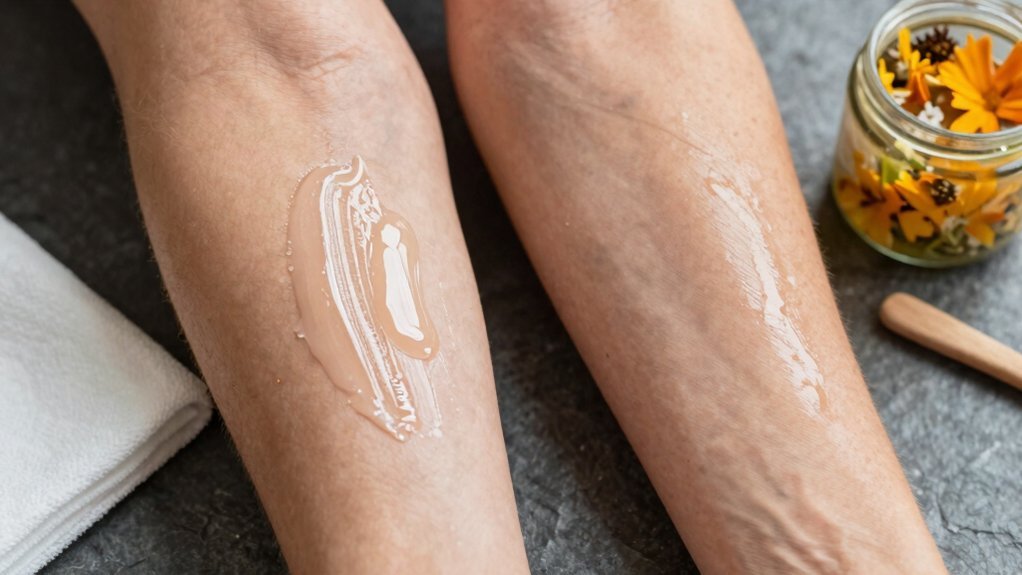
So what should you slather on instead? You reach for specialized tattoo aftercare products. These contain ingredients that actually heal your skin rather than just sitting on top of it.
You apply a thin layer of fragrance-free, water-based moisturizer. Look for products containing panthenol, shea butter, or hyaluronic acid. These penetrate your skin and support cell regeneration.
You consider coconut oil if you need something natural. It fights bacteria while keeping your tattoo hydrated. You avoid heavy cooking oils that clog pores.
You ask your artist what they recommend. Many studios stock balms specifically formulated for healing ink. You follow their guidance because they’ve seen what works.
Your tattoo heals faster when you choose products designed for the job. You ditch the petroleum jelly and give your skin what it actually needs.
Recommended Products

TATTOO AFTERCARE ESSENTIAL: Hustle Butter is the original tattoo aftercare balm for new and older tattoos. With over 10 years in the market, we are a pioneer of the tattoo aftercare category.

🟢 THE HEALTHIER OPTION -Opt for Beesoline—an epitome of natural goodness—for healthier skincare. Free from harsh chemicals and petroleum, Beesoline's beeswax-based formula nurtures, protects, and hydrates your skin. Embrace a holistic approach that enhances your beauty while safeguarding your well-being.

TATTOO AFTERCARE LOTION: After Inked Tattoo Lotion brings hydration and nourishment to your tattooed skin. Formulated with grape seed oil, which helps maintain vibrant ink colors while pacifying the skin and promoting moisture retention.
How to Apply Tattoo Aftercare Correctly
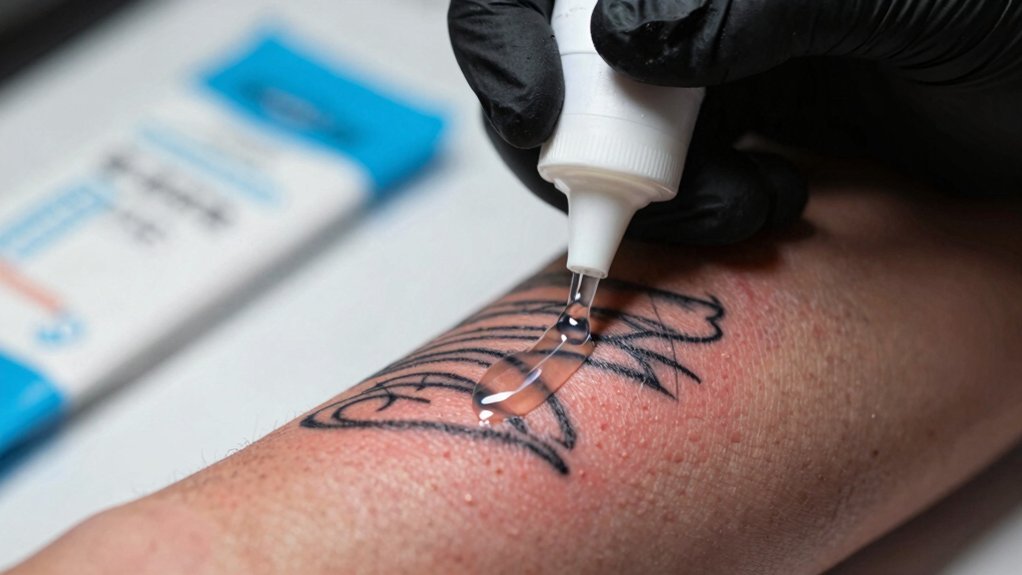
Once you’ve selected the right product, you’ll need to apply it properly to protect your healing tattoo. Wash your hands thoroughly before touching the area. Gently clean the tattoo with fragrance-free soap and lukewarm water, then pat it dry with a clean paper towel. Don’t rub or scrub.
Apply a thin layer of your chosen aftercare product. You’ll want just enough to make the skin slightly shiny—don’t suffocate the tattoo. Over-application blocks oxygen and traps bacteria, which slows healing. Dab the ointment on lightly rather than smearing vigorously.
Repeat this process two to three times daily for the first few days. Keep the tattoo clean, but don’t over-wash it. Stay out of pools, hot tubs, and direct sunlight. Don’t pick at scabs or flakes that form; let them fall off naturally. Your clothing shouldn’t stick to the fresh ink.
Recommended Products

Gentle, Deep Cleansing: Tattoo Goo Foaming Cleansing Soap for tattoos and piercings helps remove impurities and clean the inked or pierced areas at a deep level by removing dirt, dead skin cells, and killing germs without damaging the skin

FROM THE LEADER IN TATTOO AFTERCARE: For years now, Mad Rabbit has consistently ranked among the most popular and highest-rated tattoo products on the market. We’ve created a top-of-the-line Tattoo Glide to help professional tattoo artists do their best work.

Tattoo Aftercare Essential: This tattoo aftercare balm is suitable for both new and healed tattoos. It is designed to aid in the healing process and reduce irritation for new tattoos, while also rejuvenating older tattoos, and ensures they receive optimal care.
Signs Your Tattoo Is Healing Properly
How do you know your aftercare routine is actually working? You’ll notice your tattoo developing a thin, flaky layer—this isn’t pretty, but it’s progress. Resist picking at that peeling skin; you’re letting your body shed dead tissue naturally.
Your ink shouldn’t feel hot or throbbing after day three. You’ll see the redness fading, not spreading. The area might itch, but you’re not scratching—you’re patting it gently or applying more moisturizer.
You’ll notice the colors looking dull under that scab, but you’re trusting the process. Underneath, your skin’s regenerating. By week two, you’re seeing the design emerge clearer, sharper.
You’re checking for warning signs too: no pus, no fever, no red streaks. When those don’t appear, you’re breathing easier. Your tattoo’s healing—you’ve done this right.
Recommended Products

BOOSTS COLOR + VIBRANCY: Daily-use tattoo stick designed to enhance contrast, depth, and color so your ink looks bold, defined, and well maintained.

BRIGHTEN OLD TATTOOS: Our cream works on any area that you’ve had a tattoo. It not only moisturizes to make the skin there happy and calm, it also brightens up older tattooed areas.

PROTECT & HEAL - H2Ocean Aquatat seals the skin in a moisturizing barrier to protect from irritants while still allowing the skin to breathe. Aquatat will also heal topical wounds on skin such as tattoos, rashes, cuts and scrapes while minimizing scabbing.
Conclusion
You can use petroleum jelly sparingly during the first day or two, but you’re better off switching to a studio-recommended, water-based moisturizer once the initial sealing period passes. Don’t over-apply, and watch for trapped heat or clogged pores. You’re in control of your healing—keep it thin, keep it clean, and switch products if your skin reacts. Trust your artist’s advice, and you’ll protect your ink without slowing recovery.
Recommended Products

QUICK HEALING:A&D ointment gel is rich in essential vitamins A and D,which is very important for aftercare microblading ,effectively helping to remove burns,cuts,surgical marks and the impact of marks on beauty

Nourishes Healing Ink for Vibrant Color: Tattoo Goo supports healing tattoos & maintains vibrancy on healed ink with a lightweight formula rich in olive oil, lavender oil, cocoa butter, and beeswax. It absorbs quickly, moisturizes deeply, and helps reduce dryness, itch and tightness so your tattoo looks and feels comfortable through everyday routines

QUICK HEALING:A&D ointment gel is rich in essential vitamins A and D,which is very important for aftercare microblading ,effectively helping to remove burns,cuts,surgical marks and the impact of marks on beauty