
Your tattoo ink rests in the dermis, a layer no cream can penetrate.
You’ll find most “removal” products only irritate your epidermis, creating peeling that mimics fading without touching the pigment.
The FDA hasn’t approved any topical tattoo removal treatment, and clinical evidence remains absent.
Before you spend money on false promises, you need to understand what’s actually happening to your skin.
Why Tattoo Removal Creams Fail (and What Really Happens)
Although tattoo removal creams promise an easy fix, they basically fail because your skin’s structure blocks them from reaching the ink. Tattoo removal creams can’t penetrate past your outer layer, so they never touch the tattoo ink sitting deeper in your dermis.
You’ll see no clinical evidence these products work. Any “fading” you notice isn’t ink destruction, it’s just irritation, peeling, or skin lightening from harsh acids like salicylic acid. These chemicals damage your surface skin but can’t break up pigment particles below.
You’re risking real side effects: redness, rashes, inflammation, and permanent discoloration like hypopigmentation. The Food and Drug Administration hasn’t approved these creams for tattoo removal, so safety and effectiveness remain unverified. You’re basically applying unregulated harsh chemicals with no guarantee of results and genuine potential for harm.
Recommended Products

Protect Your Body Art: Moisturizing with the bonus of itch relief! Tattoo Goo's Tattoo Care Lotion soothes healing skin & keeps healed ink looking sharp for life. With olive oil & glycerin, it delivers deep, breathable hydration that won’t clog pores

Nourishes Healing Ink for Vibrant Color: Tattoo Goo supports healing tattoos & maintains vibrancy on healed ink with a lightweight formula rich in olive oil, lavender oil, cocoa butter, and beeswax. It absorbs quickly, moisturizes deeply, and helps reduce dryness, itch and tightness so your tattoo looks and feels comfortable through everyday routines

ADVANCED BLEMISH & FOLLICLE CARE: Specifically formulated to target deep-rooted hormonal breakouts, cystic blemishes, and folliculitis-prone skin. This fast-acting cream helps reduce the appearance of pimples, whiteheads, and blackheads while balancing excess oil to maintain clear-looking skin on the face, scalp, and body.
Why Tattoo Removal Cream Can’t Reach Your Ink
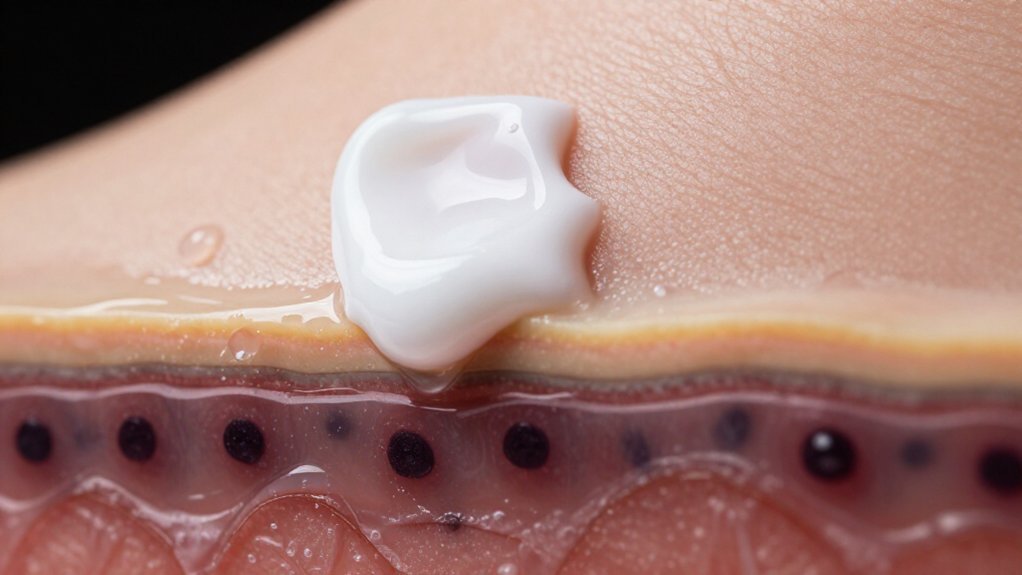
Since your tattoo sits deeper than you might think, you need to understand exactly where the ink lives before you can grasp why creams fail. Your tattoo pigment rests in the dermis, the second layer of skin beneath the protective epidermis. Creams can’t penetrate this far.
Why Creams Fall Short
- Creams only affect the outermost layer of skin, so they never reach your tattoo pigment.
- Ingredients like salicylic acid merely peel tattooed skin without touching the actual ink.
- No tattoo removal cream holds FDA approval for true ink destruction.
- Unlike laser tattoo removal, creams lack the energy to shatter pigment particles.
When comparing tattoo removal options, laser remains the only method proven to access and eliminate embedded ink. Creams simply cannot complete this.
Recommended Products

FAST & EASY REMOVAL: Wipe away any temporary tattoo in seconds. No scrubbing, no mess, no sticky residue.

30% AHA 2% BHA CHEMICAL PEEL - Removes acne scars, dark spots, wrinkles, fine lines and exfoliates lingering dead skin cells, reduce scarring, skin discoloration, and signs of aging
How ‘Fading’ Creams Damage Skin Without Removing Anything
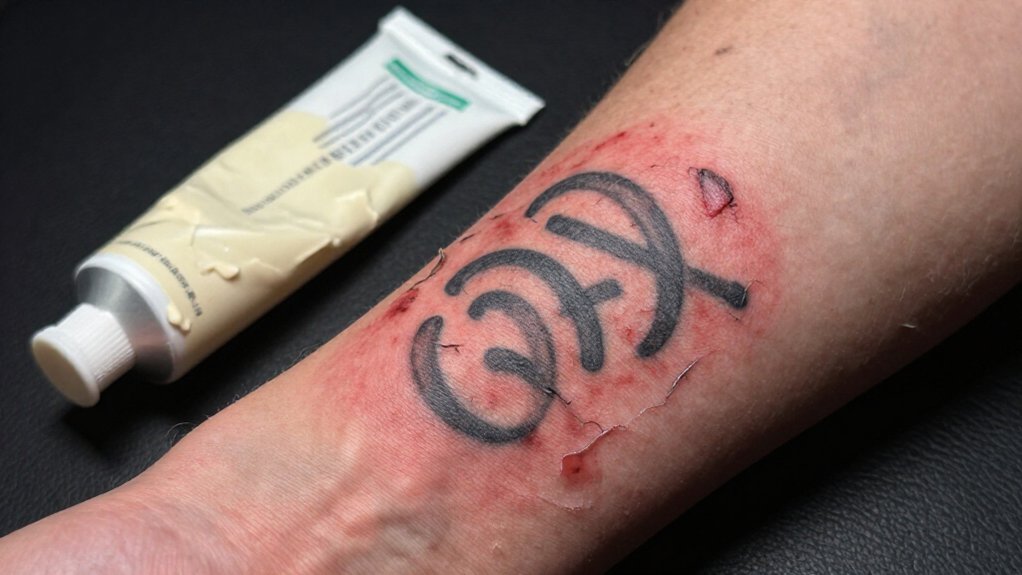
Tattoo removal creams won’t reach your ink, but they will reach something: your skin’s surface.
Tattoo removal creams promise the impossible, delivering only damage to the skin you can actually reach.
1. Why Surface Damage Occurs
You apply creams to the epidermis, the outer layer, but your ink is placed in the dermis, deeper below. No evidence that tattoo removal creams penetrate this barrier exists. Instead, you burn away the top layer with acids like TCA or salicylic acid.
2. What You Actually See
You notice peeling, redness, and irritation. You mistake this for fading, but you’re only damaging healthy skin. The pigment stays trapped below.
3. Lasting Consequences
You risk permanent hypopigmentation, altered texture, and visible scar formation. The FDA hasn’t approved these products, and your tattoo typically remains unchanged. You’ve harmed your skin without achieving tattoo removal.
Recommended Products

TATTOO STENCIL REMOVER SPRAY – Formulated with ethanol, water, glycerin, lauryl amide propyl betaine, sodium chloride, sodium lauroyl sarcosinate, phenoxyethanol and ethylhexylglycerin. Designed for professional tattoo stencil correction and removal.

GENTLE TATTOO EXFOLIATION. Purpose-built tattoo exfoliation removes impurities, product buildup and dead skin to reveal brighter tattoos and a luminous, ultra-refined complexion.

Professional Stencil Prep: Balm Tattoo Premium tattoo stencil remover is designed for tattoo artists, studios, and apprentices who need to adjust, clean, or reposition tattoo stencils before starting a session.
Better Than Tattoo Removal Cream: Medical Methods That Work
If you’ve tried fading creams without success, you’re not stuck with your ink. Unlike topical products that can’t reach dermal pigment, medical methods target where your tattoo actually lives.
Why Lasers Work Better
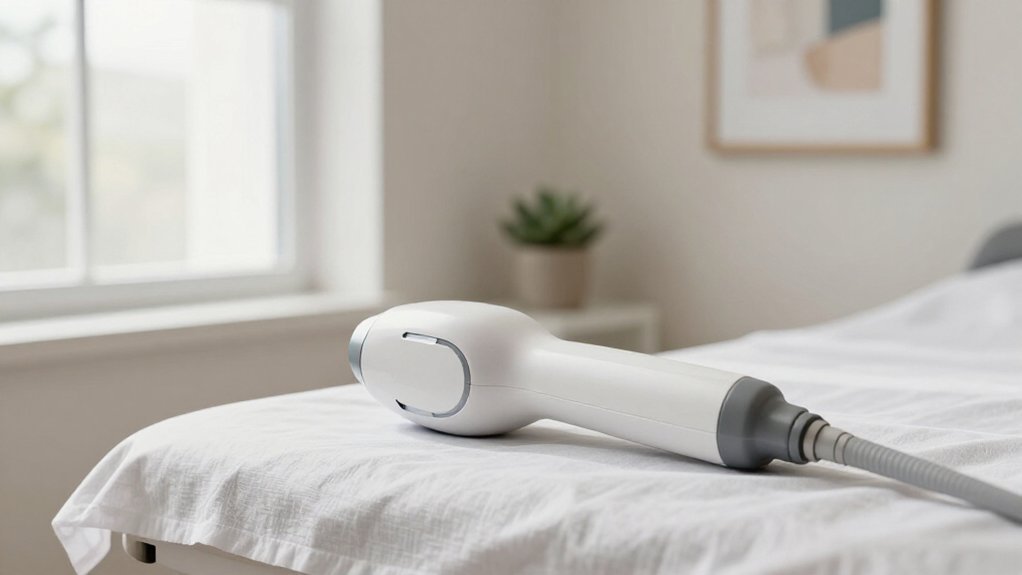
A Q-switched laser delivers short, intense pulses that shatter ink particles in your dermis. Your immune system clears these fragments over multiple sessions. This type of laser is FDA-cleared for professional use, and black or dark blue ink responds best. Green, red, and yellow prove more stubborn.
Other Medical Options
Surgical excision removes small tattoos in one visit, while dermabrasion sands the skin. Both carry higher risks.
What You’ll Invest
Laser sessions run $200–$500 each, totaling $1,000–$10,000+ for complete removal. Excision averages around $850.
Key Advantages of Medical Methods:
- They reach deep pigment creams cannot touch
- They break down ink rather than burning skin around it
- They minimize the chance you’ll cause serious skin damage
- They offer proven paths to remove the tattoo completely
Recommended Products

MADE IN SPAIN, REACH COMPLIANT — Dynamic Color Platinum is produced in the European Union and formulated to meet REACH requirements for tattoo inks, so it fits studios that require REACH-compliant pigments.

Professional Tattoo Ink - Medium value flesh tone. Great for any skin tone, coverups, horror designs, realism tattoos. Many of the most popular tattoo artists around the globe turn to World Famous' bold, beautiful tattoo ink, tattoo supplies & tattoo kits to deliver a flawless work of art.

WHAT IS PAMIOU TATTOO AFTERCARE FILM? - The second skin tattoo cover is design of three-layer: Composed of PU film, PE protective layer and the release paper. It can be used to lock the tattoo ink, protect your tattooed skin.
What to Ask Your Dermatologist About Laser Removal
Before you commit to laser removal, you’ll want to come prepared with specific questions.
Come prepared with specific questions before committing to laser tattoo removal.
1. Ask about your ink colors. Dark blue and black respond best to laser treatment, while green, red, and yellow prove hardest to remove.
2. Confirm your device. Ask what laser type your clinic uses, and verify it’s FDA-cleared for tattoo removal.
3. Discuss your timeline. Ask how many sessions your tattoo size and color require. Most tattoos need multiple treatments spaced weeks apart.
4. Know the risks. Expect redness, swelling, blistering, and temporary soreness. Scarring remains possible.
5. Plan for comfort. Inquire about numbing cream options and whether skin lightening may occur.
Unlike trichloroacetic acid creams, professional laser removal offers proven results for your specific type of tattoo.
Recommended Products

Long-Lasting Relief, Maximum Comfort: This numbing cream delivers prolonged analgesic effects, quickly relieving itching, pain, burning sensations, and significantly reducing swelling. It effectively desensitizes the skin for a comfortable experience.

TATTOO AFTERCARE ESSENTIAL: Hustle Butter is the original tattoo aftercare balm for new and older tattoos. With over 10 years in the market, we are a pioneer of the tattoo aftercare category.

COMPLETE AFTERCARE KIT FOR NEW & EXISTING TATTOOS: This Tattoo Aftercare Kit brings together 3 essentials, Antimicrobial Soap, Tattoo Balm, and Tattoo Lotion, to help cleanse, protect, and moisturize fresh ink. Useful after tattoo sessions and throughout healing, it supports vibrant color and skin comfort for dedicated ink enthusiasts and artists