
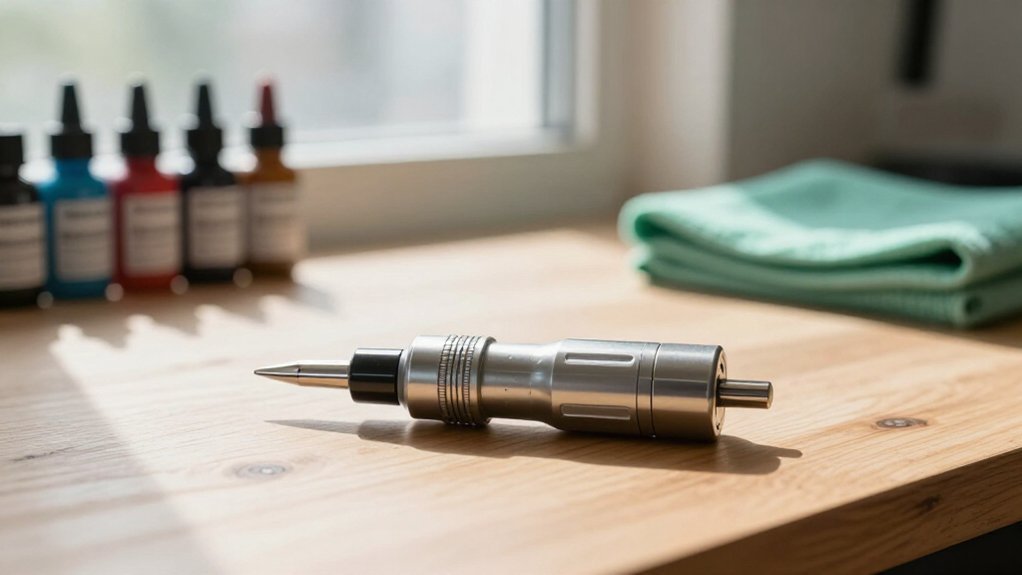
You grip a fresh tattoo cartridge, but you don’t know how long it’ll stay sharp. The answer shifts between practice skin and real skin, and you’re about to learn the difference that saves you money and frustration.
How Long Do Tattoo Cartridges Last? (Fake Skin vs. Real Skin)
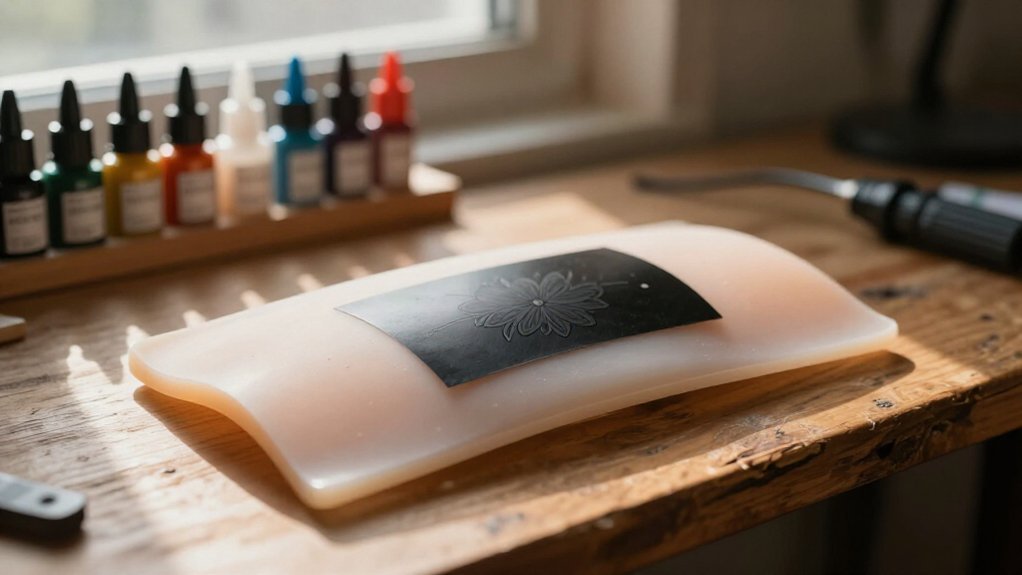
Although fake skin seems gentler on your tools, it actually dulls cartridge needles faster than real skin does. You’re working with tattoo cartridges on practice skin, and you’ll notice the needle tips lose their edge quickly.
Practice skin wears down tattoo cartridges faster than real skin—your needle tips dull quicker than you’d expect.
When to Change Your Cartridge
You’ll feel the difference before you see it. Switch your tattoo needle when edges feel dull and lines turn choppy. A practical guideline: change after roughly 10 hours of straight tattooing on fake skin. Trust how the needle feels and performs, not just the clock.
What to Watch For
Watch for slower ink saturation and increased canvas chewing. If your ink flow becomes inconsistent, you’re effectively done even if the cartridge looks fine.
Typical estimates run about five tattoos per cart, though this varies with tattoo size and session length. Longer portrait-style sessions wear your needle faster than short practice bursts.
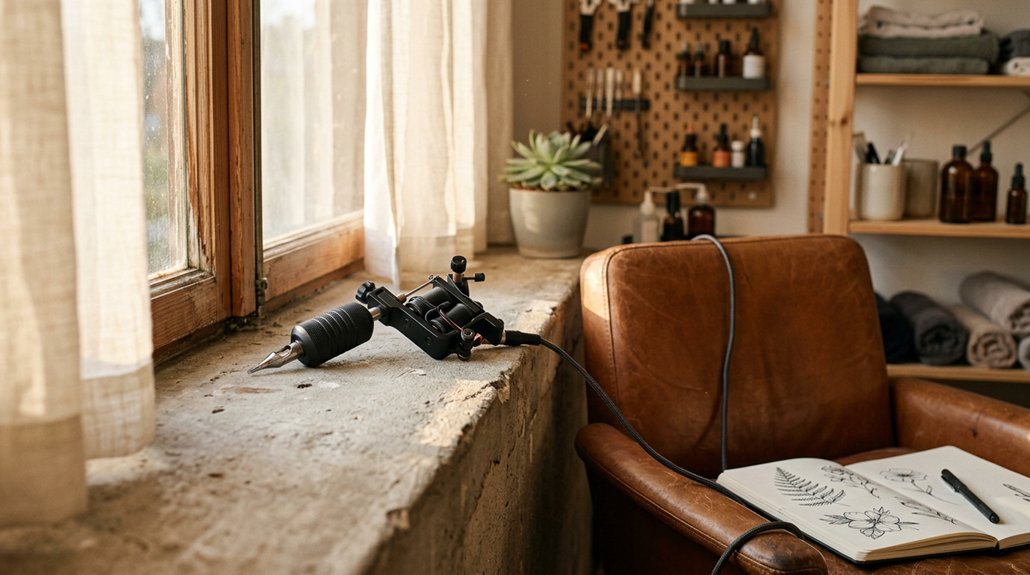
Your tattoo machine and needle configurations matter here. Unlike traditional needles, cartridge needles in professional tattoo work demand closer attention to these performance signals.
Recommended Products

Poseidon cartridge adopt a one-time joint design hygienic standard The material is stainless steel and easy to color,and has better ink flow

Complete Starter Tattoo Kit: Includes an aluminum alloy rotary tattoo pen, power supply, foot pedal, RCA cord, 20 cartridge needles, 8 bottles of 30ml ink, 2 transfer papers, practice skin, 40 ink caps, grip cover, gloves

Package: 50pcs mixed tattoo cartridge needles, includes 10pcs each of 1203RL, 1205RL, 1207RL, 1209RL, 1211RL.
What Affects Cartridge Lifespan: Session Length, Tattoo Size, and Needle Type
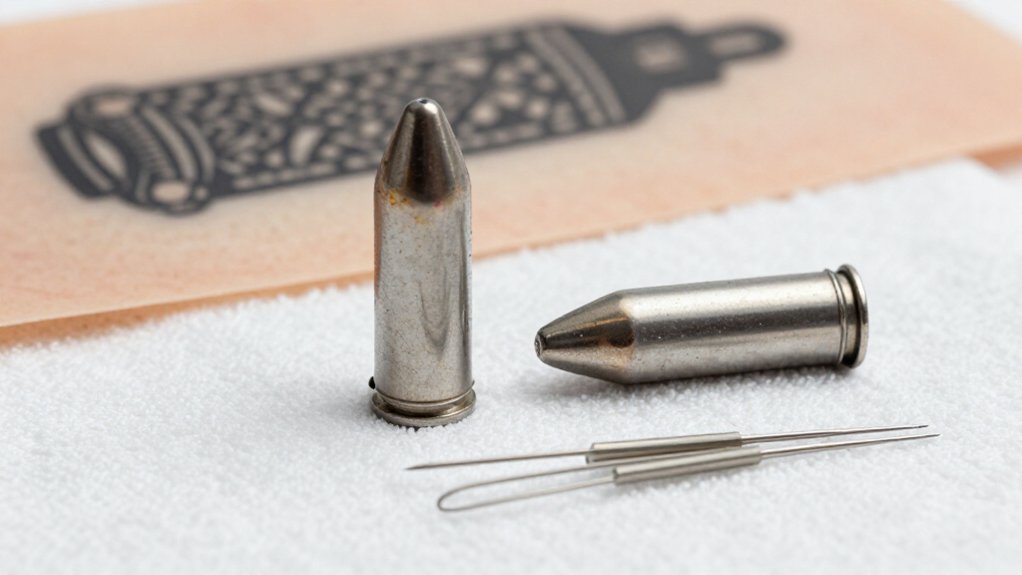
- Limit continuous sessions to preserve needle cartridges
- Match cartridge choice to project scale
- Monitor ink saturation rates for wear signs
- Adjust tattoo machines’ speed to needle configuration
Recommended Products

【50PCS Mixed Tattoo Cartridge Needles Set】Includes 50 individually packaged tattoo cartridge needles in popular configurations: 1203RL, 1205RL, 1207RL tattoo cartridges, 1209RL, 1205RS, 1207RS, 1207M1, 1215M1, 1209RM, 1215RM (5pcs each). Suitable for both lining and shading needles for tattooing.

Cartridge Needles Sizes: 20 pcs tattoo cartridge needles include 3RL 5RL 5RM 7RM, each size has 5pcs. Those tattoo needles can be used for lining and shading, which can assist you with the entire tattoo work

Mast Pro purple tattoo cartridges needles have been providing with high density clear plastic body.
5 Signs Your Tattoo Needle Is Going Dull
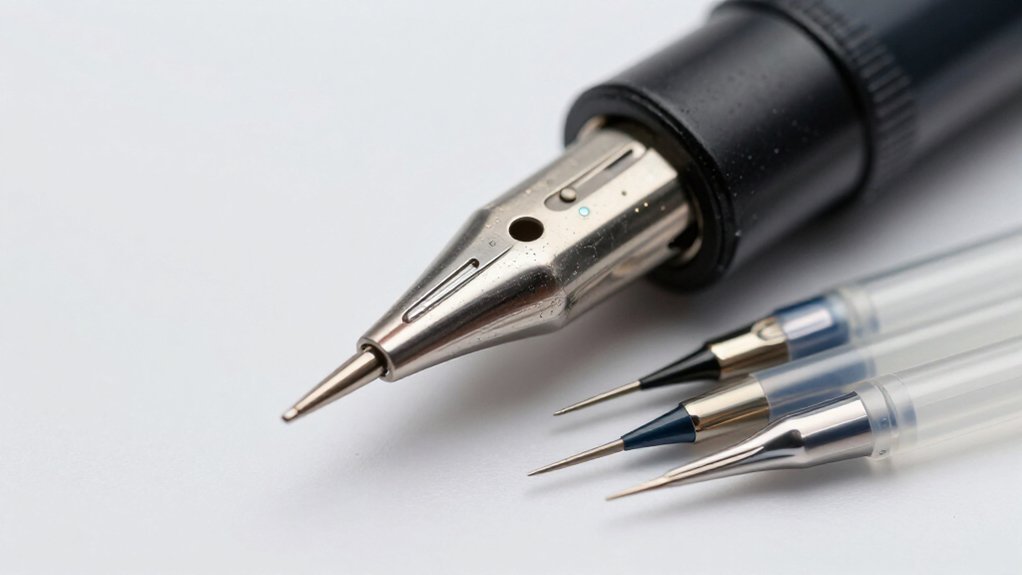
Recognizing when your needle cartridge is losing its edge keeps your work clean and your client comfortable. Watch for these five warning signs before you damage skin or waste ink and blood.
1. Choppy, Less Crisp Lines
Your tattoo needles start producing uneven strokes. Ink saturation drops noticeably, especially on fake skin after 10+ hours of practice.
2. Increased Tearing or Drag
The cartridge tip begins chewing rather than gliding. You feel deeper resistance, rougher penetration, and less controlled movement across the canvas.
3. Slower Ink Flow
Even with intact Tattoo Equipment, saturation speed decreases. The rotary tattoo machine works harder for weaker results.
4. Changed Needle Feel
That smooth, consistent motion shifts to gritty feedback. Your hand notices the difference immediately.
5. Odd Machine Sounds
Strained motor noise, like a loose Rubber band slipping, signals degradation. Replace that used cartridge promptly to protect your work and your client.
Recommended Products

Dragonhawk Tattoo Needles: High-quality tattoo needles, manufactured under the trusted Dragonhawk brand, are perfect for all-purpose work. With a polished, long taper design, these needles ensure reliable performance and excellent control.
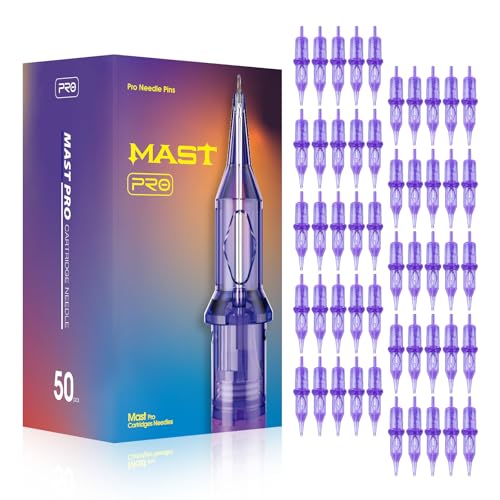
Mast Pro purple tattoo cartridges needles have been providing with high density clear plastic body.
Mast Pro purple tattoo cartridges needles have been providing with high density clear plastic body
How to Extend Tattoo Cartridge Life: Rinsing, Lubricants, and Speed Settings
While you can’t make a cartridge last forever, you can squeeze more reliable hours from each needle with proper rinse habits, smart lubricant choices, and controlled machine settings.
Rinse your cartridges during breaks to maintain consistent ink flow, since dried ink inside the disposable housing stops them from working properly. Use a lubricant that reduces clogging, like green glide rather than vaseline, so liners keep running smoothly. Control your speed settings, rotary rate in the typical 50–150 Hz range with liners around 120–150 Hz, because higher speeds across longer sessions cause faster performance drops.
Rinse cartridges during breaks, and make sure water only touches the tip, not the push-bar or shaft. Choose capillary-style cartridges, dip to fill the tip reservoir fully, then rinse before setting aside. Match your speed to different machines, as each tattoo artist adjusts settings for their grip. Keep an ink cap nearby, so tattoo artists maintain workflow without overworking the needle.
Recommended Products
Mast Pro purple tattoo cartridges needles have been providing with high density clear plastic body.

Package: 50pcs mixed size tattoo cartridge needles set, includes 5pcs each of 1005RL, 1007RL, 1009RL, 1205RS, 1207RS, 1209RS, 1015M1, 1021M1, 1015RM, 1021RM; Those tattoo needles can be used for lining and shading, which can assist you to complete the entire tattoo work

Complete Packaging: 50pcs mixed size tattoo cartridge needles set, includes 5pcs each of 1205RL 1207RL 1209RL 1205RS 1207RS 1209RS 1207RM 1207M1 1215M1 1215RM. The unique design of the needle can store more ink, and the sharp needle thread better completes tattoo activities, suitable for both professional tattoo artists and beginners.