
You’re considering saline tattoo removal, but you need to understand what you’re actually signing up for. This method punctures your skin repeatedly to deposit saltwater solution, creating a controlled wound that must heal open over 8–10 weeks.
That extended healing window leaves you vulnerable to infection, scarring, and permanent texture changes if depth, pressure, or aftercare are off even slightly. Unlike laser removal, which breaks ink with light energy and leaves skin intact, saline forces your body to push pigment out through crusting and scabbing.
The research backing saline is thin, so your results are harder to predict. Here’s what you must weigh before deciding if this path fits your safety standards.
Is Saline Tattoo Removal Actually Safe?
Safety in saline tattoo removal depends on understanding what you’re actually committing to. This tattoo removal procedure creates a controlled wound by puncturing your skin to implant saline solution, making it inherently more invasive than alternatives.
Saline tattoo removal isn’t gentle—it’s a deliberate wound that implant solution beneath your skin, making it more invasive than other methods.
1. Know the Core Risks
You’re facing specific hazards with this method. The risk of infection runs higher because scabbing and open skin are unavoidable parts of the process. Improper technique or aftercare also raises your chances of scarring and texture changes.
Unlike laser tattoo removal vs. saline, your results prove less predictable. Multiple saline removal sessions may not fully eliminate pigment, and safety depends entirely on your practitioner’s skill with depth, pressure, and spacing.
2. Respect the Healing Timeline
Healing and aftercare demands patience. You need 8 to 10 weeks between sessions for scabs to form, fall off, and full recovery. Rushing increases inflammation and trauma.
3. Follow Aftercare Strictly
Proper aftercare minimizes infection risk. Never attempt home saline removal; DIY methods cause permanent damage while removing almost no pigment.
Recommended Products
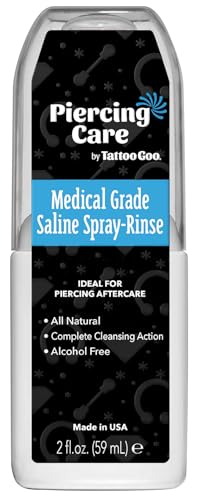
COMPLETE CLEANSING ACTION - Can be used in conjunction with an antiseptic such as found in X-pression Piercing Aftercare, and anti-bactericide as found in Tattoo Goo Deep Cleansing Soap as well; This treatment method conforms to the requirements as set out by Association of Professional Pierces

ALL NATURAL PIERCING AFTERCARE SPRAY - Base Labs piercing aftercare spray for new and existing piercings is powered by our Isotonic Saline Solution. Use as a cleanser and saline spray for piercings, bumps and keloids on the Ear, Nose, Belly Button, Earrings, Tattoo Aftercare, Wound Wash and more.

GENTLE PIERCING CARE – Specially formulated for cleaning and moisturizing new and existing piercings.
What Studies Really Say About Saline Removal
You’ve weighed the immediate risks of infection, scarring, and unpredictable results. Now you’ll examine what studies really say about saline removal.
The Evidence Gap
You’ll find limited high-quality clinical research on this method. Most safety claims rely on case reports, not rigorous trials. Studies on manual tattoo removal describe injecting fluid into skin, then waiting through a healing process involving wound scabbing and scab formation. The saline doesn’t dissolve tattoo ink systemically: it creates controlled trauma that may lift pigment.
What This Means for You
The scarring risk and infection danger run higher than non-ablative alternatives because you’re managing intentional open wounds. Providers can’t guarantee how many sessions you’ll need, and complete removal often remains elusive. You’ll navigate pros and cons without solid outcome data.
Your Practical Safeguards
Since safety isn’t well quantified, you’ll rely on strict factors: sterile equipment, documented provider training, and careful aftercare instructions. Don’t expect proven safety; expect managed uncertainty.
Recommended Products

Supports the Natural Fading Process for Unwanted Ink-This tattoo care spray is formulated with botanical extracts to support the skin’s natural appearance over time. Designed for daily use, it helps maintain skin health on areas with old or unwanted tattoos, providing a gentle and non-invasive approach to your personal care routine

Protect Your Body Art: Moisturizing with the bonus of itch relief! Tattoo Goo's Tattoo Care Lotion soothes healing skin & keeps healed ink looking sharp for life. With olive oil & glycerin, it delivers deep, breathable hydration that won’t clog pores

Gentle, Deep Cleansing: Tattoo Goo Foaming Cleansing Soap for tattoos and piercings helps remove impurities and clean the inked or pierced areas at a deep level by removing dirt, dead skin cells, and killing germs without damaging the skin
Saline vs. Laser: Which Removal Method Is Safer?
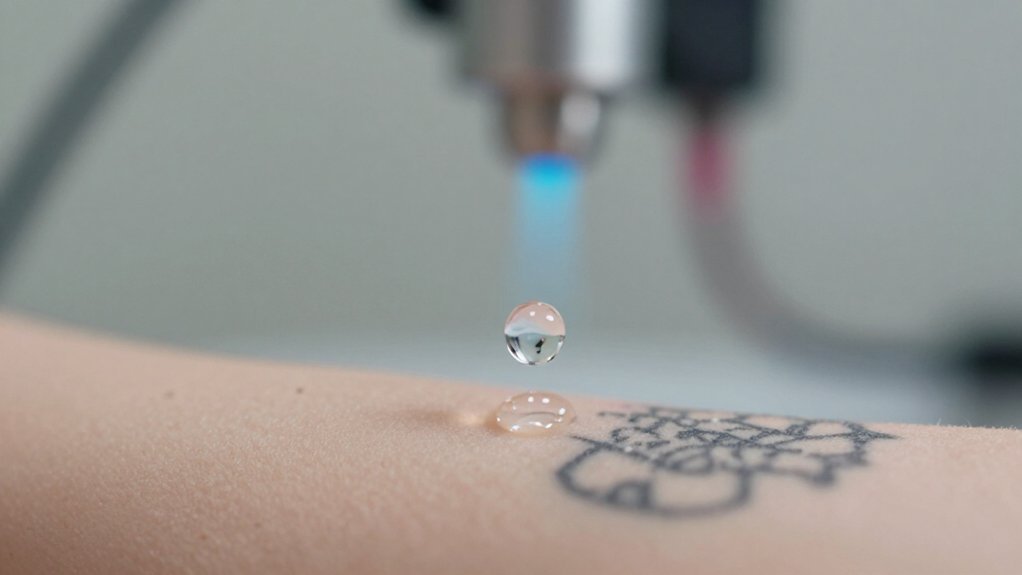
When you’re choosing between saline and laser removal, you’re weighing two fundamentally different approaches to your skin. Saline Tattoo Removal vs laser tattoo removal presents distinct trade-offs you need to understand.
1. How Each Method Works
Laser treatment shatters ink particles without breaking your skin open, it’s non-ablative. Saline Solution Is Used by mechanically puncturing your skin, which creates an open wound.
2. Comparing Safety Profiles
Laser treatment carries lower short-term risk. Saline tends to bring higher chances of infection and scarring since it breaches your skin barrier. Healing takes longer with saline, about 8–10 weeks between sessions versus 6 weeks for laser.
This extended Recovery time increases your exposure to complications.
3. Making Your Choice
Neither method guarantees complete removal. Laser offers more predictable results, typically 10–12 sessions. Saline works better for stubborn permanent makeup pigments, but outcomes vary widely.
To make an informed decision about Tattoo Removal vs Laser, weigh your specific pigment type, pain tolerance, and commitment to Removal aftercare.
Recommended Products
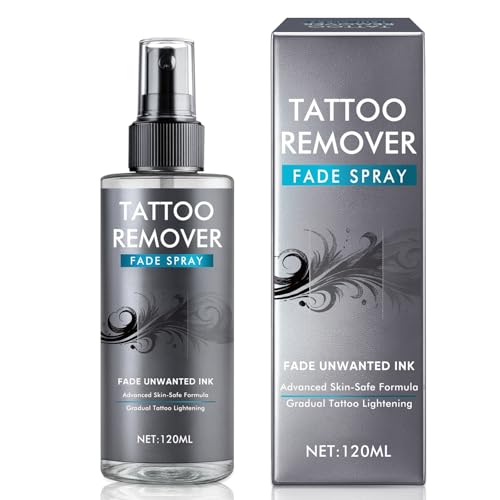
[Gentle Tattoo Remover] -Experience our quick-drying, non-greasy tattoo fading spray, it penetrates the skin and accelerates cellular turnover. This process helps your body's natural mechanisms to gradually push out and fade the tattoo ink particles from within.

COMPLETE AFTERCARE KIT FOR NEW & EXISTING TATTOOS: This Tattoo Aftercare Kit brings together 3 essentials, Antimicrobial Soap, Tattoo Balm, and Tattoo Lotion, to help cleanse, protect, and moisturize fresh ink. Useful after tattoo sessions and throughout healing, it supports vibrant color and skin comfort for dedicated ink enthusiasts and artists

FAST & EASY REMOVAL: Wipe away any temporary tattoo in seconds. No scrubbing, no mess, no sticky residue.
Who Should Avoid Saline Tattoo Removal?
Because saline removal depends on your body’s ability to heal repeated wounds, you’ll need to carefully assess whether you’re a suitable candidate before committing to this method.
1. Medical Conditions That Impair Healing
Avoid saline tattoo removal if you have diabetes, since your skin heals more slowly and complications rise. You’ll also want to avoid this method if you’re prone to keloids or thick scarring, because the repeated wound-healing response can trigger excessive scar tissue formation.
2. Tattoo Size and Location
Skip saline removal for large tattoo areas. This technique works best on smaller tattoos and permanent makeup, where controlled healing proves more predictable.
3. Infection Risks
Never attempt this on yourself. The treated area becomes an open wound, creating real danger of severe infection without sterile technique and professional oversight.
Recommended Products

FRAGRANCE FREE TATTOO AFTERCARE FOR SENSITIVE SKIN - The same #1 artist recommended Hustle Butter formula, now with no added fragrance, dyes, or parabens. The unscented tattoo lotion of choice for sensitive or easily irritated skin.

Nourishes Healing Ink for Vibrant Color: Tattoo Goo supports healing tattoos & maintains vibrancy on healed ink with a lightweight formula rich in olive oil, lavender oil, cocoa butter, and beeswax. It absorbs quickly, moisturizes deeply, and helps reduce dryness, itch and tightness so your tattoo looks and feels comfortable through everyday routines

On-the-Go Piercing Aftercare: Tattoo Goo Piercing Care Cleansing Swabs are single-use, medicated swabs designed for targeted piercing care. Suitable for both skin and oral piercings, they help prevent infection, irritation, and scarring