
You’re staring at a tattoo you regret, and your first question is what it’ll take to erase that mistake. Before you walk into a shop expecting a simple fix, you need to understand how the math actually works. The price tag hides variables you won’t see coming—and some could double your budget before the needle ever touches skin. You’ll want to know exactly what drives those numbers upward.
Key Takeaways
- Cover-up tattoos cost 50–100% more than standard tattoos due to added complexity and risk.
- Pricing typically ranges $150–$300 hourly or flat rates with buffers for unexpected challenges.
- Dark, saturated inks and large sizes increase sessions, time, and total expense significantly.
- Laser fading may add $400–$3,000 and months of preparation before tattooing begins.
- Request detailed written quotes including design time, sessions, touch-ups, and cancellation policies.
Recommended Products

What You Get - The tattoo aftercare bandage totall 4.4 yard (6" x 4.4 Yard), you will get tattoo aftercare bandage, the size is 6" x 4.4 Yard. You will the tattoo supplies is best combination of with guaranteed quality. According to the size of the tattoo area, the shape can be freely cut, and it is suitable for all kinds of large-area new tattoos

Complete Starter Tattoo Kit: Includes an aluminum alloy rotary tattoo pen, power supply, foot pedal, RCA cord, 20 cartridge needles, 8 bottles of 30ml ink, 2 transfer papers, practice skin, 40 ink caps, grip cover, gloves

🎯 Complete 614Pcs Tattoo Practice Kit - Everything you need to start practicing: 10 realistic fake skins, 50 transfer papers, 300 ink caps (3 sizes: Small Medium Large), 200 machine covers, 4 grip tapes, and 50 tattoo bibs. This all-in-one tattoo starter kit provides exceptional value for beginners.
How Cover-Up Costs Differ From Fresh Ink Pricing
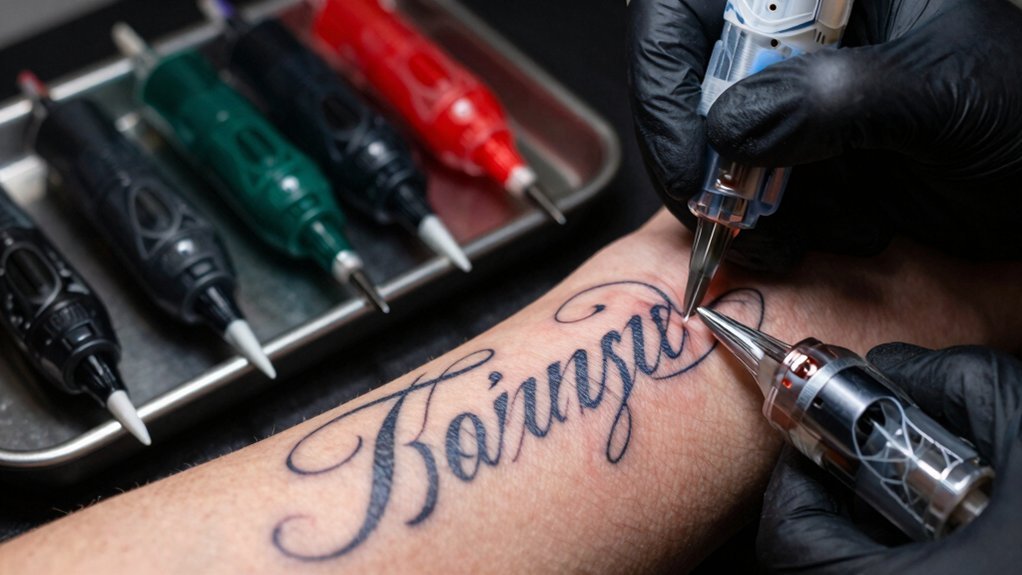
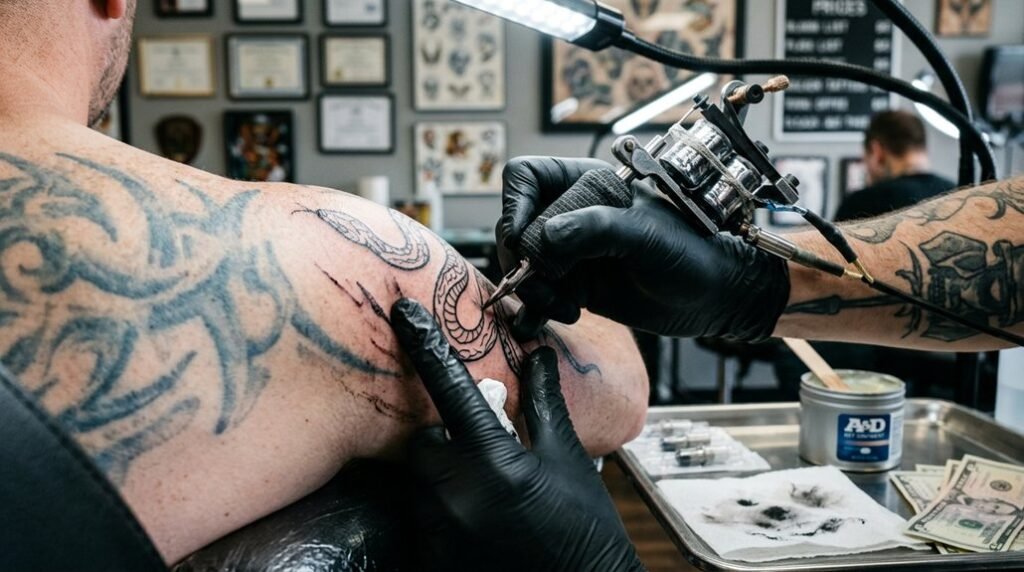
Why do artists charge more for a cover-up than for fresh skin? You’re asking them to solve a puzzle while they work. They can’t just pick any design they want. They’re stuck working around what you’ve already got, and that takes serious skill.
You’re paying for their problem-solving time. They’ll sketch multiple options, test how dark ink hides your old piece, and plan every line to distract the eye from what’s underneath. You’ll sit longer in the chair too—cover-ups need more layers, more passes, more breaks for your skin to recover.
Your artist also carries the risk. If the old tattoo shows through, you’ll blame them, not your past choices. They’ve got to guarantee results on someone else’s mistake. That responsibility factors into your bill.
Recommended Products
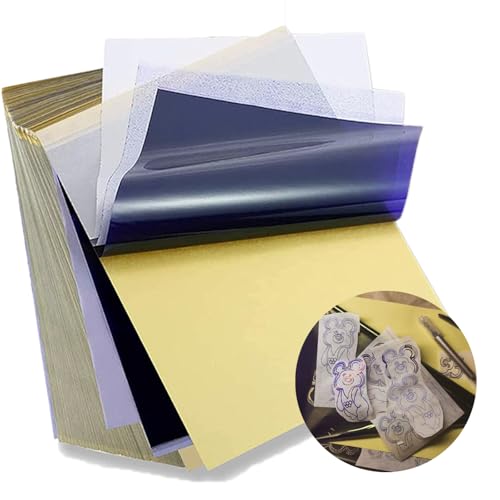
Standard size: Tattoo Transfer Paper is standard A4 paper size, each measures 8.27 in X 11.69 in. There are 4 levels in total. The thickness of the paper is very light and smooth to the touch.

Warm Tips: The tattoo transfer paper need to work with transfer medias.You will need to purchase the stencil ointment separately. Apply the design made on the master paper. Please pay attention to press the back side of the pattern to the skin for at least 3 seconds

Precision Transfer Performance - It’s professional-grade tattoo stencil paper delivers vibrant, high-definition transfers even for intricate designs. The carbon layer ensures sharp outlines without smudging or fading, ensuring crisp lines that stay true to your original artwork.
How Size, Ink Color, and Tattoo Age Change Your Quote
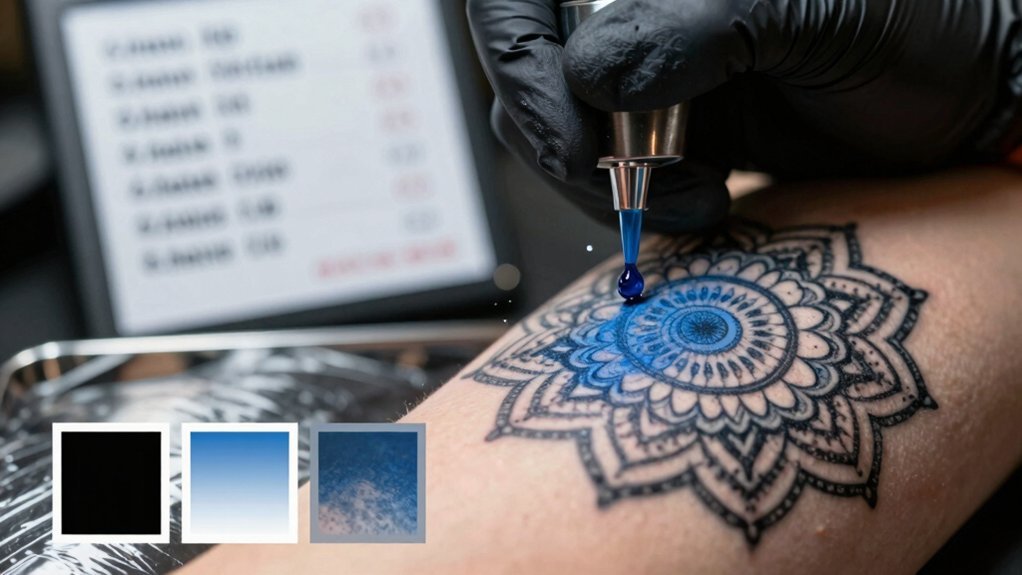
How exactly does an artist set your price? They evaluate three factors that directly impact your quote. First, size matters enormously. You can’t cover a palm-sized mistake with a postage stamp design. Larger pieces demand more time, ink, and skill, and you’ll pay accordingly.
Ink color creates another challenge. Dark blues and blacks resist concealment. Your artist must work harder to neutralize these tones, often requiring multiple sessions or dense layering. Lighter, faded pigments give you more flexibility and typically cost less to mask.
Age changes everything too. Fresh tattoos sit high in your skin with vibrant pigment. They need time to settle before any artist touches them. Older, weathered ink has already broken down partially, making your cover-up smoother and sometimes cheaper. You’ll wait longer for fresh work, but you’ll save on aged pieces.
Recommended Products

Transparent Matte Film Protection - This breathable tattoo bandage is a must-have in your tattoo supplies, offering latex-free protection that supports gentle healing for new ink.

Widely Used: Our tattoo film has grid lines on the backing paper, which can be cut into different sizes according to requirements. The size of the film is 6 inches x 8 yards, including 3 layers, namely PET backing, PU film and release paper. Soft and stretchable, which makes it fit perfectly anywhere in the body

COMPLETE AFTERCARE KIT FOR NEW & EXISTING TATTOOS: This Tattoo Aftercare Kit brings together 3 essentials, Antimicrobial Soap, Tattoo Balm, and Tattoo Lotion, to help cleanse, protect, and moisturize fresh ink. Useful after tattoo sessions and throughout healing, it supports vibrant color and skin comfort for dedicated ink enthusiasts and artists
Hourly Rates vs. Flat Pricing: How Artists Bill Cover-Ups
Where exactly does your money go when you pay for a cover-up?
Artists bill you in two ways: hourly or flat rates. Hourly pricing means you’ll pay per session, typically $150–$300 per hour, with complex cover-ups taking multiple sittings. You’re covering the artist’s time, expertise, and the unpredictable nature of covering dense ink. Flat pricing gives you one set fee, usually for smaller or simpler designs. You’ll appreciate knowing your total upfront, but artists build in buffers for unexpected challenges. Cover-ups demand more skill than fresh skin work, so you’re paying premium rates either way. Hourly rewards straightfoward projects; flat rates protect you from runaway costs. Ask which method your artist uses before booking. You’ll avoid surprises when the final bill arrives.
Recommended Products

Triple Blackout Tattoo Ink - Strengthen your shading with Triple Blackout, the boldest black designed for greater dimension in your tattoos. With a glycerin free formulation, this professional tattoo ink inserts smoothly into the skin for excellent distribution and shading.

Blackout Professional Tattoo Ink - A great, all-around black ink without glycerin for the absolute thinnest consistency. Easy to work with and super opaque, allowing for strong, fast-moving saturation into the skin. Great for black and white portraits and just about everything else. Many of the most popular tattoo artists around the globe turn to World Famous' bold, beautiful tattoo inks, tattoo supplies & tattoo kits to deliver a flawless work of art.

Ultra-Thin Black Ink - This all-around black tattoo ink delivers the thinnest consistency without glycerin, offering super-smooth flow and rapid saturation for high-speed precision during lining and shading.
When Laser Fading Becomes Part of Your Total Cost
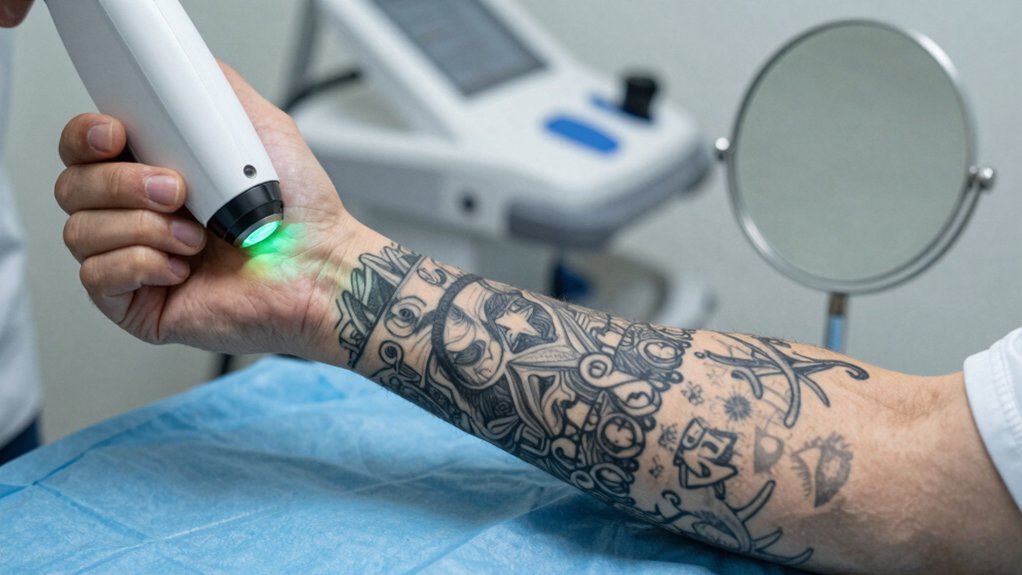
Some tattoos resist even the most skilled cover-up attempts. When dense black ink or saturated colors dominate your skin, you’ll likely need laser fading first. This addition reshapes your total cost substantially.
You’ll typically pay $200–$500 per laser session, and most cover-ups require two to six sessions spaced eight weeks apart. That timeline means you’re waiting months before your artist even touches needle to skin. You’re not just spending more money; you’re investing more calendar time.
Your tattoo artist will assess whether laser work benefits your specific piece. Sometimes partial fading suffices. Other times, you’ll need near-complete removal. You must factor these sessions into both your budget and your patience. Skipping this step risks a muddy, compromised cover-up you’ll regret.
Recommended Products

Tattoo Aftercare Lotion with Rapid Absorption: Our tattoo lotion aftercare is specifically formulated for quick absorption, promoting non-greasy application while aiding swift tattoo healing. This advanced formula ensures your skin receives optimal care during the critical post-tattoo period.

✅【GREAT MATERIAL】 - Scar repair cream contains natural Vitamin A and Vitamin D as well as potent skin-soothing herbal ingredients, which can effective prevent scarring and nourish your skin. Refine the ointment from the thyme hibiscus, celery, snokeweed, licorice, which is safe without side effects.

ENHANCE & MAINTAIN YOUR INK - This ultra-nourishing balm instantly enhances ink vibrancy as it forms a protective barrier on skin to help moisturize and soothe skin.
How to Budget Your Cover-Up With Zero Surprise Fees
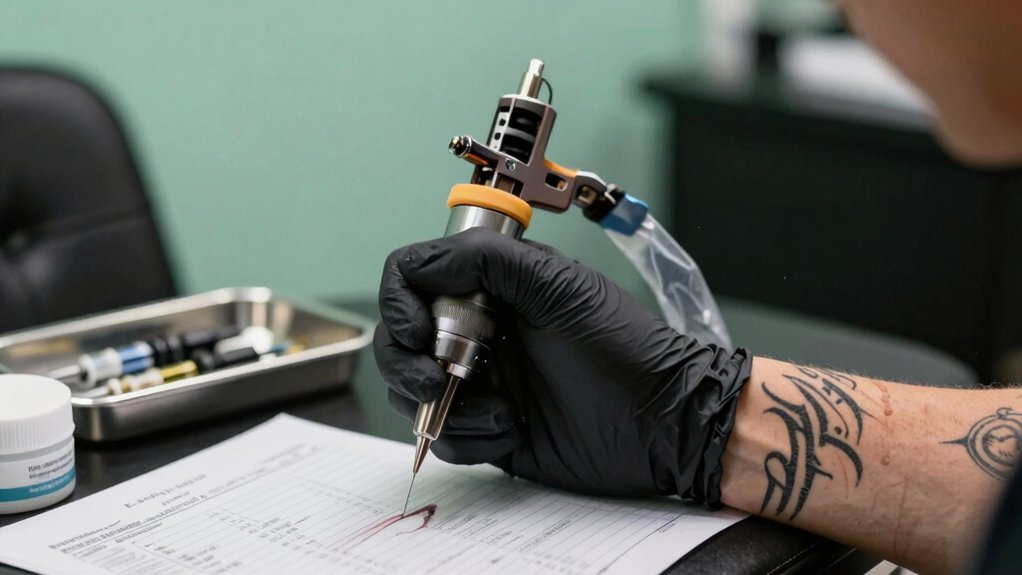
Why let sticker shock derail your cover-up plans when a little foresight keeps you in control? You start by requesting a detailed quote before any needle touches your skin. You ask your artist to break down every element—design time, hourly rate, number of sessions, and aftercare products. You build a 15-20% buffer into your total for unexpected complexity or additional sessions.
You clarify whether touch-ups carry extra charges. You confirm deposit policies and cancellation fees upfront. You avoid rushing; haste drives poor decisions and pricier fixes. You compare studios, but you don’t bargain-shop—quality cover-ups demand skilled hands. You stash funds in a dedicated account until you’ve saved the full projected amount. You walk in prepared, pay confidently, and leave with art you’re proud of, not debt you’re hiding.
Recommended Products

✅ Complete Tattoo Training Kit – 228Pcs complete tattoo supplies kit for beginners, include 3 Tattoo Skins 3 Transfer Paper 2 Tattoo Cover Up Tape 200 Machine Covers 20 Ink Caps. Perfect for practicing designs or studio demonstrations.

🎨 COMPLETE TATTOO PRACTICE KIT FOR BEGINNERS – This all-in-one tattoo kit includes everything needed to start your tattooing journey: 10 high-quality tattoo practice skins, 20 tattoo tattoo transfer papers, 300 tatoo ink cups in three sizes (Small, Medium, Large), 200 pink machine covers, 4 pink grip tapes, and 20 pink dental bibs. Perfect for artists in training to develop essential skills in a clean and organized way.

Complete Tattoo Practice Kit: The set includes the accessories you need to practice tattoos: 10pcs mixed color silicone color cups, 5pcs fake skin, 5pcs transfer paper, 5pcs tattoo table mat, 1pcs tattoo stencil gel, 2pcs grip cover, 1pcs gloves, a total of 29pcs
Conclusion
Cover-up costs depend on your unique situation, but you now know what drives the price. You’ll pay more than fresh ink because of the extra skill and time involved. Get that detailed quote, budget for that contingency, and don’t skip consultations. Whether you need laser fading or multiple sessions, you’re prepared to plan ahead. Find the right artist, ask the hard questions, and you’ll walk in confident about what you’ll spend.
Recommended Products

Spirit Tattoo Classic Thermal Transfer Paper, 8.5” X11” (100 Sheets): Established since 1946, the original and trusted choice of tattoo artists globally, offering reliability and consistency in tattoo stencil creation.

Clean, Flawless Transfers: Your artwork will look so clean once transferred to the skin with the Stencil Stuff gel! Gentle on the skin, Stencil Stuff transfer solution helps you achieve clear and sharp tattoo stencil transfers every time!

Precision Transfers & Long Lasting: Tattoo stencil paper delivers vibrant, high-definition transfers even for intricate designs. Creates crisp, dark lines that transfer cleanly to skin (clearly on different skin tones) which are easy to follow during tattooing. The carbon layer made from high-quality dyes ensures sharp outlines without smudging or fading and maintains crisp lines visibility throughout long tattoo sessions, so you can focus on creating art instead of re-drawing lines