
You’re staring at your forearm, imagining the design you’ll wear for decades, but your wallet is asking the hard questions. A simple band might run you $150, yet a full sleeve from a sought-after artist could drain $3,000 before tip. The gap’s massive, and you’re wondering where your idea lands. The factors behind that swing aren’t as mysterious as you’d think.
Key Takeaways
- Forearm tattoos typically range from $150 to $3,000+ depending on artist experience and design complexity.
- Most shops charge hourly rates between $100-$300, with sessions lasting 2-5 hours on average.
- Size, detail level, and color saturation significantly impact total cost and time required.
- Major cities and renowned artists command premium prices compared to smaller markets or newer talent.
- Budget for deposits ($50-$200) and tips of 15-20% on top of the final tattoo price.
Recommended Products
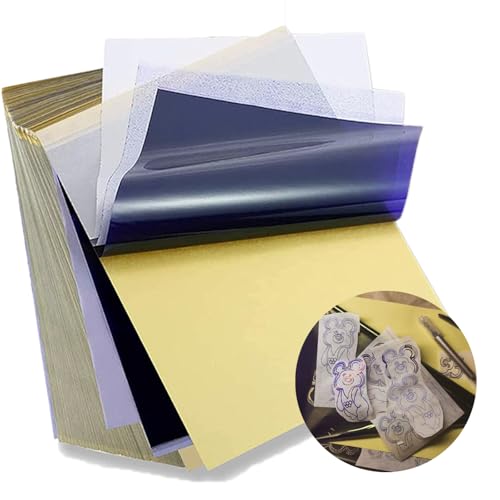
Standard size: Tattoo Transfer Paper is standard A4 paper size, each measures 8.27 in X 11.69 in. There are 4 levels in total. The thickness of the paper is very light and smooth to the touch.

Warm Tips: The tattoo transfer paper need to work with transfer medias.You will need to purchase the stencil ointment separately. Apply the design made on the master paper. Please pay attention to press the back side of the pattern to the skin for at least 3 seconds

Precision Transfer Performance - It’s professional-grade tattoo stencil paper delivers vibrant, high-definition transfers even for intricate designs. The carbon layer ensures sharp outlines without smudging or fading, ensuring crisp lines that stay true to your original artwork.
What a Forearm Tattoo Actually Costs (From $150 to $3,000+)
How much should you realistically budget? You’ll find forearm tattoos span from $150 to $3,000 or more, depending on who’s holding the needle. A small, simple piece from a newer artist might run you $150-$300. You’ll pay $500-$1,500 for experienced hands executing custom designs. Renowned artists command $2,000-$3,000+ for their portfolios.
You’re paying for time, not just ink. Most shops charge hourly—$100-$300 per hour is standard. A forearm session typically takes 2-5 hours. You’ll shell out deposits upfront, usually $50-$200, which roll into your final bill.
Don’t forget tips. You’ll add 15-20% for solid work. Location matters too—you’ll spend more in New York or Los Angeles than in smaller markets. Budget wisely, because cheap work isn’t good and good work isn’t cheap.
Recommended Products

TATTOO AFTERCARE ESSENTIAL: Hustle Butter is the original tattoo aftercare balm for new and older tattoos. With over 10 years in the market, we are a pioneer of the tattoo aftercare category.

STICK APPLICATION, ZERO MESS: Twist up the tattoo balm stick, swipe directly over the tattoo, and blend as needed. No jar to open, no fingers scooping product, and no need to carry a separate applicator. The solid stick format is easy to keep in a bag, bathroom cabinet or travel kit, making care simple at home or on the go. It gives you controlled application exactly where you want moisture, with less mess than traditional balm jars. Great for quick touch-ups whenever tattooed skin feels like it needs extra care, at home, after work or while traveling.

COMPLETE AFTERCARE KIT FOR NEW & EXISTING TATTOOS: This Tattoo Aftercare Kit brings together 3 essentials, Antimicrobial Soap, Tattoo Balm, and Tattoo Lotion, to help cleanse, protect, and moisturize fresh ink. Useful after tattoo sessions and throughout healing, it supports vibrant color and skin comfort for dedicated ink enthusiasts and artists
How Size, Detail, and Color Drive Your Final Price
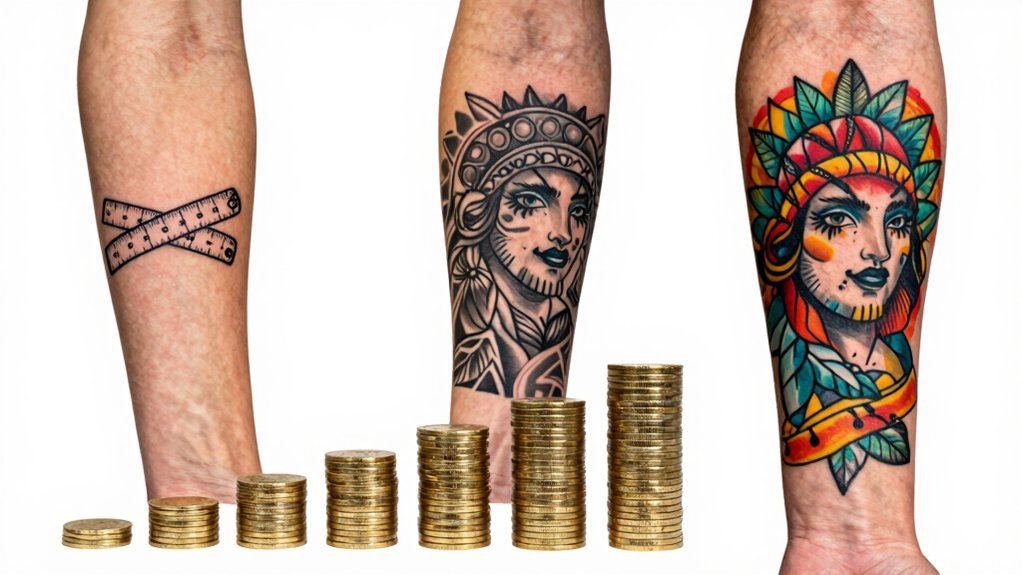
Why does one forearm piece cost $200 while another hits $2,500? You’ve got three factors driving that gap.
Size matters most. You’re paying for skin real estate. A small inner-forearm symbol takes an hour. A full sleeve wrapping from elbow to wrist demands multiple sessions. More time equals more money.
Detail escalates costs fast. Simple linework flows quickly. Intricate geometric patterns, photorealistic portraits, or dense ornamental designs slow the needle to a crawl. You’re buying precision, not just ink.
Color adds complexity. Black and gray tattoos require fewer passes and less setup. Full color demands blending, shading transitions, and additional ink caps. Each hue needs its own saturation layer.
Combine all three—a large, detailed, full-color piece—and you’ll watch your quote climb. You’ve chosen the trifecta of expense.
Recommended Products

Complete Starter Tattoo Kit: Includes an aluminum alloy rotary tattoo pen, power supply, foot pedal, RCA cord, 20 cartridge needles, 8 bottles of 30ml ink, 2 transfer papers, practice skin, 40 ink caps, grip cover, gloves

7-STROKE VERSATILITY IN ONE PEN: The Flip3 gives you 7 adjustable strokes from 2.4mm to 4.2mm. Rotate the grip to switch between fine linework, smooth shading, and bold color packing in seconds — no tools, no disassembly. One pen handles your entire session, from delicate portrait details to graphic work.

WIRELESS FREEDOM WITH DUAL POWER OPTIONS: Enjoy true cordless flexibility with two interchangeable 2000mAh batteries. Each battery delivers up to 7 hours of runtime, providing extended working sessions without frequent charging. When battery power runs low, simply switch to the included RCA adapter and continue working in wired mode. The built-in LED display keeps voltage and battery status visible at all times.
Why Location and Artist Reputation Change the Quote
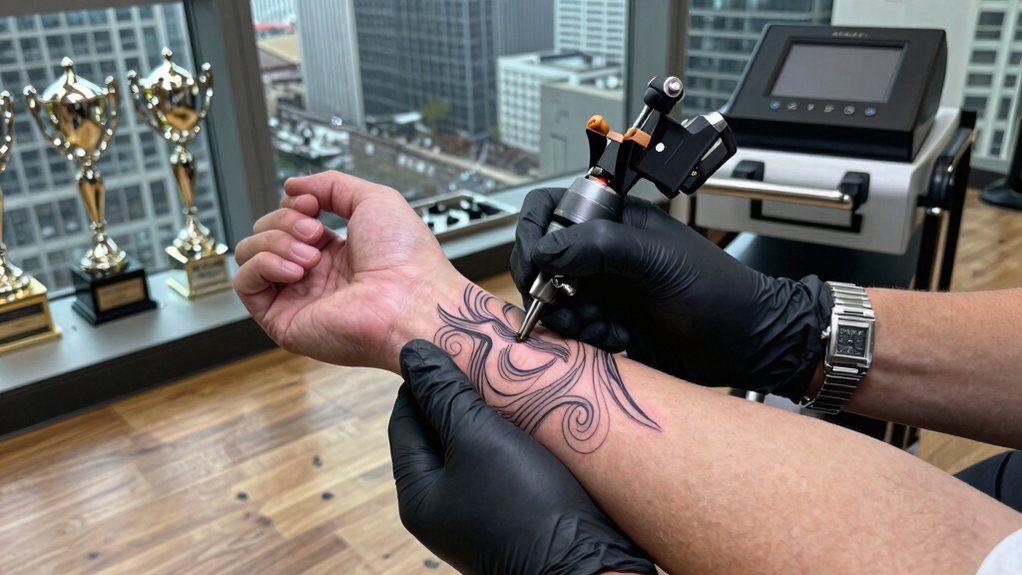
Size and detail set your baseline, but geography and reputation rewrite the final number.
You pay more in major cities, where shop rent and cost of living push rates higher. A forearm tattoo in New York or Los Angeles costs substantially more than the same piece in a smaller Midwest town.
You’re also paying for the artist’s track record. Established artists with long waitlists and strong portfolios command premium prices. Their years of experience justify the markup.
You might find cheaper options with newer artists, but you’re accepting more risk. Social media presence drives demand too; an artist with viral work can charge what they want.
You should research local shops, compare portfolios, and decide what balance of cost and quality fits your budget.
Recommended Products

MADE IN THE USA SINCE 1990 — For over 30 years Dynamic Color has produced professional tattoo ink in the United States, an established American brand artists built their work on long before most imported labels existed.

MADE IN THE USA SINCE 1990 — For over 30 years Dynamic Color has produced professional tattoo ink in the United States, an established American brand artists built their work on long before most imported labels existed.

MADE IN THE USA SINCE 1990 — For over 30 years Dynamic Color has produced professional tattoo ink in the United States, an established American brand artists built their work on long before most imported labels existed.
Hourly vs. Flat Rate: Which Pricing Model Saves You Money?
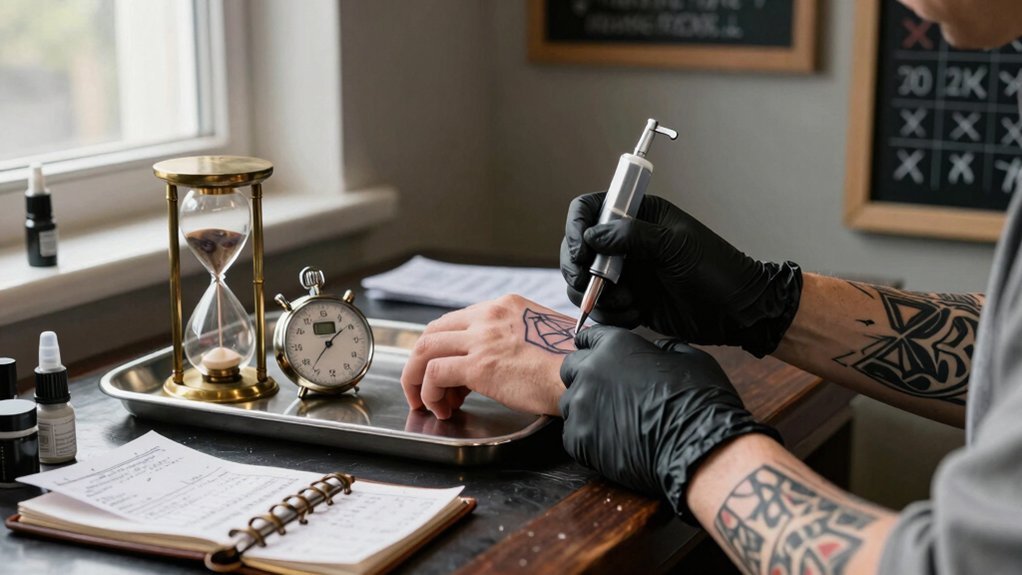
Whether you’re budgeting for a small piece or a full sleeve, you’ll need to understand how artists charge. Most tattooers use hourly rates, typically $150-$300, while others quote flat fees based on design complexity.
You’ll save money with flat rates when your artist works quickly. A $600 flat rate beats six hours at $150 hourly. However, you’ll overpay if they finish in three hours. Hourly pricing protects you from rushed work but punishes slow sessions.
Ask your artist which model they prefer. Negotiate flat rates for simple, predictable designs like script or geometric patterns. Request hourly billing for detailed custom work where time estimates vary. Always confirm whether the quoted rate includes drawing time or just needle-to-skin work.
Recommended Products

Precised and longer lasting stencil artwork, Wont rub off while tattooing or using Green Soap. Vegan Friendly solution works well for all skin type

Clean, Flawless Transfers: Your artwork will look so clean once transferred to the skin with the Stencil Stuff gel! Gentle on the skin, Stencil Stuff transfer solution helps you achieve clear and sharp tattoo stencil transfers every time!
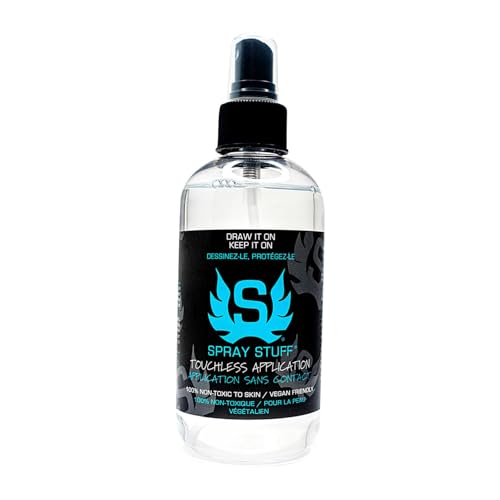
Water Resistant Spray: The spray is water resistant for easy application and removal.
Tips, Touch-Ups, and Aftercare: Hidden Costs to Budget For
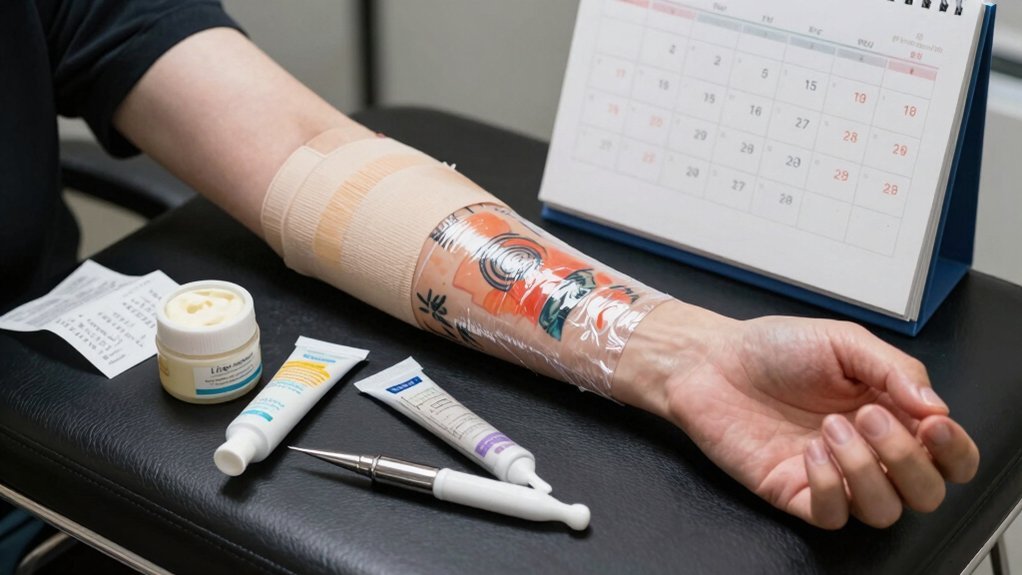
How much should you actually set aside for your forearm piece? You’ll need to factor in more than just the session rate.
You should tip your artist between 15% and 25% of the total cost. Skipping this doesn’t save money; it damages relationships. Most studios expect this customary practice.
Touch-ups represent another expense. While many artists include one free session, policies vary. You might pay for additional visits if you neglect aftercare or have heavily saturated colorwork.
Aftercare products add up quickly. You’ll purchase specialized tattoo balm, unscented soap, and possibly second-skin bandages. Expect to spend $20–$60 on supplies.
Healing complications, like infections or allergic reactions, require medical attention. These costs surprise unprepared clients.
Budget an extra 20–30% beyond the quoted price. You’re investing in your skin’s long-term appearance.
Recommended Products
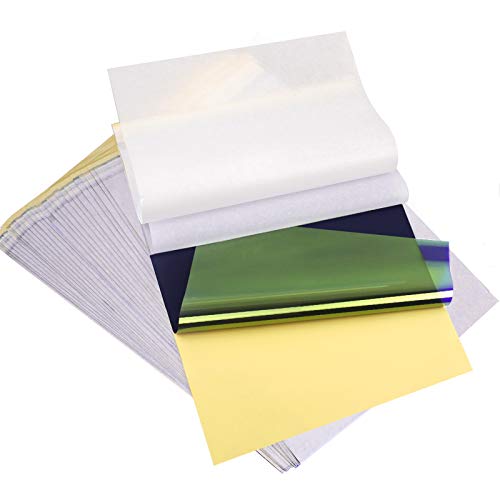
ADVANCED MATERIAL: Tattoo transfer paper is made with the high quality dyes and stencil paper. Transfer marks are very clear, clean and smooth. Tattoo transfer paper kit come with 35 sheets. Great for tattooing, trace and transfer images onto the body.<br>

Precision Transfers & Long Lasting: Tattoo stencil paper delivers vibrant, high-definition transfers even for intricate designs. Creates crisp, dark lines that transfer cleanly to skin (clearly on different skin tones) which are easy to follow during tattooing. The carbon layer made from high-quality dyes ensures sharp outlines without smudging or fading and maintains crisp lines visibility throughout long tattoo sessions, so you can focus on creating art instead of re-drawing lines

🔍 Precision Industry-Standard Transfer - Engineered 4-ply stencil paper (8.25"x11.75") with high-density dyes delivers defined lines for intricate tattoo stencils. Compatible with major thermal printers for reliable tattoo transfer paper workflows.
Is a Cheap Forearm Tattoo Worth the Risk?
Why settle for less when you’re marking your body permanently? You might feel tempted by bargain prices, but you’re gambling with your skin. Cheap tattoos often mean unsterile equipment, inexperienced artists, or diluted inks. You’ll risk infections, scarring, or blowouts that distort your design beyond repair.
You can’t undo bad work easily. Laser removal costs thousands, and cover-ups demand skilled artists charging premium rates. You’ll spend more fixing mistakes than you’d save initially.
Research your artist thoroughly. Check portfolios, verify licensing, and read reviews. You deserve clean lines and safe conditions. Your forearm stays visible daily—you’ll see those flaws constantly.
Pay for craftsmanship now, or you’ll pay for consequences later. Quality lasts; regrets linger.
Recommended Products

Upgraded Design, Easy to Use --- Tattoo aftercare balm comes in a tube,this container allows you to glide on the butter easily,Rolls on smoothly and evenly on your skin,No more mess or residue on your finger,convenient to use
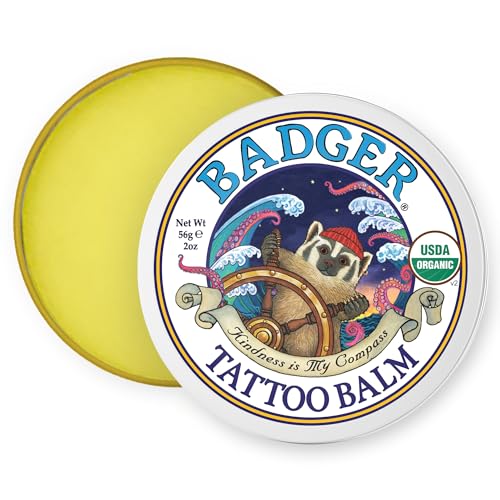
PROTECT & SOOTHE: Condition & protect your tattoos to keep ink looking bold & vibrant. Soothing, nourishing tattoo care softens fresh tattooed skin, calms redness & irritation, and promotes healing

Nourishes Healing Ink for Vibrant Color: Tattoo Goo supports healing tattoos & maintains vibrancy on healed ink with a lightweight formula rich in olive oil, lavender oil, cocoa butter, and beeswax. It absorbs quickly, moisturizes deeply, and helps reduce dryness, itch and tightness so your tattoo looks and feels comfortable through everyday routines
5 Ways to Lower Your Cost Without Sacrificing the Art
Quality work doesn’t always demand premium prices if you’re strategic about it.
Book during off-peak hours or weekdays when artists offer reduced rates. Choose simpler designs that require less time without compromising your vision. Bring reference images that communicate exactly what you want, minimizing consultation time and revisions. Consider newer artists building portfolios—they often charge less while maintaining high standards under supervision. Offer to sit for longer sessions; you’ll pay fewer hourly minimums and artists appreciate efficient bookings.
Negotiate respectfully, but never haggle aggressively. Ask about flash sales or apprentice work at reputable shops. Save on aftercare by purchasing supplies separately rather than buying marked-up kits. You control costs through preparation and flexibility, not by cutting corners on safety or skill.
Recommended Products

COMPLETE TATTOO KIT: Includes 1x Mast Fold Pro Year of Snake edition pen machine, 2x 3000mAh batteries, 1x USB-C charging cable, 1x power adapter, 32mm and 38mm grip options, tattoo ink, practice skin and 20 assorted cartridge needles (1205RL liners + 1205RS shaders) to start tattooing immediately.

【Professional Rotary Machine】HM119-1 model (123x16mm, 116g) with 3.5mm stroke delivers precise control for lining, shading & permanent makeup. Compatible with all standard cartridge needles.

Information: Mast Archer cordless rotary tattoo pen machine has visible LCD voltage screen, easily adjustable voltage. Frame made of standard aluminium alloy and CNC carved. Weight: 186g, length: 132mm, diameter: 32mm. Assembly by hand, one piece body and seamless, effortless to cover and protect.
Conclusion
You’re looking at $150–$3,000+ for your forearm piece, depending on size, detail, and who’s holding the needle. Skip the bargain hunt—quality lasts, touch-ups cost more. Book consultations, compare portfolios, and budget for tips and aftercare. Your skin’s worth investing in wisely.
Recommended Products

1.100% new brand and high quality. Color stability, pure color, durable and safe,with a formula containing a high concentration of pigment, long duration, make your tattoos have a great texture.

MADE IN THE USA SINCE 1990 — For over 30 years Dynamic Color has produced professional tattoo ink in the United States, an established American brand artists built their work on long before most imported labels existed.

Smooth gray tones built for artists who need reliable value control during shading sessions allowing soft transitions clean gradients and balanced depth across black and gray tattoo work