
You’re staring at your arm, imagining it transformed, but the price tag keeps you up at night. Most shops won’t hand you a straight answer upfront, and that’s intentional. Your sleeve’s cost hinges on factors you haven’t considered yet—some obvious, others buried in the fine print. Before you book that consultation, you’ll want to know exactly what separates a $2,000 sleeve from a $15,000 one.
Key Takeaways
- Full sleeve tattoos in 2024 typically cost $1,500 to $15,000, with most people spending $3,000–$7,000.
- Artists charge hourly rates from $100–$150 for budget artists to $300–$500 for renowned specialists.
- Color sleeves cost more than black and gray due to extra ink, layering, and longer sessions required.
- Major cities like New York and Los Angeles command premium rates of $200–$400 per hour.
- Hidden costs include aftercare supplies ($80–$150), touch-ups, travel expenses, and a 20% contingency buffer.
Recommended Products

COMPLETE AFTERCARE KIT FOR NEW & EXISTING TATTOOS: This Tattoo Aftercare Kit brings together 3 essentials, Antimicrobial Soap, Tattoo Balm, and Tattoo Lotion, to help cleanse, protect, and moisturize fresh ink. Useful after tattoo sessions and throughout healing, it supports vibrant color and skin comfort for dedicated ink enthusiasts and artists

Nourishes Healing Ink for Vibrant Color: Tattoo Goo supports healing tattoos & maintains vibrancy on healed ink with a lightweight formula rich in olive oil, lavender oil, cocoa butter, and beeswax. It absorbs quickly, moisturizes deeply, and helps reduce dryness, itch and tightness so your tattoo looks and feels comfortable through everyday routines

STICK APPLICATION, ZERO MESS: Twist up the tattoo balm stick, swipe directly over the tattoo, and blend as needed. No jar to open, no fingers scooping product, and no need to carry a separate applicator. The solid stick format is easy to keep in a bag, bathroom cabinet or travel kit, making care simple at home or on the go. It gives you controlled application exactly where you want moisture, with less mess than traditional balm jars. Great for quick touch-ups whenever tattooed skin feels like it needs extra care, at home, after work or while traveling.
Full Sleeve Tattoo Costs: Real Price Ranges for 2024
Exactly how much should you expect to pay for a full sleeve tattoo in 2024? You’re looking at anywhere from $1,500 to $15,000 or more. Most people spend between $3,000 and $7,000 for a complete sleeve.
You’ll find budget artists charging $100-$150 per hour, while renowned specialists command $300-$500 hourly. A full sleeve typically demands 15 to 30 hours of work, sometimes stretching past 50 hours for intricate designs.
Geography shapes your costs dramatically. You’ll pay premium rates in New York, Los Angeles, or London. Smaller cities offer more affordable options.
Your design complexity drives price too. You’ll spend less on simple blackwork and more on photorealistic color pieces. Solid black tribal work moves faster than detailed Japanese or biomechanical styles requiring meticulous shading and linework.
Recommended Products
PACKAGE CONTENTS: There are 3 packs black temporary tattoo ink, 103 patterns tattoo stencils and one pin included in this comprehensive kit

Package Included: Pack of 12 Sheets temporary tattoo stencils. All the designs are shown in the pictures. Only has tattoo template, no tattoo ink

▶ Henna Tattoo Kit: 16 sheets tattoo stencils. airbrush tattoo stencils suitable for tattoo lovers. Experience the effects of tattooing without the pain of tattooing.
How Tattoo Artists Actually Figure Out Your Price
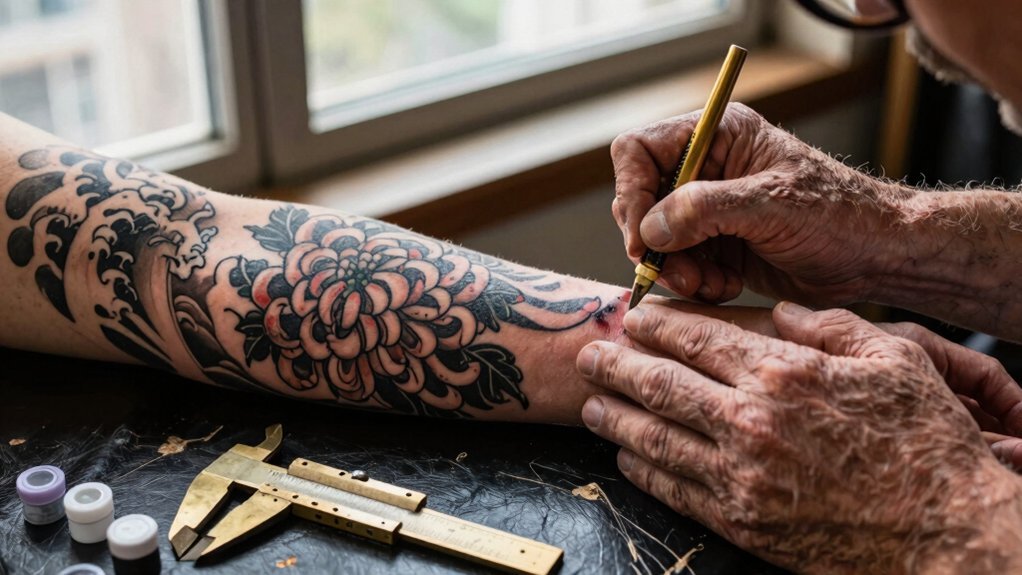
Understanding the price ranges is one thing, but knowing how artists reach those numbers helps you plan smarter.
Your artist examines your arm’s dimensions and shape. Longer limbs require more ink and time, so you’ll pay more. They estimate hours based on design complexity—intricate details demand slower work than bold, simple patterns.
Skill level drives rates too. You’ll find seasoned artists charge substantially more than newcomers building portfolios. Shop location affects your cost; downtown studios in major cities set higher prices than rural ones.
Your artist also considers skin texture. Scarred or heavily freckled areas slow them down, raising your total. They’ll quote hourly rates, flat project fees, or day sessions depending on their preference and your sleeve’s scope.
Recommended Products

【tattoo ink sets professional Rich Color】This set contains 14 colors of tattoo ink, each bottle of tattoo ink capacity of 30ml. Meet your use needs

MADE IN THE USA SINCE 1990 — For over 30 years Dynamic Color has produced professional tattoo ink in the United States, an established American brand artists built their work on long before most imported labels existed.

BaodeLi -Tattoo Ink Set:BaodeLi multi in one tattoo ink kit made with professional and harmless tattoo materials.This tattoo ink set have 14 different colors.Our tattoo ink have a high-quality smooth flow rate.Trust it will be your best choice.
Black and Gray vs. Full Color Sleeves: Which Costs More?
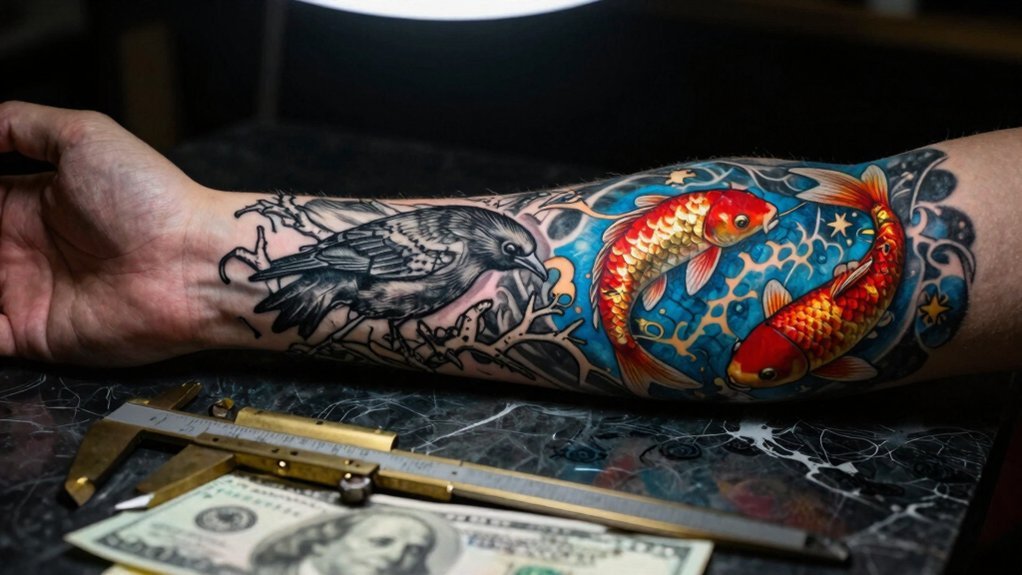
Why does one sleeve style impact your wallet more than the other? Full color sleeves typically cost more than black and gray. You’re paying for additional ink, longer sessions, and greater technical complexity. Artists mix multiple pigments, layer colors carefully, and work slower to ensure proper saturation and healing.
Black and gray relies on shading techniques using black ink diluted with water or gray wash. You’ll spend less time in the chair, and artists complete these pieces faster. The process demands skill but involves fewer variables.
Color work requires more touch-ups too. Your skin rejects certain pigments, and artists must pack color densely for longevity. This precision extends your appointment duration. Some artists charge flat rates regardless of style, but hourly pricing clearly favors black and gray for budget-conscious collectors.
Recommended Products
Standard size: Tattoo Transfer Paper is standard A4 paper size, each measures 8.27 in X 11.69 in. There are 4 levels in total. The thickness of the paper is very light and smooth to the touch.
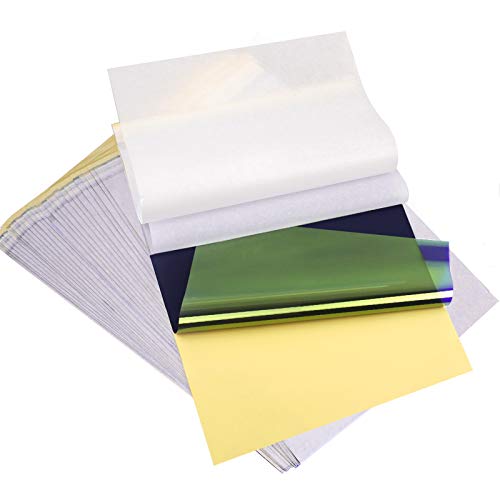
ADVANCED MATERIAL: Tattoo transfer paper is made with the high quality dyes and stencil paper. Transfer marks are very clear, clean and smooth. Tattoo transfer paper kit come with 35 sheets. Great for tattooing, trace and transfer images onto the body.<br>

Warm Tips: The tattoo transfer paper need to work with transfer medias.You will need to purchase the stencil ointment separately. Apply the design made on the master paper. Please pay attention to press the back side of the pattern to the skin for at least 3 seconds
How Your City Changes Your Sleeve Tattoo Bill
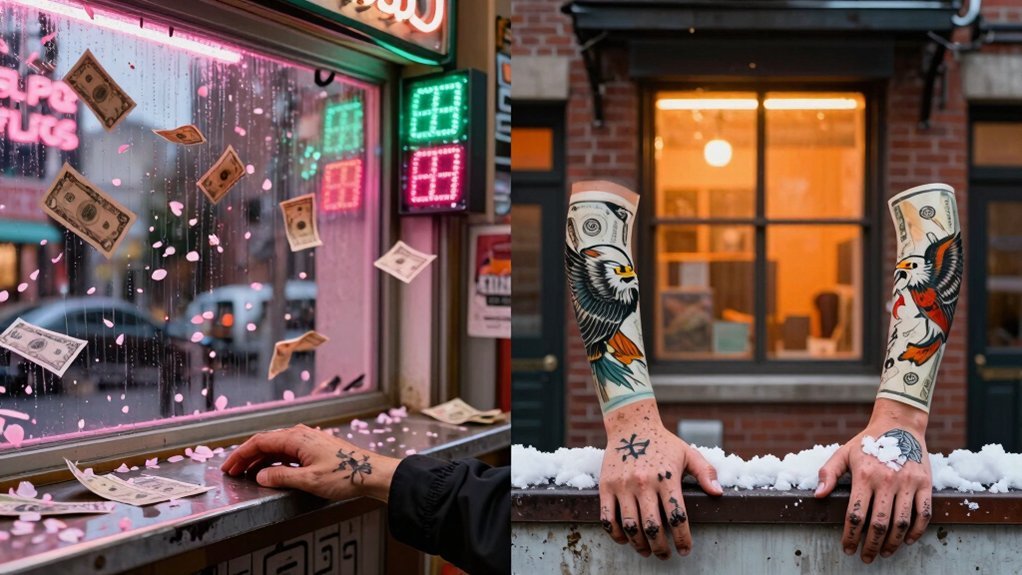
Where you get inked matters as much as what you get. In New York, Los Angeles, or Miami, you’ll pay premium rates. Top artists in these hubs charge $200 to $400 per hour, and your sleeve quickly stacks up. You compete with deep-pocketed clients and high studio rents.
In smaller cities like Portland, Austin, or Pittsburgh, you’ll find skilled artists at $150 to $250 hourly. Your dollar stretches further here. You might sacrifice some name recognition, but you’ll still get quality work.
Rural areas and mid-sized towns offer the lowest rates. You could pay $100 to $180 per hour, though your artist pool shrinks. You must vet portfolios carefully.
Traveling for your tattoo changes the math. You save money in cheaper markets, but you’ll add plane tickets and hotels. Calculate your total spend before you book that consult.
Recommended Products

Long-Lasting Relief, Maximum Comfort: This numbing cream delivers prolonged analgesic effects, quickly relieving itching, pain, burning sensations, and significantly reducing swelling. It effectively desensitizes the skin for a comfortable experience.
Long-Lasting Relief, Maximum Comfort: This numbing cream delivers prolonged analgesic effects, quickly relieving itching, pain, burning sensations, and significantly reducing swelling. It effectively desensitizes the skin for a comfortable experience.
Long-Lasting Relief, Maximum Comfort: This numbing cream delivers prolonged analgesic effects, quickly relieving itching, pain, burning sensations, and significantly reducing swelling. It effectively desensitizes the skin for a comfortable experience.
Session Count: How Long Full Sleeves Actually Take
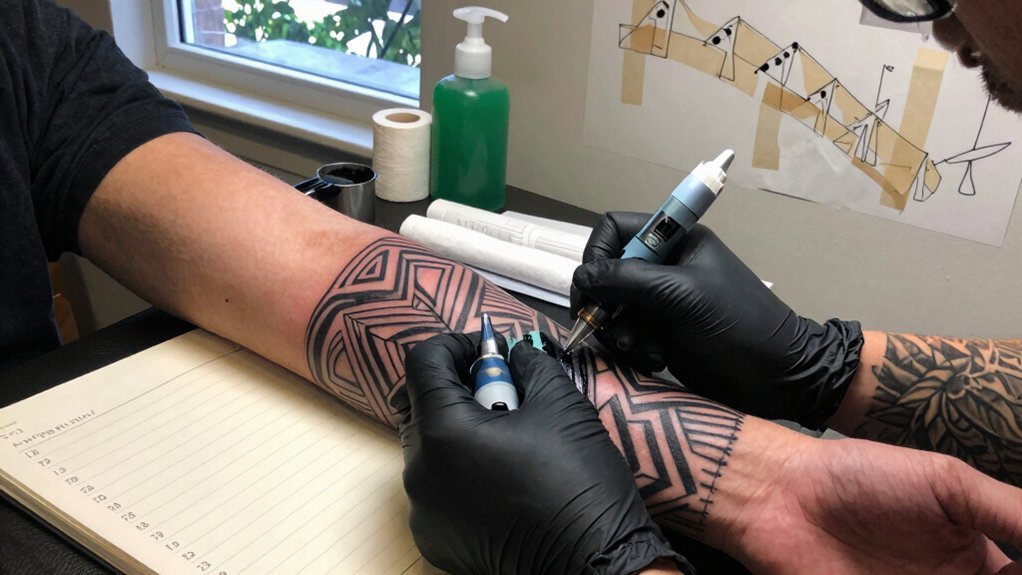
How quickly can you sit through a needle? That question shapes your full sleeve timeline more than you’d expect.
Your artist breaks the work into sessions, typically eight to fifteen sittings for a complete sleeve. Each session runs three to five hours. You won’t finish in a weekend.
Your pain tolerance directly compresses or extends this schedule. If you tap out after two hours, you’ll need more appointments. Sit longer, you’ll finish faster.
Your design complexity matters too. Solid blackwork moves quicker than intricate color realism. Your artist’s speed and booking availability create additional variables.
You might span six months to two years from first outline to final shading. You’re paying per session, usually, so your total session count multiplies into your final cost.
Recommended Products
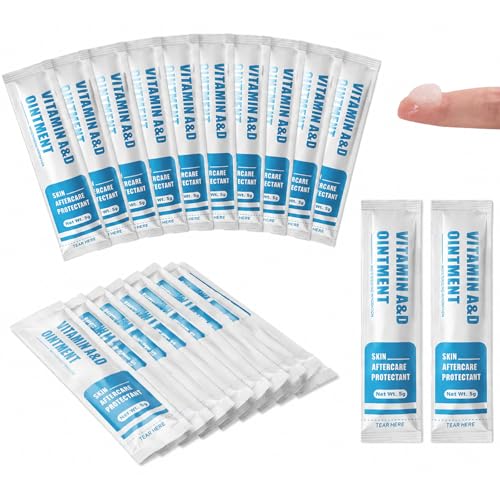
Honest, Accurate Care – This protective ointment comes in 50 hygienic single-serve packets for mess-free, on-the-go convenience. Easy to apply for tattoo protection anytime.

PROTECT & HEAL - H2Ocean Aquatat seals the skin in a moisturizing barrier to protect from irritants while still allowing the skin to breathe. Aquatat will also heal topical wounds on skin such as tattoos, rashes, cuts and scrapes while minimizing scabbing.

Nourishes Healing Ink for Vibrant Color: Tattoo Goo supports healing tattoos & maintains vibrancy on healed ink with a lightweight formula rich in olive oil, lavender oil, cocoa butter, and beeswax. It absorbs quickly, moisturizes deeply, and helps reduce dryness, itch and tightness so your tattoo looks and feels comfortable through everyday routines
Sleeve Tattoo Hidden Costs: Aftercare, Touch-Ups, and Travel
The price your artist quotes you rarely tells the whole story. Aftercare drains your wallet: you’ll buy specialized ointments, gentle cleansers, and unscented moisturizers for months; some clients spend eighty to one hundred fifty dollars on supplies alone. Touch-ups sting twice— artist fees plus your time. Most sleeves need revisiting after healing settles, especially on tricky spots like elbows and wrists where ink migrates. If you’re hunting talent outside your city, factor gas, flights, hotels, and food into your tally. Multiple trips multiply costs fast. A twelve-hundred-dollar sleeve easily balloons to sixteen hundred when you tally these realities. Budget twenty percent above your quote; surprises lurk in the details you can’t skip.
Recommended Products

Premium Quality 1.5mm Silicone Material – Crafted from premium 1.5mm thick silicone, this tattoo skin offers a true-to-life feel with excellent durability and a smooth surface for effortless needle movement during practice.

MADE IN THE USA — Black Magic Stencil Primer is manufactured in the United States by a professional tattoo supply brand with over 30 years in the industry.
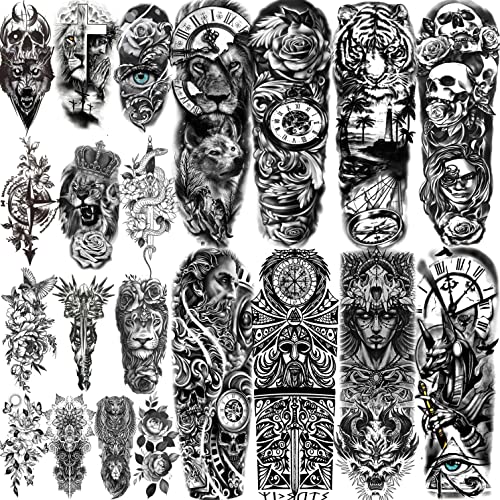
★【21 Sheets! Variety Temporary Tattoos For Men Women】--Contain More Than 500 Exquisite Designs COKTAK Brand Variety Waterproof Temporary Tattoos For Kids Boys Girls Teens Fashion Hot Popular Designs Tattoo Stickers in One Package.【Size】:21 Sheets Including 8 Sheets Full Arm Temporary Tattoos Sleeve For Men 18.9"x6.7" 48x17CM and 13 Sheets Large Adults Temporary Tattoos For Women 10.5x6cm 4.1"x2.3" Tattoo Kit.
How to Budget for Your Sleeve Without Cutting Corners
Why gamble with your skin when a little planning keeps both your arm and your wallet intact? You start by researching artists thoroughly, comparing portfolios against price lists to find quality within your range. You resist the temptation to bargain hunt; cheap work costs more in cover-ups later. You build a dedicated tattoo fund, setting aside fixed amounts monthly until you reach your target. You prioritize the deposit and first session, then schedule subsequent appointments as finances allow. You factor in aftercare supplies and potential touch-ups from the outset. You avoid financing tattoos through credit or payment plans that charge interest. You communicate openly with your chosen artist about budget constraints; they’ll often design accordingly. You remember that stretching completion over months beats rushing into subpar work you’ll regret.
Recommended Products

MADE IN THE USA SINCE 1990 — For over 30 years Dynamic Color has produced professional tattoo ink in the United States, an established American brand artists built their work on long before most imported labels existed.
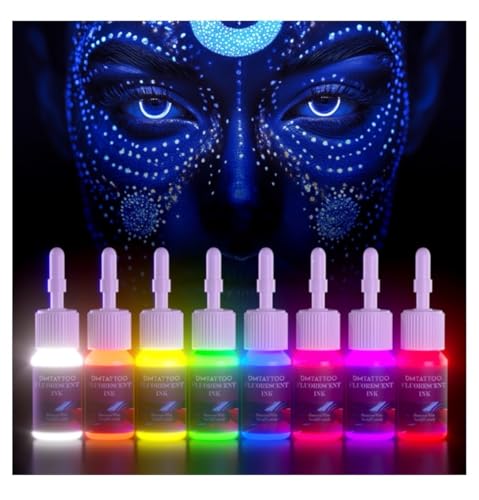
PROFESSIONAL QUALITY: Each bottle of permanent tattoo ink in this colorful pack of tattoo accessories is made of high pigment content that will safely dye and tint your skin pigment the way you want. The ink will only last if the tattoo is done correctly with a needle that properly and safely penetrates the dermis layer of the skin.

Comprehensive 28-Color Palette: An extensive set offering a wide range of 28 highly pigmented colors, providing artists with greater versatility and creative options for complex projects and color blending.
Session vs. Marathon: Which Saves Money on Your Sleeve?
Once you’ve mapped out your budget and stashed away your tattoo fund, you’re faced with a practical question: do you chip away at your sleeve in bite-sized sessions or power through in marathon sittings?
You’ll soon discover that marathons rarely save money. Your artist charges by the hour, and after four or five hours, your skin swells and refuses to accept ink properly. They’ll push through less-efficient work, or you’ll pay for time spent waiting while you recover mid-session.
Shorter sessions let your artist maintain peak performance. You’re fresh, they’re sharp, and every minute counts toward quality linework and saturation.
That said, you’ll pay slightly more in setup fees if you schedule multiple appointments. Most shops build this into hourly rates, so ask upfront. You’ll balance cost against healing time, schedule constraints, and your personal pain tolerance.
Recommended Products

Precision Transfers & Long Lasting: Tattoo stencil paper delivers vibrant, high-definition transfers even for intricate designs. Creates crisp, dark lines that transfer cleanly to skin (clearly on different skin tones) which are easy to follow during tattooing. The carbon layer made from high-quality dyes ensures sharp outlines without smudging or fading and maintains crisp lines visibility throughout long tattoo sessions, so you can focus on creating art instead of re-drawing lines

Precision Transfer Performance - It’s professional-grade tattoo stencil paper delivers vibrant, high-definition transfers even for intricate designs. The carbon layer ensures sharp outlines without smudging or fading, ensuring crisp lines that stay true to your original artwork.

🔍 Precision Industry-Standard Transfer - Engineered 4-ply stencil paper (8.25"x11.75") with high-density dyes delivers defined lines for intricate tattoo stencils. Compatible with major thermal printers for reliable tattoo transfer paper workflows.
Red Flags: When a Sleeve Price Is Too Good to Be True
How low can a sleeve price drop before you should worry? When you see a full sleeve quoted under $800, you should pause. Quality work demands time, skill, and sterile equipment—none of which come cheap.
You might feel tempted by bargain rates, but you’re risking your skin. Artists cutting corners often skip proper sterilization, use diluted inks, or lack the training to execute complex designs. You won’t save money when you pay for laser removal or cover-ups later.
Watch for artists who rush consultations, refuse to show healed work, or operate from unlicensed spaces. You deserve transparency about pricing breakdowns. If someone guarantees a sleeve in one session for half the market rate, you aren’t getting a deal—you are getting a warning. Trust your instincts and walk away.
Recommended Products

Numbing Effect Lasts Up to 8 Hours: Our tattoo numbing cream before tattoo is specially formulated to provide up to 8 hours of pain relief, itching, soreness, and burning while reducing tattoo swelling. With our cream, you can complete your tattoo session in one step, without the need to pause or slow down. it is numbing cream for tattoos extra strength.

FROM THE LEADER IN TATTOO AFTERCARE: For years now, Mad Rabbit has consistently ranked among the most popular and highest-rated tattoo products on the market. We’ve created a top-of-the-line Tattoo Glide to help professional tattoo artists do their best work.

Numb520 Cream - This 5% topical lidocaine numb cream is clinically proven to temporarily relieve pain, burning, itching, discomfort, inflammation, and soreness in local and anorectal areas. This pain relief itch cream provides fast, temporary relief for minor aches, minor burns, and minor skin irritations. It also supports postpartum relief, hemorrhoid treatment, and anorectal disorders
Conclusion
You’re looking at $3,000–$7,000 for most full sleeves, but your specific design, artist’s rate, and location will ultimately determine your final bill. Don’t forget to factor in aftercare, potential touch-ups, and a 20% contingency buffer. Prioritize quality over bargains—you’ll wear this art forever. Start saving now, research artists thoroughly, and book consultations to get accurate quotes tailored to your vision.