
You’ll calculate tattoo costs first by measuring your design in square inches, then adding complexity and placement fees.
A 2-inch piece in NYC runs $150–$300, but you’ll pay 20–40% more for color.
Hand and rib placements cost extra due to difficulty.
Artist skill tiers, hourly versus flat rates, and deposit structures all shift your final price.
The numbered sections ahead break down each factor with specific dollar ranges, so you can budget accurately before booking your consultation.
NYC Tattoo Prices by Size: Tiny to XXL
If you are planning to get tattooed in New York City, you will quickly notice that size drives your budget more than almost any other factor. Understanding tattoo prices by size helps you estimate what you’ll actually pay before you book your appointment.
Tiny (1–2 inches): Expect $150–300. Most reputable shops charge a minimum ($150–250) that covers setup and supplies, so small tattoo cost rarely drops below this floor.
Small (2–4 inches): Typically $250–600. Small tattoos take less time required, but detail affects whether you’re charged hourly rate or flat rate pricing.
Medium (5–7 inches): Commonly $600–1,800. Time in the chair rises quickly with larger areas.
Large/Full Sleeve Tattoo: Usually $2,000–6,000+. Much does a tattoo this size depends on sessions needed. Sleeve tattoo cost often uses session-by-session pricing rather than one flat rate quote.
Recommended Products

Poseidon cartridge adopt a one-time joint design hygienic standard The material is stainless steel and easy to color,and has better ink flow

📏1.3mm Professional Grade - 30 sheets of 1mm thick synthetic skin with dermis-like texture, certified by tattoo artists for real needle feedback and ink absorption. Ideal for beginners to avoid mistakes on real clients.

✨TATTOO SKIN PRACTICE KIT - Comes with 8pcs 3mm thick tattoo skin with 40pcs #1203RL 5RL 7RS 9RS. Designed specifically for beginning tattoo artists and tattoo enthusiasts to practice tattooing skills.
Same Size, Different Cost: Complexity, Placement & Color
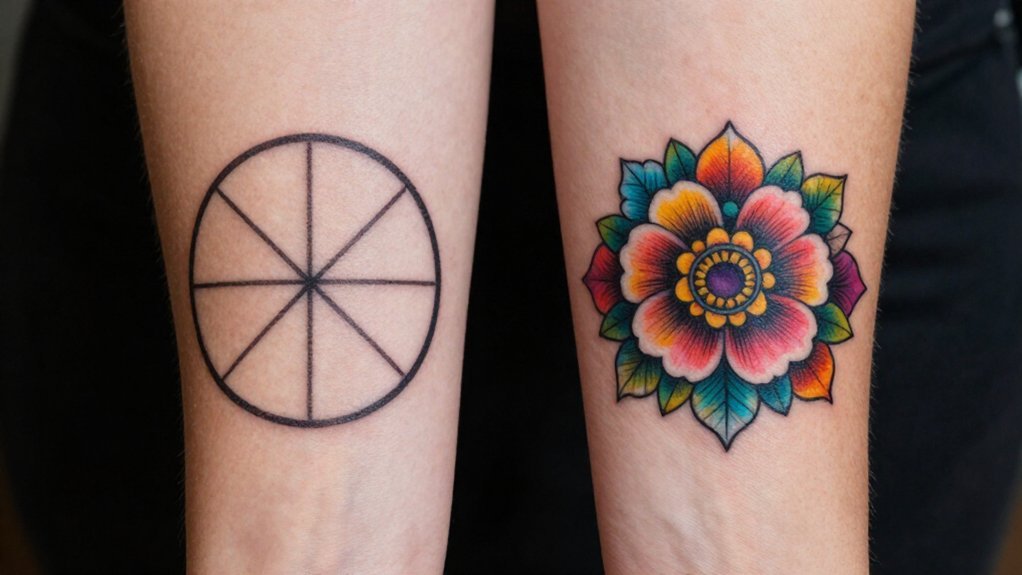
Size alone won’t lock in your price. Two tattoos with identical square inches can carry wildly different tattoo costs, so you’ll need to look beyond basic tattoo sizing.
Size alone won’t lock in your price—identical square inches can carry wildly different costs.
1. Complexity Drives Time
A simple 5 sq in black and grey lettering piece might run you $200, while a detailed botanical with fine shading and three colors hits around $500. Fine line work, realism, and stippling demand slower, more precise hand speed. That means small tattoos can actually cost more per square inch than larger, simpler pieces.
2. Color Work Adds Premium
Full color work typically tacks on 20–40% to your base rate. On small tattoos, expect roughly $25–$75 extra. You’re paying for additional ink sets, saturation layers, and extended session time.
3. Body Placement Adjusts Rates
Difficult areas, ribs, sternum, hands, fingers, face, and feet or inside joints, command higher tattoo pricing. These spots challenge needle control, require more frequent repositioning, and heal differently, so artists often charge per hour premiums for the added technical demand.
Recommended Products

Phomemo Tattoo Transfer Paper kit - Paper size: 8.27 in x 11.69 in (210 x 297 mm), Quantity: 1 Box, 100 Sheets in the box, Color: Blue. Phomemo Tattoo Transfer Paper is ideal for tattoo enthusiasts, artists and professional tattoo artists, offering reliability and consistency in tattoo stencil creation

4-layer Design: The 4-layer design ensures a crisp, clean transfer with sharp lines and fine details. Each layer has a specific function — such as holding the stencil ink, releasing it evenly, and protecting the tattoo paper during storage — which minimizes smudging, prevents distortion, and makes application easier on different skin surfaces.

4-layer Design: The 4-layer design ensures a crisp, clean transfer with sharp lines and fine details. Each layer has a specific function — such as holding the stencil ink, releasing it evenly, and protecting the tattoo paper during storage — which minimizes smudging, prevents distortion, and makes application easier on different skin surfaces.
Artist Skill Levels: Junior, Experienced & Pro Pricing
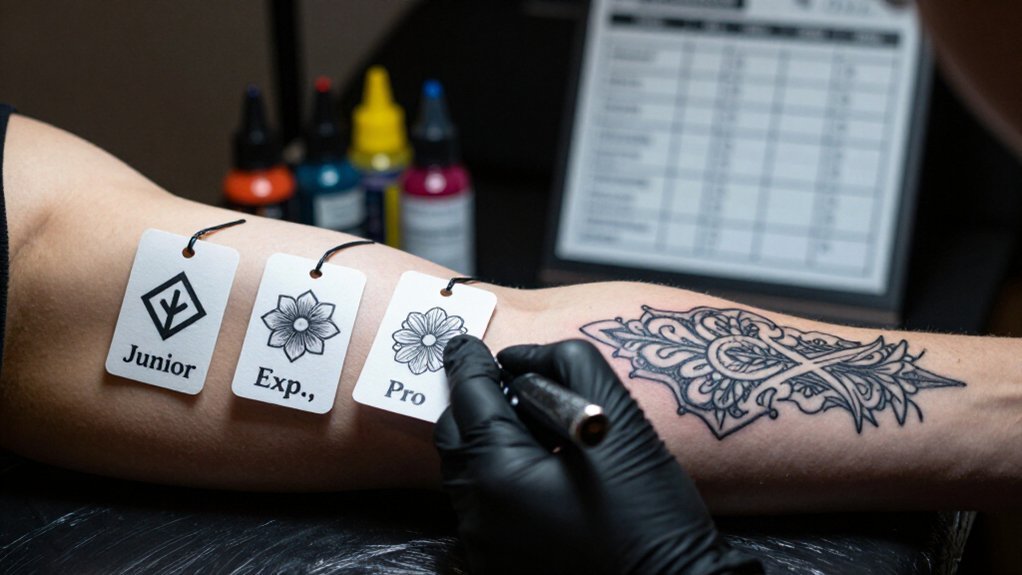
Beyond complexity and placement, the person holding the needle shapes your final bill just as much. Tattoo artists charge hourly rates tied directly to artist’s experience, and this tier drives Cost by Size more than you might expect.
Junior artists typically run $50–$130 per hour, while experienced artists hit $150–$300, and Pro tattoo pricing lands at $300–$500 or higher. A small piece from a junior might cost $100–$200, but that same design from a pro could triple. Medium tattoos and Sleeve Tattoos amplify this gap. An 8×5″ piece packed with detail runs $800–$1,000 with a junior, $1,200–$1,600 experienced, and $2,000–$2,500 for a pro in one session. Shop minimums apply, but skill tier remains your primary price multiplier.
Recommended Products
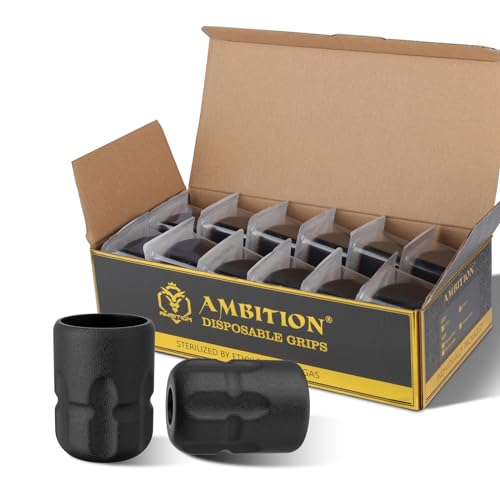
Material:Ambition disposable handle the inside material of the grip is high strength plastic which is not easily deformed. The outside is textured nonslip TPR(thermo plastic rubber) which is safety and environmental protection, soft to touch and comfortable to hold. Each grip is made by injection molding to ensure that there are no gaps between the outside rubber and the inside plastic and will not fall off.Tattoo artists can work with confidence.
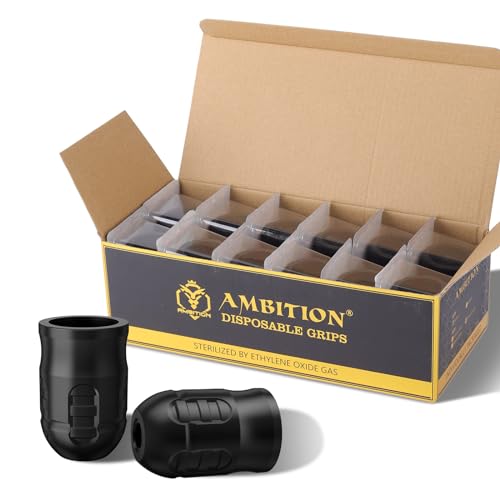
Material:Ambition disposable handle the inside material of the grip is high strength plastic which is not easily deformed.The outside is textured nonslip TPR(thermo plastic rubber) which is environmental protection,soft to touch and comfortable to hold.Each grip is made by injection molding to ensure that there are no gaps between the outside rubber and the inside plastic and will not fall off.Tattoo artists can work with confidence.

Material:Ambition disposable handle the inside material of the grip is high strength plastic which is not easily deformed. The outside is textured nonslip TPR(thermo plastic rubber) which is safety and environmental protection, soft to touch and comfortable to hold. Each grip is made by injection molding to ensure that there are no gaps between the outside rubber and the inside plastic and will not fall off.Tattoo artists can work with confidence.
Hourly or Flat Rate: Which Saves You Money?
Once you’ve chosen your artist and settled on a size, you’ll face another decision: how you pay for the work itself. You’ll need to understand how tattoos are priced, because this choice shapes how much a tattoo costs you in the end.
- Picture a small heart on your wrist, done in twenty minutes for a flat fee that beats any hourly math.
- Imagine a Sleeve sprawling across your arm, where hourly tracking captures every shading layer across multiple sessions.
- Visualize a palm-sized portrait, its flat rate locking your budget while the needle hums for three straight hours.
- See yourself asking your artist directly, their recommendation clarifying whether time or total serves your specific piece better.
Small tattoos often hit shop minimums, so flat rates usually win there. For evolving custom work, hourly pricing can protect you. Always request a clear scope to estimate your tattoo accurately.
Recommended Products

TATTOO AFTERCARE ESSENTIAL: Hustle Butter is the original tattoo aftercare balm for new and older tattoos. With over 10 years in the market, we are a pioneer of the tattoo aftercare category.

TATTOO AFTERCARE ESSENTIAL: Hustle Butter is the original tattoo aftercare balm for new and older tattoos. With over 10 years in the market, we are a pioneer of the tattoo aftercare category.

COMPLETE AFTERCARE KIT FOR NEW & EXISTING TATTOOS: This Tattoo Aftercare Kit brings together 3 essentials, Antimicrobial Soap, Tattoo Balm, and Tattoo Lotion, to help cleanse, protect, and moisturize fresh ink. Useful after tattoo sessions and throughout healing, it supports vibrant color and skin comfort for dedicated ink enthusiasts and artists
Lock In Your Price: Consultations, Deposits & Final Quotes
After you settle on an artist and pricing method, you’ll need to lock down the actual numbers. Consultations let you discuss size, detail, and placement so you understand how tattoo pricing works before committing.
Consultations help you lock down pricing by discussing size, detail, and placement before committing to your tattoo.
Most shops require deposits to secure your appointment and confirm design scope. These deposits, usually $50–$200, typically apply toward your final tattoo cost.
Final quotes depend on measured size plus factors like detail level, color versus black and gray, and placement difficulty. If the stencil changes, your price can shift. Many artists quote hourly for larger pieces because session length varies.
Always ask what your quote includes: setup fees, hourly rates, and shop minimums. Most reputable studios set shop minimums at $100–$200. Use this time to confirm whether color adds 20–40% to your total and if touch-ups are included.
Recommended Products
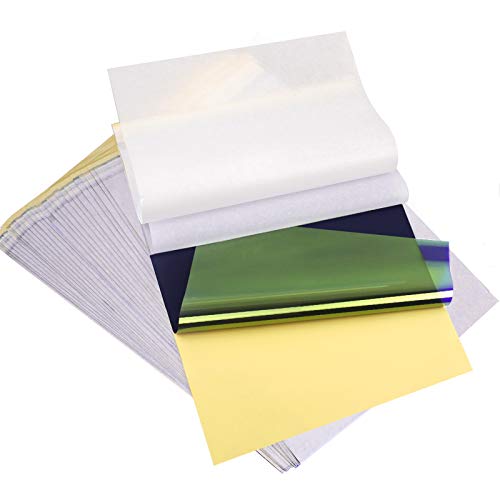
ADVANCED MATERIAL: Tattoo transfer paper is made with the high quality dyes and stencil paper. Transfer marks are very clear, clean and smooth. Tattoo transfer paper kit come with 35 sheets. Great for tattooing, trace and transfer images onto the body.<br>

Warm Tips: The tattoo transfer paper need to work with transfer medias.You will need to purchase the stencil ointment separately. Apply the design made on the master paper. Please pay attention to press the back side of the pattern to the skin for at least 3 seconds
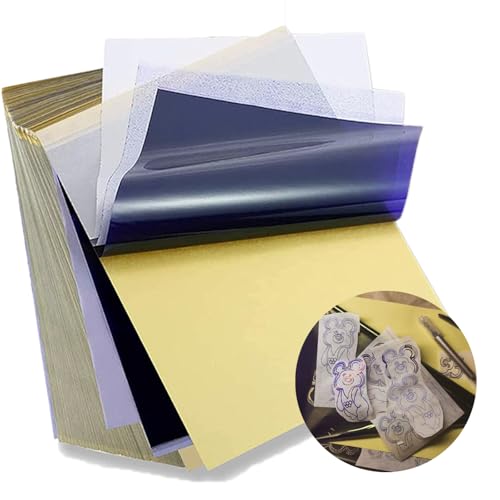
Standard size: Tattoo Transfer Paper is standard A4 paper size, each measures 8.27 in X 11.69 in. There are 4 levels in total. The thickness of the paper is very light and smooth to the touch.