
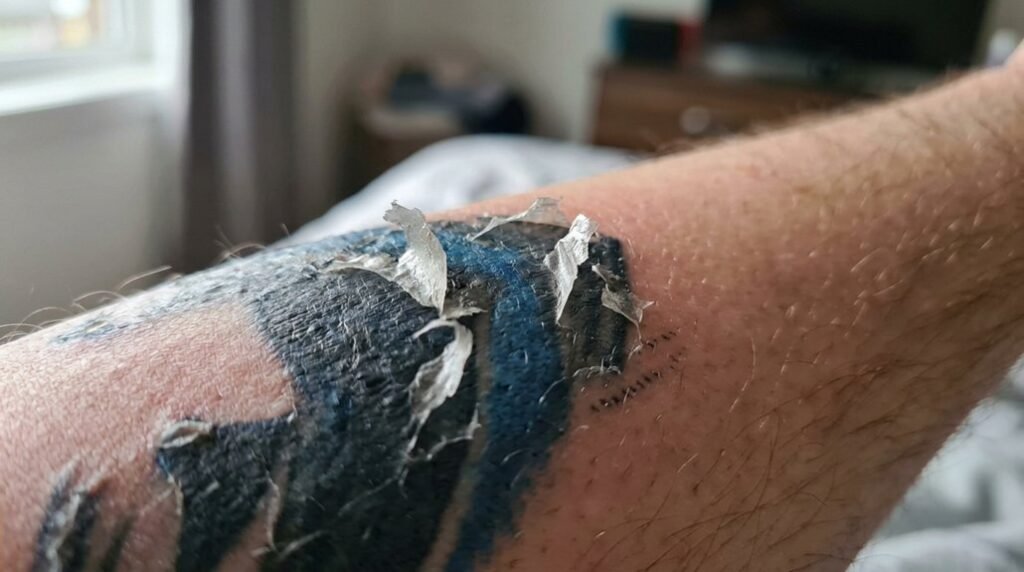
You’ve just uncovered your fresh tattoo, and now it’s flaking like sunburned skin. Don’t panic—this is exactly what your body should be doing. But there’s a fine line between normal shedding and a problem worth calling your artist about. You might wonder if you’re ruining the ink every time you move. The truth isn’t as simple as you’d hope.
Key Takeaways
- Peeling is a normal part of healing as skin regenerates and pushes damaged cells to the surface.
- Light flaking for three to seven days indicates proper immune response, not permanent ink loss.
- Picking or scratching flakes risks infection, scarring, and patchy, faded tattoo damage.
- Translucent or whitish flakes signal healthy healing; dark flakes contain trapped plasma and excess ink.
- Moisturize lightly with fragrance-free lotion to prevent over-hydration and allow skin to breathe.
Recommended Products

16-fluid ounce bottle of Lubriderm Fragrance Free Daily Moisture Lotion + Pro-Ceramide, Shea Butter and Glycerin to help restore skin's moisture barrier for healthier-looking skin

Protect Your Body Art: Moisturizing with the bonus of itch relief! Tattoo Goo's Tattoo Care Lotion soothes healing skin & keeps healed ink looking sharp for life. With olive oil & glycerin, it delivers deep, breathable hydration that won’t clog pores

TATTOO AFTERCARE LOTION: After Inked Tattoo Lotion brings hydration and nourishment to your tattooed skin. Formulated with grape seed oil, which helps maintain vibrant ink colors while pacifying the skin and promoting moisture retention.
Why Your Tattoo Is Peeling: and Why That’s Good News
Why is your tattoo suddenly shedding like a snake? You’re witnessing your body’s remarkable healing process in action. When your artist worked on you, they broke your skin thousands of times per minute, depositing ink deep into your dermis. Your immune system immediately recognized this as an injury and sprang into action.
You’re peeling because your skin is regenerating itself. New layers are forming beneath, pushing damaged cells to the surface. Those flakes contain excess ink, plasma, and dead skin—your body is essentially shedding the aftermath of its repair work. This means you’re healing properly, not falling apart.
Don’t panic when you see color in the shed skin. You’re not losing your tattoo; you’re losing temporary debris. Embrace this phase. It signals that your immune response is doing exactly what it should, building a permanent home for your artwork.
Recommended Products

STICK APPLICATION, ZERO MESS: Twist up the tattoo balm stick, swipe directly over the tattoo, and blend as needed. No jar to open, no fingers scooping product, and no need to carry a separate applicator. The solid stick format is easy to keep in a bag, bathroom cabinet or travel kit, making care simple at home or on the go. It gives you controlled application exactly where you want moisture, with less mess than traditional balm jars. Great for quick touch-ups whenever tattooed skin feels like it needs extra care, at home, after work or while traveling.

Nourishes Healing Ink for Vibrant Color: Tattoo Goo supports healing tattoos & maintains vibrancy on healed ink with a lightweight formula rich in olive oil, lavender oil, cocoa butter, and beeswax. It absorbs quickly, moisturizes deeply, and helps reduce dryness, itch and tightness so your tattoo looks and feels comfortable through everyday routines

Nourishes Healing Ink for Vibrant Color: Tattoo Goo supports healing tattoos & maintains vibrancy on healed ink with a lightweight formula rich in olive oil, lavender oil, cocoa butter, and beeswax. It absorbs quickly, moisturizes deeply, and helps reduce dryness, itch and tightness so your tattoo looks and feels comfortable through everyday routines
How Much Peeling Is Normal vs. a Sign to Call Your Artist
How much shedding should you actually expect before you start worrying? You’ll typically notice light flaking—similar to sunburn—for about three to seven days. Small, translucent pieces falling away signal normal healing. You’re on track.
You must call your artist when large scabs form, when you see thick yellow or green crust, or when redness spreads rather than fading. These warn of infection or allergic reaction. You should also reach out if peeling extends beyond two weeks, or if you notice pus, foul odor, or heat radiating from the skin.
Aggressive scratching or picking accelerates damage, so resist that urge. Trust your instincts: mild, dry peeling heals naturally; anything moist, painful, or excessive demands professional eyes. Your artist knows your specific ink and technique best.
Recommended Products

CLEAN, VEGAN TATTOO BALM — Inked Yeti is made with petroleum-free ingredients you can feel good about. No harsh chemicals, no junk — just clean tattoo care for people who take their ink seriously.

LIGHTWEIGHT & FAST-ABSORBING FORMULA: Ditch the heavy, sticky ointments. This non-greasy tattoo lotion glides on smoothly and absorbs instantly without staining your clothes. Experience breathable hydration that leaves your skin feeling exceptionally soft and comfortable all day.

Tattoo Salve is a potent herbal healing ointment balm that helps new tattoos heal faster, provides itch relief, protects the skin and moisturizes older ink.
Can Peeling Actually Ruin Your Tattoo? (The Real Risk)
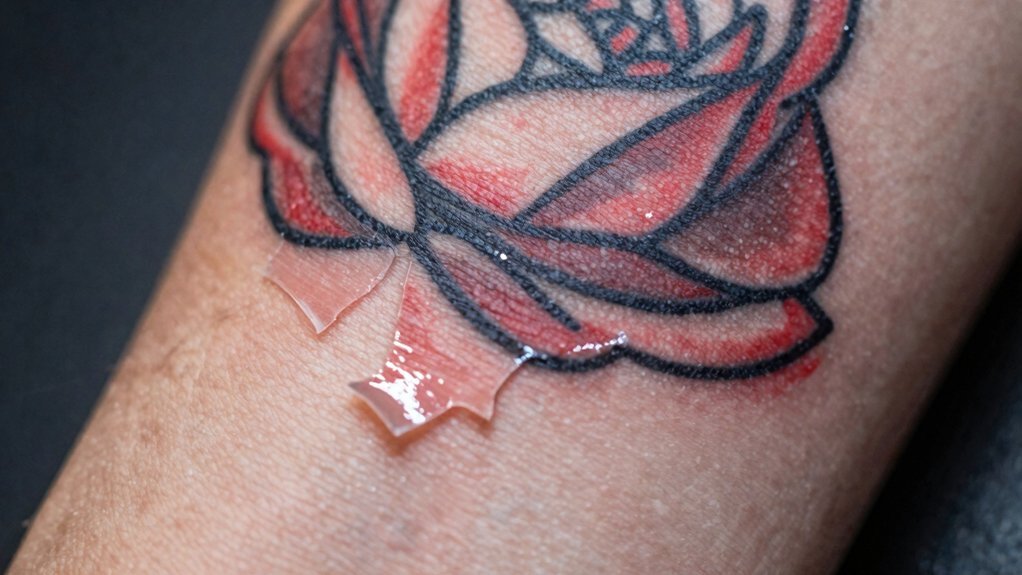
Where exactly does peeling leave your ink? You’ll find it sitting safely beneath your living skin, untouched by the surface shedding you’re witnessing.
The peeling itself won’t ruin your tattoo. What damages it lives in your hands. When you pick, scratch, or peel those flakes before they’re ready, you pull pigment up with them. You create patchy spots, scars, and faded lines where ink should’ve settled.
Keep your hands off. Let the skin shed on its own schedule. Moisturize lightly, wear loose clothing, and trust the process. The real risk isn’t the peeling—it’s your impatience.
Infections pose another threat. If you dig at peeling skin with dirty fingers, you introduce bacteria. You’ll turn a normal heal into a nightmare. Stay clean, stay hands-off, and your ink stays intact.
Recommended Products

Gentle, Deep Cleansing: Tattoo Goo Foaming Cleansing Soap for tattoos and piercings helps remove impurities and clean the inked or pierced areas at a deep level by removing dirt, dead skin cells, and killing germs without damaging the skin

GENTLY CLEANSES NEW TATTOOS - Use Repair Tattoo Wash during the healing process to keep your fresh tattoo ink clean or as a perfect prep wash before and after tattooing.

ESSENTIAL AFTERCARE FOR TATTOOS & PIERCINGS: After Inked Aftercare Foam Cleanser is designed to gently cleanse and remove dirt from tattoos, piercings, and body modifications. It provides an effective yet soothing clean without causing skin irritation or dryness.
What Tattoo Flake Colors Tell You About Your Healing
What exactly are you staring at when those flakes start dropping off your fresh ink?
You’ll notice translucent or whitish flakes first—this signals healthy healing. Your skin sheds dead cells carrying excess pigment, revealing vibrant color underneath. You’re watching your tattoo settle in.
Spot dark flakes, and you’re seeing scabs forming. These contain trapped plasma and ink, and you mustn’t pick them. Dark flakes mean you’ve dried out too much or your artist worked the skin heavily. Scale back your moisturizer slightly and let gravity do the work.
Yellow-tinged flakes raise flags. You’re oozing lymph fluid that dried into crust. Clean gently, monitor for warmth, and watch for infection spreading beyond the tattooed area.
Red or pink flakes mean fresh skin exposed too early. You’re peeling before ready—ease up on friction and movement across that spot.
Recommended Products

TATTOO AFTERCARE ESSENTIAL: Hustle Butter is the original tattoo aftercare balm for new and older tattoos. With over 10 years in the market, we are a pioneer of the tattoo aftercare category.

COMPLETE AFTERCARE KIT FOR NEW & EXISTING TATTOOS: This Tattoo Aftercare Kit brings together 3 essentials, Antimicrobial Soap, Tattoo Balm, and Tattoo Lotion, to help cleanse, protect, and moisturize fresh ink. Useful after tattoo sessions and throughout healing, it supports vibrant color and skin comfort for dedicated ink enthusiasts and artists

FRAGRANCE FREE TATTOO AFTERCARE FOR SENSITIVE SKIN - The same #1 artist recommended Hustle Butter formula, now with no added fragrance, dyes, or parabens. The unscented tattoo lotion of choice for sensitive or easily irritated skin.
The Moisture Balance: Hydrate Without Drowning Your Peeling Ink
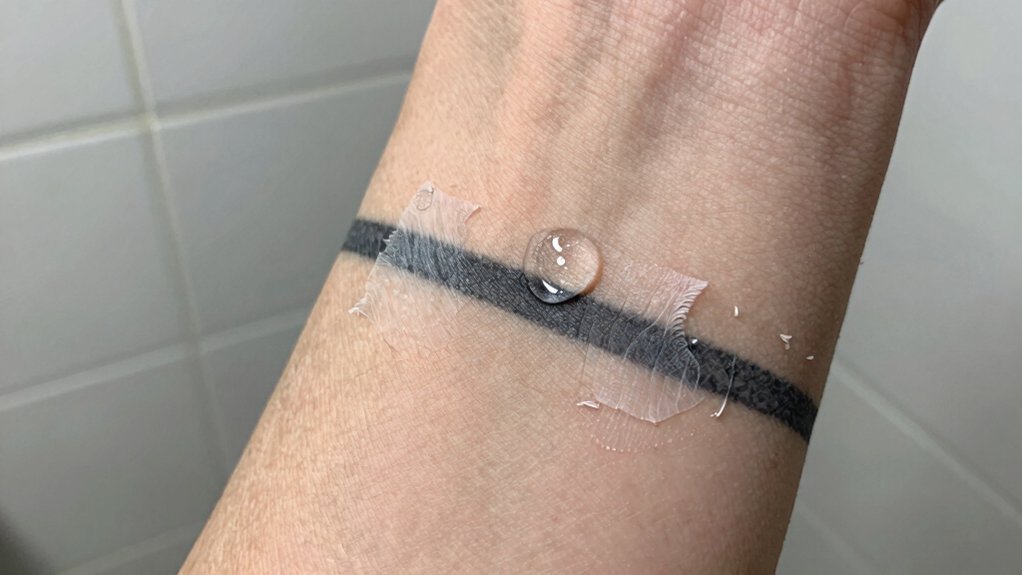
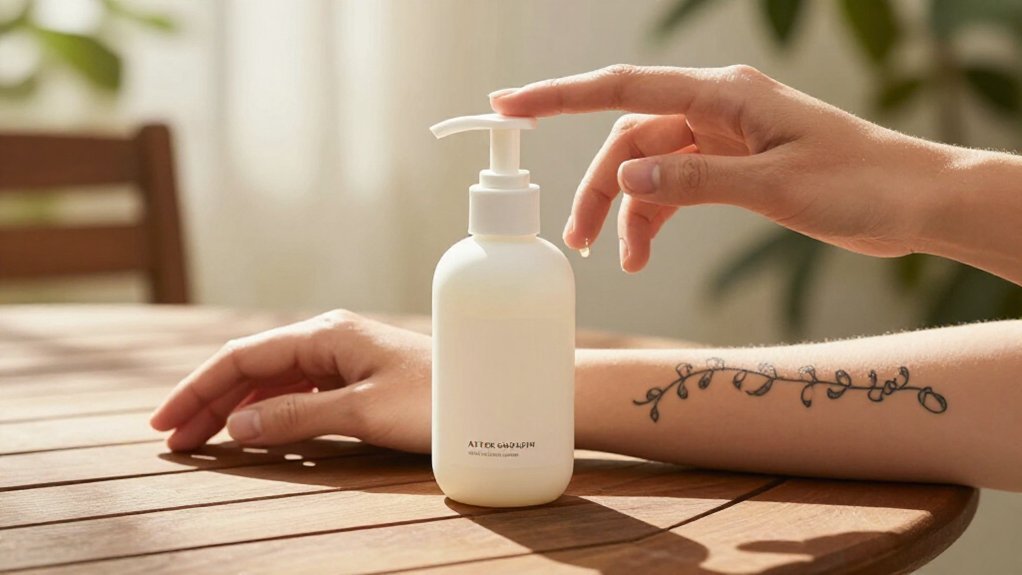
When exactly should you stop smearing ointment on that peeling patch? You’ll switch to a thin layer of fragrance-free lotion once the initial healing phase ends—typically three to five days in.
Your peeling ink needs moisture, but you’re walking a tightrope here.
Over-hydrating traps bacteria and suffocates your skin. Under-hydrating leaves you itchy, vulnerable to scratches, and prone to scabbing. You want that skin supple, not soggy.
Apply lotion twice daily, or whenever tightness strikes. Let your tattoo breathe between applications. If you’re seeing glossy film or white bumps, you’re drowning it—cut back immediately.
Judge by touch, not by calendar. Your body signals what it needs. Trust the process, resist the urge to over-treat, and you’ll protect that ink without causing damage.
Recommended Products

Deep Hydrating Body Lotion: This 48 hour cocoa butter moisturizing body lotion is fragrance free and provides deep, soothing hydration for all skin types, from normal to dry to eczema prone skin

NATURAL AND UNSCENTED FORMULA – Saniderm’s Original Tattoo Aftercare Balm is made using natural ingredients like beeswax, shea nut butter, and sea buckthorn oil. Unlike other common ointments and tattoo balms, Saniderm’s fragrance-free Tattoo Aftercare Balm is also petroleum-free so it won’t suffocate the skin while your tattoo heals.

POWERFUL NATURAL INGREDIENTS – Enriched with 82 trace Red Sea salt minerals and vitamins, this nourishing tattoo lotion moisturizes tattooed skin with hydration and vibrant-looking color in a gentle, water-based, fragrance-free formula. Perfect as an after inked tattoo lotion for both new and older tattoos.
What to Do When Flakes Catch on Your Clothes (And What to Never Do)
Your lotion’s working, your skin’s breathing—and then you pull on a shirt and feel it: a flake snagging on fabric, hanging on by a thread of drying ink. Stop. Breathe. Don’t pull.
You dampen the spot with lukewarm water. You let the fabric release naturally. You pat dry, never rub.
You wear loose, breathable layers from now on. Dark colors hide stray flakes; soft cotton beats stiff denim.
You never pick. You never scratch. You never let a caught flake become a ripped scab. You don’t soak the area or blast it with hot water. You don’t re-stick the piece with tape or adhesive bandages pulling fresh skin away.
You protect what’s healing. You wait. The ink stays if you’ll let it.
Recommended Products
PROTECT & SOOTHE: Condition & protect your tattoos to keep ink looking bold & vibrant. Soothing, nourishing tattoo care softens fresh tattooed skin, calms redness & irritation, and promotes healing

Tattoo Salve is a potent herbal healing ointment balm that helps new tattoos heal faster, provides itch relief, protects the skin and moisturizes older ink.

[ Natural Ingredients ] — Our all-natural after tattoo care butter is petroleum and paraben free. Bela tattoo post care is made from only the finest ingredients, including Shea Butter, Olive Oil, Panthenol, Tocopherol, Grape Seed Oil, Lavender Oil, Aloe Vera Extract, Coconut Oil, Camellia Japonica Seed Oil, Bisabolol, and Sunflower Oil. Great tattoo aftercare ointment.
How Long Peeling Lasts and What Comes Next
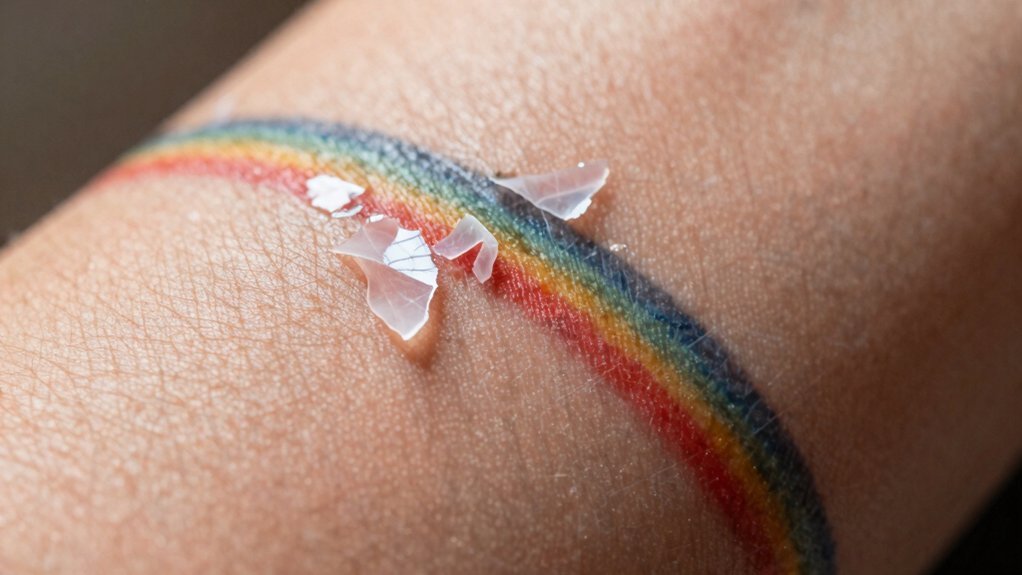
Peeling typically lasts three to seven days, though thicker linework or color-packed areas can stretch closer to two weeks. You’ll notice the flakes getting smaller and less frequent as your skin settles. Don’t panic if some spots peel faster than others; that’s completely normal.
After the peeling stops, your tattoo enters a settling phase. Your skin might look slightly dull or cloudy for another week or two. This happens because the top layer has healed, but deeper layers are still repairing. You’ll want to keep moisturizing and protecting the area from sun exposure during this time.
Once this phase passes, your tattoo’s true colors emerge more vibrantly. You’ve reached fully healed skin when there’s no more flaking, itching, or sensitivity. Continue using sunscreen to preserve your ink’s brightness for years.
Recommended Products

OPTIMIZED AFTERCARE FOR NEW TATTOOS AND PIERCINGS: Designed to support skin during the healing phase, this tattoo aftercare gel helps maintain hydration and comfort for new tattoos and piercings without feeling heavy or occlusive.
Protect your Body Art: Getting inked takes a toll on your skin. What you lose in moisture, we give right back. Our formula mimics your skin’s natural hydration so it absorbs fast, works harder, and helps your skin recover faster

VEGAN FORMULA CLEAN INGREDIENTS: Tattoo Moisturizer Supports Aftercare Without Petroleum or Synthetic Additives. Nourishing Blend Moisturizes Skin and Helps Soothe Irritated Inked Areas. Gentle Texture Safe for All Skin Types Including Sensitive Areas
Conclusion
Peeling’s your skin’s way of healing, and you’re doing fine if you resist the urge to pick. Keep it lightly moisturized, watch for warning signs, and trust the process. In about a week, you’ll move past the flake phase to reveal vibrant, settled ink beneath. Your patience now protects your art for years.
Recommended Products

Foaming Tattoo Soap: Great for in-process and post-tattoo and piercing care. Keeps new tattoos & piercings clean during the healing process.

GREAT FOR NEW TATTOOS - H2Ocean Blue Green Foam Soap cleanses skin on and around new tattoos and the addition of aloe vera aids the healing process.

GREAT FOR NEW TATTOOS - H2Ocean Blue Green Foam Soap cleanses skin on and around new tattoos and the addition of aloe vera aids the healing process.