
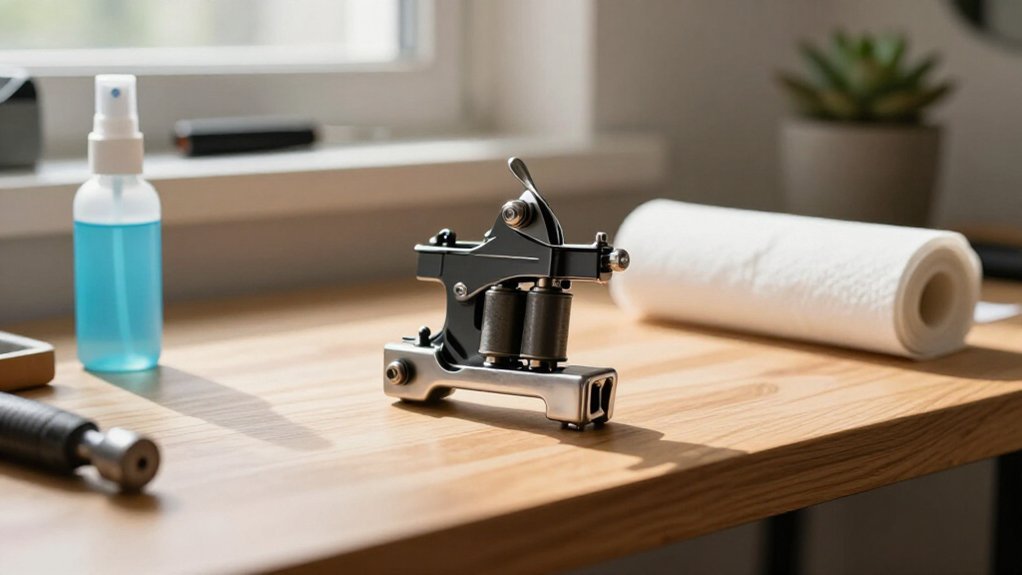
You walk into your shop on a Monday morning, and your coil machine sputters mid-lining. A client is waiting.
Your backup is already lent out. Maintaining tattoo equipment isn’t glamorous work, but it’s what separates steady income from costly shutdowns.
You’ll need to track expenses you haven’t even named yet.
Tattoo Machine Maintenance: What to Clean, Replace, and When
Why does your machine falter mid-session? You likely skipped routine maintenance on your tattoo machine. Regular upkeep keeps your tattoo equipment running smoothly, and you’ll spend $25–$100 per machine annually.
What to Clean and When
Clean your machine after every use. Wipe down surfaces, remove ink buildup, and check your Tattoo Needles for damage. Lubricate moving parts weekly with machine oil.
Parts You’ll Replace
Budget for springs, coils, and grips. Worn components strain your equipment and supplies, increasing long-term costs.
Power Supply Care
Don’t neglect your power supply. Maintenance runs $50–$150 per unit, and heavy usage accelerates wear. Schedule cleaning around your session intensity; more sessions mean more frequent checks.
Track both routine labor and occasional replacements to avoid mid-tattoo failures.
Recommended Products

[EFFICIENT CLEANING OF TATTOO NEEDLES] - The tattoo needle cleaner will rinse the tattoo needles with a large amount of water to ensure that the tattoo cartridges are rinsed within 2-3 seconds, avoiding you from mixing the colors during the tattooing process. It is a great tattoo cleaning product, more efficient than dip cup

【 Fast and Efficient 】 The Tumalab tattoo needle washer machine is equipped with a high-power motor for more stable operation , without clumps, and solve the problem of tattoo artists mixing colors

Sterilization and Disposable Supply Costs for Daily Operations
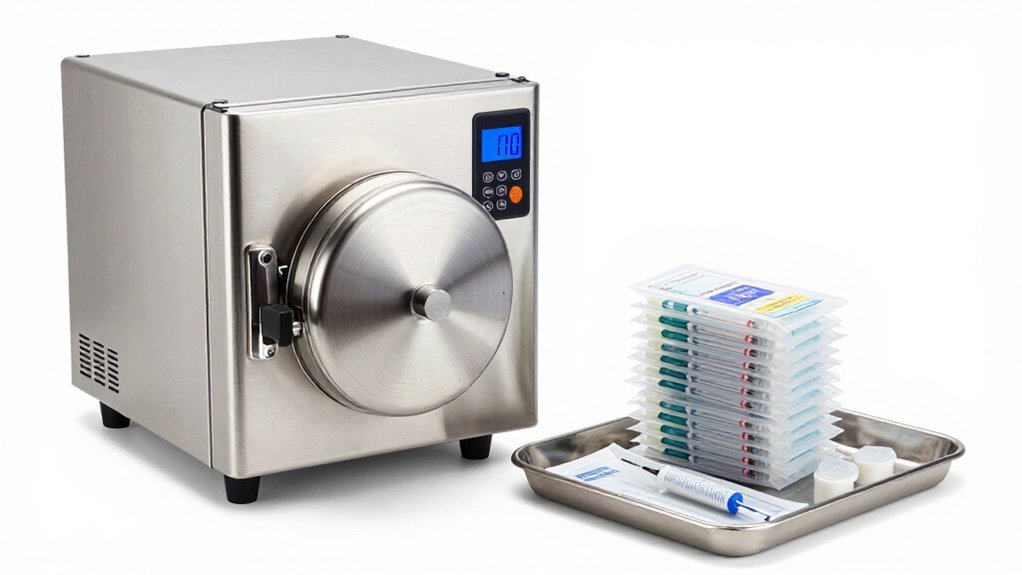
Because every client deserves a clean setup, you’ll burn through disposable supplies faster than you expect. Your daily Tattoo Supplies include nitrile gloves, barrier film, dental bibs, and disposable razors for prep work. Each session demands fresh tattoo ink in new ink caps, plus single-use needles or cartridges you discard immediately.
Because every client deserves a clean setup, you’ll burn through disposable supplies faster than you expect.
1. Budget Your Monthly Disposables
- Needles, ink caps, and hygiene materials: $50–200/month for beginners
- Green soap, surface disinfectants, and sterilization wipes: ongoing replenishment
- Insurance varies depending on your coverage, but liability plans rarely cover supply shortages
2. Build a Preventive Stock System
Track disposable items weekly. Running out mid-week spikes costs through rush shipping. Organize tattoo ink by color family to reduce waste from dried caps. Sterilization isn’t optional; it’s your professional foundation.
Recommended Products
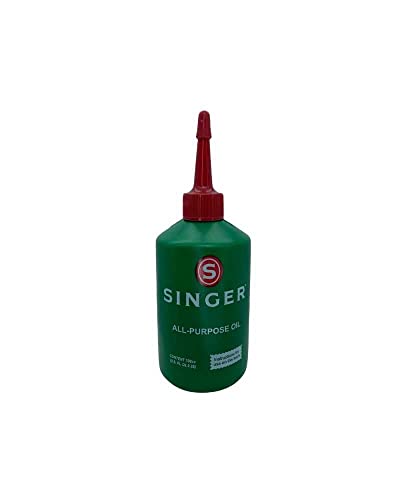

Liberty Oil comes in a 4-fluid-oz bottle with a stainless steel needle tip dispenser. Because it is premium quality 100% clear non-staning oil it easily outperforms all other oils on the market.

Liberty Oil comes in a 1-fluid-oz bottle with a stainless steel needle tip dispenser. Because it is premium quality 100% clear non-staning oil it easily outperforms all other oils on the market.
When to Repair vs. Replace Your Power Supply
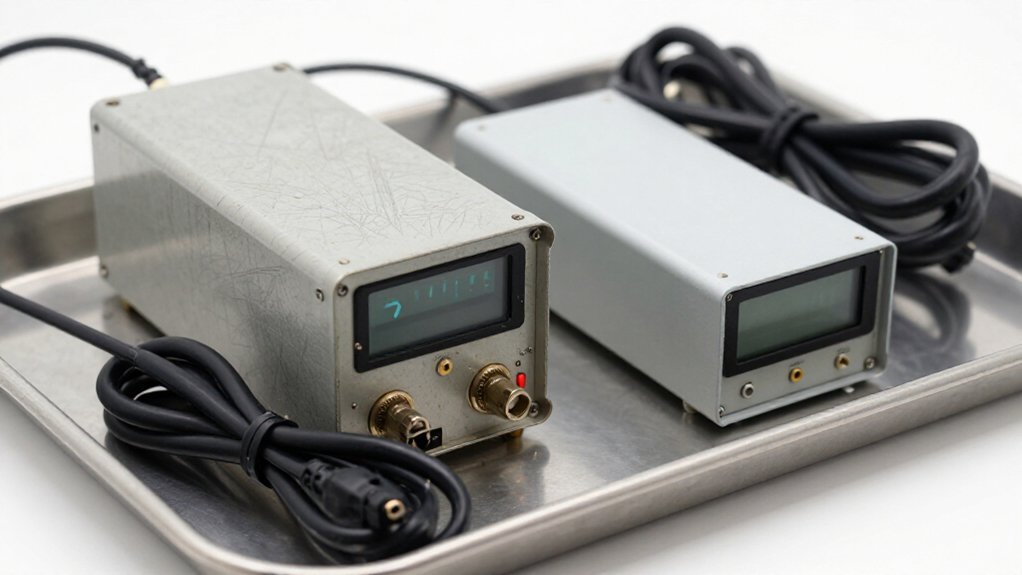
You’ll need to watch for clear signs of power supply failure, including inconsistent voltage output, overheating during sessions, or repeated service calls that drain your budget. Compare each repair quote against the typical $50–$150 maintenance range, and factor in downtime costs, because frequent fixes often exceed replacement value quickly.
Check your unit’s repairability before deciding, some manufacturers offer replaceable internal components while others require full unit swaps, so match your choice to the specific model’s design and your contingency budget.
Recommended Products

Package: 50pcs mixed tattoo cartridge needles, includes 10pcs each of 1203RL, 1205RL, 1207RL, 1209RL, 1211RL.

Poseidon cartridge adopt a one-time joint design hygienic standard The material is stainless steel and easy to color,and has better ink flow

★Cartridge Needles Sizes: 20 pcs tattoo cartridge needles include 3RL 5RL 5RM 7RM, each size has 5pcs. Those tattoo needles can be used for lining and shading, which can assist you to complete the entire tattoo work.
Signs of Failure
Power supplies rarely fail without warning, and catching early signs saves you from mid-session breakdowns. You need to watch for specific signs of failure before your liability insurance becomes relevant. If your power supply needs frequent tweaks to hold stable voltage, or you notice inconsistent performance with your rotary machine, you’re looking at early warning signs. Voltage sag, mid-session cutouts, or unstable speed output mean your tattoo machines aren’t getting reliable power.
Watch for overheating or burning smells, because these indicate serious equipment malfunction that demands immediate action. When replaceable parts become unavailable, or the same issue returns after repair, replacement proves more reliable.
Sudden electrical faults, tripped breakers, sparks, or persistent error lights signal serious failure where stopping use and replacing the unit protects you better than repeated minor repairs.
Cost Comparison Analysis
How do you decide when a repair makes sense, and when you’re throwing good money after bad? You start by running a cost comparison analysis for your tattoo equipment.
1. Calculate Your Break-Even Point
Power supply maintenance runs $50–$150 per unit, depending on the location and make. Compare that to replacement cost. If replaceable parts fix the issue, you’ll save money. If multiple parts fail quickly, replacement becomes smarter.
2. Budget for Prevention
Your shop should allocate funds for ongoing maintenance and repairs. Small, regular investments prevent catastrophic failures that demand full replacement.
3. Know Your Ceiling
Replace your power supply when repair costs approach the price of a new unit. You’re protecting long-term operating efficiency, not just fixing today’s problem.
Monthly Ink, Needle, and Cartridge Expenses
You will spend roughly $7 for a half-ounce bottle of Eternal ink. A 20-piece box of round liner cartridges runs between $13.99 and $16.99. These prices set your baseline, but your actual monthly total depends on how many clients you see and how often you switch needles. Track your usage in two-week blocks, and you will build a reliable estimate for your recurring supply costs.
Recommended Products
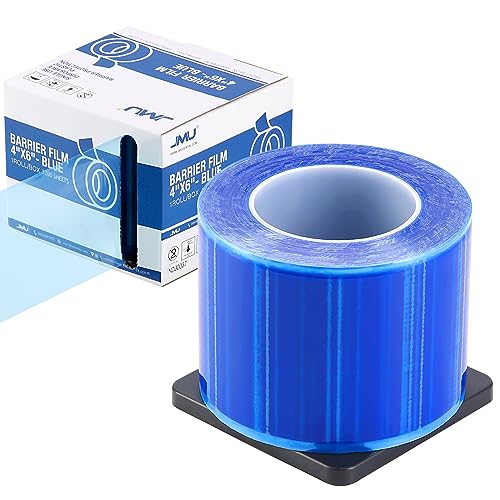
Self-adhesive Backing: Barrier film is featured with self-adhesive backing. JMU barrier film can stick firmly on surfaces of instruments or equipment to provide a protection barrier

1200 Sheets Dental Barrier Film Roll: 1200 Sheets/Roll, total 1 roll Disposable Dental Barrier Tape
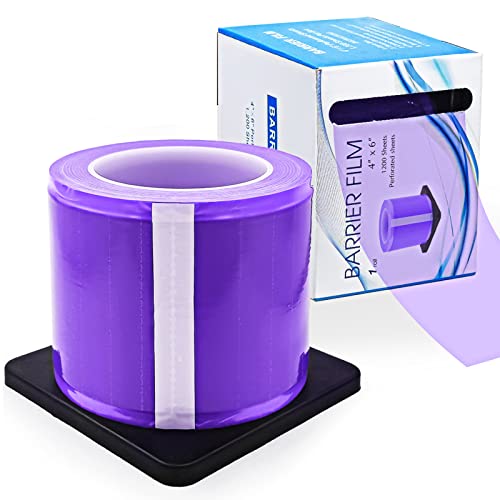
Pre-perforated Design: Adhesive barrier film is divided into 1200 sheets measuring 4" x 6" sizes, each sheet is perforated so it is particularly easy to tear, and you can easily cover items of any length.
Ink Bottle Pricing
Three core supplies drain your budget every month: ink, needles, and cartridges. Your tattoo ink costs anchor these recurring art supplies expenses, so you track them carefully.
1. Ink Bottle Costs
A 1/2 oz bottle of ETERNAL tattoo ink runs about $7.00, and this price holds steady across colors. You stock multiple bottles to maintain variety in your Equipment.
2. Essential Accessories
Fresh ink caps are required per client to prevent contamination. These small supplies add up: one example haul includes roughly $140 in ink plus $20 in ink caps. Your total Cost for ink-related materials, combined with other disposable items, contributes to monthly expenses ranging $50–$200.
You balance quality and quantity, knowing these recurring investments protect both your work and your clients’ safety.
Cartridge Box Costs
After ink, your cartridge and needle expenses form the next pillar of monthly supply costs. You will manage these recurring costs carefully to keep your operation sustainable.
1. Cartridge Box Pricing
Cartridge box supplies run $13.99–$16.99 for a 20-piece round liner set. You will factor needle count into your selections. Your tattoo needles demand regular replacement, so budget $50–$200 per month for full cartridge and consumable restocking.
2. Ink Continues alongside Cartridges
You cannot forget ink, even when prioritizing cartridges. A 1/2 oz bottle of ETERNAL brand costs about $7.00. You will need multiple colors and blacks to match client demand.
3. Tracking Small Consumables
You will also monitor ink cups and caps. These disposables add to recurring cartridge-and-needle purchasing cycles in busy tattoo shops. Estimate your usage in 2–3 week windows, then convert to monthly cost totals for reliable budgeting.
Emergency Equipment Repairs and Backup Budgeting
Because equipment failure rarely announces itself, you need a financial cushion ready before trouble strikes. Emergency equipment repairs demand immediate cash, so backup budgeting becomes essential for your survival.
1. Build Your Repair Fund
Set aside $50–$150 per power supply and $25–$100 per tattoo machine. Some power supplies need full replacement, so plan closer to $150 for worst-case scenarios.
2. Stock Critical Spares
Maintain replacement parts like springs, coils, and grips. An urgent machine issue halts appointments even when your inks and needles remain stocked.
3. Ensure Equipment Redundancy
Keep more than one machine in rotation. A starter kit offering two tattoo machines prevents single breakdowns from stopping your work.
4. Calculate Annual Reserves
Shop-level patterns show maintenance and repairs averaging ~$1,500/year, but add extra buffer for irregular urgent failures. The costs involved in downtime exceed simple part prices, so prepare accordingly.
Recommended Products

Introduction: The Dragonhawk Airfoil Tattoo Power Supply is an essential tool for professional tattoo artists. Designed with efficiency and convenience in mind, this power supply boasts a maximum output voltage of 16V and a 2A current, ensuring optimal performance for your tattoo machine.

POWER SUPPLY FOR TATTOO MACHINES: This power supply unit comes complete with 1 power cord, 1 pedal and 2 clip cords. The LCD display reads out the voltage as the machine runs and has a programmable preset function. This power supply box works with rotary tattoo machines, tattoo guns, and other types of machines. This unit comes with all the parts you need to get down to tattooing.

Dragonhawk tattoo power supply provide quick and accurate activation/voltage adjustments
Cut Long-Term Costs With Preventive Care Schedules
While emergency funds protect you from sudden breakdowns, you’ll save far more money by preventing those failures in the first place. Establish a preventive maintenance routine that tracks cleaning, lubrication, and part replacement by usage hours. Basic upkeep runs $25–$100 per machine, which beats costlier repairs later. Budget $50–$150 for periodic power-supply service too.
Your shop location doesn’t just affect cost of insurance and cost of advertising; it influences how hard your equipment works daily. Track springs, coils, and grips on your internal calendar so you replace them before they fail.
Standardize cleaning steps after every session, regardless of tattoo techniques used, and you’ll cut corrosion risks. Predictable spending beats surprise bills, protecting your bottom line without drama.
Recommended Products

【One Client, One Nozzle】Strict one-time use. Keeps each session clean when cleaning your tattoo needle.

【Ultimate Machine Protection】Made from high-elasticity rubber, this cover forms a complete seal around your machine. It effectively prevents ink from seeping into handpiece seams, switches, or grips, safeguarding your equipment from corrosion and damage for long-term reliability.

All-in-One Tattoo Studio Solution: Pre-soaked & ready-to-use, no messy mixing or squeeze bottles! Our premixed tattoo green soap formula instantly cleans ink residue, blood, and topicals during tattooing and aftercare.
Licensing and Compliance Fees That Hit Your Bottom Line
Beyond your equipment upkeep, you’ll need to factor in licensing and compliance costs, which can quietly drain $500–$4,000 from your annual budget depending on your jurisdiction and permit types. If you’re considering opening a tattoo shop, these expenses hit before you ever power on a machine.
Licensing and compliance costs can quietly drain $500–$4,000 from your annual budget before you ever power on a machine.
Professional artists must operate under licensed facilities, so your number of employees directly impacts what you need to pay. Even solo practitioners absorb shared shop compliance burdens.
Core compliance requirements include:
- Permits and renewals: Shop, state, and local licenses form your foundation.
- Health certifications: OSHA-approved bloodborne pathogen training ($25–$50), first-aid certification ($25–$50), and Hepatitis B vaccination ($60–$150 without insurance).
- Professional support: Accounting and legal services average $4,000 yearly, preventing costly regulatory mistakes.
Recommended Products
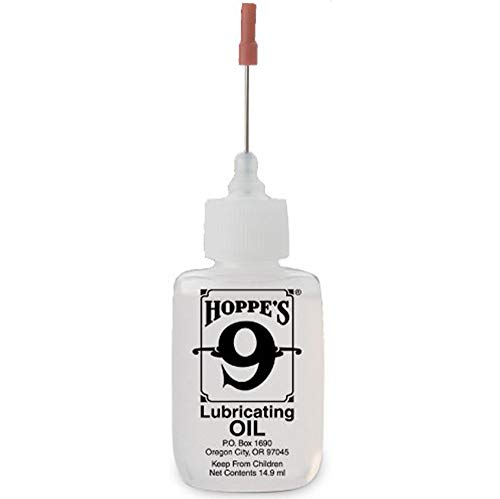
Country Of Origin : United States

✅Clear & Residue‑Free: Made with ISO VG‑10 light machine oil, this premium sewing machine oil is crystal clear, won’t stain fabric, and leaves no residue. Helps reduce sticking and annoying humming noise, keeping the needle bar, bobbin area and bearings smooth and like new for longer.

Perfect Lubrication for Textile Applications - The crystal-clear color of our sewing machine oil makes it the ideal lubricant for textile applications, effectively eliminating slow stalls and buzzing noises in your machines.
Building Your Tattoo Shop Maintenance Budget: A Monthly Framework
Once you’ve mapped your licensing obligations, you’re ready to build the monthly framework that keeps your machines running and your cash flow predictable.
1. Equipment Line Items
Budget $25–$100 per tattoo machine monthly for cleaning, lubrication, and minor parts. Add $50–$150 per power supply. Set aside wear-and-tear funds for springs, coils, and grips.
2. Insurance Protection
Include insurance in your monthly framework. Typical U.S. tattoo shop coverage runs $1,000–$3,000 annually, plus $500–$1,500 for professional liability. This protects your maintenance investment.
3. Cash Flow Planning
Plan maintenance alongside fixed overhead. Rent averages ~$3,000 per month, utilities ~$500 per month. Combine your per-equipment costs, then add a repair buffer so your budget stays stable regardless of average hourly fluctuations or marketing and advertising pushes.
The average cost of tattoo maintenance per month depends on your machine count, but this framework keeps you prepared.
Recommended Products

Complete Packaging: 50pcs mixed size tattoo cartridge needles set, includes 5pcs each of 1205RL 1207RL 1209RL 1205RS 1207RS 1209RS 1207RM 1207M1 1215M1 1215RM. The unique design of the needle can store more ink, and the sharp needle thread better completes tattoo activities, suitable for both professional tattoo artists and beginners.

Tattoo Needle Set Contains:#12 Tattoo Needle 03RL,05RL,07RL,09RL,11RL,07RM,09RM,11RM,13RM,15RM 2pcs each, we launch this experience set to meet the needs of beginners on the common tattoo needles, you can only buy a box of needles can experience 10 tattoo artist commonly used models to enrich your practice, we have enough confidence to make you fall in love with this tattoo needle!

Mast Pro purple tattoo cartridges needles have been providing with high density clear plastic body.