
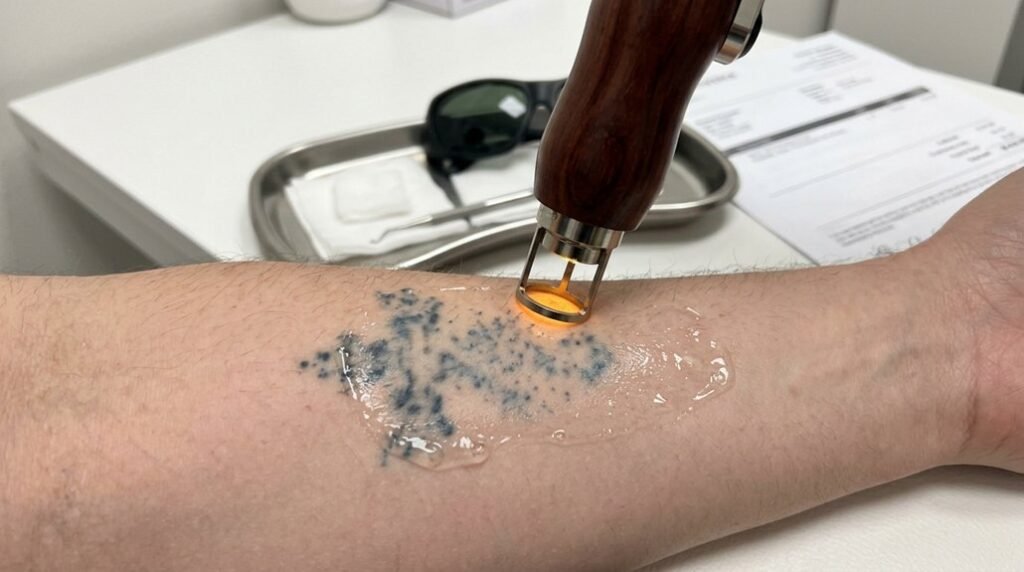
You’re looking at spending anywhere from $1,000 to over $10,000 to erase that ink, with individual sessions running $200 to $500 depending on your tattoo’s size and complexity. Most people need 6 to 12 treatments spaced weeks apart, which means you’ll invest months of time alongside the money. But the final bill depends on factors you might not expect.
Key Takeaways
- Single sessions typically cost $200–$500, with total prices ranging $1,000–$10,000+ depending on tattoo size.
- Picosecond lasers run $200–$500 per session but work faster, while nanosecond lasers cost $100–$300.
- Most tattoos require six to twelve sessions spaced six to eight weeks apart for complete removal.
- Color complexity, ink density, geographic location, and technology significantly influence final pricing.
- Extra expenses include consultations ($50–$200), aftercare products ($30–$100), and numbing creams ($20–$75).
Recommended Products

Bulk 50-Pack for Efficiency and Convenience: Save time while ensuring your clients have all the pico laser post care information they need. Our 50-Pack ensures you have an ample supply of pico laser aftercare cards on hand, ready to provide personalized pico laser care for every client.

Laser Safety Glasses Protection Scope:200 - 540nm O.D 6+ & 800 - 1100nm O.D 5+ ;transmittance 30%;

HOME USE PERSONAL CARE: Designed for home-use personal care. Intended for removal of unwanted body and facial hair.
What Tattoo Removal Actually Costs (Total Price Ranges)
How much will you actually spend to erase that ink? You’ll typically invest between $200 and $500 per session for professional laser removal. Small, simple tattoos might cost you $1,000 to $2,000 total, while larger, complex pieces can run $4,000 to $10,000 or more.
Your final bill depends on several factors. You’ll pay more for bigger tattoos, multiple colors, and dense ink saturation. Geographic location affects pricing too—practices in major cities charge premium rates. The technology matters as well; newer picosecond lasers often cost you more per session but may require fewer treatments.
Most clinics won’t guarantee complete removal, and you’ll need to budget for aftercare products too. Many providers offer package discounts if you’re paying upfront for multiple sessions.
Recommended Products
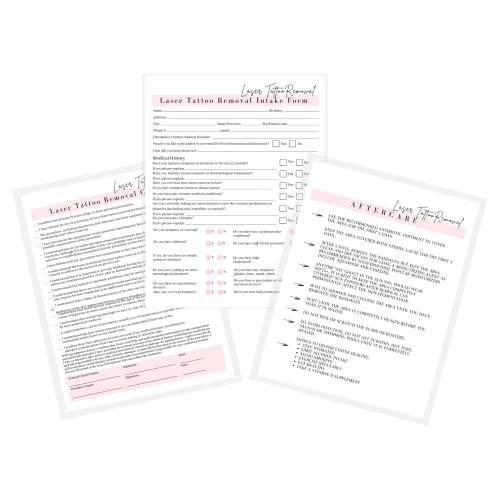
75 TOTAL PAGES consisting of 25 consent forms, 25 client intake forms, 25 aftercare pages.
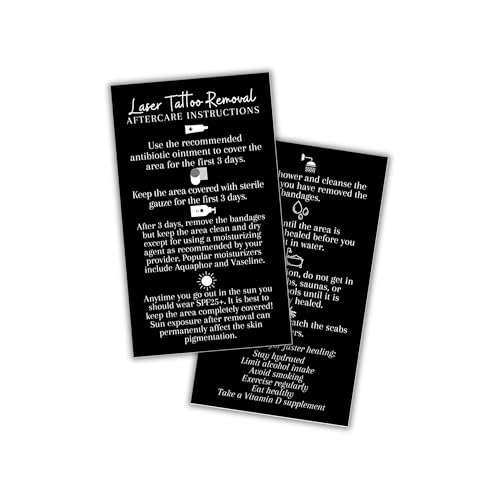
50 TOTAL CARDS printed front and back on a 2x3.5 inch inches card. 14 pt. matte card stock thickness!
PROFESSIONAL FORMULA: Quick-acting, EFFECTIVE stencil remover with Vitamin E, Panthenol, and Aloe; designed specifically for and with professional tattoo artists.
Why Tattoo Removal Takes 6 to 12 Sessions
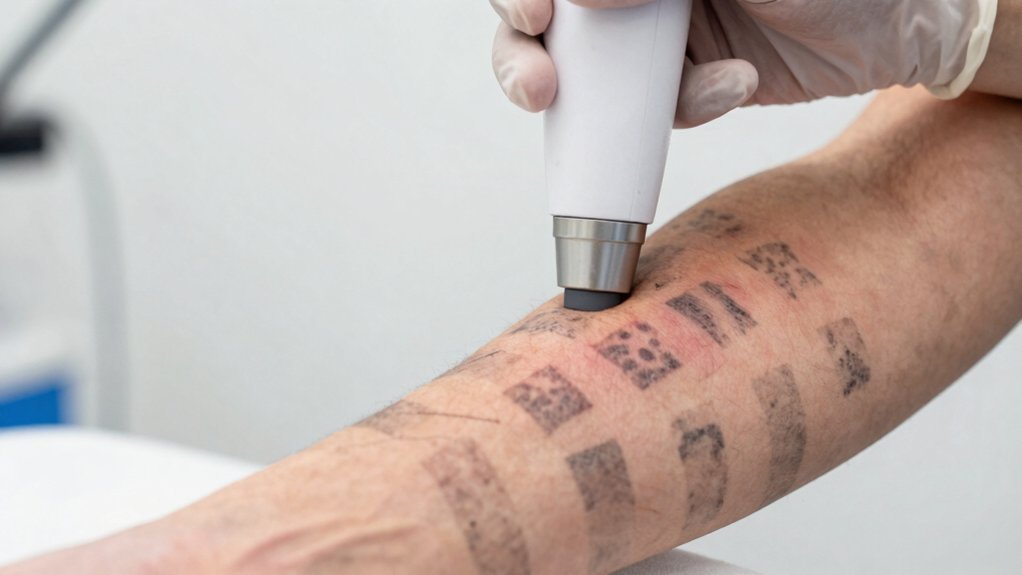
Why does erasing ink demand so many visits?
Your immune system works methodically, flushing shattered pigment particles between sessions. Each laser treatment breaks ink into smaller fragments, and your lymphatic system carries them away over weeks. You can’t rush this biological process without risking skin damage.
Your body also layers ink at varying depths. Superficial particles clear first, but deeper deposits require multiple passes. The laser targets specific wavelengths, and each color responds differently to treatment. Darker pigments absorb energy efficiently; lighter shades need specialized approaches.
Healing intervals matter. Your skin needs recovery time to regenerate and avoid scarring. Technicians space appointments six to eight weeks apart, letting you process the ink fully. Multiple sessions ensure thorough removal while preserving your skin’s integrity throughout the journey.
Recommended Products

Long-Lasting Relief, Maximum Comfort: This numbing cream delivers prolonged analgesic effects, quickly relieving itching, pain, burning sensations, and significantly reducing swelling. It effectively desensitizes the skin for a comfortable experience.
Long-Lasting Relief, Maximum Comfort: This numbing cream delivers prolonged analgesic effects, quickly relieving itching, pain, burning sensations, and significantly reducing swelling. It effectively desensitizes the skin for a comfortable experience.

Soothing Comfort Cream: Gentle cream designed to calm temporary discomfort like itching or irritation, suitable for daily use and sensitive skin.
How Size, Color, and Age Affect Your Price
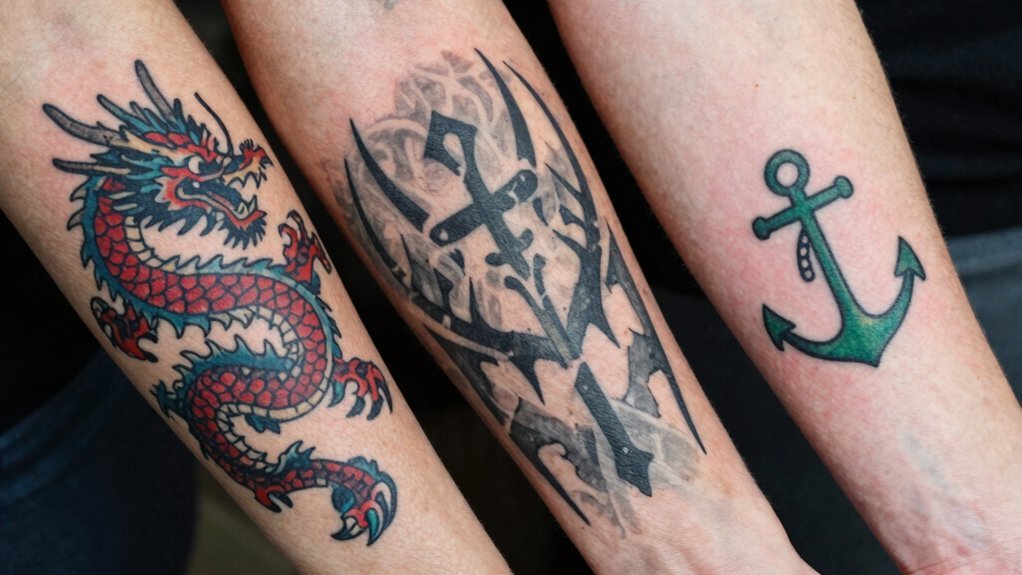
What determines your final bill? Three key factors directly shape your tattoo removal cost. Size matters most—you’ll pay more for larger pieces because they demand longer sessions and extra laser passes. A tiny wrist tattoo won’t strain your wallet like a full sleeve will.
Color complicates things further. Black ink absorbs laser light easily, so you’ll clear it faster. But blues, greens, and reds fight back harder, requiring specialized wavelengths and additional treatments. You’re looking at more sessions—and more cash—for rainbow designs.
Age works in your favor. Older tattoos have already faded naturally as your immune system slowly breaks down the ink. You’ll see faster results than someone removing fresh ink, which means fewer appointments and lower total cost. New tattoos stubbornly hold their ground, draining more from your budget.
Recommended Products

💼【Portable Professional Care】 - 50 single-use packs (5g each!) fit in pockets, gym bags, or travel kits. Never deal with messy jars! Each sealed packet locks in freshness for on-the-spot relief after workouts, flights, or tattoo sessions. Stay prepped anywhere!

COMPLETE AFTERCARE KIT FOR NEW & EXISTING TATTOOS: This Tattoo Aftercare Kit brings together 3 essentials, Antimicrobial Soap, Tattoo Balm, and Tattoo Lotion, to help cleanse, protect, and moisturize fresh ink. Useful after tattoo sessions and throughout healing, it supports vibrant color and skin comfort for dedicated ink enthusiasts and artists

【Enriched with Vitamins A & D】This tattoo scar gel is formulated with naturally derived vitamins A and D, plus skin-calming ingredients. It helps support your skin's natural recovery process while keeping the tattoo area moisturised.
Picosecond vs. Nanosecond Lasers: Technology Costs Compared
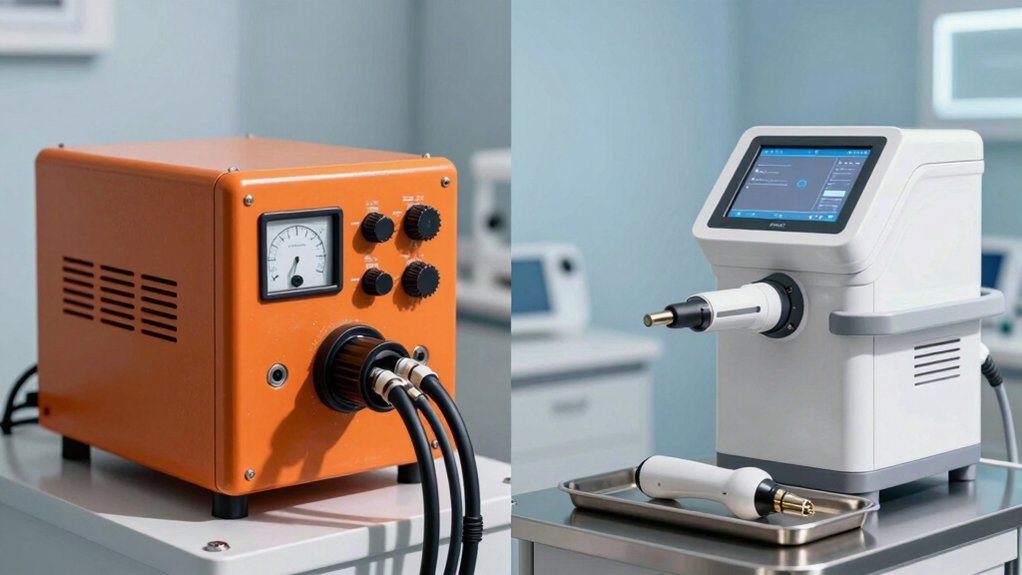
Where does your money go when you choose a laser? You pay for speed, efficiency, and fewer sessions.
Picosecond lasers fire pulses one trillionth of a second long. They shatter ink into tinier fragments than nanosecond lasers, which pulse one billionth of a second. You clear tattoos faster with picosecond technology—often cutting sessions by 30-50%. However, you’ll pay $200-500 per session versus $100-300 for nanosecond treatment.
You face a trade-off. Nanosecond lasers cost less per visit but require more appointments. Picosecond devices demand higher upfront investment from clinics, and they pass that expense to you. For stubborn blues, greens, or resistant black ink, you’ll likely need picosecond precision. For simpler older tattoos with faded blacks, nanosecond treatments suffice. You choose based on your timeline, budget, and ink complexity.
Recommended Products

Wavelength: 200nm-2000nm, broad spectrum protection, block UV, Blue, Red and Infrared Laser Light

AT-HOME IPL HAIR REMOVAL: Braun IPL hair removal is an at home laser hair removal alternative for women and men, with permanent visible hair reduction and up to 2 years free from hair*

1. Specialized Protection for Laser Tattoo Removal These laser safety glasses are engineered specifically for Laser tattoo removal, offering OD 5+ protection across 180–532nm and 900–1080nm. They function as dedicated Laser tattoo removal protective glasses, ensuring reliable eye safety during every tattoo-removal session.
City vs. Small Town: Where Tattoo Removal Costs More

How much more will you pay in Manhattan than in Montpelier? You’ll often fork over 50-100% more in major metropolitan areas. Urban clinics charge premium rates because you’re paying for prime real estate, higher staff wages, and cutting-edge equipment that rural providers can’t always afford.
You might find sessions ranging from $200-$500 in cities versus $100-$250 in smaller towns. However, you shouldn’t automatically assume cheaper equals better. Big-city practitioners typically handle more complex cases daily, which sharpens their skills. You’ll also discover more competition in dense populations, occasionally driving prices down through promotional deals.
Consider your travel costs too. If you’re driving three hours each way for “savings,” you’re burning time and gas money. Weigh convenience against expense carefully—you’ll need multiple appointments, and that commute gets old fast.
Recommended Products

Solong rotary tattoo pen is CNC-Machined by aircraft Aluminium alloy and then anodized finish.The motor is 10w made in Taiwan,low noise,strong and stable to work, no hot for...
Consultation Fees, Aftercare, and Other Hidden Charges
Why get blindsided by extra expenses when you can spot them upfront? Many clinics charge consultation fees ranging from $50 to $200, though some deduct this from your first treatment. You’ll also need aftercare products—specialized ointments, bandages, and sun protection—which add $30 to $100 per session. Ask whether follow-up visits for healing checks cost extra; some providers include them, others don’t. Numbing cream presents another surprise—clinics often charge $20 to $75 per application if they apply it, or you’ll buy it yourself. Cancellation fees sting too, especially with strict 24-to-48-hour policies. Travel costs mount if you’ve chosen a distant specialist. Finally, touch-ups for stubborn ink remnants rarely come free. You must request an itemized breakdown before committing.
Recommended Products

Efficient Stencil Removal: Tattoo Lovers Care Stencil Remover is designed to efficiently remove stencil ink from the skin, leaving a clean surface ready for tattooing. The formula works to quickly eliminate stencil marks without any residue, helping tattoo artists achieve crisp, sharp designs, ensuring smoother, clearer tattooing with results that will stand out for their precision and clarity

Professional Stencil Prep: Balm Tattoo Premium tattoo stencil remover is designed for tattoo artists, studios, and apprentices who need to adjust, clean, or reposition tattoo stencils before starting a session.
Financing Tattoo Removal: Payment Plans That Work
The total bill for tattoo removal can climb higher than expected once you factor in all the add-ons, but you don’t have to pay it all at once. Many clinics offer financing options that break your treatment into manageable monthly payments. You’ll typically find zero-interest plans for shorter terms or low-interest options that stretch across 12 to 24 months. Some providers partner with third-party lenders like CareCredit or Cherry, letting you apply online before your consultation.
You’ll want to compare terms carefully—watch for promotional rates that spike if you miss a deadline. Ask your clinic about package discounts too; paying upfront for multiple sessions often unlocks per-treatment savings. Don’t hesitate to negotiate a custom schedule that aligns with your paycheck cycle. You’re investing in yourself, so choose a plan that keeps your budget intact.
Recommended Products

LIDOCAINE 5% PAIN CREAM | Experience deep pain relief with the strongest formulation of lidocaine available OTC.
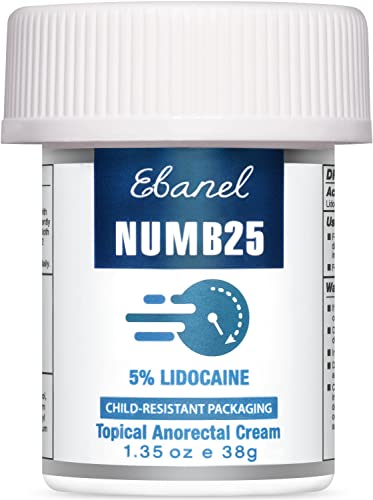
FSA HSA Eligible Over-the-Counter Medication - This topical lidocaine numb cream with Allantoin, Vitamin E, and Aloe is clinically proven to temporarily relieve pain, burning, itching, discomfort, inflammation, and soreness in local and anorectal areas
Long-Lasting Relief, Maximum Comfort: This numbing cream delivers prolonged analgesic effects, quickly relieving itching, pain, burning sensations, and significantly reducing swelling. It effectively desensitizes the skin for a comfortable experience.
Can Insurance or FSA/HSA Cover Tattoo Removal Costs?
Most people assume insurance won’t touch cosmetic procedures, and that’s usually right—but there are exceptions worth knowing about.
If your tattoo causes documented medical issues, such as severe allergic reactions or impairs function, your insurance might cover removal. You’ll need thorough documentation from your physician linking the tattoo directly to your health problem. Don’t expect approval for purely aesthetic concerns.
Your FSA or HSA offers more flexibility. Since these accounts use your pre-tax dollars, you can typically reimburse yourself for tattoo removal expenses. Check your specific plan rules first—some require a doctor’s letter stating medical necessity, while others process cosmetic claims without hassle.
You should save all receipts and consult your plan administrator beforehand. This preparation streamlines reimbursement and prevents surprises when you submit your claim.
Recommended Products

Nourishes Healing Ink for Vibrant Color: Tattoo Goo supports healing tattoos & maintains vibrancy on healed ink with a lightweight formula rich in olive oil, lavender oil, cocoa butter, and beeswax. It absorbs quickly, moisturizes deeply, and helps reduce dryness, itch and tightness so your tattoo looks and feels comfortable through everyday routines

QUICK HEALING:A&D ointment gel is rich in essential vitamins A and D,which is very important for aftercare microblading ,effectively helping to remove burns,cuts,surgical marks and the impact of marks on beauty

QUICK HEALING:A&D ointment gel is rich in essential vitamins A and D,which is very important for aftercare microblading ,effectively helping to remove burns,cuts,surgical marks and the impact of marks on beauty
Conclusion
You’re looking at $1,000–$10,000+ depending on your tattoo’s size, colors, and location, with 6–12 sessions spread across months. Don’t forget consultation fees, aftercare, and travel costs. Compare local providers, ask about financing plans, and check if your FSA or HSA helps cover expenses. Investing in quality technology and experienced professionals saves you money long-term, even if upfront costs sting a bit more.
Recommended Products

Visible Results in Just 3 Weeks: Our IPL hair removal device features the latest IPL technology to deliver visible hair reduction in just 3 weeks. With consistent use three times per week, it helps slow down hair regrowth and reveals smoother skin over time. A perfect holiday gift choice for women and men to enjoy salon-quality hair removal at home

Salon-Quality Results at Home: The Ubroo IPL laser hair removal device achieves up to 96% visible hair reduction in just 2–4 weeks with professional IPL technology. Save thousands on salon visits while effectively targeting even stubborn bikini line hair.