

You need a portfolio that shops will actually open.
Start with a physical black A4 folder, one finished design per page, printed professionally.
Include only tattoo-ready work: fully finished designs, never sketches.
Design for real skin, emphasizing placement, readability, and practical sizing.
Show range through 2, 3 distinct styles with crisp, high-contrast pieces.
Research local shops, visit professionally, and request feedback before asking about apprenticeships.
Most beginners skip step three, and it costs them every time.
Build a Physical Tattoo Portfolio That Shops Will Actually Review
Grab a black A4 folder and keep it tightly organized, one finished design per page. This creates a physical tattoo portfolio that shop owners can flip through quickly, building immediate trust in your work.
A black A4 folder, tightly organized, one design per page—physical proof that builds immediate trust with shop owners.
1. Select Your Best Work
Your tattoo portfolio needs tattoo-ready pieces only. Include fully finished tattoo designs with clear body placement, or professional flash sheets. Each artwork gets its own page with high-quality print photos and consistent cropping so designs read clearly from across the counter.
2. Get Professional Eyes on It
Have a professional tattoo artist review your portfolio before shop visits. They’ll catch presentation issues that reduce your review chances.
3. Bring It in Person
Don’t rely on phone photos or Instagram. Carry your quality portfolio to every tattoo shop. For aspiring artists seeking tattoo apprenticeship, match your physical work to shop expectations: strong linework, contrast, and transferability matter more than an online portfolio alone.
Recommended Products

Note: Notepad, paper, and pen are NOT included; the package contains only the portfolio
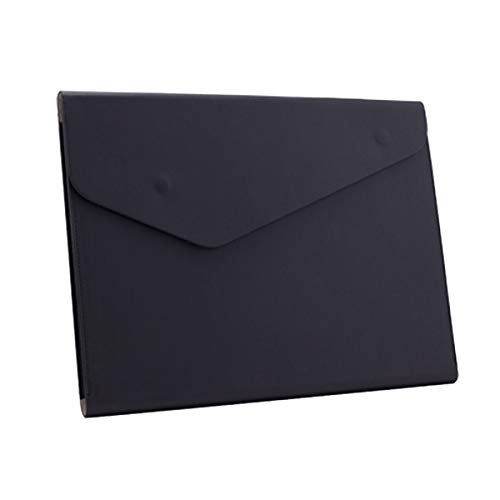
STYLISH AND ATTRACTIVE: This leather envelope folder surface made by PU leather which waterproof and easy to take in hand or in your backpack. Bright color envelope folder has a sleek fashion design style that's a great decorative compliment in your office or home.

Note: Notepad, paper, and pen are not included
Include Only 100% Finished Pieces: No Scrapbook Pages
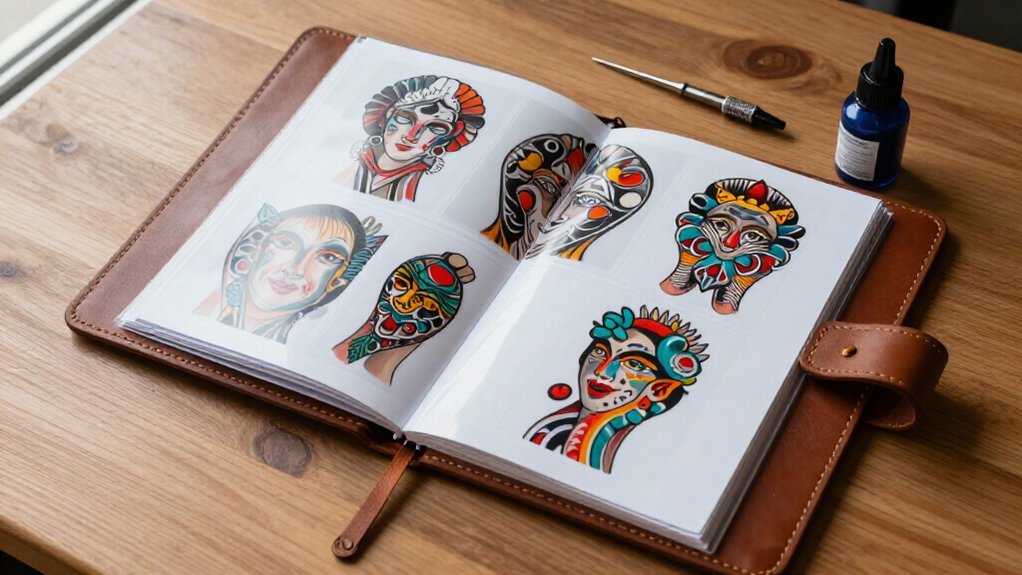
Because shop owners review dozens of portfolios weekly, they’ll reject yours immediately if they spot unfinished sketches or cluttered scrapbook pages. You need to make your portfolio shine with 100% finished pieces only.
1. Present Clean, Complete Work
Assign one artwork per page. You’ll create a portfolio that shows tattoos you have done with high-contrast designs, clear composition, and crisp line quality. Avoid scrapbook aesthetics entirely.
2. Design for Real Transfer
Every piece must work for actual skin application. Consider shape, readability, and body placement fit. Successful tattoo artist portfolios prove you understand how art becomes permanent ink.
3. Include Flash Sheets as Your Exception
Flash sheets count as finished reference sets in the tattoo business. These organized collections keep your professional website and physical book tidy while showing range.
Need a Physical Portfolio? Make sure every page contains tattoo-ready art, nothing less.
Recommended Products

Sailor Jerry Traitional American Tattoo Flash
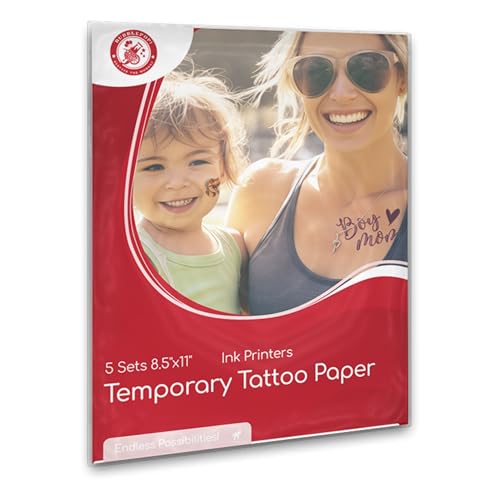
Create Custom Tattoos Easily: Design your own temporary tattoos with this printable tattoo paper for inkjet printer! Perfect for parties, cosplay, or creative fun - our blank printable temporary tattoo paper lets you print any design with ease.

🔍 Precision Industry-Standard Transfer - Engineered 4-ply stencil paper (8.25"x11.75") with high-density dyes delivers defined lines for intricate tattoo stencils. Compatible with major thermal printers for reliable tattoo transfer paper workflows.
Demonstrate Versatility Across 2–3 Tattoo Styles
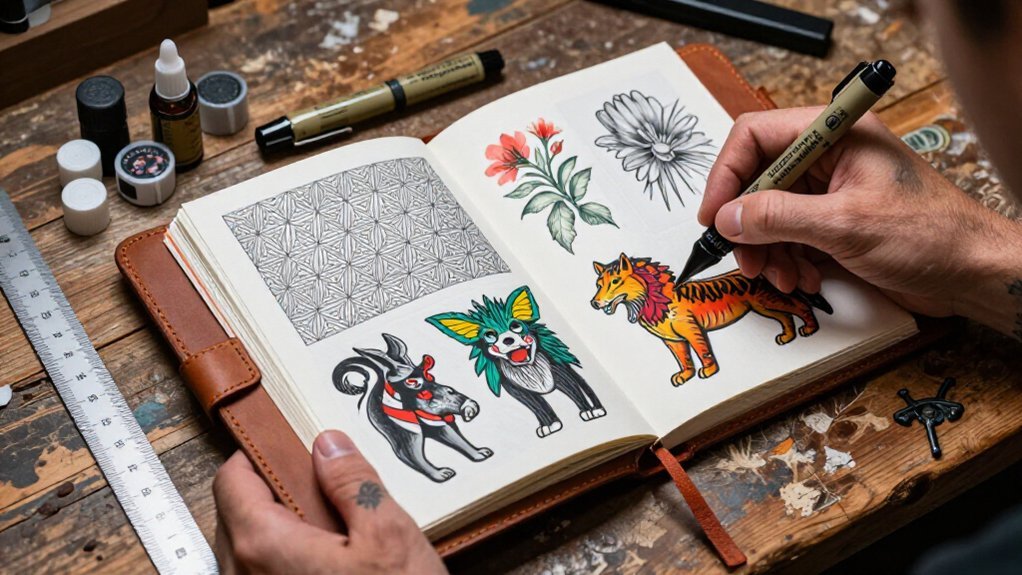
Since shop owners need to see range before they’ll trust you with clients, you’ll want to present 2–3 distinct tattoo styles that prove you can handle varied requests. Build your portfolio around black & grey realism, traditional tattoos, and one color-driven artistic style.
Show shop owners you can handle anything by mastering 2–3 distinct tattoo styles that prove your versatility from day one.
For each approach, draft multiple finished designs that are tattoo-ready, not rough sketches. Apply color theory deliberately. You’ll demonstrate mastery of different ink palettes, from smooth grayscale shading to bold, saturated hues.
Adapt to body areas by designing sleeve panels, chest compositions, and smaller ankle or hand pieces. This proves you can scale any style appropriately.
Limit each page to one concept. Clean, high-contrast shapes help reviewers scan quickly. Intentional variety across your 2–3 tattoo styles builds confidence that you’re ready to become a professional tattoo artist.
Recommended Products

BIGWASP tattoo needle cartridges (Generation 3)

VERSATILE TATTOO INK COLOR SET: Our vinrant tattoo ink color set features four shades of gray tattoo ink—Light, Light Medium, Medium Dark, and Dark. Ideal for blending and mixing, this professional tattoo ink simplifies your color palette, saving time for artists.

Research Which Styles Local Shops Actually Need
You’ve built flexibility into your portfolio, but now you need to aim it where it’ll actually get you hired. The tattoo industry rewards practical knowledge of what local shops need, not just artistic passion.
Do this research before reaching out:
Scout Instagram and Facebook pages of tattoo shops, noting which different styles get the most engagement from potential clients.
Check Google Reviews and follower counts to identify busiest shops, then observe which appointments stay booked.
Follow seasoned professionals across competing shops to spot repeating patterns in flash drops and client work.
Read captions and booking posts to track which styles locals actually request.
Build your portfolio with 2–3 proven styles local shops need, not just your favorites. This shows immediate value.
Recommended Products


You will receive all buttons pictured
Visit Shops Professionally and Request Feedback First
Once you’ve narrowed your target styles, it’s time to test them in person.
1. Prepare Your Materials
Put together a clean, professional physical portfolio, A4 or notebook size in a black folder. Include your best creative ideas, not beginner tattoo sketches you made when first starting. Check the shop’s contact page or social media to confirm their hours.
2. Plan Your Visit
Go alone, dress neatly in jeans and a shirt, and arrive around 3pm on a weekday. This avoids peak busyness and shows respect for their schedule.
3. Request Feedback, Not Jobs
Frame your ask as a portfolio review: “Hope you have a minute to tell me what you think.” This works better than asking about apprenticeships, which often triggers an immediate “No.” Keep the conversation respectful, and leave if they seem short on time.
4. Know Your Goal
You’re seeking an art check for transferability and quality, not work for free. Weigh the pros and cons of each shop’s feedback, and use it to refine your approach.
Recommended Products

Phomemo Tattoo Transfer Paper kit - Paper size: 8.27 in x 11.69 in (210 x 297 mm), Quantity: 1 Box, 100 Sheets in the box, Color: Blue. Phomemo Tattoo Transfer Paper is ideal for tattoo enthusiasts, artists and professional tattoo artists, offering reliability and consistency in tattoo stencil creation

Precision Transfers & Long Lasting: Tattoo stencil paper delivers vibrant, high-definition transfers even for intricate designs. Creates crisp, dark lines that transfer cleanly to skin (clearly on different skin tones) which are easy to follow during tattooing. The carbon layer made from high-quality dyes ensures sharp outlines without smudging or fading and maintains crisp lines visibility throughout long tattoo sessions, so you can focus on creating art instead of re-drawing lines
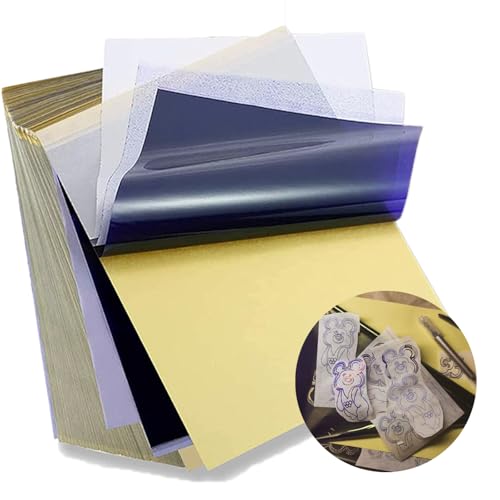
Standard size: Tattoo Transfer Paper is standard A4 paper size, each measures 8.27 in X 11.69 in. There are 4 levels in total. The thickness of the paper is very light and smooth to the touch.