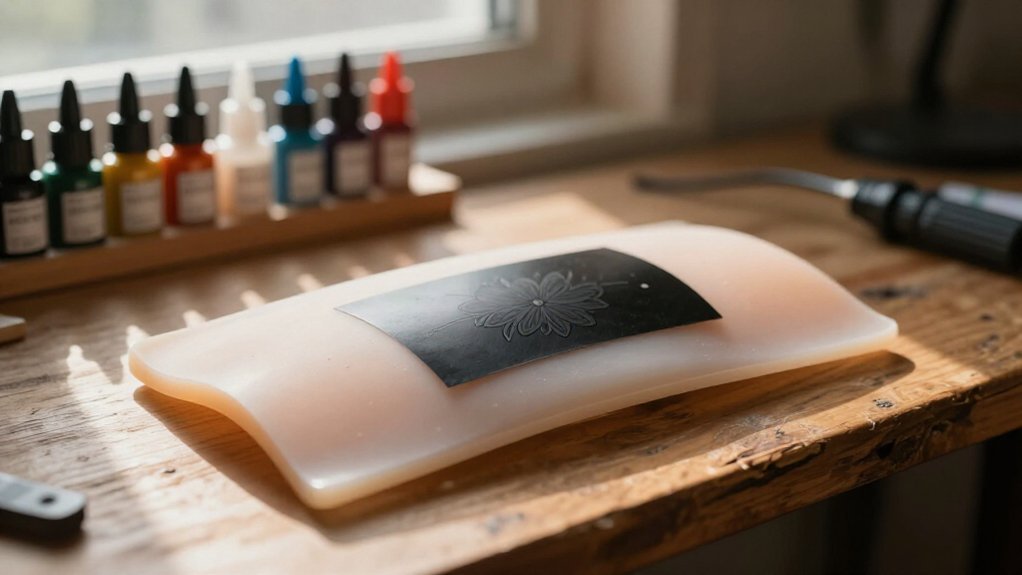

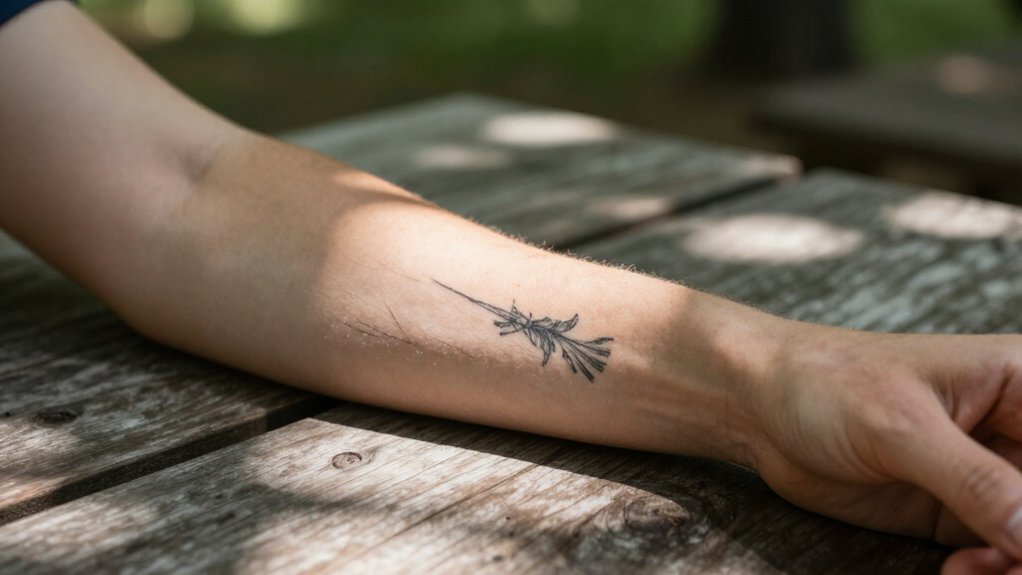
Your fresh ink shouldn’t look washed out this soon, yet here you are squinting at patchy color. Fading happens faster than most people expect, and it is rarely about the artist’s skill alone.
You are about to learn exactly why your tattoo is losing its punch, and more importantly, how you stop it from getting worse.
How Sun and UV Exposure Break Down Tattoo Ink
Why does your fresh ink already look dull? Sun exposure, specifically UVA penetration, reaches your tattoo ink in the dermis. UV rays break down pigment particles through photochemical degradation. You’re seeing tattoo fading faster than expected because unprotected skin absorbs damage continuously.
How UV Destroys Your Art
UVA penetration doesn’t stop at the surface. It triggers photochemical degradation deep where tattoo ink lives. Your pigment particles fragment, scatter light differently, and lose saturation. Red and yellow pigments fade fastest, but even black ink turns gray with repeated exposure.
Your Protection Plan
Apply sunscreen (SPF 30) daily, reapplying every two hours outdoors. Cover fresh or healed tattoos with loose, dark clothing when possible. Avoid tanning beds entirely; they accelerate fading faster than natural sun.
You’re preserving clarity through consistent, simple habits.
Recommended Products
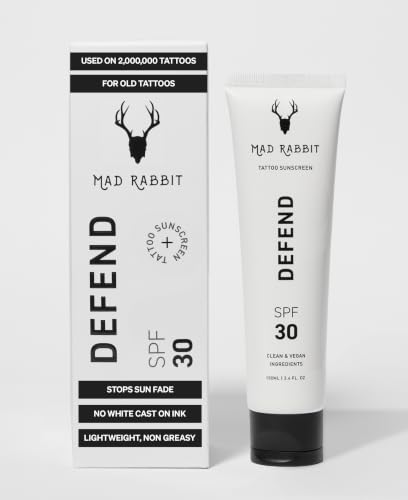
FOR ALL SKIN TYPES, INKED OR NOT - This daily, 100% mineral sunscreen works hard to protect skin and tattoos from the damage caused by exposure to harmful UVA & UVB rays.
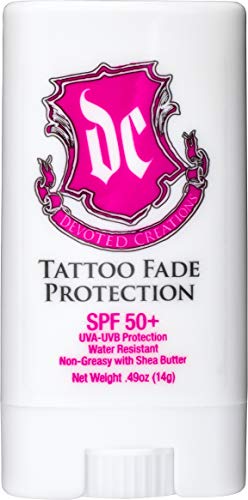

FITS ALL SKIN TYPES, - TATTOO SUNSCREEN, 100% NATURAL sunscreen works hard to protect skin and tattoos from the damage caused by exposure to harmful UVA & UVB rays.
When Bad Aftercare Ruins Ink Before It Heals
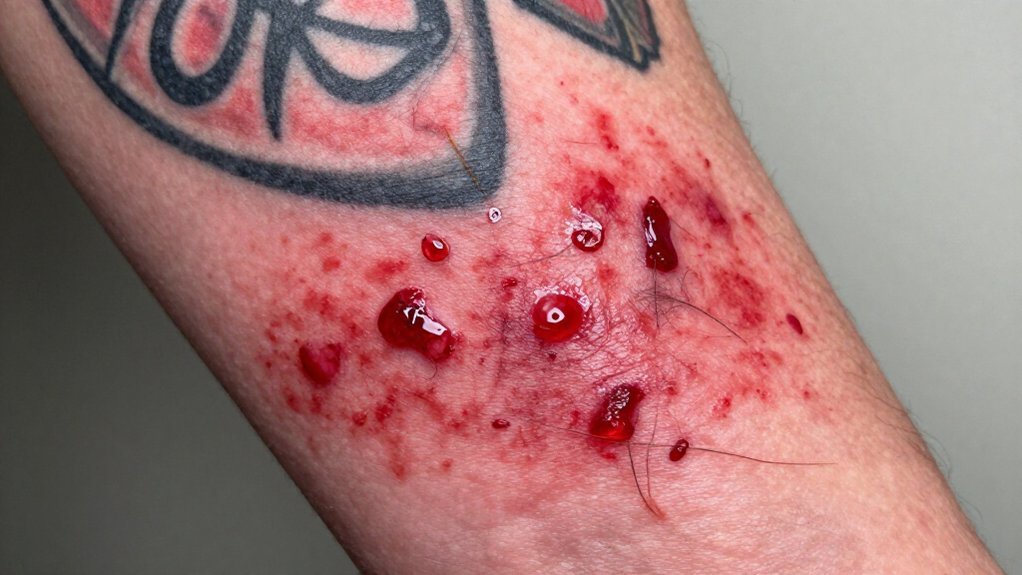
In the first days after your session, you’re forming a protective barrier over thousands of micro-punctures, so early healing mistakes can strip pigment or delay recovery before the ink ever settles.
You’ll want to watch your moisture balance errors closely: too little moisture cracks the skin and invites scabs you’ll pick, while too much softens the healing layer and lets ink seep out. When you disrupt this balance with heavy ointments, harsh soaps, or soaking the fresh tattoo, you’re actively pulling color away instead of locking it in.
Recommended Products

TATTOO AFTERCARE ESSENTIAL: Hustle Butter is the original tattoo aftercare balm for new and older tattoos. With over 10 years in the market, we are a pioneer of the tattoo aftercare category.

TATTOO AFTERCARE ESSENTIAL: Hustle Butter is the original tattoo aftercare balm for new and older tattoos. With over 10 years in the market, we are a pioneer of the tattoo aftercare category.

Protect Your Body Art: Moisturizing with the bonus of itch relief! Tattoo Goo's Tattoo Care Lotion soothes healing skin & keeps healed ink looking sharp for life. With olive oil & glycerin, it delivers deep, breathable hydration that won’t clog pores
Early Healing Mistakes
Before your tattoo truly settles in, you’re steering a delicate window where simple missteps can permanently alter how your ink looks. During early healing, your healing tattoo may look duller around day nine because scabs and peeling skin temporarily mask the ink underneath.
You can prevent your tattoo from fading faster by avoiding these common errors:
- Stop scabs picking or scratching peeling skin, which removes ink and causes patchy, uneven healing that may never fully correct
- Wash gently with antibacterial soap and water, then pat dry without rubbing to prevent infection and ink loss during the tattoo healing process
- Avoid excessive water exposure from soaking or swimming, which compromises pigment before proper aftercare is complete
- Follow your tattoo artist’s specific instructions for protection timing and product use
Your careful attention now preserves vibrant ink for years.
Moisture Balance Errors
Beneath the surface of your healing tattoo, moisture levels dictate how well pigment locks into place, and you’re about to learn why getting this balance wrong causes visible fading before the ink ever truly settles.
1. Too Much Moisture Softens Protective Layers
You trap too much moisture under heavy ointment, and scabs turn soggy. They lose their grip, slip off early, and ink can fade with them. You soak in hot tubs or swim too soon, and the wound reopens. Aftercare fails when you keep the skin wet instead of damp.
2. Too Little Moisture Creates a Dull Mask
You skip lotion, and the surface turns scaly. Temporary skin changes make tattoos look faded, though pigment underneath remains unharmed.
3. Fix Your Routine
- Wash gently with antibacterial soap.
- Pat dry, never rub.
- Apply thin, breathable moisturizer.
The healing process spans 2 to 4 weeks. Early dimming usually signals moisture balance errors, not permanent loss. You stay consistent, and clarity returns.
How Rubbing and Pressure Fade Tattoos Over Time
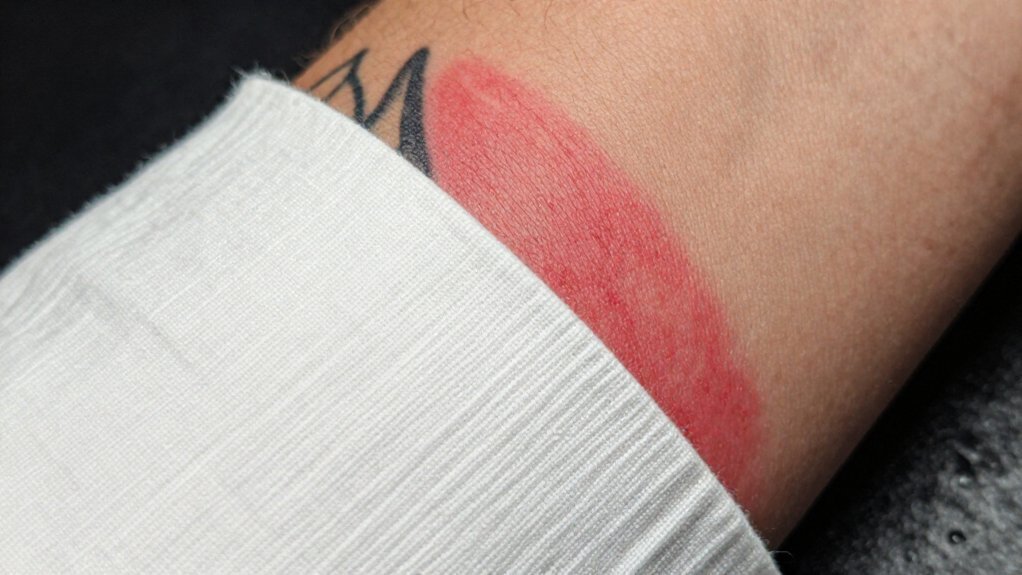
You might not realize it, but your daily habits are quietly working against your ink. Friction from your clothing, and pressure from surfaces like desks or chair arms, slowly strip away the protective layer your tattoo needs to stay bright. These small, repeated touches add up, making your fresh or even healed tattoo look duller much sooner than you’d expect.
Recommended Products

Gentle, Deep Cleansing: Tattoo Goo Foaming Cleansing Soap for tattoos and piercings helps remove impurities and clean the inked or pierced areas at a deep level by removing dirt, dead skin cells, and killing germs without damaging the skin

GREAT FOR NEW TATTOOS - H2Ocean Blue Green Foam Soap cleanses skin on and around new tattoos and the addition of aloe vera aids the healing process.

CONVENIENT SET: This Dial Liquid Hand Soap Set includes a 7.5 fl oz Hand Soap Pump Bottle and a 52 fl oz Hand Soap Refill, ensuring long-lasting freshness and convenience.
Friction From Clothing
Once a tattoo needle finishes its work, your battle against friction begins, and the clothing you choose becomes just as important as the aftercare products you apply. Tight clothing traps heat and moisture against your healing surface, creating constant rubbing that damages fresh pigment. You risk skin irritation, slower tattoo healing, and eventually faded tattoos when fabric grinds against vulnerable ink.
Placement on high-friction areas like ribs, thighs, or underarms demands extra attention. The repeated mechanical stress wears down protective skin layers, dulling brightness faster than protected spots.
You can guard your investment by following these practical steps:
- Choose loose clothes that breathe and glide rather than grip your fresh tattoo
- Avoid seams, rough textures, and tight straps that create concentrated contact points
- Watch for jewelry or accessories that add unnecessary rubbing
- Monitor high-friction zones daily for early signs of irritation
Pressure From Surfaces
Against hard surfaces, your tattoo faces relentless wear that strips pigment long before age becomes a factor.
1. Understand How Pressure Damages Ink
Pressure from surfaces wears down the protective layer above your ink. When you rest your arm on a desk, lean against walls, or press your tattoo into furniture, you’re grinding the skin. This friction irritates the area, and over time the ink looks faded. Combine this with rubbing from clothing, and you’ve doubled the damage.
2. Know Your High-Risk Areas
High-friction spots fade fastest. Your hands, feet, elbows, and shoulders take constant contact. Socks and shoes batter foot tattoos. Desk edges attack forearm ink.
During healing, this pressure is especially dangerous. It slows recovery, distorts how the tattoo settles, and leaves patchy, dull results.
3. Adjust Your Daily Habits
You can minimize friction with simple changes:
- Wear looser fabrics over fresh work.
- Pad hard surfaces you contact often.
- Shift straps, bags, or gear away from the tattoo.
Smart tattoo care now prevents premature fading later.
Do Color Tattoos Fade Faster Than Black and Grey?
How do color tattoos compare to black and grey when it comes to longevity? You’ll notice color tattoos fade differently than black ink and grey ink, and they often don’t stay vibrant as long. Color tattoos tend to fade faster, especially lighter shades like watercolor or very light ink.
White ink fades the fastest of all, so white-heavy work looks dull earlier. Reds and yellows are more susceptible to UV breakdown, which means sun exposure makes these specific colors lose punch faster. Black and grey tattoos look more vibrant longer because their pigments hold up better over time.
You can protect your investment with these steps:
- Apply sunscreen (SPF 30 or higher) daily to block UV damage
- Moisturize regularly to keep skin healthy and ink sealed
- Avoid prolonged sun exposure during peak hours
- Touch up faded areas with your artist as needed
All tattoos look faded eventually, but color work appears to fade sooner due to pigment type plus sun and normal skin aging.
Recommended Products

COMPLETE AFTERCARE KIT FOR NEW & EXISTING TATTOOS: This Tattoo Aftercare Kit brings together 3 essentials, Antimicrobial Soap, Tattoo Balm, and Tattoo Lotion, to help cleanse, protect, and moisturize fresh ink. Useful after tattoo sessions and throughout healing, it supports vibrant color and skin comfort for dedicated ink enthusiasts and artists

Foaming Tattoo Soap: Great for in-process and post-tattoo and piercing care. Keeps new tattoos & piercings clean during the healing process.

GREAT FOR NEW TATTOOS - H2Ocean Blue Green Foam Soap cleanses skin on and around new tattoos and the addition of aloe vera aids the healing process.
How Aging Skin Changes Your Ink (And Why It’s Normal)
Your tattoo’s color might outlast someone else’s, but nobody’s ink stays untouched forever. As aging skin loses elasticity and stretches, your lines blur and colors soften even when ink remains trapped in the dermis layer.
Your skin is different now than it was years ago. Your immune system constantly works, and macrophages in the dermis slowly absorb pigment over decades. This means your tattoo will naturally fade, and that’s expected.
UV exposure accelerates breakdown. UVA rays penetrate deep layers of your skin, shattering ink molecules. You can’t stop this, but you slow it. Apply sunscreen (SPF 30+) daily to shield your art and support natural healing.
Trapped dead skin can dull appearances temporarily. Exfoliate gently, moisturize consistently, and accept that gradual change is normal.
Recommended Products

Fabric & Comfort: Crafted from 95% polyester and 5% spandex, this workout shirt offers a soft, breathable, and skin-friendly fit. Its quick-dry and moisture-wicking properties keep you comfortable during intense workouts or outdoor activities.
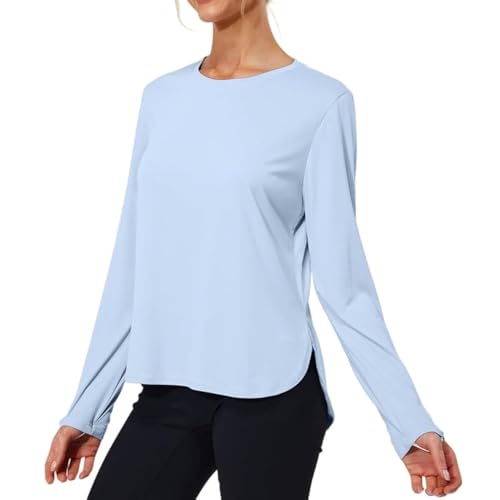
[Split Rounded Hem] The high-low hems are perfect for providing more coverage to the buttocks. The wide side seams provide more room for movement, making you look slimmer

Materials: Polyester; Wrinkle-free, Quick Dry and Soft
How Smoking Speeds Up Tattoo Fading
Smoking quietly damages your tattoo before you notice visible changes. You’re accelerating premature tattoo fading with every cigarette, and understanding why helps you protect your investment.
Here’s how smoking harms your ink:
Nicotine constricts blood vessels, lowering blood flow, which slows healing and raises infection risk. Reduced collagen production makes skin less elastic, increasing ink bleeding and breakdown. Impaired circulation causes patchy, irregular healing and scarring. Skin discoloration from smoking dulls colors, making tattoos look altered faster.
Nicotine starves your skin of oxygen and collagen, accelerating ink breakdown, scarring, and discoloration that dulls your tattoo’s vibrancy.
Your body needs strong collagen and healthy circulation to hold ink properly. When you smoke, you’re compromising both systems at the same time. Quitting, or never starting, remains one of the most effective ways to protect tattoo longevity and maintain crisp, vibrant artwork for years.
Recommended Products
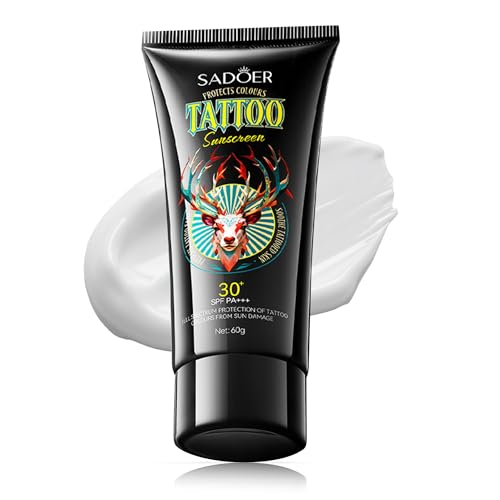
ULTIMATE SUN PROTECTION FOR TATTOOS & SKIN: Our advanced SPF 30+ formula delivers broad-spectrum UVA/UVB protection while locking in tattoo vibrancy. Suitable for all skin types – inked or uninked – its compact size fits your pocket easily, making it perfect for daily on-the-go protection.

Tattoo-Safe Mineral Formula: Our tattoo sunscreen lotion uses non-nano zinc oxide, a physical barrier that sits on the skin to block UVA/UVB rays without penetrating or irritating tattoos. This helps prevent fading, discoloration, or damage to tattoo ink caused by sun exposure.

2-in-1 Formula: This Eucerin body cream is a 2-in-1 formula that moisturizes dry skin while helping protect from sun exposure