
You’re standing in front of the mirror, razor in hand, wondering if smooth skin will make tomorrow’s appointment easier. Most artists actually prefer you don’t take matters into your own hands, and there’s a good reason why that fresh shave could backfire right when you least want it to. The real prep starts long before the needle touches skin.
Key Takeaways
- Let the tattoo artist handle shaving to ensure sterile technique and skin integrity.
- Home shaving risks microscopic cuts that invite bacteria during the tattoo process.
- Shaving the night before is only acceptable if specifically requested by your artist.
- Artists will re-shave any area regardless, making DIY preparation unnecessary.
- Hair thickness does not change the rule: always defer to professional prep.
Recommended Products

EFFICIENT PREP RAZORS: The Dynarex Gallant Prep Razors are an easy-to-use, disposable safety razor, requiring only light gentle pulling instead of pressure. Specifically designed to prepare skin surfaces efficiently prior to medical procedures.
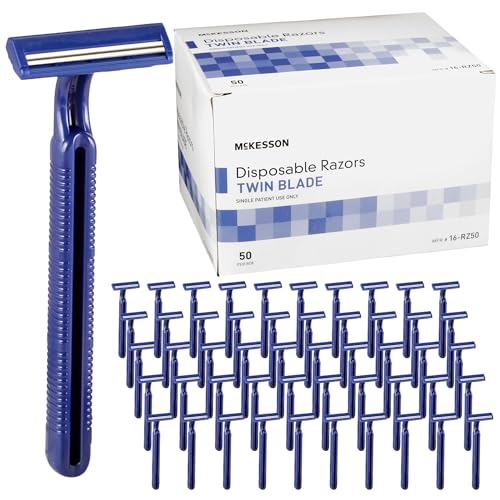
This listing is for Twin blade disposable razor

EFFICIENT PREP RAZORS: The Dynarex Gallant Prep Razors are easy-to-use, disposable safety razors, requiring only gentle pulling instead of pressure. Designed to prepare skin efficiently prior to medical procedures.
Why You Shouldn’t Shave Before Your Tattoo
How exactly does skipping the razor benefit you? You’re protecting your skin’s integrity when you let your tattoo artist handle the prep. When you shave at home, you’re creating microscopic nicks and irritation that you can’t see. These tiny openings become entry points for bacteria during the tattooing process.
Your artist knows exactly how to prep the area safely. They’ll use fresh, sterile razors and techniques that minimize skin trauma right before they begin work. You’ve already chosen a professional you trust with permanent art—extend that trust to their process.
Plus, you’re avoiding the risk of razor burn bumps or ingrown hairs that would complicate the stencil application. Your artist needs smooth, unmarred skin to transfer the design accurately. Let them control the canvas so you’re giving them, and your future tattoo, the best possible start.
Recommended Products

Aveeno Therapeutic Shave Gel: Sensitive skin shaving cream formulated with oat and vitamin E; soothes skin and provides a close, smooth shave with less irritation; 7 oz

pH-BALANCED FOR YOUR V: Because your V has a pH unlike anywhere else, we designed this shave gel to match its natural levels. Ultra-gentle and fragrance-free with soothing ingredients, it can also be used as an area cleanser any time, even when you’re not shaving.

ASTONISHINGLY SMOOTH SHAVE: Cremo's men shaving cream has unique molecules that create an slick surface, allowing your blade to glide effortlessly for a close, comfortable shave
When Shaving Before Your Tattoo Backfires
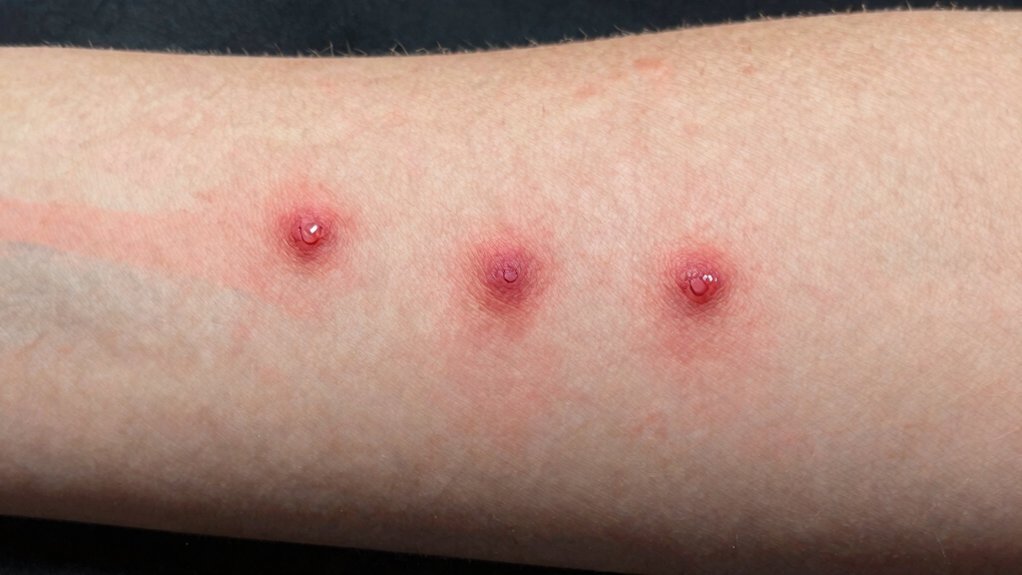
What happens when you ignore the warnings and grab that razor anyway? You invite trouble. Small nicks and razor burn create open pathways for bacteria. Your artist spots the irritation immediately and refuses to work on damaged skin. You reschedule, losing your deposit and their time.
You’ll also face patchy regrowth. Stubble emerges within days, distorting the stencil and complicating the healing process. Your fresh ink sits atop irritated follicles, increasing infection risk and compromising color saturation.
Missed spots cause worse problems. You leave random hairs that trap bacteria beneath the bandage. Your artist shaves anyway, spreading contaminants across the area. The tattoo heals poorly, requiring touch-ups you pay for yourself.
You thought you’d save time. Instead, you’ve created delays, health risks, and permanent results you can’t undo.
Recommended Products

Gentle, Deep Cleansing: Tattoo Goo Foaming Cleansing Soap for tattoos and piercings helps remove impurities and clean the inked or pierced areas at a deep level by removing dirt, dead skin cells, and killing germs without damaging the skin

COMPLETE AFTERCARE KIT FOR NEW & EXISTING TATTOOS: This Tattoo Aftercare Kit brings together 3 essentials, Antimicrobial Soap, Tattoo Balm, and Tattoo Lotion, to help cleanse, protect, and moisturize fresh ink. Useful after tattoo sessions and throughout healing, it supports vibrant color and skin comfort for dedicated ink enthusiasts and artists

Creates liquid film that protects skin and reduces friction for more comfortable removal of adhesives
How to Shave If Your Artist Asks You To
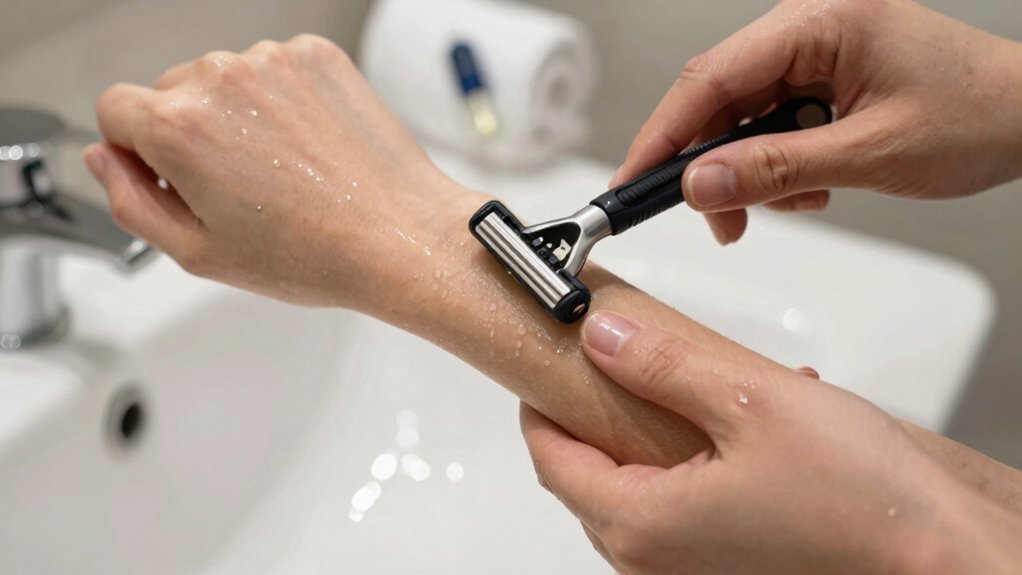
Rarely does an artist prefer your razor work to their own, but when they do, timing and technique matter more than speed.
Shave the night before your appointment, not hours ahead. This gives your skin time to calm any irritation. Use a fresh, clean razor—never a dull blade that drags or pulls. Apply a thin layer of fragrance-free shaving cream or gel, and shave with the grain, not against it. Rinse with cool water and pat dry. Skip aftershave, lotion, or oils; your artist needs bare, residue-free skin.
If you nick yourself, clean the cut thoroughly and apply a thin layer of petroleum jelly. Don’t shave over broken skin. Inform your artist about any cuts when you arrive. They’ll assess whether the area tattooed needs adjustment.
Recommended Products

Nourishes Healing Ink for Vibrant Color: Tattoo Goo supports healing tattoos & maintains vibrancy on healed ink with a lightweight formula rich in olive oil, lavender oil, cocoa butter, and beeswax. It absorbs quickly, moisturizes deeply, and helps reduce dryness, itch and tightness so your tattoo looks and feels comfortable through everyday routines


STICK APPLICATION, ZERO MESS: Twist up the tattoo balm stick, swipe directly over the tattoo, and blend as needed. No jar to open, no fingers scooping product, and no need to carry a separate applicator. The solid stick format is easy to keep in a bag, bathroom cabinet or travel kit, making care simple at home or on the go. It gives you controlled application exactly where you want moisture, with less mess than traditional balm jars. Great for quick touch-ups whenever tattooed skin feels like it needs extra care, at home, after work or while traveling.
What Happens If You Show Up Already Shaved?
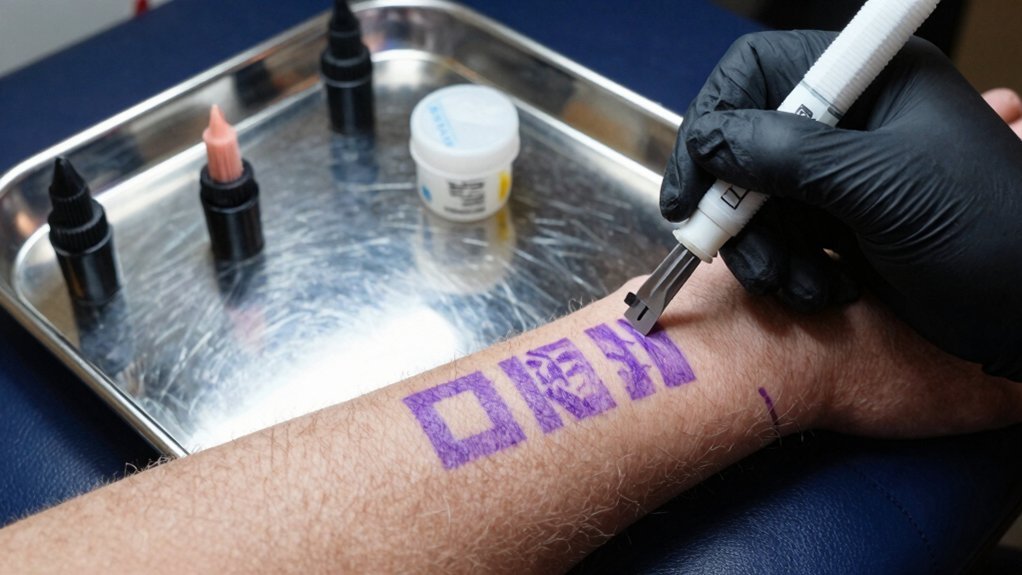
So you’ve already buzzed down the area—now what? Your artist won’t turn you away. They’ll still prep the skin properly before starting.
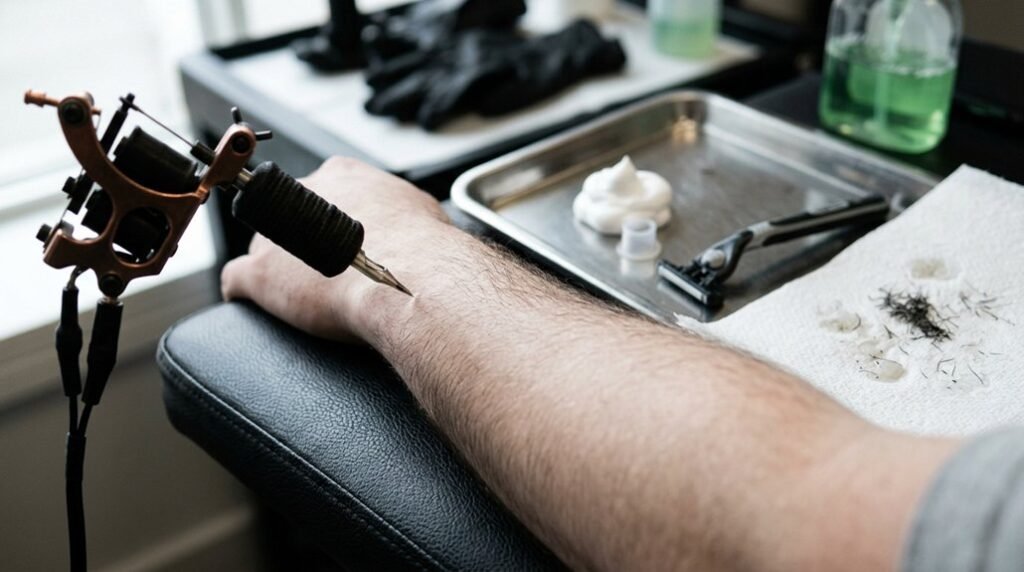
You might’ve missed spots or caused tiny cuts you can’t see. Your artist will shave again with a fresh razor to ensure total smoothness and eliminate any stubble you left behind. They’ll also sanitize the area thoroughly.
If you shaved right before your appointment, you risk bringing irritated skin to the chair. Razor burn or micro-cuts make tattooing more painful and increase infection risk. Freshly shaved skin also loses its protective barrier, so inks and chemicals penetrate deeper.
Arriving with stubble doesn’t help either—your artist shaves regardless. The safest move? Leave the prep to them unless they specifically request otherwise.
Recommended Products

What You Get - The tattoo aftercare bandage totall 4.4 yard (6" x 4.4 Yard), you will get tattoo aftercare bandage, the size is 6" x 4.4 Yard. You will the tattoo supplies is best combination of with guaranteed quality. According to the size of the tattoo area, the shape can be freely cut, and it is suitable for all kinds of large-area new tattoos

Vibrant Preservation - Infused with the power of Chamomile Extract and Aloe Vera Extract, our tattoo wipes are designed to nurture your skin while keeping your tattoo vibrant and fresh. A natural moisturizer, aloe vera soothes the skin, promoting faster recovery and preventing dryness.
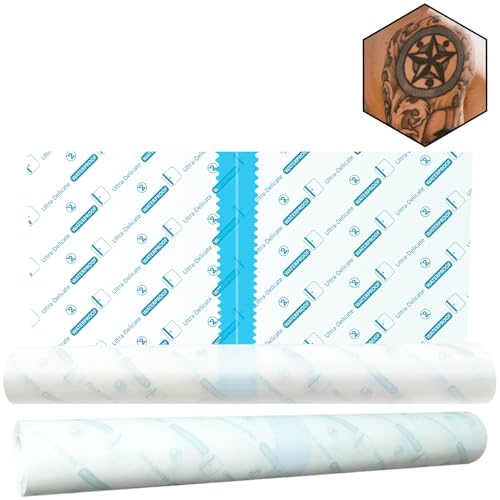
Waterproof and Breathable: The waterproof and breathable film dressing protects the tattoo from water and dirt while promoting healing and reducing the risk of infection. Helps lock in the color of a new tattoo, reduces scabs when you wash or moisturize your tattoo, quickly forms a protective film, and speeds up your recovery
Does Thick Hair Change the Rules?
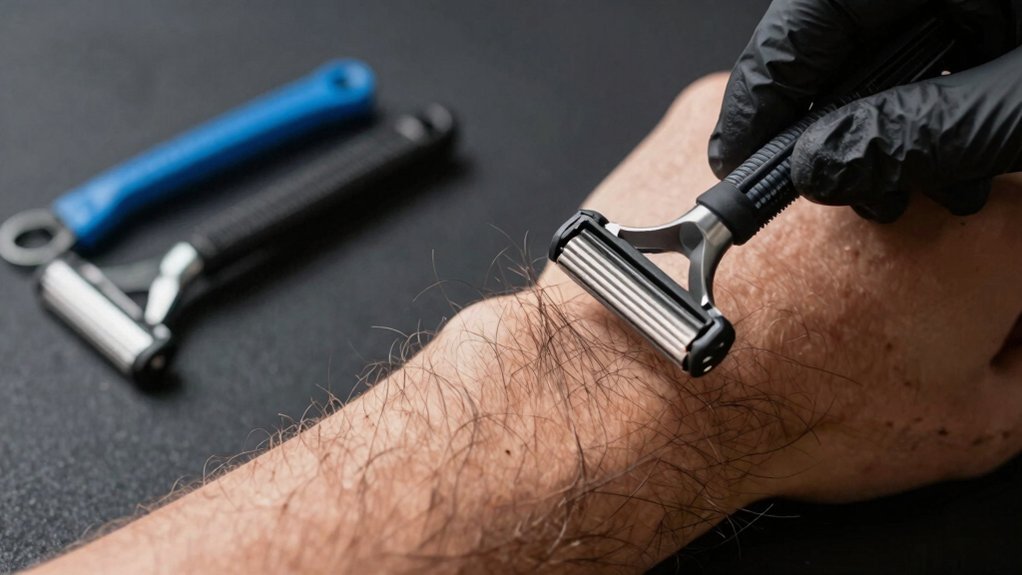
Possessing thicker or denser hair might’ve you wondering if standard prep advice shifts. It doesn’t. Your artist still handles the shave, regardless of how thick your hair grows. Dense hair actually complicates DIY preparation—you’ll likely miss spots or cause irritation that complicates the tattoo process.
Your artist’s tools and technique adapt to your specific hair type. They’ll use fresh razors and adjust pressure to clear the area completely without damaging skin. Thicker hair requires more attention during prep, but this remains your artist’s responsibility, not yours.
Trust their expertise. They’ve worked on every hair type imaginable. Showing up with stubbly, thick hair beats showing up with a self-inflicted razor burn every time. Let them assess and prep the canvas properly.
Recommended Products
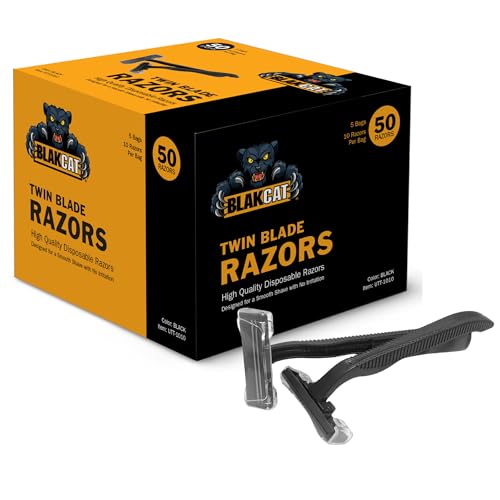
Superior Swedish Steel: Twin blades crafted from Swedish stainless steel deliver an extremely smooth and close shave.

Double sided fixed-head razor, each with a precision stainless steel blade
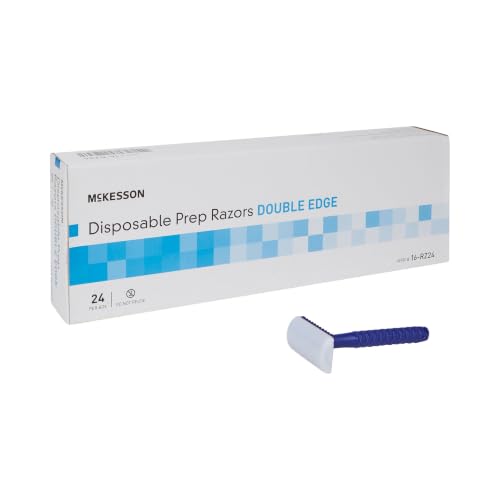
Single-blade, double-edged prep razor is made with stainless steel
What to Do Instead of Shaving
Skip the razor entirely—what should you actually do before your appointment? You simply arrive with clean, dry skin. Your artist handles the rest.
They’ll prep the area professionally, using fresh, sterile razors designed for medical or tattoo use. You avoid nicks, irritation, or infection risks from your own blade. You also prevent uneven stubble or missed patches that complicate their work.
If you’re self-conscious about length, you can trim longer hair with scissors, but stop there. Don’t apply creams, oils, or numbing agents beforehand either—they interfere with stencil adhesion and ink saturation.
Trust your artist’s process. They’ve shaved thousands of clients and know exactly how much pressure, angle, and stretch each body part needs. You relax; they prepare the perfect canvas.
Recommended Products

DYE AND FRANGRANCE FREE: this shaving gel for women is specially designed for sensitive skin, made without elements that can irritate skin, like dyes and fragrances

EXTRA SENSITIVE INGREDIENTS: This ultra-gentle formula is packed with allantoin to soothe, coconut oil to moisturize, shea butter to nourish, and aloe vera to calm skin while you shave. It has everything you’d want in a sensitive skin-friendly shave product. Say bye to irritation and hello to smooooooth skin.

Conclusion
You’ll get the best results when you trust your artist with skin prep. Shaving yourself risks hidden nicks that raise infection chances and complicate healing. If you’re asked to remove hair, do it carefully the night before with a fresh razor and gentle products. Otherwise, skip the razor entirely. Clean, professional preparation beats DIY every time—your tattoo’s clarity and your skin’s health depend on it.
Recommended Products

SAFE: It is safe for long-term use, especially on sensitive skin areas
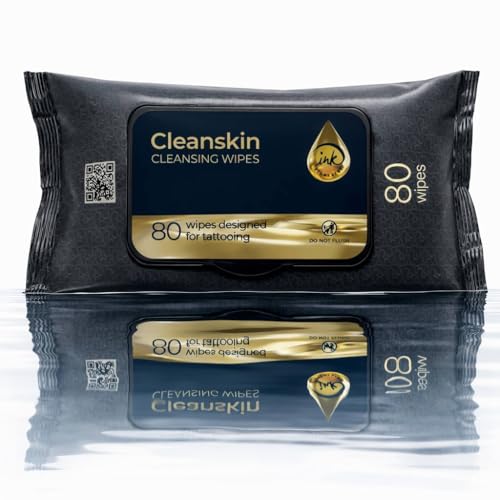
All in One - We have created a new formula for tattoo and PMU Artists! Now you don't need to mix liquids to get a tattoo green soap to work during the procedure! All the tattoo supplies for cleaning and tattoo aftercare you need are here!

GREAT FOR NEW TATTOOS - H2Ocean Blue Green Foam Soap cleanses skin on and around new tattoos and the addition of aloe vera aids the healing process.