
You walk into a tattoo shop with an idea, but you leave with a plan—or you don’t. A consultation isn’t just a chat; it’s where you decide if this artist truly gets your vision and whether you’re comfortable trusting them with your skin. The questions you ask now shape everything that follows, and some answers might surprise you.
Key Takeaways
- A tattoo consultation is a collaborative meeting to discuss design vision, placement, and artistic approach with your chosen artist.
- Artists evaluate skin texture and contours while sketching preliminary concepts based on your reference images.
- You’ll review portfolios to ensure style alignment and negotiate pricing, scheduling, and deposit requirements.
- The consultation covers safety protocols, sterilization standards, licensing verification, and aftercare instructions.
- Clear communication establishes shared expectations, consent forms, and a timeline before booking your appointment.
Recommended Products

COMPLETE AFTERCARE KIT FOR NEW & EXISTING TATTOOS: This Tattoo Aftercare Kit brings together 3 essentials, Antimicrobial Soap, Tattoo Balm, and Tattoo Lotion, to help cleanse, protect, and moisturize fresh ink. Useful after tattoo sessions and throughout healing, it supports vibrant color and skin comfort for dedicated ink enthusiasts and artists
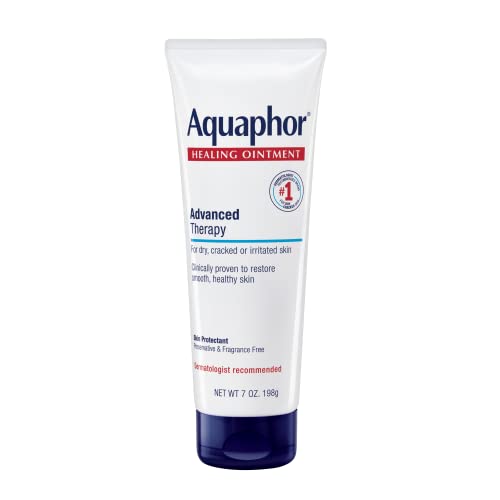
Net Weight and Dimensions: Each tube holds 7 oz. (198 g) of ointment, and measures approximately 19.9 x 5.7 x 5.2 cm; ideal for portability and easy storage

STICK APPLICATION, ZERO MESS: Twist up the tattoo balm stick, swipe directly over the tattoo, and blend as needed. No jar to open, no fingers scooping product, and no need to carry a separate applicator. The solid stick format is easy to keep in a bag, bathroom cabinet or travel kit, making care simple at home or on the go. It gives you controlled application exactly where you want moisture, with less mess than traditional balm jars. Great for quick touch-ups whenever tattooed skin feels like it needs extra care, at home, after work or while traveling.
What Happens During a Tattoo Consultation?
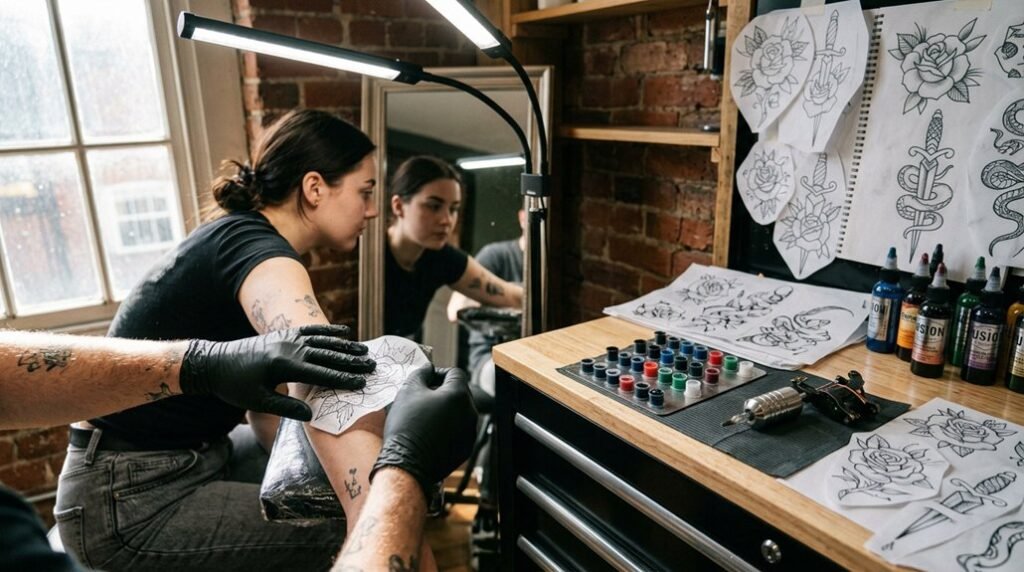
What exactly unfolds when you sit down for a tattoo consultation? You’ll discuss your design vision with the artist, sharing reference images and explaining placement preferences. They’ll sketch preliminary concepts while you collaborate on size, style, and color palette.
You’ll review the artist’s portfolio together, ensuring their aesthetic matches your expectations. They’ll explain their process, estimated sessions, and healing requirements. You’ll strip down or expose the target area so they can assess skin texture, contours, and existing tattoos that might affect the new piece.
You’ll negotiate pricing, scheduling, and deposit requirements. They’ll answer your questions about pain levels, aftercare, and touch-up policies. Before leaving, you’ll approve a final design or schedule another session for revisions. You’ll sign consent forms and pay your deposit to secure the appointment.
Recommended Products

Versatile: BIOMASER tattoo needle cartridges are suitable for shading, lining, and rotary tattooing.It can not only use on body art tattoo,but also permanent makeup eyebrow,liner,lip etc.

20PCS Single Size Design for Targeted Use: Our TROYTATU disposable tattoo cartridge needles come in a 20-piece set of a single #12 size (1205RL). The single-size design is perfect for artists who focus on specific tattoo techniques (lines, shading, color packing) and beginners who want to practice and master one skill at a time, avoiding the waste of unused mixed sizes.

How to Find and Vet the Right Artist
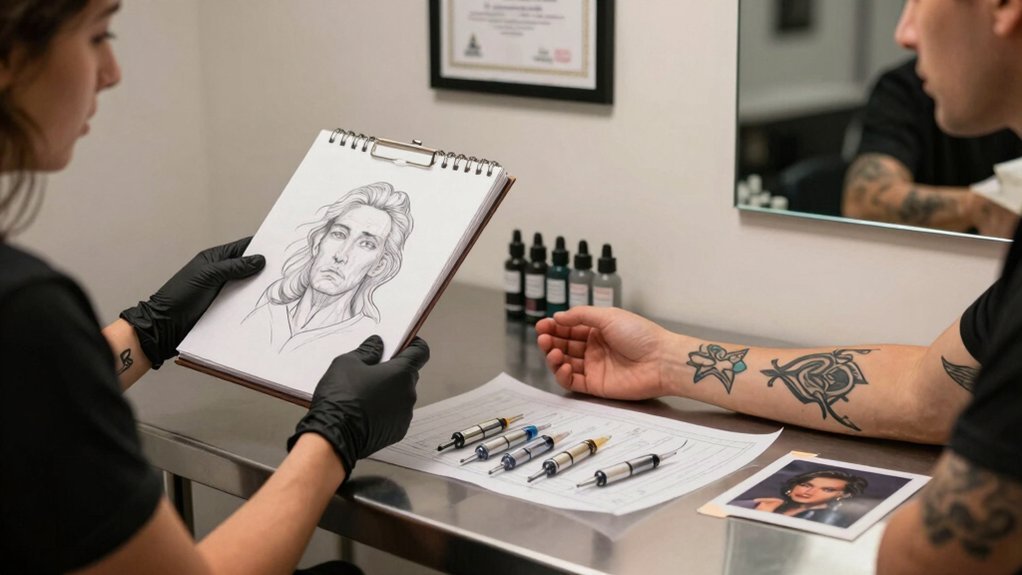
Before you commit to a consultation, you’ll need to track down an artist whose skills actually match your vision. Scour Instagram, TikTok, and specialized directories like Tattoodo. Filter by style—traditional, realism, fine line, Japanese—and study healed work, not just fresh ink. You’ll spot consistency in line weight, saturation, and composition.
Once you’ve narrowed your list, verify credentials. Check their state license and shop health inspections. Read recent Google and Yelp reviews, but don’t stop there. Message former clients directly.
Follow your prospects for weeks. Watch how they interact, respond to questions, and handle criticism. You’ll gauge professionalism and personality fit before ever stepping inside.
Book consultations with two or three artists. You’ll compare approaches firsthand. Trust your gut—if someone’s portfolio wows you but their energy feels off, keep searching. The right artist proves worth the extra effort.
Recommended Products

Clean, Flawless Transfers: Your artwork will look so clean once transferred to the skin with the Stencil Stuff gel! Gentle on the skin, Stencil Stuff transfer solution helps you achieve clear and sharp tattoo stencil transfers every time!
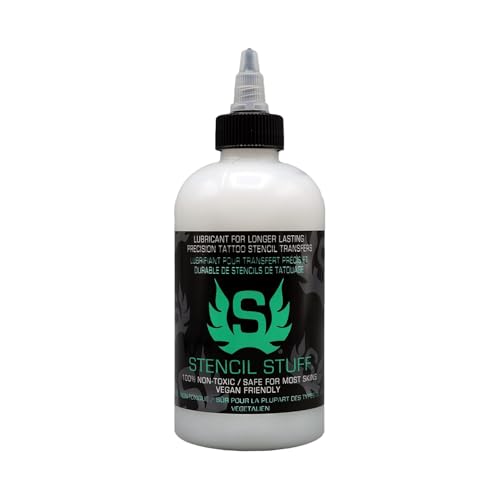
Clean, Flawless Transfers: Your artwork will look so clean once transferred to the skin with the Stencil Stuff gel! Gentle on the skin, Stencil Stuff transfer solution helps you achieve clear and sharp tattoo stencil transfers every time!

Safe and Healthy: Our tattoo transfer gel meets strict safety and non-toxic material standards, non-irritating to the skin and vegan-friendly. Maintains client comfort while achieving clear tattoo stencil transfers.
What to Ask Before You Book
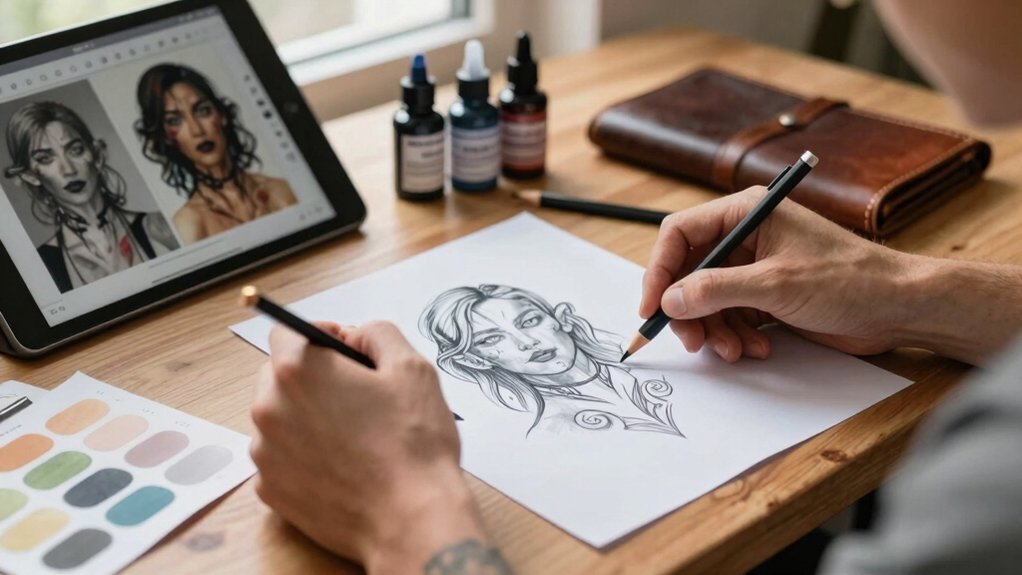
You’ve narrowed your list to a few promising artists, and now you’re ready to reach out—but don’t just ask about availability. Dig deeper. Ask how they structure their consultations: do they charge a fee, and does it apply toward your tattoo? Clarify their deposit policy, cancellation terms, and accepted payment methods. Request their typical timeline from consultation to appointment. Inquire about their sterilization protocols and licensing status. Ask if they provide aftercare supplies or written instructions. Determine whether they prefer reference images now or during the consultation itself. Confirm their hourly rate or flat pricing structure. Ask how they handle design revisions. These questions reveal professionalism and protect you from surprises. You’re investing permanently in your body—vet thoroughly before committing.
Recommended Products

Long-Lasting Relief, Maximum Comfort: This numbing cream delivers prolonged analgesic effects, quickly relieving itching, pain, burning sensations, and significantly reducing swelling. It effectively desensitizes the skin for a comfortable experience.

FSA HSA Eligible Over-the-Counter Medication - This topical lidocaine numb cream with Allantoin, Vitamin E, and Aloe is clinically proven to temporarily relieve pain, burning, itching, discomfort, inflammation, and soreness in local and anorectal areas

LONG-LASTING COMFORT: This cream is designed to provide lasting comfort and a soothing sensation, helping you feel more comfortable during use.for local and anorectal areas
How to Communicate Your Vision and Prepare
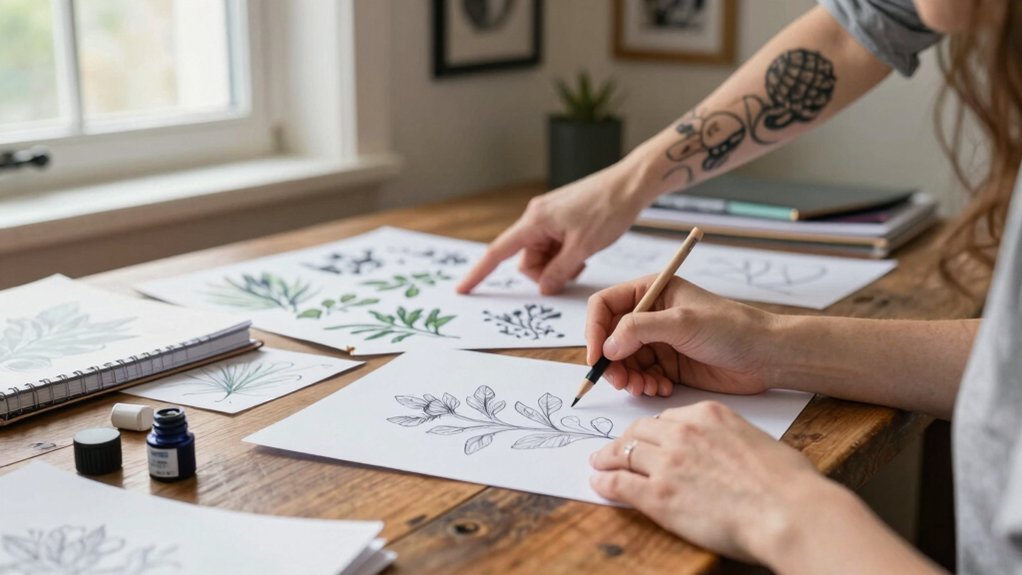
Why arrive at your consultation empty-handed when a little prep work transforms the entire experience? Gather reference images that capture the style, mood, or specific elements you want. You’ll articulate your vision more clearly when you’ve sorted through examples beforehand.
Bring photos of your placement area so the artist can assess skin tone, texture, and existing work. Write down any questions that surface during your research—you’ll forget them otherwise.
Describe what draws you to certain pieces, not just that you “like” them. Say you want bold lines because they age well, or soft shading for a delicate feel. You’re building a shared language, not dictating every detail.
Listen when the artist explains technical constraints. They’ll adapt your concept to work on skin, not paper. This collaboration produces tattoos you’ll wear proudly.
Recommended Products

All-In-One 75-Pack – Includes 25 consent forms, 25 intake sheets, and 25 aftercare instruction pages—everything needed for a full session workflow.

75 TOTAL PAGES consisting of 25 client intake forms, 25 aftercare pages.
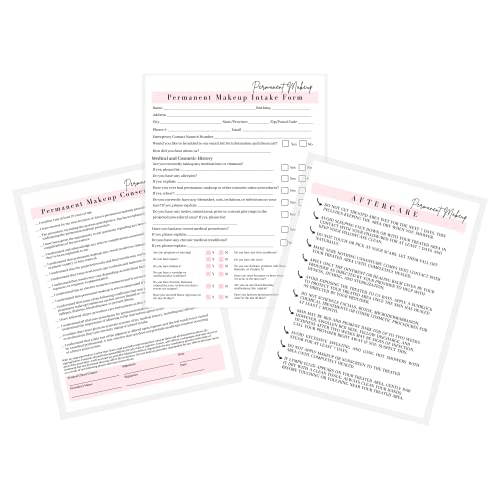
75 TOTAL PAGES consisting of 25 consent forms, 25 client intake forms, 25 aftercare pages.
When to Walk Away: Consultation Red Flags
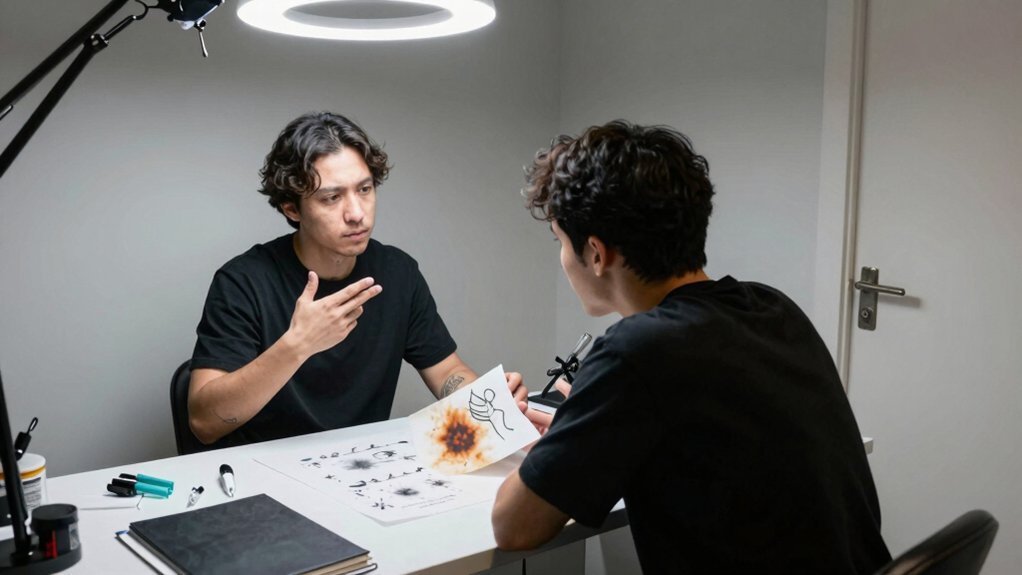
How do you know when excitement should turn to cautious steps toward the door? You spot red flags during your tattoo consultation.
You walk away when the artist dismisses your concerns or rushes you toward booking.
You leave if you spot unsanitary conditions—unwrapped needles, dirty surfaces, or missing gloves.
You decline when the artist pressures you into designs you don’t want or guarantees zero pain.
You retreat from vague pricing, impossible promises, or refusal to discuss their portfolio openly.
You trust your gut. You notice how they treat you, how they answer questions, how the space feels. You remember: this permanent choice deserves respect, patience, and professionalism. You don’t owe anyone your skin. You owe yourself a safe, collaborative experience.
You find another artist when warning signs flash.
Recommended Products

PROTECT & HEAL - H2Ocean Aquatat seals the skin in a moisturizing barrier to protect from irritants while still allowing the skin to breathe. Aquatat will also heal topical wounds on skin such as tattoos, rashes, cuts and scrapes while minimizing scabbing.
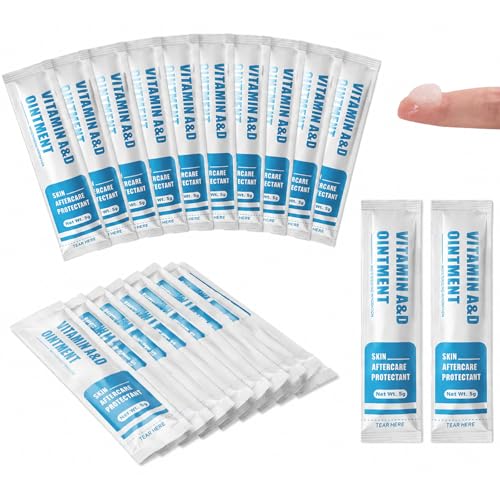
Honest, Accurate Care – This protective ointment comes in 50 hygienic single-serve packets for mess-free, on-the-go convenience. Easy to apply for tattoo protection anytime.

Upgraded Design, Easy to Use --- Tattoo aftercare balm comes in a tube,this container allows you to glide on the butter easily,Rolls on smoothly and evenly on your skin,No more mess or residue on your finger,convenient to use
Conclusion
A tattoo consultation protects your investment and your skin. You’ll leave knowing if this artist truly gets your vision, whether their hygiene standards meet your expectations, and if the timeline and budget work for you. Trust your instincts—clear communication and mutual respect now prevent regrets later. When you find the right match, you’ll feel confident booking that appointment and excited for what’s ahead.
Recommended Products

【High‑Quality Premium Materials】 Crafted with sharp 316L stainless steel bugpin needles for long‑lasting durability. Premium plastic housing and flexible silicone ensure stable smooth operation. Single‑use disposable design keeps tattoo practice clean for artists and beginners.
20PCS Single Size Design for Targeted Use: Our disposable tattoo cartridge needles come in a 20-piece set of a single #12 size (1203RL). The single-size design is perfect for artists who focus on specific tattoo techniques (lines, shading, color packing) and beginners who want to practice and master one skill at a time, avoiding the waste of unused mixed sizes.

Dragonhawk Tattoo Needles: High-quality tattoo needles, manufactured under the trusted Dragonhawk brand, are perfect for all-purpose work. With a polished, long taper design, these needles ensure reliable performance and excellent control.