
You want clear skin, you want safe results, and you want to know what actually works before you walk into that clinic. Laser tattoo removal demands preparation, not just patience.
Follow these seven evidence-backed steps to protect your investment, minimize discomfort, and help your body clear ink efficiently.
Book Your Laser Tattoo Removal Consultation First
Before you commit to any sessions, book your laser tattoo removal consultation first. When you book a consultation, your provider reviews your tattoo and skin type, then maps out a realistic timeline.
What to Expect
- Multiple sessions: You’ll likely need 5 to 10 sessions, sometimes more.
- Healing gaps: Plan for 6 to 8 weeks between treatments.
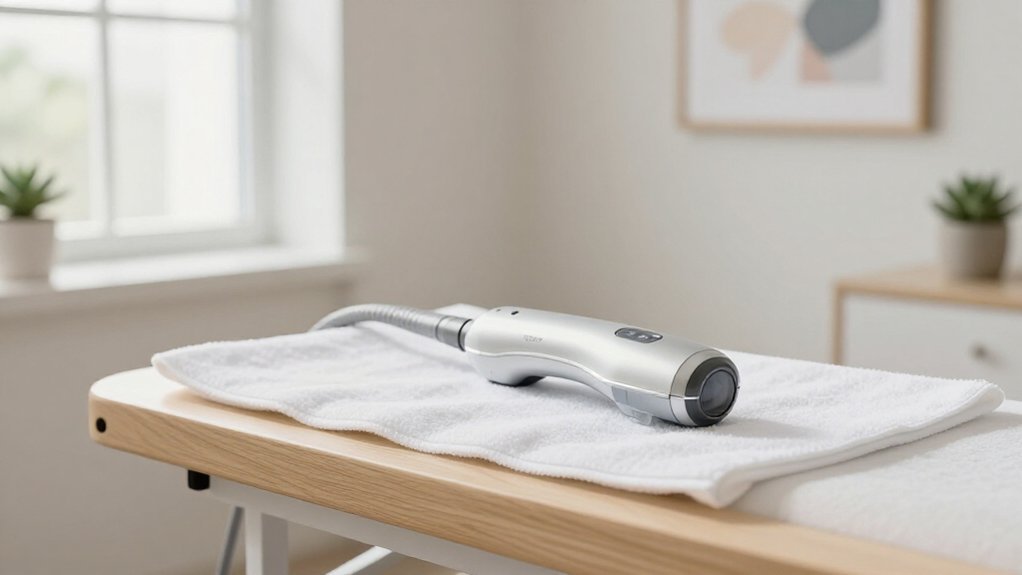
- Technology check: Ask which laser handles stubborn colors like green or blue.
Come Prepared
Bring questions about preparing for laser tattoo care, cost factors, and your medical history. Request authentic before/after photos from that specific clinic, not generic images.
Your Foundation
This consultation shapes your entire laser tattoo removal process. You’ll understand what’s ahead, set expectations for your first session, and receive a plan tailored to your skin from day one.
Recommended Products

FSA HSA Eligible Over-the-Counter Medication - This topical lidocaine numb cream with Allantoin, Vitamin E, and Aloe is clinically proven to temporarily relieve pain, burning, itching, discomfort, inflammation, and soreness in local and anorectal areas

Anorectal Numbing Cream and Temporary Pain Relief for Hemorrhoids

Fast Acting Hemorrhoid Cream - Made with 5% Lidocaine, this topical anesthetic provides temporary relief from discomfort, itching, and burning associated with hemorrhoids and other anorectal irritation.
Ask How Your Tattoo’s Size, Color, and Location Affect Results
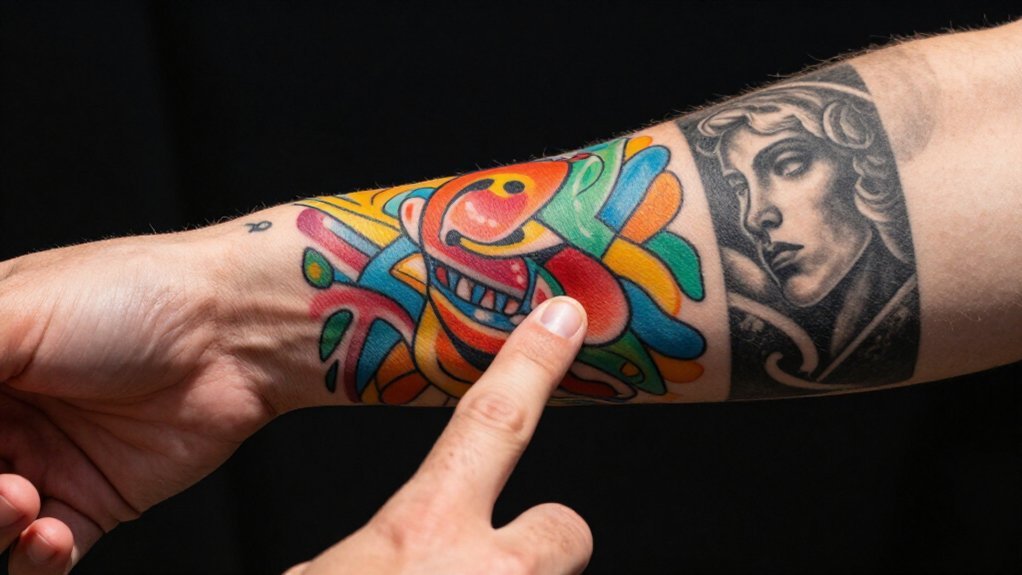
How exactly will your specific tattoo respond to laser treatment? You’ll need to ask your provider how size, color, and location shape your results.
1. Size Extends Your Timeline
Larger tattoos demand more time, since the laser treats greater surface area across multiple sessions. Expect the tattoo removal process to stretch across many weeks for big pieces.
2. Color Determines Difficulty
Blues, greens, and some reds resist treatment historically, though modern Pico lasers improve outcomes. Your clinic should offer laser tattoo removal with technology matched to your ink’s pigment mix.
3. Location Affects Clearance
Tattoos farther from your heart clear more slowly, because lymphatic drainage transports broken-down ink less efficiently.
4. Professional vs. Amateur Ink
Professional tattoos fade more predictably, while amateur work leaves uneven residual ink that’s harder to eliminate fully. Ask how density and layering affect your expected sessions.
Recommended Products

COMPLETE AFTERCARE KIT FOR NEW & EXISTING TATTOOS: This Tattoo Aftercare Kit brings together 3 essentials, Antimicrobial Soap, Tattoo Balm, and Tattoo Lotion, to help cleanse, protect, and moisturize fresh ink. Useful after tattoo sessions and throughout healing, it supports vibrant color and skin comfort for dedicated ink enthusiasts and artists

Protect Your Body Art: Moisturizing with the bonus of itch relief! Tattoo Goo's Tattoo Care Lotion soothes healing skin & keeps healed ink looking sharp for life. With olive oil & glycerin, it delivers deep, breathable hydration that won’t clog pores
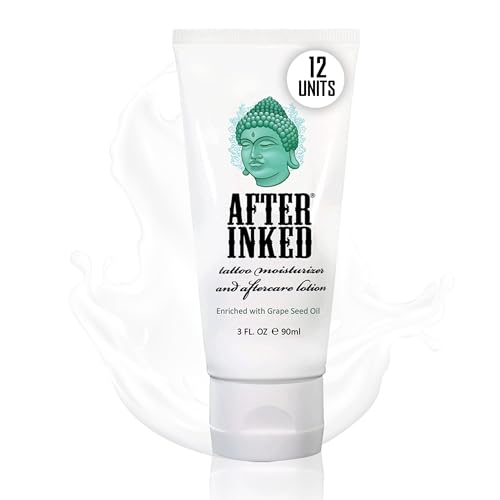
Exclusive Tattoo Aftercare product for INK MASTER
Avoid Sun and Tanning for Four Weeks Before Treatment
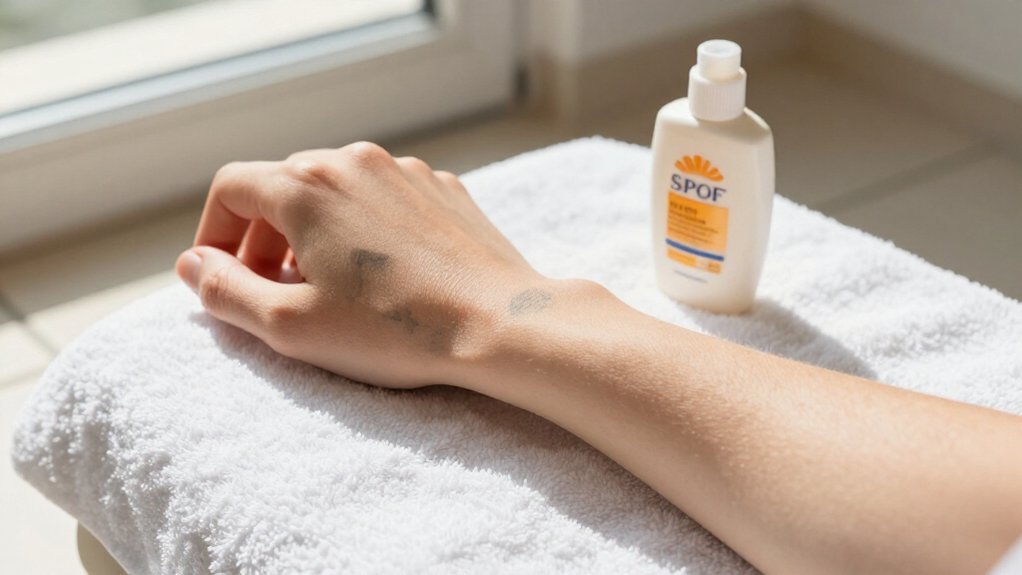
Your skin needs to be at its natural baseline before laser treatment, so you’ll want to steer clear of sun exposure and tanning beds for at least four weeks beforehand. Avoid sun exposure completely during this window to reduce your risk of hyperpigmentation or hypopigmentation.
If you’ve already tanned, keep the treated area out of direct sun and apply sunscreen per your provider’s guidance. Tanned skin can increase complications because darkened pigment interferes with laser targeting, making the tattoo removal process less effective and raising your chance of side effects.
Plan clothing carefully: choose loose, breathable fabrics that cover the tattoo area. Do not schedule sessions during active sun exposure. Your clinician will likely require about one month of protection before starting treatment.
Recommended Products
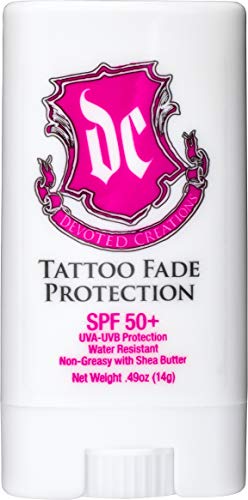

FOR ALL SKIN TYPES, INKED OR NOT - This daily, 100% mineral sunscreen works hard to protect skin and tattoos from the damage caused by exposure to harmful UVA & UVB rays.
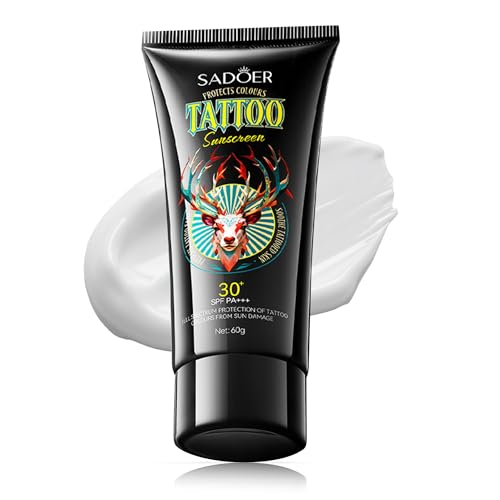
ULTIMATE SUN PROTECTION FOR TATTOOS & SKIN: Our advanced SPF 30+ formula delivers broad-spectrum UVA/UVB protection while locking in tattoo vibrancy. Suitable for all skin types – inked or uninked – its compact size fits your pocket easily, making it perfect for daily on-the-go protection.
Quit Smoking Now to Heal Faster and Prevent Scarring
Your smoking habit directly threatens your results, because nicotine narrows blood vessels, reduces oxygen delivery, and drags out your slowed healing process. You also face a significant infection risk increase, since smoke impurities clog pores and your weakened immune system struggles to guard the treated area.
Most seriously, your scarring complications rise with every cigarette, as delayed repair and poor circulation turn minor irritation into permanent marks.
Recommended Products

Thick and Solid Practice Skin from Skin Deep Brand Tattoo Products

✅ Dark tanning activators deliver golden results without the use of DHA or bronzing agents.

For intense pulsed light protection, IPL Safety Goggles Glasses 200nm~2000nm
Slowed Healing Process
Because smoking directly interferes with your body’s ability to repair skin, you’ll want to quit before starting laser tattoo removal. Your healing process depends heavily on strong blood flow and oxygen delivery, but smoking constricts your vessels and starves your tissues. This slows your immune system’s cleanup of fragmented ink particles, forcing your laser treatment schedule to stretch across more months than necessary.
Poor circulation also raises your risk of complications, including prolonged redness, blistering, and permanent scarring. Your tattoo removal aftercare becomes harder to manage when your skin can’t regenerate efficiently between sessions.
If quitting feels impossible, cut back considerably during your treatment period. Even reduced smoking improves oxygen transport and speeds cellular repair. Contact your clinic beforehand to build a personalized reduction plan that protects your results.
Infection Risk Increase
You’ll compound these healing delays with another serious problem when you keep smoking: your infection risk climbs substantially. Your body needs strong blood flow to fight bacteria at the Laser treatment site, but smoking constricts vessels and chokes off that supply. This leaves you vulnerable when your skin barrier is already compromised.
After each Laser Tattoo removal session, your treated area experiences controlled injury. The Laser breaks down ink particles and creates tiny wounds that demand rapid, effective healing. Smoking cripples this response. Your immune system moves slowly, and bacteria find easy entry through irritated skin.
The infection risk increase isn’t minor. It threatens your entire removal timeline. You face longer gaps between appointments, possible antibiotic courses, and disrupted results. Quit now, or cut back sharply during treatment, to protect every session’s success.
Scarring Complications Rise
When nicotine tightens your blood vessels, you’re not just slowing recovery; you’re raising real odds that temporary skin injury becomes permanent scar tissue. Smoking increases the risk of scarring because your skin receives less oxygen, and your immune system struggles to clear broken-down ink particles.
Why This Matters for Your Removal
Laser tattoo removal takes multiple sessions, and healing happens between appointments. When you smoke, you delay this critical repair window. Your treated area clean protocol becomes harder to maintain when circulation suffers, and small wounds linger longer.
What You Can Do Now
- Quit permanently, or at least reduce smoking during your treatment period
- Tell your dermatologist about your smoking status before starting
- Expect better outcomes when you avoid nicotine between sessions
Better healing means fewer complications, and that protects your skin long-term.
Eat a Meal and Hydrate Well Before Your Session
You’ll want to eat a solid meal before your appointment, since stable blood sugar keeps you from feeling lightheaded or faint during the laser session. Drink plenty of water in the hours leading up to your visit, because proper hydration helps your immune system flush out the fragmented ink particles afterward.
Skip the coffee and arrive well-fed and well-hydrated, following any specific instructions your clinic has provided.
Recommended Products

OD6+ High-Density Protection for Specific Wavelengths - Provides maximum Optical Density 6+ (OD 6+) protection, reducing laser light transmission to 0.0001% across critical wavelengths: 190-532nm. This covers UV light (355nm), violet (405nm), blue (445-488nm), and green (514-532nm) lasers, essential for tattoo removal and industrial applications.

★ Extract from natural plant, safe and non- toxic.
PREMIUM USA-MADE FORMULA – Eternal Ink is proudly made in the USA in a certified, state-of-the-art facility. Every batch is sterilized and tested to meet the highest industry safety and quality standards.
Blood Sugar Stability
Because laser tattoo removal can trigger stress responses that affect blood glucose, eating a full meal beforehand keeps your energy steady and prevents light-headedness. You should avoid arriving on an empty stomach, since discomfort during the procedure amplifies any faintness from low blood sugar.
Choose calorie-containing foods, like a normal breakfast or lunch, so you’re not running low on energy while your skin undergoes treatment. If you tend to get dizzy easily, plan to eat slightly in advance, giving your body time to stabilize before the laser starts.
Drink plenty of water beforehand, and make sure you understand the process. You’ll know what to expect after several weeks of preparation, including proper nutrition timing. This stability helps you tolerate the session comfortably without unnecessary strain.
Hydration for Healing
Proper hydration often gets overlooked, yet it plays a central role in how well your body handles laser tattoo removal.
1. Drink water before your session
Aim for steady hydration in the days leading up to your appointment. Women should target about 11.5 cups of fluid daily, men about 15.5 cups. Water and fruit juice work well.
2. Eat a full meal
Don’t skip food. Bring snacks if needed to prevent light-headedness during treatment.
3. Support your body’s cleanup crew
Good hydration helps your lymphatic system carry away the ink particles the laser breaks down. It also ensures that the skin stays resilient through the healing process.
4. Avoid dehydration risks
Being dehydrated increases dizziness during your tattoo removal session. Plan to be well-nourished so your body can focus on recovery from the laser’s temporary injury response.
Take Tylenol Before Arriving (Not Aspirin or Ibuprofen)
Since discomfort is common during laser tattoo removal, taking Tylenol (acetaminophen) before your appointment can help you stay more comfortable. Follow your clinic’s dosing instructions, or use the label directions for timing and amount. Plan ahead so you take it before you arrive, since it works best when already in your system when Q-Switch lasers break down your tattoo ink.
Take acetaminophen before your laser tattoo removal appointment to stay comfortable—plan ahead so it’s already working when you arrive.
Do not take aspirin before treatment, because it increases post-session bruising. Skip ibuprofen for the same reason; it also raises your bruising risk.
Check your medication’s active ingredient to confirm you’re taking acetaminophen, not something else. If you’re unsure what’s safe, contact us before your visit.
This simple step helps you manage sensation while we remove a tattoo from your tattooed area.
Recommended Products
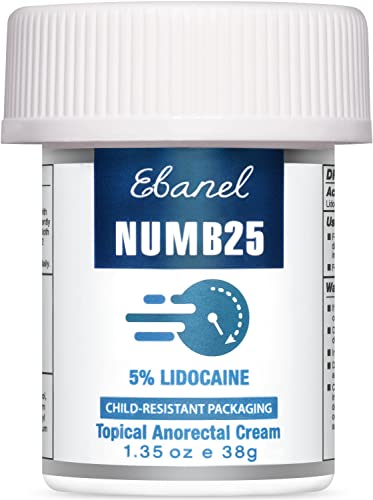
FSA HSA Eligible Over-the-Counter Medication - This topical lidocaine numb cream with Allantoin, Vitamin E, and Aloe is clinically proven to temporarily relieve pain, burning, itching, discomfort, inflammation, and soreness in local and anorectal areas

5% Lidocaine Cream Maximum Strength Formula: Formulated with 5% lidocaine, this topical cream provides temporary relief from localized discomfort such as itching, burning, or minor skin irritation. A powerful solution for external use when your skin needs extra care.

Long-Lasting Relief, Maximum Comfort: This numbing cream delivers prolonged analgesic effects, quickly relieving itching, pain, burning sensations, and significantly reducing swelling. It effectively desensitizes the skin for a comfortable experience.
Wear Loose Clothing and Ask About Numbing Options
Although laser tattoo removal is relatively quick, you’ll be more comfortable if you plan your outfit and pain management ahead of time. Unlike getting a tattoo, professional tattoo removal works through concentrated light pulses, which create heat and discomfort you’ll want to minimize.
Wear loose, breathable clothing that won’t rub your treated area during or after your session. Ask your provider specifically about numbing cream options, plus cooling measures they apply. Tell staff about your pain tolerance so they tailor the best comfort plan for you. Choose outfits that keep the site accessible for treatment and easy dressing afterward.
These tips to keep your skin irritation-free matter because tattooed skin feels sunburn-like post-treatment. Soft, non-restrictive fabrics prevent scratching and let healing skin breathe properly.
Recommended Products

☑Natural Safe Organic Ingredients: Tattoo Aftercare Butter is composed of Shea Butter, Jojoba, Macadamia Ternifolia Seed Oil and Vitamin E Complex. Our all-natural butter is also petroleum-free and paraben-free. After use, it can make the tattooed skin heal faster and moisturize the skin. Makes your skin smooth and the tattoo color bright.


Upgraded Design, Easy to Use --- Tattoo aftercare balm comes in a tube,this container allows you to glide on the butter easily,Rolls on smoothly and evenly on your skin,No more mess or residue on your finger,convenient to use