
Nearly 70% of people with tattoos eventually consider removal, yet most underestimate how long healing actually takes. You will not see your final results after a single session, and your skin needs proper time to recover between treatments.
Understanding the true timeline helps you set realistic expectations, avoid complications, and achieve the cleanest possible outcome. The healing process is more involved than you might assume, and what happens in the first 48 hours sets the stage for everything that follows.
The First 48 Hours: What Your Skin Actually Does
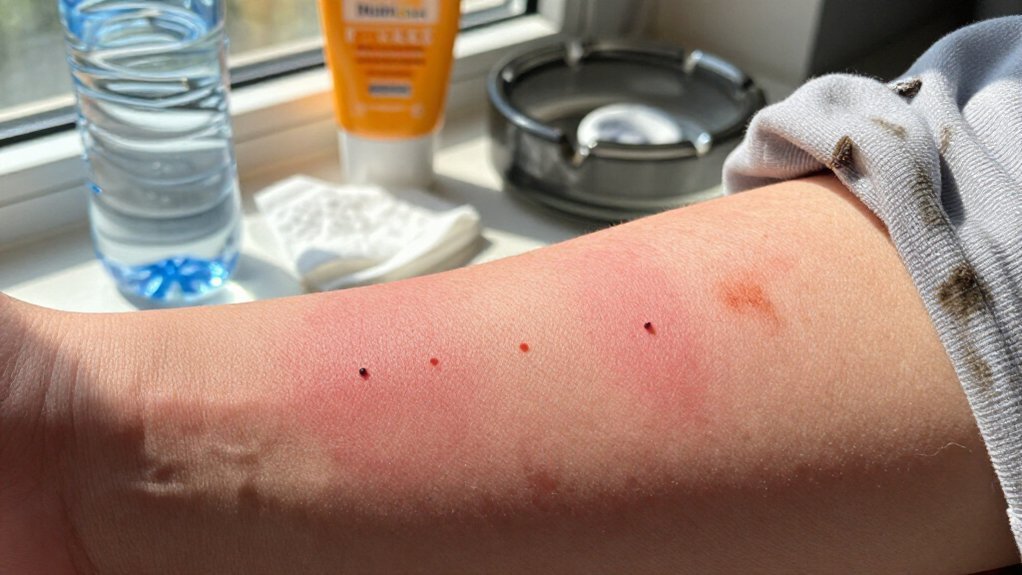
Although your skin looks calm before the laser touches it, the real work begins within seconds. You see frosting, a white layer, as the laser’s energy hits the ink particles. Then redness and swelling start. This is normal laser tattoo removal healing.
The real work begins within seconds: frosting appears, then redness and swelling—this is normal healing.
1. First 24 Hours: What You’ll Notice
- Your treated area feels like a sunburn.
- Redness, called purpura, and swelling appear.
- Itching and sensitivity develop as the skin dehydrates.
2. 24–48 Hours: Blisters Form
- You may spot blisters, crusts, or scabs; this is typical.
- Don’t scratch, pick, or pop anything.
3. Your Aftercare Steps
- Keep the area clean and dry; wash gently twice daily.
- Apply a thin layer of antibiotic ointment.
- Keep the area covered with a loose, clean dressing.
- Avoid soaking the skin.
You support the healing process while your body flushes fragmented ink. Let blisters heal naturally. Keep the area clean, follow aftercare, and you’ll minimize scarring risk.
Recommended Products

✅【GREAT MATERIAL】 - Scar repair cream contains natural Vitamin A and Vitamin D as well as potent skin-soothing herbal ingredients, which can effective prevent scarring and nourish your skin. Refine the ointment from the thyme hibiscus, celery, snokeweed, licorice, which is safe without side effects.

COMPLETE AFTERCARE KIT FOR NEW & EXISTING TATTOOS: This Tattoo Aftercare Kit brings together 3 essentials, Antimicrobial Soap, Tattoo Balm, and Tattoo Lotion, to help cleanse, protect, and moisturize fresh ink. Useful after tattoo sessions and throughout healing, it supports vibrant color and skin comfort for dedicated ink enthusiasts and artists

TATTOO AFTERCARE ESSENTIAL: Hustle Butter is the original tattoo aftercare balm for new and older tattoos. With over 10 years in the market, we are a pioneer of the tattoo aftercare category.
Your Week-by-Week Healing Timeline
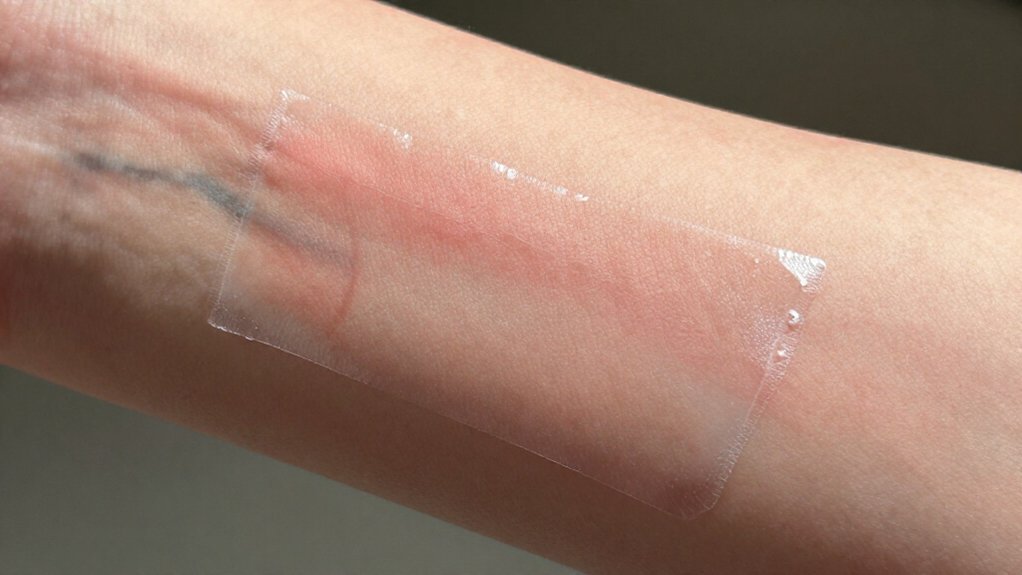
After the first 48 hours pass, you’re entering the longer stretch where visible healing and invisible ink clearance work together. You can expect after laser tattoo removal that the treated skin will develop blisters or scabs within 24–72 hours. Keep the treated area clean and dry during this phase.
Weeks 1–2
Redness, swelling, and itching continue. Don’t pick scabs; let them flake naturally. Skin irritation peaks here, then begins declining.
Weeks 3–4
Superficial irritation typically clears. The tattoo keeps fading internally even as surface calm returns.
Weeks 5–6
By weeks 5–6, you’re usually fully healed. Ongoing pigment clearance still produces noticeable fading.
Proper tattoo removal aftercare supports this healing process. Space your tattoo removal sessions 6–8 weeks apart, allowing complete recovery before retreating.
Recommended Products

【After Surgery Patient Shower Guard】Finally - You have found the one! - Meet the world's best handy shower surgical wound shield patch waterproof bandage protector. As a patient with surgery incisions and could not take showers for fear of getting stitches site wet which causes infection. This shower catheter cover shield moisture barrier sheet allows you the freedom to take a shower with no worries, it keeps everything dry and makes taking a shower an independent activity once again.

PROMOTE HEALING & BRIGHTEN TATTOO COLORS: Our transparent tattoo cover will lock the moisture your wound needs to accelerate regeneration process, reduce scabbing and keep the tattoo colors vibrant; Please note: packaging may vary

✅Idea for tattoo aftercare, post surgical wound shower shield protection, waterproof wound cover, catheter shower cover, protection to abrasion, cut, scrape, small wound.
5 Factors That Speed Up (or Slow Down) Healing
How quickly you recover depends on choices you make before and after each session. The tattoo removal process sends short pulses of light to shatter ink, but your immune system works for weeks after to remove those particles. This healing process determines your actual time to heal between appointments.
Space sessions 6–8 weeks apart, since deeper ink breakdown continues well past surface recovery. Apply antibiotic ointment or recommended aftercare instructions to reduce discomfort and prevent infection. Always avoid picking scabs or blisters, as this extends recovery and risks permanent marks.
Protect your skin from sun exposure for two weeks, then use high-SPF sunscreen to prevent discoloration. Stay hydrated, avoid smoking, and follow proper wound care, including gentle cleansing with mild soap and lukewarm water. Do not soak the area until fully healed.
Recommended Products

On-the-Go Piercing Aftercare: Tattoo Goo Piercing Care Cleansing Swabs are single-use, medicated swabs designed for targeted piercing care. Suitable for both skin and oral piercings, they help prevent infection, irritation, and scarring

Nourishes Healing Ink for Vibrant Color: Tattoo Goo supports healing tattoos & maintains vibrancy on healed ink with a lightweight formula rich in olive oil, lavender oil, cocoa butter, and beeswax. It absorbs quickly, moisturizes deeply, and helps reduce dryness, itch and tightness so your tattoo looks and feels comfortable through everyday routines

【PROFESSIONAL TATTOO AFTERCARE KIT】Complete 4-step care routine for fresh tattoos. This tattoo kit includes a Cleansing Foam (80ml) to gently wash, a Soothing Gel (60g) to cool & hydrate, a Tattoo Balm (25g) to nourish, and a Breathable Bandage (15cm*2m) to protect. Everything you need for proper tattoo aftercare in one box.
How to Know You’re Healed Enough for Another Session
Your skin tells you when it’s ready. Superficial redness and swelling should fully resolve, and your treated skin must look calm, not raised or irritated. Wait at least six weeks before booking another laser treatment.
Check These Signs First:
- Surface integrity: No open blisters, weeping, or fresh scabs. Let scabs flake naturally by weeks 1–2.
- Symptom-free skin: No ongoing itching, persistent sensitivity, or signs of infection like worsening redness, honey-colored crusting, or chills. Contact your specialist immediately if these appear.
- Aftercare compliance: Confirm you’ve followed all aftercare instructions, no picking or soaking, so your recovery process stays on track.
Disrupted healing extends your timeline beyond the typical 6–8 week cycle. Play it safe; your tattoo isn’t going anywhere, but your skin needs patience.
Recommended Products

Protect Your Body Art: Moisturizing with the bonus of itch relief! Tattoo Goo's Tattoo Care Lotion soothes healing skin & keeps healed ink looking sharp for life. With olive oil & glycerin, it delivers deep, breathable hydration that won’t clog pores
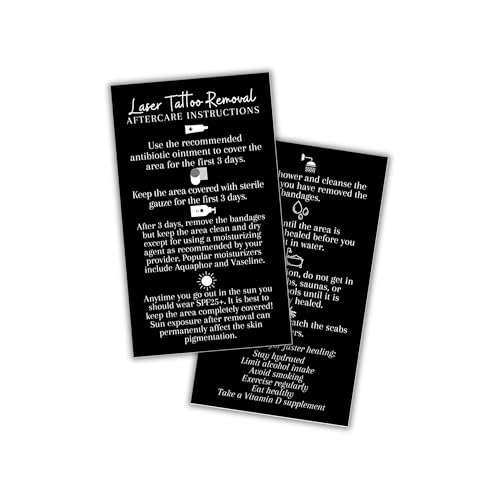
50 TOTAL CARDS printed front and back on a 2x3.5 inch inches card. 14 pt. matte card stock thickness!
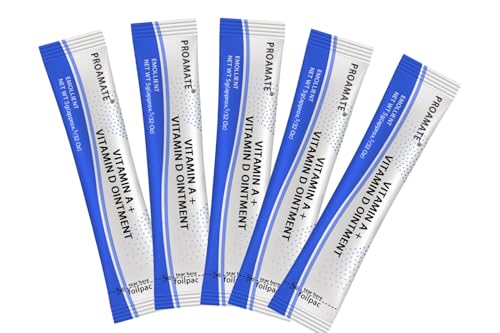
Natural ingredients -This Tattoo Scar Repair Gel is rich in natural vitamins A and D and skin soothing ingredients, can prevent scars and nourish your skin.With natural ingredients, safe, non - toxic and harmless. It has extremely efficient skincare, with a very safe and vegan formulation.