
Like the sting of a rubber band snapped against sunburned skin, laser tattoo removal tests your tolerance, but you don’t have to face it unprepared. You can take concrete steps to dull the discomfort, protect your skin, and keep your sessions on track.
The right preparation turns a challenging procedure into something manageable.
Why Laser Tattoo Removal Hurts: and What Helps
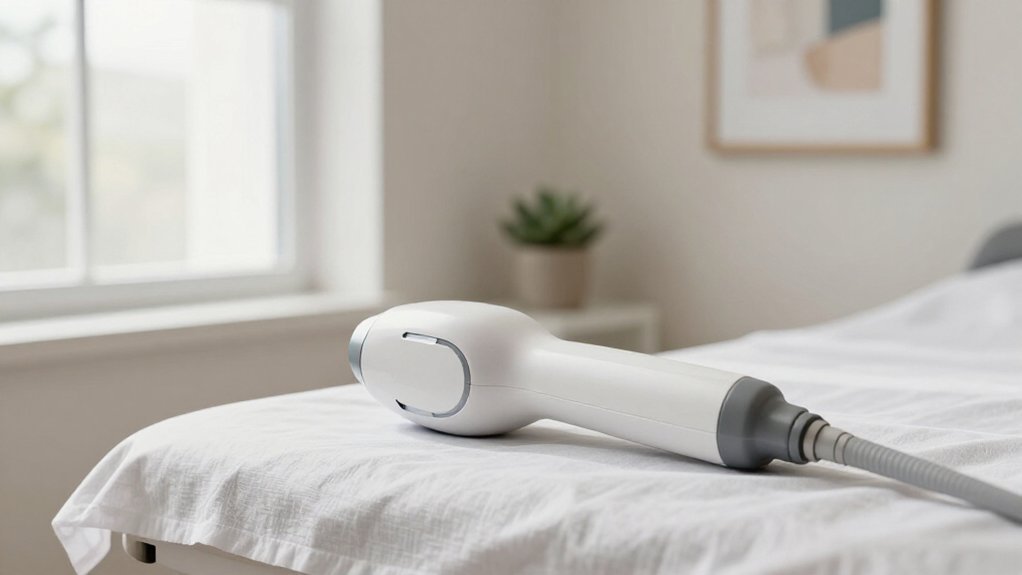
Why does laser tattoo removal hurt so much? High-intensity laser pulses penetrate your epidermis to shatter tattoo pigment into tiny particles, which your body absorbs and metabolizes. This process feels like a snapped rubber band or bad sunburn.
Understanding the Pain
The pain you experience varies by location. Thin skin and nerve-dense areas, ribs, fingers, head, and joints hurt most.
Sessions are short, usually under an hour, and discomfort fades within hours.
What Helps
To make it less painful, you have options. Cooling works: apply ice packs 5–10 minutes before, and clinics use cold air during treatment. Numbing cream helps superficially. Make sure you understand why laser tattoo removal hurts, so you can use calming techniques. Deep breathing and music reduce anxiety, which amplifies pain signals. Request test spots, frequent check-ins, and breaks.
Recommended Products

LONG-LASTING COMFORT: This cream is designed to provide lasting comfort and a soothing sensation, helping you feel more comfortable during use.for local and anorectal areas

FROM THE LEADER IN TATTOO AFTERCARE: For years now, Mad Rabbit has consistently ranked among the most popular and highest-rated tattoo products on the market. We’ve created a top-of-the-line Tattoo Glide to help professional tattoo artists do their best work.

【MAXIMUM STRENGTH 5% LIDOCAINE】 Formulated with 5% Lidocaine, the highest strength available over the counter, this topical anorectal cream helps provide temporary relief of local and anorectal itching and discomfort associated with anorectal irritation.
Apply Numbing Cream 1 Hour Before Your Session
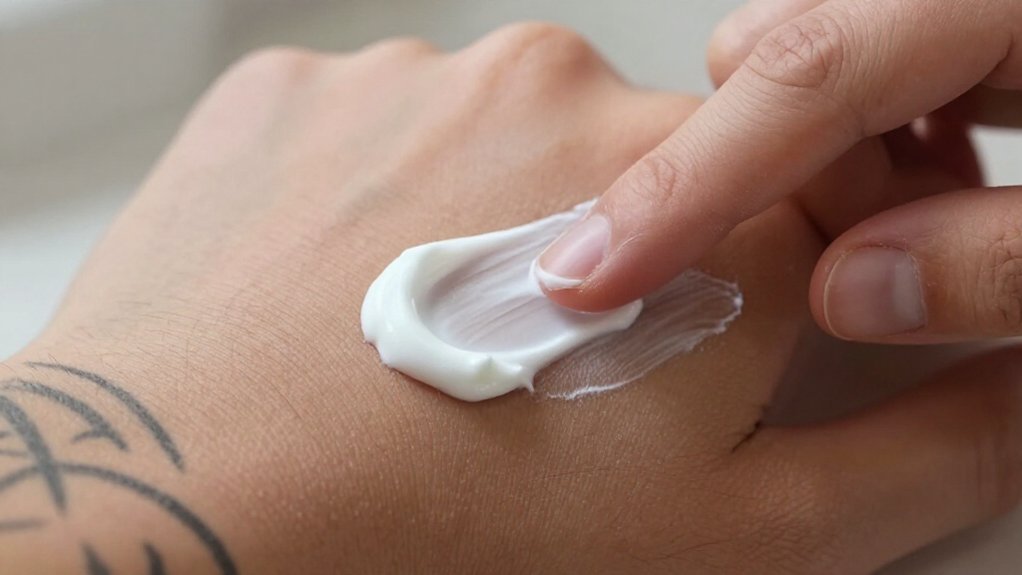
You will need to choose the right numbing cream, and you’ll want to apply it correctly for the best results. Most clinics recommend pharmacy-grade options like Emla, which contains lidocaine and prilocaine to dull surface sensation. You will spread a thick layer over your tattoo exactly one hour before your session, then cover it with plastic wrap if your provider instructs you to do so.
Recommended Products


CLEAN INGREDIENTS FOR NEW TATTOOS - Our Soothing Gel skips the skin-suffocators and instead focuses on lightweight botanical oils like Sweet Almond and Argan which are naturally rich in fatty acids antioxidants to help nourish and offset environmental stressors that can further aggravate your ink.

INSTANT RELIEF: Cooling gel formula with aloe vera and chamomile extract provides immediate comfort and soothes irritation on fresh tattoos.
Choosing the Right Cream
Since managing discomfort is a priority for most patients, you’ll want to select a pharmacy-grade numbing cream that contains lidocaine, a topical anesthetic that temporarily blocks nerve signals in the skin. Numbing creams like Emla offer less pain by dulling surface sensations, though they won’t fully eliminate deeper discomfort during laser passes.
Ask your laser technician which product they recommend for your treatment area. Some clinics provide numbing cream directly, while others adjust guidance based on your skin type and the specific formula. Take care to confirm timing and amount, since these vary by product.
You’ll typically apply the cream one hour before your session, then cover it with plastic wrap to boost absorption. The clinic cleans it off right before treatment begins.
Proper Application Technique
Once you’ve selected your numbing cream, applying it correctly determines how much relief you’ll actually feel. You will need to spread a moderate, even layer over your tattooed area about 1 hour before your session. You should use pharmacy-grade, lidocaine-based numbing cream for best results.
Next, you must cover the area with plastic wrap. This traps heat and helps your skin absorb the active ingredients fully. Your clinic will remove the wrap and clean your skin with alcohol swabs right before lasering, so plan to arrive early.
Keep your expectations realistic. Numbing cream mainly affects the top layer of skin, so deeper tissue may still sting. You can request an ice pack after treatment to further reduce the pain, but proper application beforehand makes the experience less uncomfortable overall.
Take Tylenol (Not Advil) 30 Minutes Before
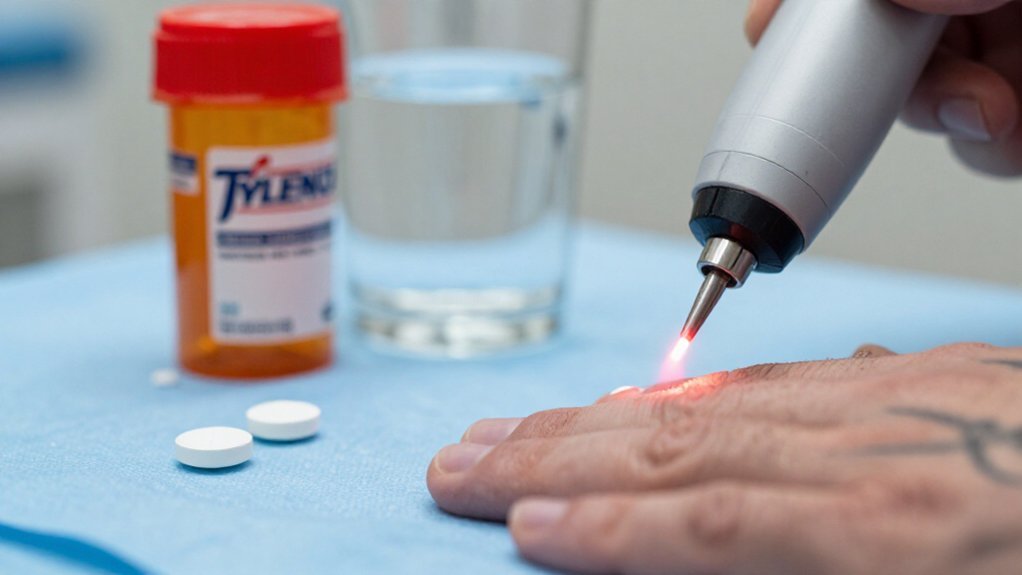
You should take Tylenol, which is acetaminophen, about 30 minutes before your session starts so it has time to work. Pick Tylenol instead of Advil, or ibuprofen, because ibuprofen thins your blood and can cause extra bruising or bleeding during the laser treatment.
If you feel sore afterward, you can take another dose later, just follow the directions on the label or ask your clinic if you are unsure about the right amount for you.
Recommended Products
![[1000 Feet Per Roll] 60mm Premium Numbing Preservative Film by Ink Permanent Plastic Wrap for Tattoos, Microblading, Lip Tattoo, Eyebrow Lamination & Lash Lift – 42 or 60 mm width 300 Meters](https://m.media-amazon.com/images/I/411aFCuIArL._SL500_.jpg)
AWESOME HELPER – Ink Permanent numbing film is designed to seal after anesthetic application, increasing product effectiveness and assuring customer satisfaction.

Premium Material: Our eye plastic wrap is made of high-quality plastic material, safe, odorless and safe to use. The ultra-thin film design is elastic, good sticky and tough, allowing the cream to work to its full potential when covered with tattoo film
![[1000 Feet Per Roll] 42mm Premium Numbing Preservative Film by Ink Permanent Plastic Wrap for Tattoos, Microblading, Lip Tattoo, Eyebrow Lamination & Lash Lift – 42 or 60 mm width 300 Meters](https://m.media-amazon.com/images/I/41w5q+eBgML._SL500_.jpg)
AWESOME HELPER – Ink Permanent numbing film is designed to seal after anesthetic application, increasing product effectiveness and assuring customer satisfaction.
Why Tylenol Works
Because timing matters when managing discomfort, you’ll want to take acetaminophen, commonly known as Tylenol, about 30 minutes before your laser session begins. This allows the medication to reach peak effect right when you need it most.
Why Tylenol Beats Advil for This Purpose
Tylenol helps you manage pain without the blood-thinning effects of ibuprofen. Advil can increase bruising and bleeding risk around treated skin, which complicates healing. Acetaminophen avoids this problem while still dulling the pain you’ll feel.
You’ll experience stinging, sunburn-like sensations during and after your sessions. Taking Tylenol beforehand prevents you from playing catch-up once discomfort starts. Make sure you follow your clinic’s dosing guidance, especially if you have liver concerns or take other medications containing acetaminophen.
Timing Your Dose
Planning ahead makes your session noticeably smoother. You reduce much pain by timing your dose correctly for each treatment.
1. When to take Tylenol
- Swallow acetaminophen (Tylenol) 20–30 minutes before your appointment.
- This gives the medication time to reach peak effectiveness when the laser starts.
2. Why you skip Advil
- Ibuprofen increases bleeding and bruising risk during tattoo removal sessions.
- Tylenol controls discomfort without these complications.
3. How to prepare
- Take your dose with food if your stomach is sensitive.
- Do not “stack” extra doses beyond label instructions unless your clinician advises it.
- You may take another dose later if soreness persists, but save pre-session timing for your next appointment.
Proper timing your dose helps you through the number of sessions ahead.
Avoiding Blood Thinners
Since blood thinners complicate laser tattoo removal, you’ll want to choose your pain reliever carefully. You must avoid aspirin and ibuprofen (Advil) before your session. These common medications act as blood thinners, and they raise your bleeding risk during treatment. This can lead to increased bruising and slower healing.
1. Choose Tylenol Instead
Take Tylenol (acetaminophen) about 30 minutes before your appointment. It reduces discomfort without thinning your blood. Confirm the exact timing with your clinic, especially if they apply numbing cream or use cooling devices. You want the medication active when the laser starts working.
2. Share Your Medications
Tell your technician about everything you’re taking. They’ll spot hidden blood thinners and adjust your pain-control plan.
3. Follow Up Safely
If you need relief after treatment, stick with acetaminophen as the label directs.
Use Ice Before and During Treatment
While you might feel anxious about the laser’s sting, applying cold beforehand is one of the simplest ways to take the edge off. You should wrap an ice pack in a cloth or towel, never placing it directly on your skin, and hold it against the tattooed area for about 15 minutes. This numbs the skin and helps reduce the initial shock of the laser pulses.
Apply ice for 15 minutes before your session, using a barrier to protect your skin. Request continuous cooling or cold air from the clinic during the actual laser removal. Use short 5 to 10 minute cooling intervals as needed, so you don’t interfere with the laser’s effectiveness.
If you’re getting your tattoo removed for the first treatment, this method works especially well for smaller pieces where targeted numbness matters most. The ink used in your tattoo doesn’t change this approach, and you’ll find the cold makes the entire experience more manageable.
Recommended Products
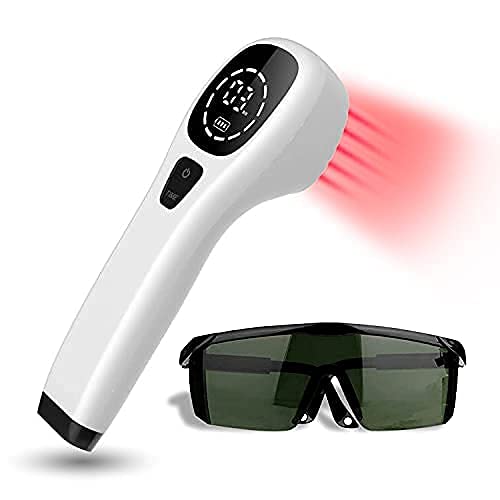
ESAY TO USE: Stylish and compact design, portable size for easy carrying when travel. Easy to operate with user-friendly guide included. Lighter or deeper penetration suitable for both professional and personal use.

【Scientific red light therapy】: The 650nm*14 tubes of red light emitted by the laser therapy device can act on the skin to promote blood flow, vasodilatation, lymphatic circulation and blood circulation. The 808nm*4 tubes of near infrared light from the red light devices can penetrate deep into the tissues, improves joint & muscle aches & pains, stimulate lymphatic patterns, activate cells & accelerated recovery. Red Light Low Level Laser Therapy device is indicated for muscle soreness, fatigue reduction and relaxation. (Note: 4x808nm not visible to the naked eye when working)

Safe & Non-Invasive: the apparatus adopts the principle of modern infrared light treatment, red light delivers non-thermal (non heat) photons of light to the body to help heal injured cells, improves blood flow, reduces inflammation, only to provide you the most effective therapy to alleviate your pain. Natural healing, non-invasive treatment, no cross infection.
Cut Smoking and Alcohol One Week Before
If you smoke or drink regularly, you’ll want to cut back on both about one week before your laser tattoo removal session.
Cut back on smoking and drinking one week before your laser tattoo removal session to support better healing and results.
Why This Matters
When you cut smoking and alcohol one week before treatment, you directly improve how your body handles the laser tattoo removal process. Smoking reduces blood flow to your skin, which slows healing and extends redness and irritation. Alcohol dehydrates you and worsens inflammation, making discomfort harder to manage.
Lower Your Infection Risk
Both substances compromise your immune response, raising infection risk and complication chances like scarring. You don’t need to quit completely; reducing intake still helps. Your body heals more efficiently when you avoid these stressors, and faster healing means less pain per session. Take this week to prepare your system, and you’ll notice the difference in recovery comfort.
Recommended Products

Portable Breathing Aid for Anxiety & Calm - Compact Hyperventilation Relief Device, Deep Breathing Exercise Tool for On-the-Go Stress Management, Discreet & Professional Design

MINDFULNESS NECKLACE: Our deep breathing tool is designed with the perfect opening and two-flow airway to provide the ideal resistance for your exhalation,which is scientifically researched to have a calming effect on the human brain, relaxing the brain, balancing the body's energy, and relieving stress, thus improving the quality of sleep and relieving anxiety
Calm Your Mind to Lower Pain Perception
Your mental state plays a direct role in how much discomfort you feel during laser tattoo removal, so calming your mind beforehand isn’t just helpful, it’s a practical pain management tool. Anxiety tricks your brain into registering more pain, which lowers your pain tolerance when you need it most.
You can calm your mind through several proven methods:
- Practice deep breathing exercises before your appointment to reduce stress-driven pain amplification
- Listen to relaxing music or watch something funny to distract from the flicking sensation
- Journal about your treatment plan, reminding yourself that laser tattoo removal works quickly, often in just minutes
Getting comfortable with your clinician also matters. Book consultations until you find someone trustworthy; familiarity reduces anxiety. Remember, you’re in control, and that mindset directly reduces how much discomfort you’ll perceive.
Recommended Products

Long-Lasting Relief, Maximum Comfort: This numbing cream delivers prolonged analgesic effects, quickly relieving itching, pain, burning sensations, and significantly reducing swelling. It effectively desensitizes the skin for a comfortable experience.

LONG-LASTING COMFORT: This cream is designed to provide lasting comfort and a soothing sensation, helping you feel more comfortable during use.
Long-Lasting Relief, Maximum Comfort: This numbing cream delivers prolonged analgesic effects, quickly relieving itching, pain, burning sensations, and significantly reducing swelling. It effectively desensitizes the skin for a comfortable experience.
Find a Technician Who Lets You Pause
Mental preparation helps, but your technician’s willingness to let you pause matters just as much. You deserve control during your tattoo removal experience, so choose a clinic where the technician explicitly welcomes breaks for stretching, breathing, or cooling.
1. Ask About Comfort Options
Before booking, question what they offer throughout tattoo removal treatments. Do they provide frequent check-ins, built-in breaks, and ongoing cooling? You need permission to stop if the popping sound and heat become overwhelming.
2. Request a Test Spot
Start small. Let them numb the area, then try a test spot. This gauges your response before full treatment, and you can slow down if sensations spike.
3. Switch If Needed
If a clinic pushes you through without pause, find another. Communication during laser pulses makes laser tattoo removal less traumatic.
Recommended Products
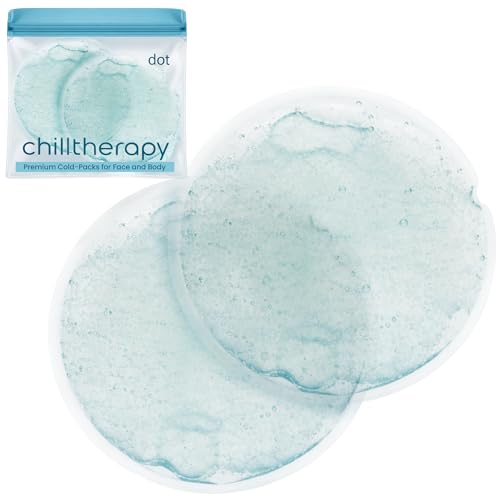
TARGETED COOLING FOR SMALL SENSITIVE AREAS – Designed for precise cold therapy on delicate areas including under eyes, cheeks, lips, fingers, toes, jawline and small treatment zones requiring gentle cooling support.
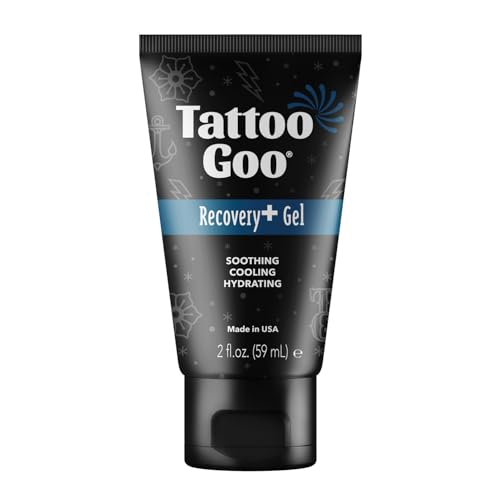
Protect your Body Art: Getting inked takes a toll on your skin. What you lose in moisture, we give right back. Our formula mimics your skin’s natural hydration so it absorbs fast, works harder, and helps your skin recover faster

Rapid Swelling & Pain Relief for Post-Cosmetic Care - Ideal for post-lip filler, lip tattoo, or minor lip injuries! These lip-contoured ice packs effectively reduce swelling, numb discomfort, and speed up recovery by 30%, leaving lips soft and relaxed. Perfect for daily use or clinical aftercare to minimize bruising.
Soothe Skin Afterward to Avoid Painful Infections
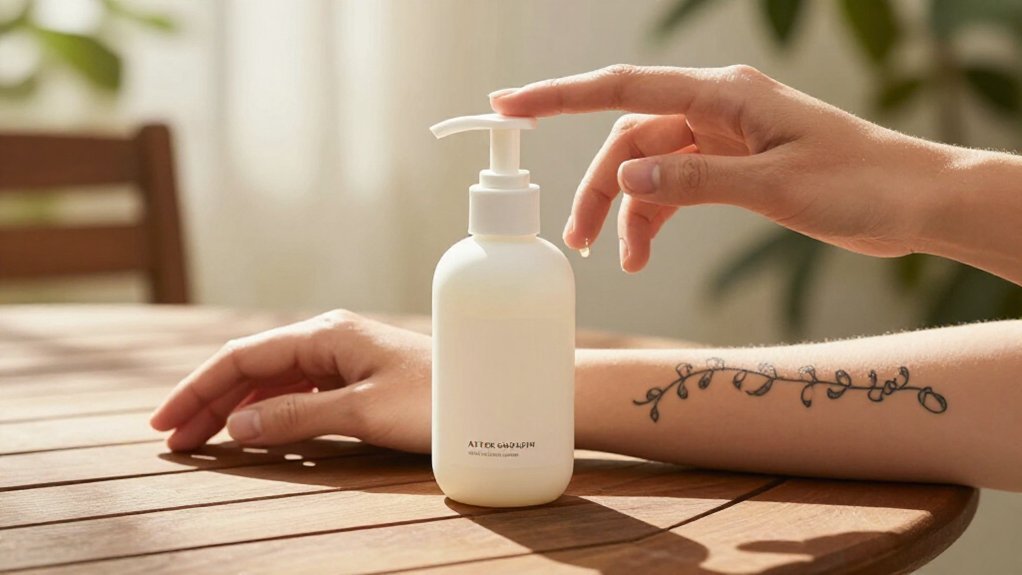
During the first 24 to 48 hours after your laser session, you’ll notice redness, warmth, and mild swelling, sometimes with small scabs or light blistering forming. This happens because the laser breaks ink particles in the deepest layer of your skin, triggering your body’s natural healing response.
You’ll need to soothe skin afterward to avoid painful infections, so follow these steps carefully:
- Apply aftercare products exactly as directed, starting with a thick layer of aloe vera for 72 hours, then switching to unscented lotion for one week
- Avoid picking or scratching any scabs, since this invites bacteria and causes scars
- Skip hot showers and soaking for 48 hours, and shield the area from sun for two weeks; a bad sunburn can seriously damage healing tissue
Recommended Products
![2 X 60mm [1000 Feet Per Roll] Premium Numbing Preservative Film by Ink Permanent Plastic Wrap for Tattoos, Microblading, Lip Tattoo, Eyebrow Lamination & Lash Lift – 42 or 60 mm width 300 Meters](https://m.media-amazon.com/images/I/414hZwkA8rL._SL500_.jpg)
AWESOME HELPER – Ink Permanent numbing film is designed to seal after anesthetic application, increasing product effectiveness and assuring customer satisfaction.
AWESOME HELPER – Ink Permanent numbing film is designed to seal after anesthetic application, increasing product effectiveness and assuring customer satisfaction.