
You probably assume tattoo ink faces strict safety testing, but most products enter the market without FDA approval for skin injection.
Instead, they’re regulated as cosmetics, which means manufacturers don’t have to prove safety before selling.
This gap leaves you exposed to unlisted chemicals, carcinogens, and heavy metals that can linger in your body for decades.
Understanding what’s actually in that needle matters more than most people realize, especially when you consider how permanent your decision is.
The FDA Approval Gap in Tattoo Ink Safety
Because tattoo ink safety isn’t as straightforward as you might expect, you’ll want to understand where US regulations fall short before you book your appointment.
1. The Core Problem
The Food and Drug Administration treats most tattoo inks as cosmetics. The FDA has not approved any color additives specifically for injection into skin. This creates a significant oversight gap.
2. What This Means for You
You’ll encounter pigments and ink mixtures that are regulated differently, so safety screening becomes inconsistent. Studies show unlisted additives are commonly found in tattoo inks, with 45 out of 54 analyzed products containing undisclosed ingredients.
3. How the US Compares
The EU bans certain tattoo ink ingredients outright in cosmetics. The US lacks comparable restrictions, leaving you with limited regulatory protection against mismatched labeling and unknown substances entering your skin.
Recommended Products

MADE IN THE USA SINCE 1990 — For over 30 years Dynamic Color has produced professional tattoo ink in the United States, an established American brand artists built their work on long before most imported labels existed.

MADE IN THE USA SINCE 1990 — For over 30 years Dynamic Color has produced professional tattoo ink in the United States, an established American brand artists built their work on long before most imported labels existed.

MADE IN THE USA SINCE 1990 — For over 30 years Dynamic Color has produced professional tattoo ink in the United States, an established American brand artists built their work on long before most imported labels existed.
The Hidden Carcinogens in Black Tattoo Ink
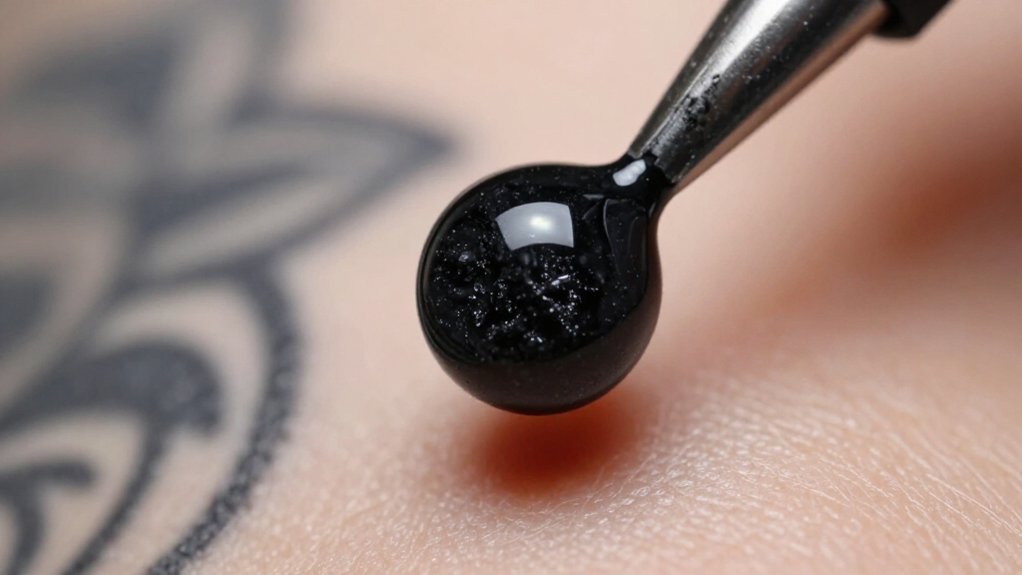
Uncertainty about what enters your skin deserves attention, especially when choosing black ink for your tattoo. Black tattoo ink pigments carry specific risks you should understand before your appointment.
1. Know What PAHs Are
Polycyclic aromatic hydrocarbons (PAHs) are known carcinogens that contaminate many black inks. These chemicals form during incomplete combustion and linger in carbon-based pigments.
2. Review the Evidence
A 2016 Australian investigation found PAHs in 83% of tested black inks. Benzo(a)pyrene, a particularly dangerous PAH, appears regularly in carbon black formulations. You’re not just getting color; you’re accepting compounds that may stay in your dermis permanently.
3. Protect Yourself
Ask your artist about ink sourcing. Request brands with third-party testing. Avoid bargain studios that won’t disclose ingredients. Your vigilance reduces exposure to hidden carcinogens that could affect surrounding tissue for decades.
Recommended Products

MADE IN THE USA SINCE 1990 — For over 30 years Dynamic Color has produced professional tattoo ink in the United States, an established American brand artists built their work on long before most imported labels existed.

100% brand new and high quality

Professional Grade Formula: Black tattoo ink formulated for smooth consistent flow and clean line work in professional tattoo applications
Heavy Metals Found in Tattoo Ink
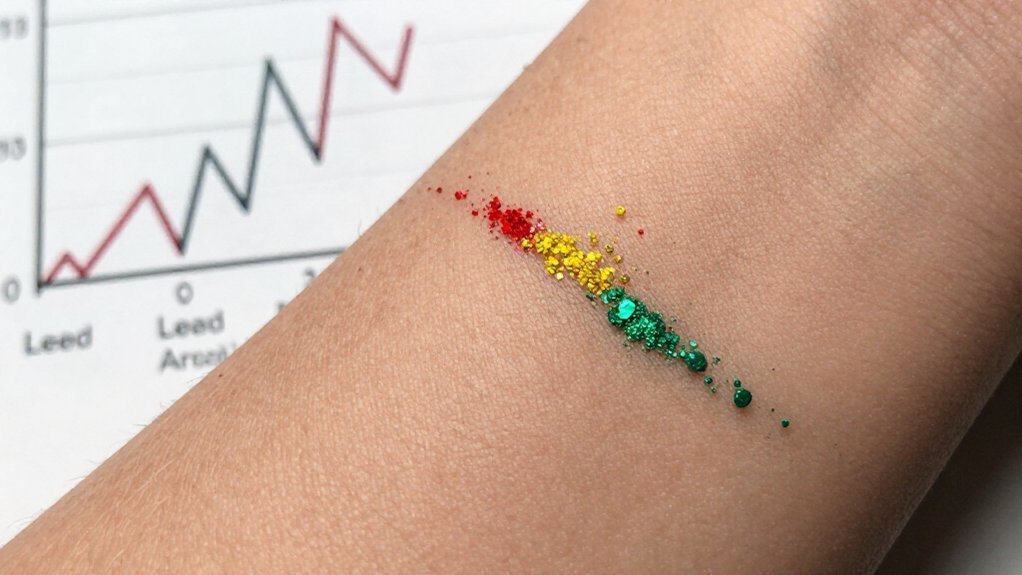
You’ll find heavy metals like cadmium, lead, and mercury hiding in many tattoo inks, and these aren’t just trace contaminants; they’re serious health risks. When you get inked, you’re injecting these substances directly into your dermis, where they can linger for decades and seep into surrounding tissues.
Understanding which metals pose the greatest danger, and why they’re there in the first place, helps you ask better questions before you sit in the artist’s chair.
Recommended Products
Elevate Your Shading Game: Xtreme Shading Solution takes your shading technique to the next level, delivering impeccable results for tattoo artists of all levels.

100% new brand and high quality. Favored among professional tattoo technicians.
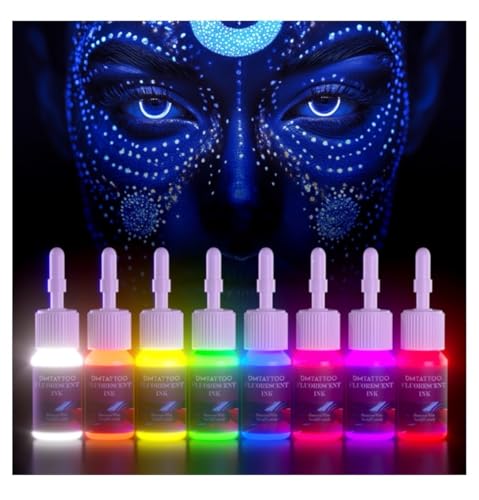
PROFESSIONAL QUALITY: Each bottle of permanent tattoo ink in this colorful pack of tattoo accessories is made of high pigment content that will safely dye and tint your skin pigment the way you want. The ink will only last if the tattoo is done correctly with a needle that properly and safely penetrates the dermis layer of the skin.
Common Toxic Metals
Your safety checklist includes:
- Requesting heavy metal testing results from your artist
- Researching ink brands that advertise metal-free formulations
- Monitoring tattooed skin for unusual changes over time
Health Risk Sources
When you’re choosing tattoo ink, you’re also choosing what enters your body.
1. Where Heavy Metals Hide
Tattoo ink manufacturers don’t always disclose everything. Heavy metals, cadmium, lead, mercury, antimony, beryllium, and arsenic, lurk in pigments. These aren’t always listed. You absorb them through your skin, and they stay there.
2. What the Research Shows
The International Agency for Research on Cancer classifies cadmium as Group 1, carcinogenic to humans. Mercury and cobalt salts rank as Group 2B, possible carcinogens. Macrophages, immune cells, grab these pigments. They shuttle them to your lymph nodes. This creates lasting exposure you didn’t plan for.
3. Why Limits Matter
Heavy metals often exceed safe levels. Unlisted contaminants slip past regulations. You face health risks even when labels look clean.
Ask your artist about ink sources. Request safety data sheets. Your awareness reduces harm.
Azo Dyes and Toxic Amines in Tattoo Ink
You should know that azo dyes, which are color compounds used in some tattoo inks, can break down inside your skin through a process called reductive cleavage. This breakdown creates primary aromatic amines, or PAAs, which are chemicals linked to toxic and cancer-related health concerns.
You’re facing a risk that goes beyond simple skin irritation, because these harmful amines may already exist in the ink or form later through your body’s metabolism and exposure to light.
Recommended Products

MADE IN THE USA SINCE 1990 — For over 30 years Dynamic Color has produced professional tattoo ink in the United States, an established American brand artists built their work on long before most imported labels existed.
Premium Tattoo Black Ink – Allegory BLAK is a smooth, consistent blend of liquid dispersed pigment. Many of the most popular tattoo artists around the globe uses Allegory BLAK Ink for precise lining and shading. Allegory BLAK is the stepping-stone to the future of tattooing.

Smooth: A homogenized carrier/pigment mixture that flows easily
Azo Dye Chemistry
Although azo dyes give tattoo inks their bold, lasting colors, these compounds carry a hidden risk you should understand before getting inked. You encounter azo dyes chemistry whenever inks contain pigments with the –N=N– linkage, a structure that can break apart inside your skin. This cleavage releases aromatic amines, changing stable colorants into potentially hazardous compounds.
You should recognize three key points:
- Azo dyes hide in many color formulations, even when labels don’t clearly disclose them
- Your skin’s environment triggers reductive cleavage, splitting the azo bond
- Metabolism and light exposure continue generating amines long after tattooing
Because manufacturers inconsistently report azo dye identities, you might unknowingly accept these risks. Understanding this chemistry helps you ask informed questions about what’s actually entering your skin.
Toxic Amine Formation
Once azo dyes enter your skin, they don’t stay intact. You face toxic amine formation when these compounds break down through reductive cleavage. Your body’s metabolism and sunlight exposure trigger this process, converting azo dyes into primary aromatic amines (PAAs).
1. How PAAs Form in Your Skin
- Reductive cleavage splits dye molecules inside your dermis
- Metabolism and photodecomposition create additional PAAs
- Harmful chemicals may increase after your tattoo heals
2. Why This Matters for Your Safety
A 2022 *Toxicology in Health* review identifies PAAs as key hazardous constituents driving toxic effects. You’re exposed to risks that grow over time, not just at application. Since toxic amine formation depends on specific ingredients and conditions, undisclosed azo dyes in your ink create unpredictable dangers you cannot assess from labels alone.
Health Risk Implications
Primary aromatic amines don’t just form inside your skin, they create measurable health risks you’ll carry for years. When pigments used in tattoo undergo reductive cleavage, you’re exposed to mutagens that drive carcinogenic concerns based on their concentration and structure.
Permanent Makeup Inks carry identical risks, since azo dyes hide in unlisted formulations. You face adverse effects from compounds you cannot anticipate, because manufacturers omit additives from labels. The health impact stems not from original dyes alone, but from what forms afterward within your dermis.
A systematic review confirms primary aromatic amines rank alongside PAHs and metals as key risk drivers.
, Check ink ingredient lists before you commit, even when labels seem incomplete
, Ask your artist about azo-free pigment alternatives for safer application
, Schedule dermatological screenings if you’ve noticed unusual skin changes post-tattoo
Unlisted Additives in Commercial Tattoo Ink
When you pick up a bottle of tattoo ink, you trust the label tells you what’s inside. However, analyses of 54 commercial tattoo inks from nine US brands found that 45 contained unlisted additives and/or pigments. Major examples included poly(ethylene glycol), propylene glycol, and higher alkanes, none of which appeared on labels.
What This Means for You
The undisclosed content rate was high: 45 out of 54 inks. You may think you’re buying one formulation, but you’re actually getting another. Many unlisted additives could trigger allergic reactions or other health risks. Safety concerns exist even when products appear properly labeled.
45 out of 54 tattoo inks contained unlisted ingredients—what’s on the label rarely matches what’s in the bottle.
These findings reveal a labeling-inaccuracy problem in the US tattoo ink market. You and your clinician cannot know what was actually injected without independent testing.
Recommended Products

🦋Note:Please shake the ink before use.

Bold vivid red color with a high pigment load for consistent saturation on human skin

100% new brand and high quality. Favored among professional tattoo technicians.
Tattoo Ink Ingredients Banned in the EU, Legal in the US
You’ve seen how US tattoo inks often hide what’s actually in the bottle. Now you’ll discover how EU regulations leave American consumers exposed to banned chemicals.
1. Understanding the Regulatory Gap
The EU regulates Tattoo and Permanent Makeup through REACH, a chemical safety framework. This 2022 agreement banned pigments like blue 15 and green 7. The US lacks equivalent oversight, so these same pigments remain legal here.
2. What This Means for You
Check if your artist uses EU-compliant inks, which exclude restricted compounds. Ask specifically about pigment sources, since US labels often omit details. Research long-term effects of common pigments, as EU bans often precede safety findings.
The FDA’s limited authority over color additives creates real gaps. You might unknowingly receive inks containing EU-banned substances, with uncertain health implications over time.
Recommended Products

100% new brand and high quality. Favored among professional tattoo technicians.

Triple Blackout Tattoo Ink - Strengthen your shading with Triple Blackout, the boldest black designed for greater dimension in your tattoos. With a glycerin free formulation, this professional tattoo ink inserts smoothly into the skin for excellent distribution and shading.
Phthalates, Benzenes, and Toluene: Label Red Flags
Because tattoo ink labels often hide more than they reveal, you’ll need to know exactly which chemical names signal danger.
1. Watch for These Three Red Flags
- Phthalates: These plasticizers disrupt hormones. You’ll want inks clearly marked “phthalate-free.”
- Benzenes: This aromatic hydrocarbon carries carcinogen and irritation risks.
- Toluene: Another aromatic hydrocarbon with carcinogenicity and irritation potential.
2. Understand the Hidden Problem
Studies found 45 of 54 commercial inks contained unlisted additives. Poly(ethylene glycol), propylene glycol, and higher alkanes frequently appear as unlisted adulterants in U.S. products.
This means phthalates, benzenes, or toluene could lurk in your bottle without appearing on the label.
3. Protect Yourself
You can’t trust labels alone. Ask manufacturers directly about these three chemicals. Request complete ingredient disclosures before you buy.
Recommended Products

Premium Tattoo Black Ink – Allegory BLAK is a smooth, consistent blend of liquid dispersed pigment. Many of the most popular tattoo artists around the globe uses Allegory BLAK Ink for precise lining and shading. Allegory BLAK is the stepping-stone to the future of tattooing.
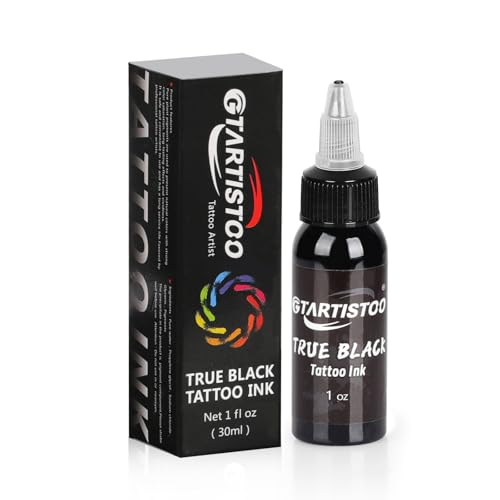
🖤Professional-Grade Tattoo Ink: This tattoo ink is designed for professional tattoo artists and studio use, suitable for bold outlines, shading, and solid black work in daily tattoo applications.
Sunlight and Laser Removal: Hidden Risks of Tattoo Ink Breakdown
Although you chose your ink carefully, sunlight and laser treatments can change those pigments into something more dangerous than what went in.
When you expose tattooed skin to sunlight, the pigments undergo photodecomposition. This process generates toxic breakdown products from compounds like PAHs and aromatic amines. These new chemicals become more bioavailable, increasing your risk of harm.
Sunlight triggers photodecomposition in tattoo pigments, generating toxic breakdown products that increase your health risks.
Laser tattoo removal procedures create similar problems. They fragment pigment particles trapped in your dermal layer, potentially increasing your exposure to carcinogenic byproducts. Your immune cells, called macrophages, pick up these fragments and transport them to your lymph nodes.
Check if your ink contains carbon black, which often carries benzo(a)pyrene. Request pigment documentation from your artist before any laser treatment. Apply broad-spectrum SPF 50+ daily to tattooed areas.
Safer Tattoo Ink Options and Artist Screening Questions
Take control of your ink safety by asking direct questions before the needle touches your skin.
1. Demand Full Disclosure
Ask your artist for complete ingredient lists. A U.S. survey found 45 of 54 inks contain unlisted additives. You deserve to know exactly what inks contain.
2. Avoid Known Toxins
Prefer products excluding polycyclic aromatic hydrocarbons (PAHs), including benzo(a)pyrene in carbon black, plus heavy metals: cadmium, lead, mercury. These increase reactions risk and complicate tattoo removal procedures.
3. Verify Label Accuracy
Choose inks with verified labeling. Regulators found mismatches between claims and contents; NICNAS detected PAHs in 1/5 of tested inks, 83% of black inks.
4. Screen for Hidden Adulterants
Request confirmation your ink lacks poly(ethylene glycol), propylene glycol, and higher alkanes.
5. Confirm Safety Protocols
Verify sourcing and contamination controls. Sealed claims don’t replace testing; DIY inks carry infection and allergy dangers.