
You can get a tattoo with eczema, but your skin demands extra respect. The wrong timing turns art into a painful, infected mess. Most people don’t realize which body areas spell disaster, or how to tell normal healing from a brewing problem. You need the full picture before you commit.
Key Takeaways
- Yes, you can get a tattoo with eczema, but only when your skin is completely clear and stable.
- Avoid tattooing during active flares or on commonly affected areas like elbows, knees, and wrists.
- Consult a dermatologist beforehand and choose an artist experienced with sensitive skin conditions.
- Expect longer healing times and heightened risks of infection, pigment rejection, or textural changes.
- Distinguish eczema from infection by watching for increasing pain, pus, heat, swelling, or foul odor.
Recommended Products

COMPLETE AFTERCARE KIT FOR NEW & EXISTING TATTOOS: This Tattoo Aftercare Kit brings together 3 essentials, Antimicrobial Soap, Tattoo Balm, and Tattoo Lotion, to help cleanse, protect, and moisturize fresh ink. Useful after tattoo sessions and throughout healing, it supports vibrant color and skin comfort for dedicated ink enthusiasts and artists
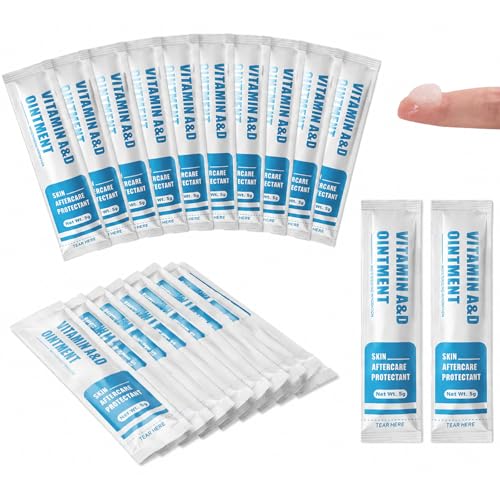
Honest, Accurate Care – This protective ointment comes in 50 hygienic single-serve packets for mess-free, on-the-go convenience. Easy to apply for tattoo protection anytime.

【Enriched with Vitamins A & D】This tattoo scar gel is formulated with naturally derived vitamins A and D, plus skin-calming ingredients. It helps support your skin's natural recovery process while keeping the tattoo area moisturised.
Can You Get a Tattoo If You Have Eczema?
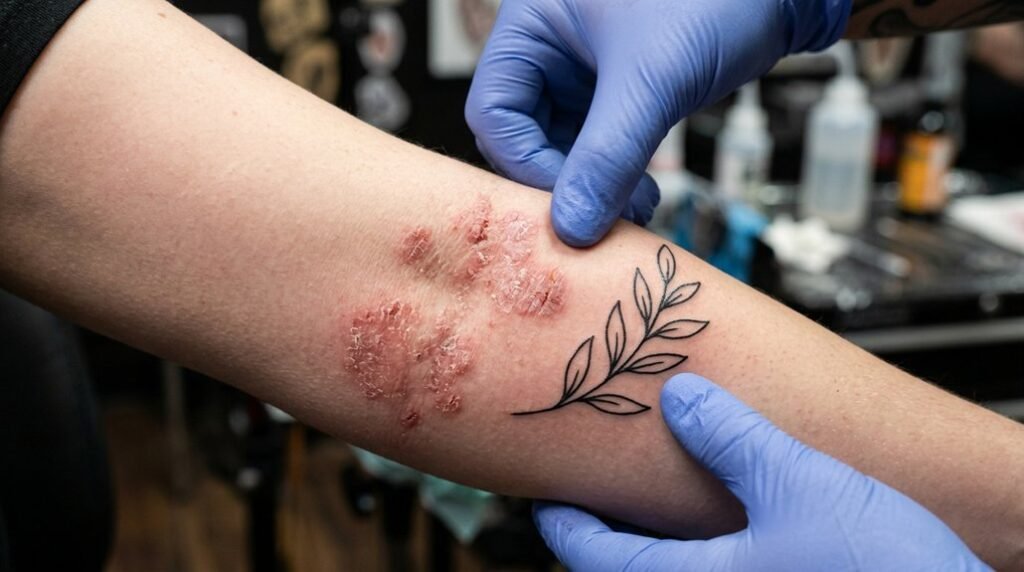
Why risk a flare-up when you’ve got eczema? You can get a tattoo, but you’ll need caution. Your skin’s already sensitive, and tattooing triggers inflammation. Check your skin first. If you’re mid-flare or healing from one, wait. Your artist needs clear, calm skin to work with.
You should consult a dermatologist beforehand. They’ll assess your condition and flag any risks specific to you. Some inks irritate eczema-prone skin more than others. Patch testing helps you dodge reactions before they start.
Pick an experienced artist who knows skin conditions. They’ll adjust their technique and aftercare advice. You’ll follow stricter hygiene routines than others. Moisturize relentlessly during healing. Skip fragranced products entirely.
Your tattoo won’t cause eczema, but it can provoke it. Know your triggers, plan around them, and you’ll likely heal without incident.
Recommended Products

TATTOO AFTERCARE ESSENTIAL: Hustle Butter is the original tattoo aftercare balm for new and older tattoos. With over 10 years in the market, we are a pioneer of the tattoo aftercare category.

2 ounces of Aveeno Skin Relief Healing Ointment with a Triple Oat, shea butter, and glycerin formula helps repair and protect dry skin. Designed for use on the body, face, hands, and lips, it provides lasting moisture with a non-greasy feel

FRAGRANCE FREE TATTOO AFTERCARE FOR SENSITIVE SKIN - The same #1 artist recommended Hustle Butter formula, now with no added fragrance, dyes, or parabens. The unscented tattoo lotion of choice for sensitive or easily irritated skin.
When to Absolutely Postpone Your Tattoo Appointment
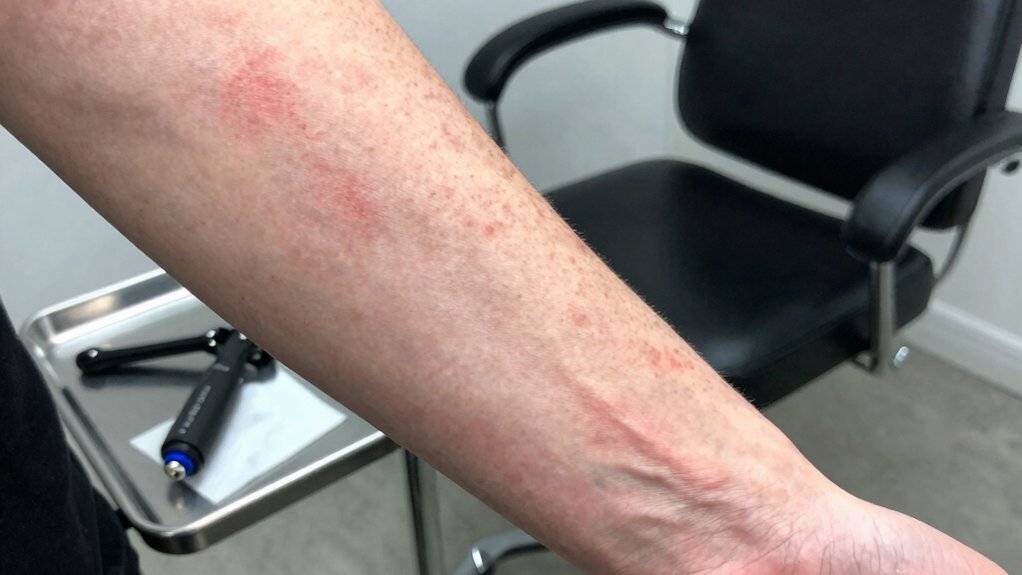
Some situations demand you reschedule no matter how much you want that ink. If you’re experiencing an active eczema flare-up on or near your desired tattoo location, you absolutely must postpone. Your skin’s barrier is compromised, and introducing needles and ink will worsen inflammation and trigger infection.
You’ve got a fever or feel ill? Stay home. Your immune system needs to focus on healing, not managing trauma.
You started a new medication recently, especially steroids or immunosuppressants? Call your artist and discuss rescheduling. These drugs alter how your skin responds and heals.
Your tattooist notices concerning skin changes you missed? Listen to them. They see compromised skin daily and know when risks outweigh aesthetics. Prioritize your long-term skin health over immediate gratification. You’ll thank yourself later.
Recommended Products

CETAPHIL ECZEMA RESTORADERM FLARE-UP RELIEF CREAM: Rich cream is clinically proven to help repair a damaged skin barrier and provide fast relief from uncomfortable flare-up symptoms like dryness, itchiness, scaling, roughness and irritation due to eczema

Protect Your Body Art: Moisturizing with the bonus of itch relief! Tattoo Goo's Tattoo Care Lotion soothes healing skin & keeps healed ink looking sharp for life. With olive oil & glycerin, it delivers deep, breathable hydration that won’t clog pores

Gentle, Deep Cleansing: Tattoo Goo Foaming Cleansing Soap for tattoos and piercings helps remove impurities and clean the inked or pierced areas at a deep level by removing dirt, dead skin cells, and killing germs without damaging the skin
Why Eczema Makes Tattooing More Complicated
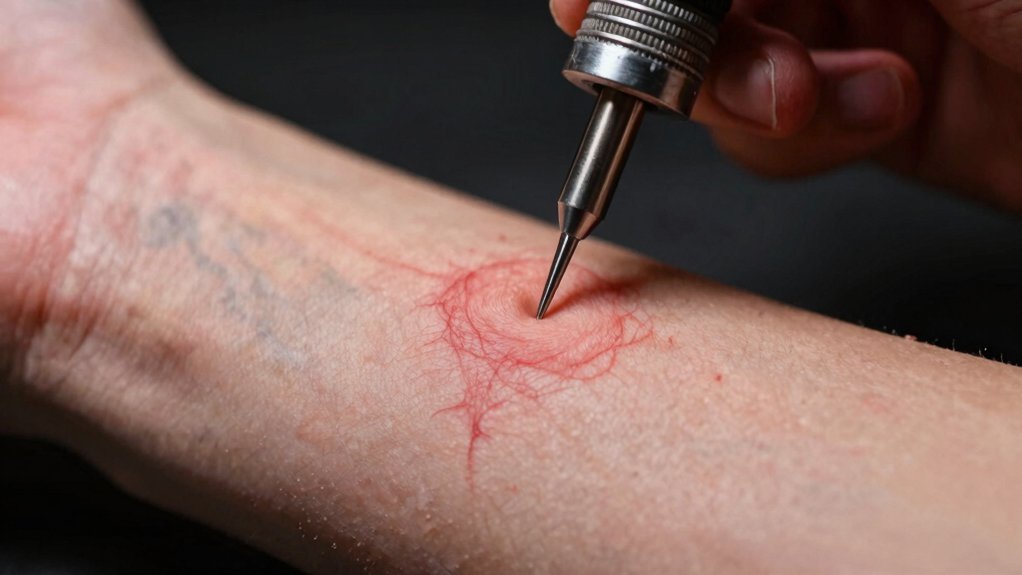
{“how exactly does eczema turn a routine tattoo session into a medical gamble? your skin’s compromised barrier function creates the core problem. you deal with chronic inflammation, which means your immune system stays on high alert. when the needle penetrates, you trigger exaggerated responses that healthy skin wouldn’t produce.”}
{“you’re inviting infection through every micro-wound because your skin can’t defend itself normally. the tattoo ink itself becomes suspect—your sensitized system may reject pigments, causing burning, blistering, or permanent textural changes. you also heal slower, extending recovery from weeks to months while risking scarring and patchy color retention.”}
{“during flares, you’re scratching, breaking skin, and spreading bacteria. you can’t resist touching a healing tattoo, and you’ve already compromised the canvas. the artist works harder, you suffer more, and the result disappoints. it’s not merely sensitive skin—it’s battling your own defenses.”}
Recommended Products

Long-Lasting Relief, Maximum Comfort: This numbing cream delivers prolonged analgesic effects, quickly relieving itching, pain, burning sensations, and significantly reducing swelling. It effectively desensitizes the skin for a comfortable experience.
Long-Lasting Relief, Maximum Comfort: This numbing cream delivers prolonged analgesic effects, quickly relieving itching, pain, burning sensations, and significantly reducing swelling. It effectively desensitizes the skin for a comfortable experience.

Numbing Effect Lasts Up to 8 Hours: Our tattoo numbing cream before tattoo is specially formulated to provide up to 8 hours of pain relief, itching, soreness, and burning while reducing tattoo swelling. With our cream, you can complete your tattoo session in one step, without the need to pause or slow down. it is numbing cream for tattoos extra strength.
Body Parts to Skip If You Have Eczema
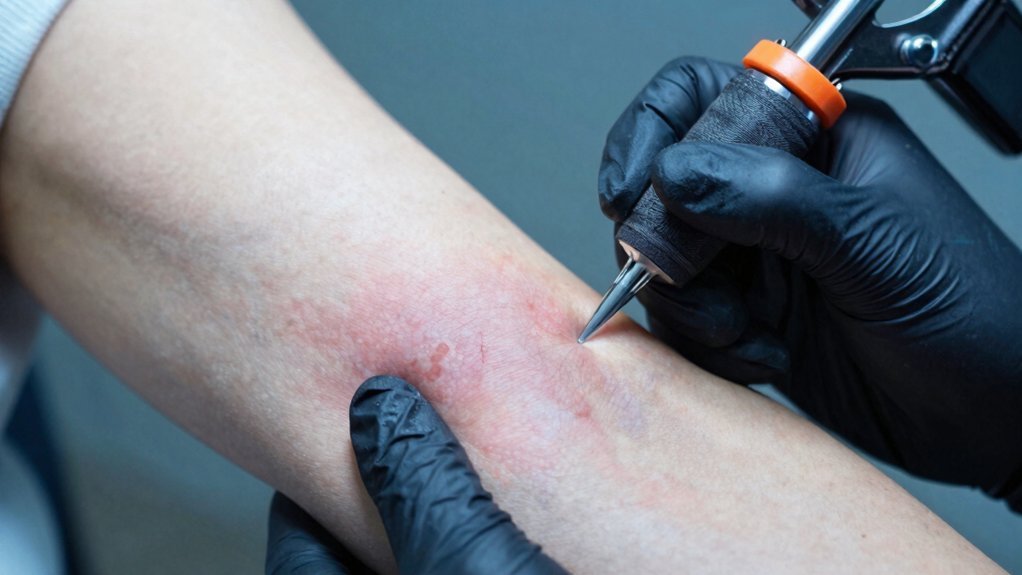
Where does your eczema typically strike? You’ll want to avoid tattooing those exact spots entirely. If your inner elbows flare constantly, don’t ink them. If your hands crack every winter, skip finger tattoos. Your wrists, knees, ankles, and neck probably trap moisture and friction—these areas heal poorly and reject ink more often.
You’ll also want to reconsider areas where skin stretches and folds. Your stomach, armpits, and behind your knees create friction and sweat buildup that irritates fresh tattoos. If you’ve got facial eczema, avoid face tattoos completely.
Avoid tattooing over any skin that’s recently flared, even if it looks calm now. That skin remains vulnerable and reactive. You’re essentially choosing between your art and your health—pick locations where your skin stays stable year-round.
Recommended Products

What You Get - The tattoo aftercare bandage totall 4.4 yard (6" x 4.4 Yard), you will get tattoo aftercare bandage, the size is 6" x 4.4 Yard. You will the tattoo supplies is best combination of with guaranteed quality. According to the size of the tattoo area, the shape can be freely cut, and it is suitable for all kinds of large-area new tattoos

WHAT IS PAMIOU TATTOO AFTERCARE FILM? - The second skin tattoo cover is design of three-layer: Composed of PU film, PE protective layer and the release paper. It can be used to lock the tattoo ink, protect your tattooed skin.
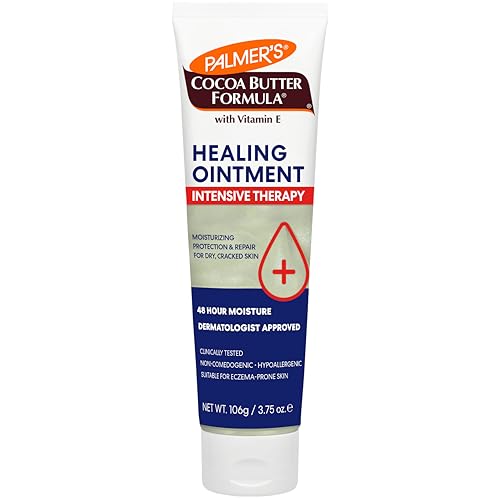
Intensive Therapy: Help protect and repair extremely dry, cracked skin with this healing ointment. The versatile formula soothes cracked heels, chapped lips, dry hands, rough elbows, minor cuts and burns. May be used for slugging and chafing protection
How to Time Your Tattoo Between Flare-Ups
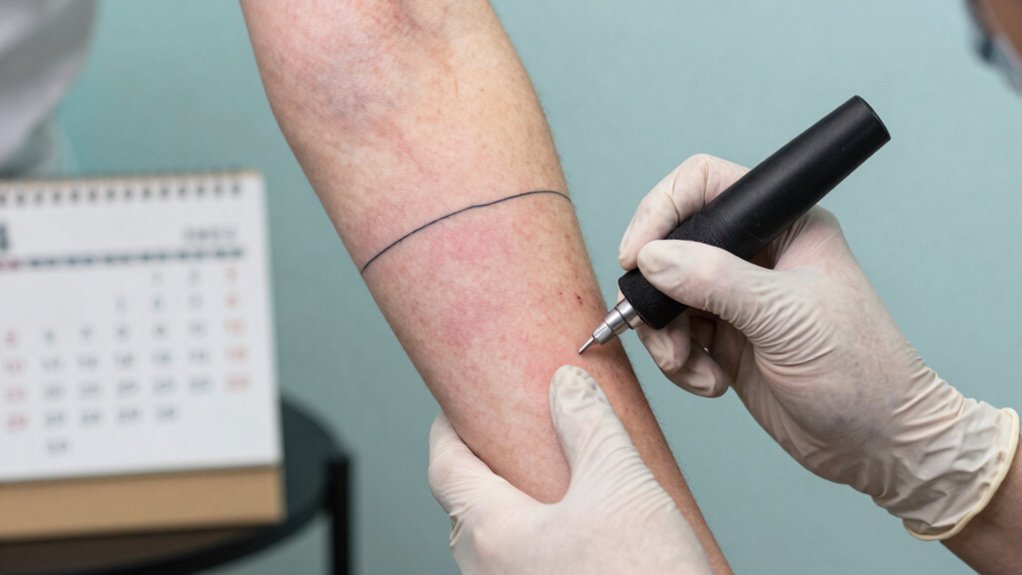
When exactly should you schedule your appointment? You should book your session only when your skin remains completely clear for at least two weeks. Track your flare patterns and identify your long remission periods. Avoid scheduling during seasonal triggers or stressful months when outbreaks commonly strike.
You’ll need buffer time before and after. Don’t book right before vacations, weddings, or events where sweating or sun exposure might irritate fresh ink. Plan for your skin to heal for four weeks minimum without interruptions.
Monitor your triggers daily. If you notice redness or itching appearing days before your appointment, reschedule immediately. Tattooing active eczema damages skin further and causes patchy ink retention. Wait until you’re completely certain that your skin barrier stays fully intact and calm.
Recommended Products

Nourishes Healing Ink for Vibrant Color: Tattoo Goo supports healing tattoos & maintains vibrancy on healed ink with a lightweight formula rich in olive oil, lavender oil, cocoa butter, and beeswax. It absorbs quickly, moisturizes deeply, and helps reduce dryness, itch and tightness so your tattoo looks and feels comfortable through everyday routines

FROM THE LEADER IN TATTOO AFTERCARE: For years now, Mad Rabbit has consistently ranked among the most popular and highest-rated tattoo products on the market. We’ve created a top-of-the-line Tattoo Glide to help professional tattoo artists do their best work.

Nourishes Healing Ink for Vibrant Color: Tattoo Goo supports healing tattoos & maintains vibrancy on healed ink with a lightweight formula rich in olive oil, lavender oil, cocoa butter, and beeswax. It absorbs quickly, moisturizes deeply, and helps reduce dryness, itch and tightness so your tattoo looks and feels comfortable through everyday routines
How to Find a Tattoo Artist Experienced With Eczema
{“output”: “Why settle for any artist when your skin demands specialized expertise? You need someone who’s tattooed eczema-prone skin before.nnStart your search by asking local dermatologists for recommendations. They often know which artists understand sensitive skin conditions. Check online reviews for mentions of eczema, psoriasis, or skin sensitivity—look for artists clients specifically praise for gentle techniques.nnCall studios directly and ask about their experience with reactive skin. Don’t hesitate to request a consultation before committing. During this meeting, observe whether they ask about your flare history and current medications. An experienced artist will assess your skin’s condition honestly and may suggest waiting or adjusting placement.nnRequest to see healed photos of similar work. The right artist will collaborate with you, not rush you. Trust matters here—you’re investing in both art and skin health.”}
Recommended Products

Upgraded Design, Easy to Use --- Tattoo aftercare balm comes in a tube,this container allows you to glide on the butter easily,Rolls on smoothly and evenly on your skin,No more mess or residue on your finger,convenient to use
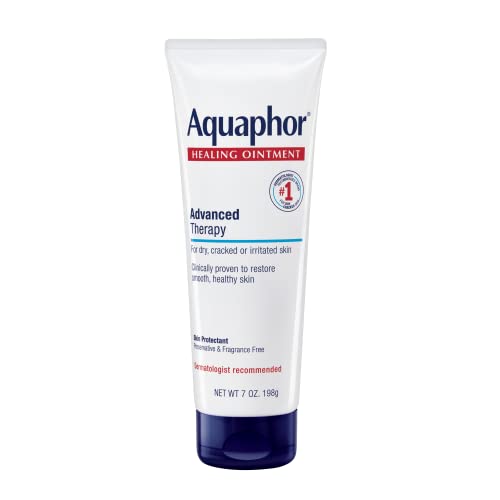
Net Weight and Dimensions: Each tube holds 7 oz. (198 g) of ointment, and measures approximately 19.9 x 5.7 x 5.2 cm; ideal for portability and easy storage

DERMATOLOGIST RECOMMENDED - Long-lasting hand and body lotion for extremely dry, tight skin
How to Prep Your Eczema-Prone Skin Before Tattoo Day
Start by giving your skin at least two to four weeks of dedicated care before the needle touches it. You’ll want to establish a consistent moisturizing routine using fragrance-free products that you know won’t trigger flare-ups. Apply thick creams daily to strengthen your skin barrier and reduce dryness. Avoid introducing new skincare products during this window to prevent unexpected reactions. Stay well-hydrated and manage stress, as both affect your skin’s condition. Don’t schedule your appointment during active flare-ups; wait until patches fully heal and calm down. The week prior, stop using any exfoliants or retinoids on the target area. On tattoo day, arrive with clean, dry skin—don’t apply lotion that morning. Consider requesting a patch test with the ink if you’ve experienced reactions before.
Recommended Products

[TATTOO CREAM AFTERCARE]: Our tattoo ointment is expertly crafted to provide immediate comfort for your freshly inked skin, It can reduce discomfort and the itchiness associated with dryness ensuring a smooth healing process without irritation

NATURAL TREATMENT: Soothe eczema naturally with Eczema Control, an advanced treatment designed to provide irritation and itch relief. This formula combines 6 organic, homeopathic medicines to relieve symptoms of eczema and help prevent further flare-ups. No steroids, no synthetic fragrances, no alcohol, and no parabens.

Tattoo Aftercare Lotion with Rapid Absorption: Our tattoo lotion aftercare is specifically formulated for quick absorption, promoting non-greasy application while aiding swift tattoo healing. This advanced formula ensures your skin receives optimal care during the critical post-tattoo period.
What to Expect While Healing a Tattoo With Eczema
The healing process demands extra vigilance when your skin already battles eczema. You’ll notice your tattooed area behaving differently than typical healing skin. Expect heightened redness, increased dryness, and more pronounced flaking. Your usual eczema triggers might intensify around the fresh ink.
Keep the area moisturized with fragrance-free, hypoallergenic products your skin tolerates. You’ll apply a thin layer more frequently than standard aftercare recommends—perhaps every two to three hours. Resist scratching when itching strikes; pat gently instead.
Your healing timeline stretches longer than the standard two weeks. You might experience intermittent eczema flare-ups that pause and restart the process. Plan clothing carefully—loose, breathable fabrics prevent irritation and moisture buildup.
Sleep strategically, avoiding positions that rub the tattoo against sheets. You’ll monitor the area constantly, adjusting care as your skin responds. Patience becomes your essential tool throughout this extended recovery.
Recommended Products
Long-Lasting Relief, Maximum Comfort: This numbing cream delivers prolonged analgesic effects, quickly relieving itching, pain, burning sensations, and significantly reducing swelling. It effectively desensitizes the skin for a comfortable experience.

ENHANCE & MAINTAIN YOUR INK - This ultra-nourishing balm instantly enhances ink vibrancy as it forms a protective barrier on skin to help moisturize and soothe skin.

Scientifically Developed for Maximum Strength – Formulated through extensive research and testing, this numbing cream delivers powerful and long-lasting relief, ensuring a smooth and pain-less experience.
Is It Infection or Just Your Eczema Acting Up?
Because your skin’s already prone to inflammation, you’ll face genuine difficulty distinguishing between a routine eczema flare and a developing infection. You’ll watch your inked area carefully, searching for clues. Eczema typically brings familiar itching, dryness, and clear weeping. Infection announces itself differently. You’ll notice increasing pain rather than relief, pus that appears yellow or green, and skin that feels hot. Your lymph nodes might swell nearby. While eczema creates scattered patches, infection often concentrates around the tattoo lines with expanding redness. You’ll detect a foul odor that eczema never produces. Trust your instincts when something feels wrong beyond your baseline symptoms. Contact your artist or doctor immediately when you spot these signs, as infections demand prompt treatment to protect your health and ink.
Recommended Products

16-fluid ounce bottle of Lubriderm Advanced Therapy Fragrance-Free Lotion+ Pro-Ceramide with Vitamin E and Pro-Vitamin B5 to help strengthen skin's moisture barrier and intensely hydrate itchy, extra-dry skin

Medical Grade: Effectively cleans wound surfaces, inhibits harmful microorganisms, and helps prevent infection for faster recovery

You Will Receive: 30Pcs 6 x 8inch tattoo cover up bandage, The tattoo aftercare bandage has a 3-layer design, consisting of PET backing, medical PU film, and release paper, There are green grid lines behind the lining paper, Can be cut into suitable sizes according to requirements
How to Manage Eczema Flare-Ups Around Your Tattoo
How do you calm eczema without destroying your fresh ink? You start by resisting the urge to scratch. Scratching tears delicate skin and pulls pigment from healing tattoos. You apply cool, damp compresses for relief instead. You stick with fragrance-free moisturizers your dermatologist approves—nothing with alcohol, acids, or harsh chemicals. You keep the area clean but skip hot showers; lukewarm water preserves both skin barrier and ink. You identify triggers fast: sweat, synthetic fabrics, or stress can spark flares. You wear loose cotton clothing over your tattoo to reduce friction. You call your artist or doctor if redness spreads, oozing develops, or itch intensifies beyond typical eczema. You don’t guess when infection might lurk. You treat flares promptly, protect your investment, and stay patient with the healing dance between skin condition and art.
Conclusion
You can absolutely get inked with eczema, but you’ll need to play it smart. Ensure your skin’s calm and clear, then consult both a dermatologist and an experienced artist who understands skin conditions. Stock up on fragrance-free aftercare and brace for a longer healing journey with careful monitoring. Skip the appointment if you’re flaring, sick, or starting new meds. With proper prep and patience, you’ll protect both your skin and your new artwork.