
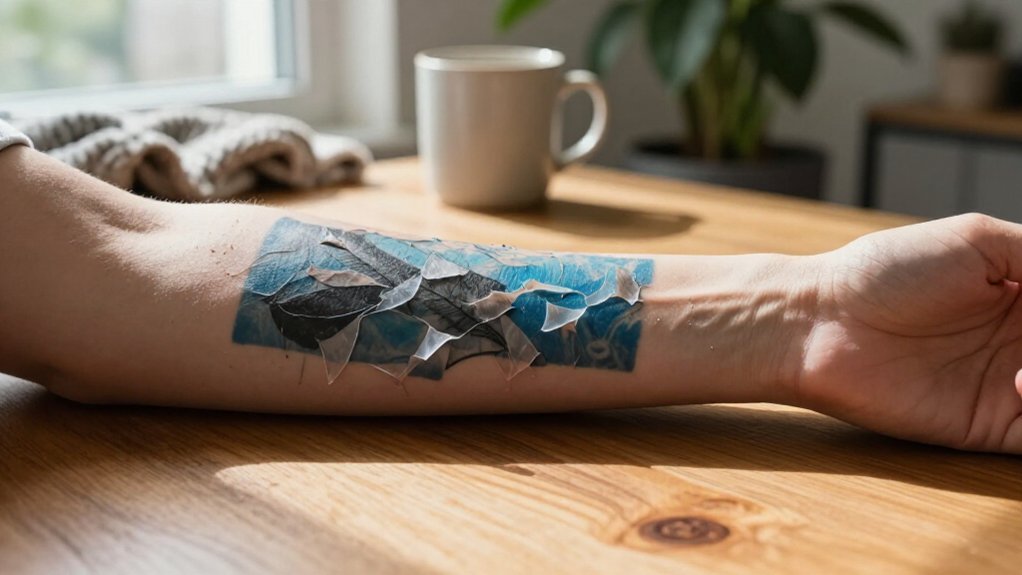
Your fresh tattoo is a wound wrapped in art, and peeling is simply its way of rebuilding the canvas beneath.
You will notice thin, translucent flakes beginning to surface, much like the aftermath of a mild sunburn, as your skin sheds its damaged top layer to reveal the ink beneath.
This process typically emerges between days three and five, and you can expect it to persist for roughly one week, though it sometimes stretches into the second.
You may feel mild itching and tightness, but these sensations signal normal healing rather than cause for alarm.
The real question is not whether your tattoo will peel, but whether you can distinguish the ordinary from the ominous, and the next sections will show you exactly how.
Why Your Tattoo Is Peeling: The Healing Science
Peeling is your skin’s natural repair process in action. You’re witnessing your body’s remarkable response to trauma, and it’s completely expected during the tattoo healing process.
Your skin’s natural repair process is working exactly as intended—peeling means healing is underway.
1. What Happens Beneath the Surface
Tattoo needles deposit ink into your dermis, the deeper skin layer, while your epidermis repairs on top. This creates controlled micro-wounds that trigger open wound healing. Your immune system responds immediately, sending cells to protect and rebuild.
2. Why Peeling Occurs
During the peeling stage, you’re shedding dead skin cells that accumulated during the initial trauma. This skin renewal process clears damaged surface cells naturally. The flaking helps restore your skin barrier, much like recovery from sunburn.
3. Protecting Your Investment
Your aftercare routine must include steps to protect from UV rays, as fresh skin remains vulnerable. Normal peeling won’t remove your inked pigment, so don’t panic when dullness or flaking appears. You’re simply watching regeneration in progress.
Recommended Products

Nourishes Healing Ink for Vibrant Color: Tattoo Goo supports healing tattoos & maintains vibrancy on healed ink with a lightweight formula rich in olive oil, lavender oil,...
Tattoo Peeling Timeline: When It Starts and How Long It Lasts
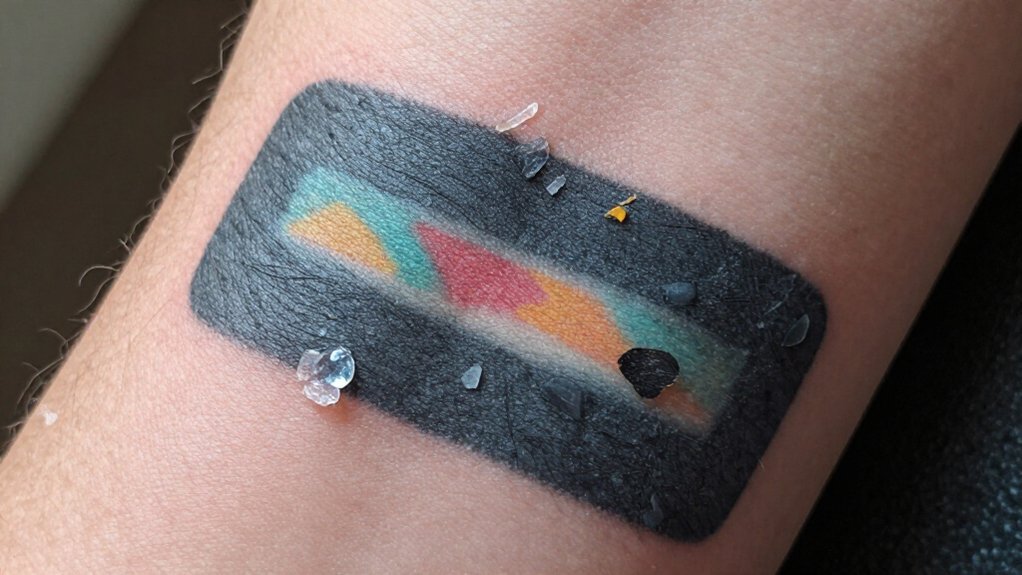
Expect your tattoo to begin peeling somewhere between days 3 and 5, though you might not notice it until the end of your first week once the bandages come off. Peeling begins as your healing process kicks into gear, and you’ll see flaking skin emerge as the top layer sheds.
Your aftercare routine matters during this window. Peeling lasts about one week for most people, though it can stretch into week 2 depending on your skin type and tattoo size. You’ll notice intensity peaks around days 4 to 7, when the area may also look dull.
Itchiness typically spikes during week 1, then drops markedly after week 2. Some tattoos peel minimally or start later, but most follow this days 3 to 5 to about 1 to 2 week timeline. Stay consistent with your routine, and you’ll support smooth tattoo recovery.
Recommended Products

COMPLETE AFTERCARE KIT FOR NEW & EXISTING TATTOOS: This Tattoo Aftercare Kit brings together 3 essentials, Antimicrobial Soap, Tattoo Balm, and Tattoo Lotion, to help cleanse, protect, and moisturize fresh ink. Useful after tattoo sessions and throughout healing, it supports vibrant color and skin comfort for dedicated ink enthusiasts and artists

CLEAN INGREDIENTS FOR NEW TATTOOS - Our Soothing Gel skips the skin-suffocators and instead focuses on lightweight botanical oils like Sweet Almond and Argan which are naturally rich in fatty acids antioxidants to help nourish and offset environmental stressors that can further aggravate your ink.

PROTECTS & COMFORTS: Locks in moisture to help keep your ink bold and bright; Acts like a second-skin shield for fresh tattoos; Designed to reduce friction and protect from outside elements - naturally and without a fuss
What Normal Peeling Looks Like (And What It Shouldn’t)
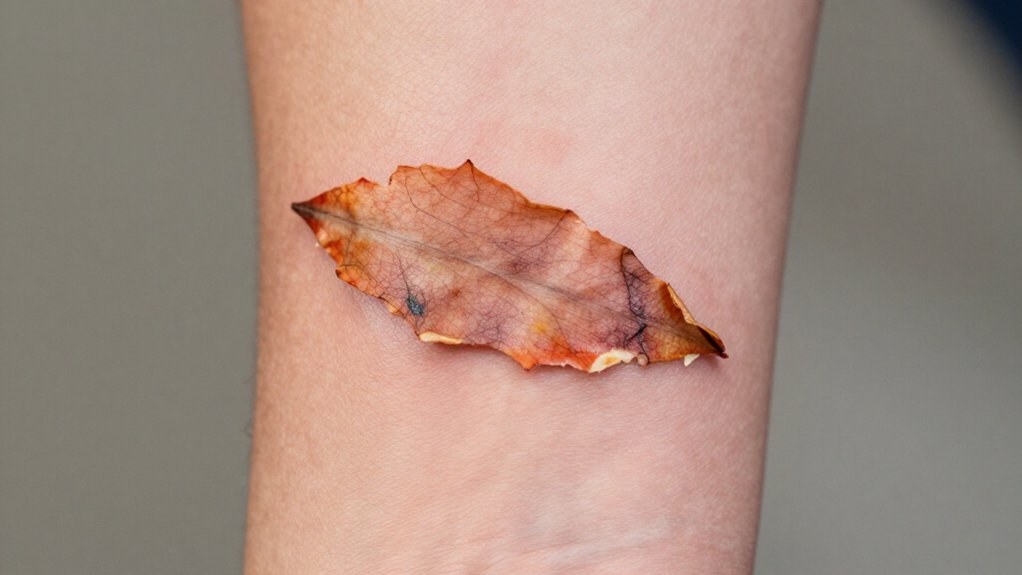
Once your tattoo enters the peeling phase, you’ll notice light flaking across the surface that resembles a mild sunburn. This normal tattoo peeling starts around days 3–5 and usually lasts about a week, especially through the itchiest period.
What’s Normal:
- Thin, whitish or translucent skin flake that sheds naturally
- Mild itching and tight, dry feeling
- Temporary dullness as the top layer exfoliates
- Tiny bits of color on peeling skin, which is just stained dead cells
What It Shouldn’t Look Like:
Avoid thick, raised scabs during the peeling stage without proper moisture. Don’t use a paper towel to rub off peeling skin. Watch the skin around tattoo for spreading redness, heat, foul odor, pus, or worsening pain; these are signs of infection, not normal healing. Protect from UV rays and sun exposure to prevent damage.
Recommended Products

Protect Your Body Art: Moisturizing with the bonus of itch relief! Tattoo Goo's Tattoo Care Lotion soothes healing skin & keeps healed ink looking sharp for life. With olive oil & glycerin, it delivers deep, breathable hydration that won’t clog pores

AFTERCARE CREAM FOR NEW TATTOOS - A specialist cream for use immediately after tattooing to soothe freshly tattooed skin and help reduce redness.

Tattoo Aftercare Lotion with Rapid Absorption: Our tattoo lotion aftercare is specifically formulated for quick absorption, promoting non-greasy application while aiding swift tattoo healing. This advanced formula ensures your skin receives optimal care during the critical post-tattoo period.
How to Care for a Peeling Tattoo: Clean, Moisturize, Protect
When your tattoo starts peeling, you’ll need to adjust your routine slightly, but the core steps remain simple: clean gently, moisturize consistently, and protect from irritation.
- Cleanse properly. Wash twice daily with lukewarm water and mild fragrance-free soap. Don’t scrub; pat dry with a clean towel.
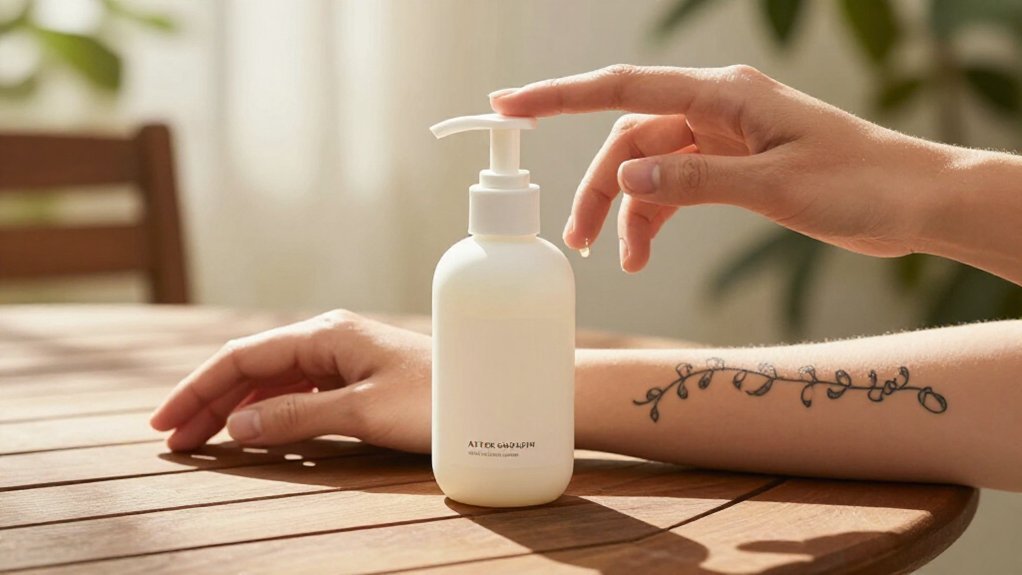
- Moisturize consistently. Apply a thin layer of tattoo-safe aftercare lotion to relieve tightness and itching. Don’t drown the skin.
- Avoid picking. Let flakes shed naturally during showering or moisturizing. Picking pulls ink and causes patchy fading.
- Protect from sun exposure and friction. Avoid tight clothing, swimming, baths, and direct UV during this healing phase. Heat and irritation prolong peeling and increase discoloration risk.
Recommended Products

✡Various Purpose - Care for all types of wounds; Waterproof cover; Fixed dressing; Tattoo aftercare. It can help lock in the color, protect your tattooed skin, and reduce scabbing when you wash or moisturize your tattoo, quickly form a protective film then accelerate your recovery
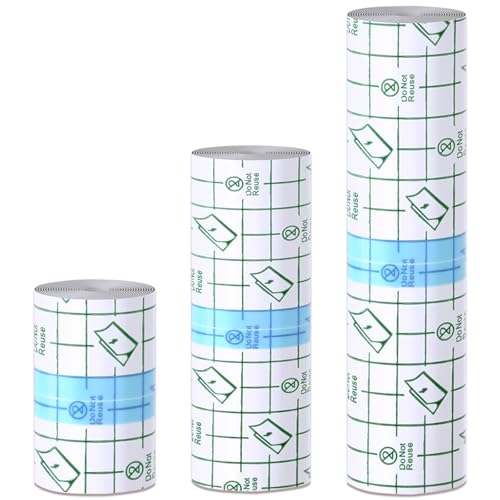
Triple-Size Value Pack for Every Tattoo Style - Get 3 full rolls of premium second skin tattoo cover (2" x 2.2 Yd, 4" x 2.2 Yd, 6" x 2.2 Yd) - sized for wrist art, back pieces, or sleeve designs. The tattoo aftercare bandage can be cut freely to match any ink!

Nourishes Healing Ink for Vibrant Color: Tattoo Goo supports healing tattoos & maintains vibrancy on healed ink with a lightweight formula rich in olive oil, lavender oil, cocoa butter, and beeswax. It absorbs quickly, moisturizes deeply, and helps reduce dryness, itch and tightness so your tattoo looks and feels comfortable through everyday routines
Is My Tattoo Peeling or Infected? Warning Signs to Watch For
Peeling is a normal part of healing, but you’re right to watch closely since infection can look similar at first glance. Normal tattoo peeling starts around days 3–6, looks like light flaking, and improves by week two.
1. Signs You’re in Normal Tattoo Healing
Thin, flaky skin with mild-to-moderate itch. No spreading symptoms during the peeling phase. Steady improvement, not decline.
2. Warning Signs of an Infected Tattoo
Worsening redness or swelling after day three. Skin that’s hot to the touch. Pain that increases instead of fading. Pus or discharge, especially thick yellow or green fluid. Foul odor from the area. Spreading redness beyond the tattoo’s edges.
3. When to Seek Help
Contact a doctor immediately if you notice fever, chills, or any combination of spreading redness, pus, worsening pain, or significant warmth. Excessive peeling alone rarely signals infection; paired symptoms do.