
A construction crew doesn’t finish a building in one day, and your skin doesn’t finish a tattoo in one week.
You’re looking at roughly three weeks for the surface to close, but months for the ink to truly settle.
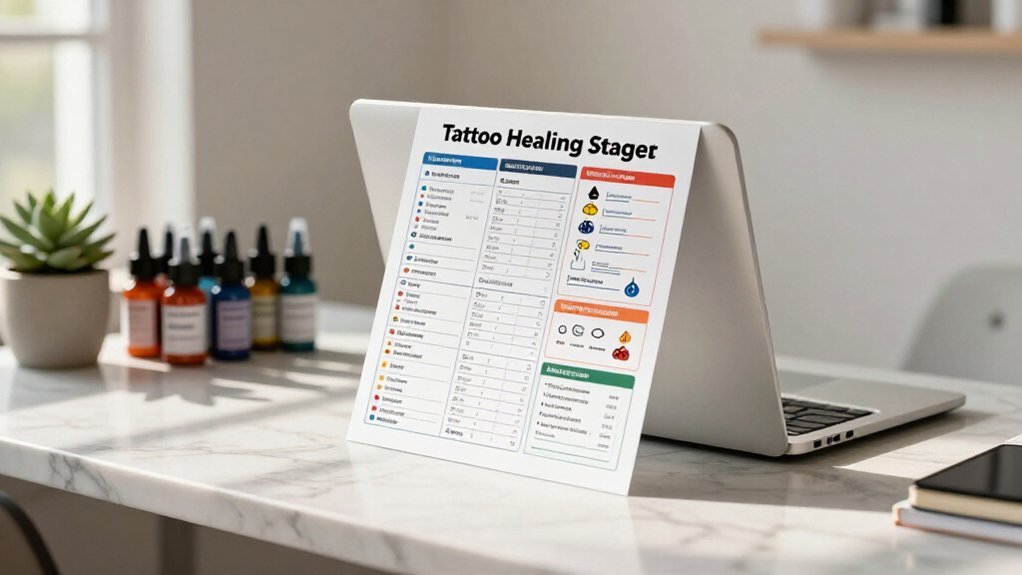
A tattoo healing stages chart maps this entire timeline, showing you exactly what to expect each day so you don’t panic when things look weird.
You’ll see when redness is normal, when scabbing starts, and when peeling means progress, not problems.
It turns an opaque process into something you can track, predict, and manage with confidence.
Tattoo Healing Stages: Your Week-by-Week Visual Guide (Days 1–21)
Days 1–3: Open Wound Phase
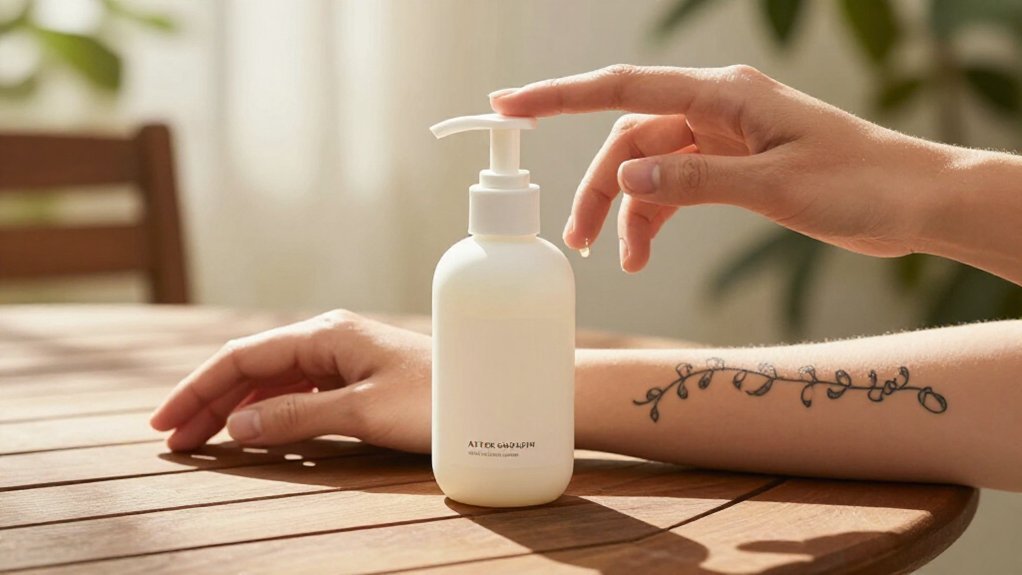
Your new tattoo weeps plasma and excess ink. You’ll remove the bandage, then gently wash with lukewarm water and fragrance-free soap. Pat dry, then apply a thin layer of aftercare lotion.
Fresh ink demands gentle care: cleanse, pat dry, and moisturize to protect your healing art.
Days 3–7: Scabbing Begins
Itching and flaking start as your top layer sheds. Avoid scratching, keep gently washing twice daily, and moisturize lightly.
Days 8–14: Heavy Peeling
Peeling intensifies and your tattoo looks cloudy. This dullness is a normal part of healing as skin regenerates underneath. Avoid soaking and sun exposure.
Days 15–21: Final Recovery
Major peeling finishes, though dryness lingers. Your healing timeline nears completion as ink heals beneath the surface.
Recommended Products

16-fluid ounce bottle of Lubriderm Fragrance Free Daily Moisture Lotion + Pro-Ceramide, Shea Butter and Glycerin to help restore skin's moisture barrier for healthier-looking skin

Protect Your Body Art: Moisturizing with the bonus of itch relief! Tattoo Goo's Tattoo Care Lotion soothes healing skin & keeps healed ink looking sharp for life. With olive oil & glycerin, it delivers deep, breathable hydration that won’t clog pores

TATTOO AFTERCARE LOTION: After Inked Tattoo Lotion brings hydration and nourishment to your tattooed skin. Formulated with grape seed oil, which helps maintain vibrant ink colors while pacifying the skin and promoting moisture retention.
The 4 Healing Phases: From Oozing to Fully Healed
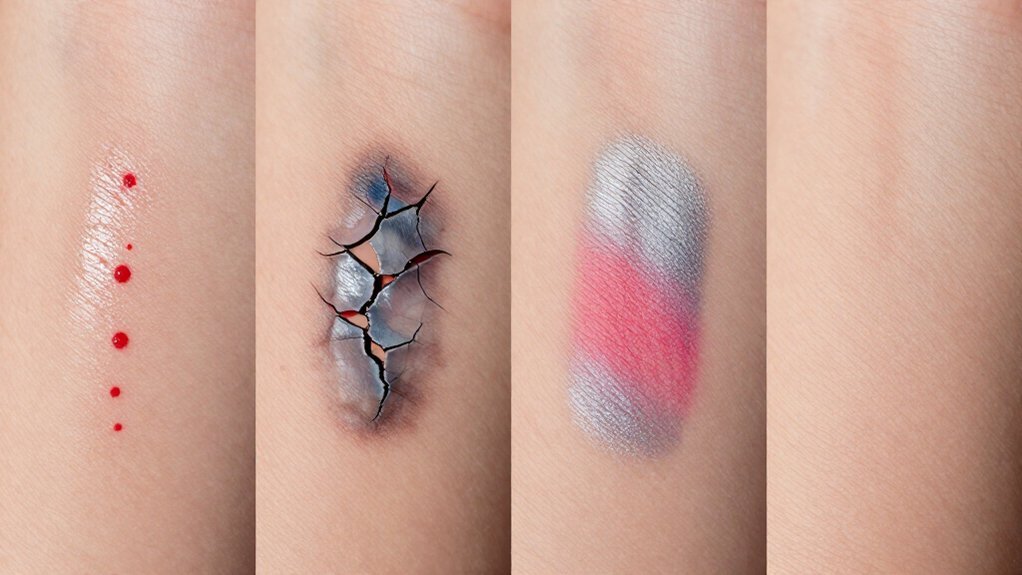
While the week-by-week breakdown tracks surface changes, understanding the four structural healing phases gives you better context for what’s happening beneath.
1. Phase One (Days 1–3: Oozing)
In the first few days, your tattoo weeps plasma and ink. You wash with fragrance-free soap, then apply a thin layer of aftercare. Expect redness and tenderness.
2. Phase Two (Days 3–7: Itching/Flaking)
Itching becomes noticeable as light scabs form. Do not pick them. The surface looks dull while a new skin layer builds underneath.
3. Phase Three (Weeks 1–2: Peeling/Thick Scabbing)
By the second week, heavy flaking and thicker scabs shed. Your tattoo looks patchy, but color returns as skin regenerates.
4. Phase Four (Weeks 3–6: Fully Healed Surface)
The tattoo heals visibly by week 3–4, though deeper repair continues for months. Temporary dullness fades, and true vibrancy emerges.
Recommended Products

Gentle, Deep Cleansing: Tattoo Goo Foaming Cleansing Soap for tattoos and piercings helps remove impurities and clean the inked or pierced areas at a deep level by removing dirt, dead skin cells, and killing germs without damaging the skin

GENTLY CLEANSES NEW TATTOOS - Use Repair Tattoo Wash during the healing process to keep your fresh tattoo ink clean or as a perfect prep wash before and after tattooing.

PERFECT FOR THE TATTOO ARTIST AND COLLECTOR – Whoever you are, you want to make your tattoo aftercare experience convenient and effortless. This soap ensures the tattoo always leaves the shop or house sanitized and moisturized.
Aftercare for Every Tattoo Healing Stage: What to Do and Avoid
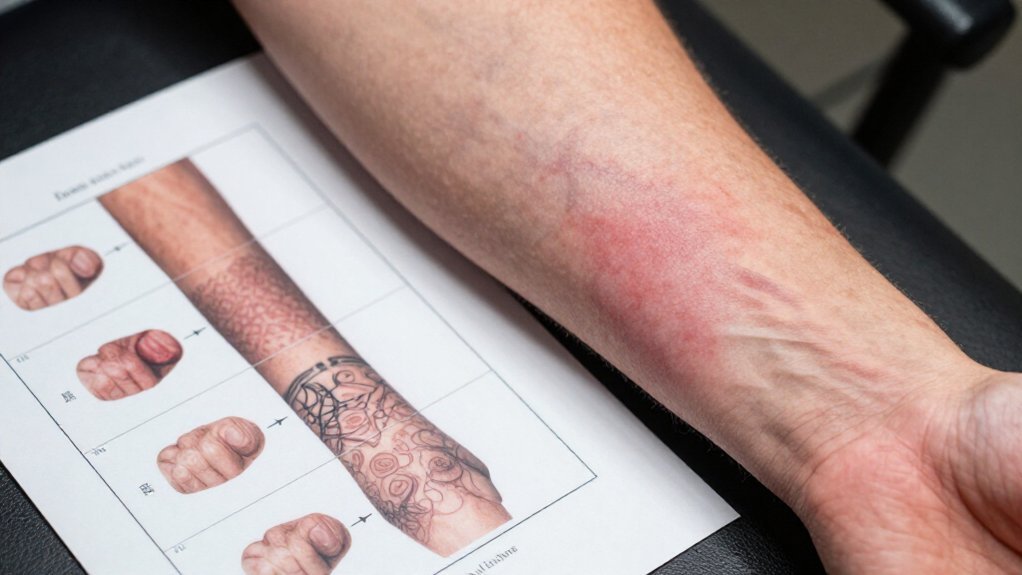
Since your tattoo’s healing timeline shifts every few days, your aftercare routine must shift with it.
First day: Remove the bandage when your artist instructs, usually within a few hours. Wash gently with fragrance-free, antibacterial soap and lukewarm water. Pat dry, then apply a thin layer of aftercare ointment. Keep the area clean, and avoid soaking or direct sunlight. This process treats your fresh ink like an open wound.
Days 3–7: Continue washing twice daily. Switch to hypoallergenic lotion when itching starts. Do not scratch or pick; this prevents scarring.
Weeks 1–2: Expect normal peeling and thicker scabs. Keep your skin moisturized lightly, not greasy. Avoid hot tubs and pools.
Weeks 2–4: Transition to high-SPF, broad-spectrum sunscreen. Limit sun exposure to protect your ink.
Recommended Products
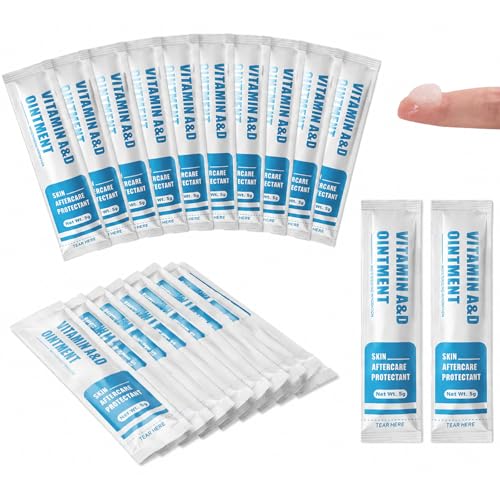
Honest, Accurate Care – This protective ointment comes in 50 hygienic single-serve packets for mess-free, on-the-go convenience. Easy to apply for tattoo protection anytime.

PROTECT & HEAL - H2Ocean Aquatat seals the skin in a moisturizing barrier to protect from irritants while still allowing the skin to breathe. Aquatat will also heal topical wounds on skin such as tattoos, rashes, cuts and scrapes while minimizing scabbing.

QUICK HEALING:A&D ointment gel is rich in essential vitamins A and D,which is very important for aftercare microblading ,effectively helping to remove burns,cuts,surgical marks and the impact of marks on beauty
Warning Signs: When Your Tattoo Isn’t Healing Right
You need to recognize when your tattoo healing has gone off track, because catching problems early prevents serious complications. This section covers the three critical areas you’ll monitor: infection warning signs, scarring indicators, and exactly when to consult a professional. You’ll learn to distinguish normal healing discomfort from symptoms that demand immediate action.
Recommended Products

Hydrates and relieves dry, sensitive skin
CETAPHIL FACE & BODY MOISTURIZING LOTION FOR ALL SKIN TYPES: Lightweight, fast absorbing, non-greasy body lotion that's ideal for use on the entire body

TATTOO AFTERCARE ESSENTIAL: Hustle Butter is the original tattoo aftercare balm for new and older tattoos. With over 10 years in the market, we are a pioneer of the tattoo aftercare category.
Infection Warning Signs
Most tattoos heal without issue, but you’ll want to catch problems early before they escalate into something serious. Remember, your fresh tattoo is in essence an open wound, so your immune system works hard to protect it.
Watch for These Infection Warning Signs:
- Oozing beyond 7 days that turns green or yellow signals possible infection
- Spreading warmth, fever, or chills demand urgent medical attention
- Worsening redness that grows rather than fading after day three
- Abnormal swelling that’s persistent and painful, not just tender
Protect Your Healing Tattoo:
Don’t pick at your tattoo; this can cause infection and cause scarring. Avoid hot tubs, pools, and direct sun exposure until fully healed. Contact your artist or clinician if drainage continues, or seek urgent care for rapidly worsening symptoms.
Scarring Indicators
Although tattoos often heal without complications, certain warning signs indicate your skin isn’t recovering properly.
You’ll spot scarring or improper healing signs when you notice raised, hard, very red bumps, or intensely itchy patches that worsen after day 7. These symptoms demand closer attention than standard irritation.
Watch for these critical warning signals:
- Infection indicators, including worsening swelling and ongoing or increasing redness past one week, plus fever or chills
- Unusual discharge, where oozing continues after ~1 week, especially green, yellow, or foul-smelling fluid
- Scabs that are picked or forcibly peeled, creating uneven texture, thick ridges, or dark raised areas
- Spreading hives or rash, suggesting allergic reaction rather than normal healing
Monitor your tattoo closely, and act promptly when these red flags appear.
When To Consult
How do you know when your tattoo needs professional attention? You monitor your ink closely, and you act fast when warning signs appear.
Red Flags That Need Immediate Care
You contact your tattoo artist, and you see a doctor if needed, when redness, swelling, or oozing doesn’t improve after a week. You seek urgent help for fever, chills, spreading warmth, or foul-smelling discharge, since these signal infection.
You reach out right away for green or yellow weeping, purple-tinged skin, or large raised, extremely itchy areas. You get medical help if severe itching causes hives, or if pain persists instead of settling.
You schedule a consult if heavy scabbing continues past weeks 1–2. The process can actually take time, but ongoing problems aren’t normal.
You keep the skin hydrated, you resist the urge to scratch, you wash your tattoo gently, and you follow proper aftercare. You also protect from UV rays. You stay vigilant weeks after getting your tattoo.
Why Your Tattoo Is Healing Faster (or Slower) Than Expected
Your tattoo’s healing speed depends heavily on where you placed it, how large it is, and how well your body fights inflammation. Skin over joints heals slower because constant movement irritates the wound. Small tattoos on stable areas like your upper arm often close up within a week.
Your immune system does the heavy lifting here. Staying hydrated, sleeping well, and avoiding heavy sweating in those first few days keeps recovery on track.
Recommended Products

THE ORIGINAL TATTOO AFTERCARE BANDAGE – Saniderm’s Original Gloss Bandage is the tried-and-true, industry-defining tattoo aftercare bandage. Dermatologist-recommended and trusted by expert tattoo artists worldwide, this medical-grade bandage ensures your tattoo heals quickly, safely, and more vibrantly. With over a decade of experience and millions of tattoos healed, it’s the perfect way to heal your ink.

THE ORIGINAL TATTOO AFTERCARE BANDAGE – Saniderm’s Original Gloss Bandage is the tried-and-true, industry-defining tattoo aftercare bandage. Dermatologist-recommended and trusted by expert tattoo artists worldwide, this medical-grade bandage ensures your tattoo heals quickly, safely, and more vibrantly. With over a decade of experience and millions of tattoos healed, it’s the perfect way to heal your ink.
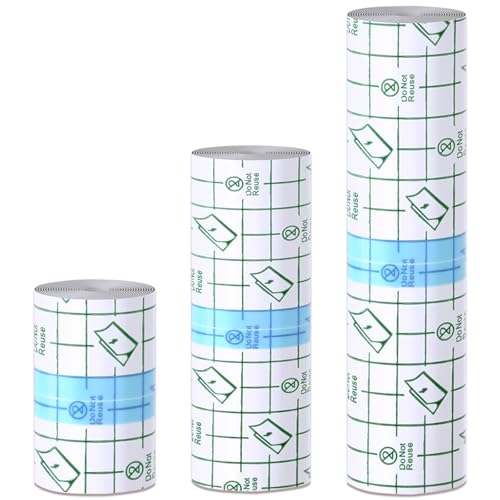
Triple-Size Value Pack for Every Tattoo Style - Get 3 full rolls of premium second skin tattoo cover (2" x 2.2 Yd, 4" x 2.2 Yd, 6" x 2.2 Yd) - sized for wrist art, back pieces, or sleeve designs. The tattoo aftercare bandage can be cut freely to match any ink!
Skin Location Impact
Where you place your tattoo matters more than you might realize, and movement, skin thickness, and daily friction all play major roles in how quickly you’ll see results. When you’re getting a tattoo, the healing process can actually vary dramatically based on location alone.
- Still zones heal faster: Your upper arm stays relatively motionless, so the skin repairs itself with less interruption.
- Joint areas slow down: Wrists, hands, ankles, and elbows flex constantly, which prolongs inflammation and delays peeling.
- Thick skin wins: Protected areas with denser tissue regenerate more smoothly than thin, high-tension spots like fingers.
- Detail work takes time: Dense color coverage creates more micro-trauma, meaning your tattoo might look raw longer.
During the first few weeks, moisturize your tattoo regularly, keep an eye on how the tattoo looks, and cover your tattoo when needed. Protect the skin around the tattoo, and remember that your fresh tattoo needs gentle care regardless of placement.
Body Size Factors
Size matters when you’re waiting for a tattoo to settle, and it isn’t just about how much skin you covered. Your tattoo is fundamentally a controlled wound, and larger pieces create more inflammation that your body must repair.
Larger Tattoos, Longer Timelines
Big designs damage more skin, so you’ll see scabbing and light flaking extend past the typical window. Dense black shading or packed color work also pushes deeper, meaning dull or patchy appearance can linger closer to week four.
Movement Slows Recovery
High-tension spots like elbows or knees flex constantly. This motion reopens micro-irritations, so your healing tattoo stays irritated longer. You’ll feel more itching during weeks 1–2 in these areas.
Speed Up Your Timeline
Don’t scratch or pick, and avoid soaking your tattoo in baths or pools. Apply moisturizer twice a day, but skip heavy layers that trap excess ink.
Consistent, light aftercare keeps you on track through the first month.
Immune System Role
Beneath the surface of your fresh ink, your immune system is running damage control. Your tattoo is an exciting change, but your body treats it like an acute wound. That redness and swelling you see? It’s completely normal; your body’s natural inflammation response kicks in during the first 48 hours.
Your healing speed depends on how well you support this process. Here’s what affects your timeline:
- Rest and nutrition fuel faster repair, so prioritize sleep and hydration.
- Overexertion and sweat prolong irritation by triggering extra inflammatory fluid.
- Infection risks (soaking, swimming) can over-trigger your immune response, causing persistent redness.
- Aftercare consistency determines whether your tattoo should be fully healed in weeks or months.
Gently pat dry after washing, apply approved ointment, and keep your tattoo protected. Flaking by weeks 1–2 shows your skin is progressing through healing. Surface repair takes about one month, though deeper layers need up to six.
Long-Term Care: Keeping Your Tattoo Bold After It Heals
Once your tattoo’s outer skin has finished healing, typically after the first 3–4 weeks, you’ll need to shift your focus toward long-term maintenance. Protect your actual tattoo from direct sunlight every day, or it’ll turn faded or patchy before you know it. You don’t need aftercare ointment anymore; that heavy stuff blocks new skin from breathing properly now.
Apply sunscreen, SPF 50 broad-spectrum, and reapply when you sweat or swim. Your tattoo may still look slightly dull at first, but give it time: true color keeps settling for up to six months as deeper layers finish repairing. Stick with thin, fragrance-free, hypoallergenic lotions to help you care for the ink properly. Stay hydrated, moisturize consistently, and skip thick petroleum layers long-term. Rights Reserved.
Recommended Products

Deep Hydrating Body Lotion: This 48 hour cocoa butter moisturizing body lotion is fragrance free and provides deep, soothing hydration for all skin types, from normal to dry to eczema prone skin
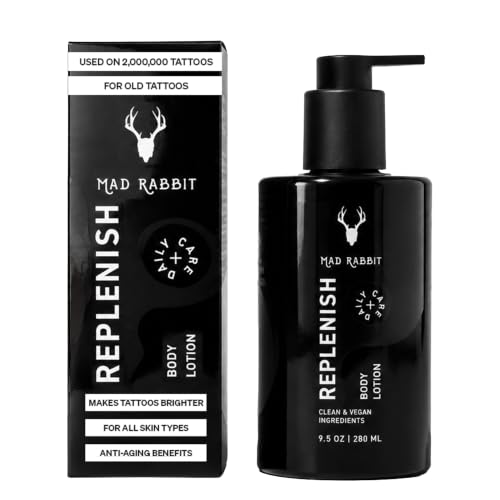
INFUSED WITH CLEAN, EFFECTIVE INGREDIENTS - The clean ingredients like Glycerin & Shea Butter provide lightweight nourishment and bounce to skin without ever feeling heavy or greasy on the surface. Anti-aging powerhouse vitamin A promotes visible firmness to skin, offsetting the appearance of fine lines and wrinkles.

NATURAL AND UNSCENTED FORMULA – Saniderm’s Original Tattoo Aftercare Balm is made using natural ingredients like beeswax, shea nut butter, and sea buckthorn oil. Unlike other common ointments and tattoo balms, Saniderm’s fragrance-free Tattoo Aftercare Balm is also petroleum-free so it won’t suffocate the skin while your tattoo heals.