

Your skin treats tattoo ink like an unwanted guest, and sometimes it fights back. Within two days, you might notice redness, swelling, and relentless itching right where red or yellow ink sits.
But here’s what catches people off guard: reactions can also hide for weeks or months, then return as raised bumps, burning, or scaly patches that mimic a rash.
Photosensitivity can strike too, especially in dark, pigment-heavy areas.
The tricky part? These symptoms mirror normal healing and infection, so knowing which signs signal allergy matters for your health and your tattoo’s future.
Early Signs of a Tattoo Allergic Reaction
You notice localized redness, swelling and tenderness within 48 hours of getting inked, and this signals a tattoo allergic reaction. Your skin’s response to red pigments often triggers the earliest symptoms. You feel itchy skin that won’t quit with standard aftercare, especially where crimson ink sits.
You develop skin rashes resembling contact dermatitis, think scaly, flaky patches instead of normal healing irritation. You spot raised bumps papules emerging across the tattooed area irritation. These small welts may grow larger if ignored.
You watch for ulceration with crusting, which demands quick medical attention. You recognize these signs early, and you protect your new art.
Recommended Products

Protect Your Body Art: Moisturizing with the bonus of itch relief! Tattoo Goo's Tattoo Care Lotion soothes healing skin & keeps healed ink looking sharp for life. With olive oil & glycerin, it delivers deep, breathable hydration that won’t clog pores

Nourishes Healing Ink for Vibrant Color: Tattoo Goo supports healing tattoos & maintains vibrancy on healed ink with a lightweight formula rich in olive oil, lavender oil, cocoa butter, and beeswax. It absorbs quickly, moisturizes deeply, and helps reduce dryness, itch and tightness so your tattoo looks and feels comfortable through everyday routines

MADE IN THE USA SINCE 1990 — For over 30 years Dynamic Color has produced professional tattoo ink in the United States, an established American brand artists built their work on long before most imported labels existed.
Delayed Reactions: Symptoms That Appear Months Later
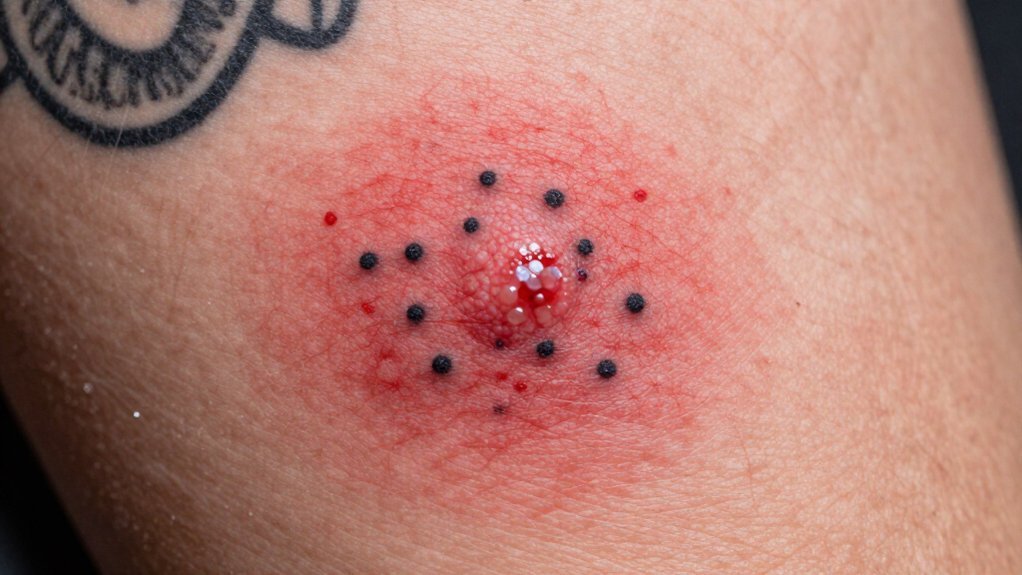
Early reactions demand attention, but you should also prepare for symptoms that surface months after your tattoo heals. Tattoo allergy symptoms can appear weeks or months later, even when your skin seems fully healed.
The aftermath of your tattoo extends far beyond the healing you can see.
Delayed Reactions to Watch For
- Ongoing redness with itching or burning that persists or returns long after healing
- Raised bumps, papules, or nodules developing within the tattooed area
- Skin reactions to sun exposure, called photo sensitivity, especially with red or yellow tattoo pigment
- Scaly, flaky, or peeling skin confined to the tattoo
High-Risk Areas
Red tattoo ink triggers most delayed reactions. You may notice abnormal color changes or, less commonly, crusting and ulceration in pigment-heavy regions.
These delayed reactions indicate your immune system fighting tattoo pigment particles. Track timing, photograph changes, and contact a dermatologist if symptoms emerge.
Recommended Products

CLEAN INGREDIENTS FOR NEW TATTOOS - Our Soothing Gel skips the skin-suffocators and instead focuses on lightweight botanical oils like Sweet Almond and Argan which are naturally rich in fatty acids antioxidants to help nourish and offset environmental stressors that can further aggravate your ink.
Allergy, Infection, or Normal Healing: How to Tell
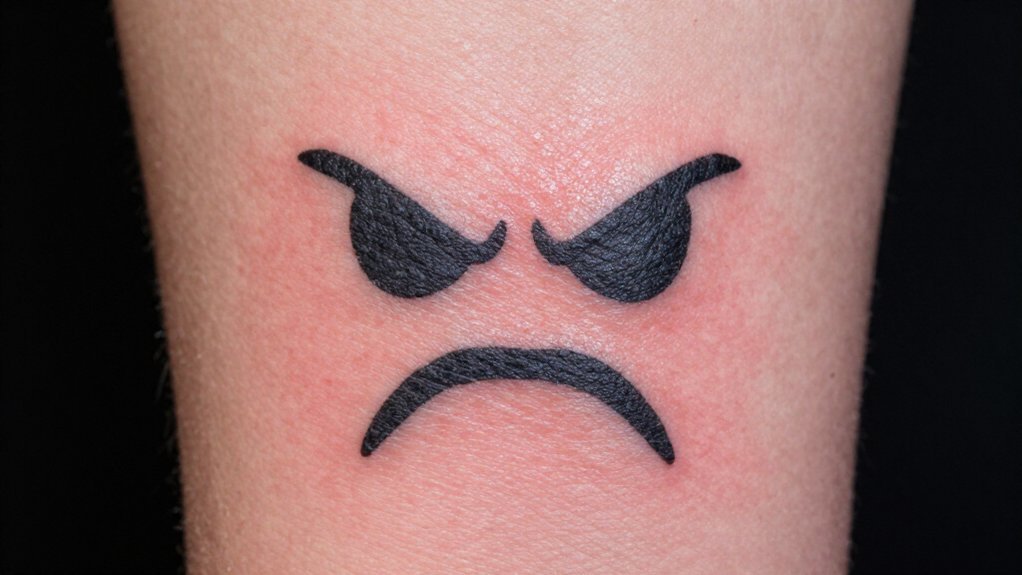
Because your skin will go through changes after getting tattooed, you need to know how to spot when something’s wrong. Here’s how you distinguish normal healing from tattoo allergies or infection.
1. Normal Healing
You see temporary redness and mild swelling for a short time, then it fades.
2. Allergic Reactions (Weeks to Months Later)
Tattoo allergies show persistent itching, peeling, or bumpy raised areas. Tattoo allergy, especially from Red ink, causes eczema-like inflammation. Ink allergies and allergic contact dermatitis stay localized where the pigment sits. These cause allergic symptoms without pus or spreading heat.
3. Infection
You’ll notice hotness, worsening tenderness, pus, crusting, or spreading redness. Infection may bring fever, chills, or swollen lymph nodes.
When to Act
Consult a dermatologist if you see discharge, rapidly worsening symptoms, or problems lasting more than a few weeks.
Recommended Products

PREMIUM USA-MADE FORMULA – Eternal Ink is proudly made in the USA in a certified, state-of-the-art facility. Every batch is sterilized and tested to meet the highest industry safety and quality standards.

❤️Professional-Grade Tattoo Ink: This tattoo ink is designed for professional tattoo artists and studio use, suitable for color filling, accents, and detailed tattoo elements.

Note:Please shake the ink before use.
Why Red Ink Causes More Allergic Reactions
Now that you can tell allergies apart from infections or normal healing, you need to know why one color causes more trouble. A Red tattoo triggers more Tattoo Ink Allergy cases than any other shade. When you’re allergic to tattoo ink, Red pigments are usually the culprit.
Red ink triggers more tattoo allergies than any other color, making it the most common culprit for ink-related reactions.
Here’s why certain colors provoke more problems:
Many Red pigments cause allergies because they contain heavy metals like mercury, cadmium, and iron. These pigments contain heavy metals that spark immune responses in sensitive skin. You might notice persistent redness, swelling, itching, or scaly patches specifically in red areas.
Skin reactions to red ink can appear years after getting tattooed, making diagnosis tricky. Red ink formulations vary widely, so patch testing often fails to identify your specific trigger. If you develop delayed itching or burning in red sections, consider that red dye components, not the tattooing process itself, likely drive your reaction.
Recommended Products
UV COLOR-CHANGING TECHNOLOGY: These temporary tattoos change from light to deeper purple when exposed to UV light, providing a visual reminder when sun exposure is present and it's time to reapply sunscreen or seek shade

When to See a Doctor and What Treatments Work
While most tattoo reactions settle on their own, you’ll need medical help when symptoms cross certain lines. Watch for worsening redness and swelling, hot or tender skin, or a spread rash beyond the tattooed area. Seek immediate care for fever/chills, swollen lymph nodes, or pus and crusting. These signs suggest infection, not simple irritation, and require prompt evaluation.
When to Act Quickly
See your doctor if itching, burning, or eczema-like changes persist beyond a few weeks. Ongoing allergic contact dermatitis often needs prescription treatment.
Treatment Options
Clinicians typically prescribe topical corticosteroids to calm inflammation and oral antihistamines to control itching. Severe or stubborn cases may need steroid injections for granulomas.
If reactions remain chronic, dermatologists may consider laser tattoo removal, though this can sometimes temporarily worsen ink-driven immune responses. For co-infection signs, they’ll prescribe antibiotics rather than anti-allergy creams alone.
Recommended Products

Transparent Matte Film Protection - This breathable tattoo bandage is a must-have in your tattoo supplies, offering latex-free protection that supports gentle healing for new ink.

TATTOO BANDAGE SHIELD - The Derm Shield matte adhesive bandage roll measures 8 inches x 2 yards. It can be cut and trimmed to fit any size tattoo.

COMFORTABLE AND BREATHABLE:The waterproof bandages consists of three layers of PU film,adhesive and release paper,the waterproof bandages for swimming is flexible and stretchable,thin and breathable,tattoo aftercare won't be burdensome to stick it on your skin,the tattoo cover up tape can be effectively adhered to your skin,second skin tattoo is not easy to fall off,and tattoo aftercare bandage can be easily torn off after using waterproof bandaids,tattoo cover up patch won't damage your skin.