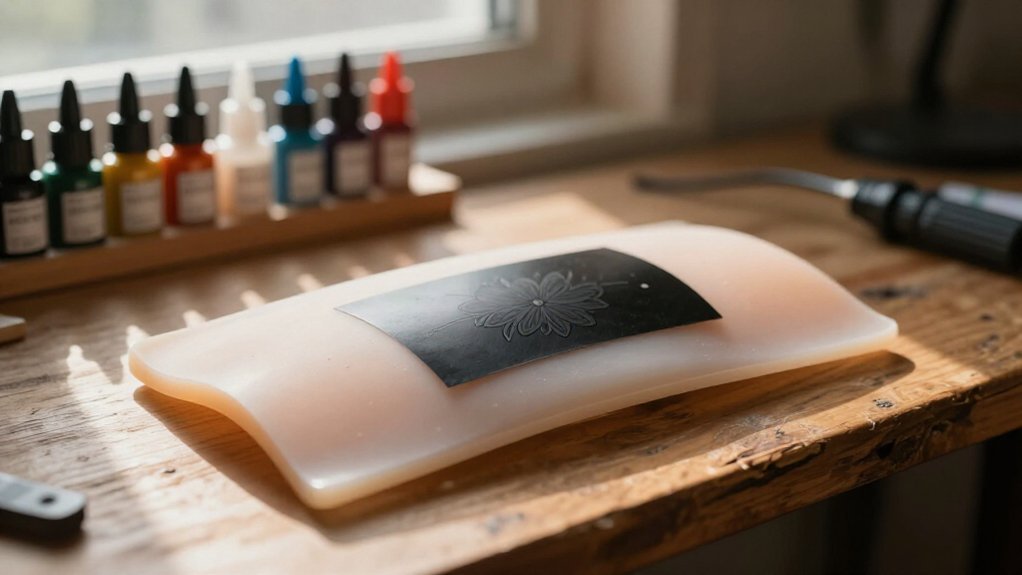


You need three specific layers to make temporary tattoos work, and most people guess wrong about at least one.
The backing isn’t regular paper, it’s silicone-coated release paper that lets go when damp. Your ink sits on top of that, but it can’t be standard inkjet, it needs skin-safe, cosmetic-grade pigments.
The transfer film binds it all together, activating with moisture to slide the image onto your skin.
Get any layer wrong, and you’ll either stain your fingers or watch your tattoo wash away in hours. Here’s how each material actually functions, and which products pass safety testing.
How Temporary Tattoos Actually Transfer to Skin (And Why Stickers Fail)
Because you want your temporary tattoo to look crisp and last, you need to understand what actually happens when you press that paper to your skin.
1. The Transfer Process
You dampen your skin lightly, then hold the paper in place for 1–3 minutes. During this time, moisture activates the transfer film on top of the ink layer. This film loosens and releases the printed image from the backing paper. A silicone release coating helps the design slide off cleanly, so you can roll the paper away without tearing or smudging the image.
Moisture activates the transfer film, releasing the ink from its backing so the design slides cleanly onto your skin.
2. What Happens After
Once the transfer film dries, it forms a bonded layer that holds the ink onto the skin for 3–5 days with proper care.
3. Why Stickers Fail
Stickers don’t use this system. They rely on rigid adhesive that bonds unevenly and peels easily, giving you patchy, short-lived results.
Recommended Products

Premium Non-Stick Release Paper: This silicone-coated paper prevents sticking, making it ideal for easy release of stickers

Made in the USA: Our superior quality, double sided, silicone release paper is easy to peel away backing paper for keeping stickers adhesive until needed. Sourced and manufactured locally in the USA, our paper features a stronger surface tack, meaning better grip for keeping your stickers safe from loss, damage and dust pollution. Our thicker, more durable paper also means pages won’t damage or wrinkle easily.

Generous Quantity & Perfect Size: Includes 150 sheets of premium release paper, each measuring 5.9×3.9 inches. With a sufficient supply, this pack is perfect for long-term diamond painting projects, ensuring you have enough to cover and replace sections without the hassle of frequent purchases. The compact size fits seamlessly into small crafting areas, making it ideal for detailed work while maintaining organization and efficiency.
What Paper and Film You Actually Need (Skip the Sticker Stock)
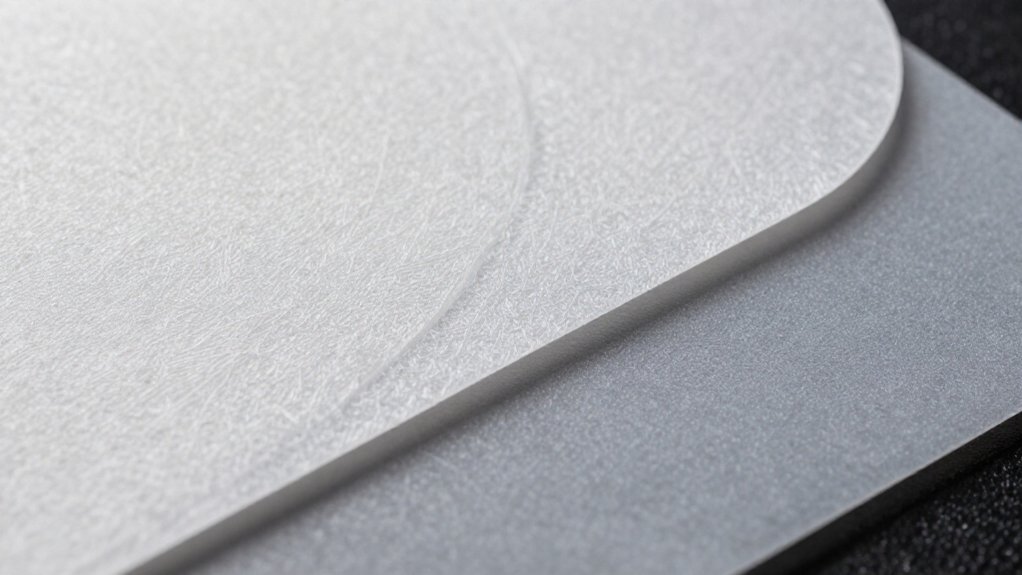
If you want results that last more than a day, you need to stop thinking about “sticker paper” and start thinking about a layered system.
1. The Backing Paper
Your backing paper carries everything through the printer, but it’s not what stays on skin. Look for paper coated with a silicone release coating. This layer lets the printed image separate cleanly when you add water.
2. The Transfer Film
The film allows the image to lift off and adhere to skin. Without this component, you’re just making a sticker that peels away.
3. Why “Sticker Stock” Fails
Single-layer printable sheets lack the release coating and proper film. They either won’t transfer or leave residue.
Your Shopping List:
- Silicone-coated backing paper
- Clear transfer film
- Compatible ink system
Treat your workflow as paper plus film plus coating plus ink. Skip the all-in-one sticker stock, and you’ll get professional transfers that actually survive a shower.
Recommended Products

Vibrant Metallic Colors & Versatile Designs: Create eye-catching body art with 8 metallic colored markers that deliver shimmering, bold lines. The temporary tattoo markers kit includes 12 reusable stencils. Perfect for holidays, parties, cosplay, or everyday creativity

1️⃣ All-in-One Temporary Tattoo Markers Kit Complete 16-color dual-tip body art markers set with 80 reusable tattoo stencils. Perfect for creating stunning, professional-looking temporary tattoos at home, parties, or festivals. Great for kids and adults who love creative self-expression.

Freehand draw Or design your favorite tattoo with Betytattoo tattoo stencils to create distinctive body art that will allow you to show off your creativity for all kinds of festivals and occasions!
Which Temporary Tattoo Inks Are Skin-Safe (Not Regular Inkjet)
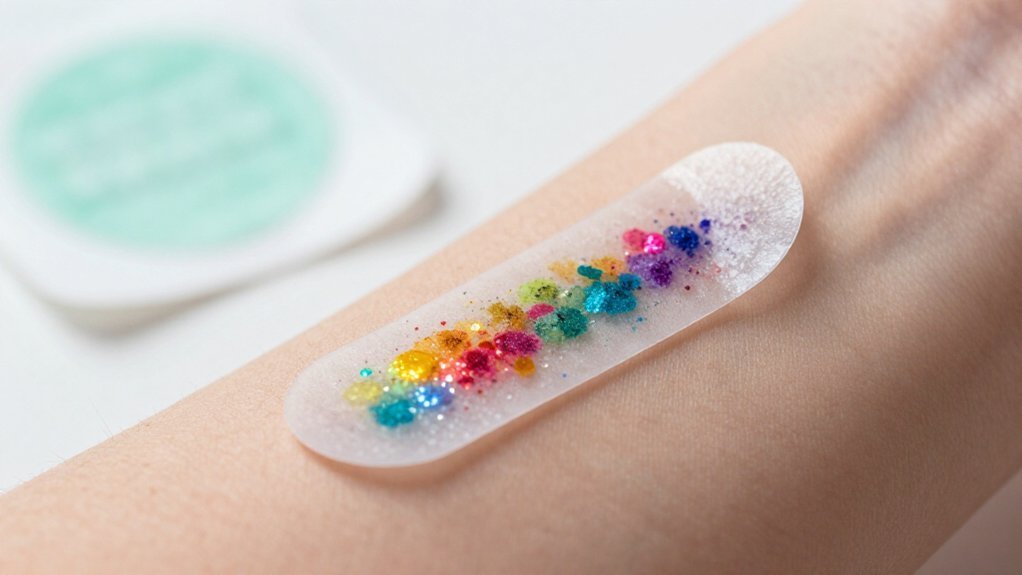
Your printer’s ink cartridge isn’t the right tool for this job, and using it anyway risks more than a smudged design. Inkjet ink contains solvents and additives that aren’t approved for skin contact, so you’ll want to avoid it entirely.
Instead, you’ll use cosmetic-grade inks, which are FDA-regulated specifically for body application. These skin-safe formulations contain colorants and binding agents designed to adhere properly without causing harm.
Cosmetic-grade inks include controlled drying agents that set your design predictably. They use polymeric colorant systems that transfer reliably with moisture activation. They exclude the unidentified chemicals found in standard office supplies.
Watch for warning signs like redness, pigment loss, or delayed sensitivity appearing weeks later; these indicate improper ink rather than true temporary tattoo materials. Choose regulated cosmetic formulations, and you’ll achieve safe, lasting results.
Recommended Products

MADE IN THE USA SINCE 1990 — For over 30 years Dynamic Color has produced professional tattoo ink in the United States, an established American brand artists built their work on long before most imported labels existed.

MADE IN THE USA SINCE 1990 — For over 30 years Dynamic Color has produced professional tattoo ink in the United States, an established American brand artists built their work on long before most imported labels existed.
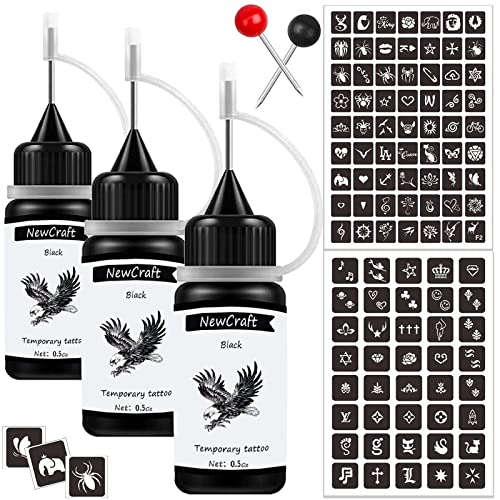
PACKAGE CONTENTS: There are 3 packs black temporary tattoo ink, 103 patterns tattoo stencils and one pin included in this comprehensive kit
How Adhesives Control Wear Time
You apply a temporary tattoo, and the adhesive layer bonds the ink to your skin, determining how long the design stays crisp. Skin bond strength depends on the adhesive’s formulation, which must balance secure attachment with gentle removal.
Several wear time factors, including moisture exposure, friction, and your skin’s natural shedding cycle, ultimately decide when the tattoo fades or lifts.
Recommended Products
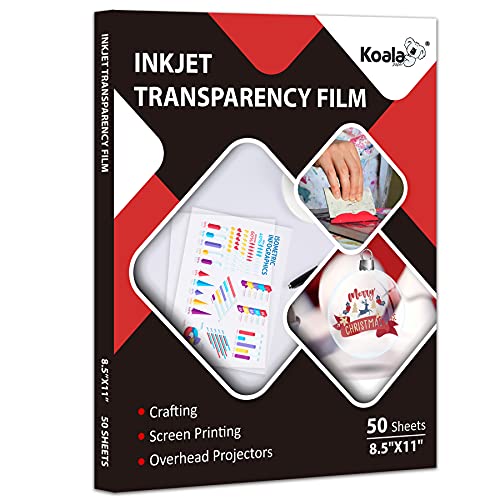
VALUE PACK- 50 sheets Transparency Film with durable box packaging. Specially insert a thin paper between two films to protect the print coating. Instruction is included

JUST PEEL AND STICK: Grafix Cling Film uses static to cling onto smooth, glossy surfaces without the use of any sticky adhesives.
inkjet film positive WaterProof Inkjet Microporous waterproof coating technology
Adhesive Layer Function
The adhesive layer acts as your temporary tattoo’s anchor, guaranteeing how long your design stays crisp before it begins to lift or fade. When you apply the tattoo, moisture triggers the transfer film, letting it slide onto your skin while the adhesive layer secures the ink in place as it dries. This bond, formed on clean, dry skin, typically keeps your temporary tattoo vibrant for 3 to 5 days, though some semi-permanent products continue to last 1 to 2 weeks.
Friction from clothing and frequent flexing disrupt the adhesive-to-skin contact, shortening wear time. You’ll notice edge lifting first, not sudden disappearance, as washing and skin turnover gradually wear the adhesive away.
- Clean, dry skin ensures the strongest initial bond
- Moisture activation triggers the transfer and locking process
- Gradual adhesive loss causes edge lifting before full fading
Skin Bond Strength
Skin bond strength determines how long your temporary tattoo stays intact, and it starts with the adhesive layer’s grip on your outermost skin cells. When a temporary tattoo is created, the adhesive/film-forming layer bonds the transfer image to your skin surface. This layer activates with moisture, transfers ink, and dries to hold pigment through several washings.
How Adhesion Controls Wear
Stronger bonds form on clean, dry skin, extending wear to 3–5 days. Friction and frequent flexing weaken this grip, shortening longevity. Your tattoo is designed to last through normal washing, but aggressive adhesives can irritate skin, causing redness or delayed sensitivity up to 2–3 weeks.
You cannot practically extend adhesion beyond 1–2 weeks, as natural skin shedding gradually breaks the bond.
Wear Time Factors
Your tattoo’s staying power hinges on the adhesive layer’s performance, which means even a crisp, vibrant design won’t outlast a weak bond. You control much of your Temporary Tattoos’ tattoo wear time through simple preparation and care.
Clean, dry skin improves adhesive contact and extends wear to 3–5 days. Drying agents in the adhesive system speed film setting and resist skin oils. Friction from clothes and joint flexing mechanically disrupts even strong bonds.
You should avoid applying moisturizer beforehand, since saturated skin reduces effective bonding. After transfer, you’ll want to let the film seal completely; otherwise, the adhesive loosens early and your image turns patchy. Sweating accelerates this breakdown. When you minimize these stressors, you maximize how long your design stays crisp and defined.
What Makes Temporary Tattoos Fade Faster (Or Last Longer)
Because you want your temporary tattoo to look fresh as long as possible, you’ll need to understand what controls its staying power. A temporary ephemeral tattoo typically lasts 3 to 5 days, though you might stretch it toward two weeks with careful handling.
What Shortens Wear Time
- Friction from tight clothes rubs away the transfer film faster
- Frequent scrubbing during showers breaks down the adhesive
- Flexing skin, like on knuckles or elbows, cracks the design
What Helps It Last
- Apply only to clean, fully dry skin so the bond forms properly
- Avoid oily lotions near the design
- Pat, don’t rub, when drying off
You can’t reliably extend standard decals beyond about 1 to 2 weeks. Quality and your daily habits determine whether you hit that longer mark or watch your tattoo fade within days.
Recommended Products

All INKJET PRINTER COMPATIBLE: Jecqbor Printable Temporary Tattoo Paper works for all INKJET printers, dimensions of 8.5 X 11 inches with a weight of 0.34 pounds, each comes in a set of 6 with clear and complete user guides! You can make your own tattoos temporary!
All INKJET PRINTER COMPATIBLE: Jecqbor Printable Temporary Tattoo Paper works for all INKJET printers, dimensions of 8.5 X 11 inches with a weight of 0.68 pounds, each comes in a set of 12 with clear and complete user guides! You can make your own tattoos temporary!

NOTE: After printing the tattoo stickers using an inkjet printer, be sure to dry them with a hairdryer before laminating them.
PPD, Black Henna, and Other Allergens to Avoid
You need to watch out for PPD, or paraphenylenediamine, a synthetic dye that turns henna black and can trigger serious allergic reactions. Traditional henna is safe and reddish-brown, but black henna isn’t henna at all. It’s PPD mixed into paste that absorbs through your skin.
Check ingredient lists carefully, and if you’re unsure, do a patch test on a small skin area 24 hours before any full application.
Recommended Products

Generous Quantity & Perfect Size: Includes 200 sheets of premium release paper, each measuring 3.9×3.9 inches. With a sufficient supply, this pack is perfect for long-term diamond painting projects, ensuring you have enough to cover and replace sections without the hassle of frequent purchases. The compact size fits seamlessly into small crafting areas, making it ideal for detailed work while maintaining organization and efficiency.

Package List: You will get 150pcs of release paper for diamond art, measuring 15x10 cm. The clear color and adequate quantity can satisfy your daily 5D diamond painting needs. You can also share with your family and friends

Package Include: 100 pieces of release papers for diamond painting, sufficient quantity for meeting your use and replacement
PPD Allergy Risks
Although traditional henna has been used safely for centuries, black henna poses serious risks you need to understand before applying any temporary tattoo. Many fake tattoo products claim they are safe, but PPD, a chemical dye added to darken henna, can trigger severe allergic reactions. You absorb PPD through your skin, and repeated exposure increases your sensitization risk even if your first application seems fine.
Watch for these warning signs:
- Redness, swelling, blistering, or intense itching at the application site
- Pigmentation loss or skin darkening that worsens over time
- Delayed reactions appearing 2 to 3 weeks after application
If you’ve had past dye allergies, avoid black henna entirely. Always request patch testing, and steer clear of products labeled “black henna,” which typically indicate PPD content.
Henna Safety Differences
While henna is generally safe, you’ll need to distinguish carefully between traditional and black henna products. Traditional henna comes from dried plant leaves and produces red-brown stains. Black henna isn’t natural; it often contains paraphenylenediamine (PPD), a chemical that triggers allergic reactions through skin absorption.
1. Know the risks of PPD sensitivity
PPD reactions can delay appearing, sometimes showing two to three weeks later. You’ll want to watch for blistering, redness, pigment loss, or lesions after any henna application. Stop use immediately and seek medical advice if these occur.
2. Choose products wisely
Avoid black henna that hides ingredients or claims to be “natural henna.” Read labels carefully. When you make temporary tattoos a priority for safety, select traditional henna with clear, simple ingredient lists. Your skin health depends on this distinction.