
You might think healing ends when the scabs fall off, but your tattoo’s surface layers keep remodeling for weeks.
Most people quit moisturizing too early, leaving skin tight and prone to itching when light, continued care would prevent it.
The real endpoint isn’t a calendar date: it’s when your skin feels smooth, settled, and no longer flakes when you run clean fingers across it.
Knowing exactly what to watch for, and when to taper off, keeps your ink vibrant without trapping bacteria or suffocating new tissue.
This timeline breaks down each phase so you stop at the right moment, not a day sooner or later.
How Long Should You Moisturize a New Tattoo?
During the first few weeks after your tattoo, you’re moisturizing to support your skin while it closes and settles. Most tattoo healing takes 2–3 weeks, though your timeline varies with how fast your skin repairs itself.
During the first few weeks after your tattoo, you’re moisturizing to support your skin while it closes and settles.
Your Moisturizing Timeline
- First two weeks after getting inked: Apply moisturizer 3 times a day. This keeps scabs soft and manageable.
- Days 6–14: Keep applications light and consistent. You’re managing dryness and itching without disturbing peeling skin.
- Weeks 2-3: Continue until your tattoo is scab-free and smooth. If your skin still flakes or feels hard, don’t stop yet.
Once your tattoo looks hydrated and smooth, taper off. You’re fully healed on the surface when flaking stops, though deeper layers repair for months.
Recommended Products

Upgraded Design, Easy to Use --- Tattoo aftercare balm comes in a tube,this container allows you to glide on the butter easily,Rolls on smoothly and evenly on your skin,No more mess or residue on your finger,convenient to use
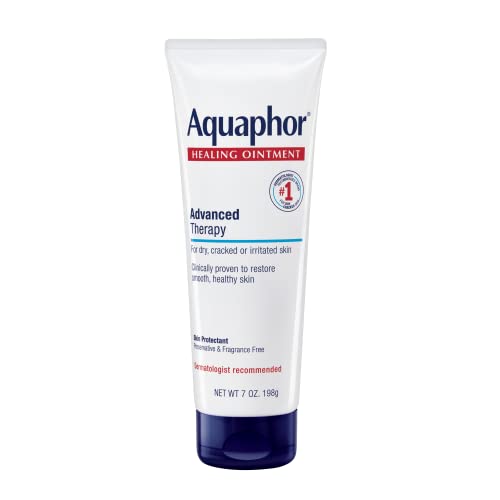
Net Weight and Dimensions: Each tube holds 7 oz. (198 g) of ointment, and measures approximately 19.9 x 5.7 x 5.2 cm; ideal for portability and easy storage

TATTOO AFTERCARE ESSENTIAL: Hustle Butter is the original tattoo aftercare balm for new and older tattoos. With over 10 years in the market, we are a pioneer of the tattoo aftercare category.
Start With Ointment: What to Apply in the First 48 Hours
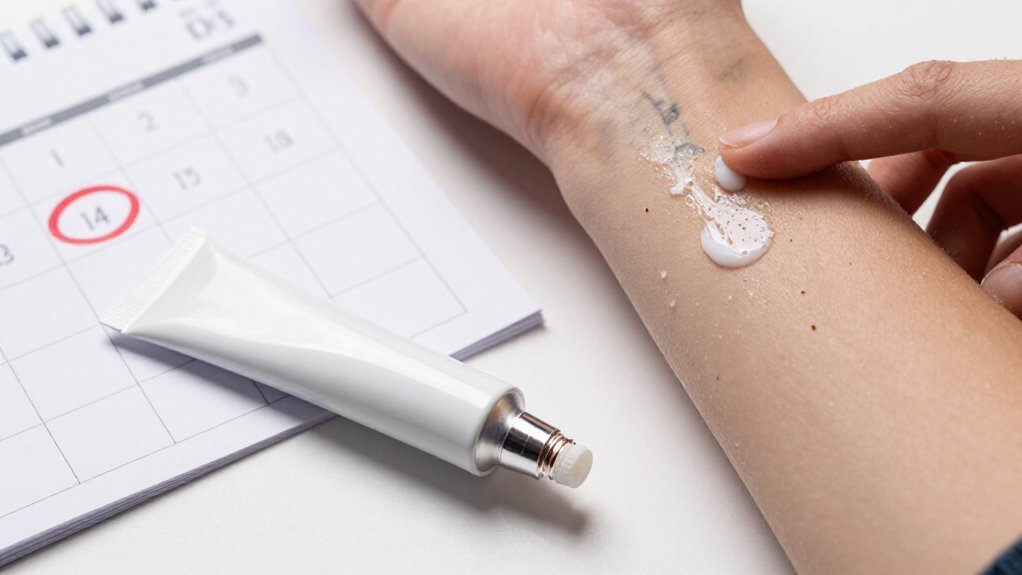
You’ve got your timeline for the weeks ahead, but those first two days set the tone for everything that follows. In the first 48 hours, you’ll focus on gentle care and the right products.
1. Clean First, Then Protect
Wash your tattoo with clean hands and fragrance-free soap. Pat completely dry. Then apply a thin layer of ointment, such as A&D Original Ointment or a tattoo-safe alternative. This keeps the surface from drying out while it’s actively weeping plasma.
2. Watch Your Moisture
After showering, wait until your tattoo feels fully dry before reapplying. Damp skin traps problems; dry skin heals better.
3. Second Skin Exceptions
If your artist applied second skin, or medical-grade adhesive, leave it on and follow their specific wrap instructions. Ointment use differs when this barrier is in place.
Keep applications thin, gentle, and frequent. Thick layers block air and slow healing.
Recommended Products

Gentle, Deep Cleansing: Tattoo Goo Foaming Cleansing Soap for tattoos and piercings helps remove impurities and clean the inked or pierced areas at a deep level by removing dirt, dead skin cells, and killing germs without damaging the skin

GENTLY CLEANSES NEW TATTOOS - Use Repair Tattoo Wash during the healing process to keep your fresh tattoo ink clean or as a perfect prep wash before and after tattooing.

Foaming Tattoo Soap: Great for in-process and post-tattoo and piercing care. Keeps new tattoos & piercings clean during the healing process.
Days 3–14: When to Moisturize Your New Tattoo Daily
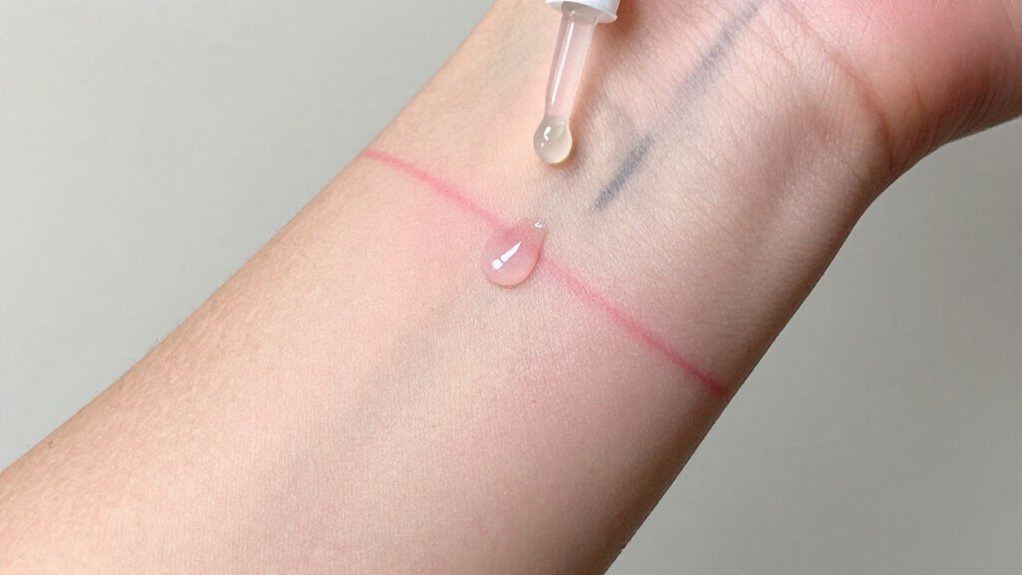
You’ll settle into a simple rhythm during Days 3–14: morning moisturizing locks in overnight healing; post-wash application ensures product reaches clean skin only after you’ve patted fully dry; and evening hydration timing lets the ointment work while you rest. Keep each layer thin, letting the tattoo breathe briefly between applications, and adjust frequency as flaking starts around Day 6.
Recommended Products

16-fluid ounce bottle of Lubriderm Fragrance Free Daily Moisture Lotion + Pro-Ceramide, Shea Butter and Glycerin to help restore skin's moisture barrier for healthier-looking skin

24-hour results: Clinically proven to help moisturize dry skin for 24 hours** with Pro-Ceramide and glycerin, this hydrating lotion helps strengthen your skin’s natural moisture barrier for healthier-looking, hydrated skin

Protect Your Body Art: Moisturizing with the bonus of itch relief! Tattoo Goo's Tattoo Care Lotion soothes healing skin & keeps healed ink looking sharp for life. With olive oil & glycerin, it delivers deep, breathable hydration that won’t clog pores
Morning Moisturizing Routine
By day three, you’re shifting from the initial protective phase into active healing, and your morning routine becomes the foundation of proper aftercare.
Begin each morning with a gentle cleanse. Wash your hands first, then gently wash the tattoo with mild, fragrance-free soap. Rinse thoroughly, pat dry with a clean towel, and let the tattoo fully dry completely, about 5–10 minutes.
Once dry, apply moisturizer: spread a very thin layer of Aquaphor or fragrance-free, alcohol-free product. You’re aiming for hydrated, not slick. Leave it uncovered to breathe. This lightness matters especially in the first week, when heavy coating traps moisture and breeds bacteria.
Keep this routine daily through Day 14. You’ll likely taper by Weeks 2–3, when scabs resolve.
Post-Wash Application
The foundation of daily healing rests on timing, and the post-wash window matters most. You wash your tattoo once daily during Days 3–14, using mild, fragrance-free soap. You let your skin fully dry before applying anything.
Apply Moisturizer Correctly:
- Use a very thin layer of fragrance-free, alcohol-free product
- Switch to Aquaphor healing ointment after initial days
- Avoid heavy layers that suffocate healing skin
Your tattoo may look duller now, and scabbing or flaking often starts around Day 2 or 3. You moisturize gently to ease itch, but you never pick or pull flakes.
You typically apply Aquaphor about 3 times per day for roughly 2 weeks, or until peeling stops. You reduce frequency if your skin looks overly shiny or stays greasy.
Evening Hydration Timing
Around Day 3, your skin shifts into the most active healing phase, so evening care becomes your anchor against overnight tightness and itching.
1. Prep Before You Moisturize
Gently wash the tattoo, then let it air-dry completely. Apply a very thin layer, because too much product can clog pores and slow healing.
2. Evening Routine Basics
Many people use aquaphor or a similar light healing product 2–3 times daily during the first couple of weeks. Stop adding more once skin looks hydrated, not shiny. Don’t use fragranced products.
3. When to Adjust
By about the first week, you’ll likely switch from heavier ointment to lighter lotion. Continue daily evening hydration until peeling stops, usually around weeks 2–3, then reduce.
Consistent tattoo aftercare prevents dry, irritated skin without picking scabs.
The 3 Healing Stages That Change Your Aftercare
Once you understand how your tattoo changes as it mends, aftercare stops feeling like guesswork.
Stage 1: Days 0–6
During this early stage of healing, you’ll remove the bandage or plastic within 24 hours. Wash gently 1–2 times daily with mild, fragrance-free soap. Air-dry completely, then apply a very thin layer of A&D ointment for the first few days.
Your tattoo sheds plasma and ink as the healing process begins. The outer layers of skin form early scabs; avoid thick ointment that traps moisture.
Stage 2: Days 6–14
Scabs harden and flake. Continue gentle cleansing, don’t pick at flaking skin, and switch to lighter moisture like Aquaphor.
Stage 3: Days 15–30+
Once flaking stops and dullness fades, moisturize only until scab-free. Remember, inner layers need 3–4 months; scar tissue formation continues beneath the surface.
Recommended Products

✡Various Purpose - Care for all types of wounds; Waterproof cover; Fixed dressing; Tattoo aftercare. It can help lock in the color, protect your tattooed skin, and reduce scabbing when you wash or moisturize your tattoo, quickly form a protective film then accelerate your recovery

RELIABLE PROTECTION: Hion transparent adhesive bandage shields your skin from dust, dirt, germs and bacteria, as well as friction or scrubbing. It is good to protect minor burns, scrapes, cuts, blisters, abrasions and new tattoo in healing. The transparent film dressing allows you to observe healing progress of your wound without having to peel it off.

Widely Used: Our tattoo film has grid lines on the backing paper, which can be cut into different sizes according to requirements. The size of the film is 6 inches x 8 yards, including 3 layers, namely PET backing, PU film and release paper. Soft and stretchable, which makes it fit perfectly anywhere in the body
When to Switch From Ointment to Lotion
You’ll know it’s time to switch when your tattoo stops weeping plasma and enters the flaking phase, typically between days 3 and 7. Ointments create that thick, occlusive barrier you needed at first, but lotion’s lighter texture lets healing skin breathe while keeping it supple.
Your artist’s specific protocol will vary, and you should always defer to their instructions since they’ve mapped your tattoo’s unique trauma.
Recommended Products

Tattoo Aftercare Daily Lotion: gives your tattoos the everyday care they deserve to keep your artwork looking fresh. Formulated to provide deep hydration and leave skin feeling soft and smooth. Rejuvenates your artwork and moisturizes skin.

COMPLETE AFTERCARE KIT FOR NEW & EXISTING TATTOOS: This Tattoo Aftercare Kit brings together 3 essentials, Antimicrobial Soap, Tattoo Balm, and Tattoo Lotion, to help cleanse, protect, and moisturize fresh ink. Useful after tattoo sessions and throughout healing, it supports vibrant color and skin comfort for dedicated ink enthusiasts and artists

100 Pack Professional Tattoo Aftercare Cards Includes 100 high-quality tattoo aftercare cards in a 2 x 3.5 inch business card size. Perfect for tattoo artists, studios, and piercers to give clients clear post-tattoo care instructions.
Healing Stage Indicators
Although the calendar can serve as a rough guide, your skin’s condition determines when you’re ready to switch products. Watch how your tattoo looks, not the date. In the first day or two, you need ointment for protection.
1. Signs You Should Switch to Lotion
You’ll know you’re ready when:
- Your tattoo stops looking shiny or tacky, and starts to look dry and dull.
- The surface becomes less “wet” or oozy, usually after the first week.
- Skin may feel tight instead of weeping.
2. Signs You Should Stay on Ointment
Keep using ointment if:
- You’re in the early days, days 2-3, when scabs are forming.
- The tattoo is actively weeping or feels tacky.
3. How to Apply Correctly
Use warm water to gently cleanse. Then let your body guide you: apply only a very thin layer of ointment while healing is active. Switch once peeling begins.
Product Texture Differences
Once your tattooed skin feels dry rather than tacky, usually around day five to seven, you’ll switch to lotion. Lotions spread thin, absorb quickly, and won’t suffocate healing tissue. They’re gentler on all tattoo ink colors during the flake-and-itch phase.
If you’re unsure about timing, ask a healthcare professional for medical advice. Heavy ointment after week two often causes more harm than good on sensitive, healing skin.
Artist Guidance Variability
Why do different artists give different timelines for switching from ointment to lotion? Tattoo artists recommend different approaches based on their experience, your skin type, and the tattoo’s size and location.
You should follow your tattoo artist’s instructions above all else. Some advise switching after just one or two days, while others suggest waiting until the end of week one.
Most switches happen once oozing stops and the surface feels less like a fresh wound. This changeover allows the skin to breathe better and prevents over-saturation.
Continue using your chosen product only while the tattoo needs it for dryness or itch relief. Switching too early can irritate skin and cause setbacks. If dryness or itching increases after a switch, return to your previous routine rather than changing products repeatedly.
Is It Time to Stop Moisturizing Your New Tattoo?
Most tattoos reach a point where you can stop moisturizing, and knowing when to stop is just as important as knowing how to start. You can stop applying moisturizer to the tattoo once it becomes completely dry, scab-free and no longer peeling. For most people, this happens around weeks 2–3.
Until then, care for your tattoo by applying a thin layer of fragrance-free ointment. Do not pick flakes during active peeling in week 2. Instead, reduce the amount you use, but don’t stop until your skin looks stable and hydrated.
If you still see hardened scabs, persistent flakes, or raw areas, continue moisturizing. Those deeper layers are still healing.
Contact your artist or a healthcare professional if your tattoo is very red, swollen, increasingly painful, or shows pus or rash around the 2–3 week mark.
Recommended Products

TATTOO AFTERCARE ESSENTIAL: Hustle Butter is the original tattoo aftercare balm for new and older tattoos. With over 10 years in the market, we are a pioneer of the tattoo aftercare category.

Dry Hands and Cuticles: Frequent exposure to water, hand soap, hand sanitizer or extreme weather conditions can cause dry, cracked heels, hands, and cuticles. Use A plus D First Aid Healing Ointment, an effective moisturizer, to help protect and relieve dry and cracked skin

Multi-Purpose Use: Effective for dry, cracked skin, minor cuts, burns, chapped lips, and more.
What Happens If You Over-Moisturize?
Although you want to keep your tattoo hydrated, applying too much ointment can backfire and slow your healing. Over-moisturizing keeps your tattooed area feeling gummy or overly wet, which traps moisture and blocks airflow your open wound needs.
You might think slathering on product helps, but thick layers create residue that irritates skin and worsens itching. Drink plenty of water instead of drowning the ink in ointment. During early healing, you’ve likely wrapped your tattoo in cling film, so you’re not starting with dry skin.
Once unwrapped, use a small amount of lotion, a very thin layer after washing and drying. Stop when scabs shed, around weeks 2–3. Repeated layering beyond this stage risks pulling scabs, which threatens ink retention and increases scarring.
Recommended Products

PERFECT FOR THE TATTOO ARTIST AND COLLECTOR – Whoever you are, you want to make your tattoo aftercare experience convenient and effortless. This soap ensures the tattoo always leaves the shop or house sanitized and moisturized.

GENTLE CLEANSING: Dove Sensitive Beauty Bar Soap gently cleanses while helping sensitive skin stay soft and smooth. Made with ¼ moisturizing cream, this beauty bar delivers rich lather and everyday care without irritation.

GREAT FOR NEW TATTOOS - H2Ocean Blue Green Foam Soap cleanses skin on and around new tattoos and the addition of aloe vera aids the healing process.
Why Your Tattoo Might Still Peel After 3 Weeks
You might still see flakes beyond week three because your tattoo’s size, placement, or depth of work created more trauma than average. How you handle moisture matters too, since over-moisturizing or letting skin stay damp can trap shedding tissue and extend the peeling phase.
Once you spot these delayed healing factors or signs of prolonged moisture retention, you’ll need to adjust your routine, but this is manageable with simple changes.
Recommended Products
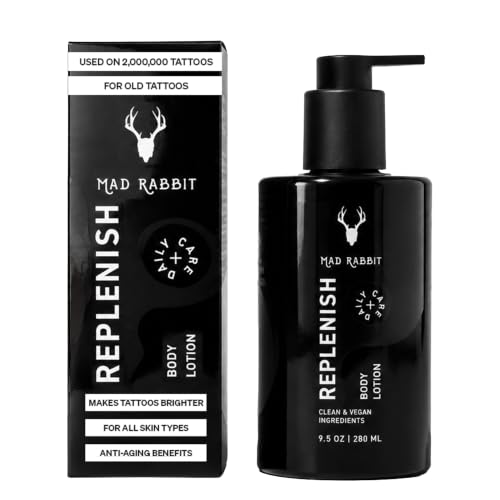
INFUSED WITH CLEAN, EFFECTIVE INGREDIENTS - The clean ingredients like Glycerin & Shea Butter provide lightweight nourishment and bounce to skin without ever feeling heavy or greasy on the surface. Anti-aging powerhouse vitamin A promotes visible firmness to skin, offsetting the appearance of fine lines and wrinkles.

Enhances Tattoo Appearance: Helps improve the look of existing tattoos by supporting a clearer, bolder and more defined appearance with regular use.

24-hour results: Clinically proven to help moisturize dry skin for 24 hours,* this body lotion for dry skin helps strengthen your skin’s natural moisture barrier for healthier-looking skin *From a clinical moisture study with Daily Moisture Lotion
Delayed Healing Factors
If your tattoo’s still shedding flakey bits three weeks in, you’re likely dealing with a delayed outer-layer heal, which is frustrating but usually fixable. Several delayed healing factors can keep the tattoo in a peeling stage longer than expected.
Larger Tattoos Mean Longer Recovery
Bigger, more detailed pieces cause greater skin trauma, so you’ll see redness, swelling, and flaking persist. The outer layer needs extra time to settle.
Common Mistakes That Extend Peeling
- Over-moisturizing traps moisture and softens healing skin
- You must wash daily, then let the area dry completely before adding product
- Scratching or picking flakes reopens the surface, restarting the cycle
Check for infection signs: warmth, pus, or increasing pain. These warrant medical attention, not waiting.
Prolonged Moisture Retention
Peeling that persists past week three often signals you’ve kept the surface too wet, which traps dead skin and prevents it from shedding naturally. Prolonged moisture retention occurs when you don’t taper off your routine, and deeper layers keep regenerating while surface flakes stick around.
Signs you’re over-moisturizing:
- Your skin is still peeling, but feels slick or gummy
- Thick scabs won’t lift
- The area stays shiny rather than settling
If this happens, stop the heavy ointment immediately. Switch to a very thin layer of fragrance-free lotion, just enough to prevent tightness. You’re not trying to keep your ink wet; you’re letting your ink settle while you let your skin finish its job. Taper off once flakes disappear completely.
Should You Follow Your Artist’s Advice or Standard Guidelines?
Navigate the early days of healing by checking your artist’s written aftercare sheet before opening any standard guide. Follow your tattoo artist’s instructions first, because wrap timing, wash frequency, and whether to start antibiotic ointment in the first 24 to 48 hours vary by studio process and your tattoo’s healing progress.
If your artist says to stop using ointment when the tattoo is completely scab-free, match that timing. Many standard routines continue for about 3 weeks, but yours may end earlier or later depending on peeling and scabbing.
Standard guidance, like washing once daily and letting the tattoo fully dry before applying products, usually fits most artist plans. However, the exact days for Aquaphor or A&D can differ. Product sequencing is often consistent: thin A&D for day 1 and 2, then a light layer of Aquaphor or lotion.
Yet your artist may recommend specific soap or cream, such as neutral, fragrance-free options, to suit their technique. If their advice conflicts with general rules about when to apply or stop moisturizer, defer to the artist and contact them for clarification rather than switching approaches mid-heal.
Recommended Products

PROTECTS & COMFORTS: Locks in moisture to help keep your ink bold and bright; Acts like a second-skin shield for fresh tattoos; Designed to reduce friction and protect from outside elements - naturally and without a fuss

Protective Tattoo Aftercare Film – Lightweight tattoo cover film designed to help keep new tattoos protected from everyday contact, friction, dirt, and external elements while maintaining a clean, discreet appearance under clothing.

After tattoo care:Helps safeguard new tattoos or retouched areas, supporting a cleaner, smoother healing process. It can help lock the color, protect your tattooed skin, reduce scab when you wash or moisturize your tattoo, quickly form a protective film, and then accelerate your recovery.
How to Protect Your Healed Tattoo From Sun Damage
Once you’ve finished the moisturizer phase and your tattoo is fully closed, no longer peeling, and feels like normal skin, your priority shifts to long-term protection. You must avoid sun exposure entirely during the healing process. Cover the area with loose, protective clothing when you go outside. Don’t apply sunscreen until the skin has fully recovered, since early use causes irritation and interferes with healing.
Make sure you continue protecting the tattoo for weeks, even after applying moisturizer stops. Deeper healing takes three to four months. Once fully healed, apply a broad-spectrum SPF daily. UV rays fade and dull ink over time.
Watch for redness or swelling; these signal incomplete healing. Keep covering the tattoo until these symptoms resolve completely.
Recommended Products

PROMOTE HEALING & BRIGHTEN TATTOO COLORS: Our transparent tattoo cover will lock the moisture your wound needs to accelerate regeneration process, reduce scabbing and keep the tattoo colors vibrant; Please note: packaging may vary

STICK APPLICATION, ZERO MESS: Twist up the tattoo balm stick, swipe directly over the tattoo, and blend as needed. No jar to open, no fingers scooping product, and no need to carry a separate applicator. The solid stick format is easy to keep in a bag, bathroom cabinet or travel kit, making care simple at home or on the go. It gives you controlled application exactly where you want moisture, with less mess than traditional balm jars. Great for quick touch-ups whenever tattooed skin feels like it needs extra care, at home, after work or while traveling.

Nourishes Healing Ink for Vibrant Color: Tattoo Goo supports healing tattoos & maintains vibrancy on healed ink with a lightweight formula rich in olive oil, lavender oil, cocoa butter, and beeswax. It absorbs quickly, moisturizes deeply, and helps reduce dryness, itch and tightness so your tattoo looks and feels comfortable through everyday routines