
You’ve just left the shop with fresh ink, and the sun feels like your next challenge. Wait too long to shield it, and you risk faded lines or worse. But rush back outside unprotected, and you’ll learn the hard way why timing matters. There’s a narrow window where your tattoo is most vulnerable—and most people misjudge it completely.
Key Takeaways
- Avoid sun exposure on a new tattoo for at least two to four weeks minimum.
- Tattooed skin functions as an open wound until the surface fully heals completely.
- Wait until all scabs fall off and skin feels smooth with settled colors.
- After healing, apply SPF 50+ sunscreen every two hours when outdoors.
- Use mineral sunscreen during healing; avoid chemical sunscreens until fully healed.
Recommended Products

POWERFUL MINERAL SUNSCREEN - Protect sensitive skin from the sun’s harmful rays with Blue Lizard Sensitive Mineral SPF 50 Sunscreen Lotion it contains no harsh chemical active ingredients that might irritate sensitive skin.

Tattoo-Safe Mineral Formula: Our tattoo sunscreen lotion uses non-nano zinc oxide, a physical barrier that sits on the skin to block UVA/UVB rays without penetrating or irritating tattoos. This helps prevent fading, discoloration, or damage to tattoo ink caused by sun exposure.

ZINC OXIDE-ONLY SUNSCREEN - Protect sensitive skin with Blue Lizard Sensitive Mineral Sunscreen Stick SPF 50. Formulated with Zinc Oxide, it contains no harsh chemical active ingredients that might irritate sensitive skin.
How Long to Wait Before Sun Exposure
How soon can you safely bask in the sun after getting inked? You’ll need patience. Fresh tattoos demand complete avoidance for two to four weeks minimum. Your skin’s essentially an open wound, and UV rays wreak havoc on vulnerable tissue. You didn’t endure the needle just to watch your colors fade or your lines blur.
Once the surface heals, you’re not home free. The deeper layers keep mending for months. When you do venture out, you’ll slather on SPF 50 or higher, reapplying every two hours. Skip the tanning beds entirely—they’re harsher than natural light and you won’t forgive the damage. Your artist invested skill; you invested money and pain. Protect that investment diligently.
Recommended Products
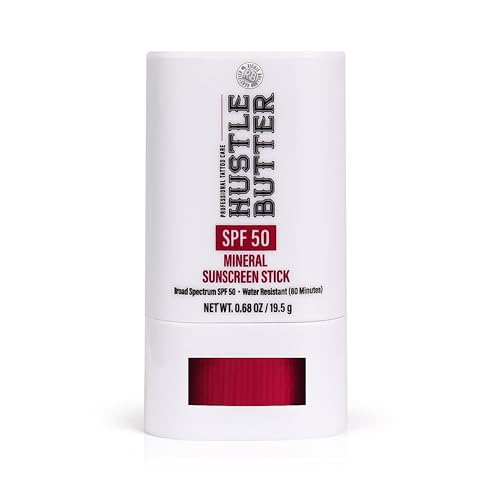
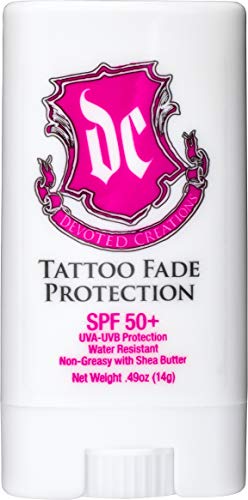
Tattoo Sun Protection, SPF 50: Our tattoo sunscreen stick provides broad-spectrum UVA/UVB coverage, preventing sun damage and fading, keeping tattoo ink vibrant and sharp.
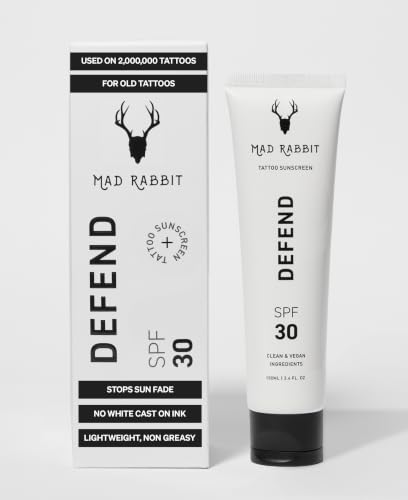
FOR ALL SKIN TYPES, INKED OR NOT - This daily, 100% mineral sunscreen works hard to protect skin and tattoos from the damage caused by exposure to harmful UVA & UVB rays.
How to Know Your Ink Is Fully Healed
What exactly signals that your tattoo has finished healing? You’ll notice the scabs have completely fallen off and no shiny or raised areas remain. Your skin feels smooth to the touch, matching the texture of surrounding tissue. The itching stops entirely, and you don’t see any flaking or peeling.
You’ll observe the colors look settled and vibrant rather than dull or cloudy. When you run your fingers across the design, you won’t detect any bumps, ridges, or hardened spots. The area no longer feels tender or sensitive when you press it.
Typically, this process takes two to four weeks for smaller pieces, though larger or more detailed work may require six to eight weeks. You know you’re ready when your tattoo looks and feels like it’s been part of your skin forever.
Recommended Products

🌿 Non-Toxic & Skin-Safe:Made with organic tallow and non-nano zinc oxide, this non-toxic sunscreen is free from synthetic fragrances, preservatives, silicones, and chemical UV filters like Octinoxate & Oxybenzone.

4-Ingredient Zinc Oxide Mineral Sunscreen Stick: Only zinc oxide, organic coconut oil, beeswax, and vanilla extract. No oxybenzone, octinoxate, parabens, or fragrances. EWG 1 rated mineral sunscreen for families who want truly non-toxic, food-grade sun protection
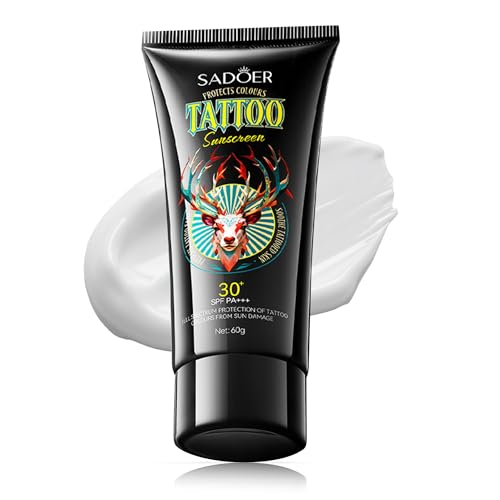
ULTIMATE SUN PROTECTION FOR TATTOOS & SKIN: Our advanced SPF 30+ formula delivers broad-spectrum UVA/UVB protection while locking in tattoo vibrancy. Suitable for all skin types – inked or uninked – its compact size fits your pocket easily, making it perfect for daily on-the-go protection.
How Sunlight Destroys Fresh Tattoos
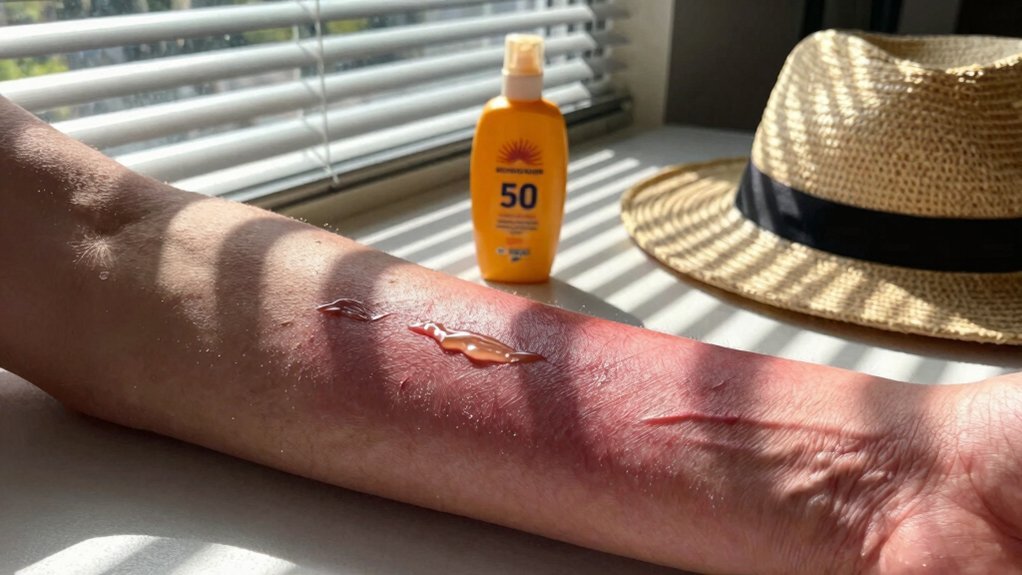
Why does sunlight pose such a threat to your fresh ink? You’re looking at a healing wound, not finished art. UV rays penetrate your compromised skin barrier and attack the pigment particles your artist deposited. Your immune system responds immediately, sending cells to engulf those foreign particles.
Sunlight accelerates this process dramatically. You watch your vibrant colors fade and your crisp lines blur as your body disposes of the ink it mistakes for intruders.
The sun also dries out your healing tissue, causing scabs to form thick and uneven. You’re risking patchy color retention and permanent damage to the design you paid for.
Your tattoo hasn’t sealed itself yet, so you’re essentially leaving a wound unprotected in harsh conditions. Cover it completely or stay shaded.
Recommended Products
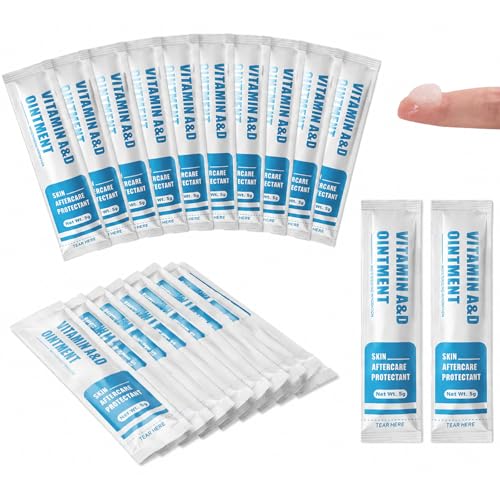
Honest, Accurate Care – This protective ointment comes in 50 hygienic single-serve packets for mess-free, on-the-go convenience. Easy to apply for tattoo protection anytime.

COMPLETE AFTERCARE KIT FOR NEW & EXISTING TATTOOS: This Tattoo Aftercare Kit brings together 3 essentials, Antimicrobial Soap, Tattoo Balm, and Tattoo Lotion, to help cleanse, protect, and moisturize fresh ink. Useful after tattoo sessions and throughout healing, it supports vibrant color and skin comfort for dedicated ink enthusiasts and artists

PROTECT & HEAL - H2Ocean Aquatat seals the skin in a moisturizing barrier to protect from irritants while still allowing the skin to breathe. Aquatat will also heal topical wounds on skin such as tattoos, rashes, cuts and scrapes while minimizing scabbing.
What Happens If You Sunburn Healing Ink
Sunburning healing ink triggers a cascade of damage you’re not prepared for. Your skin blisters and peels, taking pigment with it. You’re watching lines blur and colors fade before the tattoo fully sets.
You’re inviting infection through compromised skin barriers. Your immune system diverts resources to repair UV damage instead of stabilizing ink deposits. You’re creating scar tissue that distorts the artist’s work permanently.
You’re extending healing from weeks to months. The sunburn triggers excess melanin production, and you’re seeing unwanted dark patches form around your design. You’re risking allergic reactions as photodegraded ink particles migrate unpredictably.
You’re guaranteeing touch-ups won’t fix everything. Some damage remains irreversible. You’re learning that prevention costs nothing compared to correcting burned, ruined artwork.
Recommended Products

Broad Spectrum Protection: SPF 33 mineral sunscreen with non-nano zinc oxide sits on top of the skin to create a shield against sun exposue at the source - defending tattoos from sun exposure and fading, and keeping your ink brighter and more vibrant over time.

FITS ALL SKIN TYPES, - TATTOO SUNSCREEN, 100% NATURAL sunscreen works hard to protect skin and tattoos from the damage caused by exposure to harmful UVA & UVB rays.

TRAVEL READY - Meets TSA Carry-On regulations due to its small package size. This sunscreen stick easily fits in your pocket for on the go use.
Which Sunscreen Won’t Mess Up Your New Tattoo?
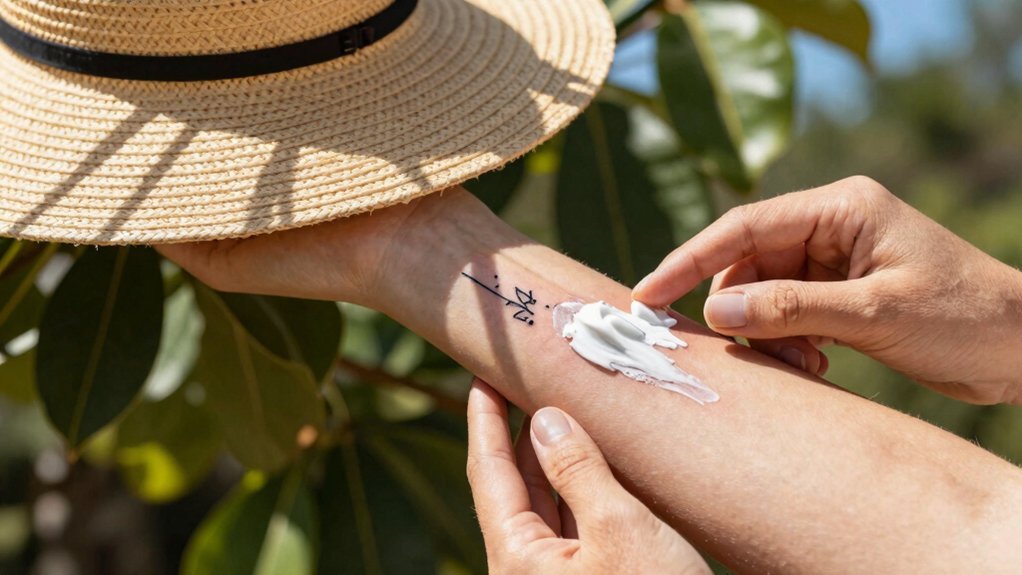
How soon you’re reaching for sunscreen after getting inked matters less than which formula you’re choosing. You’ll want to grab a mineral-based option with zinc oxide or titanium dioxide. These sit on top of your skin rather than sinking in, so they won’t irritate your healing tattoo.
Avoid chemical sunscreens containing oxybenzone or avobenzone until your tattoo fully heals. Those ingredients penetrate deeper and can trigger reactions in fresh wounds. You’ll also skip spray formulas entirely—they’re too easy to overspray and contain alcohol that stings badly.
Pick SPF 30 or higher with broad-spectrum protection. Fragrance-free matters too; you’re avoiding unnecessary irritants. Once healed, you’ll maintain that same mineral preference or transition carefully to trusted chemical options, but you’re prioritizing gentleness while your art settles.
Recommended Products

POWERFUL MINERAL SUNSCREEN - Protect sensitive skin from the sun’s harmful rays with Blue Lizard Sensitive Mineral SPF 50 Sunscreen Lotion it contains no harsh chemical active ingredients that might irritate sensitive skin.

MOST TRUSTED SUNSCREEN BRAND: #1 Most Trusted Sunscreen Brand

CETAPHIL SHEER MINERAL SUNSCREEN STICK SPF 50: Nourishes sensitive skin while providing hydrating, chemical free sun protection
Do Cloudy Days Require Protection Too?
You’ve got your mineral sunscreen ready for sunny days, but don’t stash it away when clouds roll in. Up to 80% of UV rays penetrate cloud cover, meaning your healing tattoo faces serious exposure even on overcast afternoons. You’re not dodging damage just because the sun hides.
Apply that zinc-based protection every single morning, regardless of the forecast. Reapply every two hours when you’re outdoors, since clouds won’t block the radiation that fades ink and triggers blistering. Your fresh tattoo lacks the protective barrier that healed skin enjoys, so you’re especially vulnerable.
Check the UV index before heading out; you’ll often find it reads “moderate” or higher even during gray weather. Don’t let deceptive skies fool you into skipping protection. Your tattoo’s longevity depends on consistent defense against invisible threats.
Recommended Products

SURFERS CHOICE – When applied to dry skin, Surfers Choice Sunscreen shields your skin from harmful UV rays and provides over 80 minutes of sweat and water resistant protection.

TATTOO SUNSCREEN- The world's first sunscreen specially formulated for tattoo protection. We've been up countless nights developing Ink Shield's special INK-BARRIER technology to protect your tattoos during the day. Ink Shield goes on clear. Your tattoos continue looking pristine
How to Cover Up Outside While Your Ink Heals
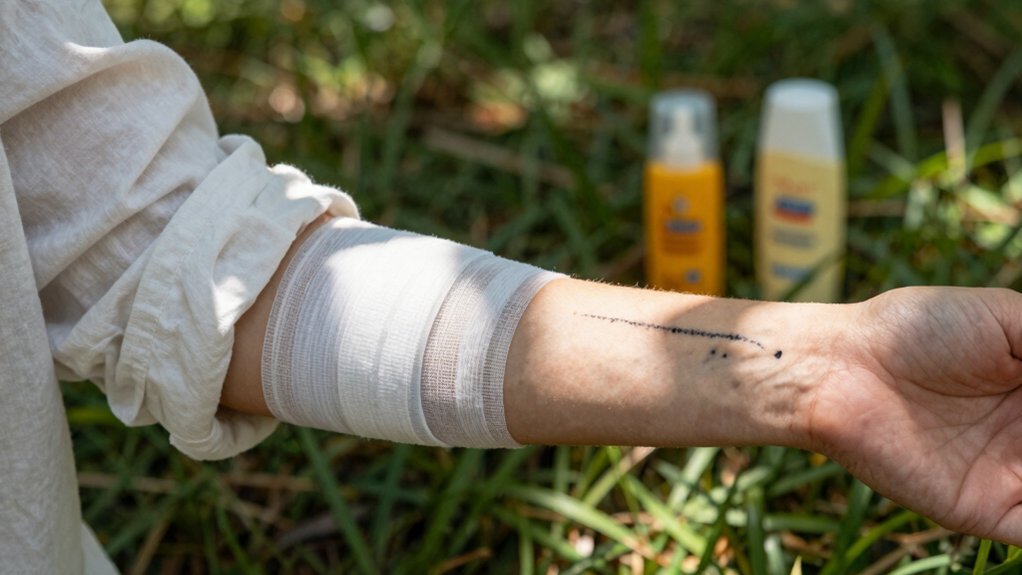
Wherever you’re headed, keeping your fresh ink shielded from UV damage demands more than just sunscreen. You’ll need physical barriers during those critical first weeks.
Wear loose, breathable clothing that covers the tattooed area completely. Tight fabrics rub and irritate your healing skin, so choose soft cotton layers that don’t cling. Dark colors block more UV rays than light ones.
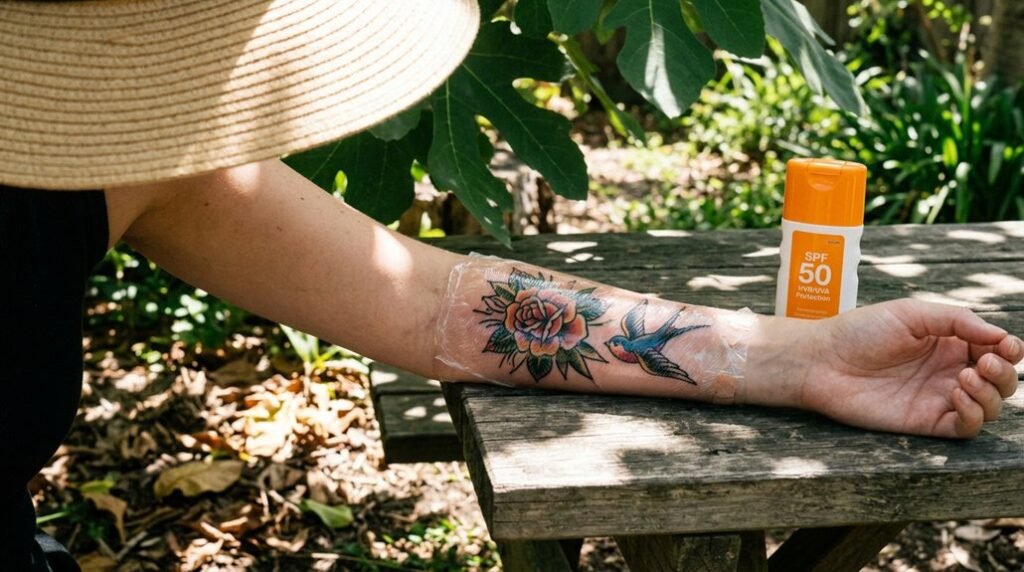
Grab a wide-brimmed hat if your tattoo sits on your neck, shoulders, or arms. You’ll create portable shade wherever you walk.
Seek covered areas actively. Pop under awnings, trees, or umbrellas whenever possible. You’re minimizing direct exposure without locking yourself indoors.
Check your clothing’s weave—thin, stretched fabric lets UV sneak through. Hold it to light; if you see through it, switch to something denser. Your healing ink deserves better protection.
Recommended Products

NON-NANO ZINC OXIDE SUNSCREEN, BROAD SPECTRUM SPF 50 — 25% non-nano zinc oxide physically blocks UVA + UVB on contact. Non toxic zinc oxide sunscreen, no oxybenzone, no octinoxate, no chemical UV filters.

NEW FORMULA MINERAL SPF 50 SUNSCREEN FACE STICK. Some of us like to go au naturel. Our natural, easy roll-on zinc-based Mineral face stick sits on top of your skin to block sun, leaving a matte finish with Broad Spectrum SPF 50 protection from UVA/UVB rays.

MINERAL SPF 50 SUNSCREEN LOTION. Some of us like to go au naturel. Our zinc-based Mineral sunscreen sits on top of your skin to block sun, leaving a matte finish with Broad Spectrum SPF 50 protection from UVA/UVB rays
Your First Safe Sun Exposure After Healing
Once your tattoo has fully healed—typically after two to four weeks—you’ll face new decisions about sun exposure. You can’t rush outside unprotected; you’ve invested too much in your ink.
You start with brief intervals—ten to fifteen minutes maximum. You apply SPF 50+ sunscreen generously, reapplying every two hours. You avoid peak hours between 10 a.m. and 4 p.m. initially. You watch for any redness or irritation; your healed skin remains vulnerable.
You build exposure gradually across several days. You don’t assume one application protects you all afternoon. You carry sunscreen with you and reapply after swimming or sweating.
You recognize that UV rays fade pigment rapidly during these early weeks. You protect your investment deliberately. You establish habits now that preserve your tattoo’s vibrancy through every future summer.
Recommended Products
PROTECT & SOOTHE: Condition & protect your tattoos to keep ink looking bold & vibrant. Soothing, nourishing tattoo care softens fresh tattooed skin, calms redness & irritation, and promotes healing

QUICK HEALING:A&D ointment gel is rich in essential vitamins A and D,which is very important for aftercare microblading ,effectively helping to remove burns,cuts,surgical marks and the impact of marks on beauty

【On-The-Go Protection in Individual Packets】 Enjoy maximum convenience and hygiene with our 50 single-use packets. Each pre-measured scar repair gel cream pack slips easily into your pocket or studio kit, ensuring you have a fresh, contaminant-free application whenever your tattoo needs a boost, without the mess of jars.
How to Keep Your Tattoo Bright for Years
How do you stop a tattoo from fading into a washed-out memory? You commit to daily SPF 30 or higher, reapplying every two hours when you’re outside. You don’t skip this step, ever.
You moisturize regularly with fragrance-free lotion, keeping your skin hydrated and your ink vibrant. You avoid tanning beds completely—they’ll destroy your colors faster than the sun.
You schedule touch-ups with your artist every few years, refreshing lines and saturation before they deteriorate. You wear protective clothing when possible, choosing long sleeves over direct exposure.
You stay consistent with these habits for life, not just the first month. Your tattoo isn’t finished when you leave the studio—you’re responsible for its longevity. Treat it well, and you’ll preserve its brilliance for decades.
Recommended Products

SKIN-LOVING SUN PROTECTION FOR TATTOOS: Our SPF 30+ formula blends broad-spectrum UVA/UVB defense with skin-loving botanicals like argan oil and vitamin E. Specifically designed to prevent tattoo fading while keeping skin nourished – ideal for fresh or healed ink.

FIRST-EVER The first-ever mineral tattoo sunscreen that rubs clear onto the skin and allows you to showcase your tattoos with the clarity and pride it deserves
Conclusion
You’ll want to keep your fresh tattoo out of the sun for two to four weeks while it heals like an open wound. Once it’s fully healed—no scabs, smooth texture, settled color—you’re free to enjoy the sunshine with proper protection. Slather on SPF 50+ mineral sunscreen, reapply every two hours, and don’t skip it on cloudy days. Your future self will thank you when your ink stays sharp and vibrant for years to come.