
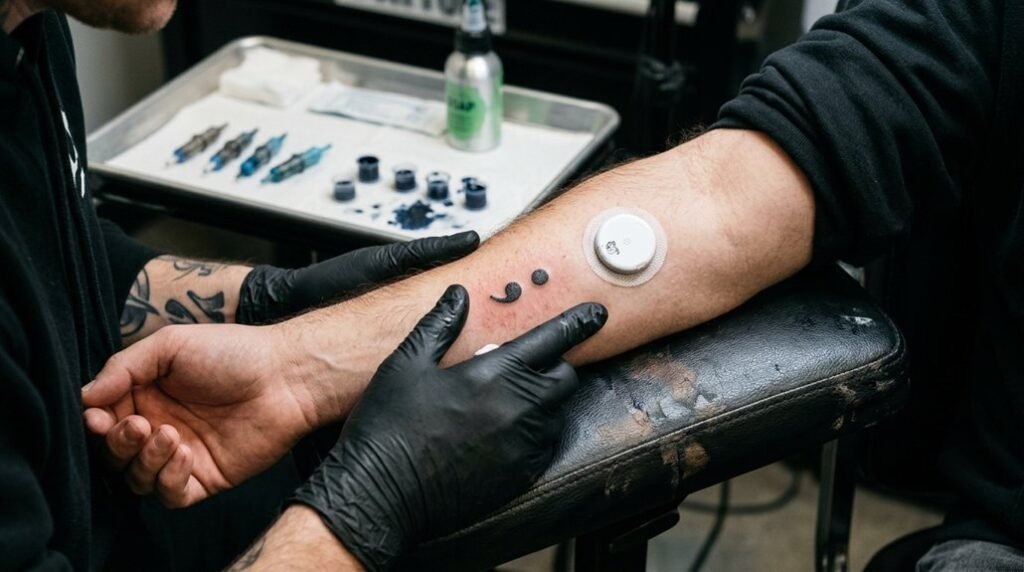
You’re considering a tattoo, and you’ve got diabetes—so you’re right to pause before booking that appointment. Your blood sugar levels directly affect how your skin heals and fights infection, which means a spur-of-the-moment decision could cost you more than money. But with the right preparation and medical guidance, you might still make it work. The real question isn’t whether you can, but whether you should right now, and what steps separate a safe experience from a risky one.
Key Takeaways
- Diabetes does not automatically disqualify someone from getting tattoos, but it requires careful medical preparation.
- A1C levels below 7% and stable glucose control are recommended before booking a tattoo appointment.
- Upper arms, shoulders, and outer thighs heal better than feet, ankles, or lower legs with poor circulation.
- Full disclosure of diabetes type, medications, and complications to an experienced artist is essential.
- Proper aftercare and infection monitoring are critical since diabetic healing is slower and higher risk.
Recommended Products

TATTOO AFTERCARE ESSENTIAL: Hustle Butter is the original tattoo aftercare balm for new and older tattoos. With over 10 years in the market, we are a pioneer of the tattoo aftercare category.

COMPLETE AFTERCARE KIT FOR NEW & EXISTING TATTOOS: This Tattoo Aftercare Kit brings together 3 essentials, Antimicrobial Soap, Tattoo Balm, and Tattoo Lotion, to help cleanse, protect, and moisturize fresh ink. Useful after tattoo sessions and throughout healing, it supports vibrant color and skin comfort for dedicated ink enthusiasts and artists

Protect Your Body Art: Moisturizing with the bonus of itch relief! Tattoo Goo's Tattoo Care Lotion soothes healing skin & keeps healed ink looking sharp for life. With olive oil & glycerin, it delivers deep, breathable hydration that won’t clog pores
How Diabetes Affects Tattoo Safety and Healing
How exactly does diabetes change the equation when you’re considering ink?
Your body processes wounds differently when blood sugar levels stay elevated. High glucose damages blood vessels and nerves, slowing circulation to your skin. You heal slower, and that fresh tattoo becomes a prolonged open wound vulnerable to infection.
Your immune system doesn’t respond as efficiently either. Fighting bacteria takes longer, giving infections more time to establish themselves. You mightn’t even feel problems developing if neuropathy has numbed the area.
Poor circulation also affects how your skin accepts and holds pigment. Tattoo lines blur or fade unevenly in compromised tissue. Areas with reduced blood flow—your feet, lower legs, hands—present the highest risks and least predictable results.
You must understand these biological realities before scheduling your appointment.
Recommended Products


Is It Safe? Prerequisites to Check First
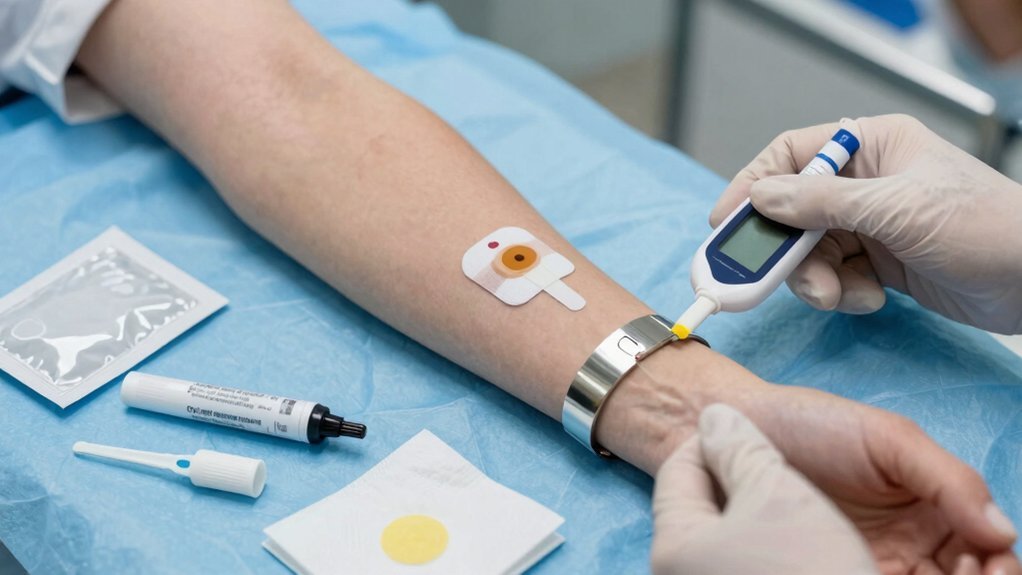
When should you actually book that appointment? You’ll need to check several boxes first. Get your A1C below 7% if you can. High blood sugar slows healing and invites infection.
Consult your endocrinologist before contacting any tattoo studio. They’ll evaluate your circulation, nerve health, and current complications. Don’t skip this step.
Verify you’ve had stable glucose levels for several months. Frequent spikes or crashes signal you’re not ready. Ask your doctor to clear you in writing.
Research your chosen artist thoroughly. Confirm they follow strict sterilization protocols and have worked with diabetic clients.
Avoid booking during illness, stress, or medication changes. Your immune system needs full strength.
Once cleared, you’ll schedule after a period of stable health. Then you’re prepared to proceed safely.
Recommended Products

✡Various Purpose - Care for all types of wounds; Waterproof cover; Fixed dressing; Tattoo aftercare. It can help lock in the color, protect your tattooed skin, and reduce scabbing when you wash or moisturize your tattoo, quickly form a protective film then accelerate your recovery.

✡Various Purpose - Care for all types of wounds; Waterproof cover; Fixed dressing; Tattoo aftercare. It can help lock in the color, protect your tattooed skin, and reduce scabbing when you wash or moisturize your tattoo, quickly form a protective film then accelerate your recovery

✡Various Purpose - Care for all types of wounds; Waterproof cover; Fixed dressing; Tattoo aftercare. It can help lock in the color, protect your tattooed skin, and reduce scabbing when you wash or moisturize your tattoo, quickly form a protective film then accelerate your recovery.
Best Tattoo Locations When You Have Diabetes
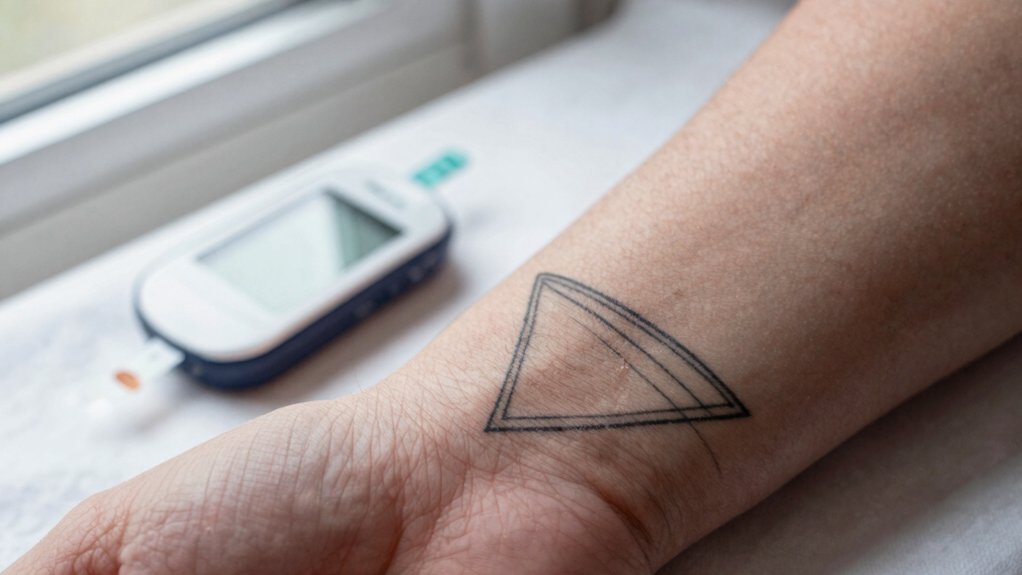
Where should you place your tattoo when diabetes complicates healing? You’ll want to choose areas with good blood circulation and minimal nerve damage.
Your upper arms, shoulders, and outer thighs typically heal better than spots farther from your heart. You’ll avoid your feet, ankles, and lower legs since diabetes often reduces circulation there. You’ll also skip areas where you inject insulin or place your glucose monitor.
Your abdomen and lower back present risks if you carry extra weight or experience frequent skin folds. You’ll pick fleshier spots over bony prominences, as they withstand trauma better during healing.
You’ll steer clear of any area showing signs of diabetic skin changes, scars, or current irritation. You’ll prioritize locations you can easily keep clean and monitor throughout recovery.
Recommended Products

📦[ASEPTIC PACKAGING]: Are you worried about the hygiene of the color cup? 10-Connected tattoo ink cup is individually sealed, Aseptic packaging, safe, maximum hygiene—no contamination risk during storage or use. Ideal for professional tattoo studios and P.M.U artists.
Durable Black Gloves: Crafted from highly stretchable nitrile, these gloves are tough and tear-resistant, offering superior quality compared to latex gloves, vinyl gloves, or plastic gloves; perfect for any task

Functional Dental Bibs: No dental appointment is complete without a dental bib, and FRONTLINE offers durable disposable options that fit any bib clip. Acting as a protective barrier against spills and splashes during procedures, these bibs prevent dirt and water on clothing and skin, making them essential dental supplies.
What to Tell Your Artist About Your Diabetes
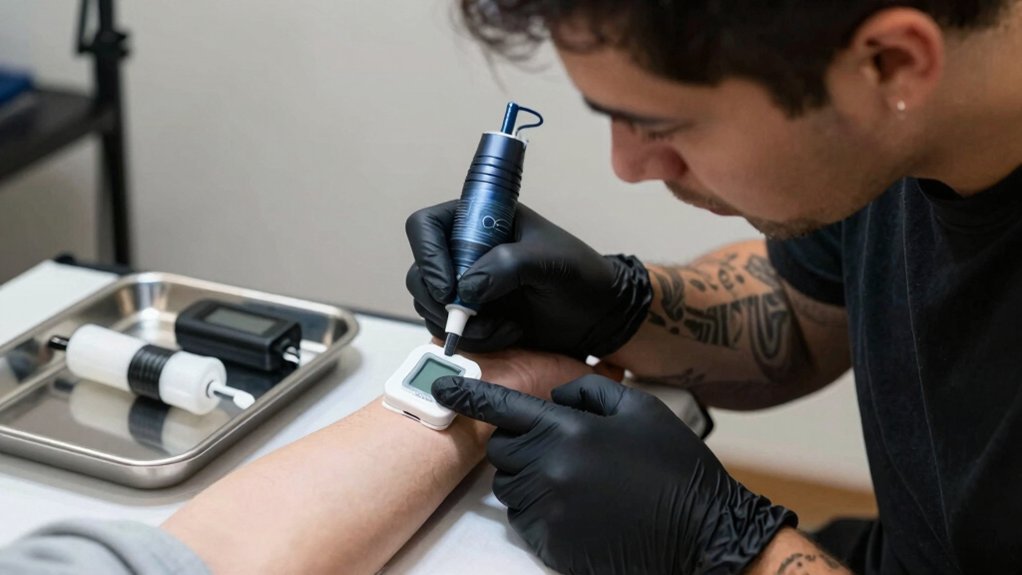
Why gamble with your health when honesty prevents disaster? Tell your artist you have diabetes before you book. Disclose your type—Type 1, Type 2, or gestational—because each affects healing differently. Share your current A1C level if you know it, and mention any diabetes-related complications like neuropathy or circulation issues. These details help your artist adjust their technique and timeline.
Inform them about medications you take, especially blood thinners or insulin, since these affect bleeding and aftercare. Explain if you experience delayed wound healing or frequent infections.
Ask if they’ve tattooed diabetics before and how they handle blood sugar monitoring during long sessions. Bring glucose tablets and snacks. Request breaks every hour to check your levels. Your transparency protects both you and your artist from preventable complications.
Recommended Products

Upgraded Design, Easy to Use --- Tattoo aftercare balm comes in a tube,this container allows you to glide on the butter easily,Rolls on smoothly and evenly on your skin,No more mess or residue on your finger,convenient to use
Protect your Body Art: Getting inked takes a toll on your skin. What you lose in moisture, we give right back. Our formula mimics your skin’s natural hydration so it absorbs fast, works harder, and helps your skin recover faster
Tattoo aftercare essential.upgraded Design, Easy to Use.Tattoo aftercare balm comes in a tube,this container allows you to glide on the easily
Red Flags That Mean You Should Wait
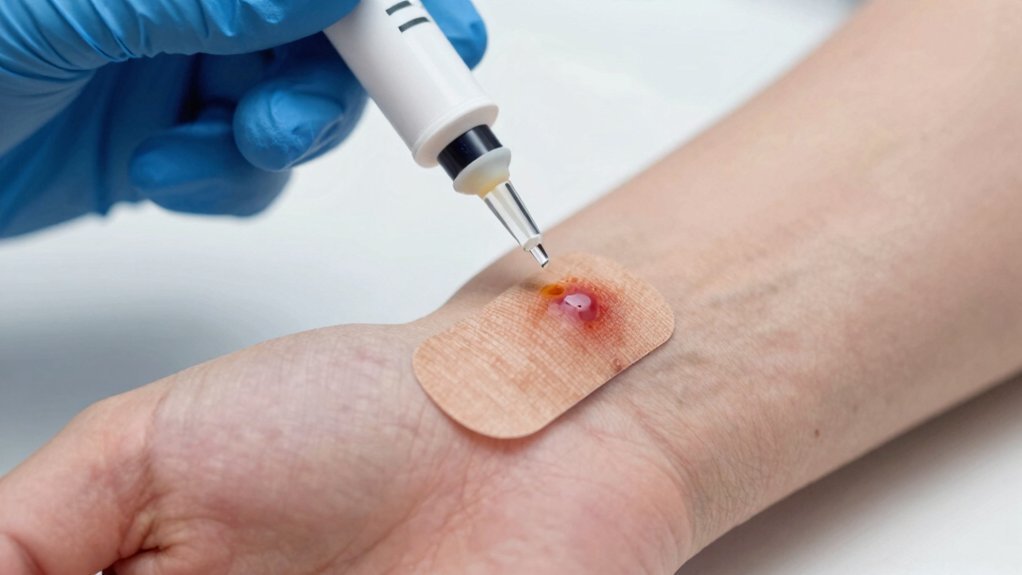
You’ve shared your health details and found an artist willing to work with you—now pause before you book. Certain warning signs demand that you postpone your appointment.
Your A1C reading tops 9 percent. You skip that session. Your fasting glucose won’t stabilize below 180 mg/dL. You wait. You spot signs of neuropathy, poor circulation, or infected wounds on your feet or legs. You delay.
You’ve developed diabetic ketoacidosis within the past month. You reschedule. You’re fighting a current infection—or you’ve got one brewing. You hold off. Your doctor just adjusted your insulin dosage, or you’ve started a new medication. You give it time.
You notice skin complications near your chosen tattoo site: rashes, thickening, or discoloration. You don’t proceed. You push through these red flags, and you’re inviting delayed healing, infection, or worse. You respect the pause.
Recommended Products

100 Pack Professional Tattoo Aftercare Cards Includes 100 high-quality tattoo aftercare cards in a 2 x 3.5 inch business card size. Perfect for tattoo artists, studios, and piercers to give clients clear post-tattoo care instructions.

Nourishes Healing Ink for Vibrant Color: Tattoo Goo supports healing tattoos & maintains vibrancy on healed ink with a lightweight formula rich in olive oil, lavender oil, cocoa butter, and beeswax. It absorbs quickly, moisturizes deeply, and helps reduce dryness, itch and tightness so your tattoo looks and feels comfortable through everyday routines

ENHANCE & MAINTAIN YOUR INK - This ultra-nourishing balm instantly enhances ink vibrancy as it forms a protective barrier on skin to help moisturize and soothe skin.
Aftercare Tips for Slow-Healing Diabetic Skin
How soon should you start aftercare? You begin immediately after your artist finishes. You wash your hands, then gently clean the tattoo with fragrance-free soap and lukewarm water. You pat it dry with a paper towel—don’t rub.
You apply a thin layer of tattoo-specific ointment or plain, unscented lotion. You repeat this cleansing routine twice daily. You keep the area covered with loose, breathable clothing. You avoid swimming pools, hot tubs, and soaking in baths until the skin fully closes.
You monitor your blood sugar closely—elevated levels delay healing. You watch for infection signs: redness spreading, warmth, pus, or fever. You call your doctor at the first suspicion.
You resist scratching during peeling. You don’t pick scabs. You stay patient. Your skin needs extra time, and you’re giving it exactly that.
Conclusion
You can get a tattoo with diabetes, but you need to plan carefully. Keep your blood sugar well-controlled for months beforehand and get your doctor’s written approval. Choose an experienced artist, disclose your condition, pick a location with good circulation, and watch closely for signs of infection during healing. Your preparation and vigilance make all the difference.
Recommended Products

Vibrant Preservation - Infused with the power of Chamomile Extract and Aloe Vera Extract, our tattoo wipes are designed to nurture your skin while keeping your tattoo vibrant and fresh. A natural moisturizer, aloe vera soothes the skin, promoting faster recovery and preventing dryness.

Convenient 2-Pack For Home and On-the-Go: Keep your first aid kit for home stocked with a tube of Bacitraycin for family at home. Use the second alongside camping essentials, hiking bag, fishing tacklebox, or travel first aid kit when on the go.

Foaming Tattoo Soap: Great for in-process and post-tattoo and piercing care. Keeps new tattoos & piercings clean during the healing process.