
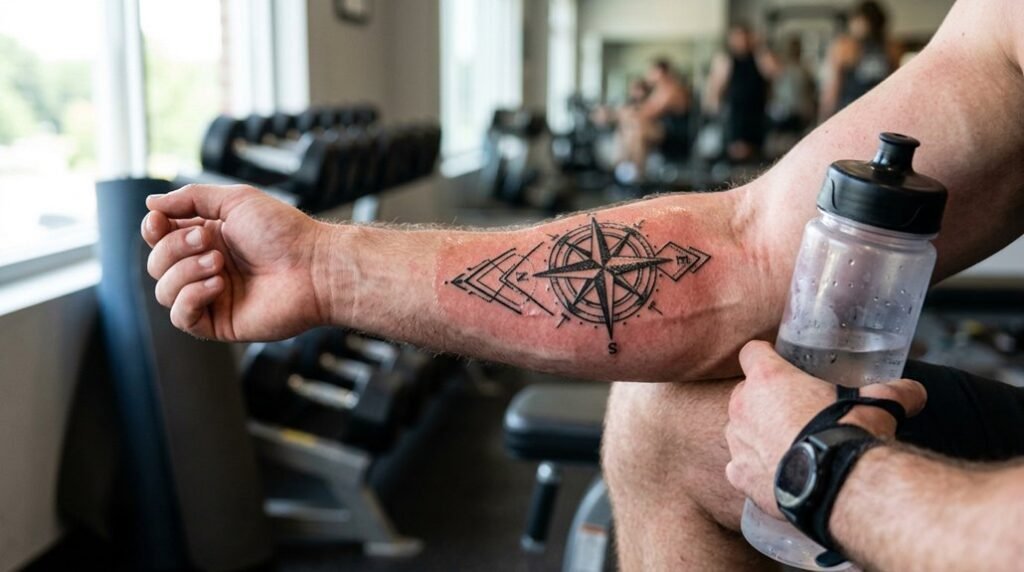
You’ve just left the studio with fresh ink, and you’re already wondering when you can hit the gym again. Most people assume a day or two of rest is enough, but the reality depends on far more than the clock. Your tattoo placement, workout intensity, and how you protect the area all play a role in whether you’ll preserve that crisp artwork or risk a faded, patchy result. Here’s what you need to know before you lace up.
Key Takeaways
- Wait at least 48 hours before light exercise, and up to two weeks for larger or high-friction tattoos.
- Avoid workouts that cause sweating on fresh ink, as moisture breeds bacteria and dilutes ink.
- Skip exercises putting direct pressure on the tattooed area to prevent irritation and damage.
- Use breathable bandages and loose clothing to protect healing skin during early gym sessions.
- Gradually increase intensity while monitoring for redness, swelling, or unusual discharge.
Recommended Products
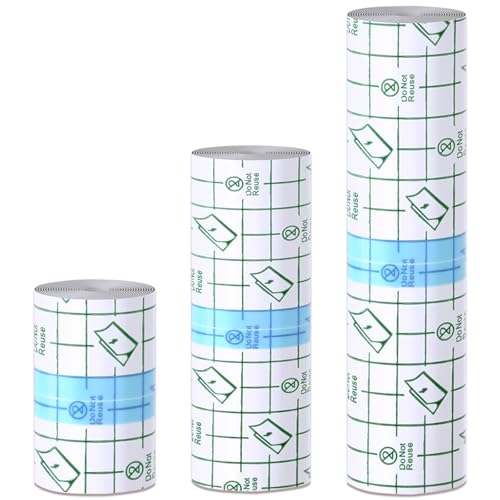
Triple-Size Value Pack for Every Tattoo Style - Get 3 full rolls of premium second skin tattoo cover (2" x 2.2 Yd, 4" x 2.2 Yd, 6" x 2.2 Yd) - sized for wrist art, back pieces, or sleeve designs. The tattoo aftercare bandage can be cut freely to match any ink!

Transparent Matte Film Protection - This breathable tattoo bandage is a must-have in your tattoo supplies, offering latex-free protection that supports gentle healing for new ink.

THE ORIGINAL TATTOO AFTERCARE BANDAGE – Saniderm’s Original Gloss Bandage is the tried-and-true, industry-defining tattoo aftercare bandage. Dermatologist-recommended and trusted by expert tattoo artists worldwide, this medical-grade bandage ensures your tattoo heals quickly, safely, and more vibrantly. With over a decade of experience and millions of tattoos healed, it’s the perfect way to heal your ink.
How Long After Getting a Tattoo Can You Exercise?
While you’re eager to show off fresh ink, you’ll need to pause your workout routine temporarily. Most tattoo artists recommend waiting 48 hours before light exercise. This gives your skin time to begin healing and form a protective layer.
However, you’ve got to listen to your body and your artist’s specific advice. Larger pieces or placements in high-friction areas require longer breaks—sometimes up to two weeks. Your tattoo creates an open wound, and rushing back strains the healing process.
When you do return, avoid submerging the tattoo in pools or soaking it in sweat-heavy sessions. Wear loose clothing that won’t rub against the fresh work. Start with low-impact activities like walking before jumping into intense training. Patience now preserves your investment and prevents complications that’d cost you more time away later.
Recommended Products
ULTIMATE Sun Protection: Designed with UV protective fabric to help shield your skin during outdoor activity. Ideal as sun sleeves for men and women for running, cycling, golf, and everyday use under direct sunlight.

◈ Premium Value Set - Get 2 rolls of professional tattoo aftercare bandage (6"x2 Yard each), totaling 4 yards. Easily cut to fit large tattoos, saving frequent repurchases. Ideal for all body areas.

One Roll, Endless Possibilities - Cut costs, not quality. 10m (11 yd) roll = 5x value. Spend less on supplies, more about art. With 10 meters per roll (vs. standard 2m sheets), Emalla’s second skin tattoo cover provides 50+ uses—ideal for studios handling multiple clients daily.
Why Sweating Ruins a Fresh Tattoo
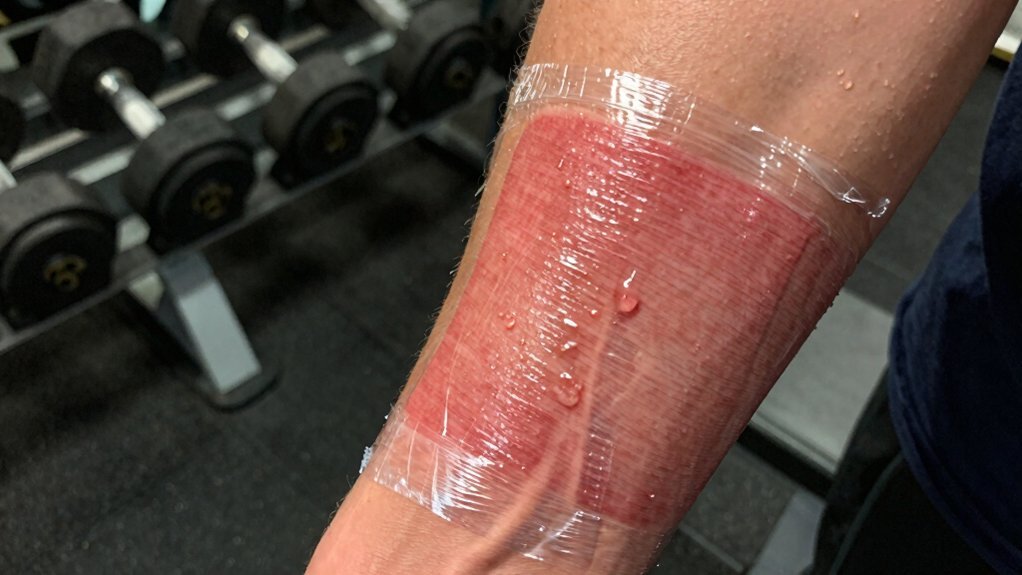
Although you might think a little sweat never hurt anyone, it’ll wreak havoc on your fresh tattoo. Sweat creates a moist environment that breeds bacteria, and you’re inviting infection right into your open wound. Your tattoo hasn’t formed a protective barrier yet, so perspiration seeps directly into the damaged skin, diluting the ink and potentially pulling pigment out before it settles.
Salt in your sweat stings the tender area and causes irritation that prolongs healing. You’re also risking inflammation that distorts the final design. When you wipe sweat away, you’re disturbing the delicate scabbing process and introducing germs from your hands or gym towel.
The moisture softens the developing scab, making it more likely to crack or peel prematurely. This exposes unhealed layers beneath and creates patchy, faded spots in your artwork. Your tattoo needs dry, clean conditions to heal properly, so you’ll want to skip anything that gets you sweating until you’ve healed.
Recommended Products

WHAT IS PAMIOU TATTOO AFTERCARE FILM? - The second skin tattoo cover is design of three-layer: Composed of PU film, PE protective layer and the release paper. It can be used to lock the tattoo ink, protect your tattooed skin.

RELIABLE PROTECTION: Hion transparent adhesive bandage shields your skin from dust, dirt, germs and bacteria, as well as friction or scrubbing. It is good to protect minor burns, scrapes, cuts, blisters, abrasions and new tattoo in healing. The transparent film dressing allows you to observe healing progress of your wound without having to peel it off.

Widely Used: Our tattoo film has grid lines on the backing paper, which can be cut into different sizes according to requirements. The size of the film is 6 inches x 8 yards, including 3 layers, namely PET backing, PU film and release paper. Soft and stretchable, which makes it fit perfectly anywhere in the body
Tattoo Locations That Heal Slower With Movement
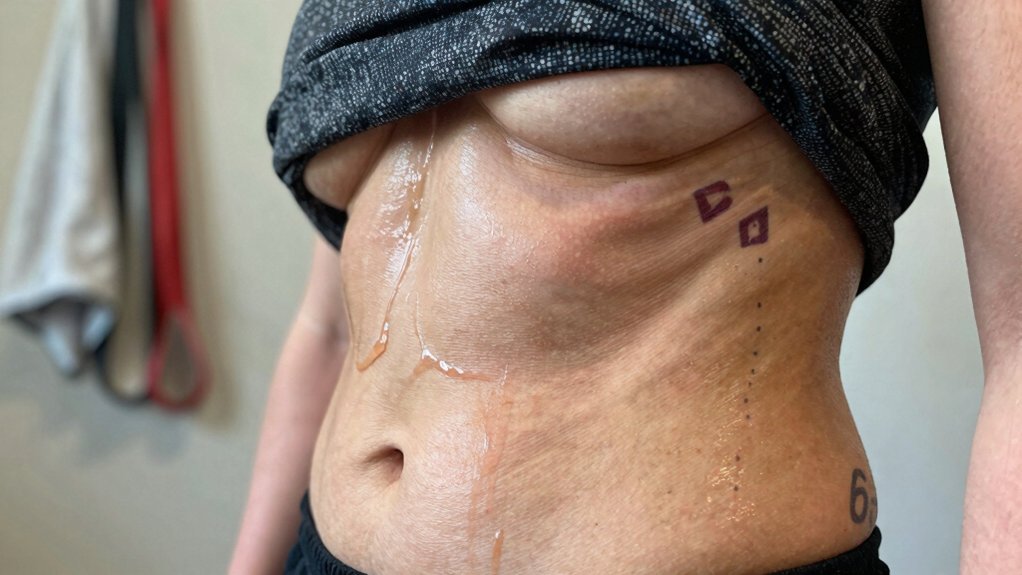
Where you place your tattoo determines how much movement delays healing. High-flex areas stretch constantly, so you’ll notice slower recovery on joints and mobile body parts.
Your knee bends thousands of times daily, so a tattoo there cracks repeatedly. You’re flexing your elbow with every lift, which pulls at fresh ink. Your shoulder rotates through swimming or reaching, irritating new skin. You’re twisting your torso constantly, so rib and side tattoos can’t rest. Even your ankle flexes with every step, delaying closure.
These locations move whether you exercise or not, but adding workouts multiplies the damage. You’re essentially forcing open a healing wound. You’ll see longer peeling periods, patchy color, and potential scar tissue when you stress these spots early. Choose flatter, more stable areas if you can’t pause training.
Recommended Products


One Roll, Endless Possibilities - Cut costs, not quality. 10m (11 yd) roll = 5x value. Spend less on supplies, more about art. With 10 meters per roll (vs. standard 2m sheets), Emalla’s second skin tattoo cover provides 50+ uses—ideal for studios handling multiple clients daily.
One Roll, Endless Possibilities - Cut costs, not quality. 10m (11 yd) roll = 5x value. Spend less on supplies, more about art. With 10 meters per roll (vs. standard 2m sheets), Emalla’s second skin tattoo cover provides 50+ uses—ideal for studios handling multiple clients daily.
Can You Walk or Do Light Cardio After 24 Hours?
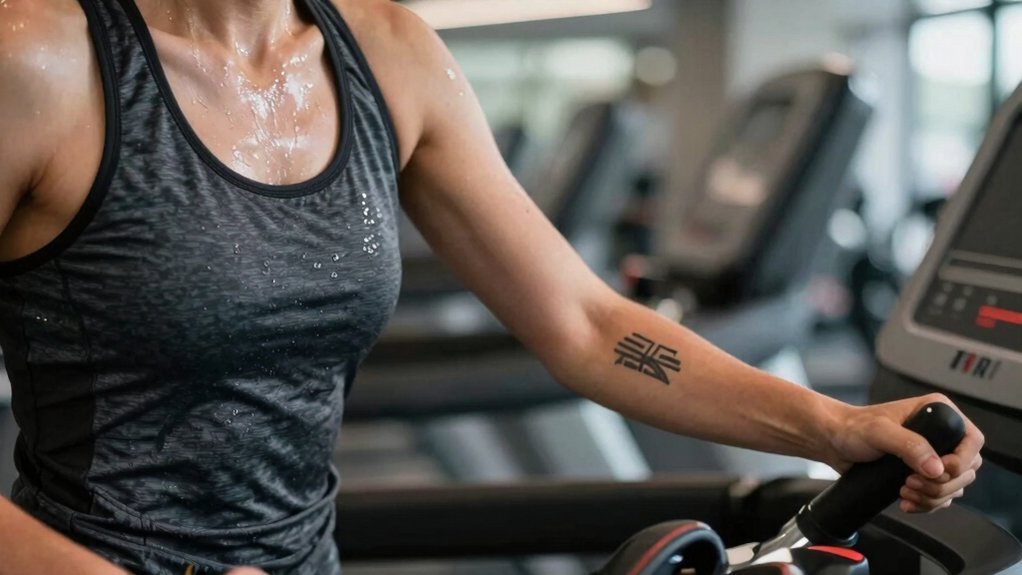
How long should you wait before breaking a sweat again? You can typically walk or do light cardio after 24 hours, but you’ll need to take precautions. Keep your heart rate low enough that you barely perspire. Sweat irritates fresh tattoos and increases infection risk.
Choose activities that don’t jostle or stretch your inked area. If you got a thigh tattoo, skip the stair climber. If it’s on your ribs, avoid twisting motions. Wear loose, breathable clothing that won’t rub or stick to the healing skin.
Keep sessions brief—20 to 30 minutes maximum. You’ll need to clean the tattoo immediately afterward with antibacterial soap and reapply a thin layer of ointment. Don’t let sweat dry on the area. If you notice redness, swelling, or increased pain, stop exercising and consult your artist.
Recommended Products

PROMOTE HEALING & BRIGHTEN TATTOO COLORS: Our transparent tattoo cover will lock the moisture your wound needs to accelerate regeneration process, reduce scabbing and keep the tattoo colors vibrant; Please note: packaging may vary

TATTOO BANDAGE SHIELD - The Derm Shield matte adhesive bandage roll measures 8 inches x 2 yards. It can be cut and trimmed to fit any size tattoo.

FLEX VS ORIGINAL BANDAGES – Saniderm’s all-new Flex tattoo aftercare bandages are engineered with a 50% thinner profile than our original gloss bandages while retaining their same trusted adhesive and durability. Ultraflexible and perfect for high-movement areas, Flex delivers exceptional tattoo healing with no compromise on comfort. A matte, non-reflective finish ensures a smooth feel, eliminates glare on new tattoos, and delivers a refined, premium user experience.
When Can You Lift Weights After a Tattoo?
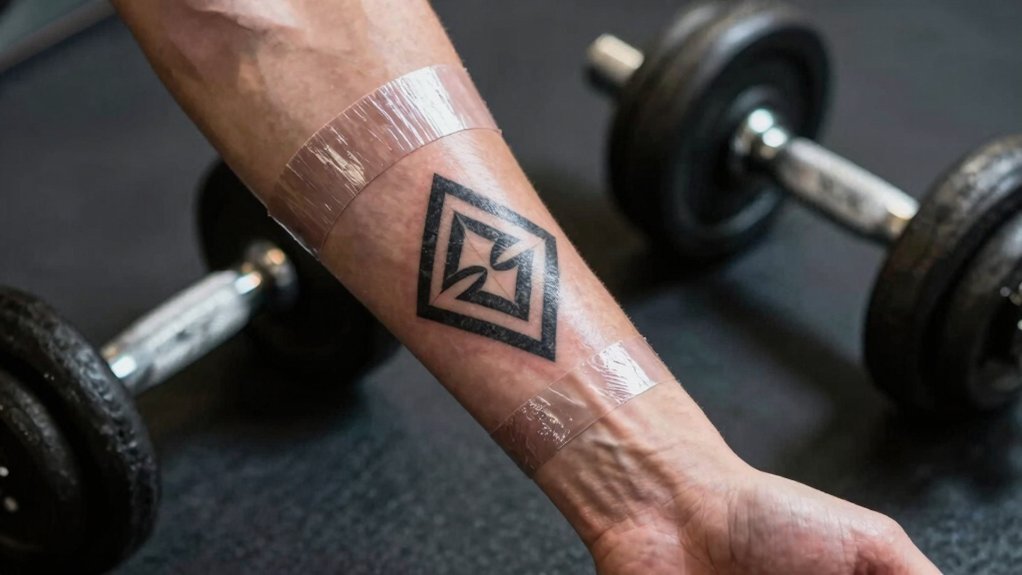
Light cardio is one thing, but lifting weights demands more from your healing tattoo. You grip bars, press equipment against your skin, and generate significant friction and sweat. These factors create real risks for fresh ink.
You need to wait longer than 24 hours. Most artists recommend holding off for 48 to 72 hours minimum, though many suggest waiting a full week. By day three, your tattoo enters the peeling stage, and you’ll notice when movement feels less irritating.
Watch where you place the tattoo. Arm, chest, and back pieces face direct pressure from benches, straps, and heavy weights. You’ll want extra caution there.
Leg tattoos allow faster returns to lower-body work since you keep them relatively free during upper-body sessions.
Listen to your body. When you’ve stopped oozing and the surface feels less tender, you’re likely ready to ease back in.
Recommended Products
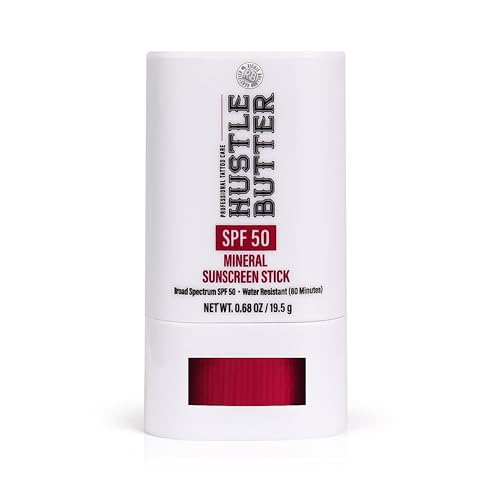
Tattoo Sun Protection, SPF 50: Our tattoo sunscreen stick provides broad-spectrum UVA/UVB coverage, preventing sun damage and fading, keeping tattoo ink vibrant and sharp.

One Roll, Endless Possibilities - Cut costs, not quality. 10m (11 yd) roll = 5x value. Spend less on supplies, more about art. With 10 meters per roll (vs. standard 2m sheets), Emalla’s second skin tattoo cover provides 50+ uses—ideal for studios handling multiple clients daily.

Tattoo-Safe Mineral Formula: Our tattoo sunscreen lotion uses non-nano zinc oxide, a physical barrier that sits on the skin to block UVA/UVB rays without penetrating or irritating tattoos. This helps prevent fading, discoloration, or damage to tattoo ink caused by sun exposure.
How to Cover and Protect Your Tattoo at the Gym
Once you’re cleared to lift, you’ll need more than willpower to keep your tattoo safe. You’ll wrap your fresh ink in a breathable, non-stick bandage before you walk through those gym doors. Don’t let your new tattoo touch dirty equipment or absorb sweat from communal benches.
You’ll wear moisture-wicking, loose-fitting clothing that covers the area completely. Synthetic fabrics trap bacteria, so you’ll choose cotton or performance blends that breathe. You’ll pack your own clean towels and lay them down before any contact.
You’ll reapply your artist’s recommended ointment immediately after your session. You’ll wash your hands thoroughly before touching the area. You’ll change that protective wrap if it becomes damp or dislodged. You’ll skip the locker room hot tub and sauna entirely. You’ll monitor for redness, swelling, or unusual discharge. You’ll treat your healing skin like the investment it is.
Recommended Products

FLEX VS ORIGINAL BANDAGES – Saniderm’s all-new Flex tattoo aftercare bandages are engineered with a 50% thinner profile than our original gloss bandages while retaining...
Exercises to Skip Until Your Tattoo Heals
Protecting your tattoo at the gym means knowing which movements put your healing ink at risk. Skip exercises that cause direct friction, stretching, or heavy sweating on fresh ink. If you’ve got arm tattoos, avoid bench presses, bicep curls, and push-ups—they rub against equipment and stretch healing skin.
Got back or shoulder work? Steer clear of squats with barbells, deadlifts, and pull-ups. These grind your tattoo against rough surfaces and tight clothing.
Skip swimming, hot yoga, and spin classes too. Chlorine, excessive heat, and pooled sweat invite infection and fade ink. High-intensity interval training belongs on hold—you’ll sweat buckets and can’t control where moisture lands.
Think about your tattoo’s location and pick movements that don’t touch, stretch, or soak it. Your healed art will thank you for the patience.
Warning Signs Your Workout Is Harming Your Tattoo
How do you know when you’ve pushed things too far? Your body sends clear signals, and you’d better pay attention.
You’re sweating through your fresh ink, and that’s trouble. The plasma’s oozing, the scab’s cracking, and your tattoo’s weeping ink or blood. You feel burning where you’d expect healing. The skin pulls tight, turns angry red, or swells beyond the artwork’s edges. You’ve ignored these warnings, haven’t you?
Heat radiates from the wound. Touch it gently—it’s hot, tender, raised. The scabs break open during reps. You’ve snagged fabric repeatedly. Infection’s brewing now: yellow pus, fever, worsening pain. You’ve compromised your artist’s work.
You’re training through sharp stinging that doesn’t quit. Stop there. You’re damaging the saturation, risking permanent patchiness. Your immune system’s fighting too many battles. Back off before you’ve scarred your investment.
How to Get Back to Full Training Safely
When’s it safe to train hard again? Wait until your tattoo’s fully healed—typically 4-6 weeks. You’ll know it’s ready when there’s no scabbing, peeling, or tenderness, and the skin feels smooth and settled.
Start gradually. Reintroduce intensity in small increments rather than jumping straight into your previous routine. Monitor the tattooed area during and after each session for redness, swelling, or irritation.
Protect the tattoo from friction by covering it with clean, breathable clothing or specialized wraps. Avoid exercises that put direct pressure on fresh ink. Keep moisturizing the area after workouts to prevent dryness from sweat exposure.
Don’t rush the process. Listen to your body, and back off if you notice any adverse reactions. Your patience preserves both your fitness progress and your tattoo’s long-term appearance.
Conclusion
Wait at least 48 hours before light activity, and you’ll protect your fresh ink. Keep workouts low-impact, cover your tattoo properly, and watch for warning signs like redness or leakage. You’ll return to full training safely by listening to your body and your artist’s advice.