
You’ve invested time, money, and pain into your body art, so naturally you want to keep that skin smooth without ruining your ink. Waxing over a tattoo isn’t as straightforward as you’d hope, and timing is everything. Get it wrong, and you risk infections, color loss, or permanent scarring that no touch-up can fix. The rules change depending on your tattoo’s age, placement, and saturation. Before you book that appointment, you’ll want to know exactly when it’s safe—and which techniques protect your investment.
Key Takeaways
- You can wax over fully healed tattoos, but never over fresh ink that hasn’t completed its healing cycle.
- Wait at least four to six weeks, or eight for larger pieces, before waxing near new tattoos.
- Repeated waxing may gradually dull tattoo vibrancy by stressing the skin’s surface layer.
- Choose hard wax over soft wax on tattooed skin since it adheres to hair, not skin.
- Avoid waxing ribs, joints, face, neck, and hands where skin is thin or healing is slower.
Recommended Products

DESIGNED FOR SENSITIVE SKIN: Specially formulated for sensitive areas like Brazilian bikinis, our wax beads for brazilian waxing provide a gentle yet effective hair removal solution. They perfectly grip coarse hair and remove fine hairs with ease, ensuring a painless experience even on the most delicate skin, making them ideal wax beads for sensitive skin

ECONOMICAL 2.5 LB PACK: Experience exceptional value with our substantial 2.5 LB pack of hard wax beads, providing ample wax for numerous full-body applications. Designed for compatibility with all types of wax warmer, these wax beads for sensitive skin ensure you're always ready for any waxing need without frequent restocking, making it an ideal choice for regular users

Brazilian Waxing Pro: Gentle but effectively eliminates stubborn and unwanted bikini hairs; made for the bikini but can also be used on other delicate parts like the underarm and face;
Can You Wax Over a Tattoo? The Safety Rules
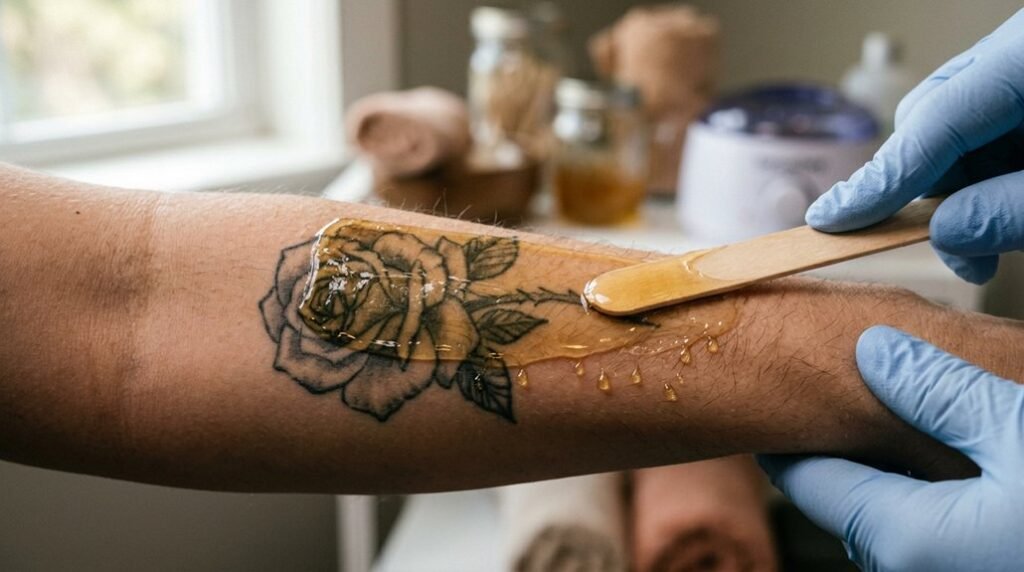
So, you’ve got fresh ink and you’re wondering if waxing is still on the table? You can wax over healed tattoos, but you’ll want to protect that investment. Waxing pulls hair from the root, and when you drag it across unhealed skin, you’re risking serious damage.
You’ve spent money and endured needles for that art. Don’t sabotage it. Fresh tattoos are open wounds. Wax strips away protective scabbing, introduces bacteria, and can pull out ink before it settles. You’ll face infection, patchy color, and scarring.
Check your tattoo’s healing stage. If it’s shiny, peeling, tender, or raised, you’re not ready. Wait until skin feels normal, matches surrounding texture, and shows no sensitivity. Then you’re clear to wax without destroying your artist’s work.
Recommended Products

Nourishes Healing Ink for Vibrant Color: Tattoo Goo supports healing tattoos & maintains vibrancy on healed ink with a lightweight formula rich in olive oil, lavender oil, cocoa butter, and beeswax. It absorbs quickly, moisturizes deeply, and helps reduce dryness, itch and tightness so your tattoo looks and feels comfortable through everyday routines

Nourishes Healing Ink for Vibrant Color: Tattoo Goo supports healing tattoos & maintains vibrancy on healed ink with a lightweight formula rich in olive oil, lavender oil, cocoa butter, and beeswax. It absorbs quickly, moisturizes deeply, and helps reduce dryness, itch and tightness so your tattoo looks and feels comfortable through everyday routines

COMPLETE AFTERCARE KIT FOR NEW & EXISTING TATTOOS: This Tattoo Aftercare Kit brings together 3 essentials, Antimicrobial Soap, Tattoo Balm, and Tattoo Lotion, to help cleanse, protect, and moisturize fresh ink. Useful after tattoo sessions and throughout healing, it supports vibrant color and skin comfort for dedicated ink enthusiasts and artists
How Long to Wait Before Waxing New Ink?
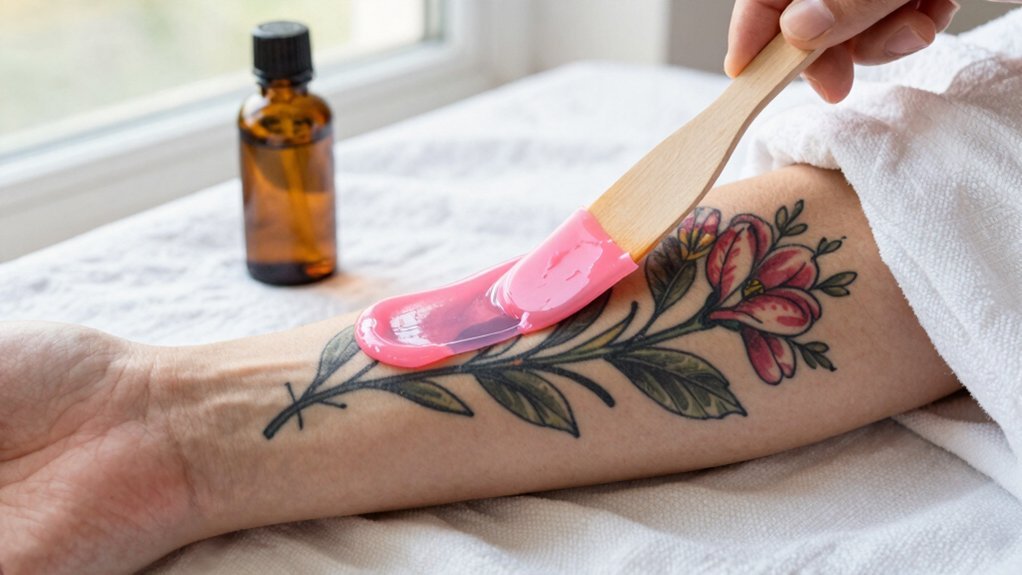
While a tattoo might look healed on the surface, the deeper layers of your skin need time to fully settle. You’ll want to wait at least four to six weeks before waxing over your new ink. Some artists recommend stretching that to eight weeks for larger pieces or areas with heavy saturation.
Your tattoo goes through distinct healing phases. During the first two weeks, you’re dealing with open skin, scabbing, and peeling.
Weeks three and four bring itching and continued internal healing.
Even when the scabs fall off, your dermis remains sensitive and vulnerable.
Waxing too soon risks pulling out ink, causing infection, or creating permanent scars. You’ll know you’re ready when the skin feels completely smooth, shows no redness, and matches your surrounding skin tone. When in doubt, ask your artist for clearance.
Recommended Products

⚠︎ FOR PROFESSIONAL USE ONLY

Tattoo Salve is a potent herbal healing ointment balm that helps new tattoos heal faster, provides itch relief, protects the skin and moisturizes older ink.

TATTOO AFTERCARE OINTMENT – Made especially for aftercare of tattooed skin. Offers premium protection and the best tattoo care. Suitable for new & existing tattoos. Moisturizes dry skin and nourishes it. Makes tattoo colors look more vibrant and fresher. Helps tattoos look their best.
Does Waxing Fade Tattoos Over Time?
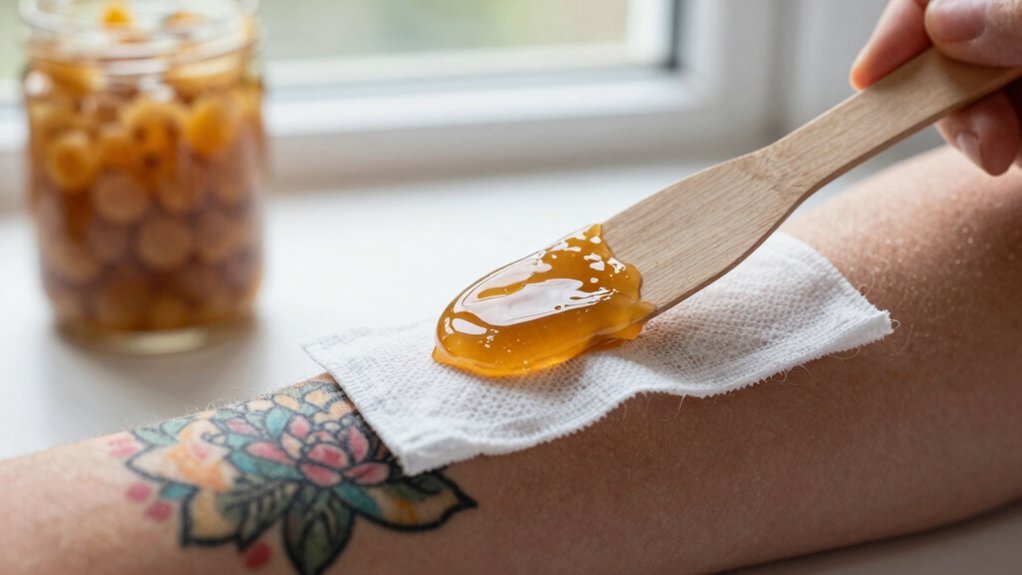
Repeatedly waxing over your tattoo can gradually dull its vibrancy, but the process itself isn’t the primary culprit. You’re actually pulling at the skin’s surface layer where ink resides, and over years this repeated trauma adds up. You also expose fresh skin more frequently to sunlight, which fades pigment faster than almost anything else.
You can minimize damage by waiting six weeks between sessions on tattooed areas and applying SPF 50+ immediately after waxing. You should also avoid waxing the same spot more than monthly.
The ink sits deeper than the hair follicle, so one session won’t destroy your art. However, you’re essentially accelerating natural skin turnover each time you wax. If you’re dedicated to hair removal, you’ll want to prioritize sun protection above all else to keep your colors bold.
Recommended Products

Before, During, & Aftercare: Use Tattoo Lovers Care Tattoo Salve during the early stages of healing. TLC can be applied before, during, and immediately after getting your...
Hard Wax or Soft Wax for Tattooed Skin?
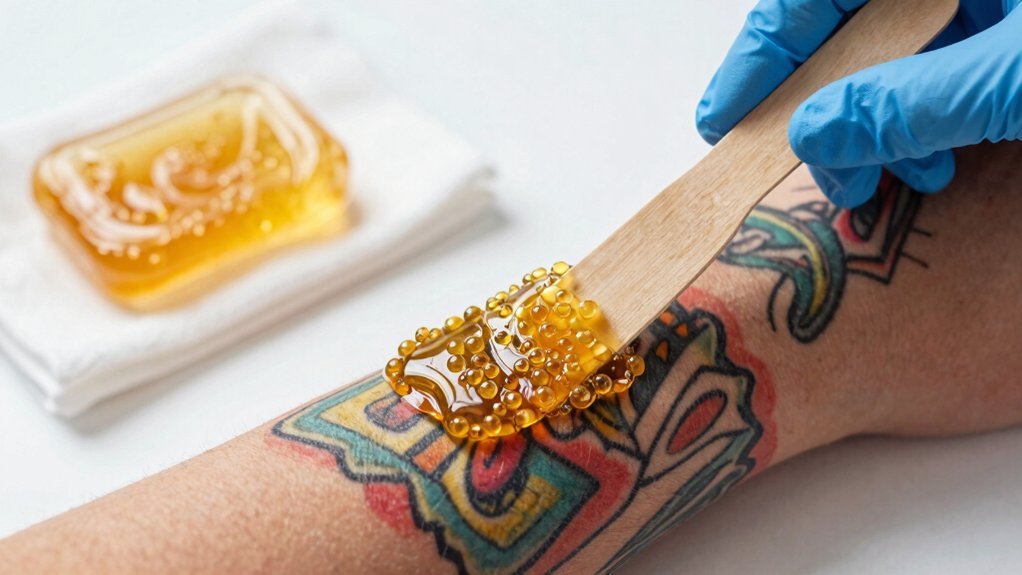
Which wax you choose matters more than you might think when you’re protecting inked skin. You’ll want to reach for hard wax every time. Hard wax adheres to your hair, not your skin, so you’re pulling less on the tattooed area. It hardens and lifts off without strips, which means you’re creating minimal friction against the ink.
Soft wax grabs everything—skin, hair, and sometimes the top layer of your healing tattoo. You’re risking irritation, micro-tears, and potential ink damage with that aggressive grip.
Hard wax also lets you work in smaller sections, so you’re controlling exactly where you apply heat and pressure. Your tattooed skin deserves that gentler approach. Skip the soft wax strips on any ink you want to preserve.
Recommended Products

ROSIN-FREE SYNTHETIC FORMULA - Crafted without pine resin, this synthetic formula is designed to help reduce irritation and support a more comfortable waxing experience, while delivering the reliable performance required in professional treatments
Soft Wax for Thick, Curly Hair: Designed to effectively remove coarse, curly, and stubborn hair textures, this hair removal wax makes full waxing coverage easier with fewer repeated applications.

ROSIN-FREE SYNTHETIC FORMULA - Crafted without pine resin, this synthetic formula is designed to help reduce irritation and support a more comfortable waxing experience, while still delivering the reliable performance required in professional treatments.
Body Parts to Never Wax Over Fresh Tattoos
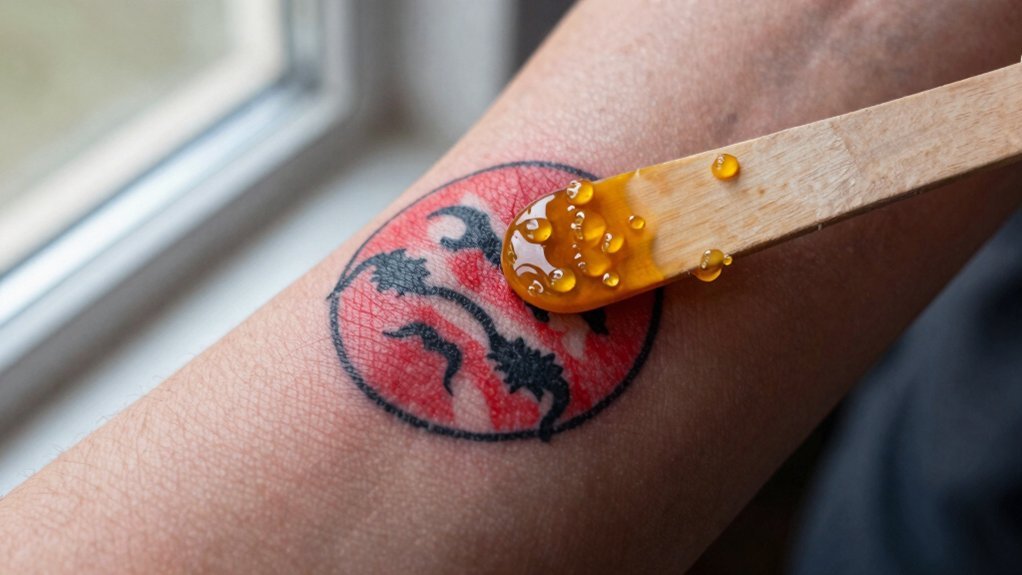
Hard wax might be the safer choice overall, but timing and location matter just as much as your wax type. You never want to slap wax onto fresh ink in certain spots, no matter how gentle your formula claims to be.
You avoid waxing over ribs, sternum, elbows, knees, ankles, and feet until your tattoo fully heals. These areas stretch constantly, rub against clothing, and take longer to regenerate skin. You also skip the face, neck, and hands entirely—thin skin there scars easily, and you’ll compromise line work or color saturation.
Inner thighs and armpits? You wait too. Friction and sweat breed infection in fresh wounds.
You remember: if your tattoo hasn’t peeled, scabbed, and settled for at least six weeks, you keep wax far away from these zones.
Recommended Products

【Efective】 Bestidy hard wax beads is designed for all body’s hair removal, face, eyebrows, legs, arms, armpits, back, chest, and Bikini areas, suitable for short, long, shaved, soft and coarse hair, the wax beads firmly grasps the root of hair to remove hair better and delay hair growth
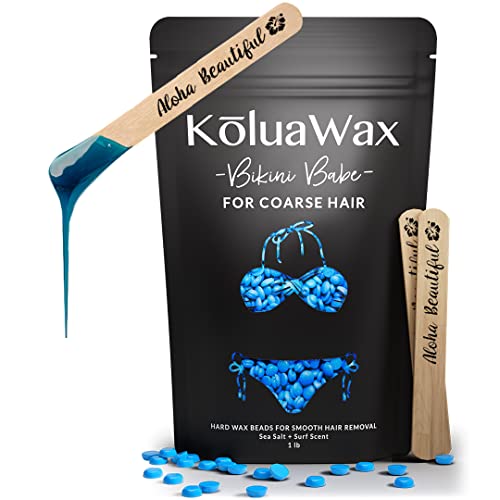
Perfect for Cutting & Trimming: Designed with precision in mind, our hard wax beads are ideal for tackling coarse hair, ensuring a clean and smooth finish without experiencing the pain! Whether you're shaping your eyebrows, managing your bikini line, or addressing facial hair, our wax provides the grip and effectiveness needed for meticulous hair removal, leaving your skin flawless and hair-free

Pro-Grade Full Body Hard Wax: Salon-grade hard wax designed for gently and effectively removing unwanted body hair. Non-strip, microwave formula ideal for arms, legs, chest, back, or bikini. No muslin strips needed.
How to Prep Your Tattoo Before Waxing
Where do you even start when your healed tattoo needs waxing prep? You begin by confirming your tattoo’s fully healed—no scabs, no peeling, no shiny skin. You’ll wait at least four to six weeks, though deeper work needs longer. You clean the area thoroughly with mild, fragrance-free soap. You skip lotions, oils, and sunscreen that day; they’ll block wax adhesion. You exfoliate gently 24 hours prior to lift dead skin and free trapped hairs. You trim longer hairs to about a quarter-inch if needed. You test a small patch first, watching how your inked skin reacts. You avoid retinoids, acne treatments, and recent sunburn on the area. You stay hydrated; healthy skin handles waxing better.
Recommended Products

No artificial colors or scented odors

ENHANCE & MAINTAIN YOUR INK - This ultra-nourishing balm instantly enhances ink vibrancy as it forms a protective barrier on skin to help moisturize and soothe skin.

100 Pack Professional Tattoo Aftercare Cards Includes 100 high-quality tattoo aftercare cards in a 2 x 3.5 inch business card size. Perfect for tattoo artists, studios, and piercers to give clients clear post-tattoo care instructions.
Aftercare for Waxed-Over Tattoos
Now that you’ve pulled the wax away, your inked skin needs immediate attention to calm inflammation and protect the artwork beneath. Apply a cool compress for ten minutes to soothe redness and close pores. You’ll want to avoid touching, scratching, or rubbing the area completely.
Skip hot showers, saunas, and intense workouts for twenty-four hours. Heat and sweat invite bacteria and blur your tattoo’s lines. Instead, wear loose cotton clothing that breathes and won’t stick to tender skin.
Moisturize twice daily with a fragrance-free, tattoo-safe lotion. Don’t use petroleum jelly—it traps heat and suffocates fresh waxed skin. You’ll also avoid direct sunlight entirely; UV rays damage healing tissue and fade pigment faster.
Watch for warning signs: excessive swelling, pus, or color changes in your tattoo mean you’ll contact your artist or dermatologist immediately. Proper aftercare preserves your investment.
Recommended Products

TATTOO EXFOLIATING SCRUB ALTERNATIVE — The superior evolution of the messy tattoo scrub. Unlike traditional scrubs in a tube that leave a heavy, oily residue on your skin, this cold-process exfoliating bar rinses completely clean. Delivers physical exfoliation in a solid, long-lasting bar format without the mess or the plastic tube.

SUPERPOWERED TATTOO AFTERCARE – Ointment made especially for aftercare of tattooed skin. Offers premium protection and the best tattoo care. Suitable for new & existing tattoos. Deeply moisturizes dry skin and nourishes it – excelent for dry skin. Protects tattoos against fading and cracking. Makes tattoo colors look more vibrant and fresher. Helps tattoos look their best.
Skip Waxing: Safer Alternatives for Tattooed Skin
Why risk your ink when gentler options exist? You can protect your tattoo while still keeping skin smooth.
Try sugaring instead. This natural paste pulls hair at the root but doesn’t adhere to skin cells, so you’ll dodge the harsh grip that damages tattoos. It washes off with water and causes less irritation.
Consider depilatory creams formulated for sensitive skin. You patch-test first, then apply to small areas. These dissolve hair without mechanical stress on your design.
Laser hair removal offers permanence. You target follicles directly, preserving your art entirely. Multiple sessions eliminate regrowth.
Electric epilators work too. You remove hair from the root without hot wax tearing at your tattooed surface.
Choose methods that respect your investment. Your skin—and your artist’s work—deserves careful treatment.
Conclusion
You can wax over healed tattoos, but you’ll need to wait four to six weeks for new ink to fully mend. Use hard wax, prep your skin properly, and follow careful aftercare to protect your color. Skip waxing on fresh tattoos entirely—opt for shaving or trimming instead. When you respect the healing timeline and choose gentle methods, you’ll keep your artwork vibrant and your skin healthy.
Recommended Products
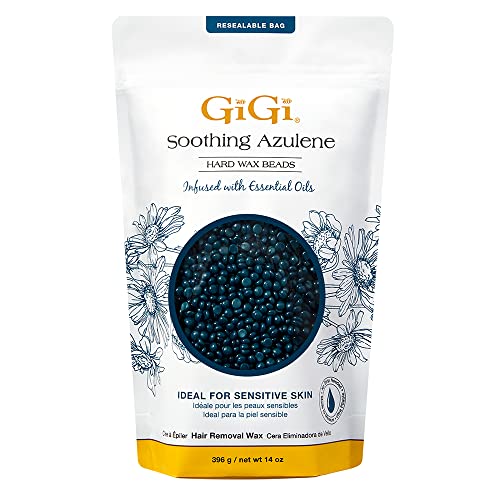
DESIGNED FOR FULL BODY AND FACE WAXING: The GiGi Soothing Azulene Hard Wax Beans is ideal for all parts of the body- face, arms, underarms, chest, back, stomach legs and bikini area. The wax only binds to the hair, never the skin, therefore it can be applied several times to the same area without causing damage to the skin underneath. Keep your unwanted all-over body and facial hair away for weeks, because of its efficiency, hair regrowth will appear slower, softer and finer!

NO-STRIP, DISPOSABLE WAX: Satin Smooth Titanium Blue Thin Film Wax is infused with calming azulene oil, vitamin E and zinc oxide to maximize skin comfort. Formulated for coarse, stubborn hair and sensitive skin. Recommended for male Brazilian bikini waxing. This masculine scented wax maximize hair removal without the need of muslin strips! It’s created for a metro male for a confident, all-over body waxing experience!

Works best on stubborn hair