
You’re staring at that jar of Aquaphor wondering if it’ll heal your fresh ink or ruin it. Everyone swears by it, but no one explains exactly how much is too much. Before you slather it on, you should know that the right technique determines whether your tattoo stays vibrant or ends up damaged. The difference lies in the details most people overlook.
Key Takeaways
- Aquaphor is safe for fresh tattoos and widely recommended by dermatologists and tattoo artists.
- Apply the thinnest possible layer to create a protective barrier without suffocating the skin.
- Use Aquaphor for only 2–3 days during the initial healing phase with oozing.
- Switch to fragrance-free lotion around day 3–4 when wetness fades.
- Stop immediately if you notice persistent redness, burning, rash, or signs of infection.
Recommended Products

STICK APPLICATION, ZERO MESS: Twist up the tattoo balm stick, swipe directly over the tattoo, and blend as needed. No jar to open, no fingers scooping product, and no need to carry a separate applicator. The solid stick format is easy to keep in a bag, bathroom cabinet or travel kit, making care simple at home or on the go. It gives you controlled application exactly where you want moisture, with less mess than traditional balm jars. Great for quick touch-ups whenever tattooed skin feels like it needs extra care, at home, after work or while traveling.

COMPLETE AFTERCARE KIT FOR NEW & EXISTING TATTOOS: This Tattoo Aftercare Kit brings together 3 essentials, Antimicrobial Soap, Tattoo Balm, and Tattoo Lotion, to help cleanse, protect, and moisturize fresh ink. Useful after tattoo sessions and throughout healing, it supports vibrant color and skin comfort for dedicated ink enthusiasts and artists
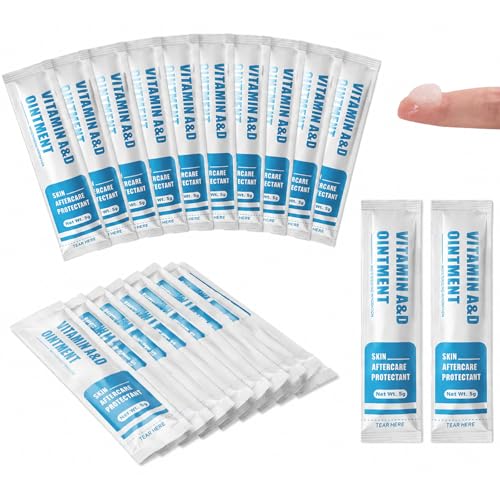
Honest, Accurate Care – This protective ointment comes in 50 hygienic single-serve packets for mess-free, on-the-go convenience. Easy to apply for tattoo protection anytime.
Is Aquaphor Safe for Fresh Tattoos?
Why worry about tattoo aftercare? You’re protecting an open wound and an investment that’ll last forever. Aquaphor Healing Ointment comes into play here, and you’re right to question its safety on fresh ink.
You’ll find Aquaphor contains petrolatum, mineral oil, lanolin, and glycerin. These ingredients create a protective barrier without suffocating your skin. Your tattoo needs oxygen to heal, but you’ve also got to prevent scabbing and infection. Aquaphor strikes that balance.
Dermatologists and tattoo artists widely recommend it. You’re getting a fragrance-free, non-irritating formula that keeps the area moist. Petrolatum, its main ingredient, sits low on comedogenic scales, so you’re unlikely to clog pores or trigger reactions.
You’re safe using Aquaphor during those critical first days. It’s designed specifically for compromised skin, including fresh tattoos.
Recommended Products

TATTOO AFTERCARE ESSENTIAL: Hustle Butter is the original tattoo aftercare balm for new and older tattoos. With over 10 years in the market, we are a pioneer of the tattoo aftercare category.

Nourishes Healing Ink for Vibrant Color: Tattoo Goo supports healing tattoos & maintains vibrancy on healed ink with a lightweight formula rich in olive oil, lavender oil, cocoa butter, and beeswax. It absorbs quickly, moisturizes deeply, and helps reduce dryness, itch and tightness so your tattoo looks and feels comfortable through everyday routines

Protect Your Body Art: Moisturizing with the bonus of itch relief! Tattoo Goo's Tattoo Care Lotion soothes healing skin & keeps healed ink looking sharp for life. With olive oil & glycerin, it delivers deep, breathable hydration that won’t clog pores
How Much Aquaphor Should You Apply?
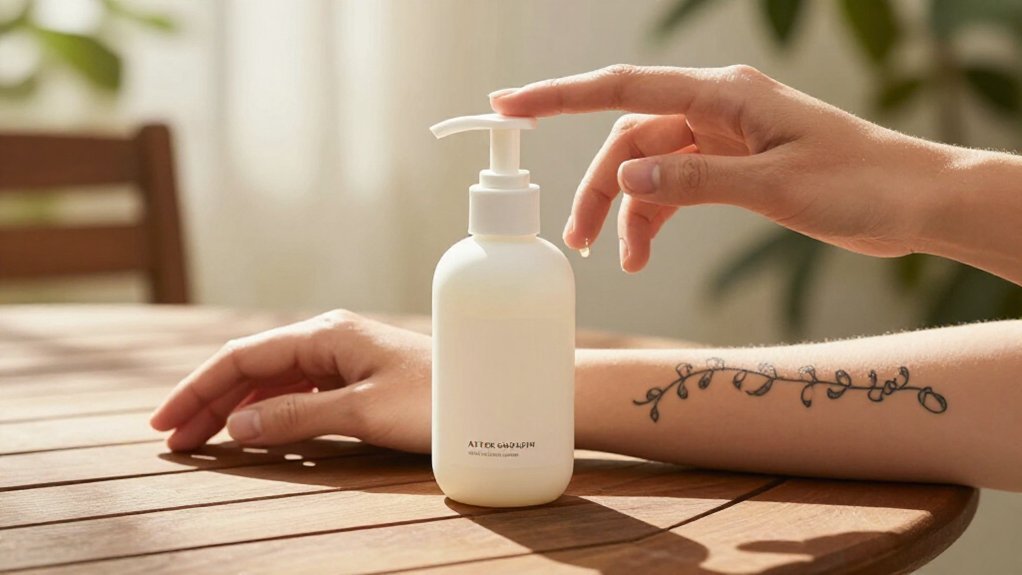
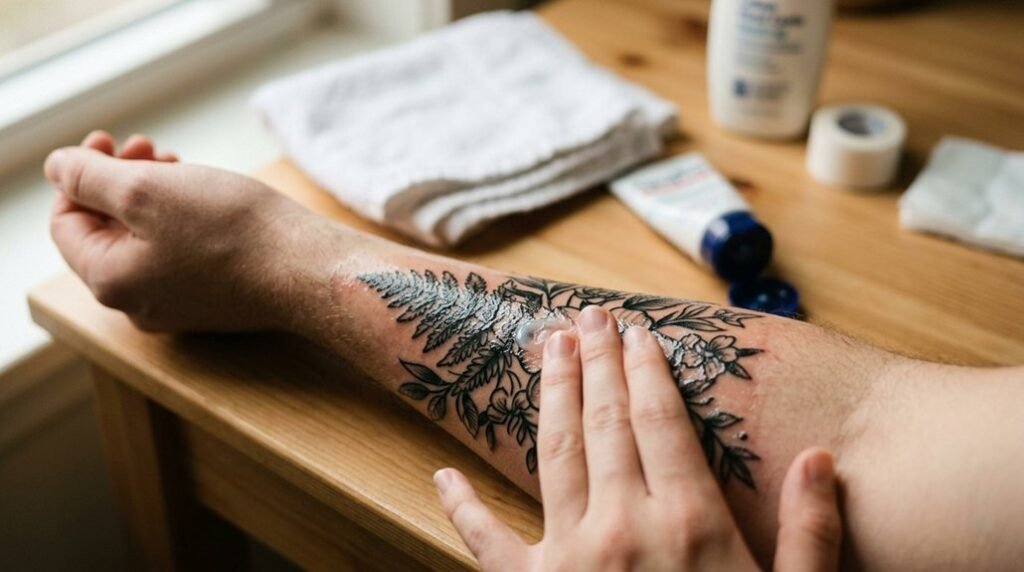
You’ve confirmed Aquaphor is safe for your fresh ink, but safety doesn’t mean more is better. You’ll want to apply the thinnest possible layer—just enough to make your tattoo slightly shiny. Scoop a pea-sized amount with clean fingertips, then rub it between your hands to warm and thin it out. Gently spread this across your entire tattoo, ensuring you cover every inch without leaving visible globs.
You’re aiming for moisturized, not greasy. If your skin looks wet or you can see product sitting on top, you’ve used too much. Excess ointment traps bacteria and suffocates your healing skin, which can cause breakouts or infections. Blot away any residue with a clean paper towel. Reapply this minimal amount two to three times daily, or whenever your tattoo feels tight and dry.
Recommended Products

16-fluid ounce bottle of Lubriderm Fragrance Free Daily Moisture Lotion + Pro-Ceramide, Shea Butter and Glycerin to help restore skin's moisture barrier for healthier-looking skin
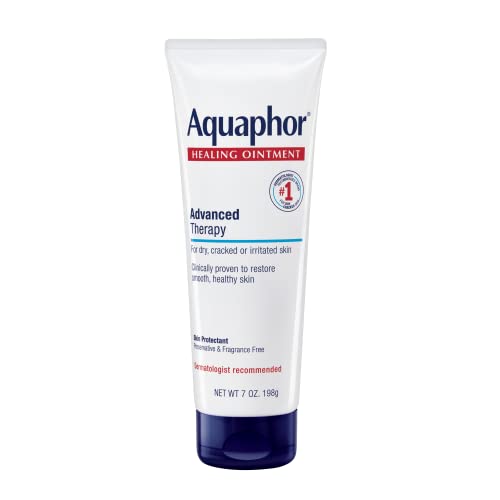
Net Weight and Dimensions: Each tube holds 7 oz. (198 g) of ointment, and measures approximately 19.9 x 5.7 x 5.2 cm; ideal for portability and easy storage

INFUSED WITH CLEAN, EFFECTIVE INGREDIENTS - The clean ingredients like Glycerin & Shea Butter provide lightweight nourishment and bounce to skin without ever feeling heavy or greasy on the surface. Anti-aging powerhouse vitamin A promotes visible firmness to skin, offsetting the appearance of fine lines and wrinkles.
How Long to Keep Using Aquaphor
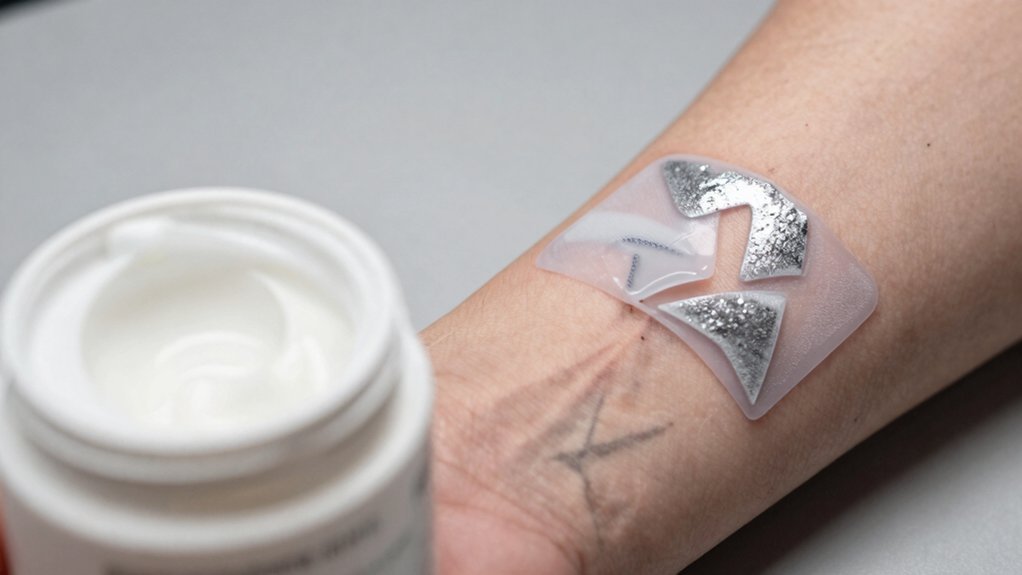
So when exactly should you stop slathering Aquaphor on your fresh tattoo? You’ll typically use it for just two to three days. That’s the window where your skin needs that protective barrier most, when plasma and excess ink are still seeping out and you need to prevent scabbing.
After day three, you switch to something lighter. Your tattoo enters a different healing phase—it’s done oozing, and now it needs to breathe. Aquaphor’s thickness becomes a liability rather than an asset, trapping too much moisture against healing skin.
Watch for these signals: your tattoo stops feeling wet or sticky, and the surface starts flaking rather than weeping. That’s your cue. You’ve completed the Aquaphor phase. Keep it clean, keep it protected, but it’s time to move on.
Recommended Products

PROTECT & HEAL - H2Ocean Aquatat seals the skin in a moisturizing barrier to protect from irritants while still allowing the skin to breathe. Aquatat will also heal topical wounds on skin such as tattoos, rashes, cuts and scrapes while minimizing scabbing.

Nourishes Healing Ink for Vibrant Color: Tattoo Goo supports healing tattoos & maintains vibrancy on healed ink with a lightweight formula rich in olive oil, lavender oil, cocoa butter, and beeswax. It absorbs quickly, moisturizes deeply, and helps reduce dryness, itch and tightness so your tattoo looks and feels comfortable through everyday routines
PROTECT & SOOTHE: Condition & protect your tattoos to keep ink looking bold & vibrant. Soothing, nourishing tattoo care softens fresh tattooed skin, calms redness & irritation, and promotes healing
When to Stop: Switching to Lotion
Once your tattoo stops oozing and that glossy wetness fades, it’s time to make the switch. This usually happens around day three or four. You’ll notice your skin starting to flake and feel tight—that’s your signal.
Stop using Aquaphor and switch to a fragrance-free lotion. Apply a thin layer whenever your tattoo feels dry or itchy. Don’t overdo it; your skin needs to breathe now. Keep washing it gently with unscented soap twice daily, then pat dry and moisturize.
If you’ve been using Aquaphor heavily, your tattoo might look slightly dull or cloudy at first. That’s normal dead skin—don’t panic. Let it shed naturally. Never pick or scratch. Continue this lotion routine for two to three weeks until your tattoo fully settles and stops peeling.
Recommended Products

Upgraded Design, Easy to Use --- Tattoo aftercare balm comes in a tube,this container allows you to glide on the butter easily,Rolls on smoothly and evenly on your skin,No more mess or residue on your finger,convenient to use

HEAL YOUR TATTOOS FASTER: with our gentle and soothing cream and soap that moisturize and nourish your skin. Our products are dermatologically tested and safe for all skin types.
Protect your Body Art: Getting inked takes a toll on your skin. What you lose in moisture, we give right back. Our formula mimics your skin’s natural hydration so it absorbs fast, works harder, and helps your skin recover faster
Warning Signs: Reactions to Watch For
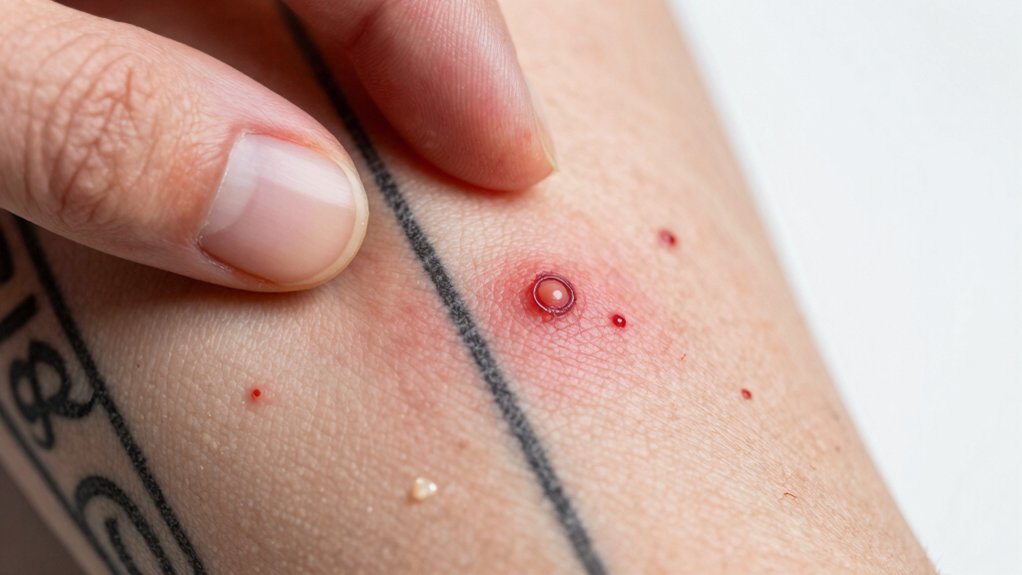
Moving from maintenance to vigilance matters just as much during healing. You’ll need to watch your skin carefully when using Aquaphor on your tattoo.
Stop applying it immediately if you notice persistent redness, burning, or itching that worsens rather than improves. These symptoms often signal you’re reacting to petroleum jelly itself or trapping too much moisture against your skin.
Watch for small bumps, rash-like patches, or unusual warmth spreading beyond the tattooed area. You’ll also want to check for pus, yellow crusting, or foul odors—these indicate infection, not normal healing.
Excessive greasiness that doesn’t absorb within an hour suggests you’re using too much. Your skin shouldn’t feel suffocated.
If reactions persist after stopping Aquaphor, contact your artist or a dermatologist. They’ll guide you toward alternatives that work better with your skin’s chemistry.
Recommended Products

Nourishes Healing Ink for Vibrant Color: Tattoo Goo supports healing tattoos & maintains vibrancy on healed ink with a lightweight formula rich in olive oil, lavender oil, cocoa butter, and beeswax. It absorbs quickly, moisturizes deeply, and helps reduce dryness, itch and tightness so your tattoo looks and feels comfortable through everyday routines

PROTECT & HEAL - H2Ocean Aquatat seals the skin in a moisturizing barrier to protect from irritants while still allowing the skin to breathe. Aquatat will also heal topical wounds on skin such as tattoos, rashes, cuts and scrapes while minimizing scabbing.
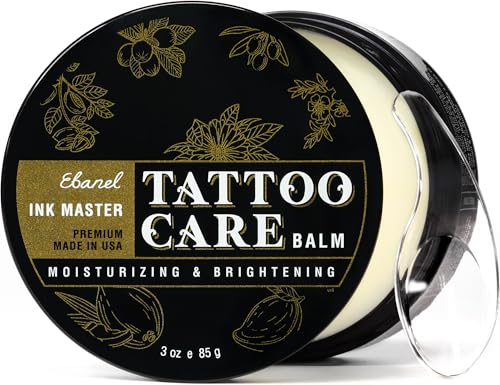
Premium All-Stage Tattoo Aftercare Balm - Enriched with antioxidant-rich, fatty acid-rich, and vitamin-rich natural butters, essential oils, and botanicals, this nourishing tattoo butter balm forms a breathable, protective barrier to deeply moisturize the skin and support its natural healing process. Use before, during, and after tattoo sessions to help preserve tattoo stencil clarity, maintain hydration, and protect fresh tattoo ink, without clogging pores or leaving greasy residue
Aquaphor vs. Purpose-Made Tattoo Ointments
The difference between Aquaphor and dedicated tattoo products comes down to ingredients and intent. Aquaphor contains petrolatum, mineral oil, and lanolin—it creates a thick barrier that locks in moisture but doesn’t actively nourish healing skin. Purpose-made ointments often include vitamins A and D, essential oils, or plant extracts specifically formulated for tattoo recovery.
You’ll notice dedicated products absorb faster and feel less greasy. They cost more, but you’re paying for targeted ingredients that support ink retention and reduce inflammation. Aquaphor works fine for basic protection, though it can clog pores if you overapply.
Some artists swear by petroleum-based products; others reject them entirely. You should follow your artist’s recommendation, as they know your skin and ink. Either choice works when used correctly—thin layers, never suffocating coverage.
Recommended Products

✡Various Purpose - Care for all types of wounds; Waterproof cover; Fixed dressing; Tattoo aftercare. It can help lock in the color, protect your tattooed skin, and reduce scabbing when you wash or moisturize your tattoo, quickly form a protective film then accelerate your recovery

ENHANCE & MAINTAIN YOUR INK - This ultra-nourishing balm instantly enhances ink vibrancy as it forms a protective barrier on skin to help moisturize and soothe skin.

GENTLY CLEANSES NEW TATTOOS - Use Repair Tattoo Wash during the healing process to keep your fresh tattoo ink clean or as a perfect prep wash before and after tattooing.
What About Colored or Fine-Line Tattoos?
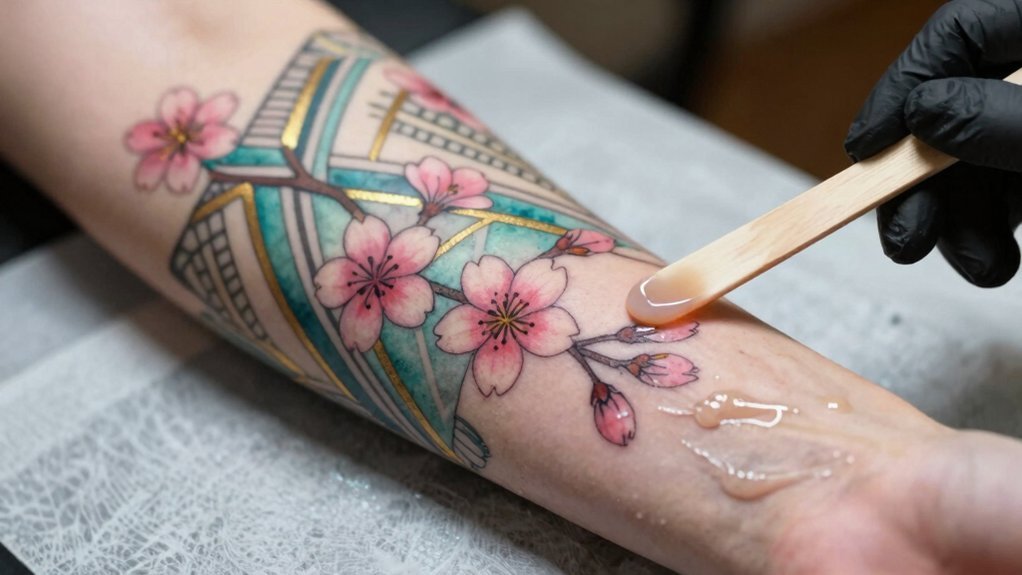
Your aftercare needs shift when you’re dealing with dense color packing or intricate linework.
You’ll push your skin harder with heavy color saturation, so monitor for excess plasma and ink buildup. Aquaphor creates a thick barrier that risks trapping these fluids, potentially dimming your vibrant pigments. For fine-line tattoos, you’re working with fragile, hair-thin strokes that blur easily if you over-moisturize. Apply thinner layers than you’d use for bold blackwork.
You risk blowouts and premature fading with improper care. Switch to a fragrance-free, lightweight lotion after day two or three when you’ve got color-heavy pieces. Your artist likely packed white highlights or pastel shades that fade fastest—you’ll want to minimize any product that could leach pigment. Protect these delicate tattoos from direct sun exposure during healing.
Recommended Products
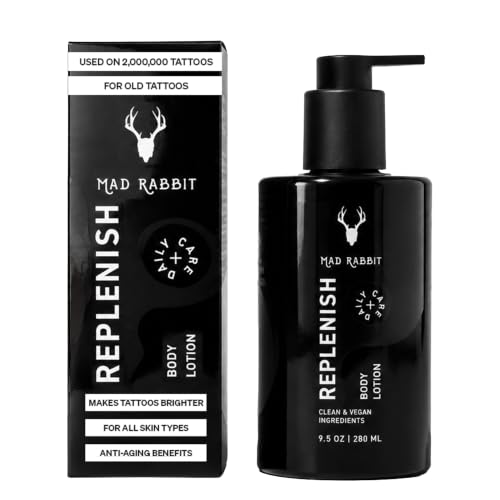
INFUSED WITH CLEAN, EFFECTIVE INGREDIENTS - The clean ingredients like Glycerin & Shea Butter provide lightweight nourishment and bounce to skin without ever feeling heavy or greasy on the surface. Anti-aging powerhouse vitamin A promotes visible firmness to skin, offsetting the appearance of fine lines and wrinkles.

24-hour results: Clinically proven to help moisturize dry skin for 24 hours** with Pro-Ceramide and glycerin, this hydrating lotion helps strengthen your skin’s natural moisture barrier for healthier-looking, hydrated skin

TATTOO AFTERCARE LOTION: After Inked Tattoo Lotion brings hydration and nourishment to your tattooed skin. Formulated with grape seed oil, which helps maintain vibrant ink colors while pacifying the skin and promoting moisture retention.
Conclusion
You can use Aquaphor on your fresh tattoo, and when you’re applying it correctly, you’re giving your ink a good start. Keep it thin—just a pea-sized amount—and stick with it for two to three days. Then switch to lotion and keep up gentle care for a few weeks. Watch for any irritation, and you’ll heal well. Trust your artist’s advice if they suggest something different.