
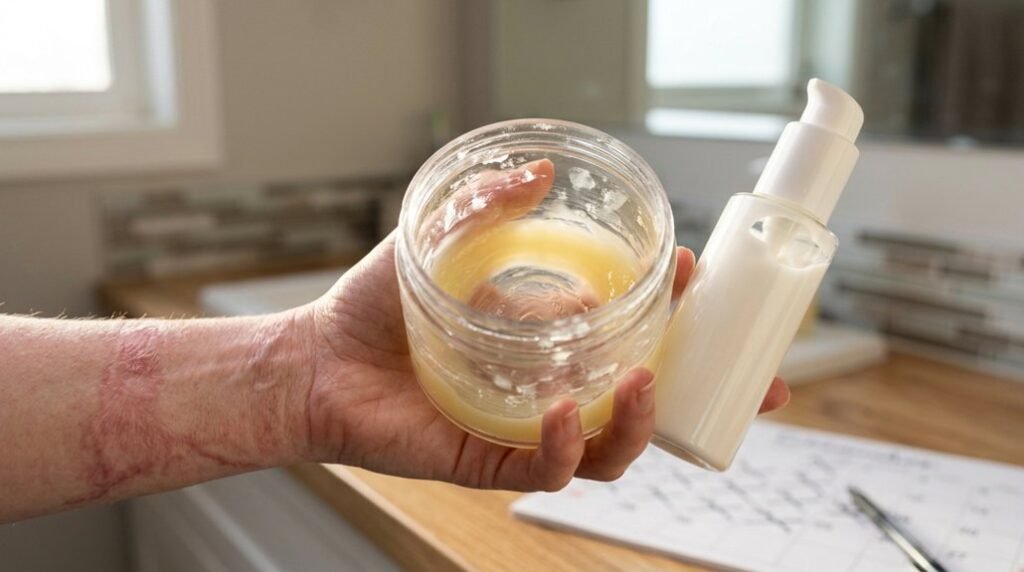
You’ve been slathering on Aquaphor for days, but now you’re wondering if it’s time for something lighter. The truth is, switch too soon and you’ll set back healing; wait too long and you’ll trap bacteria under a greasy layer. Your skin sends clear signals when it’s ready—you just need to know what to watch for.
Key Takeaways
- Switch to lotion typically 3–14 days after injury, once heavy barrier protection is no longer needed.
- Wait until redness fades, oozing stops, and skin feels cool rather than hot or inflamed.
- Transition gradually by diluting Aquaphor with fragrance-free lotion over several days.
- Switching too early risks irritation and infection; switching too late causes clogged pores and breakouts.
- Choose lightweight, fragrance-free lotions with ceramides or hyaluronic acid, avoiding petroleum-based creams.
Recommended Products

16-fluid ounce bottle of Lubriderm Fragrance Free Daily Moisture Lotion + Pro-Ceramide, Shea Butter and Glycerin to help restore skin's moisture barrier for healthier-looking skin

Protect Your Body Art: Moisturizing with the bonus of itch relief! Tattoo Goo's Tattoo Care Lotion soothes healing skin & keeps healed ink looking sharp for life. With olive oil & glycerin, it delivers deep, breathable hydration that won’t clog pores

COMPLETE AFTERCARE KIT FOR NEW & EXISTING TATTOOS: This Tattoo Aftercare Kit brings together 3 essentials, Antimicrobial Soap, Tattoo Balm, and Tattoo Lotion, to help cleanse, protect, and moisturize fresh ink. Useful after tattoo sessions and throughout healing, it supports vibrant color and skin comfort for dedicated ink enthusiasts and artists
Switch From Aquaphor After 3–14 Days (Here’s Why)
You’ll know it’s time to swap Aquaphor for lotion when your tattoo or healing skin passes that critical early phase—typically between 3 to 14 days. Aquaphor creates an occlusive barrier that shields fresh wounds, but you can’t use it forever. It traps moisture too aggressively once the initial healing completes.
During days 1–3, your skin oozes plasma and ink, and you need that heavy barrier. By day 4–7, scabbing begins. Once scabs start flaking naturally—usually around day 10–14—you’re entering the final healing stage. Extend Aquaphor use and you’ll suffocate the skin, potentially causing breakouts or delayed healing. Lotion breathes better, maintaining flexibility without clogging pores.
Watch your tattoo closely. It’ll tell you when it’s ready.
Recommended Products

Body lotion for dry skin: Instantly hydrates and nourishes with hyaluronic acid; lightweight gel-cream formula absorbs quickly for smoother, healthy-looking skin and daily comfort. Suitable for sensitive skin

[ SKIN PROTECTANT ] Non-greasy, fast-absorbing daily hand cream to help prevent and temporarily protect chafed, chapped, or cracked skin, especially to help relieve frequently-washed or over-worked hands.

HYDRATES SKIN: The moisturizer face cream's key ingredient, Hyaluronic Acid, improves your skin's natural moisture levels for long-lasting hydration, leaving your skin softer and more supple
5 Signs Your Skin Is Ready for Lotion
Although every healing timeline differs, your skin gives clear signals when it’s ready to transition from Aquaphor to lotion.
You’ll notice redness fading significantly, leaving behind calmer, more even-toned skin. The weeping or oozing that required Aquaphor’s protective barrier has completely stopped. Your skin no longer feels hot or inflamed to the touch; instead, it stays comfortably cool throughout the day. You spot new, healthy skin forming where wounds once existed, with edges smoothing and texture improving. The tight, pulling sensation subsides, replaced by suppleness that moves naturally with your expressions.
Your skin tells you exactly when it’s ready. Trust these signs, and you’ll know you’ve reached the right moment for change.
Recommended Products

Daily Moisturizing Body Lotion: Aveeno Moisturizer for normal to dry skin to moisturize for a full 48 hours; soothing prebiotic-oat-formulated body lotion is fast absorbing, leaving dry skin nourished & hydrated; 18 Fl Oz

24-hour results: Clinically proven to help moisturize dry skin for 24 hours** with Pro-Ceramide and glycerin, this hydrating lotion helps strengthen your skin’s natural moisture barrier for healthier-looking, hydrated skin

HELPS RELIEVE DRY SKIN - Jergens Ultra Healing Moisturizer helps to improve skin's appearance and texture
How to Switch From Aquaphor to Lotion in 4 Steps
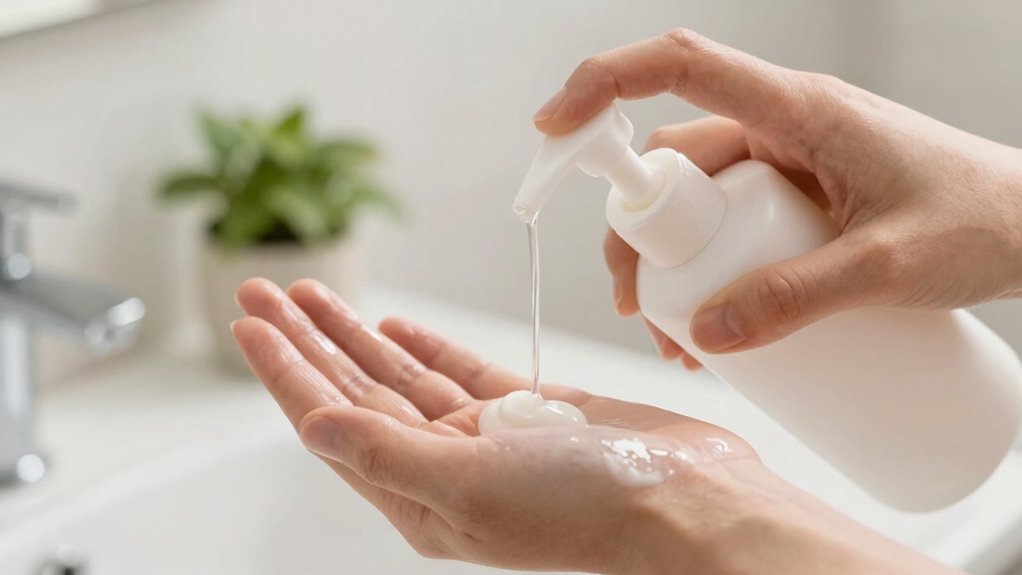
When is the right moment to make the switch? You’ll know your skin has healed enough to begin transitioning.
Start with Step 1: dilute Aquaphor by mixing it with a gentle, fragrance-free lotion. You’ll create a thinner barrier that still protects while introducing lighter hydration.
Move to Step 2 after two or three days, applying the mixture to slightly damp skin to lock in moisture.
For Step 3, you’ll decrease the Aquaphor ratio over the next week until you’re using mostly lotion.
Finally, Step 4 has you switching completely to lotion once your skin tolerates the change without dryness or irritation.
You’ll patch test new products first, and you’ll adjust the timeline if your skin needs more time. Trust your skin’s signals throughout.
Recommended Products

ONE ESSENTIAL SOLUTION: Aquaphor is one essential solution for many skin care needs; use on dry, cracked skin, as a lip moisturizer, facial moisturizer, hydrating mask, minor wound care and much more

ONE ESSENTIAL SOLUTION: Aquaphor is one essential solution for many skin care needs; use on dry, cracked skin, as a lip moisturizer, facial moisturizer, body moisturizer, hydrating mask, minor wound care and much more

MULTI-PURPOSE HEALING OINTMENT: Designed to help soothe dry, cracked skin, minor cuts, scrapes, and burns for fast relief.
The Risks of Switching Too Early or Too Late
Why does timing matter so much? Your skin heals through distinct stages, and each demands specific care. Transition too early, and you strip away the protective barrier your skin still needs. You invite moisture loss, irritation, and possible infection. You watch helplessly as dryness returns, stalling your progress.
Transition too late, however, and you create different problems. Your pores clog under thick occlusive layers. You develop milia or breakouts. Your skin grows dependent on heavy protection and forgets how to regulate itself. You delay the transition to normal function.
You must read your skin’s signals. Tightness, redness, or peeling means you’ve rushed. Persistent congestion or dullness suggests you’ve waited too long. Neither mistake ruins your recovery, but each costs you time and comfort. You deserve efficient healing without setbacks.
Recommended Products

Tattoo Aftercare Daily Lotion: gives your tattoos the everyday care they deserve to keep your artwork looking fresh. Formulated to provide deep hydration and leave skin feeling soft and smooth. Rejuvenates your artwork and moisturizes skin.
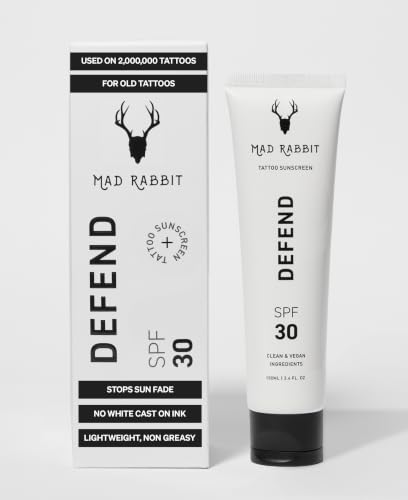
FOR ALL SKIN TYPES, INKED OR NOT - This daily, 100% mineral sunscreen works hard to protect skin and tattoos from the damage caused by exposure to harmful UVA & UVB rays.

TATTOO AFTERCARE LOTION: After Inked Tattoo Lotion brings hydration and nourishment to your tattooed skin. Formulated with grape seed oil, which helps maintain vibrant ink colors while pacifying the skin and promoting moisture retention.
Best Lotions After Aquaphor (and What to Avoid)
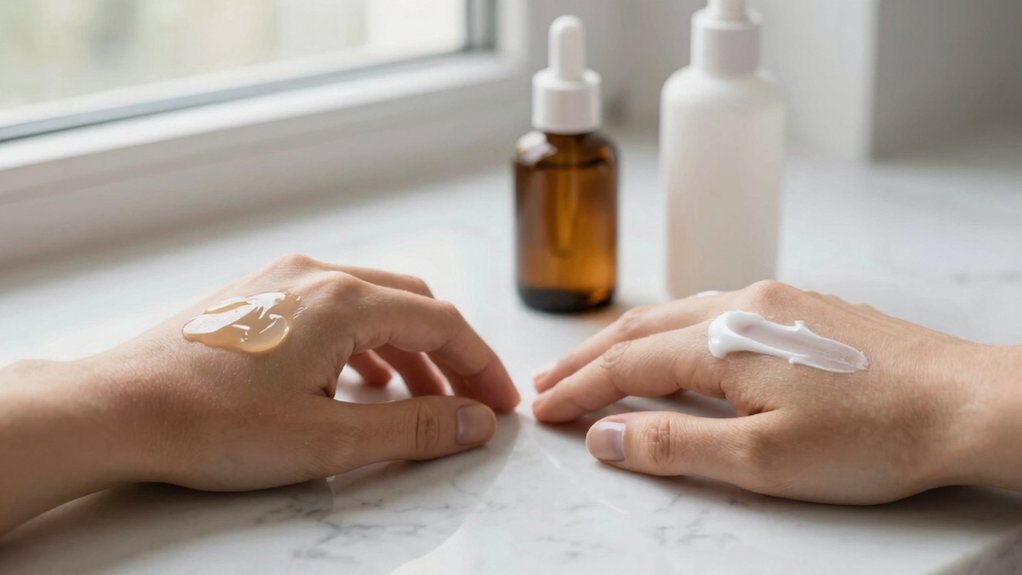
The right lotion waits for you on the other side of Aquaphor, but not every formula earns that spot. You want fragrance-free, dye-free options with simple ingredients. Look for ceramides, hyaluronic acid, or glycerin—they lock in moisture without suffocating your skin. CeraVe Daily Moisturizing Lotion and Vanicream Lite Lotion work well for most people.
Avoid heavily scented products, essential oils, and exfoliating acids like AHAs or BHAs during this transition. These irritate freshly healed skin and undo Aquaphor’s protective work. You also want to skip thick petroleum-based creams that mimic Aquaphor’s occlusion—your skin needs to breathe now.
Check labels carefully. “Natural” doesn’t mean gentle, and popular brands often hide irritants. Trust formulas with short ingredient lists and proven track records for sensitive skin recovery.
Recommended Products

Tattoo Aftercare Lotion with Rapid Absorption: Our tattoo lotion aftercare is specifically formulated for quick absorption, promoting non-greasy application while aiding swift tattoo healing. This advanced formula ensures your skin receives optimal care during the critical post-tattoo period.

Nourishes Healing Ink for Vibrant Color: Tattoo Goo supports healing tattoos & maintains vibrancy on healed ink with a lightweight formula rich in olive oil, lavender oil, cocoa butter, and beeswax. It absorbs quickly, moisturizes deeply, and helps reduce dryness, itch and tightness so your tattoo looks and feels comfortable through everyday routines

STICK APPLICATION, ZERO MESS: Twist up the tattoo balm stick, swipe directly over the tattoo, and blend as needed. No jar to open, no fingers scooping product, and no need to carry a separate applicator. The solid stick format is easy to keep in a bag, bathroom cabinet or travel kit, making care simple at home or on the go. It gives you controlled application exactly where you want moisture, with less mess than traditional balm jars. Great for quick touch-ups whenever tattooed skin feels like it needs extra care, at home, after work or while traveling.
Switch Timelines: Tattoo, Dry Skin, or Baby
How long you wait to switch depends entirely on what you’re healing.
For tattoos, you’ll typically transition after 3-5 days. Once your tattoo stops weeping and the top layer starts peeling, move to lotion. Don’t pick at scabs—let them fall naturally while you moisturize.
For dry skin repair, you’ll switch sooner. After 2-3 days of Aquaphor sealing, your barrier begins restoring itself. Continue with fragrance-free lotion to maintain hydration without trapping excess moisture.
For babies, you’ll change routines fastest. Diaper rash clears within 24-72 hours of treatment. Switch to gentle baby lotion immediately after irritation resolves. For cradle cap or eczema patches, stop ointment once redness fades—usually 3-7 days—then lotion prevents recurrence.
Match your timeline to your specific situation, and you’ll heal properly without over-occluding fresh skin.
Recommended Products

[ HYALURONIC ACID MOISTURIZER ] With hyaluronic acid, ceramides and MVE technology for 24 hour hydration. Rich, velvety texture that leaves skin feeling smooth, it is absorbed quickly for softened skin without greasy, sticky, feel.

[ DAILY MOISTURIZING LOTION ] Smooth, light-weight texture that is absorbed quickly, leaving skin feeling smooth and hydrated, never greasy

Hydrates and relieves dry, sensitive skin
Aquaphor Not Working? When to See a Dermatologist
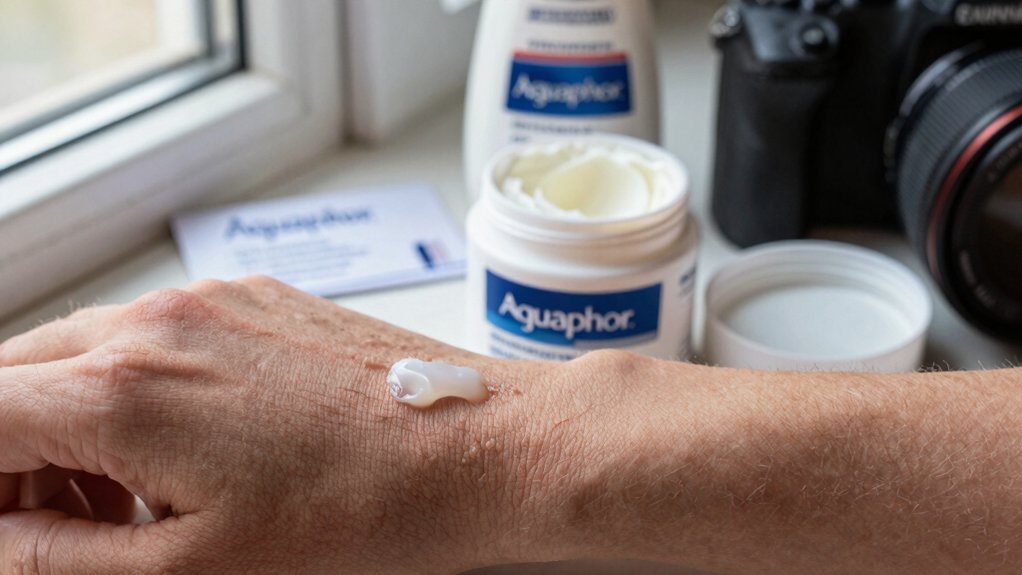
Once you’ve matched your switch timeline to your situation, you should see steady improvement—but sometimes Aquaphor isn’t enough on its own. If your skin remains cracked, bleeding, or intensely itchy after two weeks of consistent use, you’re likely dealing with something beyond simple dryness.
Watch for warning signs: spreading redness, warmth, pus, or crusting. These indicate infection or conditions like eczema, psoriasis, or contact dermatitis that Aquaphor can’t treat. You shouldn’t wait if your skin interferes with sleep or daily activities.
A dermatologist can prescribe stronger treatments—topical steroids, calcineurin inhibitors, or medicated creams—that address root causes rather than just symptoms. They’ll also identify triggers you’ve missed.
Don’t prolong ineffective treatment. Book an appointment when over-the-counter care stalls; early intervention prevents chronic damage and gets you back to healthy skin faster.
Recommended Products
HEALS DRY SKIN FAST: Vaseline Men Healing Moisture Hand & Body Lotion has been specially formulated to hydrate and restore dry or cracked skin

LONG-LASTING MOISTURIZATION: Experience long-lasting relief with our moisturizing body lotion, perfect for soothing dry, chapped, or cracked skin

PEACH MILK INFUSION: Experience the natural, soft aroma of sun-ripened peaches blended with creamy milk. This Korean body lotion draws its refreshing, fruity essence directly from its star ingredients, providing a clean and gentle scent that naturally lingers on the skin.
Lock In Results: Your Long-Term Post-Aquaphor Plan
Transitioning to lotion is only the beginning—what you do next determines whether your skin stays healthy or slides backward into dryness.
You’ve invested weeks—maybe months—repairing your barrier. Now protect that progress. Moisturize within three minutes of showering while your skin still holds water. Choose lotions containing ceramides, hyaluronic acid, or niacinamide. Avoid harsh soaps and scalding water; they strip lipids you’ve worked hard to restore.
Integrate gently. Introduce one new product weekly so you’ll spot irritants immediately. Wear sunscreen daily—UV exposure degrades collagen and dehydrates skin.
Maintain consistency. Your barrier strengthens through repetition, not sporadic effort. Reapply lotion to hands and exposed areas after washing.
Monitor closely. If tightness or flaking returns, you’ll adjust faster—perhaps adding a richer cream for winter or reducing exfoliation frequency.
Your skin rewards sustained care.
Recommended Products
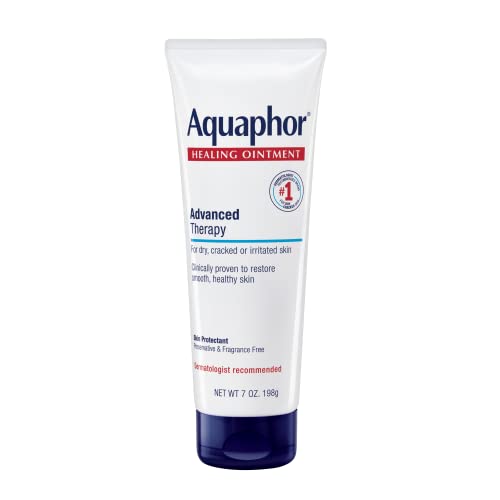
Net Weight and Dimensions: Each tube holds 7 oz. (198 g) of ointment, and measures approximately 19.9 x 5.7 x 5.2 cm; ideal for portability and easy storage

Multi-Purpose Use: Effective for dry, cracked skin, minor cuts, burns, chapped lips, and more.

[ HEALING OINTMENT & SKIN PROTECTANT ] Offers cracked skin treatment and anti chafe benefits. It's a non-comedogenic healing balm that moisturizes without clogging pores, making it suitable for dry skin and eczema relief
Conclusion
You’ll know you’re ready to ditch the Aquaphor when your skin stops weeping and the redness fades—usually between three to fourteen days. Don’t rush it, but don’t linger either; that greasy layer can suffocate healing tissue. Transition gradually by mixing lotion with Aquaphor on damp skin, then shift fully to a fragrance-free moisturizer. Trust your skin’s signals, not just the calendar, and you’ll lock in smooth, healthy results without clogging pores or triggering irritation.
Recommended Products
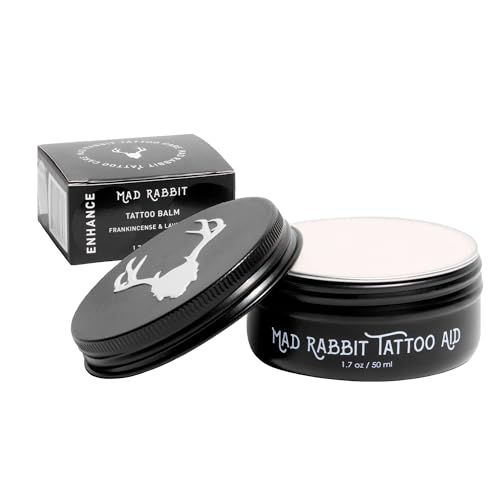
ENHANCE & MAINTAIN YOUR INK - This ultra-nourishing balm instantly enhances ink vibrancy as it forms a protective barrier on skin to help moisturize and soothe skin.

Tattoo-Safe Mineral Formula: Our tattoo sunscreen lotion uses non-nano zinc oxide, a physical barrier that sits on the skin to block UVA/UVB rays without penetrating or irritating tattoos. This helps prevent fading, discoloration, or damage to tattoo ink caused by sun exposure.

Deep Healing & Repair – Accelerates tattoo recovery by hydrating and soothing skin, reducing redness, itching, and irritation after tattooing.