
You might think Vaseline is the safest choice for your fresh tattoo, but timing matters more than you realize.
In those first essential days, your skin needs to breathe, not seal in moisture.
And you’re about to discover why the wrong product at the wrong moment can sabotage your ink before it even settles.
What Your Skin Needs in the First 48 Hours
In the first 48 hours, your new tattoo is practically an open wound, so your priorities are straightforward: keep it clean, keep it dry (not soaked), and protect it from bacteria and friction.
In the first 48 hours, your new tattoo is practically an open wound—keep it clean, dry, and protected from bacteria and friction.
Your aftercare starts when your artist removes the initial bandage. You’ll wash your tattoo with clean hands, fragrance-free hypoallergenic soap, and warm water. Don’t rub; pat dry instead.
Apply only a thin layer of hypoallergenic ointment or fragrance-free lotion to keep the skin from tightening. Do not use Vaseline during this period. Petroleum jelly traps heat and moisture, which blocks your tattoo from breathing and may slow healing.
Avoid soaking, sun exposure, and touching the area unnecessarily. You’re building the foundation for healthy healing, so stick to gentle cleaning and minimal, appropriate products until your skin progresses past this critical early phase.
Recommended Products

16-fluid ounce bottle of Lubriderm Fragrance Free Daily Moisture Lotion + Pro-Ceramide, Shea Butter and Glycerin to help restore skin's moisture barrier for healthier-looking skin

Protect Your Body Art: Moisturizing with the bonus of itch relief! Tattoo Goo's Tattoo Care Lotion soothes healing skin & keeps healed ink looking sharp for life. With olive oil & glycerin, it delivers deep, breathable hydration that won’t clog pores

TATTOO AFTERCARE LOTION: After Inked Tattoo Lotion brings hydration and nourishment to your tattooed skin. Formulated with grape seed oil, which helps maintain vibrant ink colors while pacifying the skin and promoting moisture retention.
When Your Tattoo Is Actually Ready for Vaseline
So when exactly can you reach for the Vaseline? You wait until your tattoo is ready, typically after the first 3 to 5 days, once your artist gives you the go-ahead. During early tattoo aftercare, your fresh ink needs airflow to heal properly, so you avoid petroleum jelly while plasma oozes.
When your tattoo is fully healed past weeping, and you notice dry skin during later peeling, you can try applying a thin layer for comfort. This helps you not pick at your new tattoo, reducing irritation. However, you skip the Vaseline if heat, redness, or swelling persists, since trapping moisture can worsen inflammation.
Used correctly at the right stage, petroleum jelly won’t reduce the risk of infection, but it can ease late-stage dryness when applied sparingly.
Recommended Products

FROM THE LEADER IN TATTOO AFTERCARE: For years now, Mad Rabbit has consistently ranked among the most popular and highest-rated tattoo products on the market. We’ve created a top-of-the-line Tattoo Glide to help professional tattoo artists do their best work.
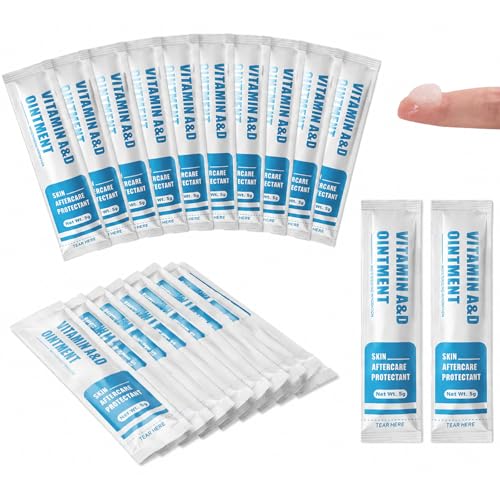
Honest, Accurate Care – This protective ointment comes in 50 hygienic single-serve packets for mess-free, on-the-go convenience. Easy to apply for tattoo protection anytime.

【Enriched with Vitamins A & D】This tattoo scar gel is formulated with naturally derived vitamins A and D, plus skin-calming ingredients. It helps support your skin's natural recovery process while keeping the tattoo area moisturised.
Why Vaseline Traps Bacteria in Fresh Ink
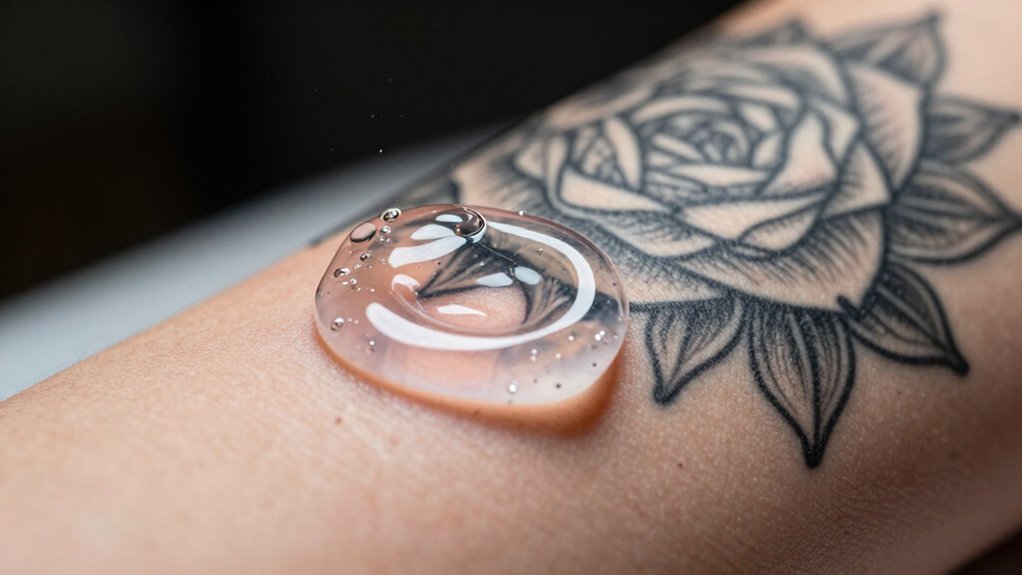
Because Vaseline is an occlusive petroleum jelly, it creates a thick, sealed barrier when you apply it to fresh skin.
When you apply this Jelly to a new tattoo, you’re basically sealing bacteria against an open wound. Your fresh ink needs to breathe during the critical healing process, but Vaseline blocks airflow completely. This occlusion keeps the area overly moist, which can slow your skin’s natural recovery and create an environment where bacteria thrive.
Applying Vaseline to a fresh tattoo seals bacteria against an open wound while blocking the airflow your healing ink desperately needs.
Most artists recommend avoiding petroleum products for the first 72 hours, sometimes extending to 3–5 days, specifically because of this risk of infection. Even a thin layer of Vaseline can trap contaminants beneath the surface while preventing oxygen from reaching the wound.
Once your tattoo has fully closed and healed, you’ll face fewer concerns, but early aftercare demands breathable alternatives that support rather than suffocate your recovering skin.
Recommended Products

GENTLY CLEANSES NEW TATTOOS - Use Repair Tattoo Wash during the healing process to keep your fresh tattoo ink clean or as a perfect prep wash before and after tattooing.

Gentle, Deep Cleansing: Tattoo Goo Foaming Cleansing Soap for tattoos and piercings helps remove impurities and clean the inked or pierced areas at a deep level by removing dirt, dead skin cells, and killing germs without damaging the skin

COMPLETE AFTERCARE KIT FOR NEW & EXISTING TATTOOS: This Tattoo Aftercare Kit brings together 3 essentials, Antimicrobial Soap, Tattoo Balm, and Tattoo Lotion, to help cleanse, protect, and moisturize fresh ink. Useful after tattoo sessions and throughout healing, it supports vibrant color and skin comfort for dedicated ink enthusiasts and artists
What to Use Instead of Vaseline for Early Healing
Your tattoo needs breathable moisture, not a sealed barrier.
For proper tattoo aftercare during early healing, skip Vaseline on your new ink. Instead, apply a thin layer of hypoallergenic lotion or a tattoo-specific balm with panthenol. These let your skin form a water healing layer without trapping bacteria.
Clean your tattoo 1–2 times daily with warm water and mild, fragrance-free soap. Pat it dry; don’t rub. Then apply only a very small amount of moisturizer. If tightness or itchiness strikes, reapply that thin layer 3–5 times daily. Overdoing it suffocates the skin and slows recovery.
Avoid alcohol, Neospourage, and heavy creams early on. Contact healthcare professionals or your artist if you notice worsening redness, swelling, severe pain, pus, or foul odor.
Recommended Products

Nourishes Healing Ink for Vibrant Color: Tattoo Goo supports healing tattoos & maintains vibrancy on healed ink with a lightweight formula rich in olive oil, lavender oil, cocoa butter, and beeswax. It absorbs quickly, moisturizes deeply, and helps reduce dryness, itch and tightness so your tattoo looks and feels comfortable through everyday routines

Nourishes Healing Ink for Vibrant Color: Tattoo Goo supports healing tattoos & maintains vibrancy on healed ink with a lightweight formula rich in olive oil, lavender oil, cocoa butter, and beeswax. It absorbs quickly, moisturizes deeply, and helps reduce dryness, itch and tightness so your tattoo looks and feels comfortable through everyday routines

Tattoo Aftercare Essential: This tattoo aftercare balm is suitable for both new and healed tattoos. It is designed to aid in the healing process and reduce irritation for new tattoos, while also rejuvenating older tattoos, and ensures they receive optimal care.
How Artists Apply Vaseline During the Tattoo Session
During your tattoo session, you’ll notice your artist may apply a thin layer of Vaseline to reduce friction between the needle and your skin. This helps the machine glide smoothly and prevents unnecessary irritation. This small amount also makes it easier for them to wipe away excess ink and plasma, keeping the work area clean without sticking to the stencil. You’re seeing a lubricant in action, not a healing ointment, so don’t confuse this brief, technical step with the aftercare routine you’ll follow once you leave the chair.
Recommended Products

FRAGRANCE FREE TATTOO AFTERCARE FOR SENSITIVE SKIN - The same #1 artist recommended Hustle Butter formula, now with no added fragrance, dyes, or parabens. The unscented tattoo lotion of choice for sensitive or easily irritated skin.

【On-The-Go Protection in Individual Packets】 Enjoy maximum convenience and hygiene with our 50 single-use packets. Each pre-measured scar repair gel cream pack slips easily into your pocket or studio kit, ensuring you have a fresh, contaminant-free application whenever your tattoo needs a boost, without the mess of jars.

QUICK HEALING:A&D ointment gel is rich in essential vitamins A and D,which is very important for aftercare microblading ,effectively helping to remove burns,cuts,surgical marks and the impact of marks on beauty
Friction Reduction Purpose
While you’re sitting in the chair, your artist may reach for a small jar of Vaseline, and this choice serves a very specific purpose during the active tattooing process. Your tattoo artist applies this lubrication to reduce friction between your skin and the tattoo machine. This protective barrier helps the needles glide smoothly, preventing unnecessary irritation while you remain in the tattoo studio.
The Vaseline also makes it easier to wipe away excess ink during the session, keeping the work area clean and visible. You’ll notice this is strictly short-term use, not part of your initial healing routine.
The petroleum jelly creates temporary lubrication for the procedure itself, since fresh wounds need breathable care afterward. Always follow your artist’s specific aftercare instructions rather than continuing Vaseline use at home.
Ink Wiping Aid
Watch closely as your artist dips into that small jar between color changes. They’re grabbing Vaseline, not for aftercare, but as a tool to guide to tattoo completion.
Why Artists Apply a Thin Layer:
This creates a barrier. When mixed with water and excess ink, Vaseline lets them wipe cleanly without dragging your raw skin.
It reduces friction. Repeated wiping would otherwise irritate the area around your tattoo.
It keeps your skin hydrated. A thin layer prevents the surface from drying out mid-session.
This in-session use keeps your skin clean and workable. It is not long-term wound care, it is temporary technique. Your artist controls the amount, the timing, and the removal. Trust their process, and wait for their specific aftercare instructions before applying anything yourself.
Skin Protection Role
How this protects your work:
- Acts as a temporary barrier against mechanical irritation
- Allows easier wiping of excess ink
- Keeps the skin surface workable under controlled conditions
This is not meant to protect your tattoo long-term. Once the session ends, your artist removes the petroleum layer and covers the fresh work with a bandage or plastic wrap. Follow their tattoo care instructions exactly.
Critical next steps:
- Remove covering after the specified timeframe
- Wash your tattoo gently with fragrance-free soap
- Switch to breathable moisturizer, not heavy occlusion
For complete aftercare tips, always defer to your artist’s specific guidance rather than continuing petroleum-based coverage.
How to Apply Vaseline Correctly Once Healing Starts
You’ll want to wait until your tattoo has passed the initial healing window, typically after 3–5 days, before you even think about reaching for the Vaseline. Once the plasma has stopped oozing and the skin no longer feels hot or irritated, you can start applying a very thin layer, just enough to create a light sheen without smothering the area.
Keep this minimal approach going only through the dry, peeling phase for comfort, then stop once the tightness and flaking subside.
Recommended Products

Deep Hydrating Body Lotion: This 48 hour cocoa butter moisturizing body lotion is fragrance free and provides deep, soothing hydration for all skin types, from normal to dry to eczema prone skin

NATURAL AND UNSCENTED FORMULA – Saniderm’s Original Tattoo Aftercare Balm is made using natural ingredients like beeswax, shea nut butter, and sea buckthorn oil. Unlike other common ointments and tattoo balms, Saniderm’s fragrance-free Tattoo Aftercare Balm is also petroleum-free so it won’t suffocate the skin while your tattoo heals.

INFUSED WITH CLEAN, EFFECTIVE INGREDIENTS - The clean ingredients like Glycerin & Shea Butter provide lightweight nourishment and bounce to skin without ever feeling heavy or greasy on the surface. Anti-aging powerhouse vitamin A promotes visible firmness to skin, offsetting the appearance of fine lines and wrinkles.
Best Application Timing
The right window for introducing Vaseline comes only after your tattoo clears its most vulnerable early phase, which typically means waiting 48 to 72 hours. During the first few days, your skin remains an open wound. You must keep it clean, aerated, and free from occlusive barriers that trap bacteria or moisture. Vaseline blocks oxygen, so applying it too early slows healing and raises infection risk.
You’ll know the timing is right when your tattoo enters the dry, peeling stage. The weeping usually stops around days two to three, and the surface feels tight rather than wet. At this point, a thin layer of Vaseline can reduce the risk of excessive dryness and itching.
Surface healing usually takes two to four weeks before deeper recovery completes.
Thin Layer Technique
Once your tattoo has cleared the weeping phase, you can use Vaseline with restraint. Wait until days 3–5, or follow your artist’s specific timeline, before you use it.
1. Prep the Skin Properly
Start with gentle cleaning using fragrance-free soap and lukewarm water. Rinse thoroughly, then practice careful pat-drying with a clean paper towel. Never rub; friction irritates wound healing.
2. Apply the Thin Layer
Scoop a small amount, about the size of a grain of rice, onto clean fingertips. Spread this thin layer across the tattooed area. The skin should look slightly moisturized, not wet or greasy. Too much product traps heat and slows recovery.
3. Reapplication Guidelines
Reapply only when itching or dryness appears during normal healing. If you’re getting a tattoo soon, ask your artist whether to apply an antibiotic ointment first, then switch to Vaseline later.
Using Vaseline for Shower and Workout Protection
Beyond your artist’s aftercare routine, Vaseline can serve as a temporary, targeted barrier during showers and workouts, but timing and technique matter substantially for fresh ink.
Vaseline works as a temporary barrier for showers and workouts, but only with careful timing and proper technique on fresh tattoos.
1. Shower Protection
Wait 3–5 days before considering any barrier. When cleared, apply a very thin layer across the tattoo using clean hands. Use warm water only, and let the water run gently, avoiding direct pressure. Never rub; pat dry carefully afterward.
Let any softened scab flap off naturally. Avoid touching the area unnecessarily, and keep it away from direct sunlight immediately after showering.
2. Workout Protection
Apply a thin layer where clothing rubs your tattoo to reduce friction irritation. Do not seal it under airtight dressings, which traps heat and moisture. Remove the layer promptly after exercise, cleanse gently, and return to your artist’s recommended aftercare. Stop if you notice leaking plasma or increased heat.
Recommended Products

6 IN x 11 YD COMPACT ROLL: Mast Tattoo Second Skin 6-inch roll gives you 33 feet of transparent film with a total coverage area of 2,376 sq in. The narrower width is ideal for small to medium tattoo placements, helping artists cut less excess material compared with wider rolls.

PROTECT & HEAL - H2Ocean Aquatat seals the skin in a moisturizing barrier to protect from irritants while still allowing the skin to breathe. Aquatat will also heal topical wounds on skin such as tattoos, rashes, cuts and scrapes while minimizing scabbing.

💼【Portable Professional Care】 - 50 single-use packs (5g each!) fit in pockets, gym bags, or travel kits. Never deal with messy jars! Each sealed packet locks in freshness for on-the-spot relief after workouts, flights, or tattoo sessions. Stay prepped anywhere!
Warning Signs: When to Stop Using Vaseline
You’ll know it’s time to put the Vaseline away when your tattoo starts telling you something’s wrong.
1. Watch for early warning signs. Stop using Vaseline if your new tattoo leaks plasma or looks overly wet. A thick barrier traps moisture, raising infection risk.
2. Feel for heat and irritation. If the area feels hot, unusually irritated, or shows worsening redness, trapped heat fuels inflammation.
3. Spot these red flags: excessive redness, persistent swelling, severe pain, pus or foul odor, or fever. Stop Vaseline immediately.
4. Check your skin’s texture. Thick, heavy-looking skin or bulky scabs pulling at ink mean you’ve over-occluded.
Switch to a thin layer of fragrance-free, tattoo-appropriate lotion after cleaning. Please consult a medical professional if infection signs appear. Don’t wait.
Recommended Products

GREAT FOR NEW TATTOOS - H2Ocean Blue Green Foam Soap cleanses skin on and around new tattoos and the addition of aloe vera aids the healing process.

Foaming Tattoo Soap: Great for in-process and post-tattoo and piercing care. Keeps new tattoos & piercings clean during the healing process.

GREAT FOR NEW TATTOOS - H2Ocean Blue Green Foam Soap cleanses skin on and around new tattoos and the addition of aloe vera aids the healing process.
Vaseline vs. Tattoo-Specific Aftercare Products
Now that you know when to stop using Vaseline, let’s compare it directly with products made for tattoo care.
Vaseline creates an overly occlusive barrier. You trap heat, sweat, and bacteria, which slows healing during the critical first 3 to 5 days. Tattoo-specific options, like Advanced Repair Unscented or Intensive Care™ Advanced Repair, let your skin breathe while keeping it hydrated.
Choose breathable alternatives. Apply a thin layer of hypoallergenic ointment or fragrance-free lotion after washing with mild soap. These products maintain moisture without sealing off airflow, so your tattoo heals faster and with less irritation.
Use Vaseline only after healing. Once your tattoo heals, a thin layer adds shine and prevents dryness without interfering with recovery.
Remember: Too much of any product causes problems. If you notice redness, swelling, or infection, please consult a medical professional immediately.
Recommended Products

All-in-One Tattoo Care: Designed for use before, during, and after tattoo sessions, our Pink Tattoo Ointment provides complete care, helping to prepare the skin, soothe irritation during the process, and promote fast, healthy healing post-tattoo

🟢 THE HEALTHIER OPTION -Opt for Beesoline—an epitome of natural goodness—for healthier skincare. Free from harsh chemicals and petroleum, Beesoline's beeswax-based formula nurtures, protects, and hydrates your skin. Embrace a holistic approach that enhances your beauty while safeguarding your well-being.

TATTOO OINTMENT- INK-EEZE Pink Tattoo Ointment is a NON-Petroleum based ointment infused with essential oils. The formula was specifically developed by tattooers and skin care specialists for use as a lubricant during the tattoo process and collectors to use as an aftercare. A little goes a long way
How to Use Vaseline for Long-Term Tattoo Care
Once your tattoo finishes healing, which typically takes 2 to 4 weeks for the surface and several months for deeper layers, you’re free to make Vaseline part of your routine.
Recommended Products

PROTECT & HEAL - H2Ocean Aquatat seals the skin in a moisturizing barrier to protect from irritants while still allowing the skin to breathe. Aquatat will also heal topical...
Long-Term Application Tips
For maintaining vibrancy, apply a thin layer of hypoallergenic ointment, or fragrance-free alternative like Vaseline® Intensive Care™ Advanced Repair Unscented Lotion. Use just enough to lightly coat the skin; heavy application creates excessive barrier buildup.
Continue to keep your tattoo moisturized daily, but don’t overdo it. Pair this care with strict sun protection. After your tattoo is fully healed, wear sun-protective clothing or apply high-SPF sunscreen. UV exposure fades ink rapidly, so shield your art consistently. Choose hypoallergenic ointment or fragrance-free products to minimize irritation, and you’ll preserve color depth for years.