
Like a photograph left too long in the sun, your tattoo isn’t what it used to be, but you don’t know where to start. You’re stuck between expensive laser clinics and risky DIY tricks that promise miracles but deliver scars.
There’s a middle path: five surface-level methods that won’t erase your ink completely, but can soften its grip on your skin. The real question isn’t whether they’ll work, it’s whether you’re patient enough to let them.
Why Non-Laser Tattoo Fading Works Only at the Surface
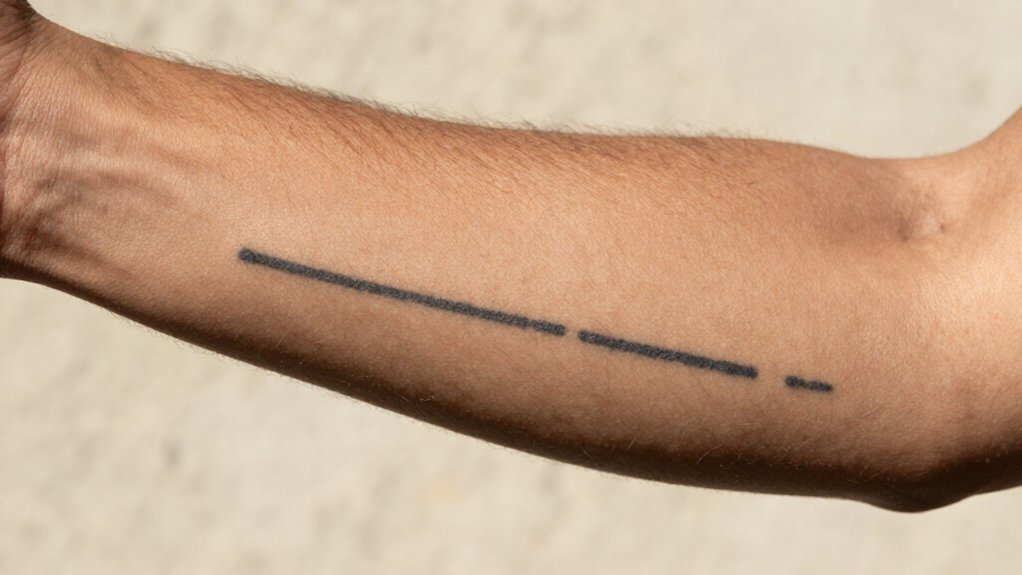
At the surface level, non-laser fading methods promise noticeable results, but you’re really working with exfoliants and mild bleaches, not true ink removers.
1. Understanding How Superficial Methods Actually Work
Most home tattoo removal approaches, including tattoo removal creams and hydrogen peroxide scrubs, only affect your epidermis. You’re fundamentally polishing or lightening the topmost skin layers, where ink doesn’t actually reside.
True tattoo pigment sits deeper in the dermis, protected beneath living tissue that these products simply can’t reach.
2. Why You’re Seeing Temporary Changes
When you apply salt scrubs or lemon juice, you’re irritating or removing surface cells. This can make tattoos appear lighter temporarily, but you’re not breaking down embedded ink particles.
Hydrogen peroxide offers mild bleaching of superficial color, yet it lacks the strength for deeper penetration.
3. Recognizing the Real Risks
These tattoo removal methods often leave you with rawness, inflammation, or scarring without delivering lasting results. Any visible fading typically reflects skin tone changes, not actual ink elimination.
Recommended Products

Protect Your Body Art: Moisturizing with the bonus of itch relief! Tattoo Goo's Tattoo Care Lotion soothes healing skin & keeps healed ink looking sharp for life. With olive oil & glycerin, it delivers deep, breathable hydration that won’t clog pores

Upgraded Design, Easy to Use --- Tattoo aftercare balm comes in a tube,this container allows you to glide on the butter easily,Rolls on smoothly and evenly on your skin,No more mess or residue on your finger,convenient to use

Nourishes Healing Ink for Vibrant Color: Tattoo Goo supports healing tattoos & maintains vibrancy on healed ink with a lightweight formula rich in olive oil, lavender oil, cocoa butter, and beeswax. It absorbs quickly, moisturizes deeply, and helps reduce dryness, itch and tightness so your tattoo looks and feels comfortable through everyday routines
How Long Natural Fading Really Takes (and How to Support It)
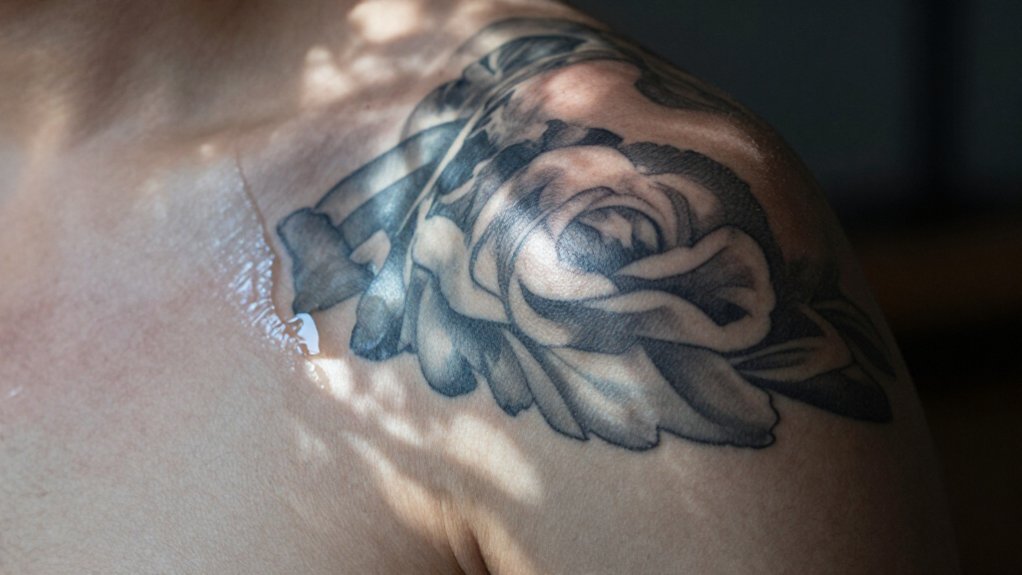
Over the course of several years, your tattoo will gradually lighten as your body’s immune system slowly breaks down ink particles and your skin completes its natural turnover cycles.
Your tattoo gradually lightens over years as your immune system slowly breaks down ink particles through natural skin turnover cycles.
Different factors control how fast you’ll see results:
- Dark or black ink fades more readily than bright colors, which often resist natural breakdown
- Superficial tattoos lighten faster than deeply embedded ones where ink particles sit lower
- Consistent gentle skincare supports fading, but rushing during healing backfires and causes damage
- Partial lightening works best for cover-ups, giving artists flexibility without muddled results
Avoid DIY tattoo removal products promising quick fixes. Most only affect surface layers, not the deep ink where real tattoo removal happens. Let your tattoo heal fully, then support natural processes patiently. This approach won’t drastically speed results, but it protects your skin while you wait.
Recommended Products
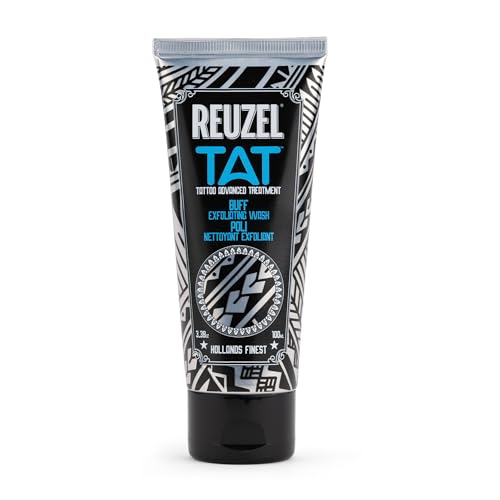
GENTLE TATTOO CLEANSER SCRUB: Buff Exfoliating Wash gently removes old skin cells and reveals vibrant color and definition on your tattoo without causing damage.

TATTOO EXFOLIATING SCRUB ALTERNATIVE — The superior evolution of the messy tattoo scrub. Unlike traditional scrubs in a tube that leave a heavy, oily residue on your skin, this cold-process exfoliating bar rinses completely clean. Delivers physical exfoliation in a solid, long-lasting bar format without the mess or the plastic tube.

GENTLE TATTOO EXFOLIATION. Purpose-built tattoo exfoliation removes impurities, product buildup and dead skin to reveal brighter tattoos and a luminous, ultra-refined complexion.
What Gentle Exfoliation Does to Tattooed Skin
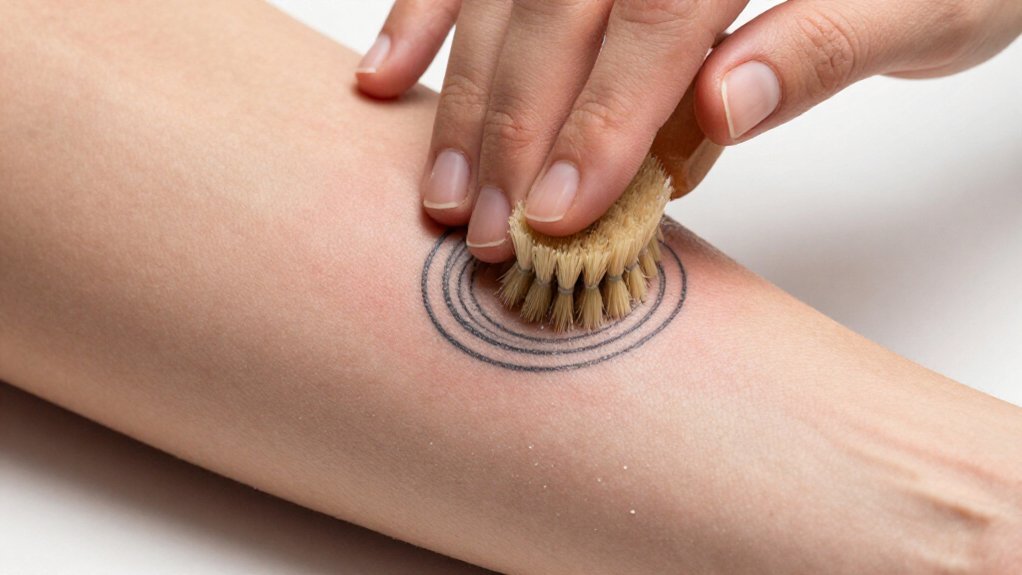
You’ve been patient with natural fading, but you might wonder if you can speed things along with a scrub or chemical exfoliant. Gentle exfoliation removes dead skin from the outer epidermis, which can make your unwanted tattoo look slightly less vibrant. However, the ink sits deeper in the dermis, so you’ll only see superficial lightening at best.
This method works better on small tattoos with less ink saturation. You won’t meaningfully remove a fresh or deep piece through exfoliation alone.
Watch your technique. Rough scrubbing causes redness and inflammation that alters skin texture and creates uneven fading. Over-exfoliating breaks down your skin barrier, leaving you vulnerable to infection.
Stop immediately if your skin becomes raw or painful. Irritation reverses cosmetic improvement and slows healing, so keep your approach gentle and cautious.
Recommended Products

EXFOLIATING SALT SCRUB - This exfoliator face, foot and hand scrub can gently exfoliate the skin and remove dry and dead skin cells. The exfoliation process will promote fresh, healthier, and younger looking skin. It can also improve the effectiveness of topical skin care products as the skin will be able to absorb the moisturizer and retain it longer. Perfect for use as a foot scrub for soft, smooth feet.

AUTHENTIC EXFOLIATING SEA SALT BODY SCRUB: Made in the Florida Key Islands, this organic body scrub removes dead skin, revealing fresh, glowing skin. Ideal as a foot scrub, hand scrub, or bikini exfoliating scrub, it effectively cleanses and smooths your skin. Infused with Florida Key lime scrub, it washes away oils and impurities. This exfoliating body scrub works for all skin types, delivering the benefits of an aromatherapy signature salt scrub for smoother and younger-looking skin

SUPERPOWERED TATTOO AFTERCARE – Ointment made especially for aftercare of tattooed skin. Offers premium protection and the best tattoo care. Suitable for new & existing tattoos. Deeply moisturizes dry skin and nourishes it – excelent for dry skin. Protects tattoos against fading and cracking. Makes tattoo colors look more vibrant and fresher. Helps tattoos look their best.
The Risks of Lemon Juice, Salt Scrubs, and Removal Creams
If you’re tempted to try lemon juice, salt scrubs, or over-the-counter removal creams, you should know these methods carry real risks for limited payoff.
You might hope these approaches break down ink or help your body push ink naturally out of your system, but they rarely deliver. Consider what actually happens:
Lemon juice lightens only surface skin, never reaching deeply embedded tattoo ink in the dermis. Salt scrubs cause pain, redness, and swelling without penetrating deep enough to matter. Removal creams act as harsh chemical peels, risking inflammation and permanent light spots. Combined methods, like peroxide with salt, increase burn and scar risks dramatically.
DIY tattoo removal methods promise results but only damage your skin while leaving ink untouched.
You can damage your skin permanently while the tattoo remains visible. These shortcuts promise much, but they leave you with irritated, discolored skin and nearly the same tattoo you started with.
When to Book a Cover-Up Consultation as Your Real Solution
DIY fading methods leave your skin irritated and your tattoo largely unchanged, so it’s time to think about a smarter path forward.
When to Book Your Consultation
Book a cover-up consultation as soon as your tattoo has fully healed. Wait several weeks until the skin is no longer red or irritated, since healing time affects how well existing ink can be lightened.
Consider booking when you realize you cannot safely remove your tattoo at home. Most DIY methods only damage surface skin without clearing the ink beneath.
This matters especially with dark inks. Heavily saturated black ink requires careful planning, or new ink will create muddy results. Professional fading for cover-ups typically needs 3 to 4 sessions, far fewer than the 12 to 15 sessions needed to completely remove a tattoo with laser.
During your consultation, the artist will assess color and placement. They will advise how close to a blank slate you must be so older elements won’t show through.
Recommended Products

GENTLE NON-ABRASIVE LEAVE-ON EXFOLIANT: With 2% BHA (Beta hydroxy acid), to unclog & diminish enlarged pores, exfoliate dead skin cells, smooth wrinkles, and brighten and even out skin tone. Combats redness, wrinkles, aging, enlarged pores, and blackheads.

Gentle Exfoliation with Pumice Granules: Experience a luxurious exfoliation with our microdermabrasion scrub, featuring non-abrasive pumice granules to gently buff away dead skin cells, revealing a smoother complexion.
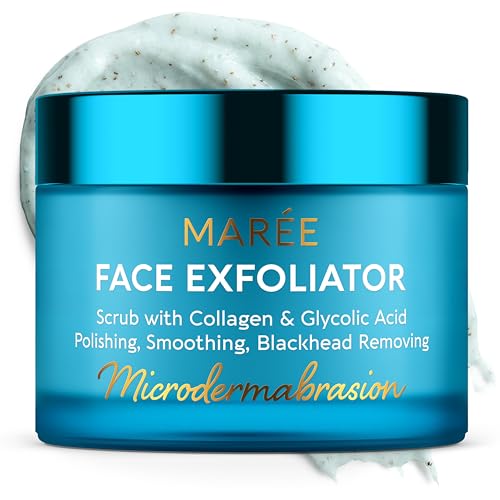
Gentle Exfoliating Facial Cleanser for Women – Refresh your skin with MAREE gentle face scrub! This deep cleansing facial exfoliator with glycolic acid and collagen removes impurities, makeup, and dead cells, leaving skin soft, smooth, and hydrated.