
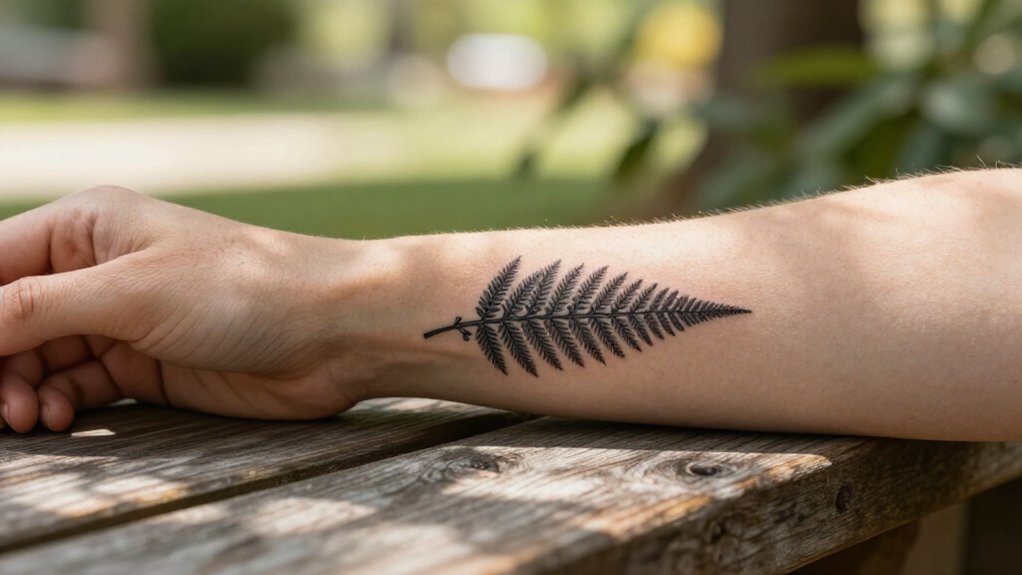
A fine line tattoo is like silk thread in linen: graceful, but it demands more care than heavier weaves. You’re choosing subtlety over saturation, and that choice shapes how your ink will travel through time.
The real question isn’t whether these tattoos age, but how you’ll guide them.
How Fine Line Tattoos Age Year by Year (0–10 Years)
Because fine line tattoos rely on shallow pigment placement, you’ll notice changes from the moment your skin heals. Your healed fine line will likely look slightly lighter after the first 2–4 weeks, with minor softening as your skin regains texture.
Fine line tattoos begin changing immediately—expect lighter, softer lines within the first month as your skin heals.
Years 1–3: You’ll see crispness decrease gradually. Fine line tattoos fade faster with sun exposure or friction, since thin lines hold less ink density.
Years 3–5: Noticeable changes appear. Lines break down tattoo clarity, especially in high-friction areas like wrists, fingers, and ribs. These spots lose definition faster than your upper arm or back.
Years 5–10: Natural wear becomes visible. Fine line work thins and spreads slightly.
Do Fine Line Tattoos Age Well? They can, with care. Consistent SPF protection helps, and many people consider touch-ups around year 5–7. You should plan for regular touch-ups to maintain readability.
Recommended Products

COMPLETE AFTERCARE KIT FOR NEW & EXISTING TATTOOS: This Tattoo Aftercare Kit brings together 3 essentials, Antimicrobial Soap, Tattoo Balm, and Tattoo Lotion, to help cleanse, protect, and moisturize fresh ink. Useful after tattoo sessions and throughout healing, it supports vibrant color and skin comfort for dedicated ink enthusiasts and artists

STICK APPLICATION, ZERO MESS: Twist up the tattoo balm stick, swipe directly over the tattoo, and blend as needed. No jar to open, no fingers scooping product, and no need to carry a separate applicator. The solid stick format is easy to keep in a bag, bathroom cabinet or travel kit, making care simple at home or on the go. It gives you controlled application exactly where you want moisture, with less mess than traditional balm jars. Great for quick touch-ups whenever tattooed skin feels like it needs extra care, at home, after work or while traveling.

Nourishes Healing Ink for Vibrant Color: Tattoo Goo supports healing tattoos & maintains vibrancy on healed ink with a lightweight formula rich in olive oil, lavender oil, cocoa butter, and beeswax. It absorbs quickly, moisturizes deeply, and helps reduce dryness, itch and tightness so your tattoo looks and feels comfortable through everyday routines
What Causes Fine Line Tattoos to Blur (And How to Prevent It)
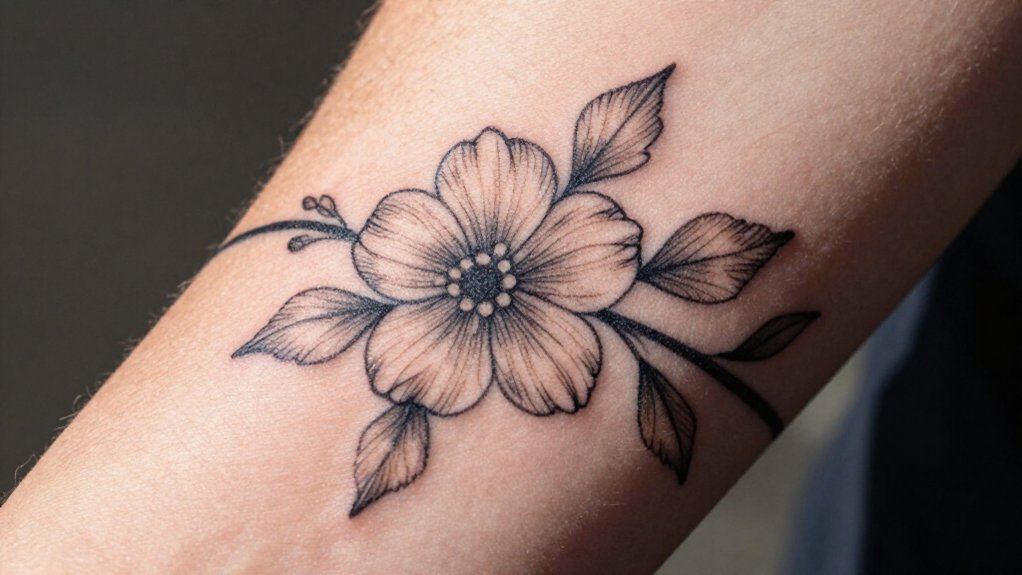
Fine line tattoos blur when thin pigment deposits face constant pressure from your skin’s natural renewal process, and you’re not powerless against it. Artists who use less ink create delicate work, but those fine line tattoos need protection to become long-lasting fine line art.
Why blurring happens:
Fine line techniques place pigment closer to the surface, so line tattoos fade faster from natural skin changes. Friction and movement stretch lines, widening them tattoo line over time. UV exposure breaks down pigment without sun protection. Poor depth control, if ink sits too shallow or spreads too deep, softens edges.
Prevention during healing process:
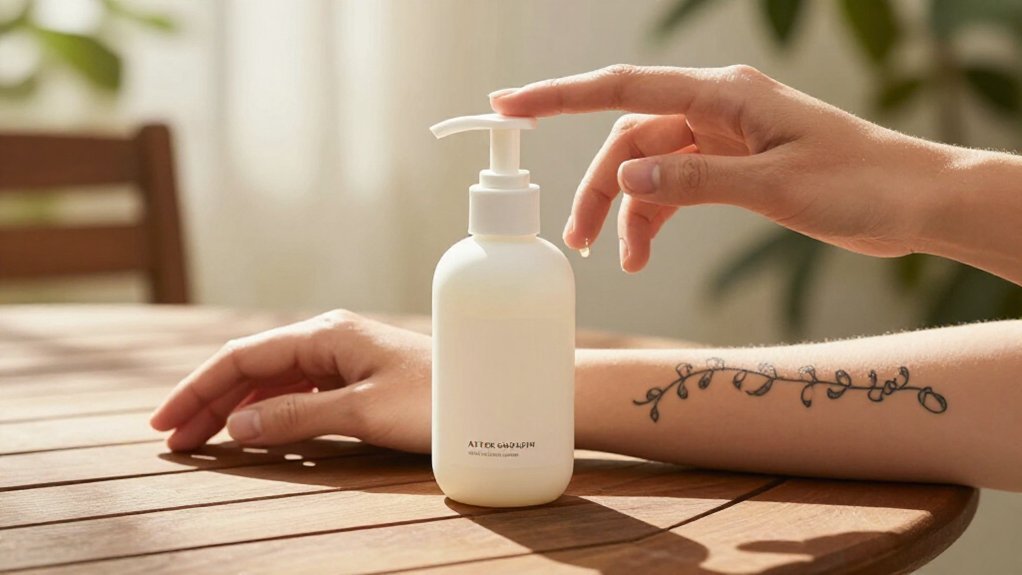
Follow aftercare exactly. Avoid heavy ointments that suffocate skin. Moisturize to prevent cracking. Apply high-SPF sunscreen after healing. These steps help fine line tattoos age well.
Recommended Products
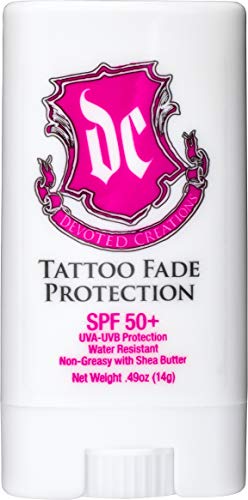
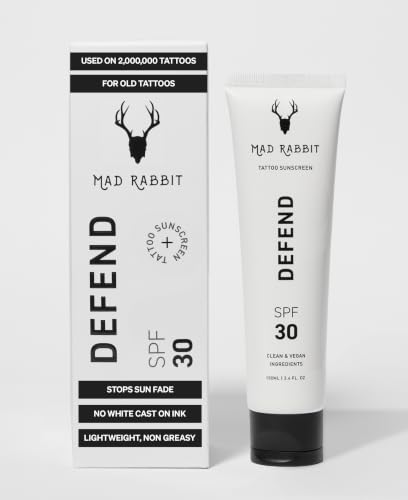
FOR ALL SKIN TYPES, INKED OR NOT - This daily, 100% mineral sunscreen works hard to protect skin and tattoos from the damage caused by exposure to harmful UVA & UVB rays.
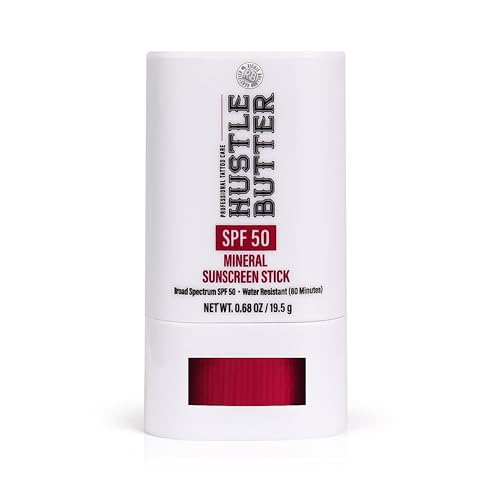
Tattoo Sun Protection, SPF 50: Our tattoo sunscreen stick provides broad-spectrum UVA/UVB coverage, preventing sun damage and fading, keeping tattoo ink vibrant and sharp.
Where to Place Fine Line Tattoos for Maximum Longevity
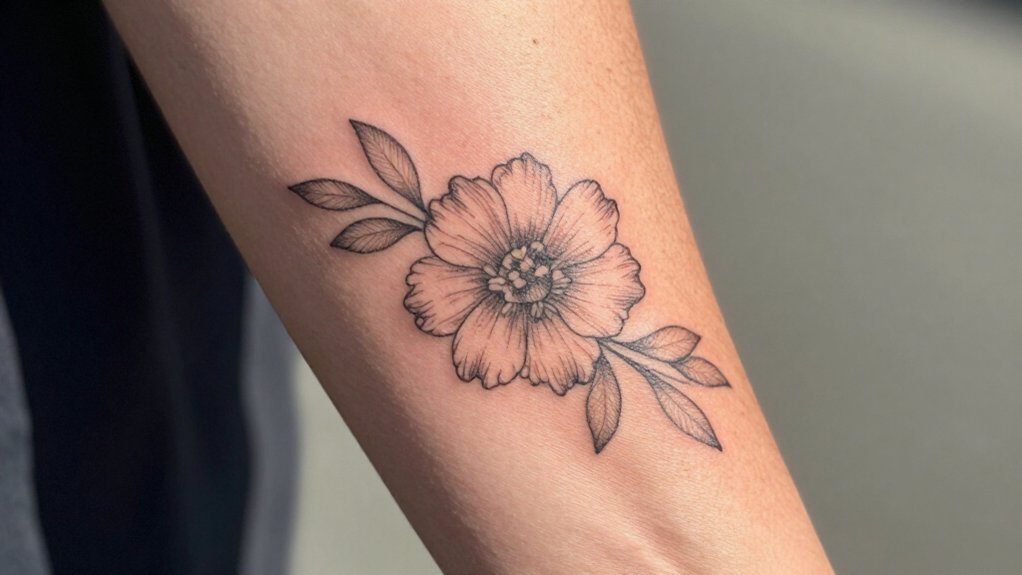
On your upper forearm, shoulder, or thigh, you’ll give fine line work its best shot at aging gracefully. These areas move less, rub less, and stretch minimally compared to joints.
Best Placements for Fine Line Longevity
Prioritize these low-friction zones:
- Upper back: typically shielded by clothing, reducing UV damage
- Upper arm and shoulder: stable skin with limited daily flexing
- Outer forearm: accessible but less mobile than inner wrist
Areas to Approach with Caution
Avoid or expect faster softening in areas like hands and fingers, where constant motion and friction accelerate fading and blurring. Feet, ribs, and wrists pose similar risks.
Protect Your Investment
UV exposure drives premature aging. If you choose sun-exposed placements, commit to daily UV protection with SPF 30+ after healing. Schedule maintenance touch-ups every 5–10 years to preserve crispness.
Recommended Products

BOLD BODY ART is at your fingertips with hawink Skin Markers. Create vibrant temporary tattoos to complement cosplay outfits, Halloween costumes. Includes easy-to-use stencils. TEMPORARY TATTOO KIT includes 10 skin-safe body art pens and 56 large temporary tattoo stencils. Create eye-catching body art with a rainbow of tattoo marker pens that are skin-friendly.

Exclusive Mother and Baby Design: Inspires creativity while practicing intricate tattoo techniques.

Precision Tip & Lint Free: With less lint than regular cotton swabs, fine pointed cotton swabs are suitable for cleaning hard to reach area and small places. Compact tips ensure no fibers leaving behind.
How to Choose a Fine Line Artist Who Delivers Crisp Results
You’ve selected a stable placement and committed to sun protection, but your tattoo’s longevity still hinges on one variable: the artist’s technical precision.
1. Demand proof of time-tested work. When choosing a skilled artist, dig past fresh photos. Request healed work from years prior. Sharp, stable lines in aged pieces reveal true depth control. Spot heavy settling or blowout, and keep looking.
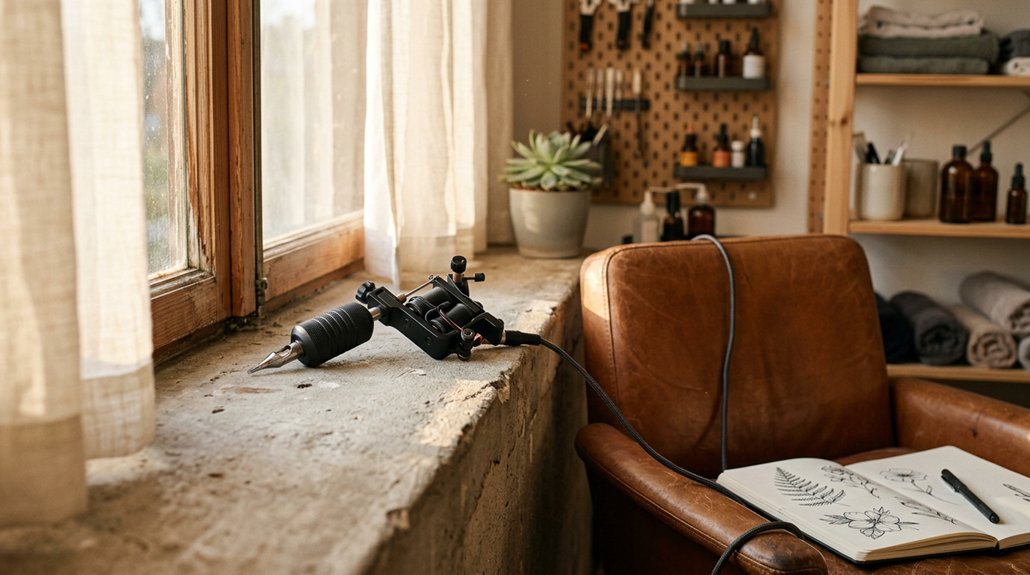
2. Verify their depth expertise. Ask directly how they hit the ink depth sweet spot. Too shallow fades fast; too deep spreads like spilled ink. Experienced artists in the fine line style plan for line growth. A 1RL needle may heal to ~3RL width.
3. Confirm their specialization. Traditional vs fine line demands different skills. Select an artist who accounts for your skin type, advises on areas with less movement, and sets clear touch-up expectations. Proper care starts with their precision.
Recommended Products

Protect Your Body Art: Moisturizing with the bonus of itch relief! Tattoo Goo's Tattoo Care Lotion soothes healing skin & keeps healed ink looking sharp for life. With olive oil & glycerin, it delivers deep, breathable hydration that won’t clog pores

Upgraded Design, Easy to Use --- Tattoo aftercare balm comes in a tube,this container allows you to glide on the butter easily,Rolls on smoothly and evenly on your skin,No more mess or residue on your finger,convenient to use

TATTOO AFTERCARE LOTION: After Inked Tattoo Lotion brings hydration and nourishment to your tattooed skin. Formulated with grape seed oil, which helps maintain vibrant ink colors while pacifying the skin and promoting moisture retention.
Your Fine Line Tattoo Maintenance Routine: SPF, Hydration, and Touch-Ups
Beyond the artist’s needle, your daily habits will decide how crisp your fine line tattoo stays through the years.
Your daily habits determine how crisp your fine line tattoo stays through the years.
1. Shield Your Skin Daily
UV exposure causes fine line tattoos to fade faster than anything else. You’ll apply SPF sunscreen of 30 or higher every morning, reapplying after swimming or sweating. This protects the ink sitting within your skin from breakdown.
2. Keep It Hydrated Long-Term
Dryness dulls lines and causes premature softening. You’ll moisturize daily with a fragrance-free moisturizer, nothing fancy, just simple, clean hydration. Skip products with alcohol or heavy perfumes that irritate healing and settled work alike.
3. Follow Aftercare Instructions and Plan Ahead
During healing, you’ll follow your artist’s protocol exactly. You’ll also think strategically, placing pieces in areas with less wear when possible. Plan for touch-ups every 5–10 years to refresh faded work years down the line.
Recommended Products

Yazhiji Tiny Temporary Tattoos: Package include 170 styles designs on 60 sheets. Size: 3.85 * 2.28 inch (9.8 * 5.8 cm). If you think real tattoos are painful, temporary tattoos are your best choice. You can choose the Fake Tattoo pattern you like to paste on your body without causing you pain. The fake tattoo can show your personality and express your ideas. Immerse yourself in lifelike designs that add an extraordinary touch to your personal style.
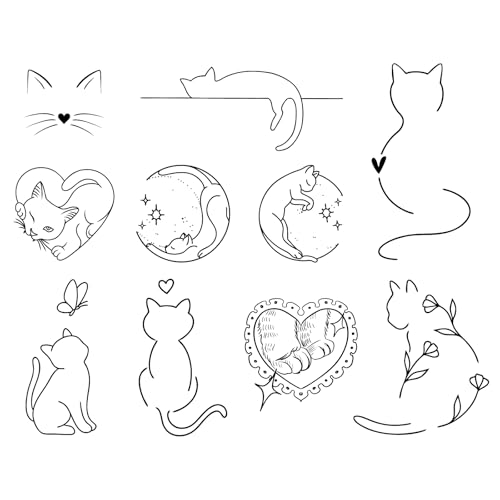
MINIMALIST KITTEN LINE ART: Features an adorable assortment of abstract feline designs, including sleeping crescent-moon cats, continuous-line cat outlines with little hearts, floral silhouettes, and cute tiny whiskers. This charming botanical and celestial cat collection is crafted using a digital hand-drawn fine line tattoo ensures crisp lines to maintain playful expressions, perfect heart symmetry, and clean, elegant line work.

Design Experimentation:Our finger Tiny Tattoo tattoo practice pad with more than 80 stencil designs,it can nables artists to experiment with new designs, patterns, and shading techniques.