

You’re looking at $500 to $20,000 for a tattoo apprenticeship, with most structured programs landing between $5,000 and $10,000. That price tag covers your mentor’s time, hands-on training, and shop access, but it doesn’t stop there. You’ll still need bloodborne pathogen certification, first-aid training, Hepatitis B vaccines, equipment, and state licensing fees.
Free apprenticeships exist, yet they often demand longer unpaid commitments with less structured guidance. Before you commit to any path, you need to understand what you’re actually paying for, what hidden costs drain your wallet, and which model fits your timeline and budget.
Tattoo Apprenticeship Costs: From $500 to $20,000 (What’s Included)
While tattoo apprenticeship costs vary dramatically, you can expect to invest anywhere from $500 to $20,000 depending on your arrangement.
1. Breaking Down Tattoo Apprenticeship Cost
You’ll find apprenticeship costs split into two main paths. A paid apprenticeship typically runs $5,000–$10,000 for your mentor’s time and structured training. Programs like MAKER TATTOOS LLC charge around $5,000 with monthly payment plans.
2. Mandatory Expenses Beyond Tuition
Even with lower upfront fees, you’re covering essentials:
- BBP certification: $25–$50
- First-aid training: $25–$50
- Hepatitis B vaccination: $60–$150
3. Equipment and Timeline Realities
Your startup kit, about $1,658, plus licensing fees add up quickly. Most apprenticeships span 1–2 years, so factor living costs into your total investment.
When paying for an apprenticeship, you’re buying expertise, supplies access, and professional connections. Budget conservatively; expenses often exceed initial quotes.
Recommended Products
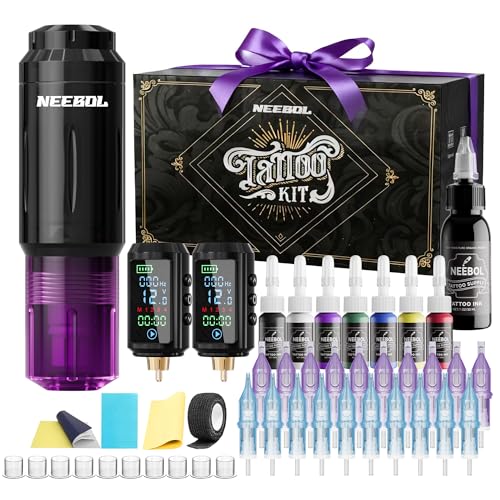
NEEBOL Tattoo Machine Kit with Complete Accessories:This tattoo machine kit includes 1 wireless tattoo gun, 2 x 1600mAh batteries, 20 needles, a large bottle off black ink, a full color ink set, and other essentials—ideal for beginners, apprentices, and professionals seeking a maquina para tatuar.

Complete Starter Tattoo Kit: Includes an aluminum alloy rotary tattoo pen, power supply, foot pedal, RCA cord, 20 cartridge needles, 8 bottles of 30ml ink, 2 transfer papers, practice skin, 40 ink caps, grip cover, gloves

Complete Beginner Tattoo Kit with Guide: This Neebol tattoo gun kit is designed for beginners who want a complete and easy setup. It includes the A10 wireless tattoo pen, 2 color screen batteries, beginner’s guide, cartridge needles, tattoo inks, practice skins, transfer paper, gloves, ink caps, table covers, and more for practice and studio use
Free vs. Paid Apprenticeships: Which Model Works for You?
You’ll weigh paying $5,000–$10,000 for structured, early tattooing access against “free” apprenticeships that often delay hands-on practice until year two while you perform unpaid shop duties.
Both paths demand scrutiny of hidden costs, whether direct fees or lost wages during extended menial work periods. You should verify concrete timelines for supervised tattooing, written curricula, and real mentorship hours before committing to either model.
Recommended Products

⚡️Premium Practice Kit : No more separate purchases! Get 10 reusable silicone tattoo practice skins (7.4"x5.6") and 20 professional stencil papers (11"x8.5") – A complete bundle to master techniques without wasting supplies. Perfect for tattoo artists & apprentices!

【Package and Size】 - Package include 5Pcs 7.4*5.6 inch Blank Tattoo Practice Skin and 15Pcs 11*8.5 inch Stencil Paper. The value combination suitable for beginners and experienced artists. Both sides of each tattoo skin are blank, providing enough space for your masterpiece creation.

VALUE PACKAGE - The 20Pcs Tattoo Practice Skins 3MM with Transfer Paper Kit includes 15Pcs 11*8.5 inch Stencil Paper and 5Pcs 7.5*5.6 inch Double Sided Thick Blank Tattoo Fake Skin 3MM. The best combination of tattoo skin and tracing paper to help you save time and get a great deal.
Pros of Paying
If you’re weighing whether to pay for a tattoo apprenticeship, you’re primarily choosing between speed and structure versus time and uncertainty. A paid tattoo apprenticeship program typically costs between $5,000 and $10,000, and you’re investing in structured training that often includes BBP certification, first-aid credentials, and business skills from day one.
Here’s what paying can offer you:
- Immediate curriculum access: You start learning tattooing fundamentals right away, not after months of cleaning duties
- Defined timelines: Supervised tattooing begins sooner, with clearer milestones for your progress
- Supply inclusion: Fees often cover practice skins, inks, and machine time you’d otherwise purchase separately
- Accountability: Paid mentors usually deliver consistent instruction because you’ve established a formal commitment
While apprentices get paid nothing during training, your investment creates leverage for quality education. Compare what each program actually delivers before committing your money.
Drawbacks of Free
Free tattoo apprenticeships promise zero upfront cost, but you’re trading money for time, labor, and uncertainty. You might spend months, even years, on cleaning and sketching before touching skin.
1. Hidden Costs of “Free”
Free apprenticeships are unpaid, but they extract value differently. You absorb your mentor’s schedule, demands, and sometimes abuse without contractual protection. Apprenticeships require patience, yet vague timelines trap you in indefinite preparation.
2. The Uncertainty Problem
Uncertainty defines many free arrangements. Some shops restrict your practice indefinitely, blocking licensure and income. You cannot predict when, or if, real training begins.
3. Comparison with Paid Structures
A paid apprenticeship typically costs $5,000–$10,000, but offers defined curriculum and accountability. You exchange cash for clarity.
Protect Yourself
Demand written timelines, curriculum details, and proof of past apprentice success before committing to any free apprenticeship.
Apprentice Earning Timeline: From Unpaid to 50/50 Splits
You will begin your apprenticeship earning nothing while you clean stations, set up equipment, and sketch designs for months or even a full year. Once you start tattooing clients under supervision, typically in your second year, you’ll move to a 50/50 income split with the shop.
This gradual transfer from unpaid work to commission-based pay means you need savings or side income to survive the early phase.
Recommended Products


Easy-to-use single disc training kit contains everything you need on one disc: training video (for use in DVD Player), PowerPoint, manual, and leader's guide. Printable pdf documentation files include training certificate, employee quiz & answer key, wallet cards, and more. Simply place disc into your computer, navigate to the documentation folder in the Leader’s Guide, and print the pdf files you need. Train an UNLIMITED number of employees as many times as you need.

Early Apprenticeship Phase
Although you’re ambitious to start earning, most apprentices spend their first months working without pay while they master the fundamentals. Your apprenticeship focuses on hygiene, safety protocols, and studio workflow before you touch skin. You’ll handle shop duties like cleaning, setup, and customer service while building your drawing and transfer skills.
Unpaid models delay progress: some apprenticeships last longer because unpaid models push real tattoo training toward year two.
No apprentice pay early on: you’re investing time, not collecting wages, during this foundational period.
Shop duties consume hours: you’ll mop floors, sterilize equipment, and observe before supervised tattooing begins.
Trust determines timeline: your mentor controls when you advance; apprentice earning only starts after you’ve proven reliability and skill.
Income Split Structure
After months of unpaid work, the shop finally clears you for supervised tattooing. This marks your entry into the income split structure that defines most apprenticeships.
Understanding Your Earnings Timeline
Most apprenticeships keep you unpaid, or nearly so, during early training. You clean, observe, and practice fundamentals without tattoo revenue. Once supervised tattooing begins, typically between 6 months and 1 year, shops usually implement a 50/50 split structure. The shop takes half; you keep half of each tattoo’s income.
Factors Affecting Your Pay
Your yearly earnings remain unpredictable. You’re expected to pay attention to these variables:
- How many clients you’re cleared to tattoo
- Your skill progression speed
- Whether “free” models delay your hands-on training
Some programs postpone real tattooing until year two, extending your unpaid period considerably. Your take-home depends entirely on output consistency.
Full Artist Transition
Once you’re cleared for supervised tattooing, you’ll enter a structured pay progression that spans roughly 2.5 years of full-time commitment. An apprenticeship often begins unpaid, free in exchange for labor like cleaning and sketching. You won’t start tattooing clients immediately; many programs delay hands-on work until your second year. Becoming a tattoo apprentice means budgeting for $0 income in Year 1.
Your shift accelerates once you handle real clients under supervision. At that stage, expect a 50/50 arrangement where the shop keeps half your revenue. Income then depends on your client volume and speed.
Key Timeline Markers:
- Months 0–12: Unpaid observation and shop duties
- Months 12–18: Supervised tattooing begins with minimal pay
- Months 18–30: Regular 50/50 splits on client work
- Year 2+: Full earning potential as speed improves
Tattoo School vs. Apprenticeship: Cost and Outcome Comparison
When you’re weighing tattoo school against a traditional apprenticeship, you’ll find the price tags overlap more than you’d expect, but what you’re actually buying differs sharply.
1. Cost Comparison
Tattoo school runs $2,000–$10,000 for roughly 360 hours of coursework, often packed into weekends. Studio apprenticeships commonly hit $5,000–$10,000 for structured paid mentorship, though some range $500–$5,000 including supplies and licensing. “Free” models exist, supported by shop duties, but you must verify whether you’re paying for dedicated mentorship or just general labor.
2. Outcome Differences
An apprenticeship with an experienced tattoo artist immerses you in real shop workflow: hygiene protocols, client interaction, and equipment handling. You’ll likely move directly into working at that studio. Tattoo school offers classroom foundations, but you’ll probably still need apprenticeship-style training to become a professional tattoo artist with full in-shop experience.
3. Timeline Reality
Tattoo school moves faster through set curriculum. Apprenticeships stretch 1–3 years, often unpaid initially, with actual tattooing starting later in the program.
Recommended Products

COMPREHENSIVE VARIETY: Our MFASCO First Aid Topical Pack delivers a curated assortment of popular topical supplies to treat wminor wounds and cuts. Use as a versatile collection for wound care. Assembled in USA
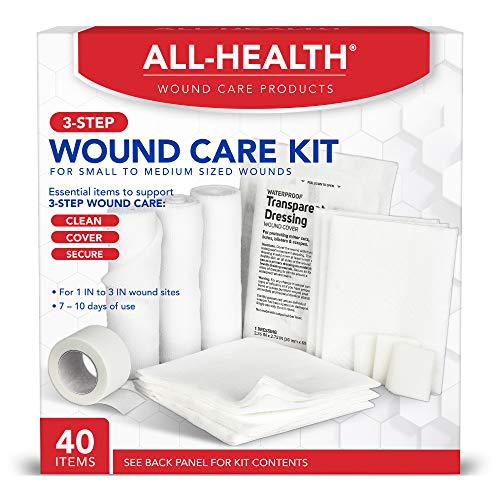
All-Purpose Wound Care Kit for Home, Travel & Work | Complete first aid set ideal for treating minor injuries at home, in the car, or on the job. Includes: 10 - Gauze pads (4 in x 4 in), 10 - Cleansing wipes (4.75 in x 7.75 in), 12 - Non-stick pads (3 in x 4 in), 4 - Transparent dressings (2.36 in x 2.75 in), 3 - Rolls of gauze (4 in x 2.5 yd), and 1 - Roll of paper tape (1 in x 10 yd).

【Complete Tattoo Kit】Dragonhawk poke beginner tattoo kit includes the original poke pen, professional needles, tattoo design images, covers, and essential supplies
Online Tattoo Courses: Cheaper, But Do They Work?
Although online tattoo courses promise a budget-friendly entry point, you’ll need to weigh what you’re actually getting against what the tattoo industry requires. These programs typically cost around $597, or $59 monthly, which seems affordable compared to traditional paths. However, you won’t get structured practice in a real shop environment.
You miss supervised needle time and real client workflow. You must supply your own discipline for consistent drawing and design work. Completion doesn’t guarantee shop readiness or legal licensing. You still need an apprentice position for proper training and practice opportunities.
If you’re an aspiring tattoo artist, evaluate whether the course offers coaching, portfolio review, and a clear path to supervised practice. Videos alone won’t make you become a tattoo artist without real mentorship.
Recommended Products

Beginner-Focused All-in-One Kit: Designed specifically for aspiring tattoo artists, this complete Wormhole tattoo kit includes everything you need to start learning and practicing tattoo artistry—no extra purchases required; It comes with a rotary tattoo gun, power supply, 20 cartridge needles, 20 color inks, practice skins, and essential accessories, making it the perfect entry-level package for anyone exploring tattooing

WIRELESS FREEDOM WITH DUAL POWER OPTIONS: Enjoy true cordless flexibility with two interchangeable 2000mAh batteries. Each battery delivers up to 7 hours of runtime, providing extended working sessions without frequent charging. When battery power runs low, simply switch to the included RCA adapter and continue working in wired mode. The built-in LED display keeps voltage and battery status visible at all times.

NEEBOL Tattoo Machine Kit with Complete Accessories:This tattoo machine kit includes 1 wireless tattoo gun, 2 x 1600mAh batteries, 20 needles, a large bottle off black ink, a full color ink set, and other essentials—ideal for beginners, apprentices, and professionals seeking a maquina para tatuar.
Certifications, Equipment, and Lost Income: The $2,000+ Nobody Mentions
Beyond course fees and shop placement, you’ll face a stack of less visible costs.
1. Certifications
- BBP certification runs $25, $50
- First-aid training costs $25, $50
- Hepatitis B vaccine: $60, $150 without insurance
2. Licensing
States charge tattoo license fees around $100, $200. You must pay these even when a shop hosts you.
3. Equipment
Beginner tattoo setups cost about $1,700. Digital art supplies add $313 more. Much time passes before you tattoo clients.
4. Lost Income
Unpaid apprenticeships mean you earn $0. Part-time work might bring $15,200, $25,200 yearly. Becoming a professional tattoo artist delays your paycheck. How much does a tattoo apprenticeship cost? You’ll sacrifice roughly $15,000 yearly in alternative wages. Pay for a Tattoo split models, like 50/50, start only after training ends. Certified tattoo status requires patience and savings.
Recommended Products

Realistic Needle Resistance: This tattoo practice skin mimics real skin with 1mm thick silicone, providing balanced needle resistance for practice in linework, shading, and depth control

【Complete Professional Tattoo Kit】 This all-in-one tattoo kit is designed for high-performance results. It includes our signature professional tattoo gun and all essential tattoo supplies, making it the perfect choice for both beginners and experienced artists.

What Every New Tattoo Artist Buys First: Equipment and Licensing
Before you touch your first machine, you’ll need to handle licensing and certifications. Tattoo artists typically pay $100–$200 for personal registration through state health departments, plus $25–$50 each for OSHA-approved BBP and first-aid courses. Some states require Hepatitis B vaccination, costing $60–$150 without insurance.
Your equipment investment starts around $1,700. Most tattoo shops supply basic machines, but you’ll need personal items for a professional environment.
- Digital setup: Used iPad ($300+), Procreate ($12.99), and art supplies ($313)
- Practice materials: Quality fake skins for building muscle memory
- Personal machine: Your own tattoo equipment for consistent feel
- Safety gear: Autoclave pouches, barriers, and disposable supplies
Ask your shop about yearly licensing renewals, which often run $800–$1,000. Some studios split costs with apprentices.