
You have an old tattoo you’re ready to fade or erase, and you’re wondering if laser removal will actually deliver results.
The short answer is yes, it can work, and age is often on your side.
Ink particles naturally shift closer to the surface over years, which means the laser can target them more precisely with fewer complications.
You’ll still need multiple sessions spaced weeks apart, but older tattoos typically fade faster than fresh ones.
What you do between appointments, and how you time your final goals, matters more than you might expect.
Why Laser Removal Works Faster on Older Tattoos
If you’re considering laser removal for a tattoo you’ve had for years, you’ll likely see faster results than someone with fresh ink. Older tattoos often fade naturally from sun exposure and skin aging, leaving less visible ink for the laser to target.
Why Age Works in Your Favor
As time passes, your ink particles break down and migrate closer to the surface. This positioning makes them easier to hit with targeted light. Your pigment absorbs the light energy more efficiently when it’s already partially cleared.
With ink nearer the surface, each session produces more noticeable lightening. You’ll need fewer multiple sessions compared to newer, deeper ink.
Technology That Helps
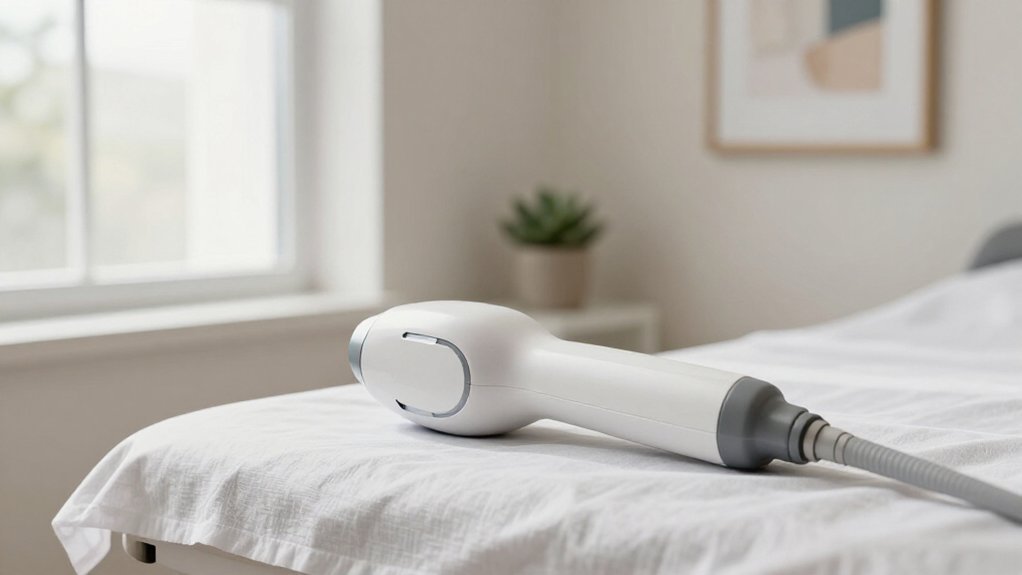
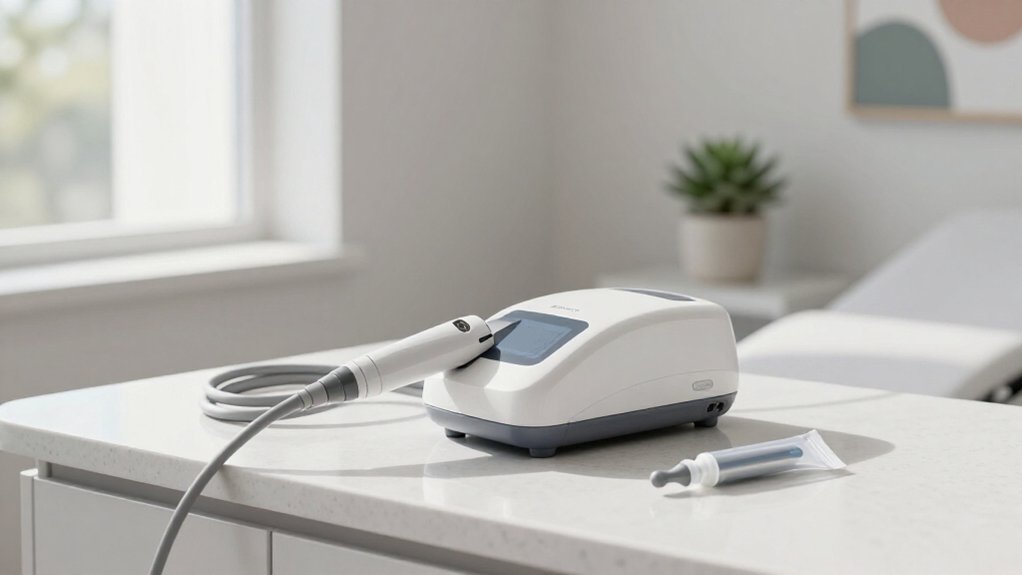
The Harmony XL PRO specifically treats older ink particles effectively. Your skin tone affects how well the laser treatment works, but the success of laser tattoo removal generally improves with age.
Recommended Products

GRADUALLY FADES OLD TATTOO: This tattoo remover spray penetrates the upper skin layer to help soften and lighten the appearance of existing tattoo pigments. With consistent daily use, dark inks become visibly less intense over time
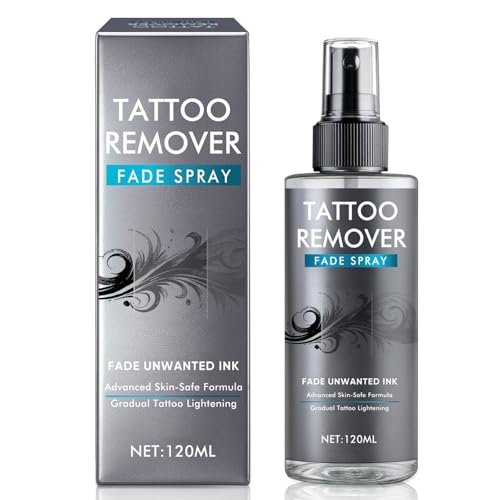
GENTLY FADES UNWANTED TATTOOS – Our tattoo removal spray helps visibly lighten tattoo ink over time with a non‑invasive, at‑home formula. No lasers, no harsh chemicals – just gradual, natural-looking results.

How Lasers Break Down Tattoo Ink That’s Naturally Faded
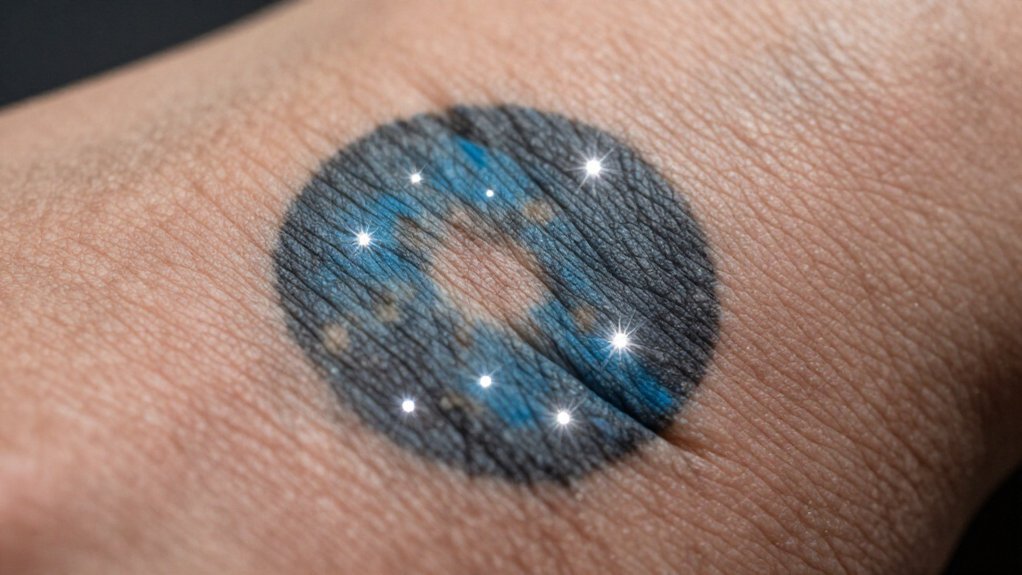
Three key steps explain why laser treatment accelerates what your body has already started.
1. Targeting Faded Ink
As your tattoo ages, some ink particles naturally migrate closer to the surface. Laser wavelengths exploit this positioning, delivering pulses of light that strike these weakened particles with precision.
2. Fragmenting the Pigment
Your laser removal device sends concentrated energy into the tattoo pigment. This shatters remaining ink into smaller particles, which your body’s immune system can now recognize and process more efficiently.
3. Accelerating Clearance
With old tattoos, you’re not starting from scratch. Your treatment plan builds on natural fading, so each session clears fragmented pigment faster than it would with dense, fresh ink. Advanced systems improve this targeting, helping you see visible progress sooner.
Recommended Products

✅The 532nm wavelength is most effective for use with red & warm tone colour including violet, orange, yellow and brown. 532nm probe is specially designed for removing freckle and color pigment.

1. Specialized Protection for Laser Tattoo Removal These laser safety glasses are engineered specifically for Laser tattoo removal, offering OD 5+ protection across 180–532nm and 900–1080nm. They function as dedicated Laser tattoo removal protective glasses, ensuring reliable eye safety during every tattoo-removal session.

1. Specialized Protection for Laser Tattoo Removal These laser safety glasses are engineered specifically for Laser tattoo removal, offering OD 5+ protection across 180–532nm and 900–1080nm. They function as dedicated Laser tattoo removal protective glasses, ensuring reliable eye safety during every tattoo-removal session.
What Happens After Each Session: Fading Timeline for Old Ink
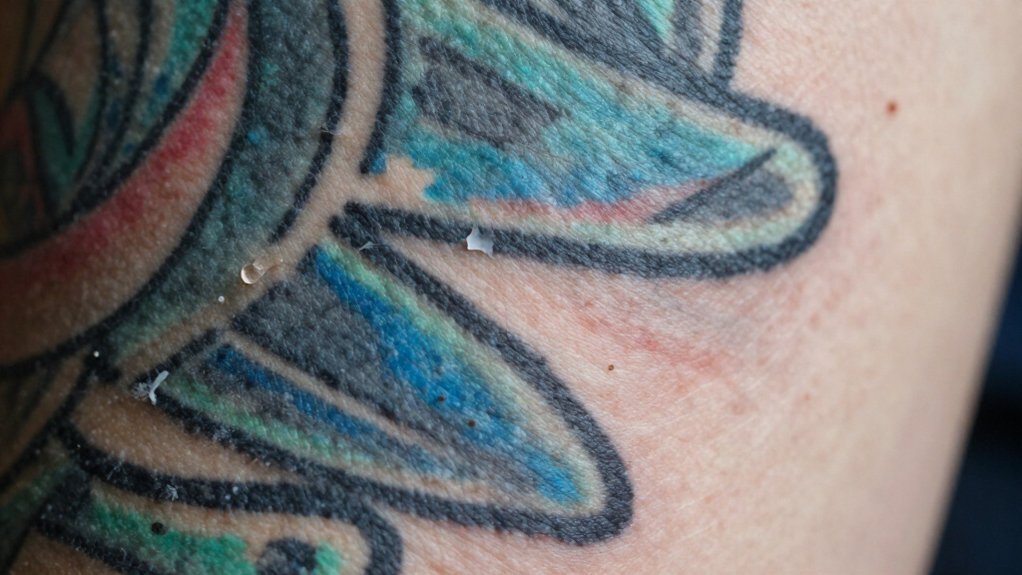
Understanding how lasers break down faded ink sets the stage for knowing what to expect once you leave the clinic. After your Laser session, your old tattoo won’t vanish immediately. Instead, your immune system removes the shattered pigment gradually over the following weeks.
1. The Fading Process
Tattoos respond differently based on ink density. Since your old tattoo has naturally faded, you’ll likely notice more significant fading after each visit than someone with fresh ink. The light energy broke the pigment into tiny fragments, and your lymphatic system now flushes them away.
2. Timing Your Treatments
You’ll schedule sessions 4–6 weeks apart. This gap allows skin healing and gives your body time to clear remnants. Most patients need roughly 6 sessions to achieve substantial clearance, meaning your complete Removal treatment spans 6–12 months. Patience matters. Tattoo Removal Works progressively, not overnight.
Recommended Products

Bulk 50-Pack for Efficiency and Convenience: Save time while ensuring your clients have all the pico laser post care information they need. Our 50-Pack ensures you have an ample supply of pico laser aftercare cards on hand, ready to provide personalized pico laser care for every client.

★ FAVORED BY PROFESSIONALS: Be original, make your own semi-permanent tattoos. Our laser water slide decal paper is used around the world by professionals and businesses.Print tattoos effortlessly using our skin safe temporary tattoo transfer paper and make great long lasting and waterproof temporary tattoos with zero skin irritation when following the simple instructions provided.

Compatible with all LASER printers.Please print image on gloss side.Safe material, but please do not apply to eyes and broken skin.
When to Schedule Your Cover-Up: Healing After Removal Ends
Once your final laser session is complete, you can’t rush straight to the tattoo chair. Your treated area needs proper healing before you book your cover-up tattoo.
Why You Must Wait
Laser tattoo removal sessions are typically spaced 4 to 6 weeks apart, and your skin follows this rhythm even after the last treatment. You’ll notice blistering, scabbing, and flaky skin during aftercare. These signs mean your body is still clearing fragmented ink. You must let this process finish completely.
Check for Residual Pigment
Even when healing looks finished, residual pigment can linger beneath the surface. Older tattoos often fade well, but faint outlines may remain.
Confirm with your provider that your skin has stabilized. Then, plan your cover-up design to blend any remaining shadowing. Patience now prevents problems later.
Recommended Products

COMPLETE AFTERCARE KIT FOR NEW & EXISTING TATTOOS: This Tattoo Aftercare Kit brings together 3 essentials, Antimicrobial Soap, Tattoo Balm, and Tattoo Lotion, to help cleanse, protect, and moisturize fresh ink. Useful after tattoo sessions and throughout healing, it supports vibrant color and skin comfort for dedicated ink enthusiasts and artists

Protect Your Body Art: Moisturizing with the bonus of itch relief! Tattoo Goo's Tattoo Care Lotion soothes healing skin & keeps healed ink looking sharp for life. With olive oil & glycerin, it delivers deep, breathable hydration that won’t clog pores

Nourishes Healing Ink for Vibrant Color: Tattoo Goo supports healing tattoos & maintains vibrancy on healed ink with a lightweight formula rich in olive oil, lavender oil, cocoa butter, and beeswax. It absorbs quickly, moisturizes deeply, and helps reduce dryness, itch and tightness so your tattoo looks and feels comfortable through everyday routines