
You walk out of the studio with fresh ink and a protective wrap, but you’re already wondering how long it actually stays on. Most artists say two to six hours, yet your skin type, tattoo size, and placement all shift that number. Get this wrong, and you risk trapping bacteria or drying out your new piece. The real question isn’t just when to remove it—it’s what happens next.
Key Takeaways
- Remove initial plastic wrap within two to six hours to prevent bacterial growth.
- Medical bandages provide breathable protection during early healing hours.
- Artists determine wrap duration based on skin type, tattoo size, and placement.
- Some artists recommend rewrapping for the first two nights to protect while sleeping.
- After night two, discontinue wrapping unless your specific artist advises otherwise.
Recommended Products

WHAT IS PAMIOU TATTOO AFTERCARE FILM? - The second skin tattoo cover is design of three-layer: Composed of PU film, PE protective layer and the release paper. It can be used to lock the tattoo ink, protect your tattooed skin.

WHAT IS PAMIOU TATTOO AFTERCARE FILM? - The second skin tattoo cover is design of three-layer: Composed of PU film, PE protective layer and the release paper. It can be used to lock the tattoo ink, protect tattooed skin.
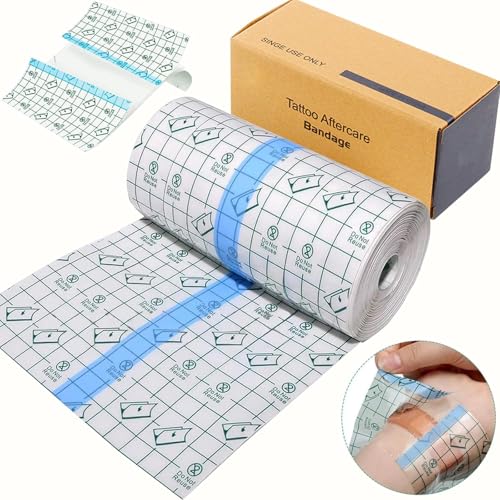
✅【Safety Material & Health】- The waterproof tattoo tape is made of great PU film, safe acrylic glue and PE protective layer. This tattoo aftercare bandage has three layers, It is highly breathable, latex-free, Soft and stretchable, Sticky and not easy to fall off, which makes it fit perfectly anywhere you want and perfectly show your tattoo.
Plastic Wrap or Medical Bandage: Know Your Timeline
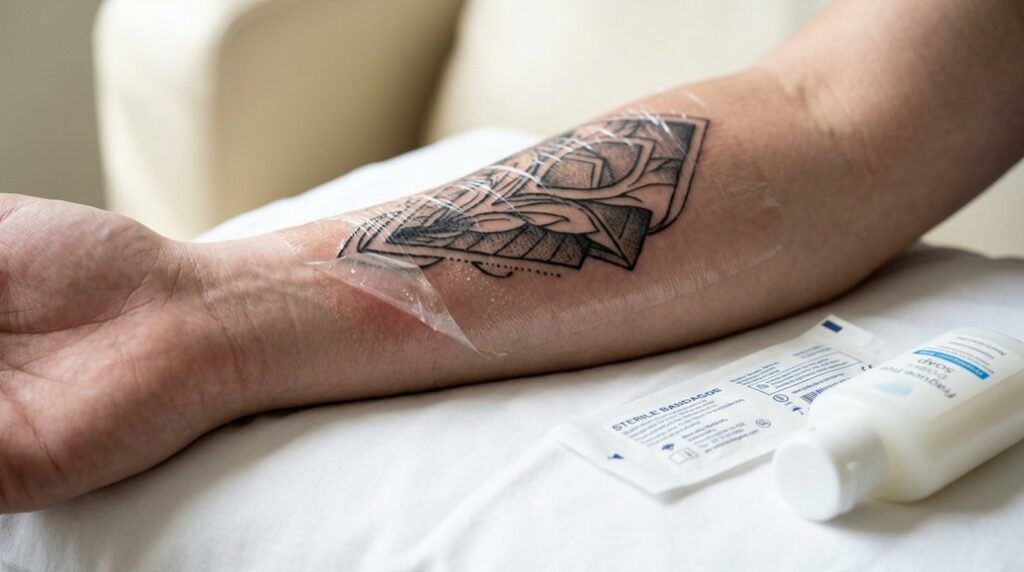
How long you’ll keep your tattoo wrapped depends entirely on what type of covering your artist applied. Plastic wrap creates a temporary barrier that traps moisture and prevents airborne contaminants from reaching your fresh ink. Your artist will likely tell you to remove this covering within a few hours—typically two to six hours maximum—since plastic doesn’t breathe and creates a breeding ground for bacteria if left too long.
Medical bandages work differently. These breathable coverings, often made from sterile, non-stick materials, create a protective environment that allows your skin to begin healing while filtering out external irritants. You’ll notice these bandages feel more secure and less constricting than plastic alternatives. Many artists now prefer these medical-grade options because they reduce friction against clothing and minimize the risk of infection during those critical first hours after your session ends.
Recommended Products

THE ORIGINAL TATTOO AFTERCARE BANDAGE – Saniderm’s Original Gloss Bandage is the tried-and-true, industry-defining tattoo aftercare bandage. Dermatologist-recommended and trusted by expert tattoo artists worldwide, this medical-grade bandage ensures your tattoo heals quickly, safely, and more vibrantly. With over a decade of experience and millions of tattoos healed, it’s the perfect way to heal your ink.

Breathable & Comfortable: Transparent film dressings are highly breathable, allowing the skin to breathe freely and helping to promote natural wound healing. High ductility, can be used for flexible connectors. Pre-cut transparent design, easy to use, easy to observe the wound site or equipment conditions.

SUPERIOR PROTECTION & HEALING - Our transparent film dressing (4" x 4.7" after paper rim removal) acts as a reliable barrier against dirt, bacteria, and water. Creates a clean, breathable environment to support faster recovery for wounds, abrasions, IV sites, and post-surgical areas.
How Long Should You Keep a Tattoo Wrapped?
When exactly should you unwrap your fresh ink? You’ll typically keep your tattoo wrapped for two to six hours after leaving the studio. Your artist sets this timeframe based on your skin type, tattoo size, and placement.
Don’t rush this step. The wrap protects your open wound from bacteria, dirt, and friction during the initial healing phase. You’ll want to remove it before the plasma and excess ink create a breeding ground for germs.
Once you hit the recommended mark, wash your hands thoroughly, then gently peel away the wrap. Clean the area immediately with fragrance-free soap and lukewarm water. Pat dry with a clean paper towel.
Some artists suggest rewrapping for the first night, especially if you’ll sleep on fresh sheets. Others prefer leaving it bare to breathe. Follow your artist’s specific instructions—they know your piece best.
Recommended Products

PAIN-: Experience the comfort and ease of our non stick pads for wounds, designed by MED PRIDE for pain- removal and switching. Ideal for individuals dealing with wounds, these wound pads minimize discomfort during dressing changes, promoting faster healing and recovery.

COMFORTABLE: Experience a new level of comfort with our wound pad, designed specifically for painless removal and switching. These non-stick pads for wounds are a blessing for those with sensitive skin or painful wounds, making dressing changes less distressing and more comfortable.
Warning Signs: When to Remove the Wrap Early
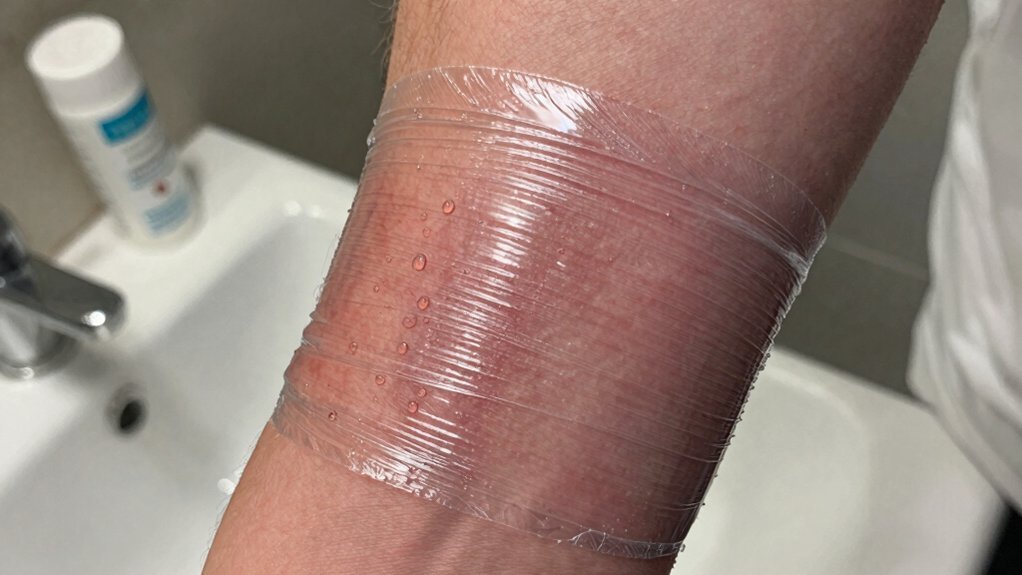
Why risk infection by waiting? You need to remove the wrap early if you notice warning signs. Watch for excessive fluid pooling under the bandage—this creates a breeding ground for bacteria. If you see green or yellow discharge, don’t hesitate. Remove the wrap immediately. Foul odors signal trouble too. You shouldn’t ignore increasing redness, warmth, or swelling that spreads beyond the tattooed area. These symptoms indicate potential infection developing under the wrap. Severe pain that intensifies rather than subsides demands immediate action. If the adhesive causes a rash or burning sensation, your skin’s reacting poorly—take the wrap off. You know your body best. Trust your instincts when something feels wrong. Prompt removal prevents complications from worsening.
Recommended Products

COMPLETE AFTERCARE KIT FOR NEW & EXISTING TATTOOS: This Tattoo Aftercare Kit brings together 3 essentials, Antimicrobial Soap, Tattoo Balm, and Tattoo Lotion, to help cleanse, protect, and moisturize fresh ink. Useful after tattoo sessions and throughout healing, it supports vibrant color and skin comfort for dedicated ink enthusiasts and artists

CLEAN INGREDIENTS FOR NEW TATTOOS - Our Soothing Gel skips the skin-suffocators and instead focuses on lightweight botanical oils like Sweet Almond and Argan which are naturally rich in fatty acids antioxidants to help nourish and offset environmental stressors that can further aggravate your ink.

Transparent Matte Film Protection - This breathable tattoo bandage is a must-have in your tattoo supplies, offering latex-free protection that supports gentle healing for new ink.
How to Remove Your Tattoo Bandage Safely
Once you’ve decided it’s time to take the wrap off, you’ll want to do it right. Wash your hands thoroughly with antibacterial soap before touching anything. Find a clean space where you won’t contaminate your fresh tattoo.
Start by peeling the bandage slowly from one corner. Pull it back gently, keeping it close to your skin rather than yanking upward. If the wrap sticks to dried plasma or ink, don’t force it. Wet the stuck area with lukewarm water to loosen the adhesive. Continue peeling carefully until you’ve removed the entire covering.
Discard the used bandage immediately. Don’t reuse it or set it on surfaces you’ll touch later. Your tattoo is now exposed and vulnerable, so move quickly to your next step: cleaning the area properly.
Recommended Products

Package contents: you will get 100 pieces of transparent stretch adhesive bandages, a total of 4 sizes, different sizes saving your trimming step, easy to use, enough to meet your needs

Package contents: you will get 100 pieces of transparent stretch adhesive bandages, a total of 4 sizes, different sizes saving your trimming step, easy to use, enough to meet your needs

✡Various Purpose - Care for all types of wounds; Waterproof cover; Fixed dressing; Tattoo aftercare. It can help lock in the color, protect your tattooed skin, and reduce scabbing when you wash or moisturize your tattoo, quickly form a protective film then accelerate your recovery.
Fresh Tattoo Care: Your First 24 Hours Unwrapped
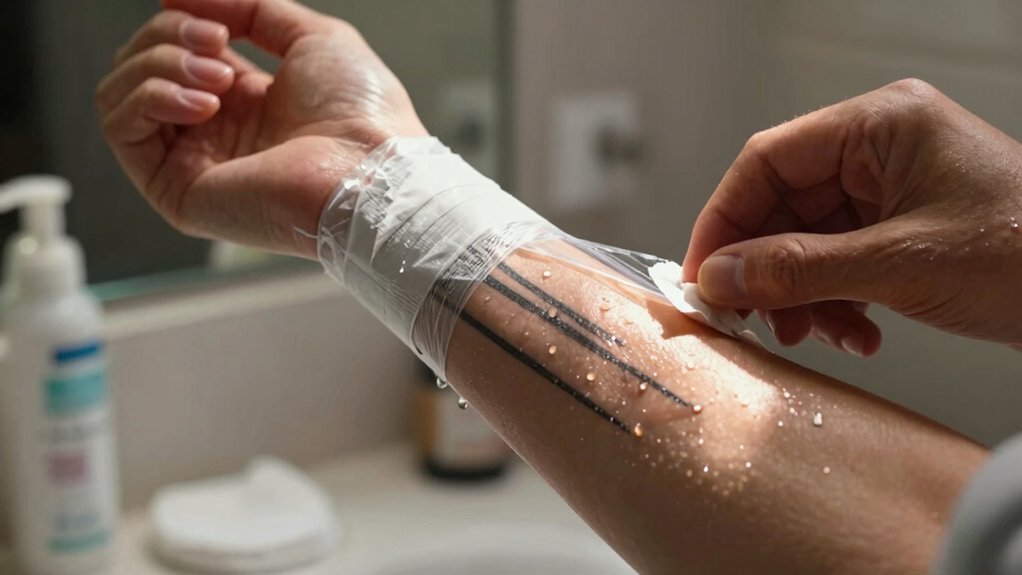
So you’ve finally unwrapped your fresh ink—now what? Wash your hands thoroughly before touching anything. Gently cleanse the tattooed area with fragrance-free, antibacterial soap and lukewarm water. Pat it dry with a clean paper towel—don’t rub. Your skin needs to breathe, so keep it exposed to air whenever possible.
Apply a thin layer of unscented moisturizer or tattoo-specific aftercare product. Your artist will recommend their preferred option. Repeat this washing and moisturizing routine two to three times daily. Avoid tight clothing that’ll stick to or rub against your tattoo. Don’t soak the area in baths, pools, or hot tubs. Skip direct sunlight and resist the urge to scratch or pick at any scabbing. You’re setting the foundation for proper healing right now.
Recommended Products
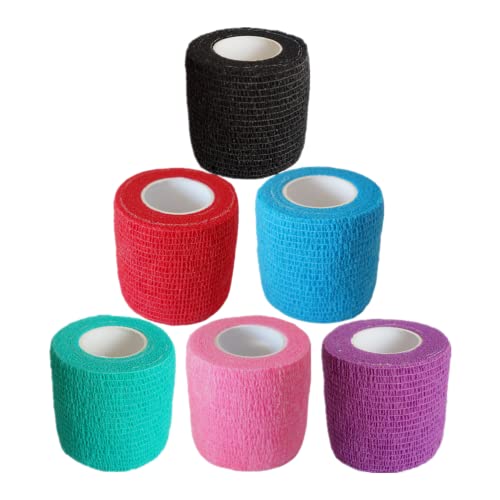
Package Include: 6 roll self adhesive bandage wraps with 6 colors, black, blue, pink, purple, red, green.

🎁WHAT’S INCLUDED - 3 Rolls, 3 Sizes – (2"x2yd, 4"x2yd, 6"x2yd) for any tattoo size, from delicate linework to full sleeves. Cut freely for custom shapes! Total 19.6ft – Ample length to cover multiple sessions or large pieces. Ideal for artists stocking aftercare kits.
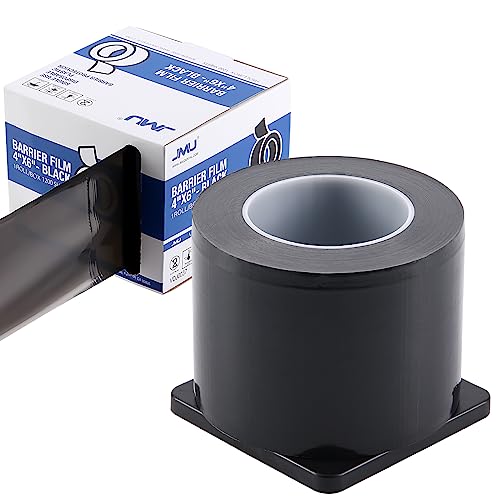
Self-adhesive Backing: Barrier film is featured with self-adhesive backing. JMU barrier film can stick firmly on surfaces of instruments or equipment to provide a protection barrier without residue left
Can You Sleep With a New Tattoo Unwrapped?
Your tattoo needs air to heal, but nighttime presents a different challenge. You toss, turn, and rub against sheets while asleep, so sleeping unwrapped risks snagging scabs, transferring bacteria, and ruining linework. You should keep a fresh tattoo wrapped for the first several nights. Wrap it with your artist’s recommended bandage or breathable medical covering before bed. This protects against friction, pet dander, and lint infiltration. You’ll prevent scabs from prematurely tearing off and causing patchy ink.
Remove the wrap immediately upon waking, wash gently with fragrance-free soap, and let the tattoo breathe throughout the day. After three to five nights, once plasma and excess ink stop weeping, you can sleep unwrapped. Place clean, light sheets over your bedding during this period. You heal better when you balance daytime airing with nighttime protection.
Recommended Products

Self Adhesive Bandage Wrap:Onida 8-pack self adhesive cohesive bandage is designed for ultimate convenience.Each roll 4 inch wide and 5 yards long after stretching. It sticks only to itself, not to your skin, hair, or clothing – no more painful removal or adhesive mess. Can be torn with a hand. Take with you anywhere use.

THE ORIGINAL TATTOO AFTERCARE BANDAGE – Saniderm’s Original Gloss Bandage is the tried-and-true, industry-defining tattoo aftercare bandage. Dermatologist-recommended and trusted by expert tattoo artists worldwide, this medical-grade bandage ensures your tattoo heals quickly, safely, and more vibrantly. With over a decade of experience and millions of tattoos healed, it’s the perfect way to heal your ink.

Dimora Transparent Film Dressing is composed of a layer of adhesive transparent polyurethane film and release paper, latex free. Hypoallergenic adhesive minimizes the risk of an allergic response. Film provides gentle and secure fixation. Pre-cut design for easier application
Can You Shower With a Wrapped Tattoo?
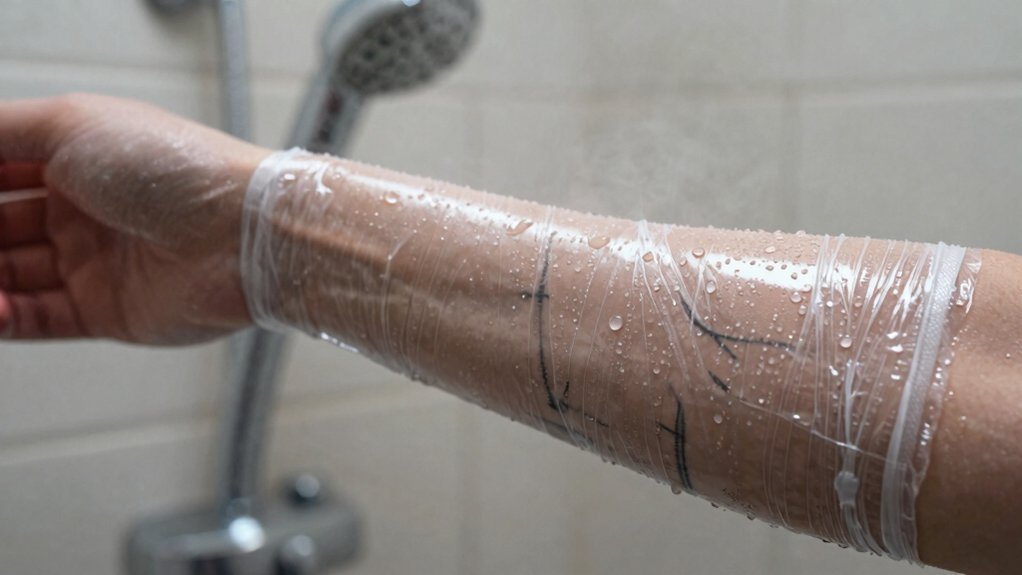
How quickly can you rinse off when your tattoo’s still wrapped? You can shower with a wrapped tattoo, but you’ll need to act fast. Keep your wrapping completely dry by using waterproof coverings or tightly sealed plastic wrap as a temporary barrier.
You shouldn’t soak the area. Water weakens adhesive bandages and soaks through standard wraps within minutes. When water seeps underneath, you’ve created a bacterial breeding ground against fresh skin.
Remove any compromised wrapping immediately after showering. You’ll gently pat—not rub—the tattoo dry with a clean paper towel. Let it air out briefly before applying fresh protection or leaving it exposed if you’re past the initial wrapping period.
Hot water’s your enemy here. You’ll turn the temperature down and skip direct spray on the tattoo. Quick, lukewarm showers protect your ink while keeping you clean.
Recommended Products

What You Get - The tattoo aftercare bandage totall 4.4 yard (6" x 4.4 Yard), you will get tattoo aftercare bandage, the size is 6" x 4.4 Yard. You will the tattoo supplies is best combination of with guaranteed quality. According to the size of the tattoo area, the shape can be freely cut, and it is suitable for all kinds of large-area new tattoos

THE ORIGINAL TATTOO AFTERCARE BANDAGE – Saniderm’s Original Gloss Bandage is the tried-and-true, industry-defining tattoo aftercare bandage. Dermatologist-recommended and trusted by expert tattoo artists worldwide, this medical-grade bandage ensures your tattoo heals quickly, safely, and more vibrantly. With over a decade of experience and millions of tattoos healed, it’s the perfect way to heal your ink.

ASSORTED BANDAGES: Our 100 piece adhesive bandages variety pack helps protect cuts, scrapes, and minor wounds while making healing less stressful; bandages come in 10 assorted styles
Should You Re-Wrap Your Tattoo at Night?
Once you’ve made it through the day keeping your wrapped tattoo dry, nighttime presents a different challenge. You’ll sleep differently than you move while awake, and you’re not monitoring your tattoo. Many artists recommend re-wrapping for the first two nights to protect against sticking to sheets, accidental scratching, and pet hair. You’ll apply a thin layer of aftercare ointment, then use fresh cling wrap or breathable medical bandaging. Don’t re-wrap too tightly; you need some airflow. Remove the wrapping immediately upon waking, wash gently, and let your tattoo breathe throughout the day. After night two, you’ve likely passed the critical leaking phase. Stop wrapping completely unless your artist specifically advises otherwise for your placement or skin type. Trust the healing process and keep your bedding clean.
Recommended Products

100 Pack Professional Tattoo Aftercare Cards Includes 100 high-quality tattoo aftercare cards in a 2 x 3.5 inch business card size. Perfect for tattoo artists, studios, and piercers to give clients clear post-tattoo care instructions.

50 TOTAL CARDS printed premium cards front and back on a 2 x 3.5” inches card. 14 pt. matte card stock thickness!

Nourishes Healing Ink for Vibrant Color: Tattoo Goo supports healing tattoos & maintains vibrancy on healed ink with a lightweight formula rich in olive oil, lavender oil, cocoa butter, and beeswax. It absorbs quickly, moisturizes deeply, and helps reduce dryness, itch and tightness so your tattoo looks and feels comfortable through everyday routines
Infection Warning Signs: When to Call Your Artist
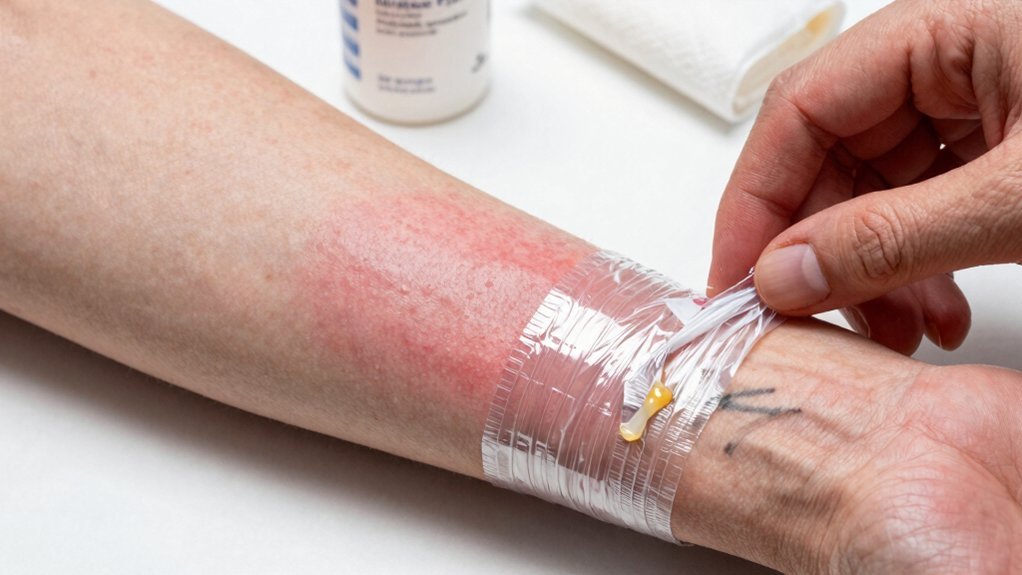
Where exactly should you draw the line between normal healing and a potential infection?
You’ll notice normal healing involves mild redness, slight swelling, and clear plasma or ink leakage. However, you must act fast when symptoms escalate. Call your artist immediately if you spot spreading redness, dark red streaks, foul odor, or pus—especially green or yellow. Fever, chills, or worsening pain after day three signal trouble too.
Your artist knows your tattoo’s details and can assess whether you’ve crossed into infection territory. They’ll direct you toward medical care if needed. Don’t wait, don’t self-diagnose, and don’t hide symptoms hoping they’ll pass. You chose a professional for the art; trust their judgment now. Quick communication protects your health and your tattoo’s long-term appearance.
Recommended Products

Widely Used: Our tattoo film has grid lines on the backing paper, which can be cut into different sizes according to requirements. The size of the film is 6 inches x 8 yards, including 3 layers, namely PET backing, PU film and release paper. Soft and stretchable, which makes it fit perfectly anywhere in the body

✡Various Purpose - Care for all types of wounds; Waterproof cover; Fixed dressing; Tattoo aftercare. It can help lock in the color, protect your tattooed skin, and reduce scabbing when you wash or moisturize your tattoo, quickly form a protective film then accelerate your recovery.
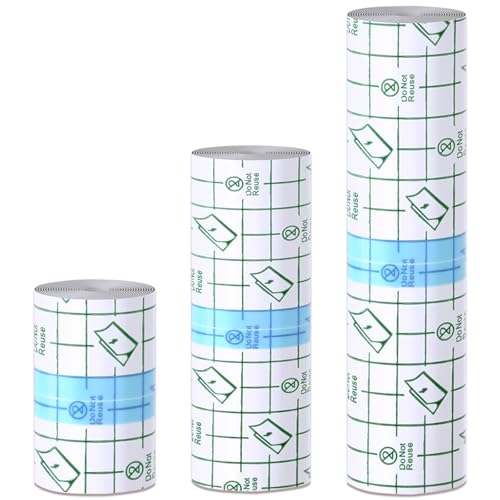
Triple-Size Value Pack for Every Tattoo Style - Get 3 full rolls of premium second skin tattoo cover (2" x 2.2 Yd, 4" x 2.2 Yd, 6" x 2.2 Yd) - sized for wrist art, back pieces, or sleeve designs. The tattoo aftercare bandage can be cut freely to match any ink!
Tattoo Healing: What Comes After the Wrap
Why rush the next phase when your fresh ink deserves patience? Once you remove the wrap, you’ll wash your tattoo gently with unscented soap and pat it dry. You’ll apply a thin layer of recommended ointment, switching to unscented lotion after a few days. You’ll keep your tattoo clean, moisturized, and protected from direct sunlight.
You’ll notice scabbing and peeling—don’t pick at it. You’ll let flakes fall naturally. You’ll wear loose clothing to avoid irritation. You’ll skip swimming pools, hot tubs, and soaking until healing completes, typically two to four weeks.
You’ll watch for proper healing signs: duller ink surface, settled redness, and closed skin. You’ll realize aftercare extends beyond the wrap. You’ll commit to these steps, ensuring your tattoo heals vibrantly and permanently.
Conclusion
You will keep your new tattoo wrapped for two to six hours initially, depending on your artist’s advice and your skin’s needs. You will remove it sooner if you notice irritation, excess fluid, or heat buildup. You will shift to unwrapped care within a day, cleansing gently and moisturizing regularly. You will re-wrap at night only if your artist recommends it. You will watch for infection signs and contact your artist with concerns. You will follow these steps for smooth healing.