
You’re looking at roughly $500 to $2,500 for a half sleeve in 2024, but that span leaves plenty of room for surprises. What pushes your bill toward the higher end isn’t just the artist’s reputation—it’s where you live, how intricate your design is, and whether you’re paying hourly or flat rate. Before you commit to anything, you’ll want to know exactly what that quote covers.
Key Takeaways
- Half sleeves typically cost $500 to $2,500 depending on complexity and artist experience.
- Hourly rates range from $150-$300, with simpler designs taking 8-15 hours.
- Geographic location significantly impacts pricing, with major cities charging premium rates.
- Complex designs like portraits or geometric patterns require more sessions and higher costs.
- Budget for hidden expenses: 15-20% tipping, aftercare supplies, and potential touch-up fees.
Recommended Products

Note: the picture shows all the sizes; Please refer to the size and quantity information in this part; You will receive 2 pairs of tattoo cover sleeves in classic colors, the classic colors are easy for you to use and replace in daily life, also you can share with your family members, the tattoo cover sleeves are approx. 17 x 9.2 cm/ 6.7 x 3.6inches, suitable for most men and women

NO SLIP GRIPPER -- No Tags -- No Chafe Seams -- Our flat lock seam is so comfortable you might even forget your wearing one of our tattoo cover ups.
What You’ll Actually Pay: Half Sleeve Price Ranges in 2024
So how much will you actually shell out? You’ll typically spend between $500 and $2,500 for a half sleeve in 2024. That range isn’t arbitrary—you’re paying for time, expertise, and complexity.
A simpler black-and-gray design might clock in at 8-15 hours, while intricate color work could demand 25+ hours.
Most reputable artists charge $150-$300 hourly, though apprentices or less experienced artists might dip to $80-$120.
You’re also covering supplies: quality ink, needles, and equipment aren’t cheap.
Don’t forget tipping—20% remains standard.
Budget-conscious? You’ll find flash designs or simpler styles on the lower end.
Want something custom and detailed? You’ll push toward that upper limit.
Either way, you’re investing in permanent art on your skin.
Recommended Products

Skin Friendly Material: these sun protection arm sleeves are made of fabric, featuring breathable and lightweight, no pilling or fade, and these fingerless arm sleeves with high elasticity will bring you a nice experience; Note: please read the pictures carefully for detailed size information

★【68 Sheets Large Variety Black Temporary Tattoos For Men Women Adults】--Contain More Than 500 Exquisite Designs COKTAK Brand Waterproof Animal Temporary Tattoos For Adults Kids Boys Girls Teens Fashion Hot Popular Designs Tattoo Stickers in One Package.【Size】:12 Sheets Fake Temporary Tattoos For Women 8.2"x4.5" 21x11.5CM and 56 Sheets 4.1"x2.3" 10.5x6CM Tiny Small Temporary Tattoos For Kids Halloween Makeup Kit Face Fake Tattoos For Women Jewels Jewelry.

💗【69 Sheets SHELYEXIEN Brand Watercolor Rose Florals Temporary Tattoos For Women Adults】 Fake Sleeve Tattoos For Women Girls Including 3D Gothic Tatoos Universe Planets Star Moon Spider Web Cross Birds Scorpion Bat Ghost Elephant Flower Floral Pirate Compass Anchor Butterfly Skull Skeleton Maori Totem Animals Wolf Tiger Lion Dragon Eagle Owl Bear Crown Mountain Sea Wave Snake Tree infinity Letter Words Quotes Abstract ECG Feather Gangster Minimalism Coyote Feather Astronaut Whale Lotus Dreamcatcher.
Why Half Sleeve Prices Vary by City and State
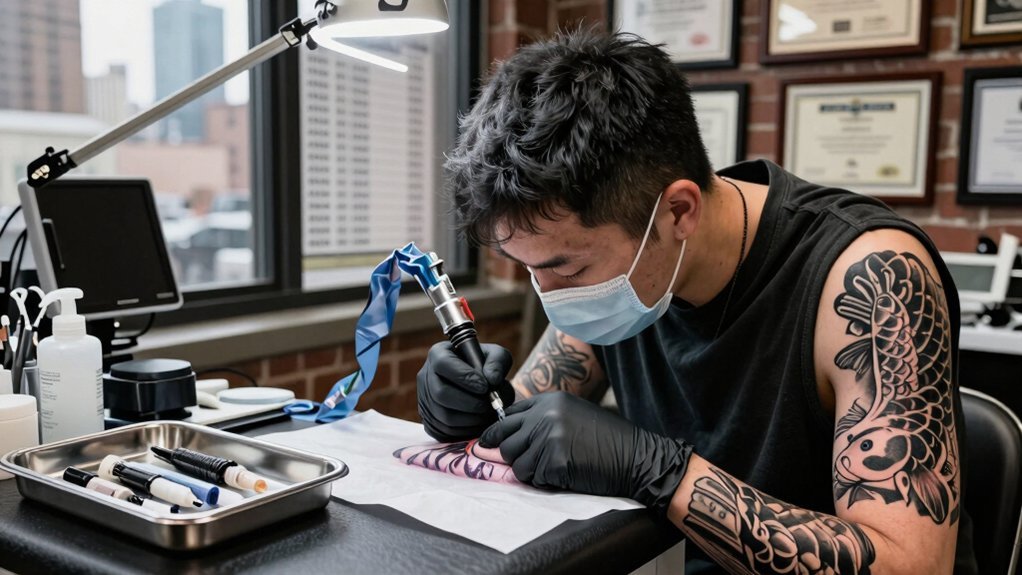
Sticker shock hits differently depending on where you live—that $1,500 half sleeve in Portland might run you $2,200 in Manhattan. You pay for location as much as artistry.
Big cities drain your wallet faster. Rent, utilities, and competition push artists in New York, Los Angeles, and San Francisco to charge premium rates. You’re funding their overhead with every hour in the chair.
State regulations hit your budget too. Some states require costly licensing, continuing education, or strict health inspections. Artists pass those costs directly to you.
Supply and demand shapes what you shell out as well. Tattoo deserts with few reputable shops let artists name their price. Hot markets with saturated talent give you more bargaining power.
Research shops before you book; you’ll spot fair pricing faster.
Recommended Products

Material and Size: crafted from fabric, these tattoo sleeves a skin-friendly experience for all users; Designed for men, the arm sleeve tattoo fits snugly at 18.11 inches/46 cm, plus size is suitable for those with wide arms, while one size is for regular arms, comfortable fit that feels natural on your skin

Much Quantity:19 sheets temporary sleeve tattoo for men women adults body art stickers .Much quantity half sleeve temporary tattoos are enough for you share it with your family and friends

✔[LARGE SIZE & TOTEM TRIBAL] Large Size Half Arm Totem Tribal Tattoo Stickers Can Cover Your Body Parts Large. 10 Sheets 8.19*3.74 Inch (20.8*9.5cm) Large Half Sleeves Tribal Hawaii Polynesian Temporary Tattoos For Adults Men Tatto Kit. You Can Share It With Your Family And Friends.
How Complex Designs Raise Your Half Sleeve Cost
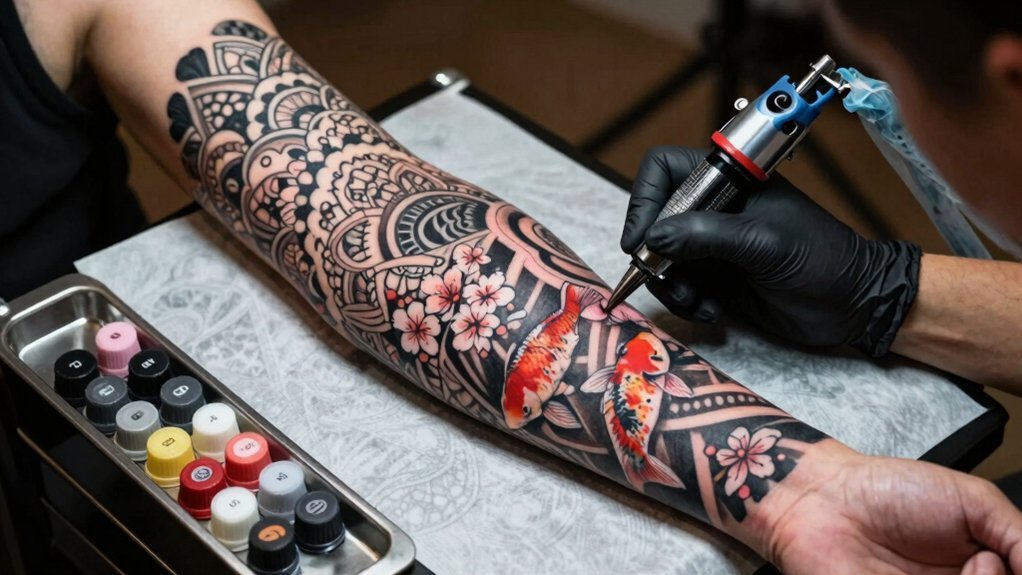
Why does one half sleeve cost twice what another does?
Complexity drives your price up fast.
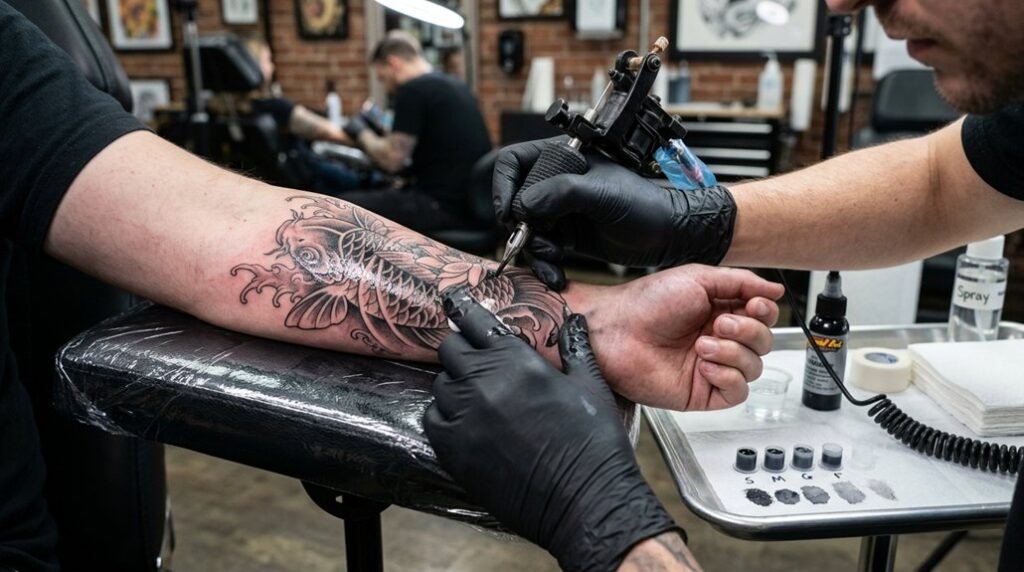
When you choose intricate geometric patterns, realistic portraits, or dense Japanese traditional work, you’re paying for far more than ink—you’re buying hours of meticulous labor.
Your artist spends additional time on detailed linework, smooth shading gradients, and color saturation that demands multiple passes.
You’ll need more sessions too. A simple tribal band wraps up in one sitting, but your elaborate design stretches across three or four appointments.
Each hour adds to your total.
You also consume more supplies. Complex pieces drain additional needles, ink caps, and stencil materials.
Your artist factors these costs into your quote.
Before committing, you’ll want to discuss design complexity directly.
Simplifying elements or reducing size cuts your expense without sacrificing impact.
Recommended Products

TATTOO AFTERCARE ESSENTIAL: Hustle Butter is the original tattoo aftercare balm for new and older tattoos. With over 10 years in the market, we are a pioneer of the tattoo aftercare category.

COMPLETE AFTERCARE KIT FOR NEW & EXISTING TATTOOS: This Tattoo Aftercare Kit brings together 3 essentials, Antimicrobial Soap, Tattoo Balm, and Tattoo Lotion, to help cleanse, protect, and moisturize fresh ink. Useful after tattoo sessions and throughout healing, it supports vibrant color and skin comfort for dedicated ink enthusiasts and artists

Nourishes Healing Ink for Vibrant Color: Tattoo Goo supports healing tattoos & maintains vibrancy on healed ink with a lightweight formula rich in olive oil, lavender oil, cocoa butter, and beeswax. It absorbs quickly, moisturizes deeply, and helps reduce dryness, itch and tightness so your tattoo looks and feels comfortable through everyday routines
Hourly vs. Flat Rate: Half Sleeve Pricing Models Explained
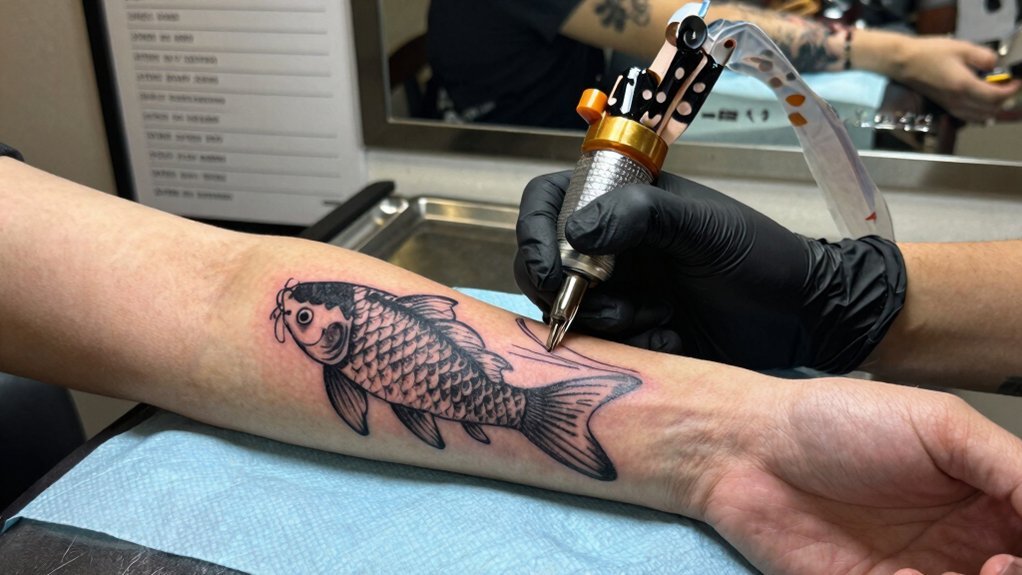
Complexity shapes your design, but pricing structure determines how you’ll pay for it. You’ll encounter two main pricing models when booking your half sleeve.
Artists who charge hourly typically quote rates between $150 and $300 per hour. You’ll pay more if your tattoo requires extra time, which benefits straightforward work but surprises you with intricate pieces. You won’t know your final cost until completion.
Flat-rate artists assess your design beforehand and name one price. You’ll lock in your budget immediately, regardless of hours spent. This rewards efficient, experienced artists and protects you from marathon sessions. However, you’ll pay the same even if work finishes quickly.
You’ll choose hourly when trusting the process, or flat-rate when prioritizing budget certainty. Ask your artist which model they prefer—many won’t negotiate.
Recommended Products

【Complete Tattoo Practice Kit for Beginners】 Designed for beginner tattoo learners, hobbyists, and aspiring tattoo artists. This all-in-one kit includes essential supplies for skill development: practice skin, precision tattoo needles, transfer paper, transfer gel, tattoo ink, cleaning supplies, and storage accessories. Tattoo pen is not included.

【Complete All-in-One Kit】-A comprehensive, out-of-the-box solution including 1 wireless tattoo pen, 20pcs sterilized cartridge needles, premium inks, green soap, transfer gel, skull ink cups, and grip tape. Perfect for beginners and apprentices

Complete Starter Tattoo Kit: Includes an aluminum alloy rotary tattoo pen, power supply, foot pedal, RCA cord, 20 cartridge needles, 8 bottles of 30ml ink, 2 transfer papers, practice skin, 40 ink caps, grip cover, gloves
How Many Sessions Your Half Sleeve Will Take
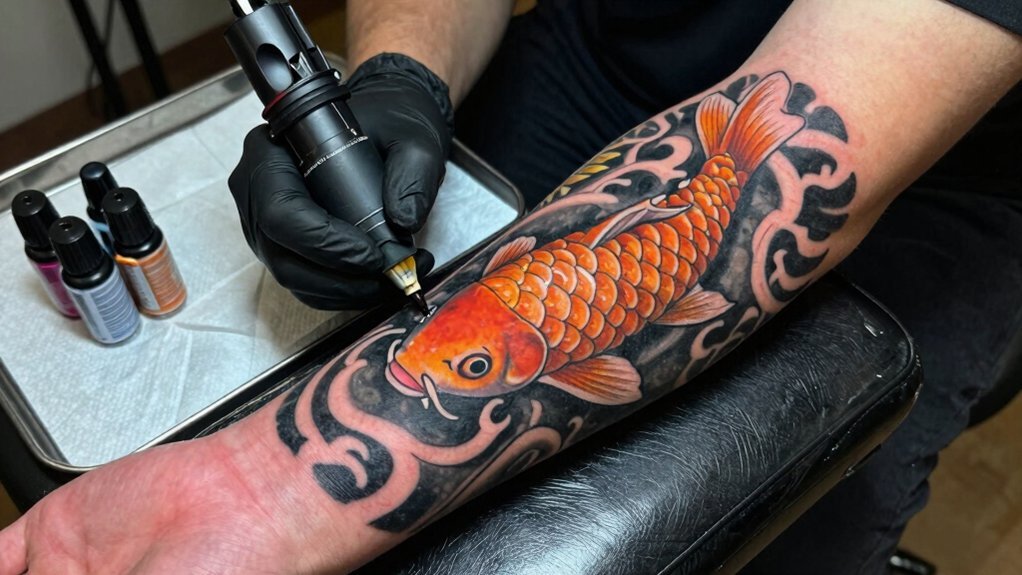
How quickly your half sleeve finishes depends on more than just the design itself. Your pain tolerance, skin type, and healing speed all factor into your session count. Most artists schedule sessions spaced four to six weeks apart, letting you heal fully between sittings.
You’ll likely need three to five sessions for a detailed half sleeve. Simple designs with bold lines and minimal shading take fewer visits. Intricate pieces with color blending, fine details, or full backgrounds demand more time. Your artist estimates based on their pace and your specific piece.
Longer sessions reduce total visits but cost more per sitting. Shorter sessions spread the financial load but extend your timeline by months. Discuss scheduling upfront so you balance your budget, pain threshold, and desired completion date realistically.
Recommended Products

【Package and Size】 10 styles of large black flower temporary tattoos for adult women girls, a total of 10 sheets, unique and sexy for body art, to meet most occasions. Each sheet size: 7.5 * 3.5inch.
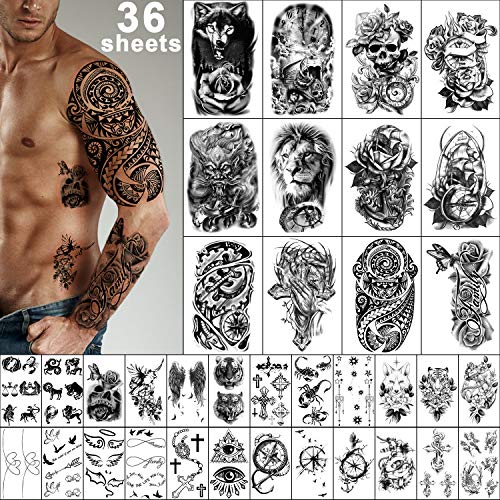
[Large Size & Large Quantity Temporary Tattoos] Large size half arm tattoo stickers can cover your body parts larger, size is 9.45 * 6.69 inch (24 * 17cm) 12 sheets, 4.1 * 2.4 inch (10.5 * 6cm) 24 sheets .You can share these temp tattoos for adults with your family and friends. Suitable for parties, school, holidays, nightclubs, beaches, weddings, music festivals, costumes, Halloween and daily life. Mixed and match a great combination of tattoos such as 3D Half Sleeve Temporary Tattoos, Halloween Scary Lion Wolf Tiger Skull Skeleton Tattoos taht your friends will think it is real tattoos!

SAFE HALLOWEEN TATTOO SLEEVES. Contains 6 sheets military full sleeve temporary tattoos which are printed with high quality tattoo ink and paper meeting rigid safety and NON-TOXIC materials requirements. Do not apply to sensitive skin, near eyes, or if you are allergic to adhesives.
Hidden Half Sleeve Costs: Tipping, Aftercare, and Touch-Ups
What else should you budget for beyond the hourly rate? You’ll need to factor in tipping your artist, typically 15–20% per session. That adds up fast across multiple appointments.
Aftercare supplies drain your wallet too—unscented soap, fragrance-free moisturizer, and specialized tattoo balms aren’t free. You’ll replace bandages and avoid sun exposure, which might mean buying new clothing or sunscreen.
Touch-ups represent another surprise expense. Most artists include one free session, but you’ll pay full price for additional work caused by poor healing or sun damage. Color tattoos often need refreshing within five years. Black and grey hold longer, yet still fade. You chose this permanent art, so maintaining it demands ongoing investment beyond that initial quote.
Recommended Products

Amazing 3D Tattoos You Won't Believe!: Yazhiji 3D temporary tattoos are popular for their realistic and eye-catching appearance. Immerse yourself in lifelike designs that add an extraordinary touch to your personal style.

Uv Protection and Sun Proof: the arm sleeves protect your skin from harmful sun radiation, UV protection and sun proof; These tattoo sleeves designed with ice silk fabric, ensuring your skin stays cool in hot weather
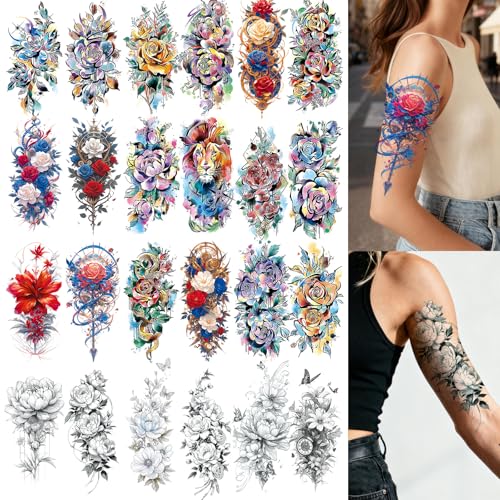
Much Quantity:24 sheets watercolor 3D flowers sleeve temporary tattoo for women adults body art stickers .Much quantity half sleeve temporary tattoos are enough for you share it with your family and friends
What to Ask About Pricing and Timelines
Where exactly do you start when you’re staring down a half sleeve investment? Ask your artist if they charge hourly or flat-rate. Hourly rates reward quick, efficient work, but flat fees lock in your total cost regardless of sessions. You need to clarify what’s included—does that quote cover stencil revisions, or will you pay extra for design changes?
Next, demand a realistic timeline. How many sessions will this actually take? A half sleeve rarely finishes in one sitting. Ask what happens if you need a break, reschedule, or your skin doesn’t hold ink well. You’re investing thousands; you deserve straight answers about deposit policies, cancellation fees, and whether touch-ups cost extra. Don’t nod along—write everything down.
Recommended Products

Easy to use: Simple 30-second application process using water - perfect for parties, events, or trying out different tattoo styles before permanent commitment

SOFT AND STRECHABLE: The tattoo arm sleeves made of 92% nylon and 8% spandex soft fabric material, stretchable to fit your arm. Help to protect your arm from the strong direct sunlight.
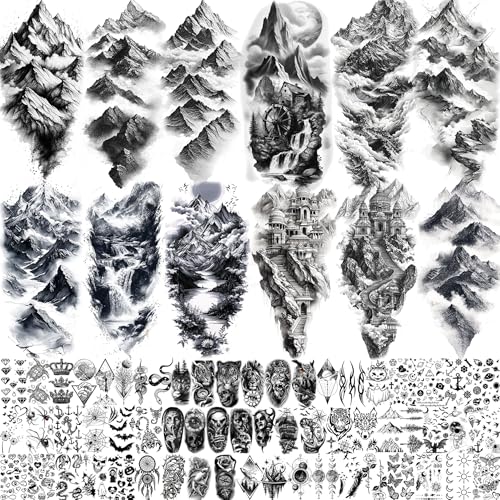
【72 SHEETS Black Mountain Temporary Tattoos For Men Women Adults】Package Includes 12 Sheets Realistic Waterproof Tribal Half Sleeve Temporary Tattoos For Adults and 60 Sheets Cute Tiny Small Temporary Tattoos For Kids Boys Girls Teens 3D Gothic Tatoos Universe Planets Star Moon Spider Web Cross Birds Scorpion Bat Ghost Elephant Flower Floral Pirate Compass Anchor Butterfly Skull Skeleton Maori Totem Wolf Tiger Lion Dragon Eagle Owl Bear Crown Mountain Sea Wave Snake Tree infinity Letter Words Quotes Abstract ECG Feather.
Warning Signs of Sketchy Pricing
Why get burned by a bad deal when you can spot the red flags early? You’ll want to run from any artist who won’t discuss pricing upfront or demands full payment before starting. Watch out for quotes that seem too good to be true—they usually are. If someone’s offering a half sleeve for $200, they’re cutting corners on equipment, training, or hygiene. You should also question artists who pressure you into booking immediately or refuse to show healed work from past clients.
Vague hourly rates that shift mid-project signal trouble ahead. Skip anyone who won’t put your agreement in writing. Trust your gut when communication feels rushed or dismissive. Quality tattooing costs what it costs, and you deserve transparency before committing your skin and money.
Recommended Products
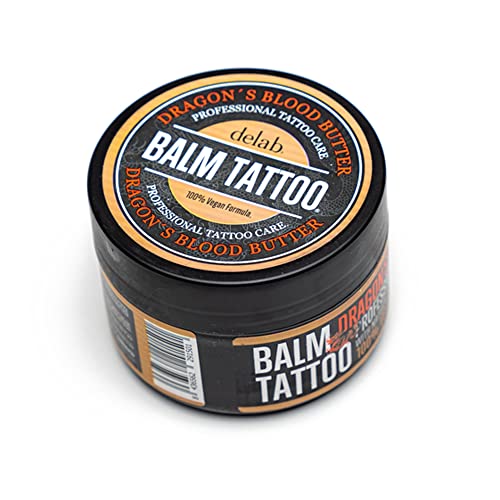
100% NATURAL INGREDIENTS Carefully selected ingredients contained in Balm Tattoo Dragons Blood Butter provide a rich mix of vitamins and minerals necessary to keep your client's skin in perfect shape. This smooth lotion has zero harsh ingredients, parabens, or mineral oils. After application, balm leaves a refreshing papaya and coconut fragrance.

Upgraded Design, Easy to Use --- Tattoo aftercare balm comes in a tube,this container allows you to glide on the butter easily,Rolls on smoothly and evenly on your skin,No more mess or residue on your finger,convenient to use

STICK APPLICATION, ZERO MESS: Twist up the tattoo balm stick, swipe directly over the tattoo, and blend as needed. No jar to open, no fingers scooping product, and no need to carry a separate applicator. The solid stick format is easy to keep in a bag, bathroom cabinet or travel kit, making care simple at home or on the go. It gives you controlled application exactly where you want moisture, with less mess than traditional balm jars. Great for quick touch-ups whenever tattooed skin feels like it needs extra care, at home, after work or while traveling.
Finding the Right Artist for Your Budget and Style
How do you balance your wallet with your vision without settling for less than you deserve? You start by researching artists whose portfolios match your aesthetic. You don’t chase the cheapest option; you chase the best value. You browse Instagram, visit studios, and ask questions during consultations. You compare hourly rates against skill level and experience. You save up if your dream artist charges more than you’ve budgeted. You negotiate payment plans or break the project into sessions. You trust your gut when something feels off. You prioritize hygiene, professionalism, and artistic integrity over convenience. You remember that this art stays with you forever. You invest wisely now so you won’t pay for cover-ups later.
Recommended Products

COMPLETE BEGINNER TATTOO KIT Everything needed to start practicing tattoo art in one package. Includes tattoo pen machine, cartridge needles, tattoo inks, practice skin, transfer paper, gloves, grip tape, ink cups and charging cable.

【Complete Tattoo Kit】Dragonhawk poke beginner tattoo kit includes the original poke pen, professional needles, tattoo design images, covers, and essential supplies

【All-in-One Tattoo Kit for Beginners & Artists】 This comprehensive tattoo pen kit includes everything you need to start tattooing right out of the box: 1 ergonomic rotary tattoo pen, 1 wireless power supply, 20pcs tattoo cartridge needles, 7 vibrant tattoo inks, practice skin, transfer paper, grip tape, gloves, ink caps, and all essential accessories. No extra purchases required, perfect for both new learners and professional artists.
Conclusion
You’ll invest $500–$2,500 for your half sleeve, depending on complexity, location, and artist skill. Budget for 8–25+ hours across multiple sessions, plus tips, aftercare, and potential touch-ups. Research artists thoroughly, ask detailed pricing questions, and avoid deals that seem too good. Prioritize quality over savings—this permanent artwork deserves careful planning and the right professional for your vision and budget.