
You’ve just left the shop with fresh ink, and now you’re watching your skin shift daily. The redness, the shine, the unexpected peeling—each stage looks different than you might expect, and not every change means something’s wrong. But telling normal healing from trouble isn’t always obvious. You’ll need to know what comes next, and why some signs deserve a closer look.
Key Takeaways
- Fresh tattoos appear vivid and crisp, covered in a thin film of plasma, blood, and excess ink.
- First 48–72 hours bring redness, swelling, warmth, and shiny fluid oozing from damaged capillaries.
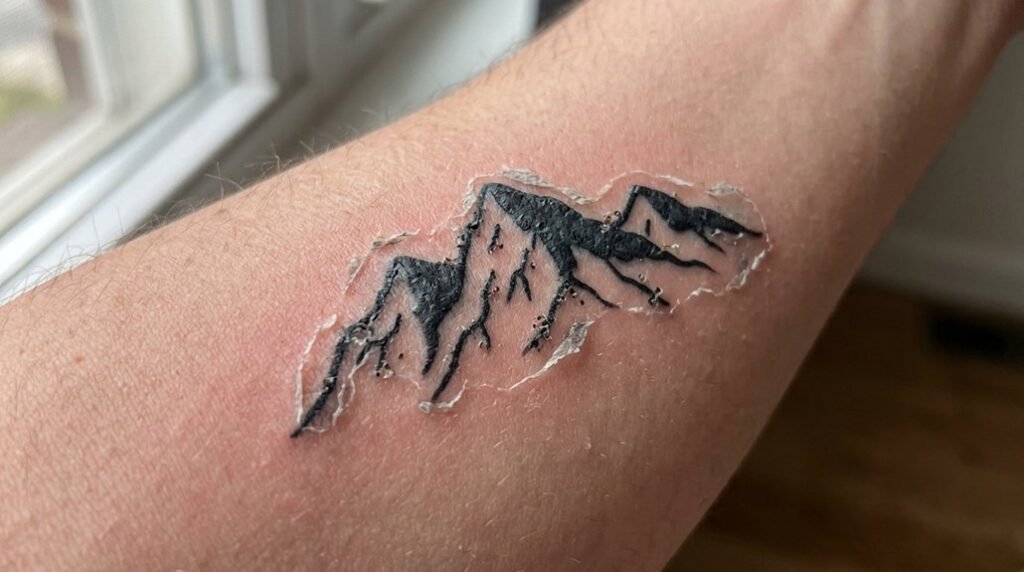
- Days 3–7 feature thin, translucent peeling similar to sunburn, with color looking temporarily duller.
- Normal scabs are dry and slightly raised, cracking and flaking away naturally within one to two weeks.
- Fully healed tattoos show crisp lines, settled colors, and no remaining itching, peeling, or sensitivity.
Recommended Products

COMPLETE AFTERCARE KIT FOR NEW & EXISTING TATTOOS: This Tattoo Aftercare Kit brings together 3 essentials, Antimicrobial Soap, Tattoo Balm, and Tattoo Lotion, to help cleanse, protect, and moisturize fresh ink. Useful after tattoo sessions and throughout healing, it supports vibrant color and skin comfort for dedicated ink enthusiasts and artists
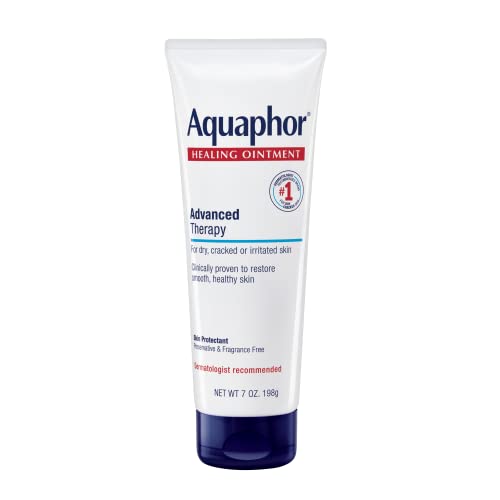
Net Weight and Dimensions: Each tube holds 7 oz. (198 g) of ointment, and measures approximately 19.9 x 5.7 x 5.2 cm; ideal for portability and easy storage

STICK APPLICATION, ZERO MESS: Twist up the tattoo balm stick, swipe directly over the tattoo, and blend as needed. No jar to open, no fingers scooping product, and no need to carry a separate applicator. The solid stick format is easy to keep in a bag, bathroom cabinet or travel kit, making care simple at home or on the go. It gives you controlled application exactly where you want moisture, with less mess than traditional balm jars. Great for quick touch-ups whenever tattooed skin feels like it needs extra care, at home, after work or while traveling.
What Does a Healing Tattoo Look Like in the First 24 Hours?
How exactly does fresh ink settle into your skin? Your tattoo artist has just finished, and you’re seeing the truest version of your ink you’ll ever witness. The colors pop. The lines look crisp. You’re currently viewing the tattoo through a thin layer of plasma, blood, and excess ink that your artist has wiped away. Your skin feels tender, warm, and slightly raised.
Within hours, your body launches its defense. You notice a clear, sticky fluid oozing from the fresh wound—that’s lymph mixed with ink and plasma. Your artist wraps the area, trapping this moisture against your skin. You keep that covering on for the timeframe they’ve specified. When you finally unwrap it, you’ll see the design looks slightly duller, coated in a wet, shiny film. The surrounding skin shows redness extending outward.
Recommended Products

Upgraded Design, Easy to Use --- Tattoo aftercare balm comes in a tube,this container allows you to glide on the butter easily,Rolls on smoothly and evenly on your skin,No more mess or residue on your finger,convenient to use

Nourishes Healing Ink for Vibrant Color: Tattoo Goo supports healing tattoos & maintains vibrancy on healed ink with a lightweight formula rich in olive oil, lavender oil, cocoa butter, and beeswax. It absorbs quickly, moisturizes deeply, and helps reduce dryness, itch and tightness so your tattoo looks and feels comfortable through everyday routines
PROTECT & SOOTHE: Condition & protect your tattoos to keep ink looking bold & vibrant. Soothing, nourishing tattoo care softens fresh tattooed skin, calms redness & irritation, and promotes healing
Why Do Healing Tattoos Turn Red, Swollen, and Shiny?
The inflammatory cascade begins the moment your artist lifts the needle. Your immune system detects trauma and rushes white blood cells to the wound. Blood vessels dilate, creating the redness you notice. Fluid accumulates in surrounding tissues, causing swelling.
Your skin produces extra collagen and cells to seal the breach. Plasma oozes through damaged capillaries, forming that shiny, wet-looking surface. This exudate keeps the area moist while your body works.
You’re witnessing a normal healing response. The redness shows increased blood flow delivering nutrients. The swelling indicates your immune system fighting potential infection. The shine reflects serous fluid protecting raw tissue.
These signs typically peak within 48-72 hours. They confirm your body actively repairs the thousands of micro-punctures created during your session. Don’t panic—you’re healing exactly as designed.
Recommended Products

✡Various Purpose - Care for all types of wounds; Waterproof cover; Fixed dressing; Tattoo aftercare. It can help lock in the color, protect your tattooed skin, and reduce scabbing when you wash or moisturize your tattoo, quickly form a protective film then accelerate your recovery
Triple-Size Value Pack for Every Tattoo Style - Get 3 full rolls of premium second skin tattoo cover (2" x 2.2 Yd, 4" x 2.2 Yd, 6" x 2.2 Yd) - sized for wrist art, back pieces, or sleeve designs. The tattoo aftercare bandage can be cut freely to match any ink!

WHAT IS PAMIOU TATTOO AFTERCARE FILM? - The second skin tattoo cover is design of three-layer: Composed of PU film, PE protective layer and the release paper. It can be used to lock the tattoo ink, protect your tattooed skin.
What Does Peeling and Flaking Actually Look Like?
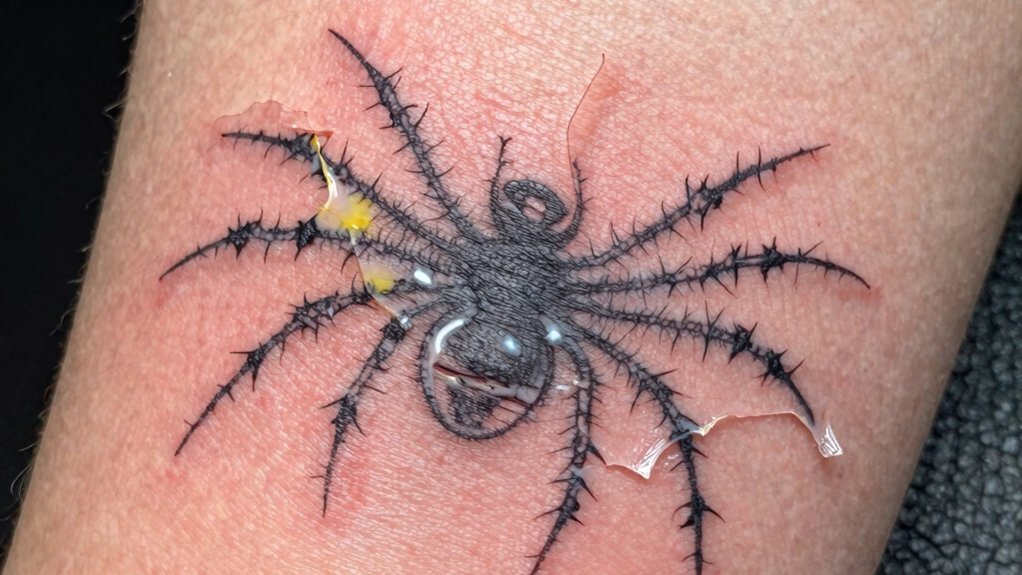
Why exactly does your tattoo suddenly start shedding like a snake three to five days after your session? Your skin’s pushing out damaged layers as it rebuilds itself. You’ll notice thin, translucent strips lifting from the surface—like sunburn peeling, but drier. These flakes carry traces of excess ink, so you’ll see color within them. Don’t panic; this doesn’t mean your tattoo’s disappearing.
You’re witnessing the upper epidermis sloughing off as fresh skin forms beneath. The peeling concentrates where the needle worked hardest—solid blacks and dense color patches flake most. Your tattoo shifts from vibrant to slightly dull during this phase. You’ll spot white or grayish film building up, then breaking away in tiny pieces. Touch it, and you’ll feel roughness, almost like tissue paper stuck to healing skin. Resist picking. Let nature complete this renewal.
Recommended Products

GENTLY CLEANSES NEW TATTOOS - Use Repair Tattoo Wash during the healing process to keep your fresh tattoo ink clean or as a perfect prep wash before and after tattooing.

GREAT FOR NEW TATTOOS - H2Ocean Blue Green Foam Soap cleanses skin on and around new tattoos and the addition of aloe vera aids the healing process.

TIP-TO-TOE CARE: Baby Dove Fragrance Free Moisture Hypoallergenic Baby Wash gently cleanses baby's hair and skin during bath time; suitable for sensitive skin and gentle enough for newborn care.
How to Relieve Itching Without Damaging Your Tattoo
Around day four, you’ll feel that maddening itch kick in—your nerves regenerating after the needle’s assault. Fight the urge to scratch. You’ve worked too hard, sat too long, and paid too much to ruin your fresh ink now.
Slap the itchy area instead. Your hand delivers relief without dragging skin cells loose. Apply a thin layer of fragrance-free moisturizer; the coolness quells the sensation fast. Some artists swear by ice packs wrapped in clean cloth—hold them near, not directly on, the tattoo.
Keep your skin hydrated, but don’t suffocate it. Drink water. Stay out of direct heat. Wear loose cotton that breathes and doesn’t rub.
The itch peaks around days five through eight, then fades. You’ll get through it. Patience preserves your art.
Recommended Products

Protect Your Body Art: Moisturizing with the bonus of itch relief! Tattoo Goo's Tattoo Care Lotion soothes healing skin & keeps healed ink looking sharp for life. With olive oil & glycerin, it delivers deep, breathable hydration that won’t clog pores

Enhances Tattoo Appearance: Helps improve the look of existing tattoos by supporting a clearer, bolder and more defined appearance with regular use.

Protect Your Body Art: Moisturizing with the bonus of itch relief! Tattoo Goo's Tattoo Care Lotion soothes healing skin & keeps healed ink looking sharp for life. With olive oil & glycerin, it delivers deep, breathable hydration that won’t clog pores
Scabbing vs. Infection: What Each Looks Like on a Healing Tattoo
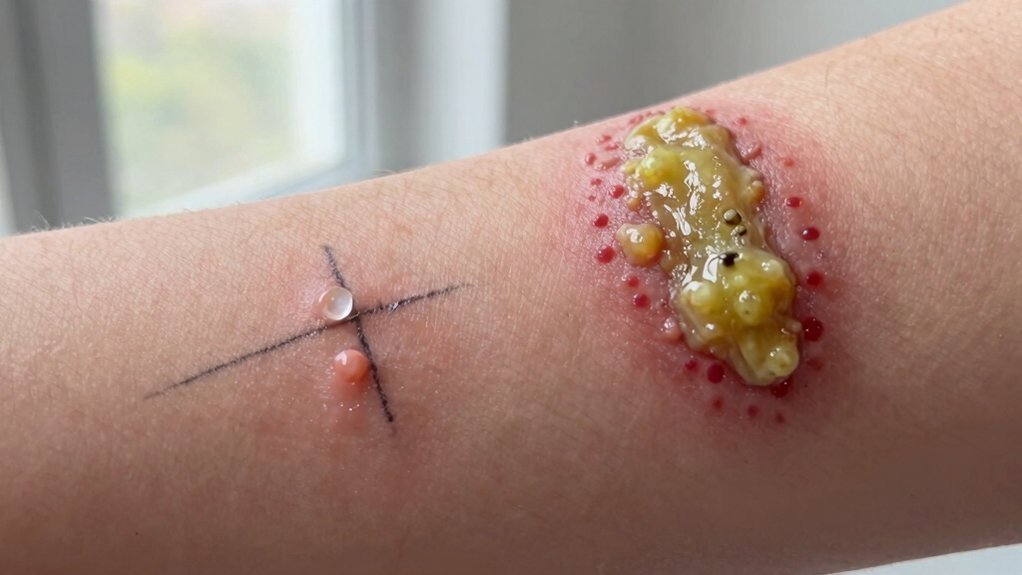
Fear gnaws at you when thick, crusty patches form over your fresh ink, but not every scab signals trouble.
Normal scabbing appears dry, slightly raised, and often darker than your tattoo beneath. You’ll notice these patches crack and flake away naturally within a week or two. The skin underneath looks vibrant and intact. You might spot tiny bits of ink within the scab—this comes from surface-level pigment, not deeper layers.
Infection presents differently. The area throbs with persistent heat, and redness spreads outward instead of staying localized. You’ll see yellow or green pus oozing from beneath scabs, accompanied by a foul odor. Fever, swollen lymph nodes, or streaking red lines demand immediate medical attention. Touch the area gently; infection feels unusually tender and produces fluid, while healthy scabs remain dry and firm.
Recommended Products

PROTECT & HEAL - H2Ocean Aquatat seals the skin in a moisturizing barrier to protect from irritants while still allowing the skin to breathe. Aquatat will also heal topical wounds on skin such as tattoos, rashes, cuts and scrapes while minimizing scabbing.
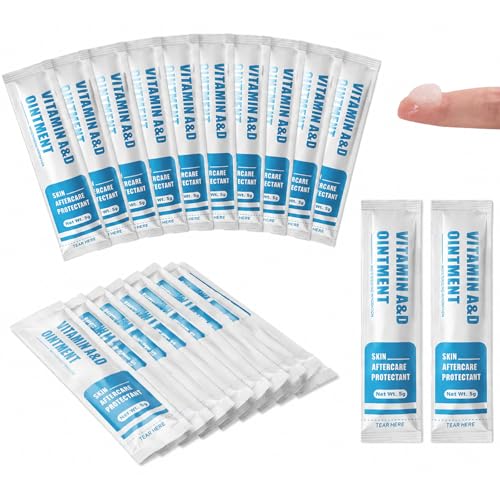
Honest, Accurate Care – This protective ointment comes in 50 hygienic single-serve packets for mess-free, on-the-go convenience. Easy to apply for tattoo protection anytime.

Nourishes Healing Ink for Vibrant Color: Tattoo Goo supports healing tattoos & maintains vibrancy on healed ink with a lightweight formula rich in olive oil, lavender oil, cocoa butter, and beeswax. It absorbs quickly, moisturizes deeply, and helps reduce dryness, itch and tightness so your tattoo looks and feels comfortable through everyday routines
Is Your Tattoo Healing Normally? Healthy Signs to Watch For
How can you tell if your fresh ink is on the right track? You’ll notice clear indicators when your tattoo heals properly. The area feels tender but not unbearable during the first few days. You’ll see plasma and ink forming a thin, shiny layer—this protects your wound.
Light scabbing appears, but it stays flat and doesn’t crack. The skin peels like a mild sunburn, revealing vibrant color beneath. You won’t spot spreading redness or foul odors. The itching drives you crazy, yet you resist scratching.
Your tattoo gradually settles into the skin, losing that swollen, “wrapped” look. The surface smooths out without bumps or hard spots. You maintain your artist’s aftercare routine, keeping it clean and moisturized. Trust these signs—you’re healing exactly as you should.
Recommended Products

☑Natural Safe Organic Ingredients: Tattoo Aftercare Butter is composed of Shea Butter, Jojoba, Macadamia Ternifolia Seed Oil and Vitamin E Complex. Our all-natural butter is also petroleum-free and paraben-free. After use, it can make the tattooed skin heal faster and moisturize the skin. Makes your skin smooth and the tattoo color bright.

Nourishes Healing Ink for Vibrant Color: Tattoo Goo supports healing tattoos & maintains vibrancy on healed ink with a lightweight formula rich in olive oil, lavender oil, cocoa butter, and beeswax. It absorbs quickly, moisturizes deeply, and helps reduce dryness, itch and tightness so your tattoo looks and feels comfortable through everyday routines

Tattoo Aftercare Balm Stick: our tattoo balm is now available in a balm stick. This tattoo balm stick delivers targeted care to keep your artwork looking and feeling fresh whenever you need it most. For use on all tattoos, just not fresh ones.
How Long Does Tattoo Healing Really Take?
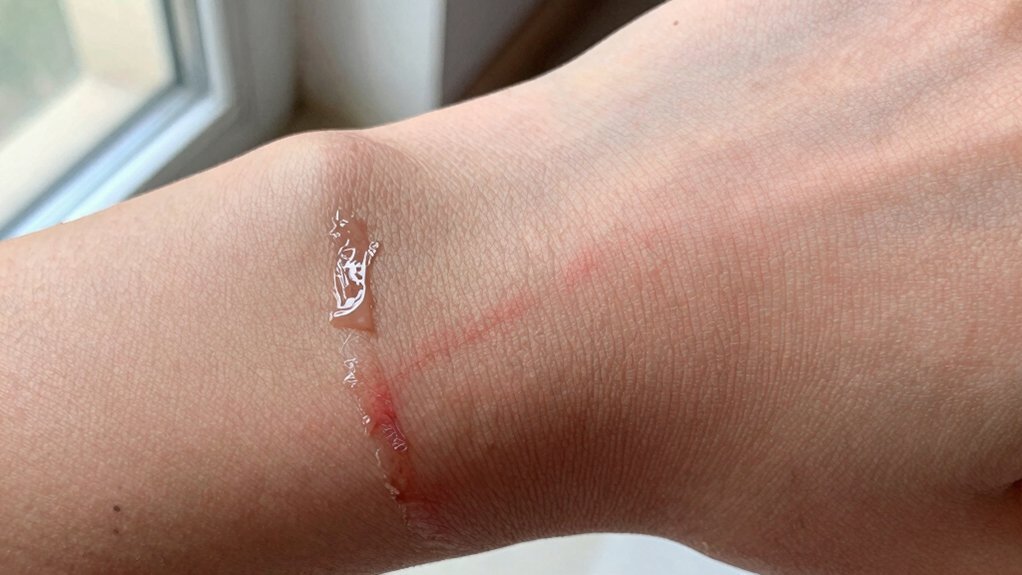
When exactly will your tattoo finish healing? You’ll see surface healing within two to four weeks, but complete healing takes longer. Your skin repairs the outer layer first, creating that familiar peeling and itching phase. Beneath, deeper layers keep rebuilding collagen and settling ink for three to six months.
Smaller tattoos heal faster than large pieces or color-packed designs. Your body’s location matters too—areas with thin skin or frequent movement, like wrists or ribs, need extra time. You’ll know you’re fully healed when the skin feels smooth, the shine fades, and colors settle into their final tone.
Don’t rush this process. You’ll extend healing by picking scabs, skipping moisturizer, or soaking the area too soon. Patience ensures your tattoo stays vibrant for years.
Recommended Products

After tattoo care:Helps safeguard new tattoos or retouched areas, supporting a cleaner, smoother healing process. It can help lock the color, protect your tattooed skin, reduce scab when you wash or moisturize your tattoo, quickly form a protective film, and then accelerate your recovery.

What You Get - The tattoo aftercare bandage totall 4.4 yard (6" x 4.4 Yard), you will get tattoo aftercare bandage, the size is 6" x 4.4 Yard. You will the tattoo supplies is best combination of with guaranteed quality. According to the size of the tattoo area, the shape can be freely cut, and it is suitable for all kinds of large-area new tattoos

You Will Receive: 30Pcs 6 x 8inch tattoo cover up bandage, The tattoo aftercare bandage has a 3-layer design, consisting of PET backing, medical PU film, and release paper, There are green grid lines behind the lining paper, Can be cut into suitable sizes according to requirements
Visual Warning Signs: When Healing Doesn’t Look Right
Most tattoos heal without issues, but you’ll want to catch problems early.
Watch for thick, yellow scabs that crack or bleed, or skin that turns increasingly red and hot after day three. You’ll notice warning signs if clear or yellow fluid oozes excessively, or if the area develops a foul smell. Gray or green discoloration spreading from the tattoo indicates infection requiring immediate medical attention.
You’ll spot rejection if ink appears to push out through raised, bumpy skin, or if the design blurs beyond normal settling. Don’t ignore persistent swelling that doesn’t decrease, or pain that intensifies rather than fades. Scratching introduces bacteria, so resist the urge.
Contact your artist or doctor promptly when you observe these visual red flags. Quick action prevents permanent damage and preserves your tattoo’s integrity. Trust your instincts—you know your body best.
Recommended Products

RICH LATHER, GENTLE FEEL: This unscented body wash is made with over 70% certified organic oils and a Baby Unscented castile formula that rinses clean, leaves skin feeling fresh, and fits daily family bathing, face washing, and hand care

16-fluid ounce bottle of Lubriderm Fragrance Free Daily Moisture Lotion + Pro-Ceramide, Shea Butter and Glycerin to help restore skin's moisture barrier for healthier-looking skin

Gentle Formula: Dial up your handwashing routine with this antibacterial hand soap that kills more than 99.99% of bacteria* and creates a luxurious lather. Dial foaming hand soap cleanses deep while being gentle on skin. *Encountered in household settings
Healed vs. Healing: Final Visual Differences
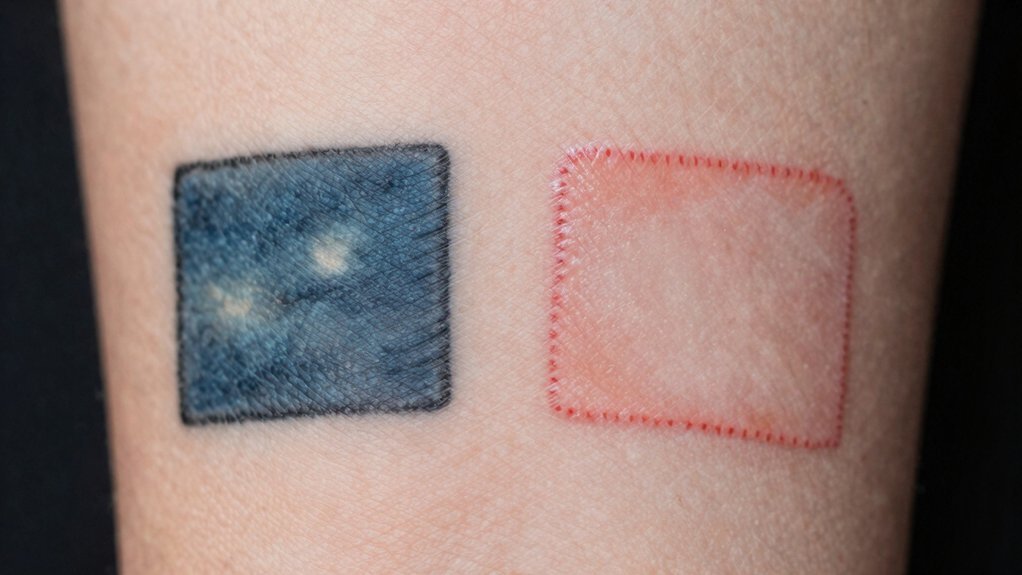
Noticeable differences emerge once your tattoo passes through its healing stages. You’ll spot the contrast immediately when comparing a fresh piece to a fully settled one. Your healing tattoo displays redness, mild swelling, and a slight sheen from ointment application. You’ll see flaky skin and a dull, cloudy film obscuring the design.
Your healed tattoo reveals crisp, vibrant lines with all details fully visible. The surface feels smooth, not rough or peeling. Colors pop with settled saturation instead of looking muted beneath scabs. You won’t feel tenderness when you touch it, and there’s zero shine from healing balms. The skin texture blends naturally with surrounding areas. You’ve reached completion when no peeling, itching, or redness remains—just pure, lasting artwork integrated seamlessly into your skin.
Recommended Products

TATTOO AFTERCARE LOTION: After Inked Tattoo Lotion brings hydration and nourishment to your tattooed skin. Formulated with grape seed oil, which helps maintain vibrant ink colors while pacifying the skin and promoting moisture retention.

ENHANCE & MAINTAIN YOUR INK - This ultra-nourishing balm instantly enhances ink vibrancy as it forms a protective barrier on skin to help moisturize and soothe skin.

FRAGRANCE FREE TATTOO AFTERCARE FOR SENSITIVE SKIN - The same #1 artist recommended Hustle Butter formula, now with no added fragrance, dyes, or parabens. The unscented tattoo lotion of choice for sensitive or easily irritated skin.
Conclusion
You’ll notice your tattoo transform from vivid and raised to settled and crisp over the coming weeks. Trust what you see: light peeling, brief dullness, and gentle itching are all part of the journey. Keep it clean, resist scratching, and watch for warning signs like thick scabs or spreading redness. When healing completes, you’re left with bold, lasting lines that tell your story.