
You might think a moth tattoo is just a darker cousin to the butterfly, but you’d be missing half the story. These creatures carry weight—transformation without the spotlight, beauty that risks everything for light. Before you commit ink to skin, you’ll want to understand what you’re actually claiming.
Key Takeaways
- Moth tattoos symbolize quiet, messy transformation and personal growth through darkness.
- They represent the duality of vulnerability and resilience, combining fragile beauty with stubborn persistence.
- Death’s-head moth designs confront mortality directly, embracing impermanence and rebellion against sanitized depictions of death.
- Luna moth tattoos signify renewal and ephemeral beauty, reflecting cycles of shedding and releasing old forms.
- Cultural meanings vary from Japanese yūrei spirits to Mexican Día de los Muertos spiritual communication with the departed.
Recommended Products

Clean, Flawless Transfers: Your artwork will look so clean once transferred to the skin with the Stencil Stuff gel! Gentle on the skin, Stencil Stuff transfer solution helps you achieve clear and sharp tattoo stencil transfers every time!

▶ Henna Tattoo Kit: 16 sheets tattoo stencils. airbrush tattoo stencils suitable for tattoo lovers. Experience the effects of tattooing without the pain of tattooing.

【 575+ Fun Assorted Tattoo Stencils 】-The ChurlChurl tattoo stencils collection includes 575 high quality stencils with multiple themes. enjoy cute trendy tattoo stencil designs like butterflies, words, flowers, symbols, totem, Egypt style patterns and more.
Moth vs. Butterfly Tattoos: How to Choose
How do you decide between two symbols of change when one shuns the dark while the other embraces it? Butterflies flaunt daytime brilliance, but moths claim what the night conceals. You’re choosing between sunlit optimism and moonlit mystery.
Ask yourself which resonates deeper. Do you value subtlety over spectacle? Moths navigate darkness without complaint; they don’t need validation from daylight. Their attraction to flame reveals vulnerability you’d rather acknowledge than hide.
Consider your aesthetic preference too. Moth wings display muted earth tones, intricate patterns, and haunting symmetry. They’re architecture, not decoration. Butterflies borrow showiness; moths earn your attention through detail.
Your tattoo should mirror your relationship with transformation. Did you bloom easily, or did you wrestle through shadow to emerge altered? Pick the insect that tells your truth without explanation.
Recommended Products

Here we have ghastly death moth blackwork temporary tattoo
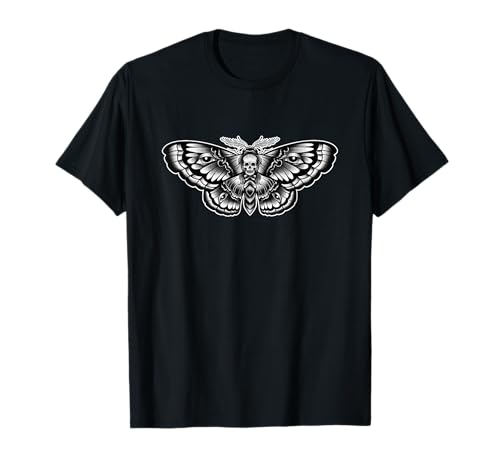
Death Head Moth graphic inspired by tattoo art, symbolizing transformation, opportunity, and awareness. Whether as a positive omen or a reminder to embrace life's fleeting moments, this design blends art with deep personal meaning.
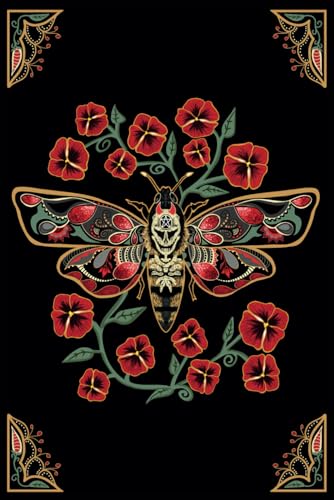
What Moth Tattoos Represent: Transformation and Personal Growth
Once you’ve chosen the moth over its sun-loving counterpart, you’re committing to a symbol that doesn’t flinch at the hard work of becoming.
You’re marking your skin with nature’s quiet alchemist—the creature that dissolves itself completely before rebuilding.
You recognize that transformation isn’t glamorous.
You don’t emerge pristine; you emerge *changed*. Your tattoo captures this messy, necessary unraveling.
You’ve lived through versions of yourself that didn’t survive, and you’re honoring that destruction as sacred.
You’re drawn to the moth’s nocturnal metamorphosis because you’ve done your growing in darkness too.
You’ve rebuilt without applause, without witnesses. This ink declares that your evolution happened anyway—stubborn, unobserved, real.
You carry proof that change demands surrender.
You’ve surrendered.
You’ve become.
Recommended Products

Realistic Finish: Different from you know ordinary temporary tattoo stickers or fake tattoos. It is so real and comparable to the real tattoo. It is a semi-permanent technology, Water-Resistant, friction-resistant, and can last for a long time, staying on your skin for 1-2 weeks.

Durable: The highest quality adhesive ink that last for 3-5 days

🍷15 Sheets Black Lotus Temporary Tattoos Stickers Fashion Designs🍸 EGMBGM Brand Original Sexy Bohemia Boho Indian Black Lace Lotus Fake Jewelry Crescent Moon Moth Flowers Pendant Temporary Tattoos Supplies. There Are 15 Sheets In Each Package Of Size 4.1"x2.3" 10x6cm Gothic Large Temporary Tattoos For Women Girls Adults Daughters Temporal Tattoos.
Vulnerability and Resilience: The Moth’s Dual Nature
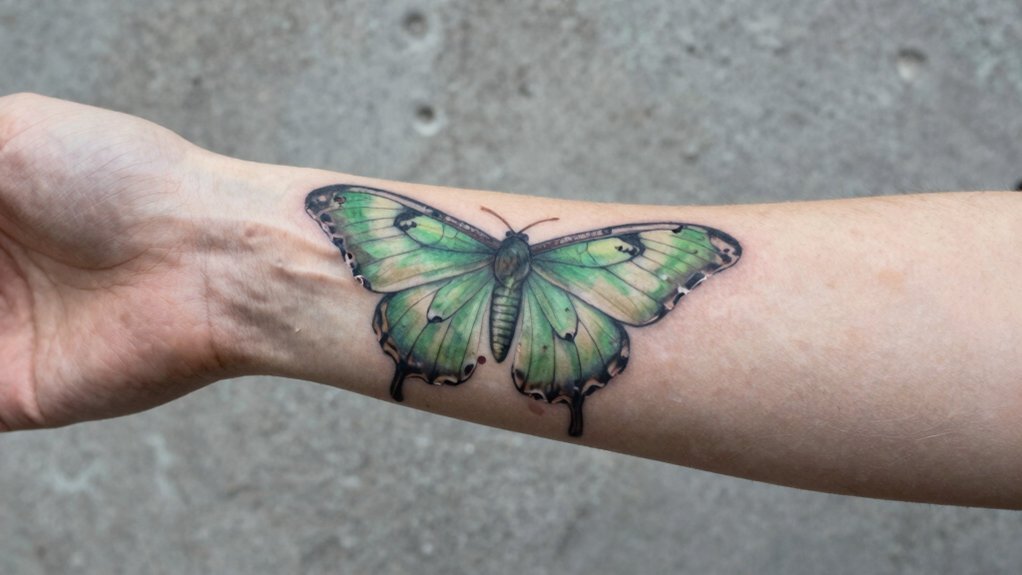
Why does the moth draw you so completely toward flame? You recognize your own fragility in its paper-thin wings, yet you marvel at its stubborn persistence. You’re witnessing vulnerability and resilience locked in perpetual dance.
You don’t choose between softness and strength when you wear this symbol—you claim both. You’ve survived circumstances that should’ve broken you, and you carry that knowledge quietly. The moth teaches you that being delicate doesn’t mean being defeated.
You see yourself in its nocturnal navigation, finding paths through darkness others fear. Your tattoo reminds you that resilience isn’t hardness; it’s continuing despite your fragility. You embrace the contradiction: you’re easily damaged, yet impossibly persistent. This duality defines your survival, your growth, your ongoing flight toward light that warms even as it threatens.
Recommended Products

DUAL PURPOSE CONSISTENCY – Balanced formula supports precise lining and smooth shading, allowing artists to switch techniques without changing products or adjusting workflow.

High quality fashionable temporary tattoo, which looks like real

Kids Temporary Tattoos: Insect tattoos contains 12 sheets 72pcs designs Insect temporary tattoos, colorful patterns such as butterflies, spiders, dragonflies, bees, ladybugs, frogs, caterpillars, grasshoppers, geckos, centipedes, etc.
Death’s-Head Moth Tattoos: Rebellion and Mortality
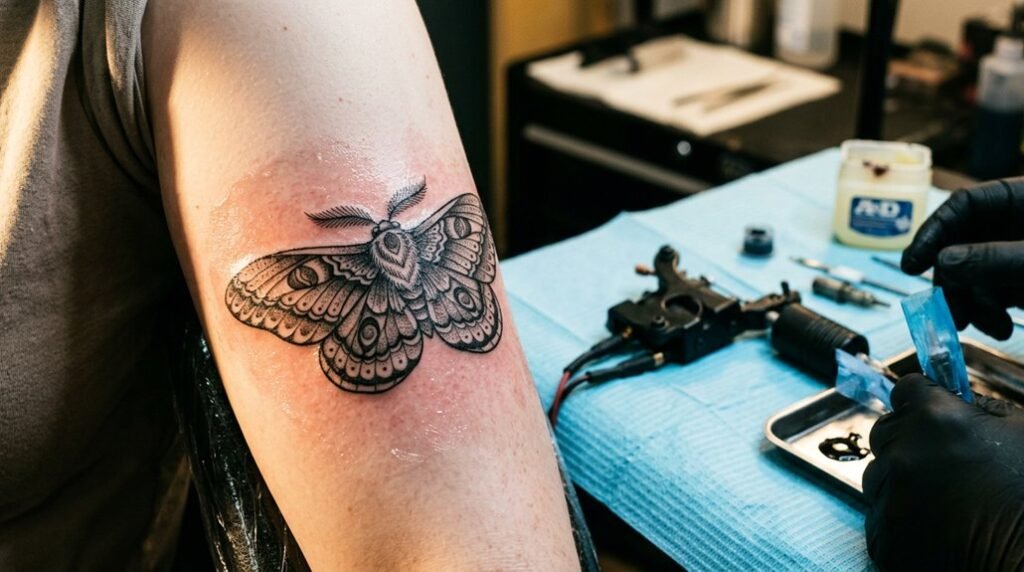
Since you’ve encountered Acherontia atropos in film and popular culture, you recognize it instantly—the skull-shaped marking leering from the thorax, blurring boundaries between delicate insect and macabre omen. You choose this tattoo to confront mortality head-on, rejecting sanitized depictions of death in favor of something visceral and unflinching.
You align yourself with countercultural movements that’ve embraced this moth since *The Silence of the Lambs* cemented its iconography. You’re drawn to its contradictory nature: fragility paired with menace, beauty weaponized. Your skin carries this paradox—soft wings framing a death’s-head, whispering that you’ll decay, that everything ends, yet you’ll rebel against forgetting.
Your tattoo transforms you into a warning and a celebration simultaneously. You wear what others fear. You own your impermanence, refusing to look away.
Recommended Products

【Package Including] Each package including 10 sheets butterfly temporary tattoos sticker, 100 pcs in total, there are different colors and styles to choose from.

Innovative Skin-Sync Technology: We don't just sit on the skin; we interact with it. By reacting organically with naturally occurring proteins in your skin's outermost layer (stratum corneum), our plant-based formula magically transforms from a transparent guide into a rich, ultra-realistic navy-black. It looks exactly like a healed, permanent tattoo—without the needles or depth.

✔[BUTTERFLY TEMPORARY TATTOO] Briyhose Realistic Butterfly Temporary Tattoos Can Cover Your Body Parts Large. It Contains 6 Sheets 6.22 * 4.72 Inch (15.8 * 12cm) Butterfly Realistic Fake Tattoo Stickers For Adults Girl Women Tatto Kit. You Can Share It With Your Family And Friends.
Luna Moth Tattoos: Renewal and Short-Lived Beauty
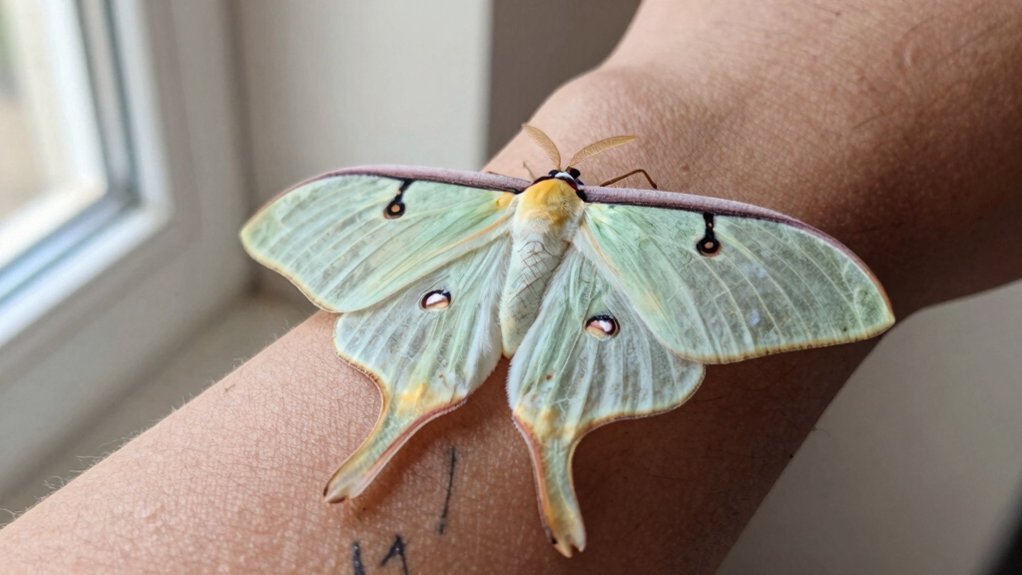
Ephemeral grace draws you toward Actias luna, its pale-green wings unfurling like tissue-thin invitations to reconsider what you’re chasing. You recognize yourself in this creature’s brief adulthood—no mouth, no hunger, only the urgent work of becoming.
You’ll notice how tattoo artists capture that translucent lime shimmer, those trailing hindwing tails like comet dust. You’re choosing more than aesthetics when you ink this species onto your skin. You’re marking your own cycles of shedding, of emergence, of accepting that beauty doesn’t require longevity.
The luna moth lives roughly one week as an adult. You understand this isn’t tragedy—it’s concentration. You’re embracing the paradox: transformation demands destruction, and visibility demands vulnerability. Your tattoo reminds you that renewal arrives repeatedly, but you’ve got to release the old form completely.
Recommended Products

VARIETY OF OPTIONS - This set of temporary tattoo stencil includes 262 different theme patterns. butterfly, mermaid, flower,pirate,animal,shark,crown, dinosaur etc daily kid’s favorite design, also have like as pumpkin, spider, bat, skull, snowflake, etc Halloween, Christmas festive Style in 14 pages A4 size.
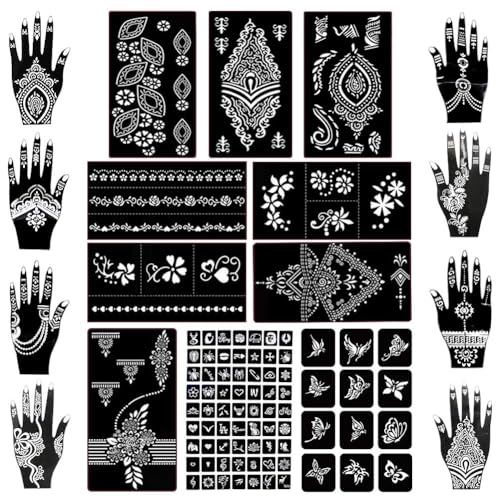
97 HENNA TATTOO DESIGNS IN 18 SHEETS:Includes 8 hand stencils, 8 rectangle flower pattern sheets, and 2 small pattern sheets. Features butterflies, flowers, roses, mandalas, paisley, and traditional Indian/Arabian mehndi designs. Perfect for creating stunning body art for weddings, festivals, and summer celebrations.

Package Including: Pack of 10 Sheets temporary tattoo stencils, each sheet of stencil contains a pair hand. All the designs are shown in the pictures. Only has tattoo template, no tattoo ink
The Moth’s Pull Toward Light: Hope, Obsession, or Self-Destruction?
How do you interpret the moth’s eternal dance with flame—are you witnessing devotion or devastation? You carry this question on your skin when you choose this tattoo. You’re drawn to the light, aren’t you? You see yourself chasing dreams, careers, loves that burn too bright. You know the risk. You ink this symbol when you’ve pursued something beautiful at great cost. You’re admitting your own compulsions, your inability to turn away. Yet you might also celebrate that drive. You’re someone who’d rather burn than stay in darkness. You’re marking resilience, not weakness. You’ve survived your own intensity. Your tattoo asks viewers: do you see hope or warning? You’re comfortable with both answers. You’re owning your contradictions.
Recommended Products

Traditional Tattoo Flash design. Old school tattoo flash, death’s head moth. Cool, traditional tattoo style moth.

[Silent] - Quiet wall clock,no"TICK TOCK",no loud ticking,no noise,this silent wall clock won't bother you when you reading,working,thinking, conversing or sleeping.

Temporary Tattoos could be used for men women adults neck arm chest.
Japanese and Mexican Moth Tattoo Symbolism
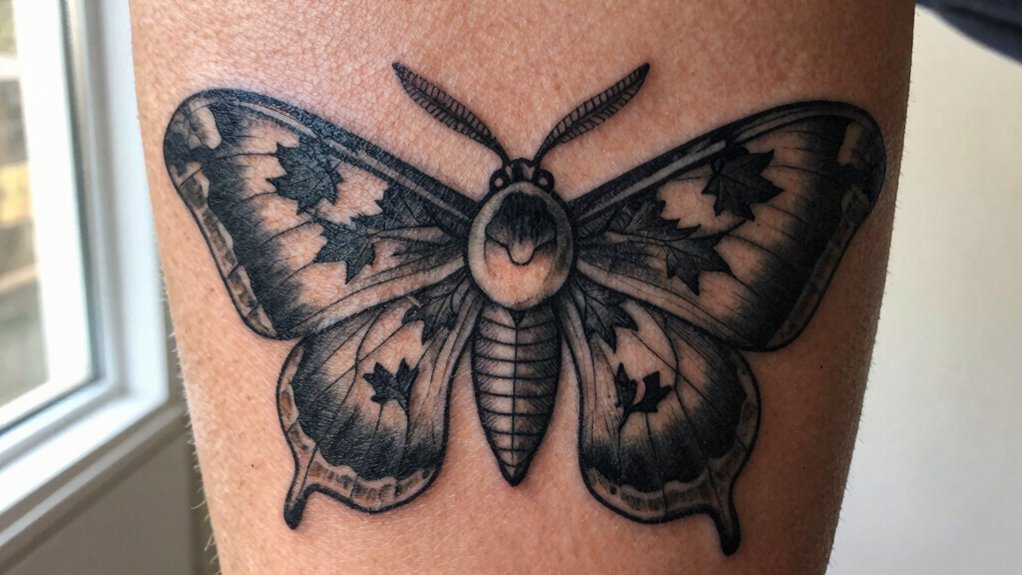
Where do you turn when you want your tattoo to carry history across borders? You look toward Japanese and Mexican traditions, where moths carry distinct cultural weight.
In Japanese tattoo art, you’ll find the moth linked to yūrei, spirits of the dead. You’re embracing themes of impermanence and transformation when you choose this motif. Japanese artists often render moths with delicate, broken-winged realism, reminding you that beauty coexists with fragility. You’re honoring ancestors and accepting life’s fleeting nature.
Mexican heritage offers you the black moth, mariposa negra, deeply tied to Día de los Muertos. You’re connecting with departed loved ones when this creature visits your skin. In Mexican folklore, you’re receiving messages from beyond. Your tattoo becomes spiritual communication, bridging realms through intricate, colorful design that celebrates rather than fears mortality.
Recommended Products

【Realistic Semi-Permanent Look】Boldink temporary tattoos are designed to look more like real tattoos than traditional temporary tattoo stickers. They are waterproof, smudge-resistant, and non-shiny for a natural-looking finish. The tattoo will appear silver at first and gradually darken into a rich, realistic color within 48 hours. For best results, avoid contact with bare skin, especially the face, and cover the tattoo with clothing while sleeping to prevent transfer.

[Semi-Permanent, Realistic Tattoos] INKARTLINK semi-permanent tattoos are lifelike, durable, waterproof, and sweat-resistant, lasting 7–14 days and gradually fading as the skin’s outer layer sheds. They’re perfect for everyday wear, events, or themed occasions. From the beach to the office, they stay vibrant, allowing you to effortlessly showcase your body art in any setting.

High quality fashionable temporary tattoo, which looks like real
Popular Moth Tattoo Styles and Where to Place Them
Why settle for ordinary when your moth tattoo can command attention through stark geometry or flowing organic lines? You might choose a death’s-head hawkmoth rendered in bold blackwork, its skull pattern demanding visibility on your forearm or chest. You could opt for a delicate luna moth in fine-line style, letting it trail down your ribcage or shoulder blade where its translucent wings catch movement.
Minimalist dotwork suits wrists or ankles, while neo-traditional designs with saturated reds and golds dominate thighs and calves. You can frame a realistic Cecropia moth across your back, or tuck a tiny geometric specimen behind your ear. Consider how the placement shapes perception—exposed areas broadcast transformation, while hidden spots create intimate revelation.
Recommended Products

High quality fashionable temporary tattoo, which looks like real
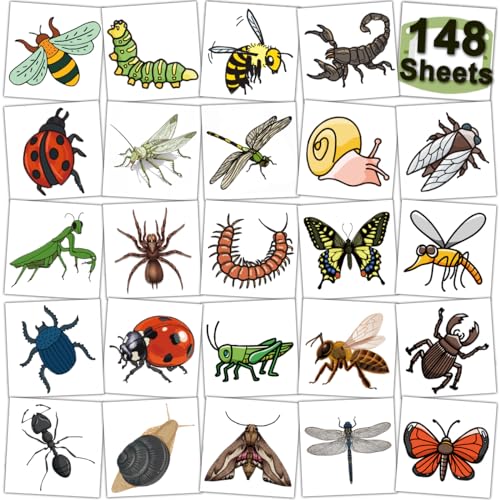
⚡Set Includes 148 Styles Bug Temporary Tattoos for Kids Party Supplies -- Super adorable and fun kids temporary tattoos. This tattoo sticker set contains many fun elements that kids will like (Butterfly,Beetle,Bee,Dragonfly,Spiders..). Add an individual extra touch of fun to a children’s party or event with Charlent tattoos.

High Quality:Bug Temporary Tattoos Made of high quality material, the fake tattoo stickers are Safe for Skin,waterproof, realistic,long lasting 3-5day,removable,and with vivid patterns
How to Choose a Moth Design That Fits You
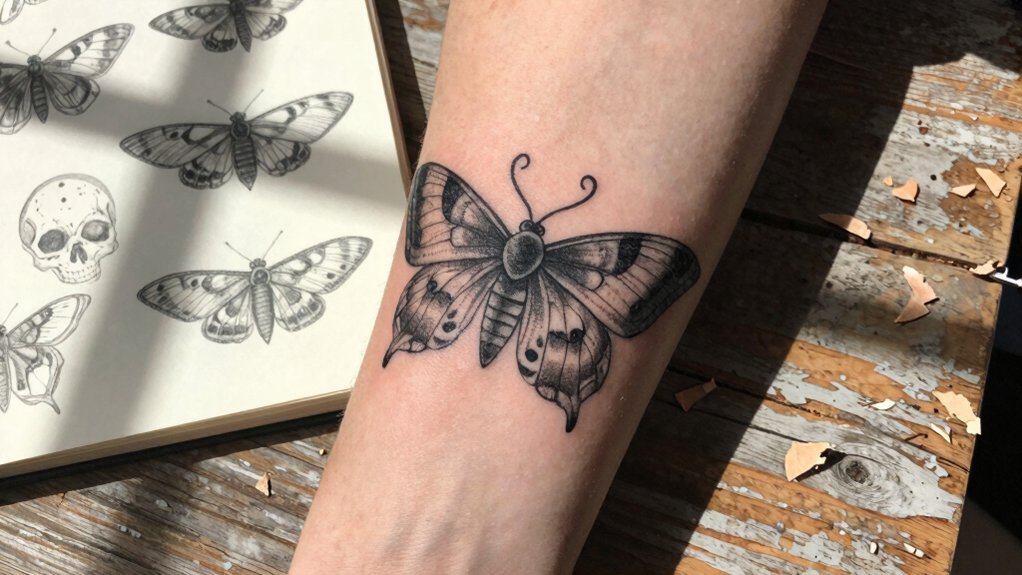
What draws you toward a moth—their nocturnal mystery, their fragile beauty, or their relentless pull toward light? Pinpoint what resonates with you personally before committing to a design.
Consider your aesthetic preferences carefully. You might favor realistic detail, bold traditional lines, or delicate watercolor washes. Match this style to your existing tattoos if you’re building a cohesive collection.
Think about the moth species that speaks to you. A death’s-head hawkmoth carries gothic intensity, while a luna moth embodies ethereal transformation. Research their meanings.
Reflect on placement and how it’ll flow with your body. A chest piece allows for dramatic wing spread; behind the ear suits something subtle and intimate. Consult your artist—they’ll refine your vision and ensure the design ages well. Trust their expertise.
Recommended Products

Generous Quantity: 5 sheets containing a total of 55 monarch butterfly tattoos for multiple applications and sharing
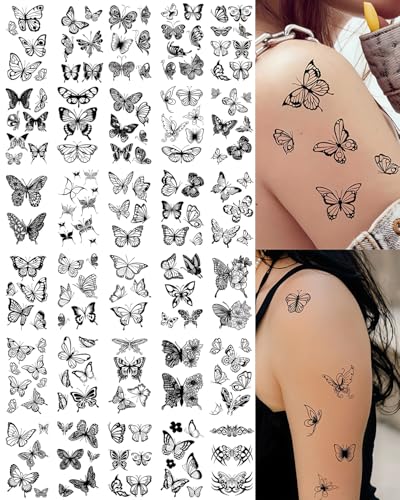
Butterfly Temporary Tattoos for Women: There are 30 black butterfly temporary tattoos in one pack, size 3.93*2.4 inches, you can use these tattoos for arm, shoulder, back, chest, leg, neck, and any part of your body. Butterfly fluttering on the body

【Long Lasting Temporary Tattoos】There are 6 sheets large black temporary tattoos in one package, These came in a nice elegant envelope,size is 4.72*7.48 inch, include Flowers Rose butterfly Leaves Tattoo,look sexy and mysterious.
Moth Tattoo Aftercare: Protecting Your New Ink
Fresh ink demands your attention from the moment you leave the chair. Your artist’s instructions aren’t suggestions—they’re your blueprint for healing. You need to wash your new moth tattoo gently with fragrance-free soap, then pat it dry. Don’t rub. You’ll apply a thin layer of recommended ointment, keeping the skin hydrated but not suffocated.
You must avoid scratching when scabs form—that’s your body’s repair process working. You can’t submerge your tattoo in pools or hot tubs until it’s fully healed. Sun exposure damages fresh ink, so you’ll keep it covered or stay shaded.
You should wear loose clothing that won’t stick or irritate the area. Your diligence during these two weeks ensures your moth’s details stay crisp and vibrant for years. Neglect costs you clarity—you choose.
Conclusion
You’ve explored the layered symbolism behind moth tattoos—from transformation and vulnerability to mortality and renewal. Whether you’re drawn to a Death’s-head hawkmoth’s edgy rebellion or a Luna moth’s delicate ephemeral beauty, your design choice becomes deeply personal. Work closely with your artist, place it where it resonates with you, and commit to proper aftercare. Your moth tattoo will stand as a lasting testament to your own ongoing, messy, beautiful evolution.