
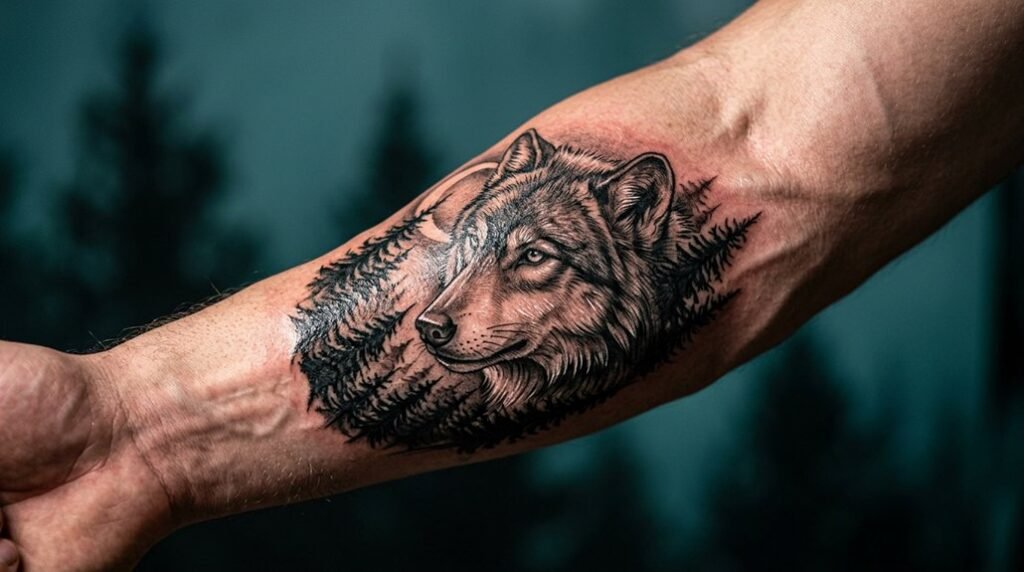
You stand at the crossroads of solitude and belonging when you choose a wolf tattoo. You’re not just picking an image; you’re declaring how you move through the world. But the meaning shifts dramatically depending on what you don’t yet see.
Key Takeaways
- Wolf tattoos symbolize independence, resilience, and raw authenticity in personal identity.
- They reflect duality: gentle loyalty to loved ones alongside fierce protective instincts.
- Cultural roots span Native American pathfinding wisdom and Norse mythology’s raw power.
- Lone wolf designs honor self-reliance; pack imagery celebrates family bonds and belonging.
- Placement and color choices add layers—chest for guarding values, black for mystery.
Recommended Products

✨ Complete Set: Each kit contains 6 large A4 sheets with up to 100 patterns (on the theme). From Delicate Flowers to Fierce Animal Totems, this bulk collection offers endless creativity for DIY body art lovers, always have the perfect design for any mood.

✨ 10 Extra-Large Designs: This set features 5 large A4 sheets with 10 massive tribal patterns, including the Tiger, Dragon, Wolf, Eagle, and Scorpion. Each design is perfectly sized for high-visibility areas like the upper arm, back, chest, or thigh, providing a bold and professional tattoo look.

RICH TEMPORARY TATTOO KIT - Contains rich tattoos pattern templates (126 designs),6 tattoo inks in 2 colors (black and brown),4 disposable gloves 1 pack of cleaning supplies,allowing you to easily create unique personalized tattoos
What Does a Wolf Tattoo Mean at Its Core?
Why do so many people choose the wolf for their ink? You see it everywhere: shoulders, arms, ribs. You’re drawn to it too, aren’t you?
You crave what the wolf represents. Freedom pulses through your veins when you imagine running untamed. Loyalty grips your heart—you’d protect your pack at any cost. You admire the creature’s sharp instincts, its refusal to bow.
At its core, the wolf tattoo mirrors your own duality. You’re gentle with loved ones, fierce when threatened. You thrive in solitude yet hunger for connection. The wolf doesn’t apologize for its nature, and you don’t want to either.
When you wear this symbol, you claim independence, resilience, and raw authenticity. You’re marking yourself as someone who leads, who feels deeply, who won’t break.
Recommended Products

【Realistic Semi-Permanent Look】Boldink temporary tattoos are designed to look more like real tattoos than traditional temporary tattoo stickers. They are waterproof, smudge-resistant, and non-shiny for a natural-looking finish. The tattoo will appear silver at first and gradually darken into a rich, realistic color within 48 hours. For best results, avoid contact with bare skin, especially the face, and cover the tattoo with clothing while sleeping to prevent transfer.

✔[REALISTIC WOLF TEMPORARY TATTOO] Briyhose Wolf Tattoos Temporary Can Cover Your Body Parts Large. It Contains 8 Sheets 8.27 * 5.83 Inch (21 * 14.8cm) Realistic Half Sleeve Wolf Fake Tattoo Stickers For Adults Men Women Tatto Kit. You Can Share It With Your Family And Friends.

Striking Wolf Design – Intricate black-and-white sketch-style wolf art featuring close-up heads with piercing eyes, natural fern accents, and full-body running wolves. Captures raw power, speed, and untamed spirit.
Where Do Wolf Tattoo Meanings Come From? Native American and Norse Roots
Where do these powerful associations originate? You’ll find deep roots in Native American traditions, where tribes view wolves as teachers, pathfinders, and symbols of loyalty. You’re connecting to centuries of reverence when you choose designs inspired by these beliefs.
Norse mythology offers another wellspring—you’re drawing from stories where Fenrir embodies raw power and Odin’s wolves, Geri and Freki, represent companionship and hunger for knowledge. You’re not just picking an image; you’re participating in cultural narratives that span continents. These traditions shape how you understand wolf symbolism today.
Whether you’re honoring your heritage or adopting these meanings respectfully, you’re tapping into something ancient. The wolf’s significance isn’t arbitrary—it’s been forged through generations of storytelling, spiritual practice, and survival wisdom that still resonates in your skin.
Recommended Products
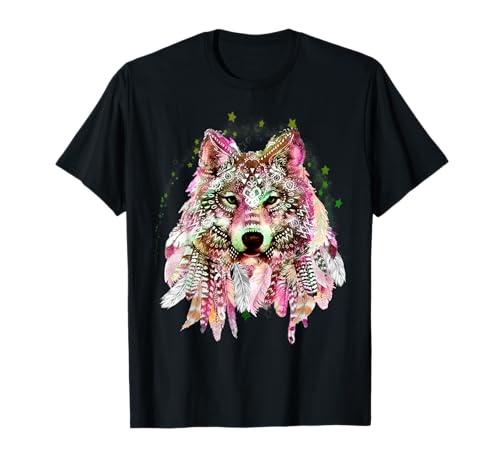
WOLF, NATIVE, NATIVE AMERICAN, INDIAN, FEATHERS, HEADDRESS, NATIVE AMERICAN WOLF, INDIAN WOLF, TATTOO WOLF, ARCTIC WOLF, WOLF DOG, WOLFHOUND, WOLF FEATHERS, NATIVE AMERICAN HEADDRESS, tribal, Western, Southern, Mountain wolf, Forest.

American Traditional Tattoos Adults: Our temp tattoo set includes 20 sheets 96pcs unique body art, each temporary tattoos measuring 2.7*4.72in, a great bulk temporary tattoos option for men and women with classic styles.

⚡Awesome Realistic American Traditional Style Fake Tattoos for Adult -- Super stylish design temporary tattoos, set includes variety of classic elements(rose money, neotraditional, crows, eagle, tigers, and many more popular designs!) that you can use for different locations on your shoulder, arms, chest, etc. Easy to share it with your family and friends.
Lone Wolf or Pack Tattoo Designs: Which Meaning Fits You?
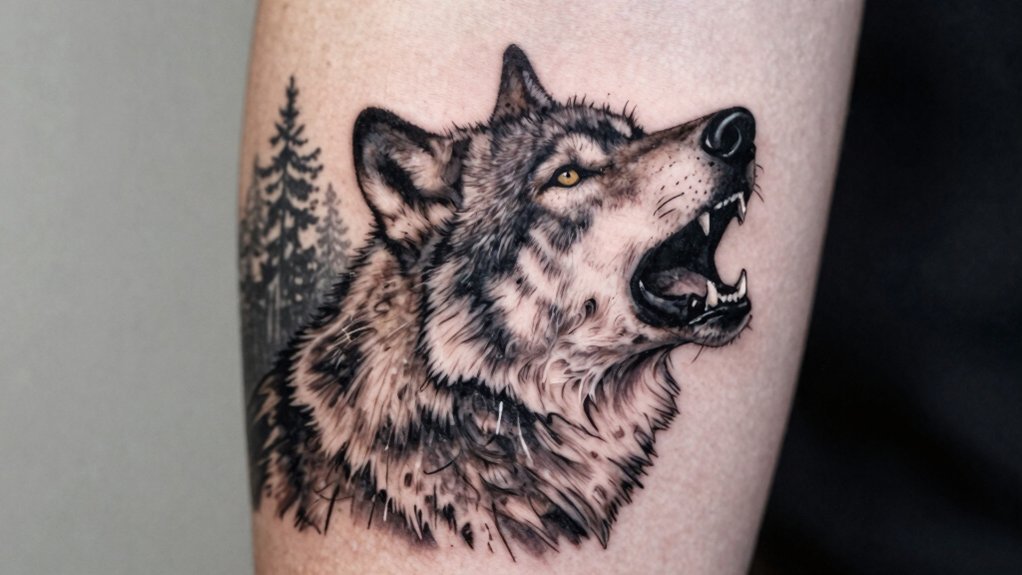
These cultural roots shape your design choices, but you’re also deciding what the wolf represents personally. You’re choosing between two powerful statements about yourself.
A lone wolf tattoo captures your independence and self-reliance. You’re celebrating solitude as strength, showing you don’t require validation from others. This design fits when you’ve forged your own path through hardship or rejected conformity.
Pack designs transform your skin into a tribute to loyalty and family bonds. You’re honoring the people who carry you through life’s challenges. Multiple wolves running together, or a wolf surrounded by cubs, declares that connection matters more than individual glory.
Neither choice contradicts the other. You’re complex, and your tattoo can reflect that duality. Some combine both images, acknowledging you need both solitude and belonging.
Recommended Products

Material: Crafted from soft lightweight polyester, this sleeveless t shirt for men features highly breathable fabric that wicks away sweat and cools you down during intense summer heat. A top choice for performance and comfort.

Durable and Comfort - Oriented Design: This men's workout training tank top is stitched neatly at the neck, sides, and hem. The solid stitching prevents curling, reduces chafing, and ensures long - lasting durability. Its loose style offers great freedom during intense workouts, whether you're doing high - intensity interval training or powerlifting
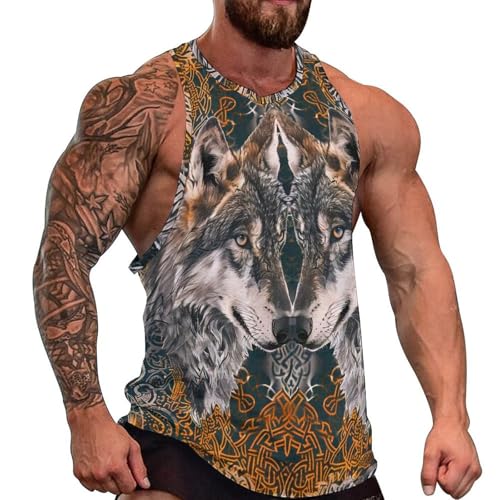
Material: Crafted from soft lightweight polyester, this sleeveless t shirt for men features highly breathable fabric that wicks away sweat and cools you down during intense summer heat. A top choice for performance and comfort.
What Does Your Wolf Tattoo Placement Say About You?
How you position your wolf on your body shapes its meaning as much as the design itself.
You choose your chest when guarding something fiercely—your heart, your values, your pack. You’re showing the world you’re unafraid to lead with vulnerability.
You place it on your back when carrying strength that others rarely see; you’re not performing power, you’re embodying it quietly.
You ink your forearm when you wear your loyalty openly. You want every handshake, every gesture, to remind others who stands before them.
You select your thigh or ribcage when the meaning stays intimate, shared only when you decide.
You position the wolf on your neck when you’ve survived transformation and refuse to hide it. Wherever you place yours, you’re mapping personal territory with permanent intent.
Recommended Products

Lightweight, Classic fit, Double-needle sleeve and bottom hem

77 Temporary Tattoos: Waterproof temporary tattoos for adults & kids, featuring half-arm and small designs with bold lions, tigers, wolves, owls, and ravens for versatile styling

PACK CONTENTS: Set of 100 mini temporary tattoos featuring team spirit designs including paw prints, footballs, foam fingers, and sports equipment in various colors. Select your design - tattoos measure approx 1" each and are printed 4 on sheet, 25 sheets in a pack.
How Color, Style, and Direction Shift Wolf Tattoo Meanings
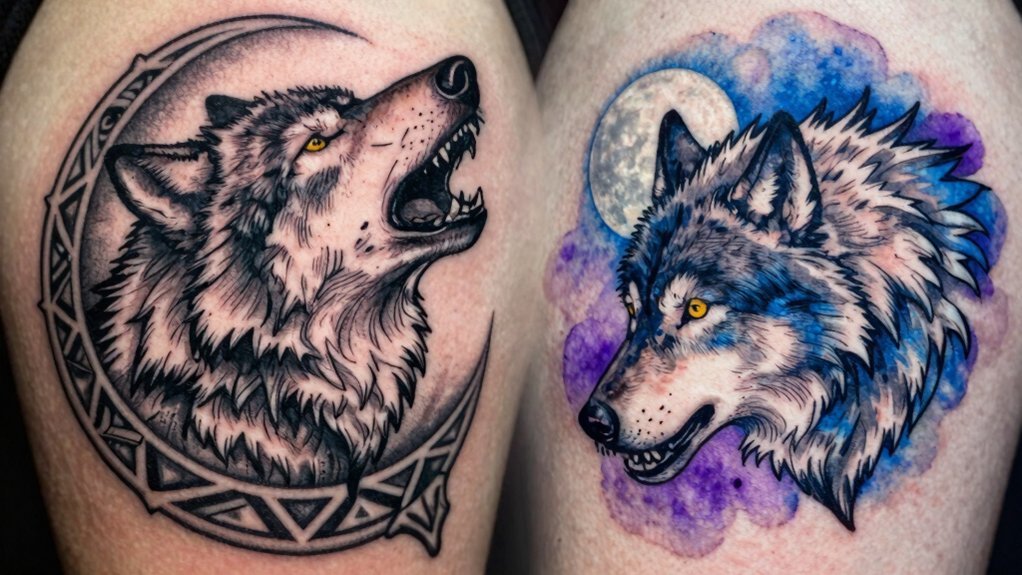
A wolf facing left doesn’t carry the same weight as one facing right, and the black ink pooling in its fur changes the story entirely. You’ll notice left-facing wolves traditionally symbolize past experiences or introspection, while right-facing ones project future ambition or outward focus. Direction matters.
Color shifts your narrative dramatically. You choose black and grey for stark resilience, mystery, or mourning. You select blues and purples for spirituality and intuition. You add red accents for passion, bloodlines, or danger. Watercolor styles soften the predator into something dreamlike, while geometric patterns structure your chaos into sacred symmetry.
Neo-traditional designs speak to nostalgia and bold identity. Fine-line techniques whisper sensitivity. Each stylistic choice you make deepens or contradicts the wolf’s core meaning. Your tattoo becomes a coded language only you fully translate.
Recommended Products

【PREMIUM 10-PIECE DEER STENCIL SET】Our comprehensive collection features 10 meticulously designed deer stencils crafted from high-quality PET material. Each stencil showcases detailed wolf motifs perfect for wood burning stencils projects, painting, and crafting. The precision-cut designs capture the majestic beauty of wolf in various poses and scenes, allowing artists and crafters to create stunning wildlife artwork with professional results every time.

⯁ 400+ Reusable Henna Stencils: Get 24 sheets of high-quality, self-adhesive hollow templates featuring over 400 unique patterns. These temporary tattoo stencils allow you to create stunning body art including mandalas, butterflies, and dragons. Perfect for practicing techniques without permanence

VARIETY OF OPTIONS - This set of temporary tattoo stencil includes 262 different theme patterns. butterfly, mermaid, flower,pirate,animal,shark,crown, dinosaur etc daily kid’s favorite design, also have like as pumpkin, spider, bat, skull, snowflake, etc Halloween, Christmas festive Style in 14 pages A4 size.
What Wolf Tattoo Design Reflects Your Personal Journey?
Where do you stand right now—guarding what’s yours, running toward something new, or howling into the dark? Your wolf tattoo should capture that exact moment.
You’ve survived battles. A scarred, fierce-eyed wolf facing forward shows you’re standing your ground. You’re rebuilding. A lone wolf walking a ridgeline mirrors your solitary climb. You’re calling out for connection or mourning what you’ve lost. A howling silhouette speaks when you can’t.
Don’t chase generic beauty. Map your actual terrain. Did you leave your pack? A departing wolf glancing back honors that painful choice. Are you leading others now? A pack-running composition fits. Your story isn’t static, so choose imagery that holds tension—movement, not perfection. The wolf you wear should feel like skin you’ve earned, not costume you’ve borrowed.
Recommended Products

68 Sheets for Custom Styling: A mixed black temporary tattoo set with large statement designs and small accent tattoos for arms, shoulders, chest, legs, back, and hands.

PACK CONTENTS: Set of 100 mini temporary tattoos featuring team spirit designs including paw prints, footballs, foam fingers, and sports equipment in various colors. Select your design - tattoos measure approx 1" each and are printed 4 on sheet, 25 sheets in a pack.

ANIMAL TEMPORARY TATTOOS - 6 sheets extra large temporary tattoos which are measured dimension 5.5'' x 7.8''. Your friends will be surprised you took a such big tattoo! Great fun for parties, special events also for testing how would a real tattoo look like.
Questions to Ask Your Tattoo Artist Before Your Wolf Design
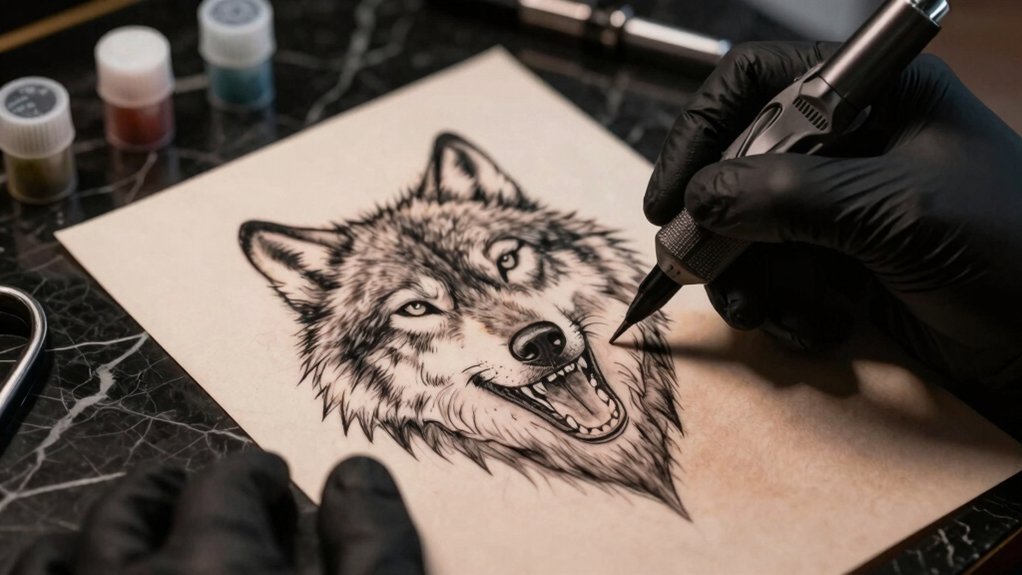
Why trust your skin to anyone who hasn’t earned the story you’re telling? You’re interviewing your artist, not begging for their time. Ask how they’ve rendered wolves before. Demand to see healed photos, not just fresh ink. You’re checking if they understand fur texture, eye depth, moonlight placement.
You’re asking about their sterilization protocols, their ink brands, their touch-up policies. You’re not being difficult; you’re being responsible.
You’ll inquire how they handle skin that ages, stretches, tans. You’ll discuss sizing tricks that keep your wolf recognizable at twenty paces or twenty years.
You’ll ask how long they’ve actually tattooed, where they apprenticed, who vouches for them.
You’re trusting this stranger with your narrative permanently. You’re allowed to interrogate every detail until your gut settles.
Recommended Products

Two-part protective case made from a premium scratch-resistant polycarbonate shell and shock absorbent TPU liner protects against drops
![Savvi - 18 American Traditional Temporary Tattoos: Skin-Safe Ink, Great for Parties and Everyday Wear,Gifts for Teens and Adults, Made in the USA [2 sheets, 18 count]](https://m.media-amazon.com/images/I/51+ao4eX49L._SL500_.jpg)
TRADITIONAL FLAIR: Get ready to unleash your inner rebel with Savvi's American Traditional Flash Temporary Tattoo Pouch. Have fun on a wild ride of traditional American flash art with 18 tattoos to choose from.

Two-part protective case made from a premium scratch-resistant polycarbonate shell and shock absorbent TPU liner protects against drops
Conclusion
You carry your wolf tattoo as a mirror of who you’re becoming—whether you chose the lone path or pack bonds, ancient roots or modern edge. Your placement, style, and colors speak truths you’ve perhaps never voiced aloud. Trust that instinct. The meaning lives in your intention, not any dictionary. Now go find an artist who listens as sharply as the wolf itself listens to the wild.
Recommended Products

SAFE FOR ALL SKIN FULL ARM VIKING TREE LIFE FULL ARM STICKER TATTOO - contains 1 sheet viking medieval temporary tattoo which are printed with non-toxic ink, Your friends will think you had a new viking style tattoo! Great fun for parties, cosplay, halloween, special events Also for testing to see if you like a real tattoo look like

Premium Norse Mythology Design — Featuring authentic Viking tattoo-inspired graphics, these hoodies celebrate the rich heritage of Norse mythology with bold and intricate artwork.

Cool Wolf Temporary Tattoos: Features bold and fun wolf tattoos inspired by wolves and nature. Perfect temp tattoos for kids who love wolves, wildlife, and adventure themes.